₹130.00
Home
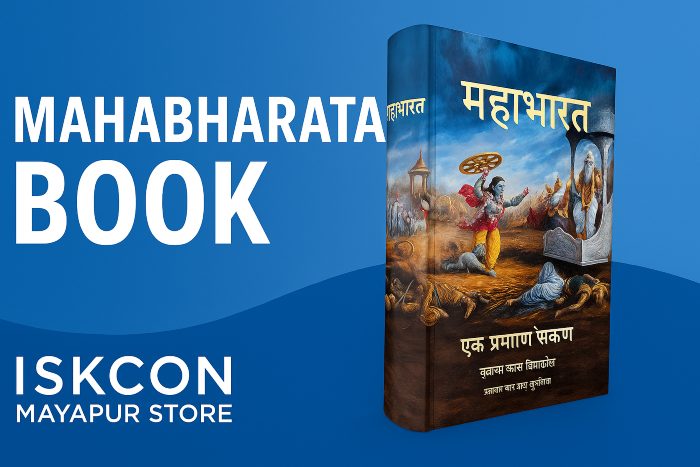
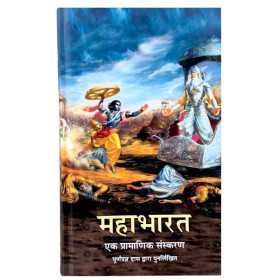
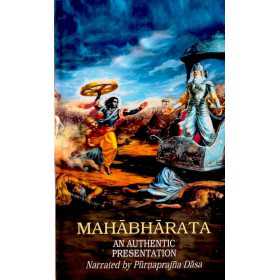
The Mahabharata Book is not just the longest epic ever written in human history—it is the spiritual backbone of Indian civilization and a timeless guide for humanity. This sacred scripture presents life in its most complete form, revealing the eternal battle between truth and falsehood, duty and desire, devotion and ego.
Attributed to the legendary sage Ved Vyasa, the Mahabharata contains over 100,000 Sanskrit verses, making it the largest literary composition in the world. At its heart lies the immortal wisdom of the Bhagavad Gita, spoken by Lord Krishna to Arjuna on the battlefield of Kurukshetra.
This Mahabharata Book category is specially created for seekers, devotees, scholars, students, and spiritual readers who wish to explore the complete story of dharma, karma, devotion, and liberation in its original depth.
Even after thousands of years, the Mahabharata remains deeply relevant to modern life. Every human emotion, ethical dilemma, political decision, family conflict, and spiritual struggle is mirrored in its divine narrative.
It teaches us:
From kings and warriors to sages and householders, every role of life is beautifully portrayed.
The Mahabharata is divided into 18 Parvas (books), each representing a stage of destiny:
1. Adi Parva – Origins and genealogy
2. Sabha Parva – The royal court and gambling episode
3. Vana Parva – Life in exile
4. Virata Parva – Life in disguise
5. Udyoga Parva – Preparation for war
6. Bhishma Parva – The fall of the great Bhishma
7. Drona Parva – War under Guru Drona
8. Karna Parva – The rise and fall of Karna
9. Shalya Parva – Final war strategies
10. Sauptika Parva – Night massacre
11. Stri Parva – Lamentation of women
12. Shanti Parva – Teachings on peace and governance
13. Anushasana Parva – Laws of charity and conduct
14. Ashvamedhika Parva – The royal sacrifice
15. Ashramavasika Parva – Retirement to the forest
16. Mausala Parva – Destruction of the Yadu dynasty
17. Mahaprasthanika Parva – The great journey
18. Svargarohana Parva – Ascension to heaven
Each parva reflects deep philosophical, moral, and social principles.
The Adi Parva is the first and foundational chapter of the Mahabharata, introducing the origin of the Kuru dynasty and setting the stage for the great epic. It narrates the birth and early lives of key characters such as the Pandavas, Kauravas, Bhishma, and Karna. This Parva also includes the stories of King Shantanu, Satyavati, and the divine marriage of Arjuna and Draupadi. Adi Parva establishes the themes of destiny, rivalry, divine intervention, and dharma, which later unfold into the great Kurukshetra war.
The Sabha Parva is the second major chapter of the Mahabharata, and it marks the turning point of the entire epic. This Parva describes the construction of the magnificent royal assembly hall of the Pandavas and the grand Rajasuya Yajna performed by Yudhishthira. It also contains the tragic dice game (Dyuta Krida), where Shakuni deceives Yudhishthira, leading to the loss of kingdom, wealth, and honor. The humiliation of Draupadi in the royal court and the exile of the Pandavas for 13 years sow the seeds of the great Kurukshetra war.
The Vana Parva is the third major chapter of the Mahabharata, describing the twelve-year forest exile of the Pandavas after their defeat in the dice game. During this period, the Pandavas face numerous hardships, divine tests, and spiritual lessons. This Parva includes many legendary episodes such as the story of Nala–Damayanti, the Yaksha–Yudhishthira dialogue, and Arjuna’s penance to obtain celestial weapons. Vana Parva highlights themes of patience, sacrifice, self-control, and faith in dharma, preparing the Pandavas mentally and spiritually for the coming war.
The Virata Parva is the fourth chapter of the Mahabharata, narrating the final year of the Pandavas’ exile, which they must spend in complete disguise. The Pandavas enter the kingdom of King Virata and take up hidden identities—Yudhishthira as a court advisor, Bhima as a cook, Arjuna as a dance teacher, Nakula and Sahadeva as caretakers, and Draupadi as a maid. This Parva includes the famous episode where Arjuna, as Brihannala, defeats the Kauravas in battle. Virata Parva symbolizes patience, strategy, restraint, and the silent preparation for the great war.
The Udyoga Parva is the fifth major chapter of the Mahabharata, focusing on intense preparations for the great Kurukshetra war. This Parva describes peace negotiations, diplomatic missions, and final attempts to avoid bloodshed. Lord Krishna personally goes as a peace messenger to the Kaurava court, but his efforts are rejected by Duryodhana. The alliances of kings are formed, armies are organized, and warriors choose their sides. Udyoga Parva highlights the failure of diplomacy, the arrogance of power, and the unavoidable march toward destiny and war.
The Bhishma Parva is the sixth chapter of the Mahabharata and marks the dramatic beginning of the Kurukshetra war. It describes the first ten days of the battle under the command of the mighty warrior Bhishma, the grandsire of both the Pandavas and Kauravas.
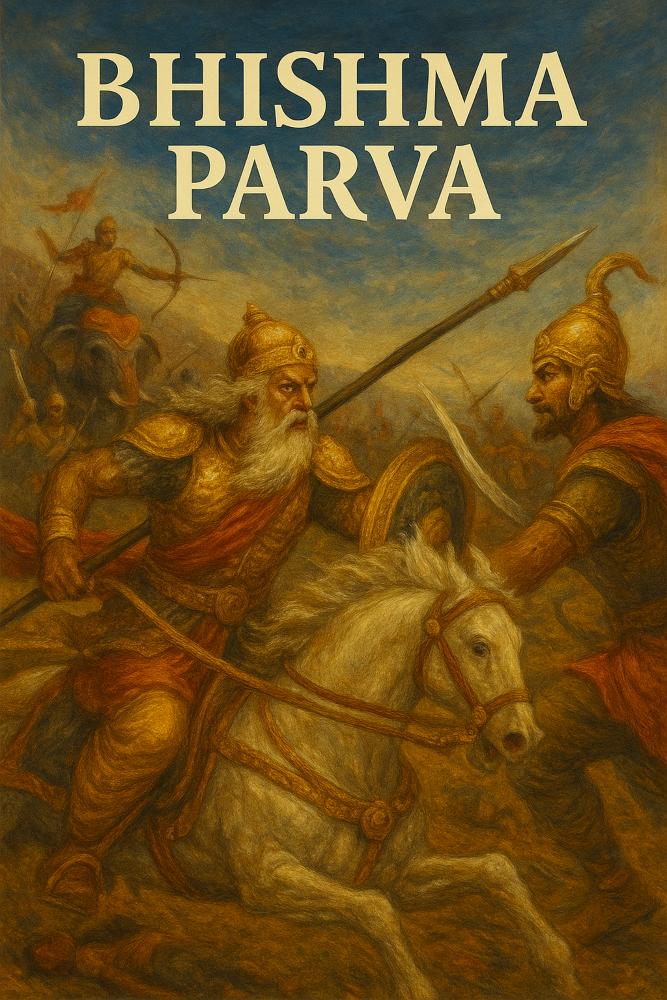
This Parva also contains the sacred Bhagavad Gita, where Lord Krishna imparts divine wisdom to Arjuna on the battlefield. The Parva concludes with the strategic fall of Bhishma on a bed of arrows, symbolizing the decline of the old order.
The Drona Parva is the seventh major chapter of the Mahabharata, describing the next phase of the Kurukshetra war under the leadership of the great teacher Guru Dronacharya. This Parva highlights the fierce battles between the Pandavas and Kauravas, especially the tragic death of young Abhimanyu in the Chakravyuha formation. It also narrates how Drona is strategically defeated through the news of his son Ashwatthama’s supposed death. The Parva reflects the emotional conflict between duty, attachment, and warfare, and shows how even the greatest warriors fall to destiny.
The Karna Parva is the eighth major chapter of the Mahabharata, focusing on the most intense and tragic phase of the Kurukshetra war. After the fall of Drona, Karna becomes the commander of the Kaurava army. This Parva highlights the heroic but doomed battles between Karna and the Pandavas, especially his fierce duel with Arjuna. It reveals Karna’s inner conflict between loyalty to Duryodhana and his hidden identity as Kunti’s son. The Parva ends with Karna’s death, symbolizing sacrifice, destiny, and the harsh consequences of lifelong choices.
The Shalya Parva is the ninth major chapter of the Mahabharata, describing the final and most decisive day of the Kurukshetra war. After the fall of Karna, King Shalya becomes the commander of the Kaurava army. This Parva highlights the last fierce battles between the remaining warriors, including the powerful duel between Bhima and Duryodhana using maces. Through Krishna’s guidance, Bhima strikes Duryodhana at his weak point, leading to his defeat. Shalya Parva symbolizes the end of arrogance, the collapse of adharma, and the final victory of righteousness.
The Sauptika Parva is the tenth chapter of the Mahabharata, and it describes one of the darkest and most tragic episodes of the Kurukshetra war. After the defeat of the Kaurava army, Ashwatthama, along with Kripa and Kritavarma, attacks the sleeping Pandava camp at night. In this brutal massacre, the sons of the Pandavas and many warriors are killed in their sleep. Overcome with guilt and rage, Ashwatthama later releases a divine weapon. Sauptika Parva reflects themes of revenge, uncontrolled anger, and the devastating consequences of adharma.
The Stri Parva is the eleventh chapter of the Mahabharata, portraying the deep sorrow and emotional aftermath of the Kurukshetra war. After the war ends, the women of both the Pandava and Kaurava families walk across the battlefield, mourning their fallen husbands, sons, and brothers. Queens like Gandhari and Kunti express intense grief and anguish over the massive destruction. This Parva powerfully reflects the human cost of war, highlighting pain, compassion, forgiveness, and the tragic consequences of pride and conflict.
The Shanti Parva is the twelfth major chapter of the Mahabharata, and it focuses on the restoration of peace after the devastating Kurukshetra war. Grief-stricken by the loss of countless lives, Yudhishthira seeks guidance on righteous kingship and the path of dharma. Lying on his bed of arrows, the great Bhishma imparts profound teachings on governance, justice, leadership, charity, and moral duty. Shanti Parva is a treasure of political wisdom and spiritual ethics, showing how a ruler must balance power with compassion and responsibility.
The Anushasana Parva is the thirteenth major chapter of the Mahabharata, continuing the sacred teachings of Bhishma from his bed of arrows. This Parva focuses on the laws of righteous conduct, charity (dāna), moral discipline, and devotional duties. Bhishma explains the importance of self-control, compassion, truthfulness, and service to society. It also includes the glorious Vishnu Sahasranama, the thousand names of Lord Vishnu, recited by Bhishma. Anushasana Parva highlights that true greatness is achieved through humility, generosity, and unwavering devotion to dharma.
The Ashvamedhika Parva is the fourteenth chapter of the Mahabharata, describing the Ashvamedha Yajna performed by King Yudhishthira to establish peace and sovereignty after the war. A sacred horse is released to roam freely, symbolizing royal authority, and Arjuna follows it to protect its path. During this journey, Arjuna faces new battles and restores order in various kingdoms. This Parva also includes the beautiful Anugita, where Lord Krishna re-explains spiritual wisdom to Arjuna. Ashvamedhika Parva symbolizes renewal, responsibility, and the righteous use of power.
The Ashramavasika Parva is the fifteenth chapter of the Mahabharata, describing the final phase of life of the elder members of the Kuru dynasty. After handing over the kingdom to the Pandavas, Dhritarashtra, Gandhari, Kunti, and Vidura retire to the forest to live a life of renunciation and spiritual practice. This Parva portrays deep detachment from worldly power and the acceptance of fate. It also narrates the tragic forest fire that ends their earthly journey, symbolizing liberation from material bonds and the impermanence of life.
The Mausala Parva is the sixteenth chapter of the Mahabharata, and it narrates the tragic destruction of the powerful Yadava dynasty. Due to a terrible curse, internal conflicts arise among the Yadavas, leading to a massive self-destruction at Prabhasa using iron clubs that grow from reeds. This Parva also describes the departure of Lord Krishna from the mortal world, marking the end of the Dvapara Yuga and the beginning of Kali Yuga. Mausala Parva highlights the themes of destiny, time’s supremacy, and the inevitable end of all worldly power.
The Mahaprasthanika Parva is the seventeenth chapter of the Mahabharata, describing the final journey of the Pandavas toward liberation. After ruling the kingdom righteously, Yudhishthira hands over the throne to Parikshit and begins the great renunciation journey along with his brothers and Draupadi. As they travel toward the Himalayas, one by one, Draupadi and the four brothers fall, revealing their hidden human weaknesses. Only Yudhishthira continues forward with unwavering faith. This Parva powerfully symbolizes detachment, truth, and the soul’s final test before liberation.
The Svargarohana Parva is the eighteenth and final chapter of the Mahabharata, and it beautifully concludes the spiritual journey of the Pandavas. After the great final journey, Yudhishthira alone reaches the gates of heaven along with a loyal dog, who later reveals himself as the god of dharma. Yudhishthira is tested one last time and proves his unwavering righteousness. He is then granted entry into heaven, where he reunites with his brothers, Draupadi, and even his former enemies. This Parva symbolizes ultimate justice, divine grace, and the soul’s final liberation.
The Bhagavad Gita is the crown jewel of the Mahabharata. In just 700 verses, it answers the most complex questions of human existence:
It teaches Karma Yoga, Bhakti Yoga, and Jnana Yoga, forming the spiritual foundation of Hindu philosophy.
Symbol of supreme intelligence, compassion, and cosmic justice.
Represents every struggling human soul.
Symbol of sacrifice, loyalty, and suppressed identity.
Embodiment of truth and righteousness.
Symbol of sacrifice and unwavering duty.
Symbol of dignity, resilience, and justice.
What makes the Mahabharata incomparable is not just its vast story, but its extraordinary philosophical depth. It explores:
Every character represents a different human tendency. There is no absolute black or white—everyone operates within shades of karma. This is why the Mahabharata feels intensely real even today.
Modern self-help books focus on limited aspects of life—success, mindset, money, relationships. The Mahabharata covers everything at once:
No other book in the world offers this level of practical life psychology blended with spiritual truth.
The Kurukshetra war is not simply a physical war—it is a cosmic moral crisis. Every warrior fights not only external enemies but also internal confusion.
Even the divine hero Arjuna collapses emotionally before the war begins. And it is at this moment that Lord Krishna reveals the Bhagavad Gita.
This scene alone makes the Mahabharata the most powerful spiritual narrative in human history.
In this category, you will find:
According to ancient beliefs, reading the Mahabharata purifies karma, removes negative energies, and brings divine protection. It is said that:
Buying from a devotional store ensures:
Unlike casual storybooks, Mahabharata books are purchased with:
That makes this category high-conversion, high-retention, evergreen revenue.
Mahabharata sets are often gifted on:
This increases seasonal sales potential.
The Mahabharata is considered Itihasa (sacred history)—a blend of historical reality and divine cosmic truth.
An abridged English or Hindi edition is ideal for first-time readers.
Yes, the Bhagavad Gita is located in Bhishma Parva.
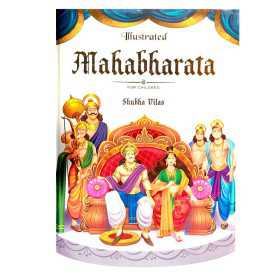
Yes, illustrated and simplified versions are specially designed for children.
Depending on reading speed, it may take 3 to 6 months for full study.
Conclusion – The Mahabharata Is the Mirror of Life
The Mahabharata is not only a book—it is a spiritual university of human life. Every decision we take, every emotion we feel, every struggle we face, and every victory we achieve already exists within its divine pages.
To read the Mahabharata is to understand destiny, master emotions, build character, and walk the path of righteousness. Whether you seek wisdom, peace, strength, success, or salvation—the Mahabharata holds answers for every soul.
There are 3 products.