
Why did Krishna run to embrace a poor brahmin in rags? Read the Sudama story from the Bhagavatam and learn how a...
Latest posts
-
 Krishna and Sudama: The Poor Brahmin Who Became Wealthy in LoveRead more
 -
 Vamana Avatar: How Three Steps Humbled Bali MaharajaRead more
Why did a powerful king give away three worlds to a boy asking for three steps? Learn the Vamana avatar story from...
-
 The Bhagavatam on Marriage: Duty, Love and Spiritual PartnershipRead more
What does the Bhagavatam say about marriage? Through the stories of Kardama and Devahuti, Rukmini's secret letter and...
-
 What Is Prema? The Bhagavatam's Highest Stage of Love for GodRead more
Prema is love for God with no "because" attached. Learn how the Bhagavatam describes it, the nine steps from faith to...
-
 Is Shiva Parvati Kalyana Mentioned in Srimad Bhagavatam? What the Scripture Really SaysRead more
Looking for Shiva and Parvati's wedding in the Srimad Bhagavatam? Find out what the scripture actually describes,...
-
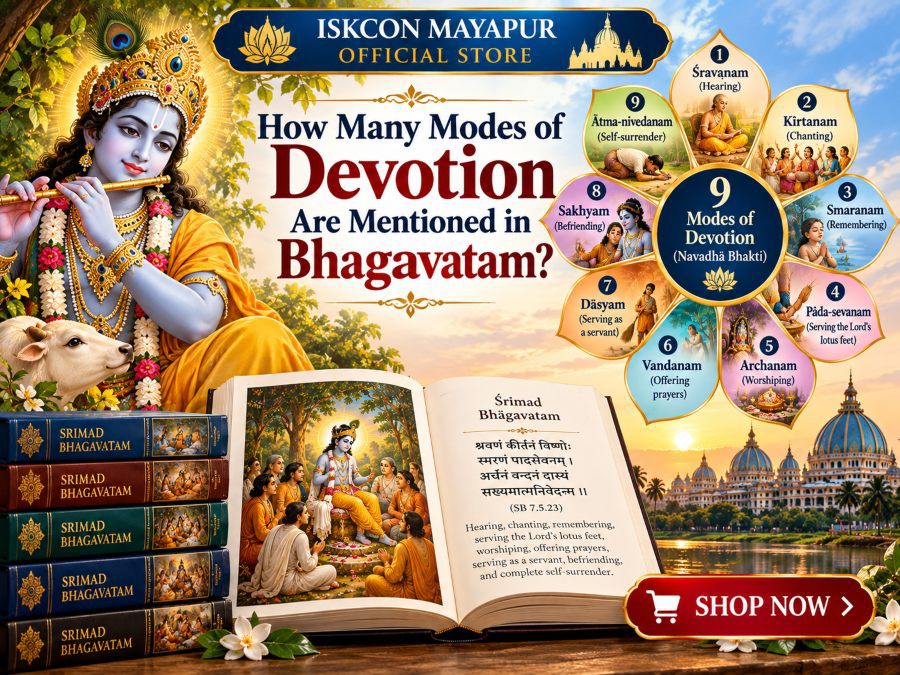 How Many Modes of Devotion Are Mentioned in Bhagavatam?Read more
A young boy named Prahlada listed nine ways to serve God, and the Bhagavatam keeps them as its answer. Learn what the...
-
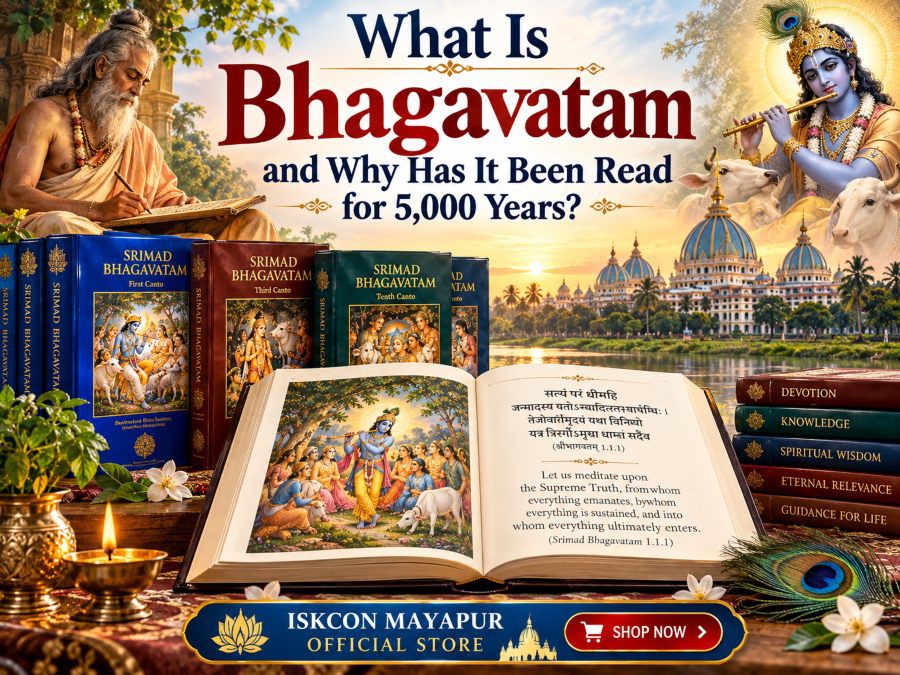 What Is Bhagavatam and Why Has It Been Read for 5,000 Years?Read more
A dying king asked one question, and the answer became the Bhagavatam. Learn what this Sanskrit scripture contains,...
-
 Who Is Lord Krishna? His Meaning, Teachings and Pastimes ExplainedRead more
Discover who Krishna is according to Srimad Bhagavatam, including His divine identity, childhood pastimes, teachings,...
-
 Incense in Islam: Bakhoor, Agarbatti and What Tradition SaysRead more
Is burning fragrance part of Muslim tradition? Explore incense in Islam, from the Prophetic practice of fumigating...
-
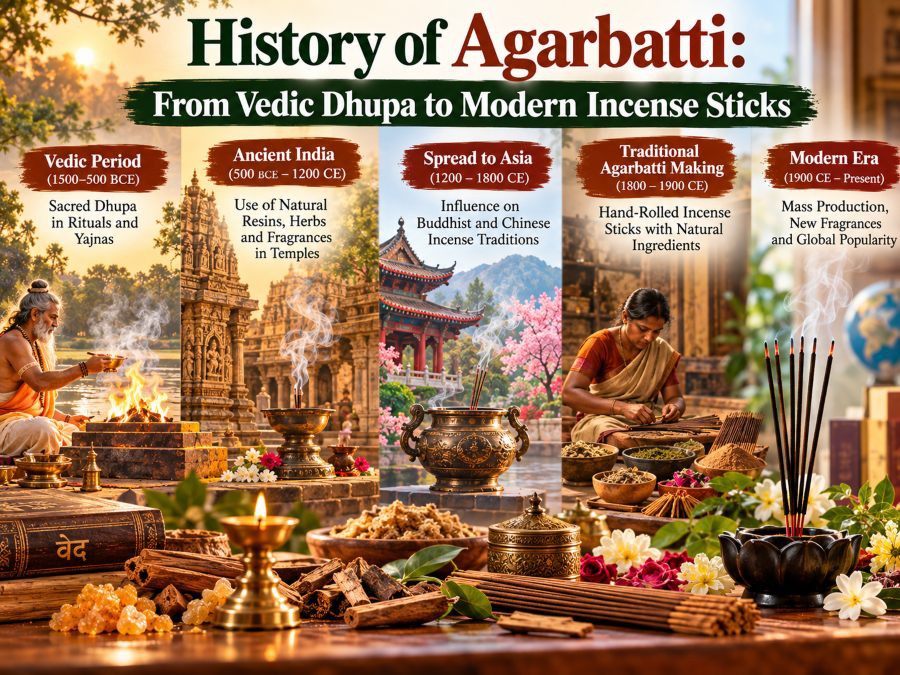 History of Agarbatti: From Vedic Dhupa to Modern Incense SticksRead more
Where did agarbatti really come from? Follow the history of agarbatti from Vedic fire rituals and temple dhupa to...
Blog categories
- Default category (0)
- MUSICAL INSTRUMENT (1)
- BOOK (5)
- DEVOTIONAL GIFT (0)
- Blog (30) click
- CHANDAN (12)
- Bhagavatam Wisdom Series (68)
- Krishna Consciousness (14)
- Mridangam Musical Instrument (6)
- Bhagavad Gita for Beginners (13)
- Bhagavad Gita As It Is (37) click
- Bhagavad Gita As It Is Telugu (0)
- Bhagavad Gita As It Is Marathi (0)
- Bhagavad Gita As It Is In Hindi (0)
- Bhagavad Gita As It Is In English (0)
- Bhagavad Gita As It Is In Bengali (8)
- Bhagavad Gita As It Is In Kannada (0)
- Bhagavad Gita As It Is In Gujarati (0)
- Bhagavad Gita As It Is In Panjabi (0)
- Bhagavad Gita As It Is In Tamil (0)
- Bhagavad Gita As It Is Odia (0)
- BHAGAVAD GITA As It Is GERMAN (0)
- Bhagavad Gita As It Is In French (0)
- Bhagavad Gita As It Is In Nepali (0)
- Bhagavad Gita As It Is In Assamese (0)
- Incense or Agarbatti (38)
- Lord Chaitanya Mahaprabhu (3)
- Vedic Temple Mayapur (14)
- kalki (15)
- Mahabharata – Dharma & Destiny (27)
- Vaishnava Scriptures (4)
- healthy product (4)
- chaitanya mahaprabhu (5)
- Tulsi Mala Guide (17)
Search in blog
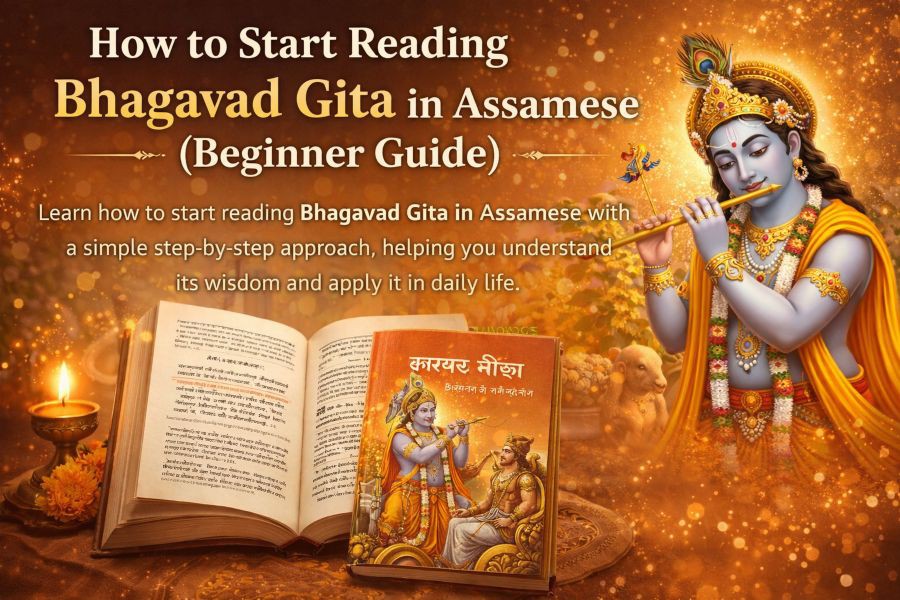
How to Start Reading Bhagavad Gita in Assamese (Beginner Guide)
How to Start Reading Bhagavad Gita in Assamese: A Step-by-Step Guide
In today’s fast-moving world, many people are searching for clarity, purpose, and inner peace. Spiritual texts have always been a reliable source of guidance, and among them, the Bhagavad Gita holds a timeless position. For those who prefer reading in their native language, starting with the Bhagavad Gita Assamese edition can make this profound wisdom far more accessible and meaningful. When spiritual knowledge is received in a familiar language, it connects directly with the heart, making understanding deeper and more personal.
Reading the Bhagavad Gita is not just about going through verses—it is about experiencing transformation. This step-by-step guide will help beginners approach the text with clarity, consistency, and purpose, especially when reading it in Assamese.
Why Choose the Bhagavad Gita in Assamese?
Language plays a crucial role in spiritual understanding. While many people attempt to read the Bhagavad Gita in Sanskrit or English, it can sometimes feel complex or distant. Reading it in Assamese removes this barrier.
When you read in Assamese:
· The meaning becomes clearer and easier to grasp
· Emotional connection with the teachings becomes stronger
· You can relate teachings directly to your daily life
The Bhagavad Gita Assamese edition bridges the gap between ancient wisdom and modern understanding, making it ideal for beginners.
Purpose of Reading the Bhagavad Gita
Before starting, it is important to understand why you are reading the Bhagavad Gita. This clarity will guide your approach and keep you motivated.
The Bhagavad Gita addresses fundamental questions such as:
· What is the purpose of life?
· How should we deal with challenges and responsibilities?
· What is the nature of the soul?
It is a conversation between Lord Krishna and Arjuna, set on the battlefield of Kurukshetra. However, the battlefield symbolizes the inner conflicts we all face in life.
Reading the Gita with this perspective transforms it from a book into a guide for living.
Step 1: Choose the Right Edition
Not all editions of the Bhagavad Gita are the same. For beginners, it is important to choose a version that includes:
· Original Sanskrit verses
· Assamese translation
· Simple explanations or purports
A well-structured edition ensures that you not only read but also understand the meaning behind each verse.
Take your time selecting a version that feels comfortable and easy to follow.
Step 2: Set a Clear Intention
Spiritual reading is different from casual reading. It requires a mindset of openness and sincerity.
Before you begin, take a moment to set your intention. You may choose to read the Gita for:
· Gaining knowledge
· Finding peace
· Understanding life’s purpose
This intention acts as a guiding force throughout your journey.
Step 3: Start with a Small, Consistent Routine
One of the most common mistakes beginners make is trying to read too much at once. The Bhagavad Gita is a deep and philosophical text, so it is better to proceed slowly.
Start with:
· 1–2 verses per day
· Read the translation carefully
· Reflect on the meaning
Consistency is more important than quantity. Even a few minutes daily can lead to profound understanding over time.
Step 4: Read with Focus and Reflection
Reading the Bhagavad Gita is not just about finishing chapters—it is about absorbing wisdom.
After reading each verse:
· Pause and think about its meaning
· Relate it to your own life
· Ask yourself how it applies to your current situation
This reflective approach transforms reading into a meditative experience.
Step 5: Understand the Context of Each Chapter
The Bhagavad Gita consists of 18 chapters, each focusing on a specific aspect of life and spirituality.
For example:
· Chapter 2 explains the nature of the soul
· Chapter 3 discusses karma (action)
· Chapter 12 focuses on devotion (bhakti)
Having a basic understanding of each chapter’s theme helps you follow the flow of the text more easily.
Step 6: Take Notes and Highlight Key Teachings
Writing down important points can greatly enhance your understanding. You can:
· Note down verses that resonate with you
· Write simple summaries in your own words
· Highlight key teachings for future reference
This practice not only improves retention but also creates a personal connection with the text.
Step 7: Chant or Read Aloud
In Vedic tradition, sound plays a powerful role in spiritual growth. Reading the Bhagavad Gita aloud or chanting the verses can:
· Improve concentration
· Enhance memory
· Create a peaceful environment
Even if you are not fluent in Sanskrit, reading the Assamese translation aloud can have a calming effect.
Step 8: Apply Teachings in Daily Life
The true value of the Bhagavad Gita lies in its application. Try to implement its teachings in your daily routine.
For example:
· Practice detachment from results
· Perform duties with sincerity
· Maintain calmness in difficult situations
These small changes gradually lead to a more balanced and fulfilling life.
Step 9: Stay Consistent Despite Challenges
There may be days when you feel distracted or unmotivated. This is natural. The key is to stay consistent.
You can:
· Set a fixed time for reading
· Create a quiet and comfortable space
· Remind yourself of your intention
Over time, reading the Bhagavad Gita becomes a habit rather than an effort.
Step 10: Discuss and Share Your Learnings
Sharing your insights with others can deepen your understanding. You can:
· Discuss with family or friends
· Join spiritual groups or online communities
· Listen to lectures or explanations
This exchange of ideas brings new perspectives and keeps you engaged.
Common Mistakes to Avoid
While starting your journey, be mindful of these common mistakes:
· Rushing through chapters without understanding
· Treating it as a task rather than a spiritual practice
· Ignoring reflection and application
Avoiding these pitfalls ensures a more meaningful experience.
Benefits of Reading the Bhagavad Gita in Assamese
As you continue your journey, you will begin to notice several positive changes:
· Improved mental clarity
· Reduced stress and anxiety
· Better decision-making ability
· Stronger sense of purpose
Reading in Assamese makes these benefits more accessible, as the teachings resonate deeply within.
Making It a Lifelong Practice
The Bhagavad Gita is not a book to be read once and forgotten. It is a lifelong companion that reveals new insights with each reading.
As you revisit the text:
· Your understanding deepens
· Your perspective evolves
· Your connection with the teachings strengthens
This continuous journey is what makes the Bhagavad Gita truly transformative.
Conclusion
Starting to read the Bhagavad Gita in Assamese is a powerful step toward self-discovery and inner growth. By approaching it with patience, consistency, and sincerity, you can unlock its profound wisdom in a way that is both practical and deeply personal.
This step-by-step guide provides a simple yet effective path for beginners. From choosing the right edition to applying the teachings in daily life, each step brings you closer to understanding yourself and the world around you.
In a world filled with uncertainty, the Bhagavad Gita offers clarity. In moments of confusion, it provides direction. And when read in your own language, it becomes not just a scripture, but a trusted guide for life.
Posted in: Blog
Related posts
-
 Who is chaitanya mahaprabhu?Chaitanya Mahaprabhu (1486–1534) was a prominent saint and philosopher in India, widely recognized as an incarnation...Read more
 -
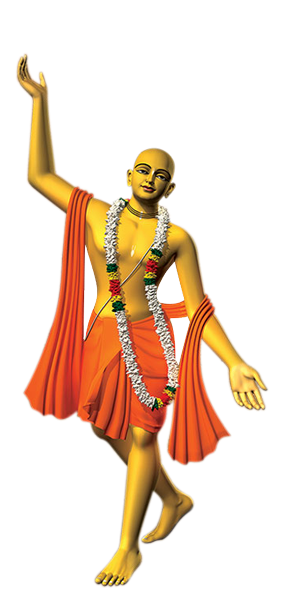 Chaitanya Mahaprabhu - The Avatar of VishnuChaitanya Mahaprabhu, revered as an incarnation of Lord Krishna, is one of the most significant spiritual figures in...Read more
 -
 Was chaitanya mahaprabhu married?Chaitanya Mahaprabhu was married twice in his early life before he renounced the world to embrace the path of...Read more
 -
 Why did chaitanya mahaprabhu appear?Chaitanya Mahaprabhu, considered by his followers as an incarnation of Lord Krishna, appeared on earth to revive and...Read more
 -
 Who was chaitanya mahaprabhu wife?Chaitanya Mahaprabhu, one of the most revered spiritual leaders and mystics of India, was married twice in his early...Read more
Leave a comment