
Why did Krishna run to embrace a poor brahmin in rags? Read the Sudama story from the Bhagavatam and learn how a...
Latest posts
-
 Krishna and Sudama: The Poor Brahmin Who Became Wealthy in LoveRead more
 -
 Vamana Avatar: How Three Steps Humbled Bali MaharajaRead more
Why did a powerful king give away three worlds to a boy asking for three steps? Learn the Vamana avatar story from...
-
 The Bhagavatam on Marriage: Duty, Love and Spiritual PartnershipRead more
What does the Bhagavatam say about marriage? Through the stories of Kardama and Devahuti, Rukmini's secret letter and...
-
 What Is Prema? The Bhagavatam's Highest Stage of Love for GodRead more
Prema is love for God with no "because" attached. Learn how the Bhagavatam describes it, the nine steps from faith to...
-
 Is Shiva Parvati Kalyana Mentioned in Srimad Bhagavatam? What the Scripture Really SaysRead more
Looking for Shiva and Parvati's wedding in the Srimad Bhagavatam? Find out what the scripture actually describes,...
-
 How Many Modes of Devotion Are Mentioned in Bhagavatam?Read more
A young boy named Prahlada listed nine ways to serve God, and the Bhagavatam keeps them as its answer. Learn what the...
-
 What Is Bhagavatam and Why Has It Been Read for 5,000 Years?Read more
A dying king asked one question, and the answer became the Bhagavatam. Learn what this Sanskrit scripture contains,...
-
 Who Is Lord Krishna? His Meaning, Teachings and Pastimes ExplainedRead more
Discover who Krishna is according to Srimad Bhagavatam, including His divine identity, childhood pastimes, teachings,...
-
 Incense in Islam: Bakhoor, Agarbatti and What Tradition SaysRead more
Is burning fragrance part of Muslim tradition? Explore incense in Islam, from the Prophetic practice of fumigating...
-
 History of Agarbatti: From Vedic Dhupa to Modern Incense SticksRead more
Where did agarbatti really come from? Follow the history of agarbatti from Vedic fire rituals and temple dhupa to...
Blog categories
- Default category (0)
- MUSICAL INSTRUMENT (1)
- BOOK (5)
- DEVOTIONAL GIFT (0)
- Blog (30) click
- CHANDAN (12)
- Bhagavatam Wisdom Series (68)
- Krishna Consciousness (14)
- Mridangam Musical Instrument (6)
- Bhagavad Gita for Beginners (13)
- Bhagavad Gita As It Is (37) click
- Bhagavad Gita As It Is Telugu (0)
- Bhagavad Gita As It Is Marathi (0)
- Bhagavad Gita As It Is In Hindi (0)
- Bhagavad Gita As It Is In English (0)
- Bhagavad Gita As It Is In Bengali (8)
- Bhagavad Gita As It Is In Kannada (0)
- Bhagavad Gita As It Is In Gujarati (0)
- Bhagavad Gita As It Is In Panjabi (0)
- Bhagavad Gita As It Is In Tamil (0)
- Bhagavad Gita As It Is Odia (0)
- BHAGAVAD GITA As It Is GERMAN (0)
- Bhagavad Gita As It Is In French (0)
- Bhagavad Gita As It Is In Nepali (0)
- Bhagavad Gita As It Is In Assamese (0)
- Incense or Agarbatti (38)
- Lord Chaitanya Mahaprabhu (3)
- Vedic Temple Mayapur (14)
- kalki (15)
- Mahabharata – Dharma & Destiny (27)
- Vaishnava Scriptures (4)
- healthy product (4)
- chaitanya mahaprabhu (5)
- Tulsi Mala Guide (17)
Search in blog
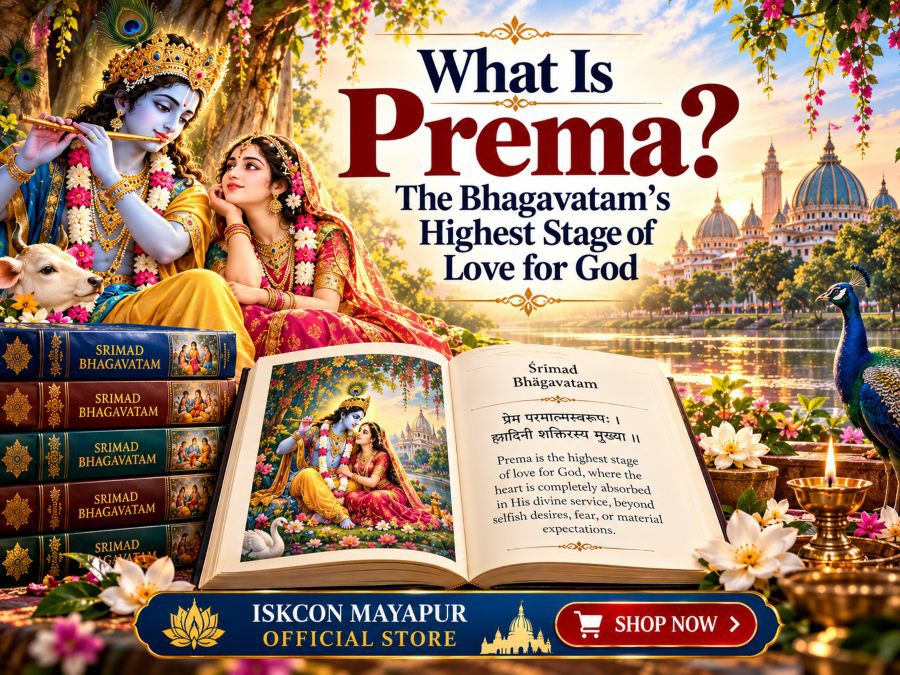
What Is Prema? The Bhagavatam's Highest Stage of Love for God
What Is Prema? The Bhagavatam's Highest Stage of Love for God
A man with nothing left to want walks the earth without fear, without hunger for praise, without one attachment a person could name. Then someone starts describing a cowherd boy in a forest, and he cannot stay quiet. That man is Sukadeva Goswami, and the Bhagavatam says it openly: even a fully liberated sage got pulled in. The pull has a name, prema. This guide explains what the word means, how the Bhagavatam builds toward it, and why the tradition ranks it above liberation. If you want the verses in front of you as you read, the ISKCON Mayapur Store carries the books.
Prema in One Honest Sentence
Ordinary love has a hidden clause: I love you because. Because you are kind, because you look after me, because life runs easier with you around. Remove the "because" and the love often leaves with it.
Prema has no clause. Rupa Goswami, writing in the 16th century, defines it in the Bhakti-rasamrita-sindhu as the point where bhava, the first sprout of spiritual emotion, ripens until the heart is completely softened and carries an intense sense of "He is mine." Two things stand out. The heart is melted, not just warmed. And the sense of ownership is aimed at God, which flips our usual habit. We say "mine" about objects, with a grip. Here the devotee says it about the Supreme Person, with tenderness.
A plain working definition: prema is love for Krishna that no condition interrupts and that asks for nothing back.
Where the Bhagavatam Sets the Bar
The Bhagavatam leans on the word bhakti more than prema, and it spends its energy describing what perfect bhakti looks like. Three passages give the clearest picture.
- Canto 1, chapter 2, verse 6. The highest dharma is whatever leads to devotion that is ahaituki (without motive) and apratihata (unobstructed). Those two words are the heart of it. No payment expected, no obstacle strong enough to stop it.
- Canto 3, chapter 29, verses 11-12. Lord Kapila tells his mother Devahuti that pure devotion shows up when the mind flows toward the Lord, the moment his qualities are heard, like the Ganges running into the sea. A river does not deliberate. It goes downhill and reaches the ocean.
- Canto 11, chapter 14, verse 24. Krishna tells Uddhava that his devotee's voice chokes, his heart melts, he weeps again and again, sometimes laughs, sometimes sings loudly without caring who watches.
Read together, these describe a direction (unbroken), a motive (none), and a result (a heart that cannot keep its feelings tidy).
The Staircase: Nine Steps From a Spark to a Flood
Rupa Goswami condensed the path in Bhakti-rasamrita-sindhu (1.4.15-16) into a sequence that Gaudiya Vaishnavas still teach:
1. Shraddha: faith, a first seed of trust
2. Sadhu-sanga: time with sincere devotees
3. Bhajana-kriya: starting practice, such as hearing, chanting, worship
4. Anartha-nivritti: unwanted habits begin to fade
5. Nishtha: steadiness in practice
6. Ruci: a real taste for it
7. Asakti: deep attachment
8. Bhava: the first spiritual emotion
9. Prema: full, mature love
The ladder hides one interesting shift. The first four steps are things you do. From ruci onward, they are things that happen to you. Practice stops feeling like duty and starts feeling like appetite. Anyone who has gone from forcing themselves to exercise to missing it when they skip a day knows this change. The difference is that here the appetite is for God.
Tears Are Not the Test
Because the Bhagavatam describes trembling, weeping and laughter, some readers assume prema equals visible emotion. That is a trap. The symptoms are the result of love. Copying the result does not produce the cause.
The cleaner test comes from Chaitanya Charitamrita (Adi-lila 4.165), which separates two kinds of wanting. When you desire to please your own senses, that is kama, lust. When you desire to please Krishna's senses, that is prema. The difference lies in whose happiness is being served.
By that measure, quiet people can be far along, and loud people can be nowhere near. A devotee who cooks for the deity at dawn, never mentions it, and feels no urge to be noticed may be closer than someone shaking on stage. The tradition also adds that real prema is accompanied by humility. A person who has felt it tends to feel smaller, not larger.
Why the Gopis Are the Gold Standard
When Vaishnava teachers want to point at prema in its fullest form, they point at the gopis of Vrindavan.
Canto 10, chapters 29 to 33 (the rasa-lila section) tells how the gopis leave their homes at the sound of Krishna's flute. Then Krishna vanishes. They search the forest, asking trees and vines if they have seen him. They sing the Gopi-gita (10.31), a song of pleading, and the Bhagavatam places their deepest love in this moment of separation, not in the dance that follows. That choice is deliberate. Love shows its true size when it receives nothing.
The Bhagavatam then sends Uddhava, a learned friend of Krishna, to console them (Canto 10, chapter 47). He ends up praying to be born as a blade of grass in Vrindavan so the dust from the gopis' feet might touch him (10.47.61). A scholar bowing before cowherd women, not out of politeness, but because he has recognised something higher than his own learning.
Better Than Freedom?
Most Indian philosophical schools treat moksha, liberation from birth and death, as the final prize. The Bhagavatam quietly disagrees.
- In Canto 1, chapter 7, verse 10, the text says that even sages who are self-satisfied and free from all knots still engage in unmotivated devotion to Hari, because his qualities are that attractive.
- In Canto 1, chapter 1, verse 2, it rejects "cheating" religion. The commentator Sridhara Swami reads this as including even the desire for liberation.
- Sri Chaitanya's followers go further and call prema the fifth goal of life, standing beyond dharma, artha, kama and moksha.
Here is the logic. Liberation is the end of a problem. Prema is the start of a relationship. Escaping pain and gaining something positive are different kinds of success. A prisoner released from a cell has freedom. A person reunited with the one he loves has freedom and a reason to wake up. The Bhagavatam's claim is that the second is the real goal.
What Mayapur Remembers
Sri Chaitanya Mahaprabhu appeared in Mayapur in 1486, and his followers hold that he showed prema in public view. In the Shikshashtaka, his eight surviving verses, he describes the experience of separation from Govinda: a single moment stretches into an age, the eyes pour tears like monsoon clouds, and the whole world feels empty.
That is not a poem about a feeling he was imagining. His biographers describe it as lived. For those who follow him, it makes prema less of an abstract topic and more of a human possibility, something a person once carried in a body and walked through the streets of Bengal.
Can an Ordinary Person Head That Way?
The tradition's answer is yes, in direction if not in speed. You do not need to feel anything dramatic to begin. The first rungs on the ladder are accessible to anyone:
- Listen to the Bhagavatam regularly, even a few verses a day
- Chant the Hare Krishna mantra at a fixed time
- Keep company with people who take this seriously, since faith spreads between people
- Reduce small clutter that fights your attention, such as endless scrolling or constant noise
- Serve something, whether it is a temple, a kitchen, or a neighbour, because the tradition values action along with feeling
None of these promises tears by next Friday. They set direction, which is the most you can do honestly.
Mix-Ups That Slow People Down
- Prema is not a mood. Moods change by the hour. Prema, by definition, does not.
- It is not sentimentality. Sentimental religion asks "what do I feel?" Prema asks "whom am I serving?"
- It is not reserved for monks. The Bhagavatam's heroes include kings, cowherds, a boy of five and an elephant.
- It cannot be forced. You can prepare the ground, but the tradition says the seed grows by grace.
- It does not replace study. The great teachers were scholars who kept studying.
The Short Version
Prema is the Bhagavatam's name for love that has lost its "because." The text builds toward it through stories of kings, children, sages and cowherd women, and the Gaudiya tradition arranges those stories into a ladder from faith to full love. It rates this love above liberation, because liberation ends sorrow and prema begins something. You may never reach the top of the ladder in a single life, but the Bhagavatam keeps insisting that the first step is already part of the same journey.
Posted in: Bhagavatam Wisdom Series
Related posts
-
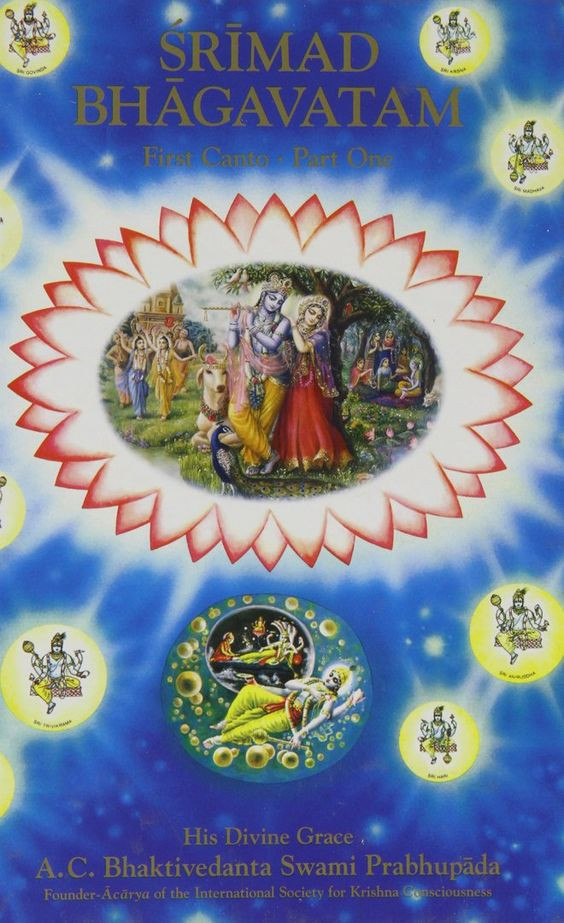 Why to read srimad bhagavatamReading the Srimad Bhagavatam fosters deep spiritual growth by narrating the life and teachings of Lord Krishna,...Read more
 -
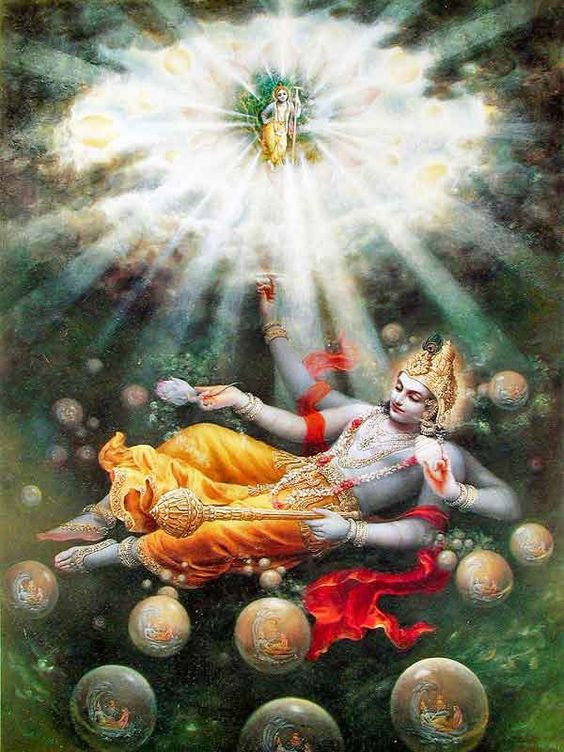 When was srimad bhagavatam written?The Srimad Bhagavatam is believed to have been written around 9th-10th century CE, though its oral traditions date...Read more
 -
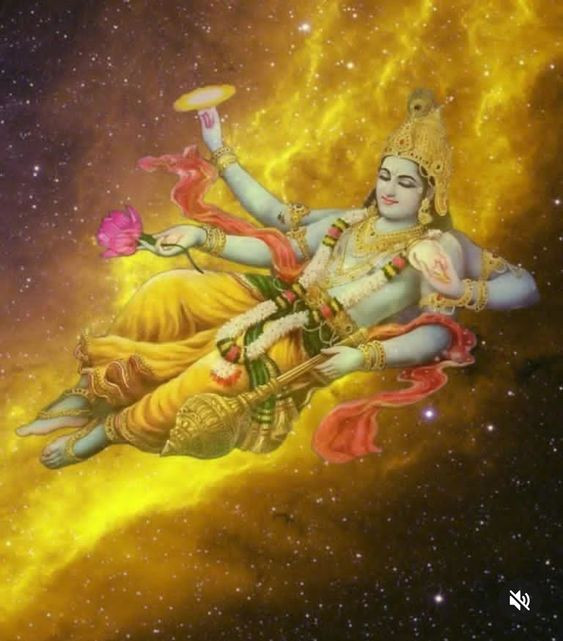 How many chapters are there in srimad bhagavatam?The Srimad Bhagavatam consists of 12 cantos (books) containing 335 chapters in total. Each canto covers various...Read more
 -
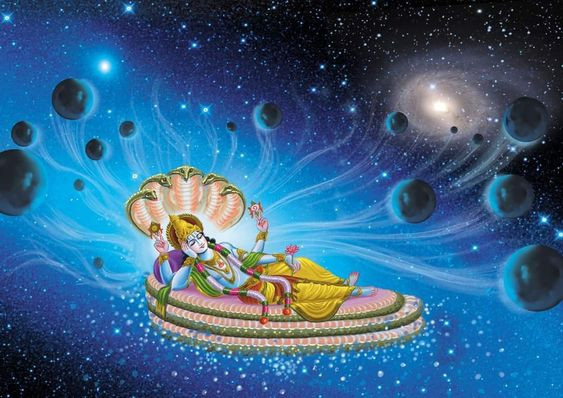 How many skandhas are there in srimad bhagavatamThe Srimad Bhagavatam is divided into 12 skandhas (cantos or books). Each skandha explores different themes,...Read more
 -
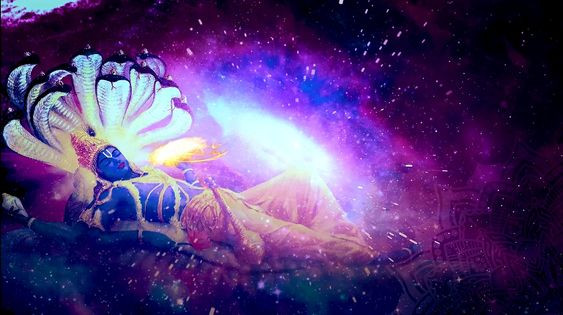 How many slokas in srimad bhagavatamThe Srimad Bhagavatam contains approximately 18,000 shlokas (verses). These verses are spread across its 12 skandhas...Read more
Leave a comment