
Why did Krishna run to embrace a poor brahmin in rags? Read the Sudama story from the Bhagavatam and learn how a...
Latest posts
-
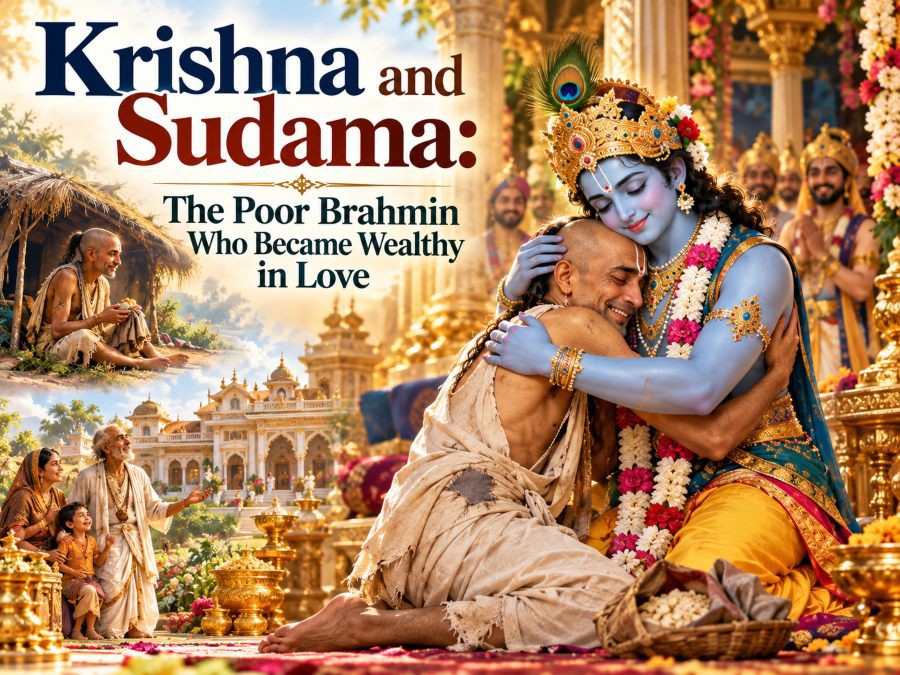 Krishna and Sudama: The Poor Brahmin Who Became Wealthy in LoveRead more
 -
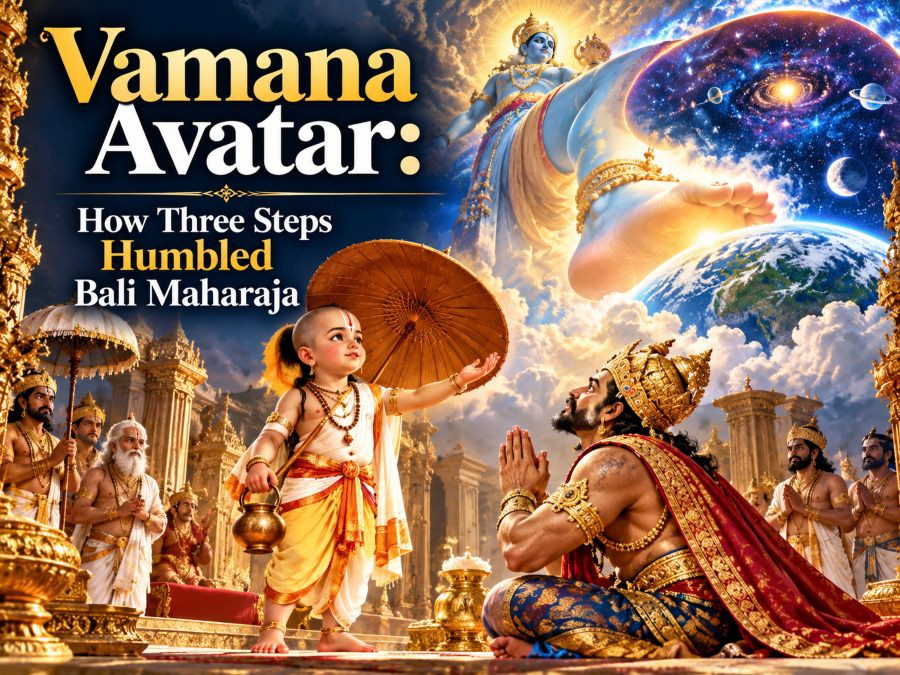 Vamana Avatar: How Three Steps Humbled Bali MaharajaRead more
Why did a powerful king give away three worlds to a boy asking for three steps? Learn the Vamana avatar story from...
-
 The Bhagavatam on Marriage: Duty, Love and Spiritual PartnershipRead more
What does the Bhagavatam say about marriage? Through the stories of Kardama and Devahuti, Rukmini's secret letter and...
-
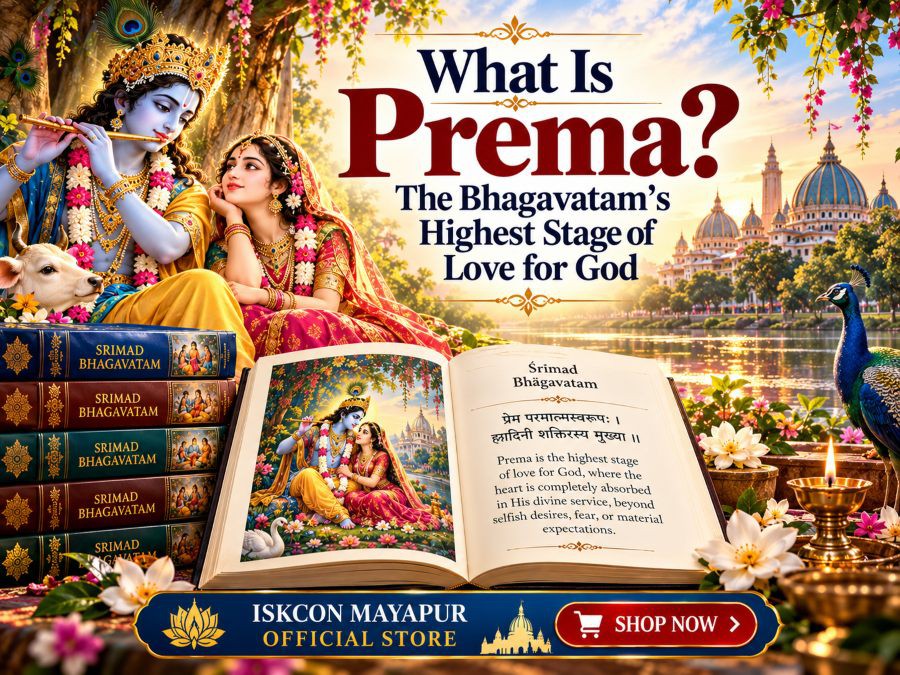 What Is Prema? The Bhagavatam's Highest Stage of Love for GodRead more
Prema is love for God with no "because" attached. Learn how the Bhagavatam describes it, the nine steps from faith to...
-
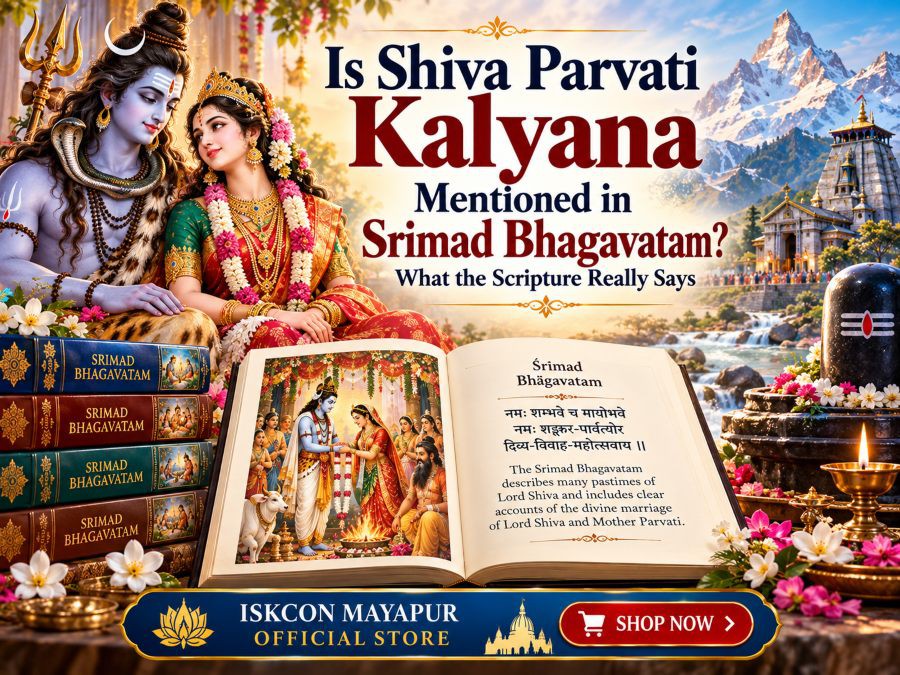 Is Shiva Parvati Kalyana Mentioned in Srimad Bhagavatam? What the Scripture Really SaysRead more
Looking for Shiva and Parvati's wedding in the Srimad Bhagavatam? Find out what the scripture actually describes,...
-
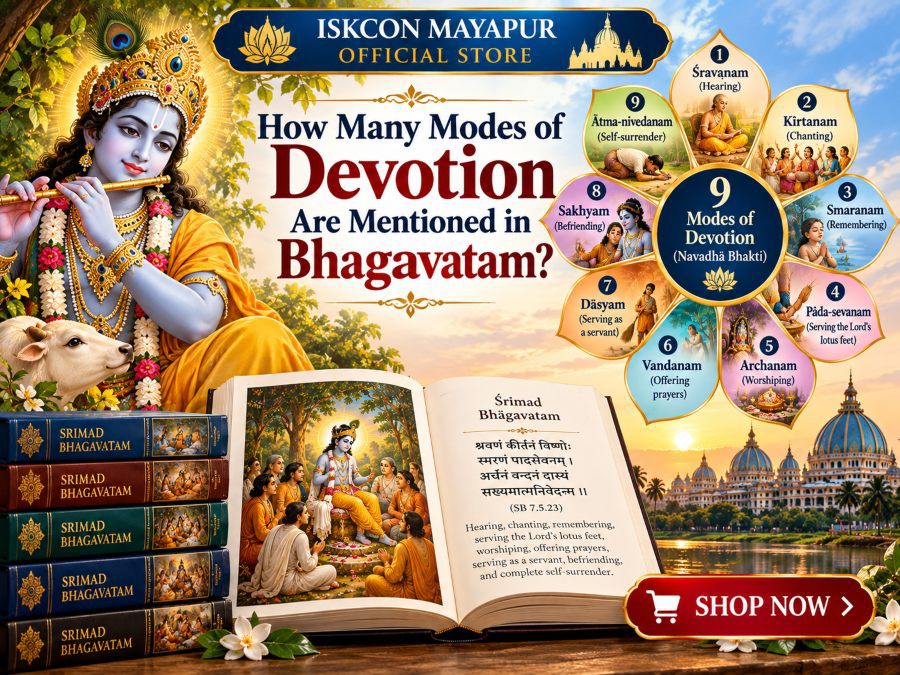 How Many Modes of Devotion Are Mentioned in Bhagavatam?Read more
A young boy named Prahlada listed nine ways to serve God, and the Bhagavatam keeps them as its answer. Learn what the...
-
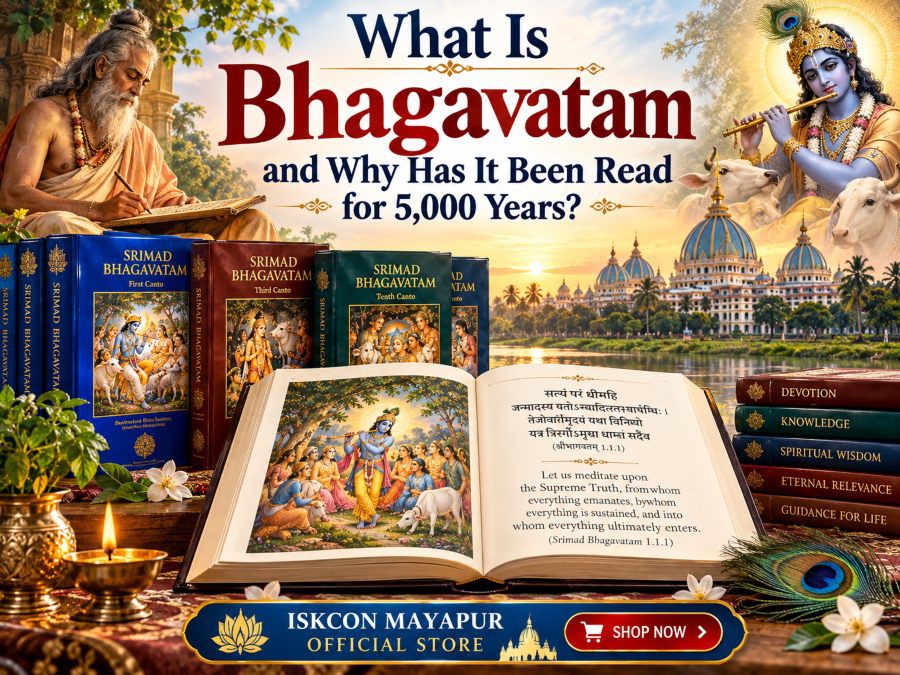 What Is Bhagavatam and Why Has It Been Read for 5,000 Years?Read more
A dying king asked one question, and the answer became the Bhagavatam. Learn what this Sanskrit scripture contains,...
-
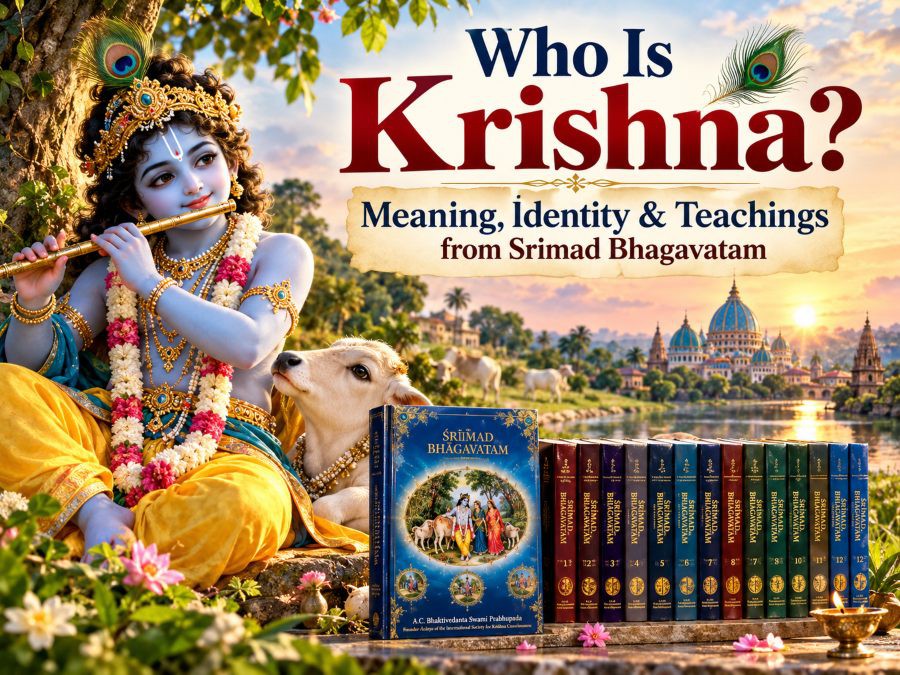 Who Is Lord Krishna? His Meaning, Teachings and Pastimes ExplainedRead more
Discover who Krishna is according to Srimad Bhagavatam, including His divine identity, childhood pastimes, teachings,...
-
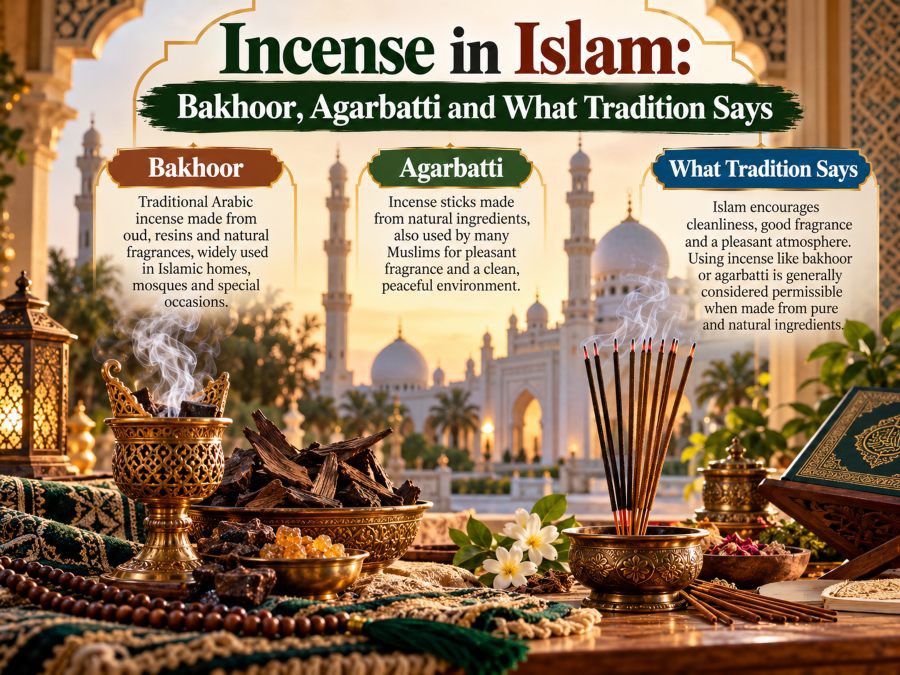 Incense in Islam: Bakhoor, Agarbatti and What Tradition SaysRead more
Is burning fragrance part of Muslim tradition? Explore incense in Islam, from the Prophetic practice of fumigating...
-
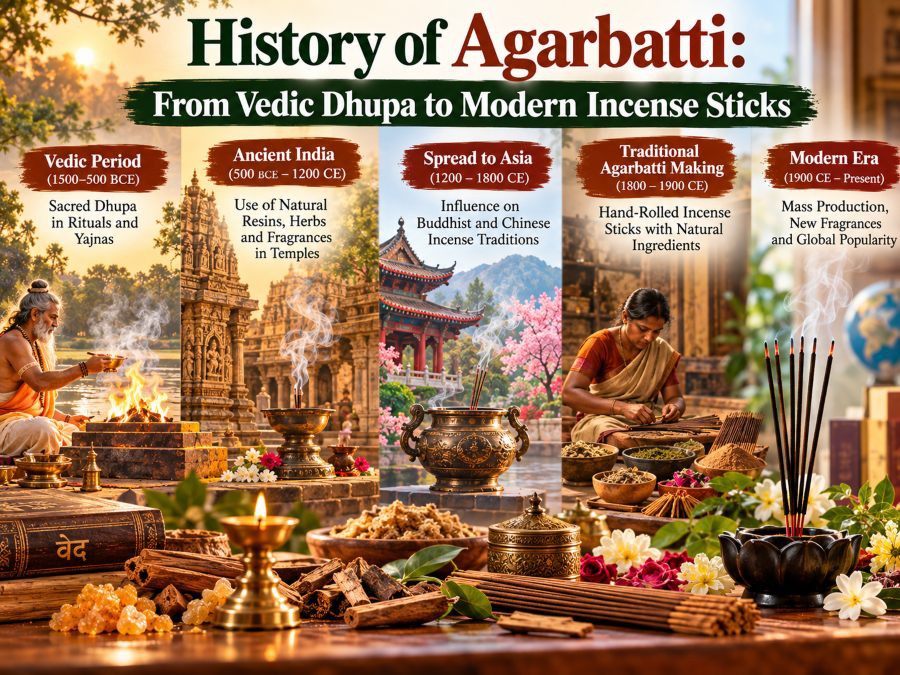 History of Agarbatti: From Vedic Dhupa to Modern Incense SticksRead more
Where did agarbatti really come from? Follow the history of agarbatti from Vedic fire rituals and temple dhupa to...
Blog categories
- Default category (0)
- MUSICAL INSTRUMENT (1)
- BOOK (5)
- DEVOTIONAL GIFT (0)
- Blog (30) click
- CHANDAN (12)
- Bhagavatam Wisdom Series (68)
- Krishna Consciousness (14)
- Mridangam Musical Instrument (6)
- Bhagavad Gita for Beginners (13)
- Bhagavad Gita As It Is (37) click
- Bhagavad Gita As It Is Telugu (0)
- Bhagavad Gita As It Is Marathi (0)
- Bhagavad Gita As It Is In Hindi (0)
- Bhagavad Gita As It Is In English (0)
- Bhagavad Gita As It Is In Bengali (8)
- Bhagavad Gita As It Is In Kannada (0)
- Bhagavad Gita As It Is In Gujarati (0)
- Bhagavad Gita As It Is In Panjabi (0)
- Bhagavad Gita As It Is In Tamil (0)
- Bhagavad Gita As It Is Odia (0)
- BHAGAVAD GITA As It Is GERMAN (0)
- Bhagavad Gita As It Is In French (0)
- Bhagavad Gita As It Is In Nepali (0)
- Bhagavad Gita As It Is In Assamese (0)
- Incense or Agarbatti (38)
- Lord Chaitanya Mahaprabhu (3)
- Vedic Temple Mayapur (14)
- kalki (15)
- Mahabharata – Dharma & Destiny (27)
- Vaishnava Scriptures (4)
- healthy product (4)
- chaitanya mahaprabhu (5)
- Tulsi Mala Guide (17)
Search in blog
Bhagavad Gita As It Is
Bhagavad Gita As It Is – Authentic Wisdom for Modern Times
The Bhagavad Gita As It Is is not just another translation of India’s timeless scripture; it is a direct, pure, and faithful presentation of Lord Krishna’s words as they were spoken on the battlefield of Kurukshetra. Authored by A.C. Bhaktivedanta Swami Srila Prabhupada, the founder-acharya of ISKCON, this edition stands apart because it presents the original Sanskrit verses, word-for-word meanings, English translations, and detailed purports that explain the essence of each shloka. For seekers who want more than just poetic interpretation, the Bhagavad Gita As It Is offers an authentic guide to spirituality, devotion, and self-realization.
In today’s fast-paced and stressful world, people often search for clarity, peace of mind, and a higher purpose. The Bhagavad Gita As It Is category has been designed to help readers, students, and spiritual aspirants access this treasure of divine wisdom in a simple, organized way. Whether you are a beginner curious about yoga and karma, or an advanced seeker exploring bhakti and transcendental knowledge, you will find valuable insights here.
This category brings together resources, articles, study materials, and book recommendations connected to Bhagavad Gita As It Is, ensuring that readers experience the text in its most original and unaltered form. Each post and guide is crafted to highlight practical lessons from Krishna’s teachings – lessons that can be applied in daily life for stress management, decision-making, leadership, and inner happiness.
Unlike other versions of the Gita that are often influenced by personal opinions or philosophical trends, the Bhagavad Gita As It Is preserves the true devotional mood. Srila Prabhupada’s purports explain not only the literal meanings of the verses but also the spiritual depth behind them. This makes it easier for readers to connect with Krishna directly, without confusion or misinterpretation.
Why Choose This Category?
- Authenticity: Based on Srila Prabhupada’s original commentary.
- Comprehensiveness: Sanskrit verses, word meanings, translations, and purports.
- Relevance: Practical guidance for modern challenges like stress, relationships, and career.
- Spiritual Depth: Focus on bhakti-yoga, the highest path of devotion.
Exploring the Bhagavad Gita As It Is category means stepping into a world where eternal wisdom meets everyday life. Here, the conversation between Lord Krishna and Arjuna is not treated as mythology but as a living dialogue meant for everyone – students, professionals, homemakers, and spiritual seekers alike.
By engaging with this section, you will not only understand the philosophy of karma, dharma, and yoga but also learn how to live a purposeful life filled with clarity and devotion. The Gita’s message of “doing your duty while staying connected to God” becomes clear, practical, and inspiring.
Let this category be your gateway to the true teachings of the Bhagavad Gita, helping you cultivate wisdom, devotion, and spiritual strength – exactly as Lord Krishna intended.
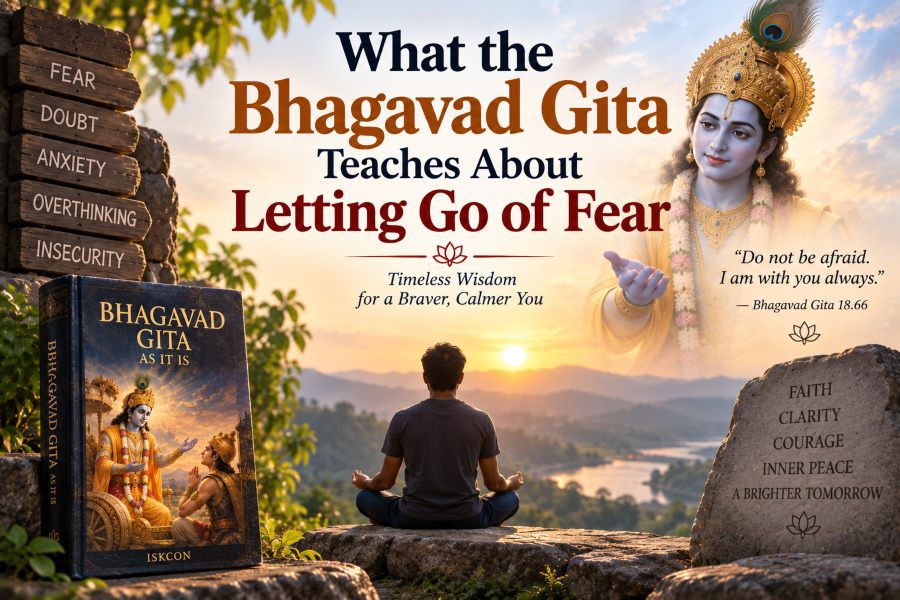 What the Bhagavad Gita Teaches About Letting Go of FearRead more
Arjuna's hands trembled before a battle he couldn't avoid — and Krishna's answer wasn't to calm him down first. Explore what the Bhagavad Gita really teaches about facing fear, detachment from outcomes, and acting with courage even when the trembling doesn't stop.
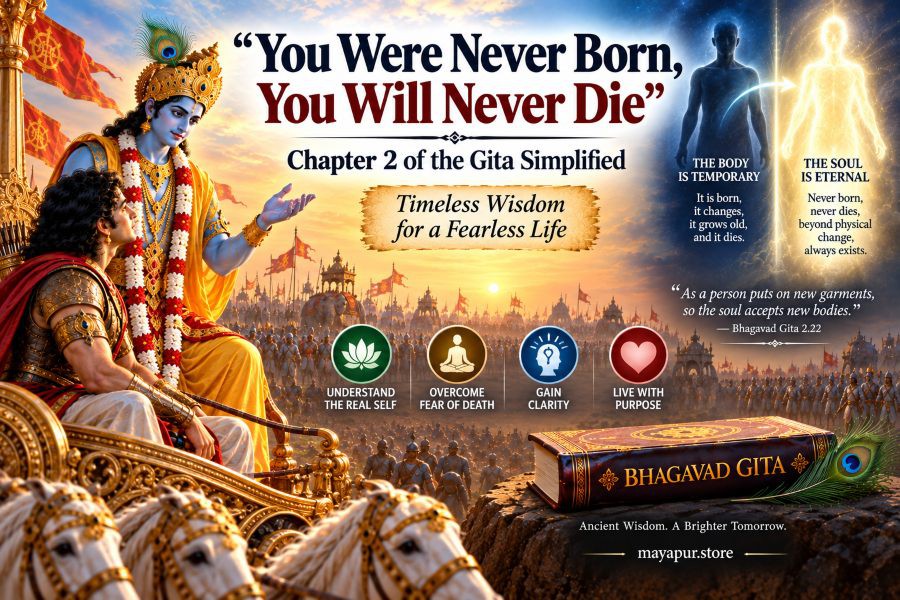 “You Were Never Born, You Will Never Die” — Chapter 2 of the Gita SimplifiedRead more
Explore Krishna's teaching in Bhagavad Gita Chapter 2 that the soul is eternal and beyond birth and death, and discover what this means for identity, fear, grief, and life.
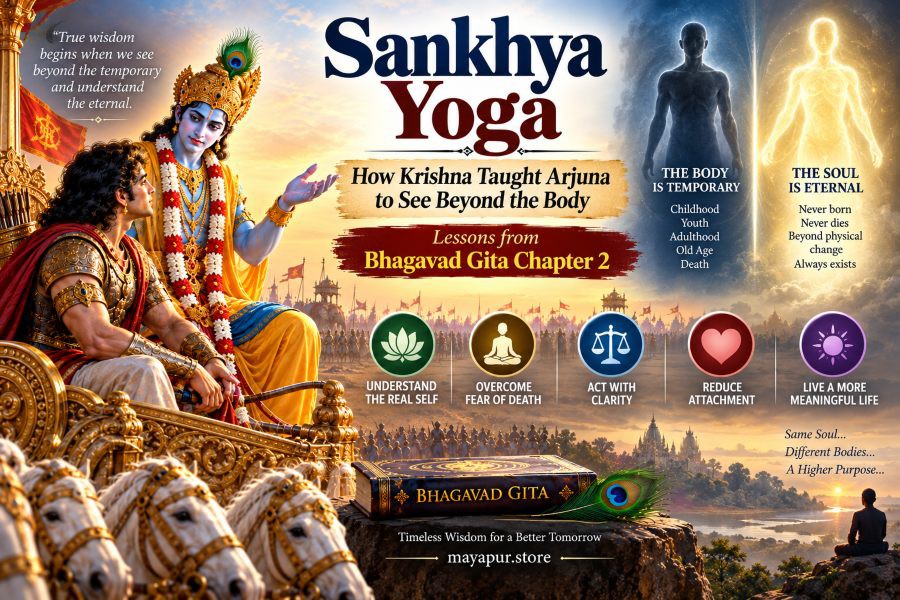 Sankhya Yoga: How Krishna Taught Arjuna to See Beyond the BodyRead more
Explore Sankhya Yoga in Bhagavad Gita Chapter 2 and learn how Krishna teaches Arjuna to look beyond the temporary body and understand the eternal nature of the soul.
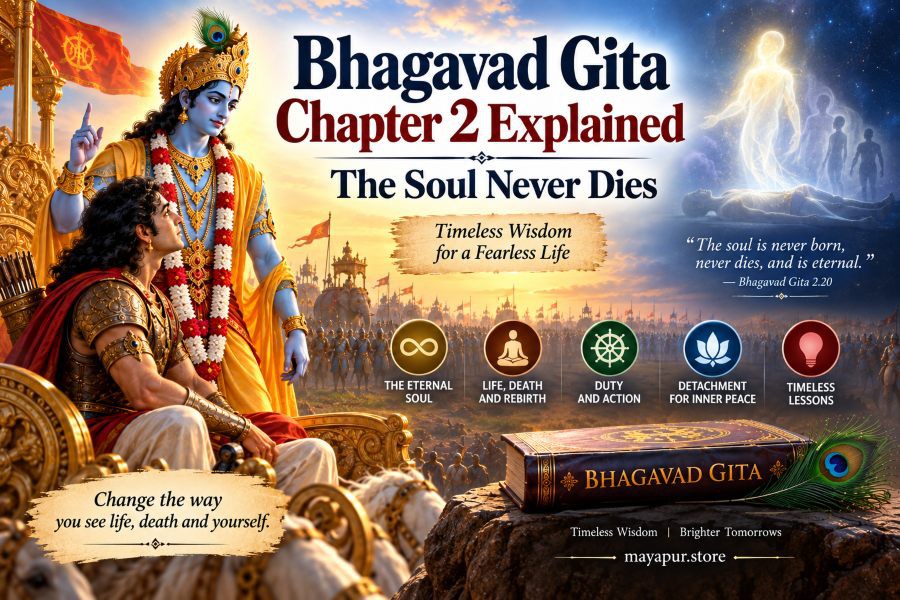 Bhagavad Gita Chapter 2 Explained: The Soul Never DiesRead more
Explore Bhagavad Gita Chapter 2 and Krishna's teaching that the soul never dies, while discovering timeless lessons about death, duty, detachment, identity, and courage.
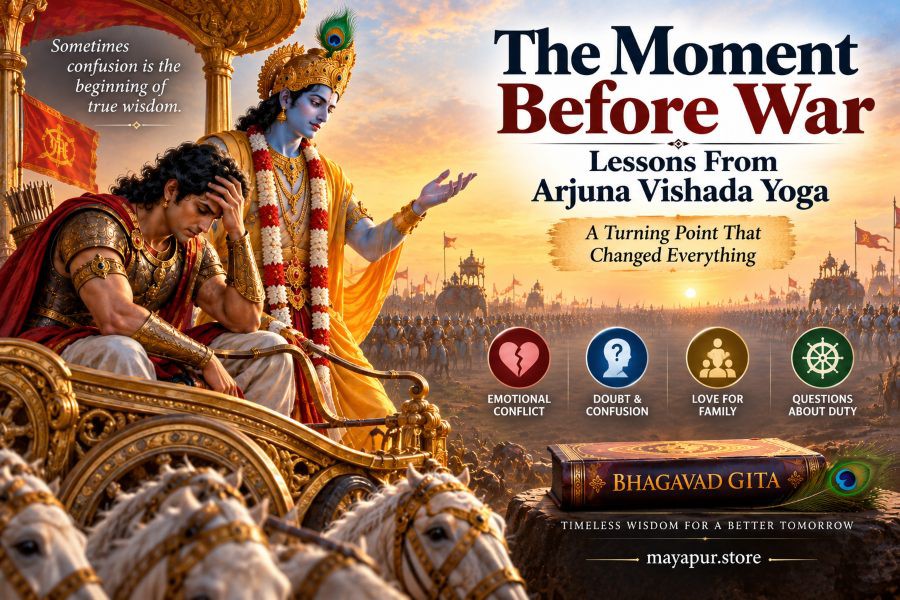 The Moment Before War: Lessons From Arjuna Vishada YogaRead more
Discover the deeper meaning of Arjuna Vishada Yoga and learn how Arjuna's fear, grief, and inner conflict in Bhagavad Gita Chapter 1 can guide us through difficult decisions.
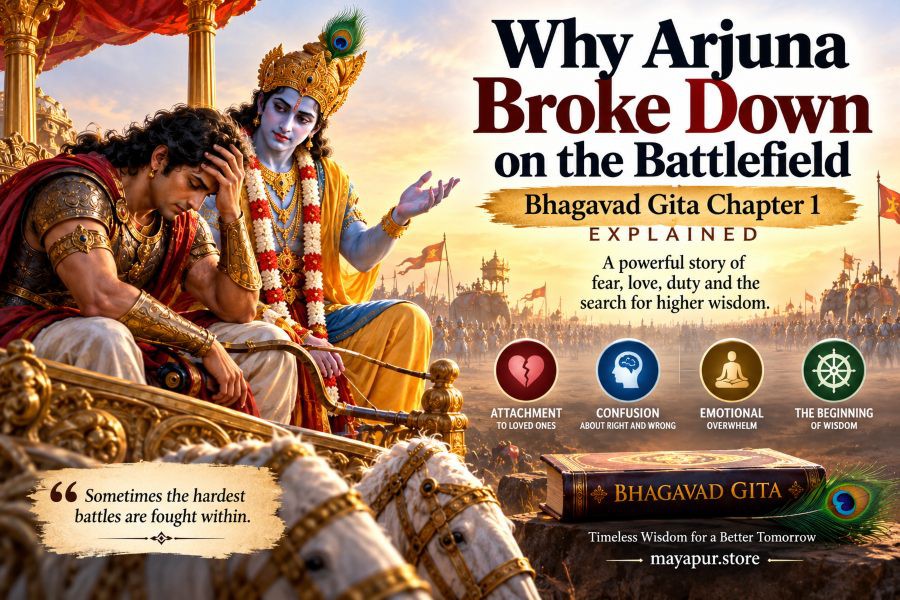 Why Arjuna Broke Down on the Battlefield: Bhagavad Gita Chapter 1 ExplainedRead more
Why did Arjuna refuse to fight? Explore Bhagavad Gita Chapter 1 and understand how fear, attachment, grief, and moral confusion shaped Arjuna's battlefield crisis.
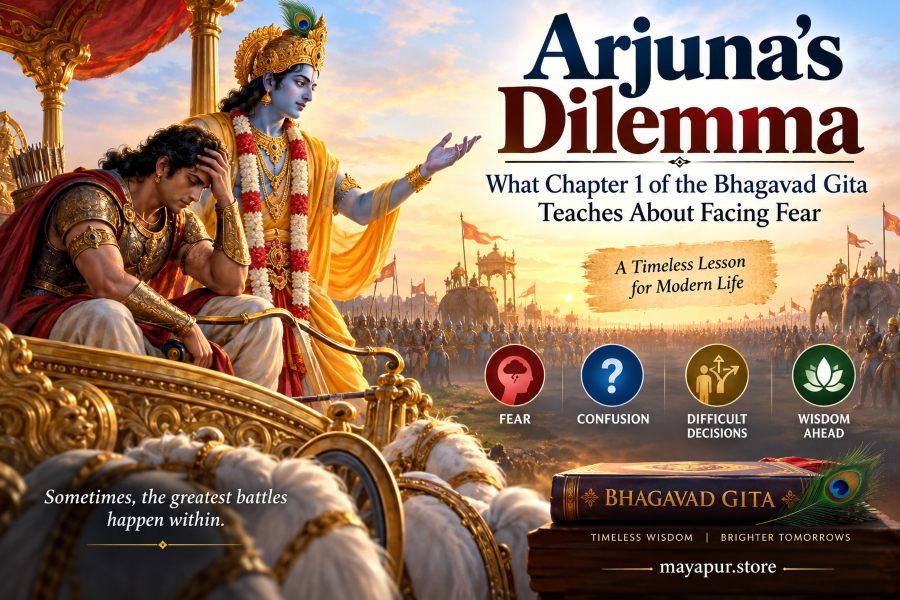 Arjuna's Dilemma: What Chapter 1 of the Bhagavad Gita Teaches About Facing FearRead more
Explore Arjuna's dilemma in Bhagavad Gita Chapter 1 and discover how his fear, confusion, and emotional struggle teach us to face difficult decisions with clarity, courage, and wisdom.
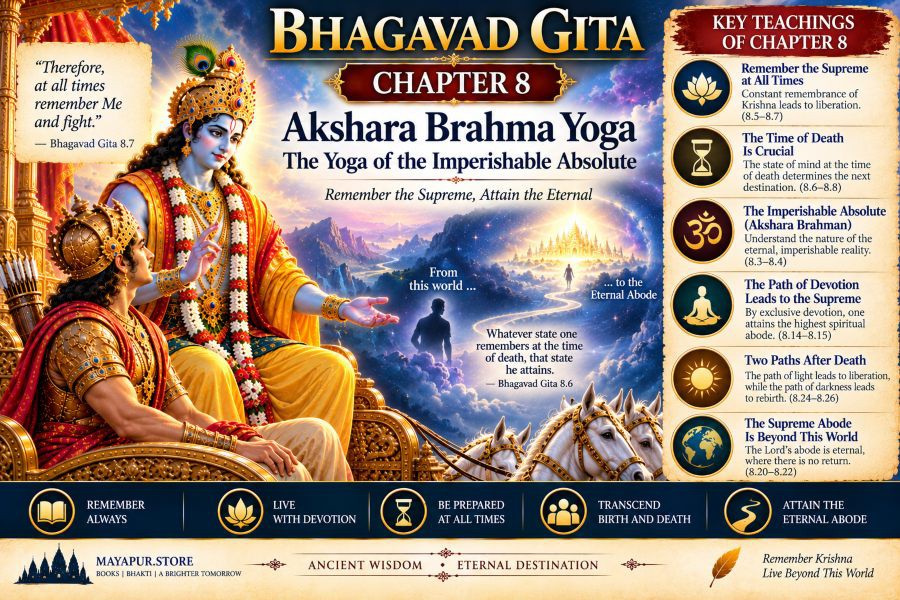 Bhagavad Gita Chapter 8: Akshara Brahma Yoga – The Yoga of the Imperishable AbsoluteRead more
Akshara Brahma Yoga reveals why the moment of death reflects a lifetime of practiced focus, and why Krishna insists remembrance must be constant, not last-minute.
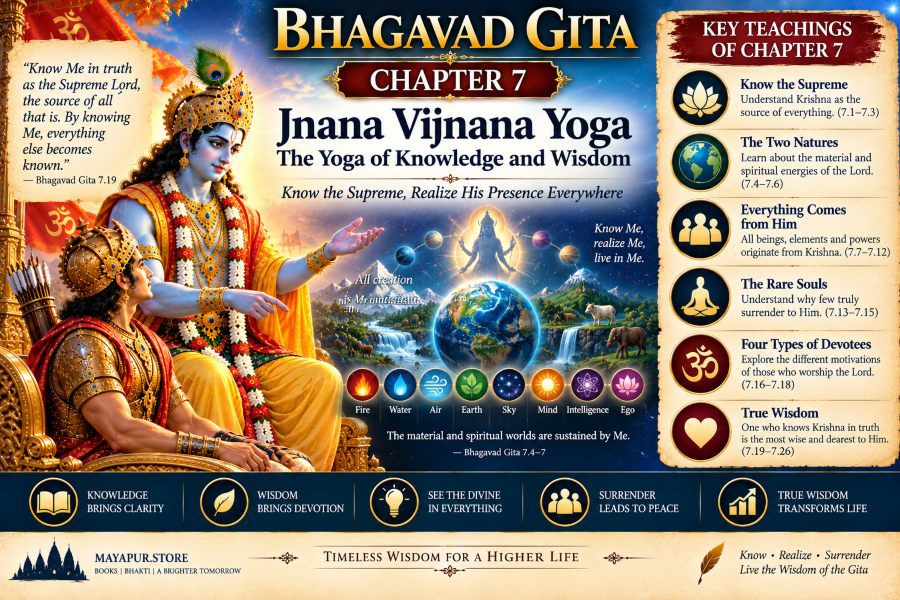 Bhagavad Gita Chapter 7: Jnana Vijnana Yoga – The Yoga of Knowledge and WisdomRead more
Jnana Vijnana Yoga reveals Krishna's dual energies behind creation and explains why true, realized knowledge of the divine remains rare among seekers.
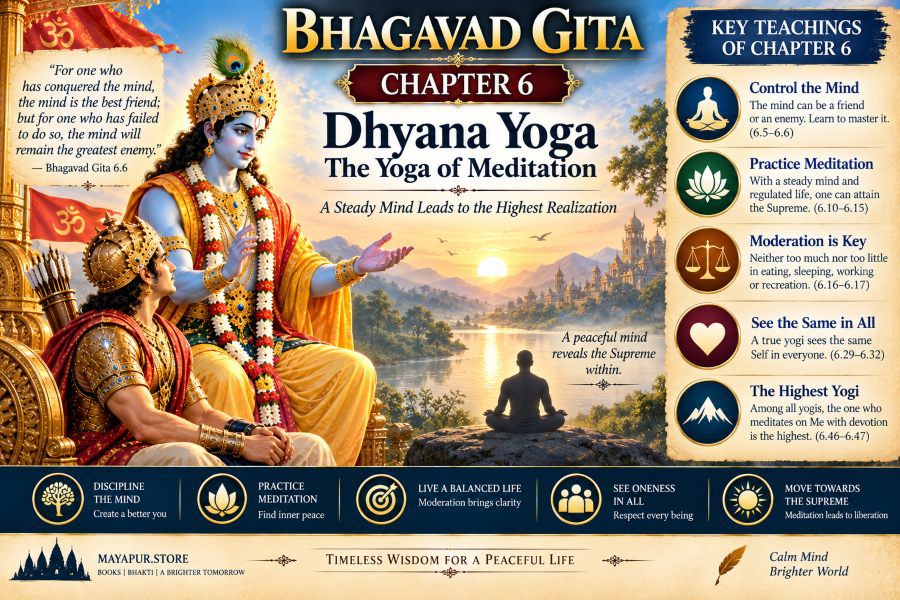 Bhagavad Gita Chapter 6: Dhyana Yoga – The Yoga of MeditationRead more
Dhyana Yoga offers Krishna's practical guidance on meditation, mental discipline, and balance — plus reassurance that imperfect effort still counts.