
Why did Krishna run to embrace a poor brahmin in rags? Read the Sudama story from the Bhagavatam and learn how a...
Latest posts
-
 Krishna and Sudama: The Poor Brahmin Who Became Wealthy in LoveRead more
 -
 Vamana Avatar: How Three Steps Humbled Bali MaharajaRead more
Why did a powerful king give away three worlds to a boy asking for three steps? Learn the Vamana avatar story from...
-
 The Bhagavatam on Marriage: Duty, Love and Spiritual PartnershipRead more
What does the Bhagavatam say about marriage? Through the stories of Kardama and Devahuti, Rukmini's secret letter and...
-
 What Is Prema? The Bhagavatam's Highest Stage of Love for GodRead more
Prema is love for God with no "because" attached. Learn how the Bhagavatam describes it, the nine steps from faith to...
-
 Is Shiva Parvati Kalyana Mentioned in Srimad Bhagavatam? What the Scripture Really SaysRead more
Looking for Shiva and Parvati's wedding in the Srimad Bhagavatam? Find out what the scripture actually describes,...
-
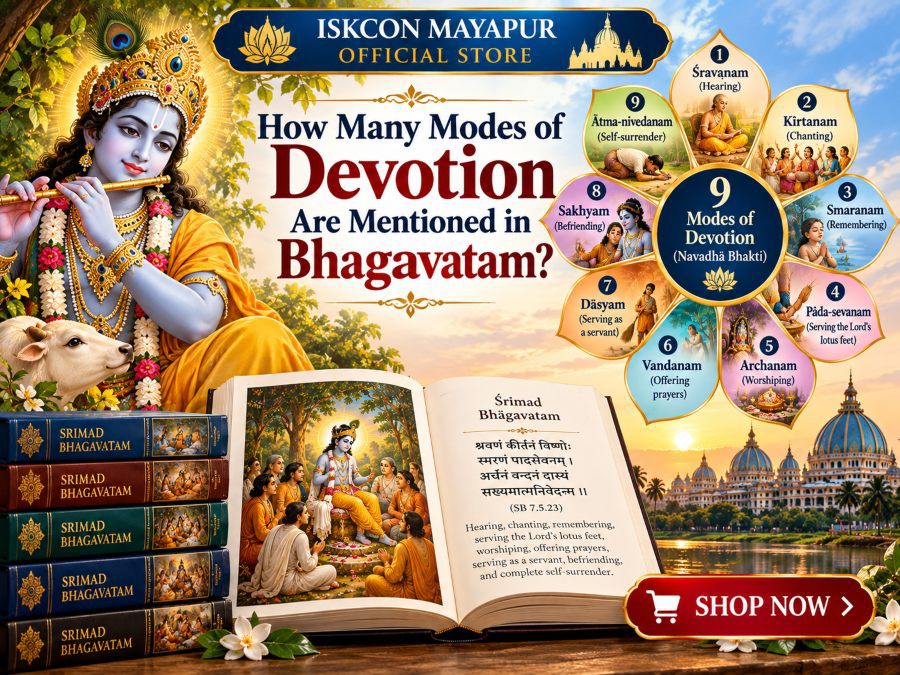 How Many Modes of Devotion Are Mentioned in Bhagavatam?Read more
A young boy named Prahlada listed nine ways to serve God, and the Bhagavatam keeps them as its answer. Learn what the...
-
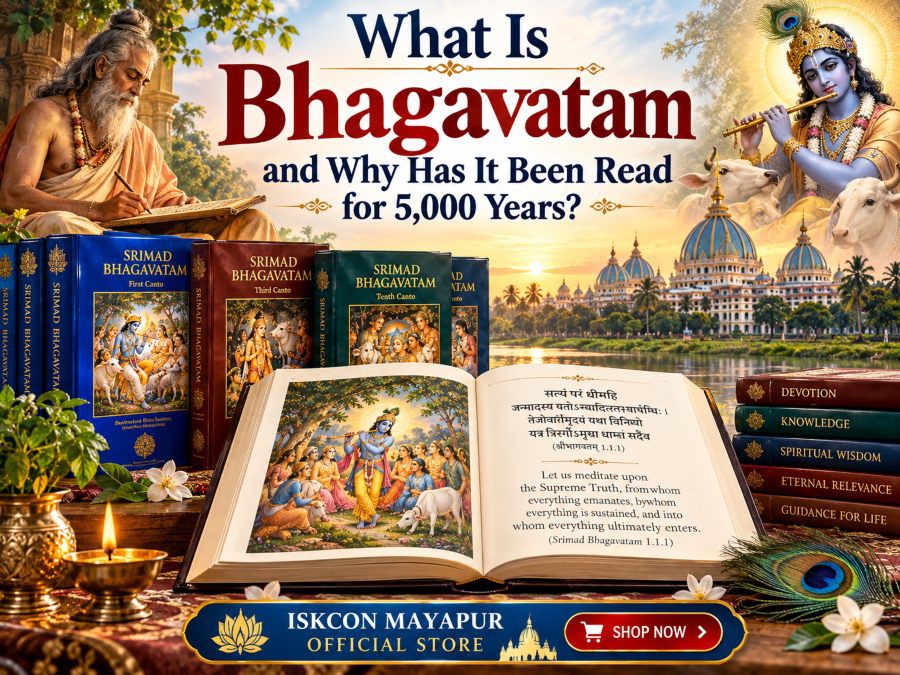 What Is Bhagavatam and Why Has It Been Read for 5,000 Years?Read more
A dying king asked one question, and the answer became the Bhagavatam. Learn what this Sanskrit scripture contains,...
-
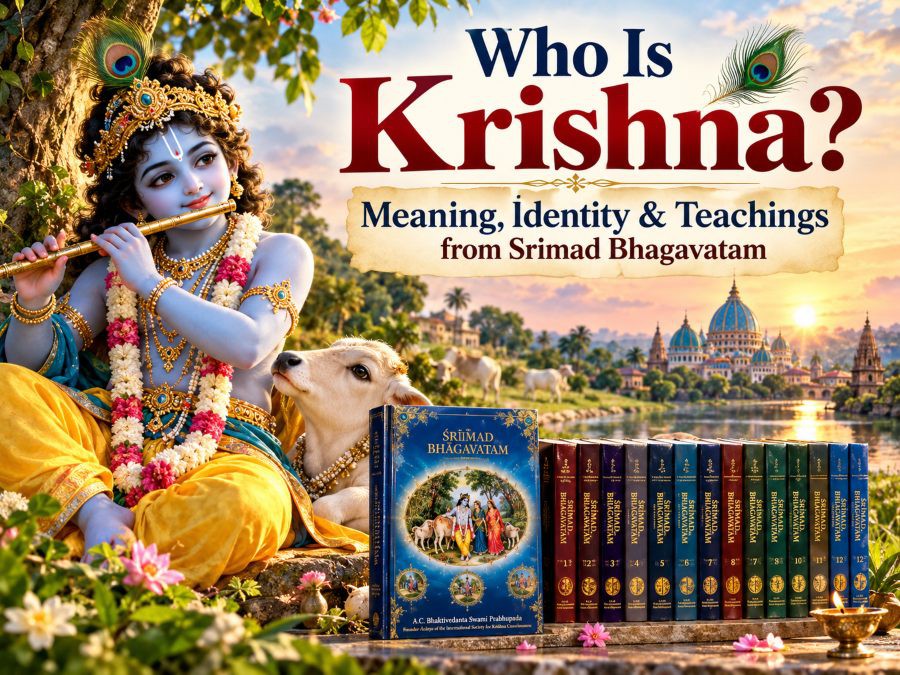 Who Is Lord Krishna? His Meaning, Teachings and Pastimes ExplainedRead more
Discover who Krishna is according to Srimad Bhagavatam, including His divine identity, childhood pastimes, teachings,...
-
 Incense in Islam: Bakhoor, Agarbatti and What Tradition SaysRead more
Is burning fragrance part of Muslim tradition? Explore incense in Islam, from the Prophetic practice of fumigating...
-
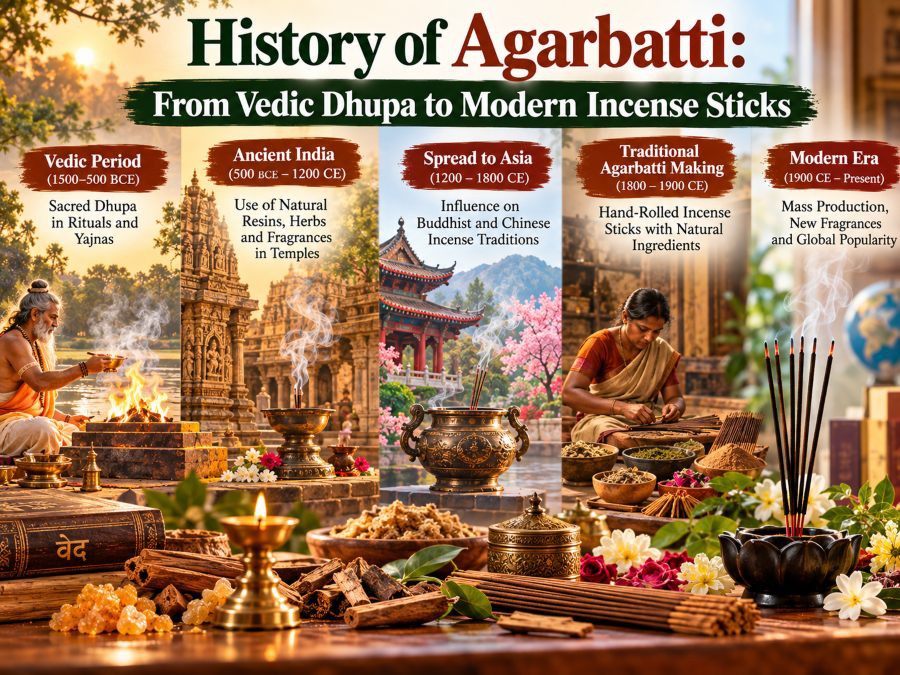 History of Agarbatti: From Vedic Dhupa to Modern Incense SticksRead more
Where did agarbatti really come from? Follow the history of agarbatti from Vedic fire rituals and temple dhupa to...
Blog categories
- Default category (0)
- MUSICAL INSTRUMENT (1)
- BOOK (5)
- DEVOTIONAL GIFT (0)
- Blog (30) click
- CHANDAN (12)
- Bhagavatam Wisdom Series (68)
- Krishna Consciousness (14)
- Mridangam Musical Instrument (6)
- Bhagavad Gita for Beginners (13)
- Bhagavad Gita As It Is (37) click
- Bhagavad Gita As It Is Telugu (0)
- Bhagavad Gita As It Is Marathi (0)
- Bhagavad Gita As It Is In Hindi (0)
- Bhagavad Gita As It Is In English (0)
- Bhagavad Gita As It Is In Bengali (8)
- Bhagavad Gita As It Is In Kannada (0)
- Bhagavad Gita As It Is In Gujarati (0)
- Bhagavad Gita As It Is In Panjabi (0)
- Bhagavad Gita As It Is In Tamil (0)
- Bhagavad Gita As It Is Odia (0)
- BHAGAVAD GITA As It Is GERMAN (0)
- Bhagavad Gita As It Is In French (0)
- Bhagavad Gita As It Is In Nepali (0)
- Bhagavad Gita As It Is In Assamese (0)
- Incense or Agarbatti (38)
- Lord Chaitanya Mahaprabhu (3)
- Vedic Temple Mayapur (14)
- kalki (15)
- Mahabharata – Dharma & Destiny (27)
- Vaishnava Scriptures (4)
- healthy product (4)
- chaitanya mahaprabhu (5)
- Tulsi Mala Guide (17)
Search in blog
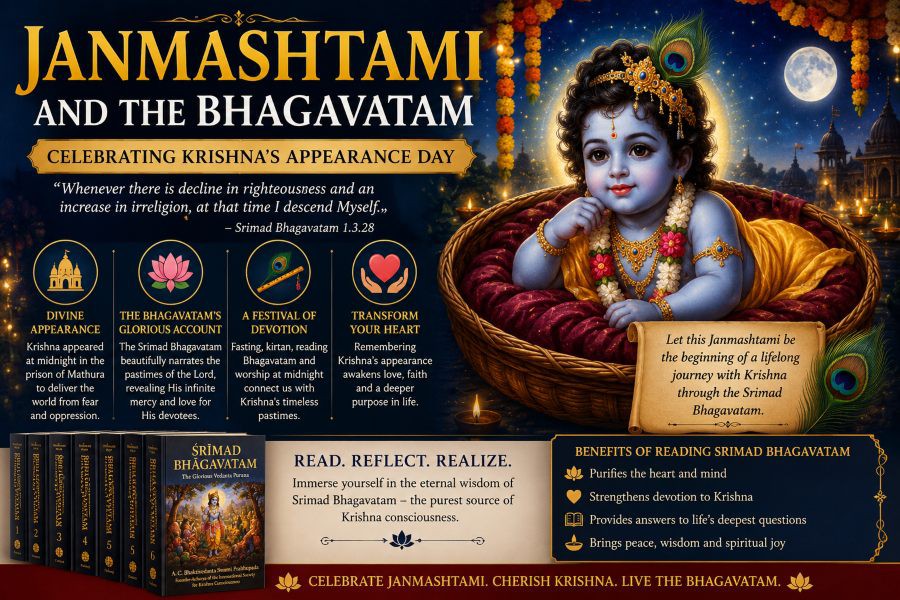
Janmashtami and the Bhagavatam: Celebrating Krishna’s Appearance Day
Janmashtami and the Bhagavatam: Celebrating Krishna’s Appearance Day
What would happen if the birth of a divine child were described not as an ordinary birth, but as the appearance of the Supreme Personality of Godhead? That is the extraordinary story celebrated during Janmashtami, and the original iskcon edition bhagavatam offers readers a deeply detailed account of why Krishna appeared, what His appearance means, and why devotees continue to celebrate that sacred night thousands of years later. At the heart of this celebration is the Srimad Bhagavatam, a scripture that presents Krishna’s appearance not simply as a historical event, but as a profound revelation about God, devotion, and the purpose of human life.
Janmashtami is often associated with midnight celebrations, temple decorations, devotional songs, fasting, dramatic performances, and the joyful chanting of Krishna’s names. Yet behind all these traditions lies a philosophical question:
Why did Krishna appear on Earth at all?
The answer begins with the story preserved in the Tenth Canto of the Srimad Bhagavatam.
Janmashtami Is More Than a Birthday Celebration
Calling Janmashtami Krishna’s “birthday” is convenient, but it doesn't fully capture the idea found in the Bhagavatam.
For an ordinary person, birth means entering a physical body through the biological process of conception and delivery. The Bhagavatam, however, describes Krishna’s appearance differently.
Krishna is eternal.
He does not become God because He is born.
Rather, the Supreme Lord appears within the material world by His own spiritual potency.
That distinction is central to understanding Janmashtami.
The celebration is therefore not simply about remembering that a remarkable child was born in Mathura. It is about recognizing the theological significance of Krishna appearing among human beings.
The Srimad Bhagavatam describes the atmosphere surrounding Krishna’s appearance with extraordinary imagery. The earth becomes auspicious, the celestial beings rejoice, and devotional celebrations begin. The universe seems to respond to the arrival of someone far greater than an ordinary child.
But before that joyful moment comes a much darker story.
A Prophecy That Terrified a King
Krishna’s appearance is connected to the lives of Devaki and Vasudeva.
Devaki was the sister of the powerful ruler Kamsa. During her wedding procession, a divine voice announced a terrifying prophecy: the eighth son of Devaki would become the cause of Kamsa’s death.
Kamsa immediately became frightened.
Fear changed him.
The same person who had been celebrating a family wedding suddenly became obsessed with protecting his own life. He imprisoned Devaki and Vasudeva and began killing their children.
This part of the story is uncomfortable.
It is supposed to be.
The Bhagavatam doesn't present evil as something cartoonish. Kamsa is intelligent, powerful, politically influential, and capable of making decisions. But fear gradually turns his intelligence into paranoia.
His entire life becomes organized around one thought:
How can I prevent Krishna from destroying me?
Ironically, Krishna becomes the central thought in Kamsa’s mind long before Kamsa understands Krishna’s true identity.
That detail reveals something interesting about the power of remembrance.
Why Krishna Appeared in Mathura
The Srimad Bhagavatam gives several interconnected reasons for Krishna’s appearance.
The earth had become burdened by oppressive rulers and destructive forces. The demigods appealed to the Supreme Lord for relief. At the same time, Krishna appeared to fulfill His promises to devotees and establish His divine presence in the world.
The story is therefore not only about defeating one tyrant.
Kamsa represents a larger problem: the misuse of power when consciousness becomes centered entirely on the self.
Kamsa wants security.
He wants control.
He wants to eliminate every possible threat.
But the more desperately he tries to control destiny, the more completely he becomes trapped by it.
Krishna's appearance breaks that cycle.
The message remains surprisingly relevant: when fear becomes the organizing principle of life, even intelligence can become destructive.
The Midnight Appearance of Krishna
According to the Bhagavatam's narrative, Krishna appeared at midnight inside the prison where Devaki and Vasudeva were being held.
The scene is unlike an ordinary birth scene.
Krishna first manifests in His divine form, appearing with the characteristics of the Supreme Lord. Devaki and Vasudeva recognize that the child before them is not an ordinary human being.
Their response is not casual excitement.
It is awe.
They pray to Him.
They remember His divine nature.
And they also fear what Kamsa might do if he discovers that Krishna has appeared.
This combination of divine majesty and parental affection is one of the most beautiful elements of the Bhagavatam.
Krishna is simultaneously understood as the Supreme Lord and loved as someone's child.
That paradox becomes one of the defining features of Krishna's earthly pastimes.
Why Did Krishna Choose to Appear as a Child?
This question takes us deeper into the meaning of Janmashtami.
If Krishna is the Supreme Lord, why appear as a helpless-looking infant?
Why allow Himself to be carried across the Yamuna?
Why grow up among cowherd families?
Why play with children?
Why accept the affection of His mother?
The Srimad Bhagavatam presents something extraordinary here: the Supreme Being willingly accepts intimate relationships with His devotees.
God is not portrayed only as a distant ruler sitting somewhere beyond the universe.
Krishna allows devotees to approach Him through different relationships.
A devotee may worship Him with reverence.
Another may relate to Him as a friend.
Another may love Him as a child.
Another may experience Him as the beloved Supreme Person.
Janmashtami introduces us to this intensely personal understanding of God.
From Prison to Gokul
After Krishna appeared, Vasudeva carried the infant away from Mathura toward Gokul.
The journey itself is filled with symbolic and dramatic moments.
The prison doors opened.
The guards remained unable to stop him.
The Yamuna, traditionally described as swelling with water, became part of the miraculous journey.
Vasudeva eventually reached the home of Nanda Maharaja and Yashoda, where the infant Krishna was exchanged with a newborn girl.
Then Vasudeva returned to the prison.
From that point forward, Krishna's childhood unfolds in the pastoral environment of Vrindavan.
The mood changes completely.
The prison becomes the village.
Fear gives way to affection.
Political intrigue gives way to childhood play.
And the Supreme Lord becomes known to His devotees as Gopala, the beloved protector of cows and cowherd communities.
The Bhagavatam Shows Krishna Through Different Relationships
One reason the Srimad Bhagavatam remains so compelling is that it doesn't describe Krishna through philosophy alone.
It shows Him through relationships.
Yashoda sees Him as her mischievous son.
The cowherd boys see Him as their closest friend.
The residents of Vrindavan see Him as the center of their community.
Devaki and Vasudeva recognize His divinity.
The sages contemplate His Supreme nature.
The gopis experience a form of devotion so intense that it becomes one of the deepest subjects of the Bhagavatam.
This teaches an important lesson:
Knowing about God and having a relationship with God are not necessarily the same thing.
Janmashtami invites devotees to move from information toward remembrance, affection, and devotion.
Why Reading the Srimad Bhagavatam Changes the Meaning of Janmashtami
A person can celebrate Janmashtami without reading the Bhagavatam.
There may be fasting, kirtan, decorations, prasadam, temple programs, and midnight arati.
All of these are meaningful.
But reading the Srimad Bhagavatam adds another dimension.
You begin to understand the story behind the celebration.
You discover why Krishna appeared.
You meet Devaki and Vasudeva.
You understand Kamsa's fear.
You witness the atmosphere of Mathura.
Then you follow Krishna into Vrindavan and begin to see why His childhood pastimes occupy such an important place in Vaishnava tradition.
For someone who wants to study the complete narrative in greater depth, an ISKCON Bhagavatam set can provide a structured way to explore the scripture across its many cantos rather than depending only on short summaries of Krishna's childhood.
That matters because the Bhagavatam doesn't begin with Krishna's childhood and end there.
It builds an entire philosophy of spiritual life.
Janmashtami and the Problem of Forgetfulness
There is another reason Krishna's appearance matters.
The Bhagavatam teaches that living beings often forget their spiritual identity.
We become absorbed in temporary roles:
“I am my body.”
“I am my career.”
“I am my possessions.”
“I am my reputation.”
These identities may feel permanent while we are living through them, but they change.
Krishna's appearance reminds us of something completely different.
The Supreme is not a temporary product of matter.
And the individual soul is not merely a temporary body.
This makes Janmashtami a celebration of spiritual identity.
It asks us to look beyond the surface of life.
What Kamsa Can Teach Us About Fear
Kamsa's story also contains a surprisingly modern lesson.
He spends his life trying to avoid death.
Yet his obsession with avoiding death destroys his peace long before Krishna confronts him.
This is a familiar human pattern.
We try to eliminate uncertainty.
We want complete control over our future.
We want guarantees about health, money, relationships, reputation, and success.
But life refuses to provide them.
The Bhagavatam does not teach us to become careless. It teaches us to understand the limits of material control.
Kamsa's mistake is not simply that he fears death.
His deeper mistake is that he refuses to recognize anything greater than himself.
His power becomes his prison.
Krishna's appearance exposes that illusion.
Why Devotees Celebrate at Midnight
The midnight celebration is one of the most recognizable features of Janmashtami.
Temples become especially vibrant as the hour approaches.
Devotees chant.
Musical instruments fill the temple.
The deity is beautifully decorated.
Then, at midnight, Krishna's appearance is celebrated with prayers, kirtan, offerings, and worship.
Why midnight?
Because the Bhagavatam specifically places Krishna's appearance at that time.
But there is also something emotionally powerful about it.
For hours, devotees wait.
The atmosphere builds.
Then suddenly the waiting ends.
The child Krishna appears.
That moment turns anticipation into celebration.
For many devotees, it is one of the most emotionally powerful nights of the devotional year.
How to Celebrate Janmashtami With the Bhagavatam
If you want to make this year's celebration more meaningful, you don't need to make it complicated.
Try creating a small personal Bhagavatam reading routine.
1. Read the Krishna Appearance narrative
Spend time with the section describing Krishna's appearance rather than relying only on a retelling.
2. Read slowly
The Bhagavatam contains philosophical details that can easily disappear when we rush.
3. Discuss the story
Talk about Krishna's appearance with family or friends. Ask what each character reveals about devotion, fear, faith, or surrender.
4. Connect the story with your life
Ask yourself:
· What am I afraid of losing?
· Where am I trying too hard to control life?
· Do I see spirituality as information or relationship?
· How often do I remember Krishna during an ordinary day?
5. Celebrate with devotion
Kirtan, prayer, deity worship, fasting according to one's tradition, reading, and prasadam can turn Janmashtami from a cultural event into a personal spiritual experience.
Krishna's Appearance Is Also an Invitation
Perhaps the most beautiful way to understand Janmashtami is to see it as an invitation.
Krishna appears.
The question is whether we are willing to notice.
Not simply notice the festival.
Not simply notice the decorations.
Not simply notice the midnight celebration.
But notice the message behind it.
The Srimad Bhagavatam presents Krishna as the Supreme Personality of Godhead who appears out of His own spiritual nature and enters into relationships with His devotees. His appearance offers a vision of divine life that is deeply personal: God can be worshiped, remembered, served, loved, and approached.
That is why the story has survived across generations.
It is not only about what happened in Mathura.
It is also about what happens inside the heart of someone who begins to remember Krishna.
The Deeper Meaning of Janmashtami
Janmashtami begins with a miraculous night in a prison cell.
But its message reaches far beyond that setting.
A tyrant tries to control destiny.
A mother and father place their faith in the Supreme.
A divine child appears.
A frightened world receives hope.
And the story eventually moves from Mathura to Vrindavan, where the Supreme Lord accepts the simple affection of ordinary people.
That is the remarkable gift of the Srimad Bhagavatam.
It does not leave Krishna as an abstract theological idea.
It allows readers to encounter Him through stories, prayers, relationships, struggles, and devotion.
So when midnight arrives on Janmashtami and devotees gather to celebrate Krishna's appearance, the deepest question may not be “When was Krishna born?”
It may be:
“Have I made a place in my own life for remembering Him?”
That is where the festival becomes personal.
And that is where the wisdom of the srimad bhagavatam begins to move from the page into the heart.
Posted in: Bhagavatam Wisdom Series
Related posts
-
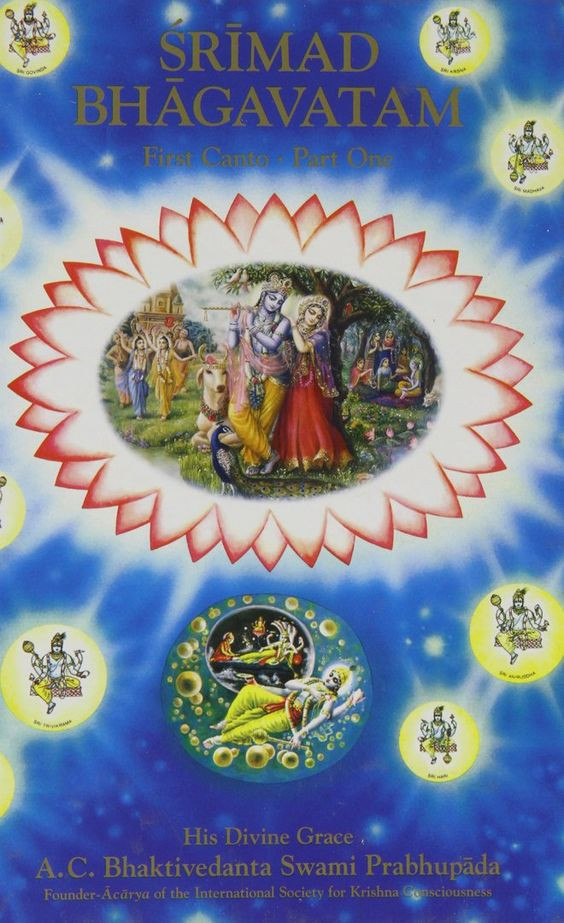 Why to read srimad bhagavatamReading the Srimad Bhagavatam fosters deep spiritual growth by narrating the life and teachings of Lord Krishna,...Read more
 -
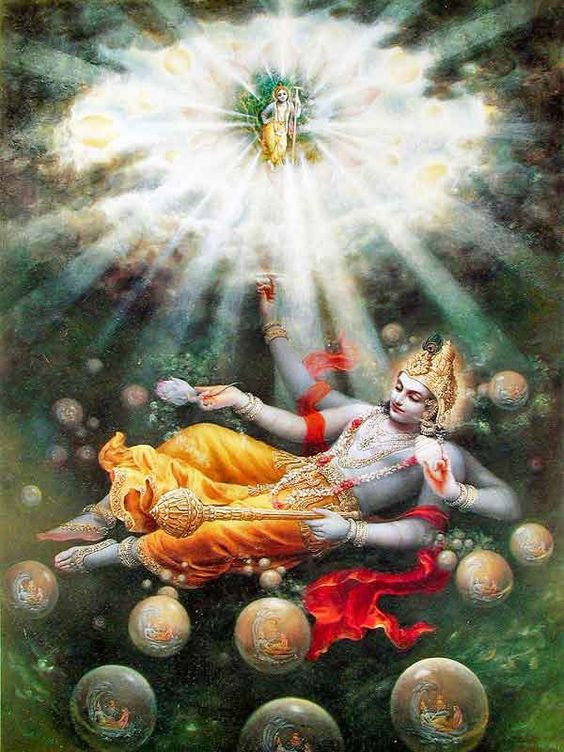 When was srimad bhagavatam written?The Srimad Bhagavatam is believed to have been written around 9th-10th century CE, though its oral traditions date...Read more
 -
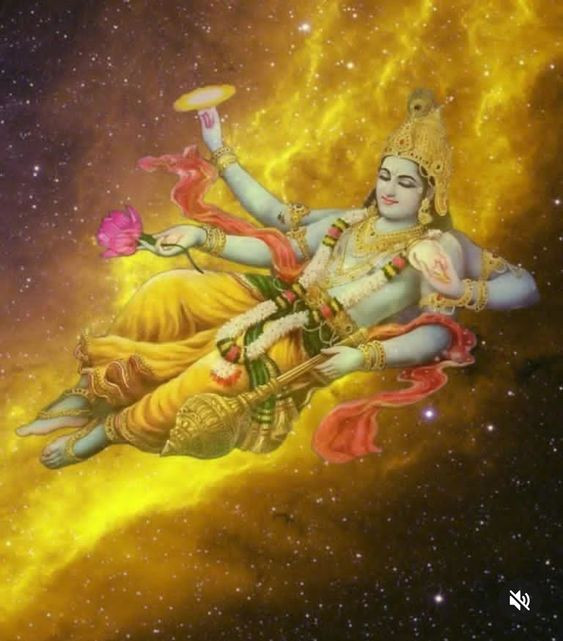 How many chapters are there in srimad bhagavatam?The Srimad Bhagavatam consists of 12 cantos (books) containing 335 chapters in total. Each canto covers various...Read more
 -
 How many skandhas are there in srimad bhagavatamThe Srimad Bhagavatam is divided into 12 skandhas (cantos or books). Each skandha explores different themes,...Read more
 -
 How many slokas in srimad bhagavatamThe Srimad Bhagavatam contains approximately 18,000 shlokas (verses). These verses are spread across its 12 skandhas...Read more
Leave a comment