
Why did Krishna run to embrace a poor brahmin in rags? Read the Sudama story from the Bhagavatam and learn how a...
Latest posts
-
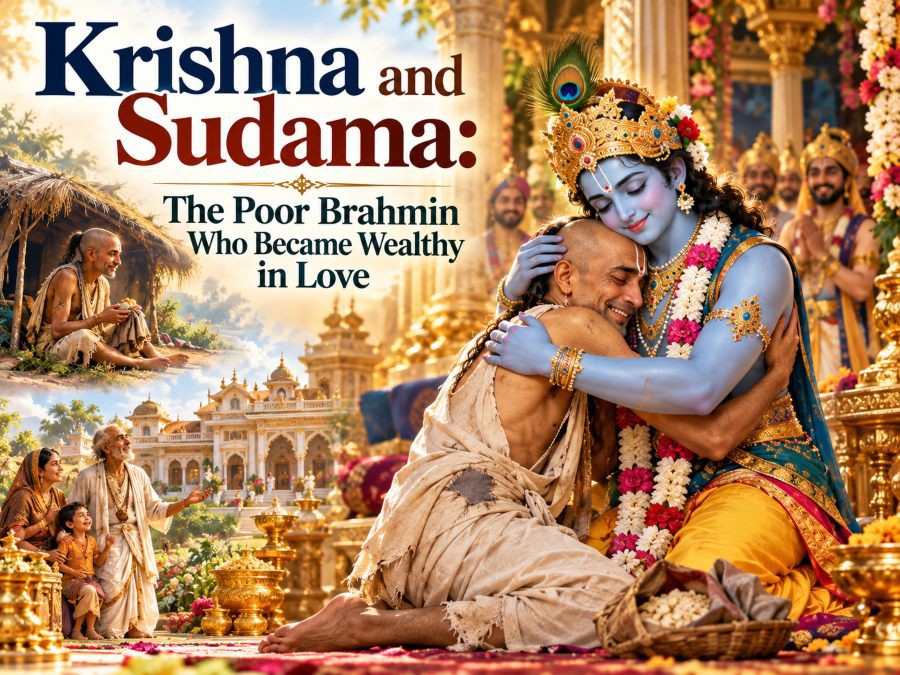 Krishna and Sudama: The Poor Brahmin Who Became Wealthy in LoveRead more
 -
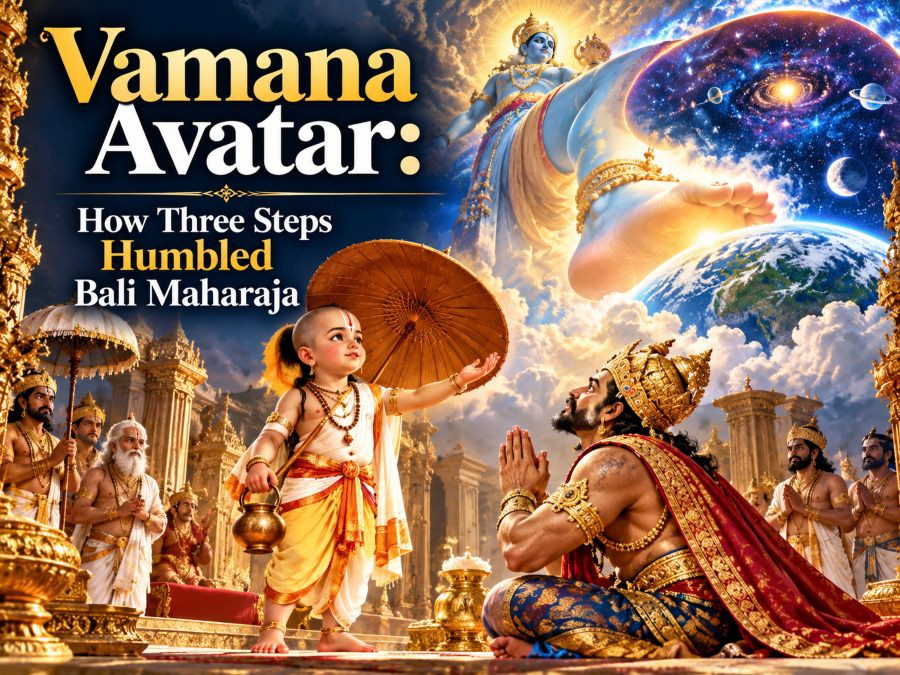 Vamana Avatar: How Three Steps Humbled Bali MaharajaRead more
Why did a powerful king give away three worlds to a boy asking for three steps? Learn the Vamana avatar story from...
-
 The Bhagavatam on Marriage: Duty, Love and Spiritual PartnershipRead more
What does the Bhagavatam say about marriage? Through the stories of Kardama and Devahuti, Rukmini's secret letter and...
-
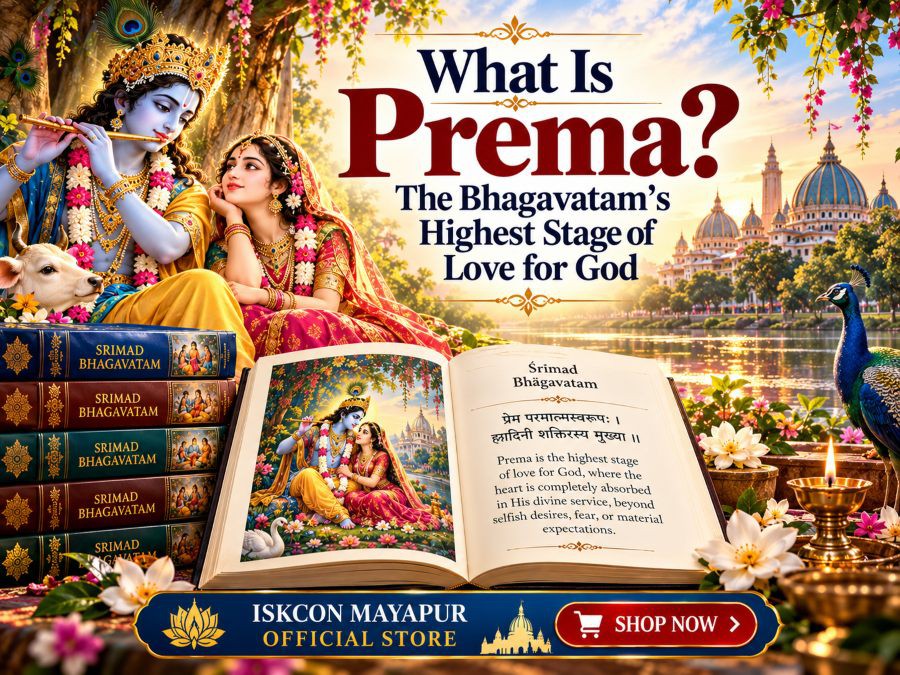 What Is Prema? The Bhagavatam's Highest Stage of Love for GodRead more
Prema is love for God with no "because" attached. Learn how the Bhagavatam describes it, the nine steps from faith to...
-
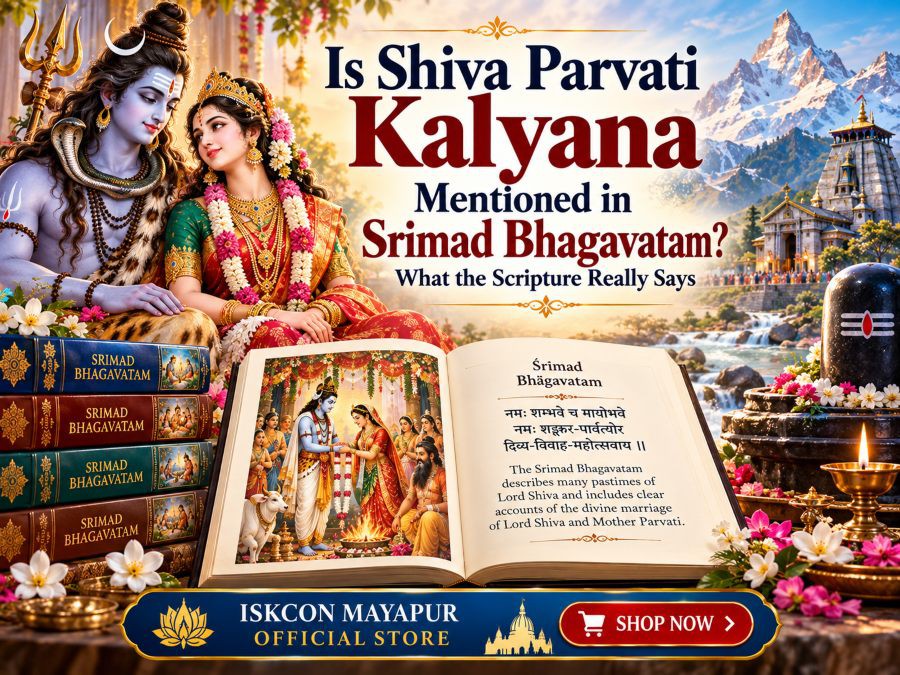 Is Shiva Parvati Kalyana Mentioned in Srimad Bhagavatam? What the Scripture Really SaysRead more
Looking for Shiva and Parvati's wedding in the Srimad Bhagavatam? Find out what the scripture actually describes,...
-
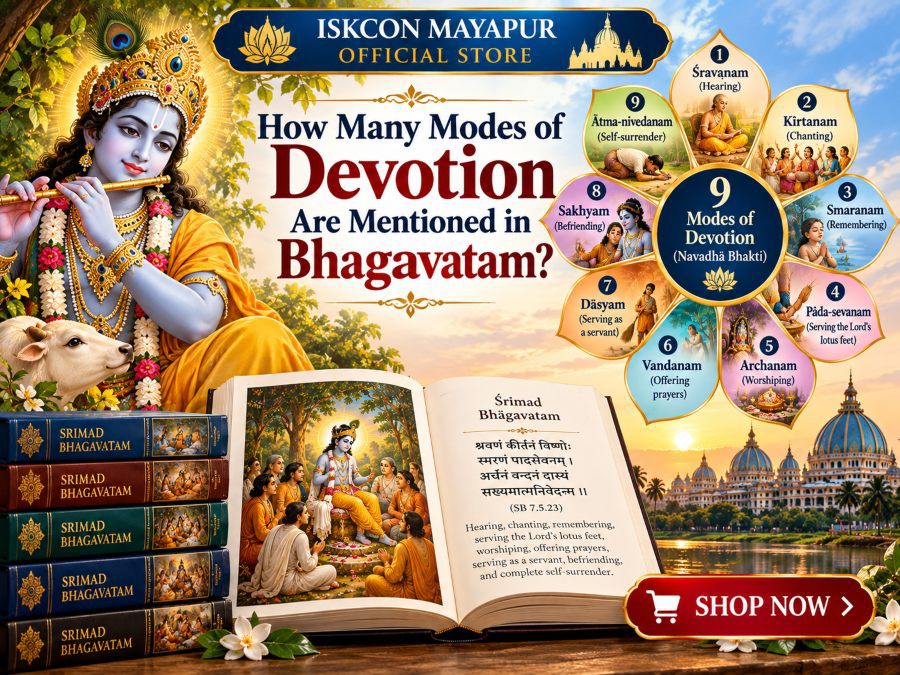 How Many Modes of Devotion Are Mentioned in Bhagavatam?Read more
A young boy named Prahlada listed nine ways to serve God, and the Bhagavatam keeps them as its answer. Learn what the...
-
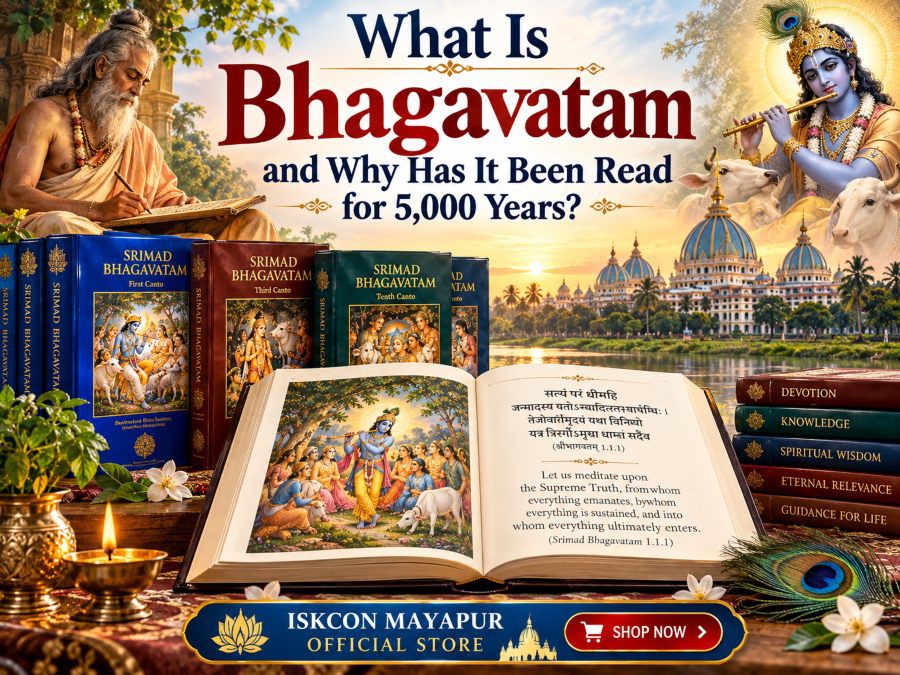 What Is Bhagavatam and Why Has It Been Read for 5,000 Years?Read more
A dying king asked one question, and the answer became the Bhagavatam. Learn what this Sanskrit scripture contains,...
-
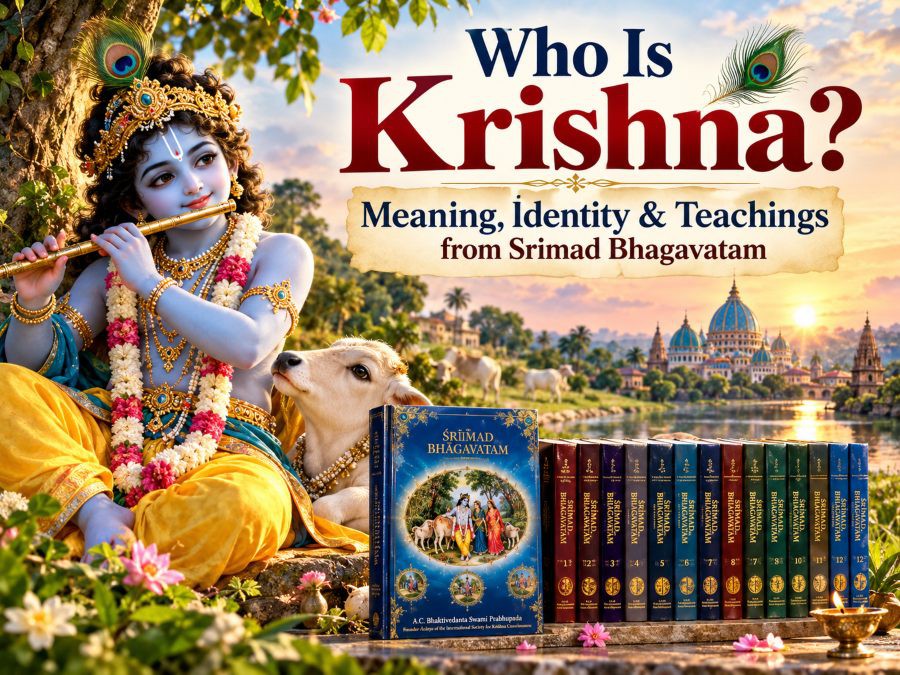 Who Is Lord Krishna? His Meaning, Teachings and Pastimes ExplainedRead more
Discover who Krishna is according to Srimad Bhagavatam, including His divine identity, childhood pastimes, teachings,...
-
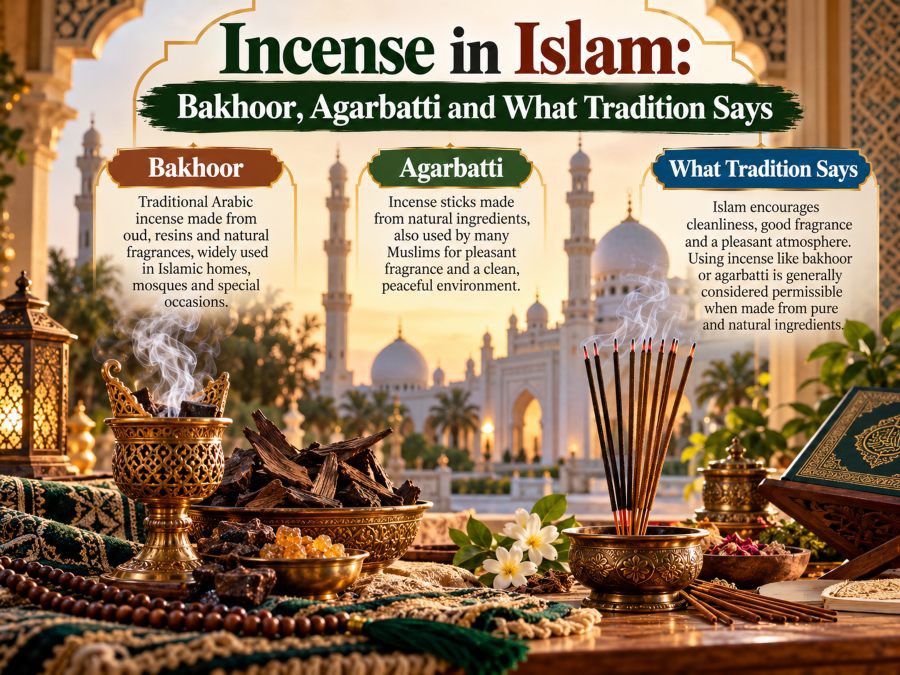 Incense in Islam: Bakhoor, Agarbatti and What Tradition SaysRead more
Is burning fragrance part of Muslim tradition? Explore incense in Islam, from the Prophetic practice of fumigating...
-
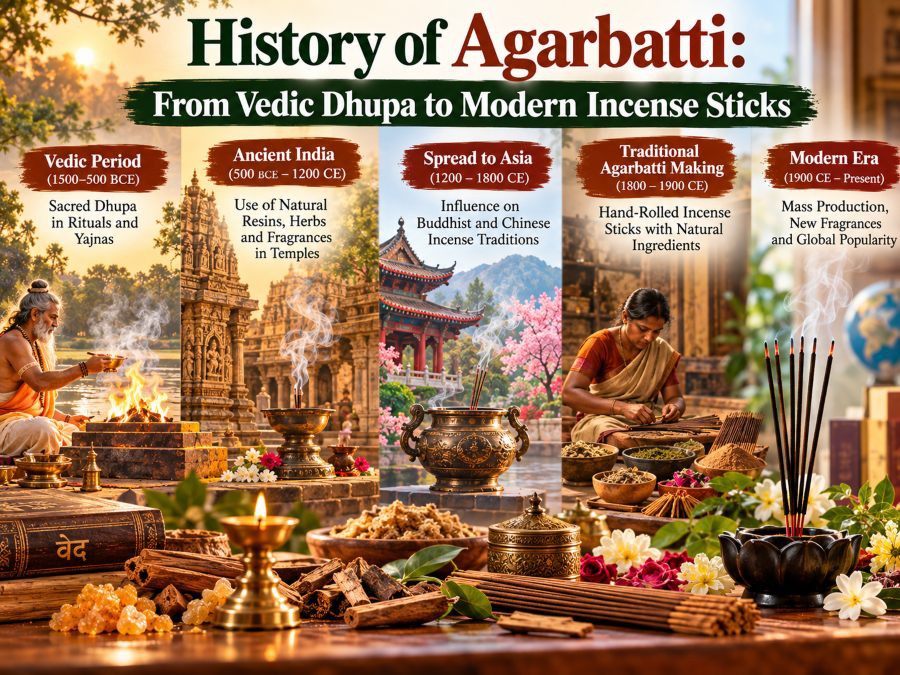 History of Agarbatti: From Vedic Dhupa to Modern Incense SticksRead more
Where did agarbatti really come from? Follow the history of agarbatti from Vedic fire rituals and temple dhupa to...
Blog categories
- Default category (0)
- MUSICAL INSTRUMENT (1)
- BOOK (5)
- DEVOTIONAL GIFT (0)
- Blog (30) click
- CHANDAN (12)
- Bhagavatam Wisdom Series (68)
- Krishna Consciousness (14)
- Mridangam Musical Instrument (6)
- Bhagavad Gita for Beginners (13)
- Bhagavad Gita As It Is (37) click
- Bhagavad Gita As It Is Telugu (0)
- Bhagavad Gita As It Is Marathi (0)
- Bhagavad Gita As It Is In Hindi (0)
- Bhagavad Gita As It Is In English (0)
- Bhagavad Gita As It Is In Bengali (8)
- Bhagavad Gita As It Is In Kannada (0)
- Bhagavad Gita As It Is In Gujarati (0)
- Bhagavad Gita As It Is In Panjabi (0)
- Bhagavad Gita As It Is In Tamil (0)
- Bhagavad Gita As It Is Odia (0)
- BHAGAVAD GITA As It Is GERMAN (0)
- Bhagavad Gita As It Is In French (0)
- Bhagavad Gita As It Is In Nepali (0)
- Bhagavad Gita As It Is In Assamese (0)
- Incense or Agarbatti (38)
- Lord Chaitanya Mahaprabhu (3)
- Vedic Temple Mayapur (14)
- kalki (15)
- Mahabharata – Dharma & Destiny (27)
- Vaishnava Scriptures (4)
- healthy product (4)
- chaitanya mahaprabhu (5)
- Tulsi Mala Guide (17)
Search in blog
What Is Bhagavad Gita?
What Is Bhagavad Gita? – The Complete Guide to the World’s Most Influential Spiritual Scripture
The Bhagavad Gita, popularly known as the Gita, is one of the most powerful spiritual texts in world history. It is a conversation between Lord Krishna and Arjuna, delivered on the battlefield of Kurukshetra, and it teaches the deepest truths about life, duty, the soul, karma, and devotion.
But the Gita is not only a religious scripture — it is a universal guide on how to live with wisdom, courage, clarity, and purpose. This is why modern readers, scholars, leaders, and spiritual seekers consider the Gita a timeless masterpiece.
The Origin of Bhagavad Gita – How This Divine Wisdom Was Revealed on the Battlefield of Kurukshetra
The Bhagavad Gita appears in the ancient Indian epic Mahabharata, during a tense moment just before a massive war was about to begin. Arjuna, the heroic warrior, was confused, emotional, and unwilling to fight against his own relatives and teachers. At this crucial point, Lord Krishna delivered the Gita — a message that applies to every human being.
Key points
- The Gita was spoken around 5,000 years ago, according to Vedic tradition.
- The setting is the Kurukshetra battlefield, symbolizing the inner battle of human life.
- Arjuna represents the human seeker, confused by fear and emotions.
- Krishna represents the Divine Guide, giving eternal solutions to life’s biggest problems.
- The moment of crisis became the moment of enlightenment.

READ ALSO:- who wrote bhagavad gita
The Meaning of the Bhagavad Gita – Why It Is Called the “Song of God”
The title itself carries deep significance and reveals the purpose of the scripture.
Key points
- “Bhagavad” means Supreme Lord, referring to Krishna.
- “Gita” means song, implying divine wisdom expressed poetically.
- Together, Bhagavad Gita means “The Song of the Supreme Lord.”
- The format is a conversation filled with spiritual melody and profound truth.
- It is poetry, philosophy, and practical guidance all at once.
Structure of the Bhagavad Gita – How 18 Chapters Explain Every Aspect of Human Life
The Gita contains 700 Sanskrit verses organized into 18 chapters, and each chapter is a pathway for spiritual evolution.
Key points
- Every chapter is called a Yoga, meaning a method of connecting with God.
- The chapters cover paths like action (Karma Yoga), knowledge (Jnana Yoga), meditation (Dhyana Yoga), and devotion (Bhakti Yoga).
- The structure moves step-by-step from material understanding to spiritual realization.
- Each chapter answers a different question about life, duty, mind, or consciousness.
Main Teachings of Bhagavad Gita – The Central Philosophies Explained in Simple Words
The Gita contains countless teachings, but several stand out as its essential foundations.
The Soul Is Eternal – Understanding Our True Identity Beyond the Body
The Gita teaches that the soul is not temporary like the body; it is eternal, changeless, and indestructible.
Key points:
- The body dies but the soul never dies.
- Death is only a change of body, just like changing old clothes.
- Real identity is spiritual, not physical.
- Understanding this removes the fear of death.
Karma Yoga – Performing One’s Duty Without Attachment to Results
Krishna instructs Arjuna to act honestly and responsibly, without selfish expectation or emotional attachment.
Key points:
- Focus on the action, not the outcome.
- Serve with sincerity and detachment.
- Success and failure should not disturb inner peace.
- This path leads to freedom from anxiety.
Jnana Yoga – Gaining Knowledge of the Self and the Universe
The Gita provides deep insights into the nature of the soul, God, and material creation.
Key points:
- Real knowledge is knowing the difference between spirit and matter.
- The body is temporary; the soul is eternal.
- Ignorance causes suffering, while knowledge gives liberation.
Dhyana Yoga – Controlling the Mind Through Meditation
Meditation is essential for inner peace and clarity.
Key points:
- The mind can be a friend or enemy depending on control.
- Meditation removes stress, confusion, and emotional weakness.
- Self-discipline leads to spiritual growth.
Bhakti Yoga – Pure Devotion as the Highest Path to God
Krishna explains that loving devotion is the easiest and most powerful path to spiritual perfection.
Key points:
- Devotion purifies the heart more than any other practice.
- Even small acts done for God become spiritual.
- Krishna promises to protect His surrendered devotees.

Why the Bhagavad Gita Is Universal – A Scripture for Everyone, Not Only Hindus
The Gita’s teachings apply to every human being regardless of religion, age, or background.
Key points
- It discusses universal topics — fear, duty, love, confusion, purpose.
- It does not demand ritualistic worship; it teaches inner transformation.
- It offers solutions to modern challenges like stress, anxiety, and decision-making.
- Leaders like Gandhi, Einstein, and Thoreau admired its wisdom.
How the Gita Helps in Modern Life – Its Relevance in Today’s Stressful World
Even today, the Gita provides powerful guidance for personal, emotional, and spiritual growth.
Stress Management and Mental Clarity
Key points:
- Teaches balance of mind during success and failure.
- Removes anxiety by teaching detachment.
- Provides tools for emotional stability.
Improved Focus and Productivity
Key points:
- Encourages disciplined action.
- Teaches how to avoid distractions.
- Strengthens willpower.
Better Relationships
Key points:
- Promotes compassion and humility.
- Reduces ego-based conflict.
- Encourages selfless service.
Leadership and Decision-Making
Key points:
- Provides a moral framework for difficult choices.
- Teaches courage and righteousness.
- Inspires confidence and integrity.
The Final Teachings of Krishna – The Essence of the Entire Bhagavad Gita
The last chapters of the Gita summarize the most important spiritual principle:
Surrender to God completely, and live free from fear, doubt, and ignorance.
Krishna says:
“Abandon all varieties of religion and simply surrender unto Me.
I shall deliver you from all sinful reactions. Do not fear.” (Gita 18.66)
Key points
- Surrender removes all mental burden.
- God personally protects the devoted soul.
- This is the ultimate path to peace.
READ ALSO:- How Many Chapters Are in the Bhagavad Gita?
Conclusion – Why the Bhagavad Gita Is Considered the Eternal Guide to Life
The Bhagavad Gita is not just a scripture — it is a manual for life.
It teaches:
- Who we are (the soul)
- Why we suffer (ignorance and attachment)
- How to live (duty + devotion + wisdom)
- How to achieve peace (surrender to God)
Its message is timeless, universal, and transformative.
This is why the Gita is considered India’s gift to the world and remains relevant even today.
FAQs
1. What is the Bhagavad Gita in simple words?
It is a conversation between God (Krishna) and a warrior (Arjuna) about life, duty, and spirituality.
2. Why is the Gita important?
Because it provides solutions to human problems like fear, confusion, stress, and moral dilemmas.
3. How many chapters are in the Bhagavad Gita?
There are 18 chapters and 700 verses.
4. Is the Bhagavad Gita still relevant today?
Yes, it offers timeless wisdom helpful for stress-relief, decision-making, self-discipline, and inner peace.
5. Who wrote the Bhagavad Gita?
It is part of the Mahabharata, written by Vyasa, but spoken by Lord Krishna.
Related posts
-
 Basics of Bhagavad Gita: A Thematic Study for Beginners | MAYAPUR STOREBasics of Bhagavad Gita: A Thematic Study is a beginner-friendly guide that simplifies the timeless wisdom of the...Read more
 -
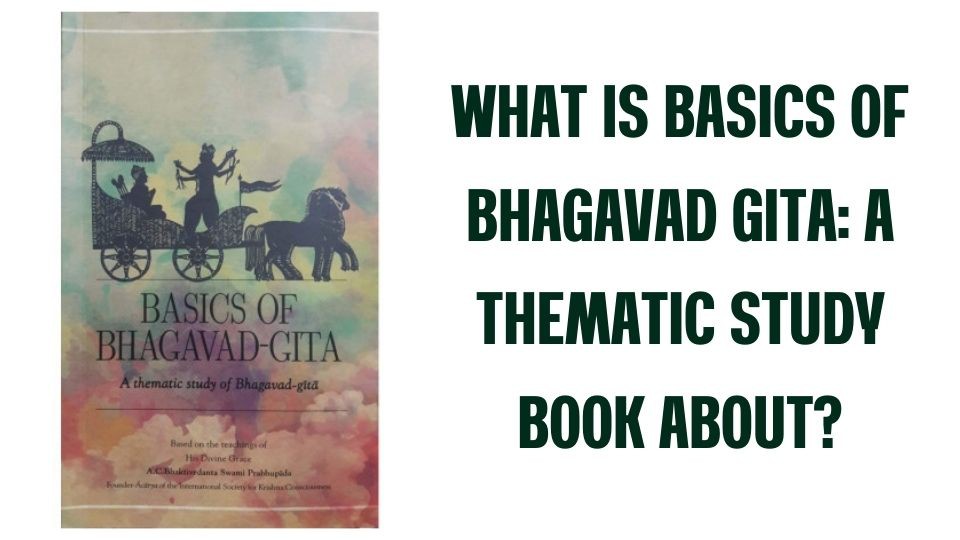 What is Basics of Bhagavad Gita: A Thematic Study Book About?Basics of Bhagavad Gita: A Thematic Study is a beginner-friendly guide that simplifies the timeless wisdom of the...Read more
 -
 Who Should Read Basics of Bhagavad Gita – Is It Good for Beginners?Basics of Bhagavad Gita is a beginner-friendly guide that simplifies Lord Krishna’s teachings for students, seekers,...Read more
 -
 Difference Between Basics of Bhagavad Gita and Bhagavad Gita As It Is – A Beginner’s GuideLearn how Basics of Bhagavad Gita differs from Bhagavad Gita As It Is. This guide explains their purpose, depth, and...Read more
 -
 Main Themes of Basics of Bhagavad Gita – A Beginner’s Guide to Krishna’s TeachingsBasics of Bhagavad Gita explains Krishna’s timeless teachings in simple language. Discover the main themes—dharma,...Read more
Leave a comment