
Why did Krishna run to embrace a poor brahmin in rags? Read the Sudama story from the Bhagavatam and learn how a...
Latest posts
-
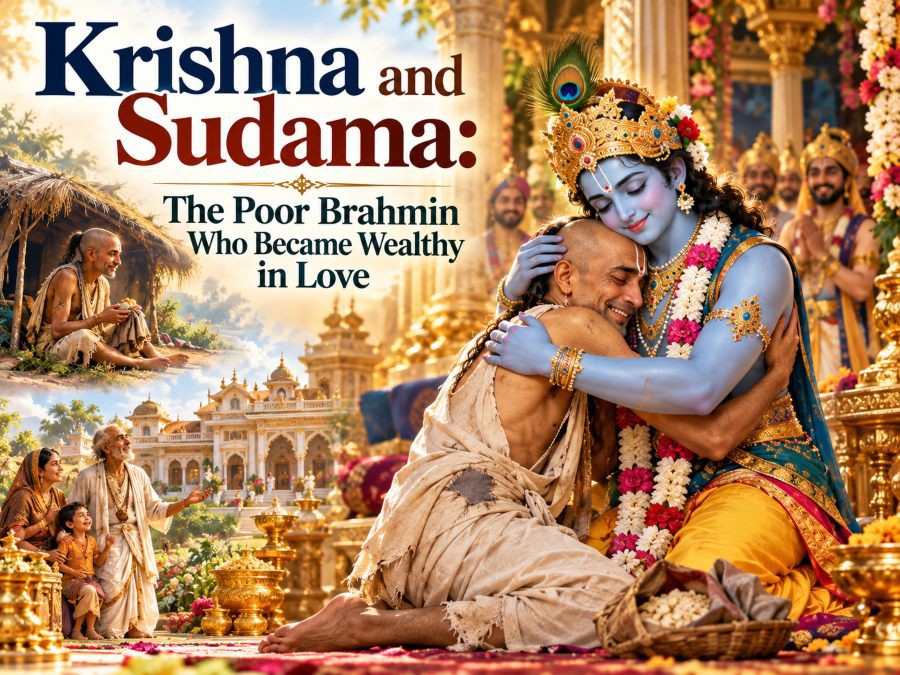 Krishna and Sudama: The Poor Brahmin Who Became Wealthy in LoveRead more
 -
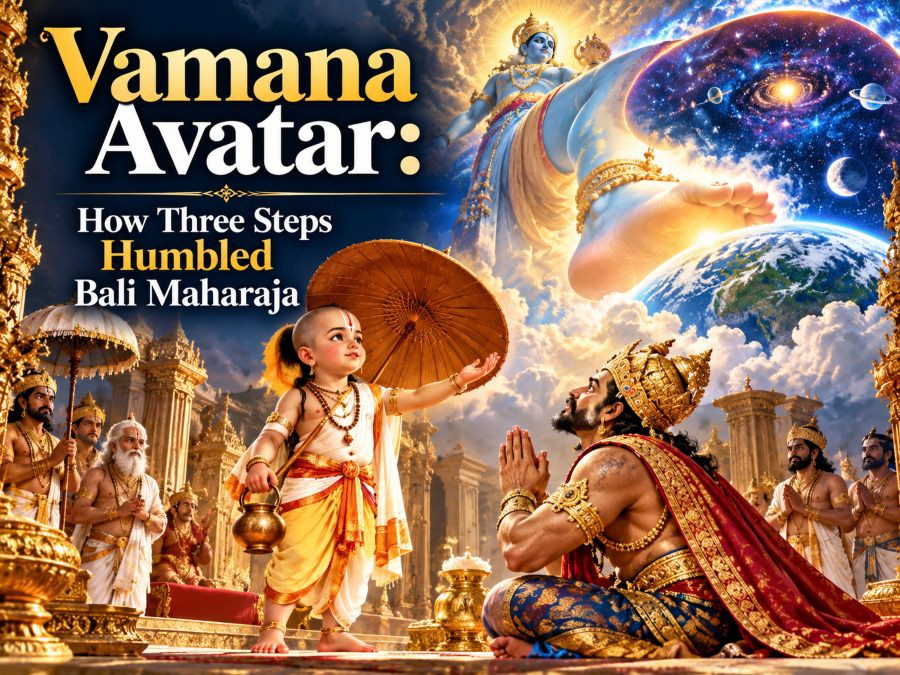 Vamana Avatar: How Three Steps Humbled Bali MaharajaRead more
Why did a powerful king give away three worlds to a boy asking for three steps? Learn the Vamana avatar story from...
-
 The Bhagavatam on Marriage: Duty, Love and Spiritual PartnershipRead more
What does the Bhagavatam say about marriage? Through the stories of Kardama and Devahuti, Rukmini's secret letter and...
-
 What Is Prema? The Bhagavatam's Highest Stage of Love for GodRead more
Prema is love for God with no "because" attached. Learn how the Bhagavatam describes it, the nine steps from faith to...
-
 Is Shiva Parvati Kalyana Mentioned in Srimad Bhagavatam? What the Scripture Really SaysRead more
Looking for Shiva and Parvati's wedding in the Srimad Bhagavatam? Find out what the scripture actually describes,...
-
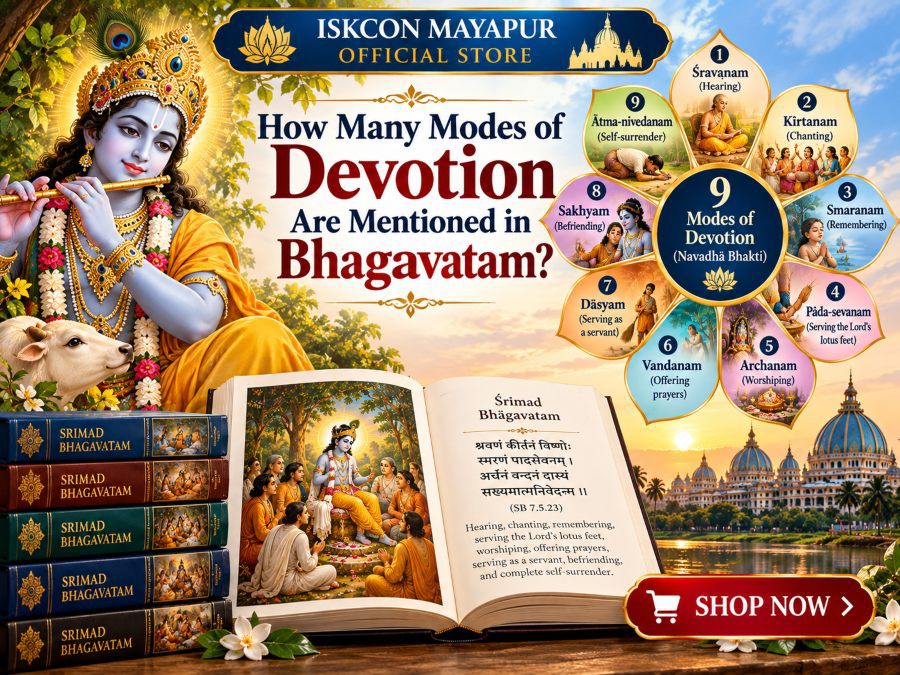 How Many Modes of Devotion Are Mentioned in Bhagavatam?Read more
A young boy named Prahlada listed nine ways to serve God, and the Bhagavatam keeps them as its answer. Learn what the...
-
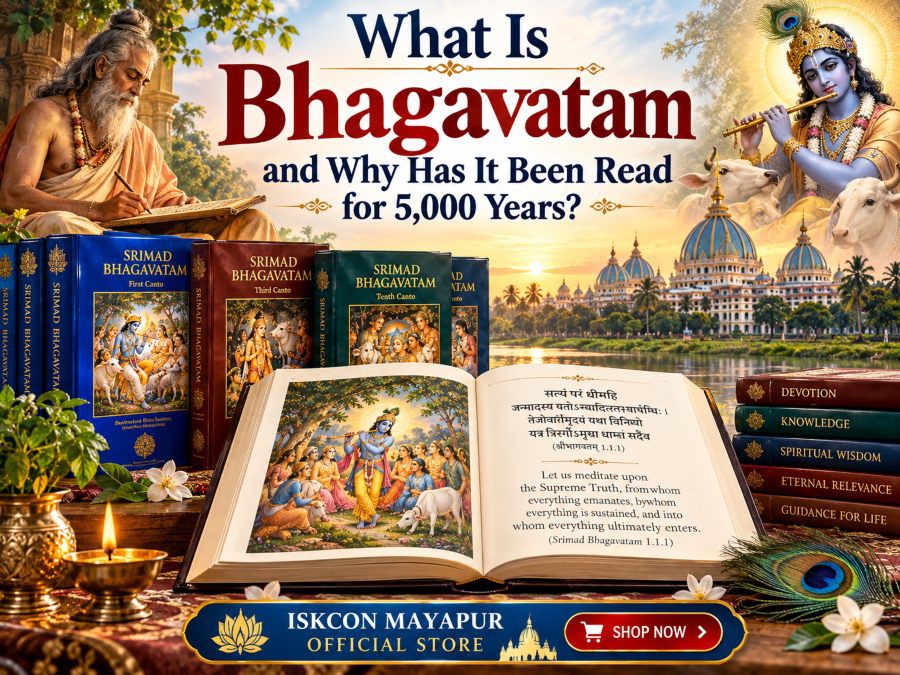 What Is Bhagavatam and Why Has It Been Read for 5,000 Years?Read more
A dying king asked one question, and the answer became the Bhagavatam. Learn what this Sanskrit scripture contains,...
-
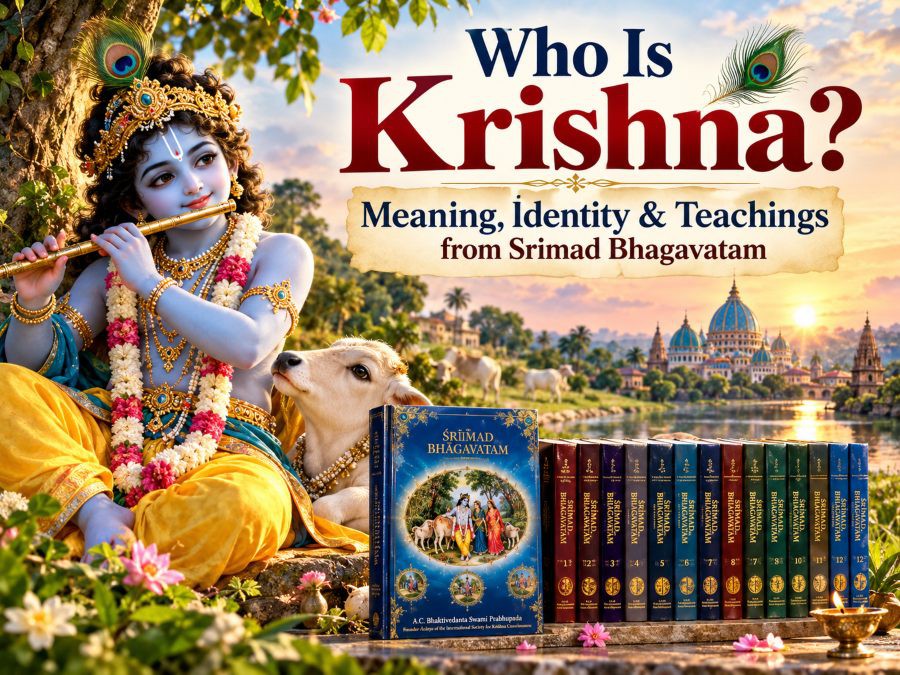 Who Is Lord Krishna? His Meaning, Teachings and Pastimes ExplainedRead more
Discover who Krishna is according to Srimad Bhagavatam, including His divine identity, childhood pastimes, teachings,...
-
 Incense in Islam: Bakhoor, Agarbatti and What Tradition SaysRead more
Is burning fragrance part of Muslim tradition? Explore incense in Islam, from the Prophetic practice of fumigating...
-
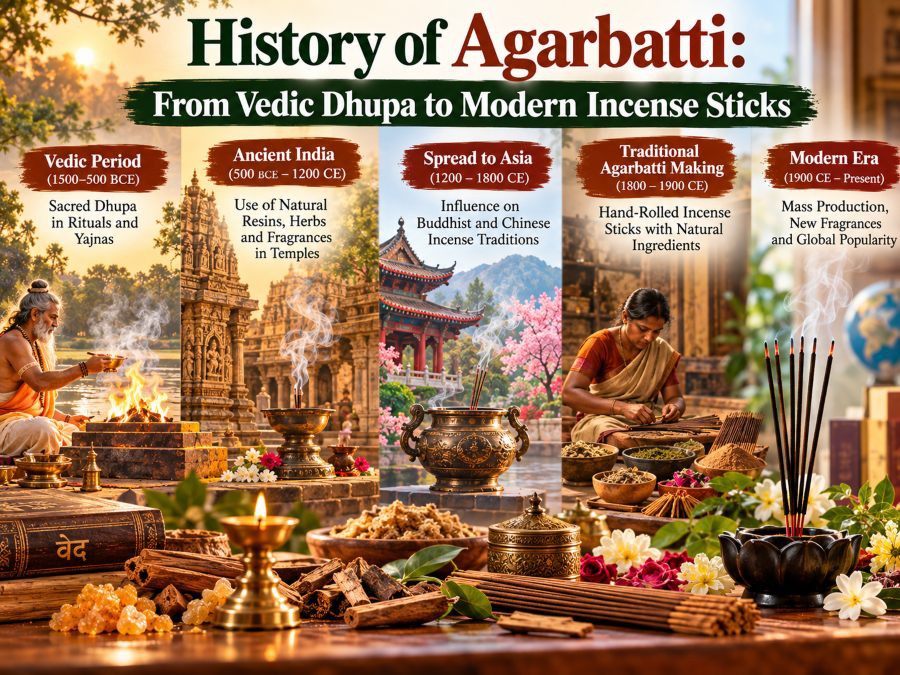 History of Agarbatti: From Vedic Dhupa to Modern Incense SticksRead more
Where did agarbatti really come from? Follow the history of agarbatti from Vedic fire rituals and temple dhupa to...
Blog categories
- Default category (0)
- MUSICAL INSTRUMENT (1)
- BOOK (5)
- DEVOTIONAL GIFT (0)
- Blog (30) click
- CHANDAN (12)
- Bhagavatam Wisdom Series (68)
- Krishna Consciousness (14)
- Mridangam Musical Instrument (6)
- Bhagavad Gita for Beginners (13)
- Bhagavad Gita As It Is (37) click
- Bhagavad Gita As It Is Telugu (0)
- Bhagavad Gita As It Is Marathi (0)
- Bhagavad Gita As It Is In Hindi (0)
- Bhagavad Gita As It Is In English (0)
- Bhagavad Gita As It Is In Bengali (8)
- Bhagavad Gita As It Is In Kannada (0)
- Bhagavad Gita As It Is In Gujarati (0)
- Bhagavad Gita As It Is In Panjabi (0)
- Bhagavad Gita As It Is In Tamil (0)
- Bhagavad Gita As It Is Odia (0)
- BHAGAVAD GITA As It Is GERMAN (0)
- Bhagavad Gita As It Is In French (0)
- Bhagavad Gita As It Is In Nepali (0)
- Bhagavad Gita As It Is In Assamese (0)
- Incense or Agarbatti (38)
- Lord Chaitanya Mahaprabhu (3)
- Vedic Temple Mayapur (14)
- kalki (15)
- Mahabharata – Dharma & Destiny (27)
- Vaishnava Scriptures (4)
- healthy product (4)
- chaitanya mahaprabhu (5)
- Tulsi Mala Guide (17)
Search in blog
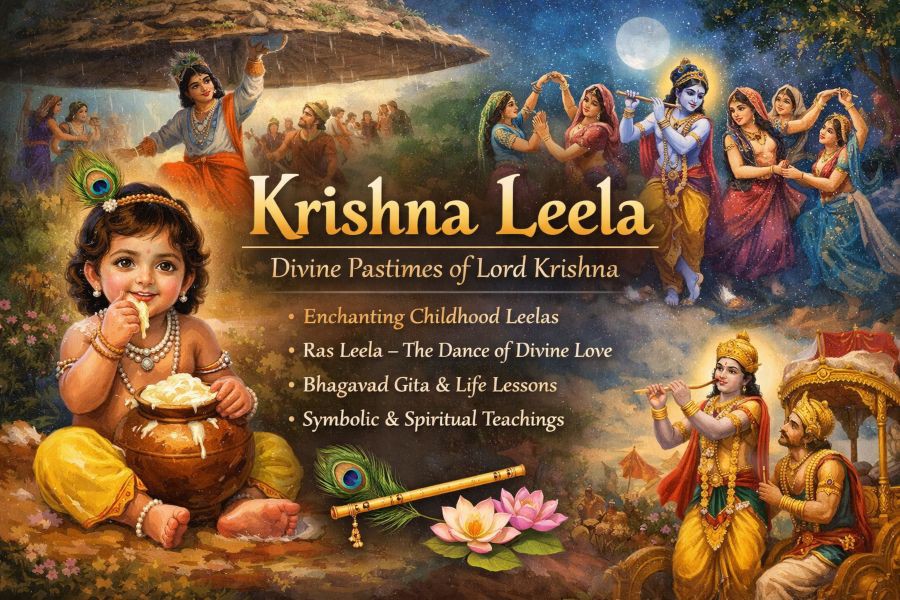
Krishna Leela
Krishna Leela: The Divine Play of Love, Wisdom, and Eternal Truth
Krishna Leela is not merely a collection of mythological tales—it is the living heartbeat of Sanatana Dharma, revealing the deepest truths about existence, love, and the soul’s eternal relationship with the Divine. These sacred pastimes of Lord Krishna, described in revered scriptures like the Bhagavata Purana, offer a profound blend of philosophy, devotion, and timeless storytelling that continues to inspire millions across generations. For those seeking deeper insight into epic narratives and spiritual heritage, you may also explore Read Also Ramayana Chronicles, which beautifully complements the understanding of divine incarnations and dharma.
Meaning of Krishna Leela
The word “Leela” translates to “divine play,” and it perfectly captures the essence of Krishna’s actions. Unlike ordinary human activities driven by necessity or desire, Krishna’s pastimes are spontaneous expressions of divine joy and compassion. Every Leela carries layers of meaning—external stories for the heart and deeper spiritual truths for the soul.
Krishna does not act out of obligation; He performs Leela out of pure bliss. Whether it is His playful childhood mischief or His profound guidance in the Bhagavad Gita, each moment reveals the nature of the Supreme Being as both personal and accessible.
The Birth of Krishna: A Divine Beginning
Krishna’s appearance in Mathura marks the beginning of His earthly Leela. Born to Devaki and Vasudeva under the tyrannical rule of King Kamsa, His birth itself symbolizes hope amidst darkness. Miraculously transported to Gokul to be raised by Yashoda and Nanda Maharaj, Krishna’s early life reflects divine protection and purpose.
This transition from prison to pastoral life is deeply symbolic. It shows that divinity often manifests in simplicity and purity, far from the chaos of power and fear. Krishna’s childhood becomes the stage where divine innocence and cosmic power coexist beautifully.
Childhood Leelas: Innocence and Infinite Power
Krishna’s childhood in Vrindavan is perhaps the most cherished part of His Leela. As a young boy, He enchants everyone with His charm, laughter, and playful nature. Yet, behind this simplicity lies unimaginable शक्ति (divine power).
Makhan Chor (Butter Thief)
Krishna’s stealing of butter is not merely mischief—it represents His desire to steal the hearts of His devotees. The butter symbolizes the pure love churned from the hearts of the Gopis. By “stealing” it, Krishna shows that He is attracted only to sincere devotion.
Killing of Demons
From Putana to Bakasura, Krishna eliminates numerous demons sent by Kamsa. These acts are not just heroic tales but spiritual allegories. Each demon represents a negative quality—ego, greed, illusion—that Krishna helps remove from the lives of devotees.
Lifting Govardhan Hill
One of the most iconic Leelas is Krishna lifting Govardhan Hill on His little finger to protect the villagers from Indra’s wrath. This act teaches humility and faith. It reminds us that surrendering to God is more powerful than ritualistic pride.
The Ras Leela: The Pinnacle of Divine Love
Among all Krishna’s pastimes, Ras Leela stands as the highest expression of divine love. It is often misunderstood when viewed through a material lens, but spiritually, it represents the soul’s longing for union with the Divine.
The Gopis’ love for Krishna is unconditional and selfless. They do not seek reward or recognition; their only desire is to be with Him. Krishna reciprocates this pure love by expanding Himself so that each devotee feels a personal connection.
Ras Leela teaches that true devotion transcends ego, social norms, and even logic. It is a state where the soul completely surrenders to divine love.
Krishna as a Friend and Guide
As Krishna grows, His Leelas evolve from playful childhood acts to more mature roles. In Mathura and later in Dwarka, He becomes a protector, leader, and philosopher.
Friendship with Sudama
Krishna’s meeting with Sudama, His childhood friend, is a touching example of humility and compassion. Despite being a king, Krishna welcomes Sudama with open arms, showing that true relationships are beyond wealth and status.
The Bhagavad Gita
Perhaps the most profound of all Krishna’s contributions is His guidance to Arjuna on the battlefield of Kurukshetra. The Bhagavad Gita is not just a philosophical discourse—it is a direct revelation of life’s purpose, duty, and spiritual realization.
Krishna teaches:
- Perform your duty without attachment
- Surrender to the Divine will
- Understand the eternal nature of the soul
These teachings remain relevant even today, guiding individuals through moral dilemmas and life’s complexities.
Symbolism in Krishna Leela
Every aspect of Krishna’s life carries symbolic meaning:
- Flute (Bansuri): Represents the call of the Divine, inviting souls to return to their original nature
- Peacock Feather: Symbolizes beauty, grace, and harmony with nature
- Blue Skin: Reflects infinity, like the sky and ocean—limitless and all-encompassing
Krishna’s life is not random storytelling; it is a carefully woven tapestry of spiritual wisdom.
Lessons from Krishna Leela
Krishna Leela offers practical lessons for daily life:
1. Love Without Conditions
Krishna teaches that love should be pure, free from expectations and selfish desires.
2. Balance Duty and Devotion
Through His guidance in the Gita, Krishna shows how to live in the world while remaining spiritually connected.
3. Overcome Ego
Many of Krishna’s Leelas involve humbling powerful figures, reminding us that ego is the greatest obstacle to spiritual growth.
4. Embrace Joy
Krishna’s playful nature encourages us to find joy even in simple moments.
Krishna Leela in Modern Life
In today’s fast-paced world, Krishna Leela serves as a source of peace and clarity. It helps individuals reconnect with their inner selves and find meaning beyond material success.
Reading and reflecting on Krishna’s pastimes can:
- Reduce stress and anxiety
- Strengthen emotional resilience
- Inspire ethical and compassionate living
It is not necessary to renounce the world; Krishna teaches us to transform our perspective within it.
The Universal Appeal of Krishna
Krishna is not confined to any one culture or region. His teachings and Leelas resonate globally because they address universal human emotions—love, fear, hope, and purpose.
Artists, poets, and philosophers across centuries have drawn inspiration from Krishna. His life bridges the gap between the divine and the human, making spirituality accessible to all.
Why Krishna Leela Matters Today
Krishna Leela is more than history—it is a living tradition. It continues to guide humanity toward higher consciousness and deeper understanding.
In an age dominated by technology and material pursuits, Krishna’s message reminds us of what truly matters:
- Inner peace over external success
- Devotion over ego
- Wisdom over ignorance
Conclusion: Entering the World of Divine Play
Krishna Leela invites us into a world where every action is filled with purpose, every relationship is rooted in love, and every moment is an opportunity for spiritual growth. It is not just about reading stories—it is about experiencing transformation.
When we immerse ourselves in Krishna’s pastimes, we begin to see life differently. Challenges become lessons, relationships become sacred, and the journey of life becomes a path toward divine realization.
Krishna Leela is eternal. It continues to unfold in the hearts of those who seek truth, love, and connection with the Divine. By embracing these teachings, one can move closer to a life filled with peace, joy, and spiritual fulfillment.
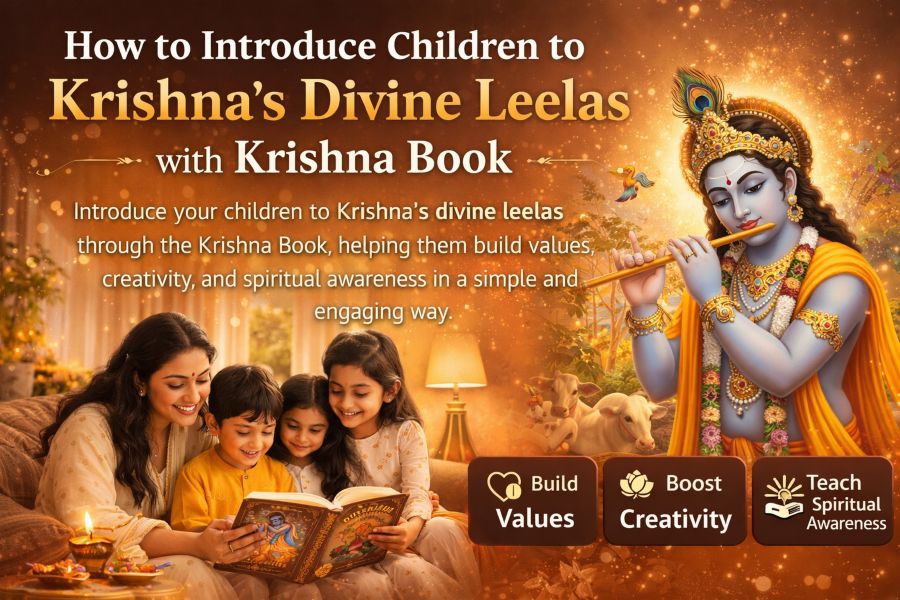 How to Teach Kids Spiritual Values with the Krishna BookRead more
Introduce your children to Krishna’s divine leelas through the Krishna Book. An engaging and simple way to build strong values, creativity, and spiritual awareness from an early age.
 How Daily Krishna Book Reading Brings Peace to Your HomeRead more
Daily Krishna Book reading can transform your home into a peaceful and spiritually uplifting space. It helps remove negativity, improve family harmony, and create a positive environment filled with devotion and inner calm.
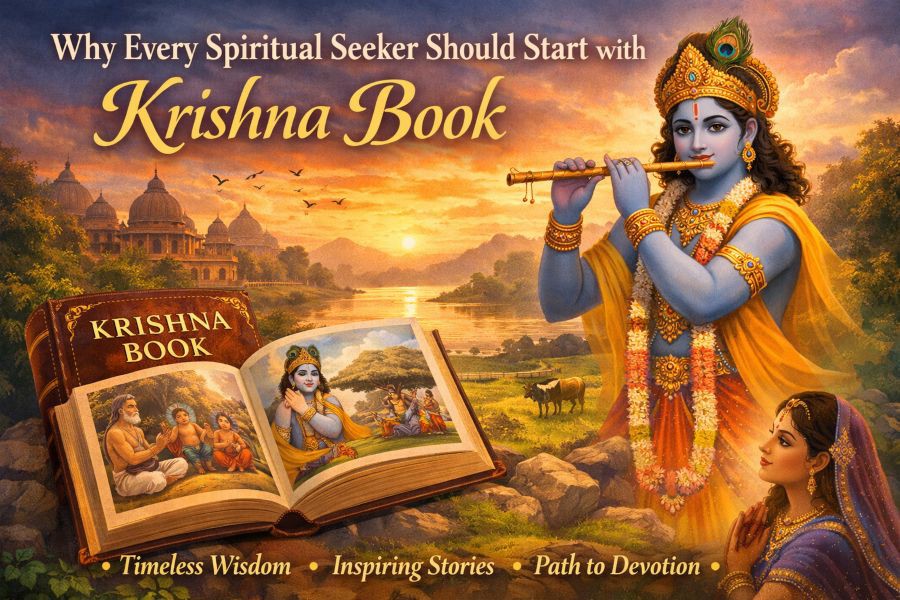 Why the Krishna Book Is a Must-Read for Every Spiritual SeekerRead more
The Krishna Book is the perfect starting point for anyone seeking spiritual clarity. It blends storytelling, philosophy, and devotion to help beginners understand life’s deeper purpose and build a personal connection with the divine.