
Why did Krishna run to embrace a poor brahmin in rags? Read the Sudama story from the Bhagavatam and learn how a...
Latest posts
-
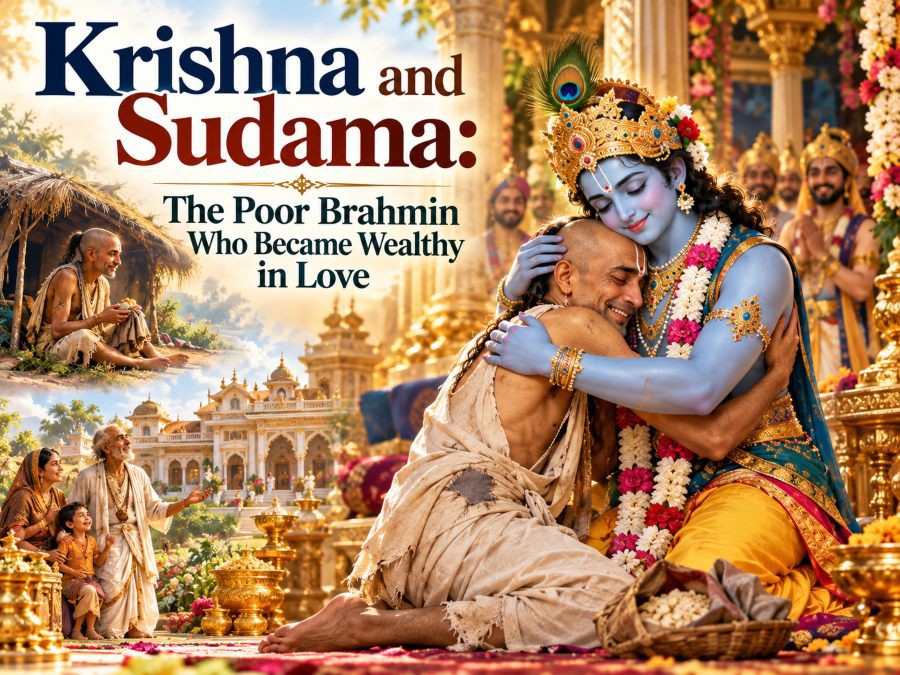 Krishna and Sudama: The Poor Brahmin Who Became Wealthy in LoveRead more
 -
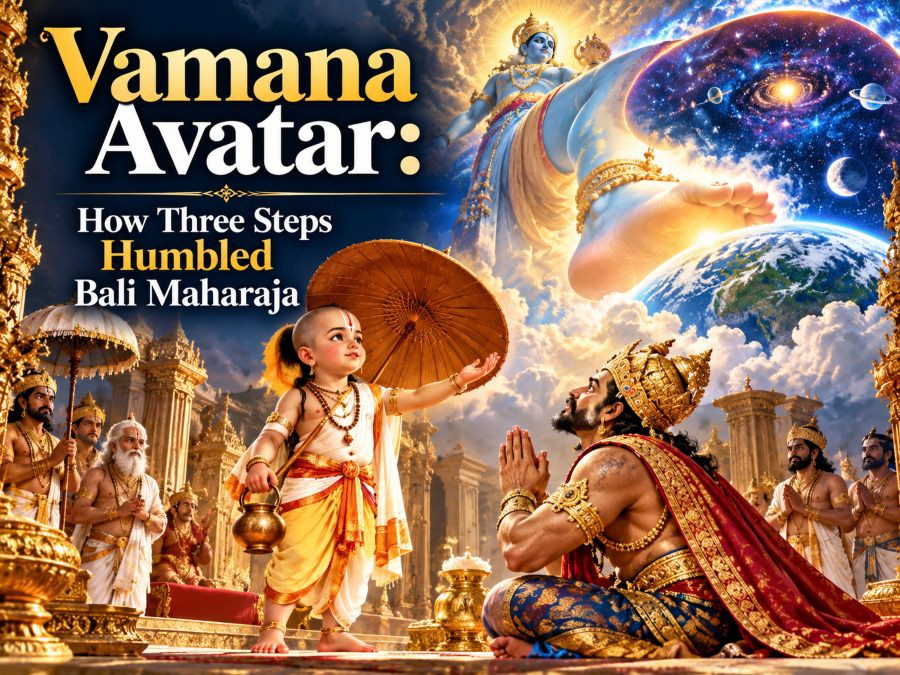 Vamana Avatar: How Three Steps Humbled Bali MaharajaRead more
Why did a powerful king give away three worlds to a boy asking for three steps? Learn the Vamana avatar story from...
-
 The Bhagavatam on Marriage: Duty, Love and Spiritual PartnershipRead more
What does the Bhagavatam say about marriage? Through the stories of Kardama and Devahuti, Rukmini's secret letter and...
-
 What Is Prema? The Bhagavatam's Highest Stage of Love for GodRead more
Prema is love for God with no "because" attached. Learn how the Bhagavatam describes it, the nine steps from faith to...
-
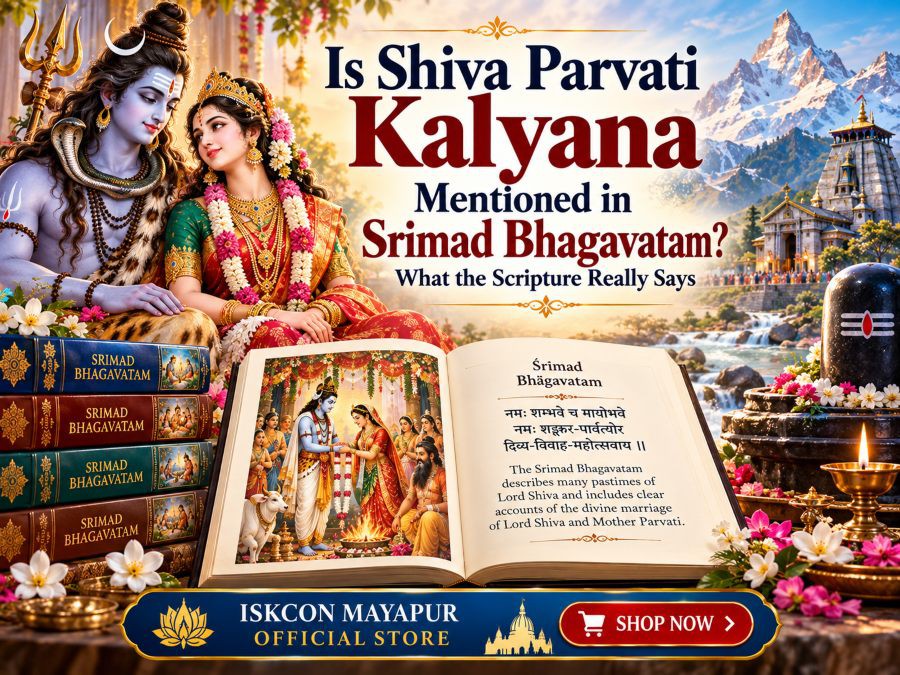 Is Shiva Parvati Kalyana Mentioned in Srimad Bhagavatam? What the Scripture Really SaysRead more
Looking for Shiva and Parvati's wedding in the Srimad Bhagavatam? Find out what the scripture actually describes,...
-
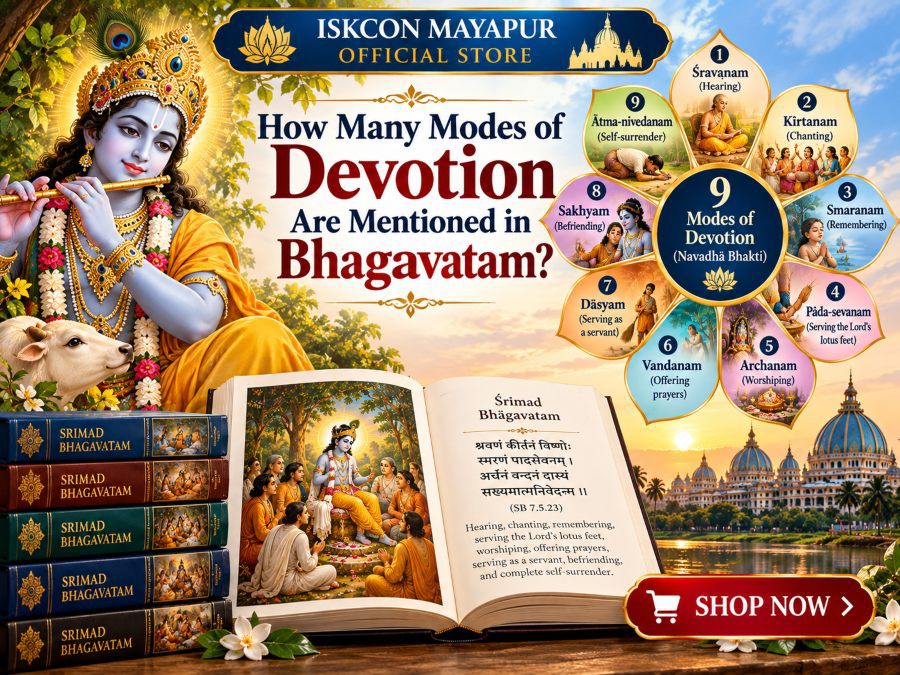 How Many Modes of Devotion Are Mentioned in Bhagavatam?Read more
A young boy named Prahlada listed nine ways to serve God, and the Bhagavatam keeps them as its answer. Learn what the...
-
 What Is Bhagavatam and Why Has It Been Read for 5,000 Years?Read more
A dying king asked one question, and the answer became the Bhagavatam. Learn what this Sanskrit scripture contains,...
-
 Who Is Lord Krishna? His Meaning, Teachings and Pastimes ExplainedRead more
Discover who Krishna is according to Srimad Bhagavatam, including His divine identity, childhood pastimes, teachings,...
-
 Incense in Islam: Bakhoor, Agarbatti and What Tradition SaysRead more
Is burning fragrance part of Muslim tradition? Explore incense in Islam, from the Prophetic practice of fumigating...
-
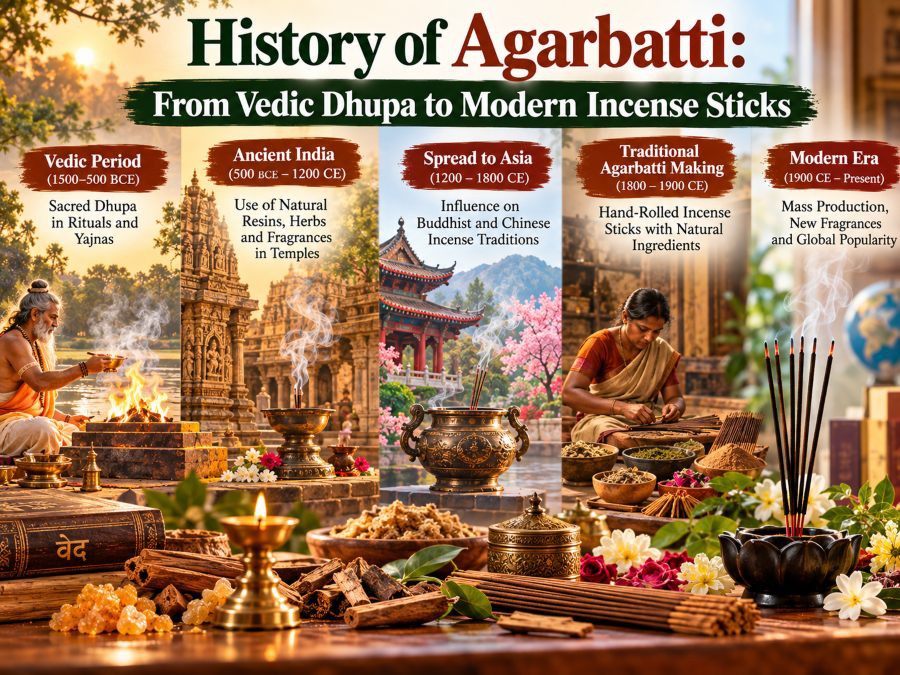 History of Agarbatti: From Vedic Dhupa to Modern Incense SticksRead more
Where did agarbatti really come from? Follow the history of agarbatti from Vedic fire rituals and temple dhupa to...
Blog categories
- Default category (0)
- MUSICAL INSTRUMENT (1)
- BOOK (5)
- DEVOTIONAL GIFT (0)
- Blog (30) click
- CHANDAN (12)
- Bhagavatam Wisdom Series (68)
- Krishna Consciousness (14)
- Mridangam Musical Instrument (6)
- Bhagavad Gita for Beginners (13)
- Bhagavad Gita As It Is (37) click
- Bhagavad Gita As It Is Telugu (0)
- Bhagavad Gita As It Is Marathi (0)
- Bhagavad Gita As It Is In Hindi (0)
- Bhagavad Gita As It Is In English (0)
- Bhagavad Gita As It Is In Bengali (8)
- Bhagavad Gita As It Is In Kannada (0)
- Bhagavad Gita As It Is In Gujarati (0)
- Bhagavad Gita As It Is In Panjabi (0)
- Bhagavad Gita As It Is In Tamil (0)
- Bhagavad Gita As It Is Odia (0)
- BHAGAVAD GITA As It Is GERMAN (0)
- Bhagavad Gita As It Is In French (0)
- Bhagavad Gita As It Is In Nepali (0)
- Bhagavad Gita As It Is In Assamese (0)
- Incense or Agarbatti (38)
- Lord Chaitanya Mahaprabhu (3)
- Vedic Temple Mayapur (14)
- kalki (15)
- Mahabharata – Dharma & Destiny (27)
- Vaishnava Scriptures (4)
- healthy product (4)
- chaitanya mahaprabhu (5)
- Tulsi Mala Guide (17)
Search in blog
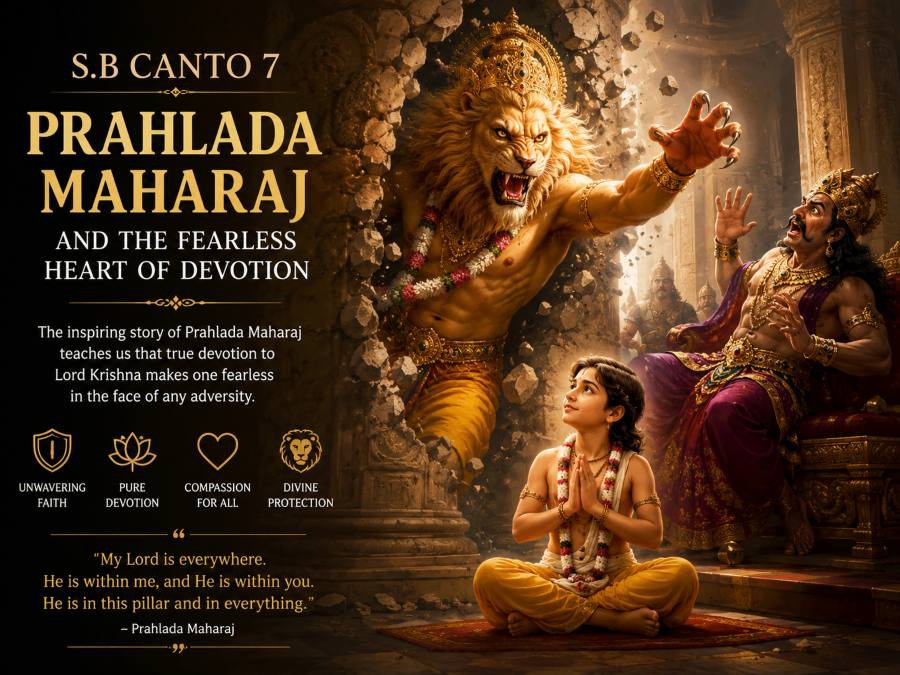
S.B Canto 7: Prahlada Maharaj and the Fearless Heart of Devotion
S.B Canto 7 — Prahlada Maharaj and the Fearless Heart of Devotion
Imagine being a five-year-old child standing before the most powerful ruler in the world.
Now imagine that ruler is your own father.
And imagine he has sworn to destroy you.
Most people would break under that pressure. Fear would take over. Survival instincts would dominate every thought.
Yet the hero of Srimad Bhagavatam Canto 7, Prahlada Maharaj, remained calm, compassionate, and unwavering. He did not fight back. He did not seek revenge. He did not compromise his beliefs to save himself.
Instead, he demonstrated something far more powerful: a heart completely anchored in devotion to Lord Krishna.
For readers seeking authentic editions of this sacred scripture, the ISKCON Print Srimad Bhagavatam provides an invaluable opportunity to study these timeless teachings in depth and understand why Prahlada Maharaj remains one of the most beloved personalities in spiritual literature.
Compiled by Vyasadeva and shared worldwide through the teachings of A. C. Bhaktivedanta Swami Prabhupada and ISKCON, the Srimad Bhagavatam presents Prahlada's story not merely as history, but as a living lesson on courage, faith, and spiritual conviction.
Why Canto 7 Feels So Relevant Today
Every generation faces pressure.
The pressure may not come from a demonic king, but it exists nonetheless.
People face:
- Social pressure
- Workplace pressure
- Family expectations
- Cultural trends
- Fear of rejection
- Fear of failure
Many individuals know what they believe but struggle to stand by those beliefs when challenged.
This is precisely why Prahlada Maharaj's story continues to resonate centuries after it was first spoken.
His challenges were extreme, but the underlying lesson is universal.
How do you remain true to your deepest values when the entire world seems to oppose them?
Canto 7 answers that question with remarkable clarity.
The Strange Contrast Between Father and Son
One of the most fascinating aspects of this canto is the contrast between Prahlada and his father, Hiranyakashipu.
Both possessed tremendous determination.
Both were intelligent.
Both were influential.
Yet their lives moved in completely opposite directions.
Hiranyakashipu wanted control.
Prahlada wanted surrender.
Hiranyakashipu sought power over others.
Prahlada sought service to the Supreme.
Hiranyakashipu believed happiness could be achieved through domination.
Prahlada understood that real happiness comes through devotion.
This contrast reveals one of the deepest insights of the Srimad Bhagavatam:
External success does not automatically create inner peace.
A person may conquer kingdoms and still remain restless.
Another person may possess nothing and yet experience profound contentment.
The difference lies in consciousness.
How Prahlada Learned Devotion Before Birth
One detail often surprises first-time readers.
Prahlada's spiritual education began before he was even born.
While still in his mother's womb, he heard spiritual teachings from the sage Narada Muni.
This idea may sound extraordinary, but the principle behind it is simple and practical.
Consciousness is shaped by association.
The influences surrounding us matter.
The conversations we hear matter.
The ideas we absorb matter.
The people we spend time with matter.
The Srimad Bhagavatam repeatedly emphasizes that spiritual growth is not accidental. It develops through exposure to uplifting wisdom and saintly association.
Prahlada became extraordinary because he received extraordinary guidance.
His example encourages readers to carefully choose the influences that shape their own lives.
A Child Who Refused to Hate
Perhaps the most remarkable feature of Prahlada's character is not his fearlessness.
It is his compassion.
Think about what happened to him.
His father:
- Threatened him repeatedly
- Attempted to poison him
- Ordered his execution
- Subjected him to severe persecution
Most people would naturally respond with anger.
Prahlada did not.
He never developed hatred.
He never wished harm upon his father.
He never abandoned compassion.
This is one of the greatest lessons in Canto 7.
Spiritual strength is not measured by how effectively we defeat enemies.
It is measured by our ability to remain compassionate even when others act harshly.
That perspective feels radical in a world often driven by outrage and division.
What Made Prahlada Truly Fearless?
Many people misunderstand fearlessness.
They assume it means feeling no fear.
Prahlada's example teaches something deeper.
Fearlessness comes from understanding where genuine security originates.
Most fears arise because we place our sense of safety in temporary things:
- Wealth
- Reputation
- Physical strength
- Social approval
- Material possessions
These things can disappear.
Because they can disappear, they generate anxiety.
Prahlada placed his trust elsewhere.
His faith rested in Lord Krishna.
As a result, his confidence did not depend on changing circumstances.
When danger appeared, his foundation remained intact.
This does not mean he ignored reality.
Rather, he viewed reality through a spiritual lens.
He understood that the soul is eternal and that divine protection operates beyond ordinary material calculations.
That realization transformed fear into faith.
The Classroom That Became a Spiritual Revolution
One of the most inspiring sections of Canto 7 occurs when Prahlada speaks to his classmates.
His teachers attempted to educate him according to the values of his father's kingdom.
They emphasized politics, power, and material success.
Prahlada shared something entirely different.
He encouraged his friends to begin spiritual life early.
His message was simple:
Do not wait until old age.
Do not assume there will always be more time.
Human life is precious.
Use it wisely.
This teaching remains remarkably practical.
Many people postpone what matters most.
They postpone self-reflection.
They postpone spiritual growth.
They postpone meaningful change.
Prahlada reminds readers that the best time to begin improving one's life is now.
Not someday.
Not after achieving every material goal.
Now.
The Hidden Message Behind Prahlada's Popularity
Why has Prahlada Maharaj remained beloved for thousands of years?
The answer goes beyond religious tradition.
People recognize authenticity.
Prahlada never acted out of self-interest.
His devotion was genuine.
His compassion was genuine.
His courage was genuine.
Readers instinctively respond to that sincerity.
The Srimad Bhagavatam presents him as proof that spiritual greatness is not determined by age, wealth, education, or social position.
A child became a teacher for kings, sages, and future generations because his heart was completely aligned with truth.
That message remains as powerful today as it was when Vyasadeva first recorded it.
When a Pillar Became the Center of History
The tension between Prahlada and Hiranyakashipu eventually reached its peak.
Frustrated by his son's unwavering devotion, Hiranyakashipu demanded an answer.
"If your God is everywhere," he asked, "is He present in this pillar?"
Prahlada's reply was simple.
Yes.
For Prahlada, the presence of the Supreme Lord was not limited by place, circumstance, or physical form. He understood that Lord Krishna and His divine energies exist throughout creation.
Enraged, Hiranyakashipu struck the pillar.
What happened next became one of the most dramatic moments in the entire Srimad Bhagavatam.
From within the pillar emerged Lord Nrsimhadeva, the half-man, half-lion incarnation of the Supreme Lord.
This appearance was not random.
Hiranyakashipu had received extraordinary protections through boons. He believed he had become invincible. No human could kill him. No animal could kill him. Neither day nor night could bring his death. No weapon could destroy him.
His confidence gradually transformed into arrogance.
The appearance of Nrsimhadeva demonstrated a profound truth:
No amount of intelligence can outsmart divine reality.
No amount of power can place someone above universal law.
No amount of influence can eliminate accountability.
The Lord appeared in a form that bypassed every condition of Hiranyakashipu's protection while simultaneously protecting His devotee.
Why the Story Is About More Than Good Versus Evil
Many readers initially view this narrative as a simple battle between a saint and a villain.
The actual lesson runs much deeper.
Hiranyakashipu represents a tendency that exists within every human being.
The desire to control.
The desire to dominate.
The belief that happiness can be achieved through external power alone.
Prahlada represents the opposite tendency.
Humility.
Trust.
Devotion.
Spiritual awareness.
The battle between these two characters reflects an internal battle that occurs within every heart.
Each day, people choose between selfishness and service.
Between ego and humility.
Between temporary satisfaction and lasting fulfillment.
This is one reason the story remains relevant generation after generation.
It is not merely ancient history.
It is a mirror.
The Fearless Prayer That Followed
One of the most beautiful sections of Canto 7 occurs after Hiranyakashipu's defeat.
Most people would expect Prahlada to celebrate.
After all, his greatest enemy had been removed.
Yet Prahlada's response reveals extraordinary spiritual maturity.
He did not ask for wealth.
He did not ask for fame.
He did not ask for power.
Instead, he prayed for purification of his own heart.
Even more remarkable, he prayed for the welfare of others.
This teaches a lesson often overlooked in discussions of spirituality.
Real devotion does not make a person self-centered.
It expands compassion.
As devotion deepens, concern for the well-being of others naturally increases.
Prahlada's prayers continue to inspire readers because they demonstrate what a genuinely transformed heart looks like.
Why Prahlada Refused Material Rewards
Lord Nrsimhadeva offered Prahlada any blessing he desired.
Most people would immediately create a long list of requests.
Prahlada did not.
He compared material desires to a business transaction.
A merchant serves because he expects payment.
A devotee serves because of love.
This distinction is one of the most important teachings in Srimad Bhagavatam.
Many people approach spirituality as a negotiation.
"I will pray if I receive something."
"I will serve if my problems disappear."
Prahlada's devotion operated on a different level.
He loved the Lord regardless of circumstance.
His faith did not depend on receiving material benefits.
That attitude transformed devotion from a transaction into a relationship.
The Leadership Lesson Hidden in Canto 7
Modern leadership books often emphasize authority, influence, and strategic thinking.
Prahlada demonstrates another dimension of leadership.
Character.
He possessed no army.
No political position.
No wealth.
Yet he influenced everyone around him.
Why?
Because people trust authenticity.
A leader who lives according to his values creates a stronger impact than one who merely speaks about them.
Prahlada's example shows that leadership begins with personal integrity.
His courage inspired others.
His compassion inspired others.
His faith inspired others.
The Srimad Bhagavatam repeatedly shows that inner character creates lasting influence.
External authority alone rarely does.
What Modern Readers Can Learn From Prahlada Maharaj
The story may have occurred thousands of years ago, but its lessons remain strikingly practical.
Stand for Truth Even When It Is Unpopular
Prahlada never adjusted his principles to gain approval.
Modern life often rewards conformity.
His example reminds readers that integrity matters more than popularity.
Don't Allow Circumstances to Control Your Mind
Prahlada faced situations far beyond ordinary challenges.
Yet he remained emotionally steady.
His strength came from spiritual focus rather than external security.
Respond to Negativity Without Becoming Negative
Many people mirror the behavior they receive.
Prahlada chose a different path.
He maintained compassion even when others acted harshly.
Begin Spiritual Life Early
Prahlada encouraged spiritual growth during youth.
His message remains relevant because habits formed early often shape an entire lifetime.
Remember What Truly Lasts
Material achievements can be valuable, but they are temporary.
Prahlada continually directed attention toward eternal values.
Why Canto 7 Is One of the Most Loved Sections of Srimad Bhagavatam
There are many extraordinary stories within the Srimad Bhagavatam, yet Canto 7 occupies a special place.
Readers see:
· Courage without aggression
· Faith without fanaticism
· Strength without pride
· Compassion without weakness
· Devotion without selfish motives
Prahlada Maharaj embodies qualities that people instinctively admire.
His life demonstrates that spirituality is not escapism.
It is not passive.
It is not disconnected from reality.
Instead, genuine devotion creates resilience, clarity, and purpose.
The canto also provides reassurance.
No matter how powerful darkness may appear, it is never permanent.
Truth remains stronger.
Compassion remains stronger.
Divine protection remains stronger.
The Fearless Heart That Still Inspires the World
The story of Prahlada Maharaj continues to inspire readers because it addresses one of humanity's deepest questions:
How can a person remain peaceful when surrounded by chaos?
Prahlada's answer was not based on optimism or wishful thinking.
It was based on unwavering devotion to the Supreme Lord.
His fearlessness emerged from faith.
His compassion emerged from spiritual realization.
His strength emerged from surrender.
Through the teachings preserved by Vyasadeva, shared by A. C. Bhaktivedanta Swami Prabhupada, and distributed worldwide through ISKCON, the message of Prahlada Maharaj continues to reach new generations.
The enduring power of Srimad Bhagavatam Canto 7 lies in its reminder that true courage is not the absence of fear. It is the ability to remain connected to truth, devotion, and compassion even when facing the greatest challenges.
That is the fearless heart of devotion.
And that is why Prahlada Maharaj remains one of the most inspiring personalities in all of spiritual literature.
Posted in: Bhagavatam Wisdom Series
Related posts
-
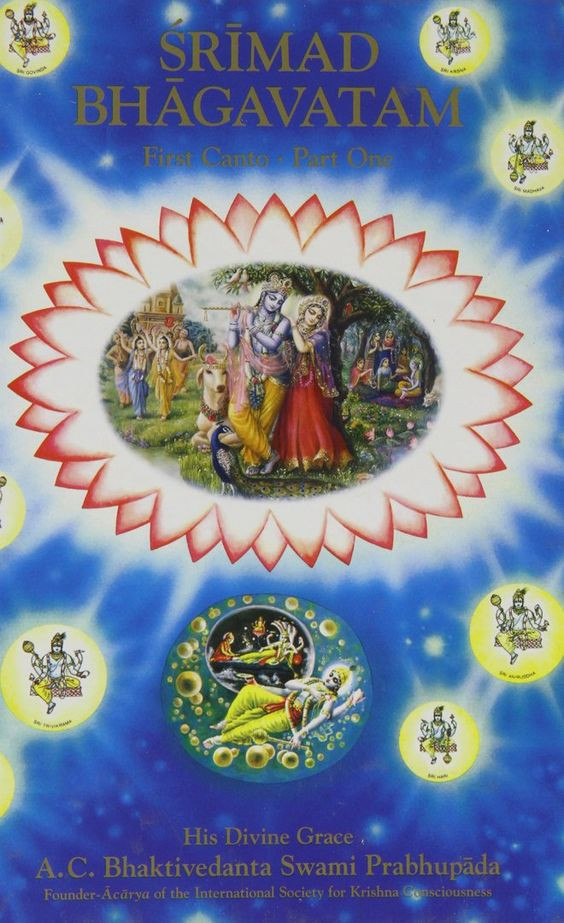 Why to read srimad bhagavatamReading the Srimad Bhagavatam fosters deep spiritual growth by narrating the life and teachings of Lord Krishna,...Read more
 -
 When was srimad bhagavatam written?The Srimad Bhagavatam is believed to have been written around 9th-10th century CE, though its oral traditions date...Read more
 -
 How many chapters are there in srimad bhagavatam?The Srimad Bhagavatam consists of 12 cantos (books) containing 335 chapters in total. Each canto covers various...Read more
 -
 How many skandhas are there in srimad bhagavatamThe Srimad Bhagavatam is divided into 12 skandhas (cantos or books). Each skandha explores different themes,...Read more
 -
 How many slokas in srimad bhagavatamThe Srimad Bhagavatam contains approximately 18,000 shlokas (verses). These verses are spread across its 12 skandhas...Read more
Leave a comment