
Why did Krishna run to embrace a poor brahmin in rags? Read the Sudama story from the Bhagavatam and learn how a...
Latest posts
-
 Krishna and Sudama: The Poor Brahmin Who Became Wealthy in LoveRead more
 -
 Vamana Avatar: How Three Steps Humbled Bali MaharajaRead more
Why did a powerful king give away three worlds to a boy asking for three steps? Learn the Vamana avatar story from...
-
 The Bhagavatam on Marriage: Duty, Love and Spiritual PartnershipRead more
What does the Bhagavatam say about marriage? Through the stories of Kardama and Devahuti, Rukmini's secret letter and...
-
 What Is Prema? The Bhagavatam's Highest Stage of Love for GodRead more
Prema is love for God with no "because" attached. Learn how the Bhagavatam describes it, the nine steps from faith to...
-
 Is Shiva Parvati Kalyana Mentioned in Srimad Bhagavatam? What the Scripture Really SaysRead more
Looking for Shiva and Parvati's wedding in the Srimad Bhagavatam? Find out what the scripture actually describes,...
-
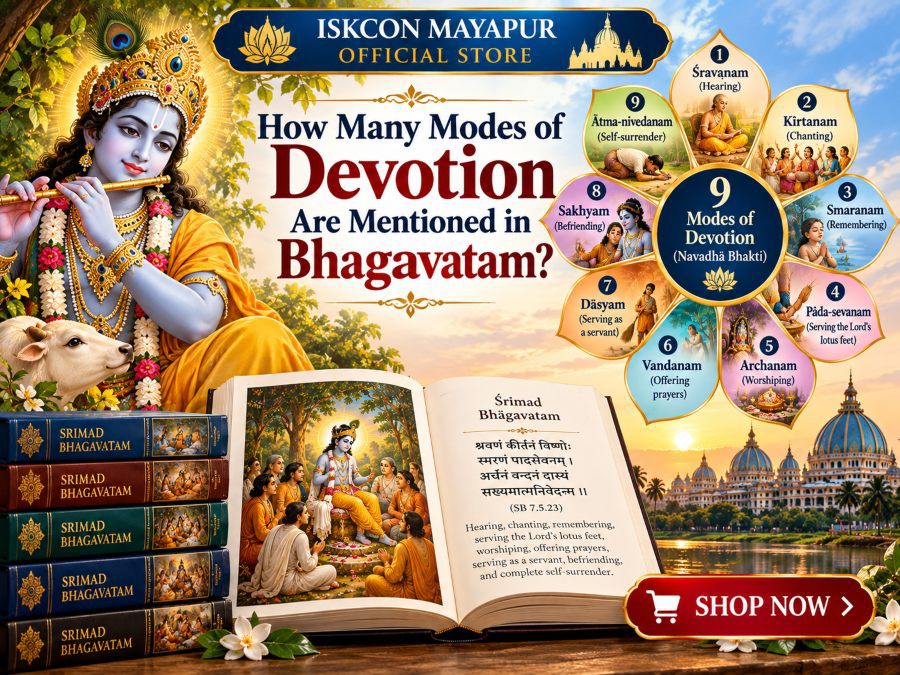 How Many Modes of Devotion Are Mentioned in Bhagavatam?Read more
A young boy named Prahlada listed nine ways to serve God, and the Bhagavatam keeps them as its answer. Learn what the...
-
 What Is Bhagavatam and Why Has It Been Read for 5,000 Years?Read more
A dying king asked one question, and the answer became the Bhagavatam. Learn what this Sanskrit scripture contains,...
-
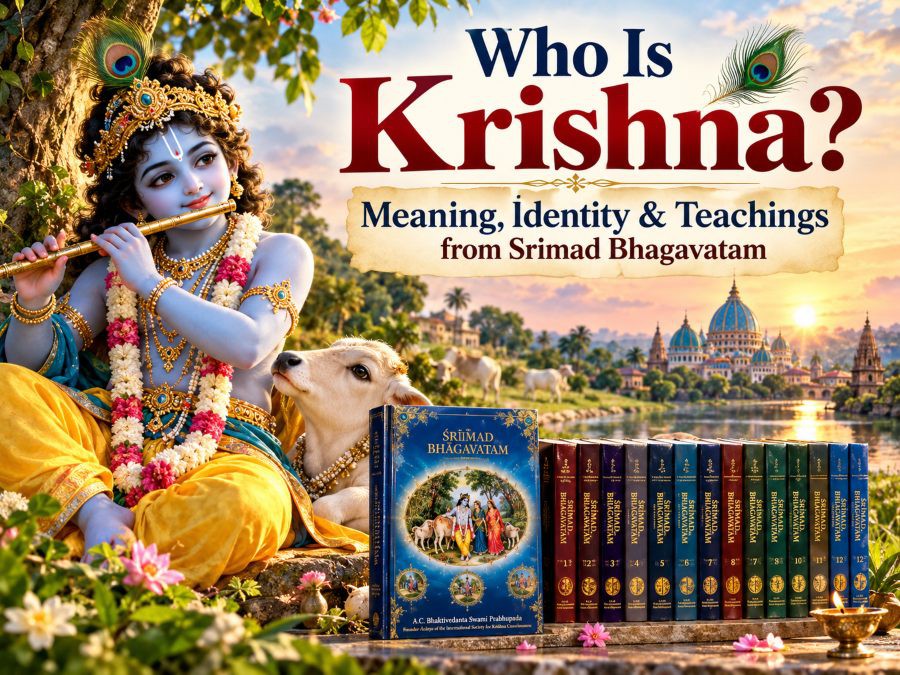 Who Is Lord Krishna? His Meaning, Teachings and Pastimes ExplainedRead more
Discover who Krishna is according to Srimad Bhagavatam, including His divine identity, childhood pastimes, teachings,...
-
 Incense in Islam: Bakhoor, Agarbatti and What Tradition SaysRead more
Is burning fragrance part of Muslim tradition? Explore incense in Islam, from the Prophetic practice of fumigating...
-
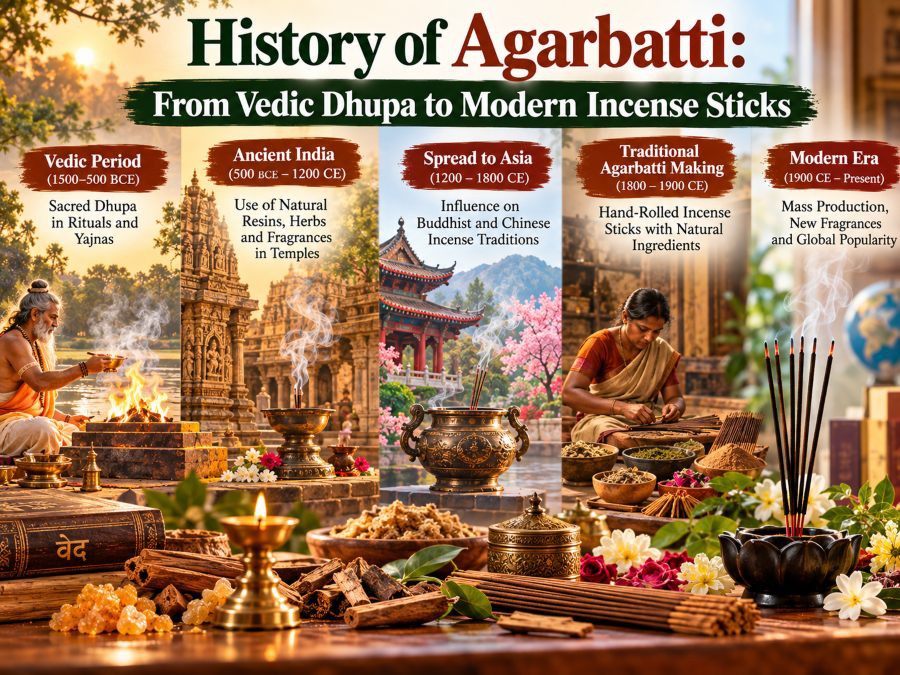 History of Agarbatti: From Vedic Dhupa to Modern Incense SticksRead more
Where did agarbatti really come from? Follow the history of agarbatti from Vedic fire rituals and temple dhupa to...
Blog categories
- Default category (0)
- MUSICAL INSTRUMENT (1)
- BOOK (5)
- DEVOTIONAL GIFT (0)
- Blog (30) click
- CHANDAN (12)
- Bhagavatam Wisdom Series (68)
- Krishna Consciousness (14)
- Mridangam Musical Instrument (6)
- Bhagavad Gita for Beginners (13)
- Bhagavad Gita As It Is (37) click
- Bhagavad Gita As It Is Telugu (0)
- Bhagavad Gita As It Is Marathi (0)
- Bhagavad Gita As It Is In Hindi (0)
- Bhagavad Gita As It Is In English (0)
- Bhagavad Gita As It Is In Bengali (8)
- Bhagavad Gita As It Is In Kannada (0)
- Bhagavad Gita As It Is In Gujarati (0)
- Bhagavad Gita As It Is In Panjabi (0)
- Bhagavad Gita As It Is In Tamil (0)
- Bhagavad Gita As It Is Odia (0)
- BHAGAVAD GITA As It Is GERMAN (0)
- Bhagavad Gita As It Is In French (0)
- Bhagavad Gita As It Is In Nepali (0)
- Bhagavad Gita As It Is In Assamese (0)
- Incense or Agarbatti (38)
- Lord Chaitanya Mahaprabhu (3)
- Vedic Temple Mayapur (14)
- kalki (15)
- Mahabharata – Dharma & Destiny (27)
- Vaishnava Scriptures (4)
- healthy product (4)
- chaitanya mahaprabhu (5)
- Tulsi Mala Guide (17)
Search in blog
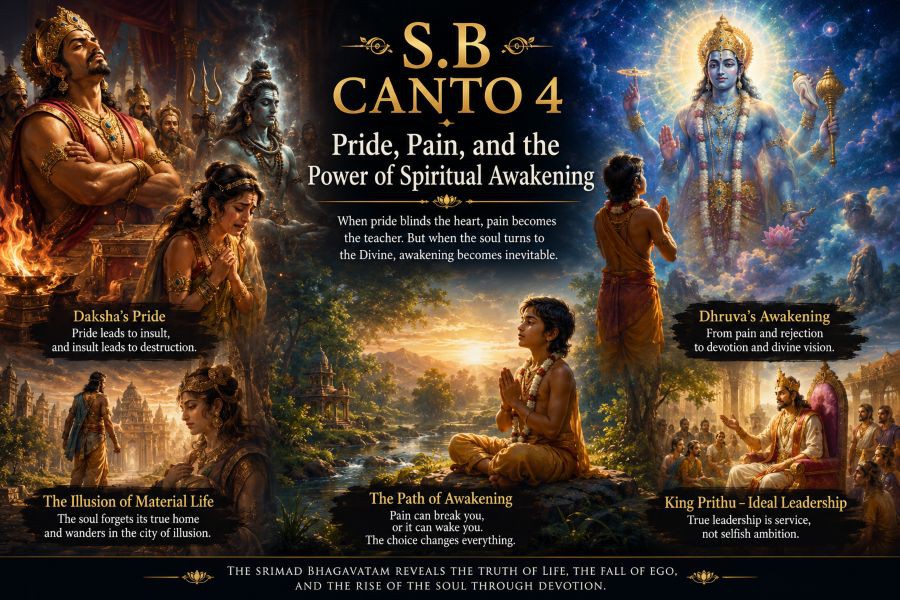
Srimad Bhagavatam Canto 4: The Pain of Pride and the Journey Back to the Soul
S.B Canto 4 — Pride, Pain, and the Power of Spiritual Awakening
A single insult can destroy years of relationships.
One moment of wounded ego can ignite generations of conflict. A person may appear powerful externally while internally remaining fragile, insecure, and spiritually disconnected. Human history is filled with wars, betrayals, emotional collapse, and broken families born not from necessity, but from pride.
That is why the fourth canto of the Srimad Bhagavatam feels so psychologically sharp.
Readers exploring authentic editions through the ISKCON Srimad Bhagavatam Books quickly notice that Canto 4 is deeply emotional. It speaks about ego, humiliation, revenge, grief, ambition, transformation, devotion, and the painful consequences of spiritual forgetfulness.
This canto does not describe perfect people floating above human weakness. It presents emotionally intense human experiences with astonishing honesty.
And perhaps that is why it still feels alive.
Because beneath all the divine stories, Canto 4 exposes something every human being struggles with:
the battle between ego and awakening.
Daksha’s Pride Feels Uncomfortably Familiar
One of the most dramatic moments in Canto 4 begins with Daksha.
He is intelligent, respected, powerful, and socially influential. Yet one thing poisons his consciousness completely:
pride.
.jpg)
Daksha becomes deeply offended when Lord Shiva does not honor him according to social expectation. That wounded ego slowly transforms into anger, resentment, and public humiliation.
This situation feels painfully modern.
People today destroy relationships over:
- status
- recognition
- disrespect
- social validation
- wounded self-image
The emotional mechanics remain identical.
The Srimad Bhagavatam understands something timeless:
ego rarely appears dangerous initially. It usually disguises itself as “self-respect,” “importance,” or “being right.”
But when pride controls consciousness, emotional destruction follows naturally.
Why Hurt Ego Creates So Much Suffering
Canto 4 repeatedly demonstrates how deeply humans identify with external identity.
Daksha cannot tolerate perceived disrespect because his self-worth depends heavily on social recognition. The insult attacks not merely his emotions, but his constructed identity.
Modern psychology sees similar patterns constantly:
- people becoming emotionally unstable through criticism
- social rejection triggering rage
- validation addiction shaping behavior
- insecurity hiding beneath arrogance
The Bhagavatam identified these emotional realities long ago.
It suggests that ego becomes spiritually dangerous when people forget their deeper identity beyond temporary status and external recognition.
That forgetfulness creates emotional fragility.
Lord Shiva Represents a Different Kind of Strength
While Daksha becomes consumed by pride, Lord Shiva appears emotionally detached from social games entirely.
This contrast matters enormously.
Shiva does not aggressively defend his prestige. He remains inwardly stable because his consciousness is not dependent on external validation.
That does not make him weak.
It makes him spiritually grounded.
Canto 4 quietly teaches one of its deepest lessons here:
Inner stability is more powerful than social dominance.
Modern culture often confuses loudness with strength. The Bhagavatam presents another model:
strength rooted in spiritual awareness rather than ego performance.
Sati’s Pain Reveals the Emotional Cost of Toxic Pride
The story becomes heartbreaking when Sati, Shiva’s wife and Daksha’s daughter, enters the conflict emotionally.
She longs for family connection, but instead witnesses her husband insulted publicly by her own father.
This section of Canto 4 feels intensely human because it captures emotional conflict many people understand personally:
- divided loyalties
- family tension
- emotional humiliation
- wounded love
- inner heartbreak
Sati’s pain grows unbearable because pride destroys compassion and wisdom within the environment around her.
Eventually, unable to tolerate the offense against Lord Shiva, she leaves her body through yogic power.
The emotional intensity here is enormous.
The Bhagavatam is not describing abstract mythology casually. It is showing how uncontrolled ego damages relationships, families, and consciousness itself.
Pride Always Creates Spiritual Blindness
Daksha’s tragedy is not merely anger.
It is blindness.
He cannot recognize Lord Shiva’s spiritual greatness because ego blocks perception. Pride narrows consciousness until people become incapable of seeing truth clearly.
This still happens constantly today.
People reject wisdom because:
- it challenges identity
- it threatens ego
- it disrupts superiority
- it exposes insecurity
Canto 4 repeatedly warns that pride disconnects human beings from spiritual intelligence.
And the frightening part is that proud people often feel completely justified.
Why Spiritual Awakening Often Begins With Pain
One of the strongest emotional themes in the Srimad Bhagavatam is that suffering frequently becomes the doorway toward awakening.
Canto 4 shows this repeatedly.
Pain interrupts illusion.
As long as people remain fully intoxicated by:
- status
- comfort
- ambition
- ego
- external success
they often avoid deeper spiritual inquiry.
But heartbreak changes things.
Loss changes things.
Humiliation changes things.
Disappointment changes things.
The Bhagavatam does not glorify suffering, but it recognizes its transformative potential when approached consciously.
Dhruva Maharaj: The Child Who Turned Rejection Into Awakening
Few stories in the Srimad Bhagavatam are as emotionally powerful as Dhruva Maharaj’s journey.
A young child experiences rejection from his father and harsh humiliation from his stepmother. Emotionally wounded, Dhruva initially seeks power and recognition.
Again, this feels deeply relatable.
Many adult ambitions secretly begin from childhood pain:
- the need to prove oneself
- the hunger for validation
- the fear of inadequacy
- the desire for superiority
Dhruva’s story begins with emotional injury, but something extraordinary happens.
Instead of remaining trapped in bitterness, he turns toward spiritual determination.
That transformation becomes one of the greatest psychological journeys in the Bhagavatam.
Narada’s Guidance Changes Dhruva’s Destiny
Narada Muni recognizes Dhruva’s emotional pain immediately.
Notice something important here:
Narada does not mock the child’s emotions or dismiss his suffering. He redirects it spiritually.
This is profound.
The Bhagavatam does not deny human emotion. It transforms emotion through higher consciousness.
Dhruva begins intense spiritual practice not because he already became spiritually perfect, but because pain awakened deeper searching within him.
That feels psychologically authentic.
Many people begin serious spiritual inquiry only after worldly expectations fail emotionally.
Why Dhruva’s Realization Feels So Powerful
Dhruva initially seeks revenge, status, and recognition.
But after seeing the Supreme Lord directly, everything changes.
One of the most beautiful realizations in Canto 4 occurs when Dhruva understands he had been searching for broken glass while discovering a priceless jewel.
That realization captures a timeless human experience.
People chase temporary goals believing they will create complete fulfillment. Then suddenly they encounter something spiritually deeper, and previous obsessions lose intensity naturally.
The Bhagavatam suggests spiritual realization does not merely suppress material desire artificially. It replaces lower attraction with higher fulfillment.
That idea carries enormous emotional depth.
King Prithu and the Meaning of Responsible Leadership
Another major section of Canto 4 introduces King Prithu, one of the Bhagavatam’s most respected rulers.
Prithu represents leadership guided by spiritual intelligence rather than selfish ambition.
This matters deeply because Canto 4 repeatedly contrasts two forms of power:
- ego-driven power
- spiritually conscious responsibility
Modern society still struggles intensely with this distinction.
Many leaders seek:
- personal glory
- control
- image
- dominance
Prithu demonstrates another possibility:
leadership rooted in service, humility, wisdom, and responsibility.
The Bhagavatam repeatedly teaches that power without spiritual awareness becomes destructive eventually.
Why Material Success Never Fully Solves Inner Emptiness
Canto 4 quietly dismantles another illusion modern culture constantly promotes:
“If I become successful enough, I will finally feel complete.”
Yet character after character experiences:
- dissatisfaction
- insecurity
- restlessness
- emotional conflict
despite power, prestige, or influence.
The Bhagavatam explains why.
The soul seeks spiritual fulfillment, not merely external stimulation.
Without spiritual awakening:
- pleasure fades quickly
- ego demands more validation
- fear persists
- dissatisfaction returns
This does not mean material life is meaningless. It means material success alone cannot fully nourish eternal consciousness.
The Forest Represents Something Psychological
Throughout Canto 4, forests appear repeatedly as places of transformation.
Spiritually, forests symbolize withdrawal from distraction and ego-driven social performance.
Psychologically, this carries enormous meaning.
Modern people rarely sit quietly with themselves anymore.
Noise is constant:
- screens
- notifications
- comparison
- entertainment
- social pressure
Silence becomes uncomfortable because distraction often hides unresolved emotional confusion.
The Bhagavatam repeatedly moves characters into solitude before awakening occurs.
Not to escape life permanently.
To see clearly again.
The Story of Puranjana Feels Almost Frighteningly Accurate
Toward the later sections of Canto 4, Narada tells the allegorical story of King Puranjana.
This story becomes one of the most psychologically sophisticated sections in the Bhagavatam.
Puranjana symbolizes the soul becoming absorbed in bodily identity and material attachment. The city represents the body. The queen represents the mind and emotional attachment.
The allegory exposes how humans become trapped in:
- sensory obsession
- ego identity
- temporary pleasure
- forgetfulness of spiritual purpose
And the frightening part?
Most people do not even notice it happening.
Life slowly becomes consumed by temporary pursuits until old age and death suddenly arrive.
The Bhagavatam forces readers to confront this honestly.
Why Canto 4 Feels Emotionally Intense
Some cantos of the Srimad Bhagavatam feel philosophical. Canto 4 feels deeply emotional.
There is:
- grief
- humiliation
- ambition
- rage
- heartbreak
- longing
- repentance
- transformation
This emotional realism gives the canto extraordinary power.
The Bhagavatam understands human beings deeply. It does not portray spiritual growth as emotionally sterile perfection.
It portrays awakening as a struggle against illusion, ego, attachment, and forgetfulness.
That honesty makes the wisdom believable.
Spiritual Awakening Is Not Escaping Emotion
One of the greatest misunderstandings about spirituality is the idea that spiritual people stop feeling emotion.
Canto 4 destroys that misconception completely.
The characters feel intensely.
The difference is not absence of emotion.
The difference is direction of consciousness.
Emotion connected to ego creates suffering.
Emotion connected to devotion creates purification.
That distinction becomes one of the canto’s deepest teachings.
Why Humanity Still Needs the Wisdom of Canto 4
The fourth canto of the Srimad Bhagavatam feels astonishingly relevant because humanity still struggles with the same emotional patterns:
- pride
- insecurity
- validation hunger
- ambition
- emotional pain
- attachment
- identity confusion
Technology evolved.
The ego did not.
Modern society became faster, louder, and more distracted, but the internal human condition remains strikingly familiar.
Canto 4 continues speaking powerfully because it addresses the emotional roots of suffering rather than merely surface behavior.
The Real Beginning of Awakening
By the end of Canto 4, one truth becomes impossible to ignore:
spiritual awakening begins when human beings stop worshipping the ego.
Daksha’s pride creates destruction.
Dhruva’s pain becomes transformation.
Prithu’s humility creates noble leadership.
Puranjana’s illusion exposes material attachment.
Every story points toward the same realization:
the soul suffers when disconnected from spiritual truth and awakens when consciousness turns toward the Divine.
That is why the Srimad Bhagavatam still feels alive after thousands of years.
Because beneath all the sacred stories, cosmic symbolism, and spiritual philosophy, Canto 4 quietly mirrors humanity itself —
its pride, its pain, and its desperate longing to remember something eternal beyond temporary identity.
Posted in: Bhagavatam Wisdom Series
Related posts
-
 Why to read srimad bhagavatamReading the Srimad Bhagavatam fosters deep spiritual growth by narrating the life and teachings of Lord Krishna,...Read more
 -
 When was srimad bhagavatam written?The Srimad Bhagavatam is believed to have been written around 9th-10th century CE, though its oral traditions date...Read more
 -
 How many chapters are there in srimad bhagavatam?The Srimad Bhagavatam consists of 12 cantos (books) containing 335 chapters in total. Each canto covers various...Read more
 -
 How many skandhas are there in srimad bhagavatamThe Srimad Bhagavatam is divided into 12 skandhas (cantos or books). Each skandha explores different themes,...Read more
 -
 How many slokas in srimad bhagavatamThe Srimad Bhagavatam contains approximately 18,000 shlokas (verses). These verses are spread across its 12 skandhas...Read more
Leave a comment