
Why did Krishna run to embrace a poor brahmin in rags? Read the Sudama story from the Bhagavatam and learn how a...
Latest posts
-
 Krishna and Sudama: The Poor Brahmin Who Became Wealthy in LoveRead more
 -
 Vamana Avatar: How Three Steps Humbled Bali MaharajaRead more
Why did a powerful king give away three worlds to a boy asking for three steps? Learn the Vamana avatar story from...
-
 The Bhagavatam on Marriage: Duty, Love and Spiritual PartnershipRead more
What does the Bhagavatam say about marriage? Through the stories of Kardama and Devahuti, Rukmini's secret letter and...
-
 What Is Prema? The Bhagavatam's Highest Stage of Love for GodRead more
Prema is love for God with no "because" attached. Learn how the Bhagavatam describes it, the nine steps from faith to...
-
 Is Shiva Parvati Kalyana Mentioned in Srimad Bhagavatam? What the Scripture Really SaysRead more
Looking for Shiva and Parvati's wedding in the Srimad Bhagavatam? Find out what the scripture actually describes,...
-
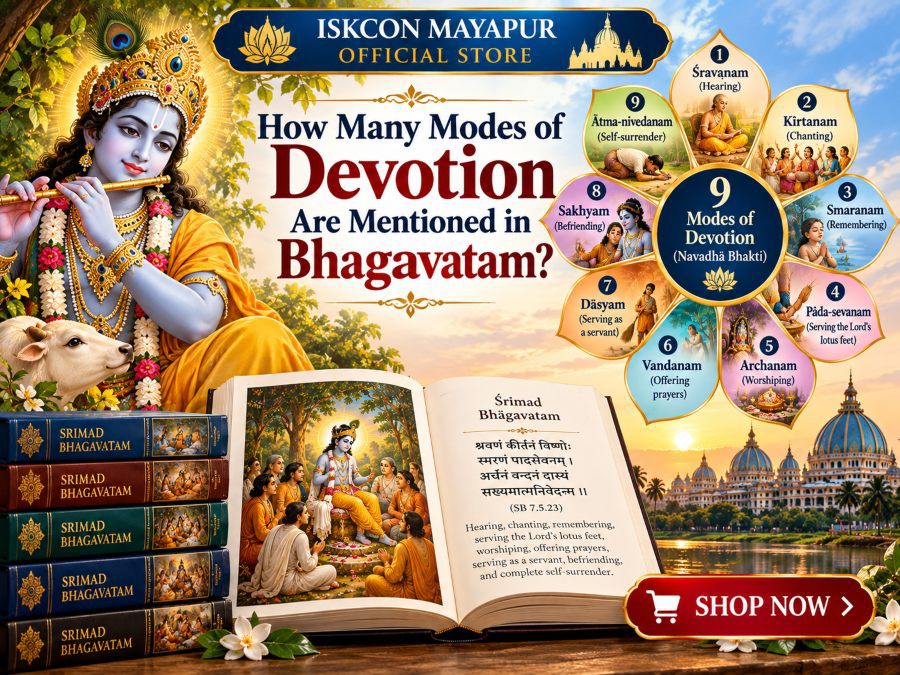 How Many Modes of Devotion Are Mentioned in Bhagavatam?Read more
A young boy named Prahlada listed nine ways to serve God, and the Bhagavatam keeps them as its answer. Learn what the...
-
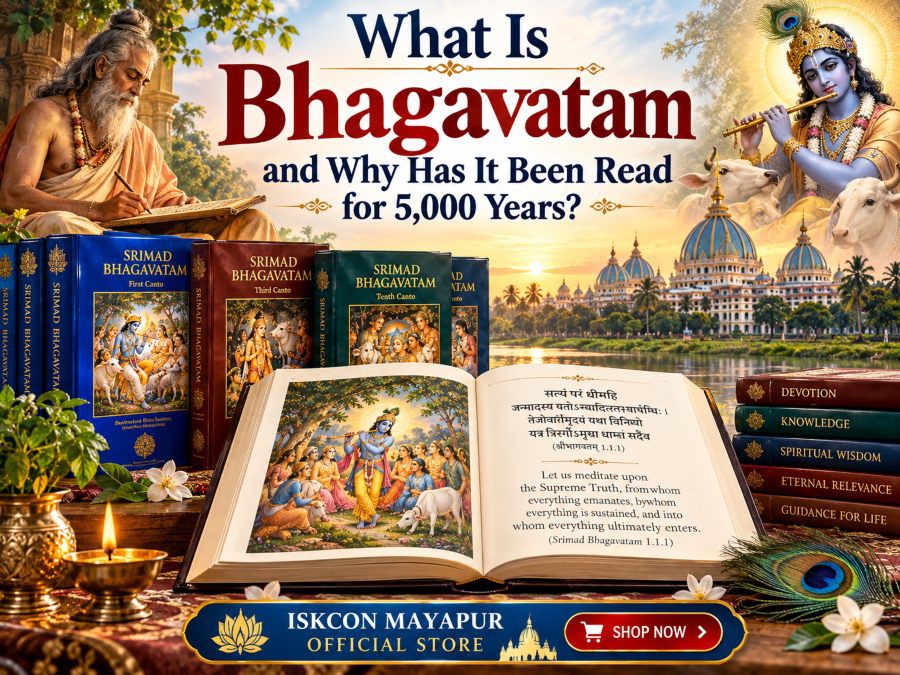 What Is Bhagavatam and Why Has It Been Read for 5,000 Years?Read more
A dying king asked one question, and the answer became the Bhagavatam. Learn what this Sanskrit scripture contains,...
-
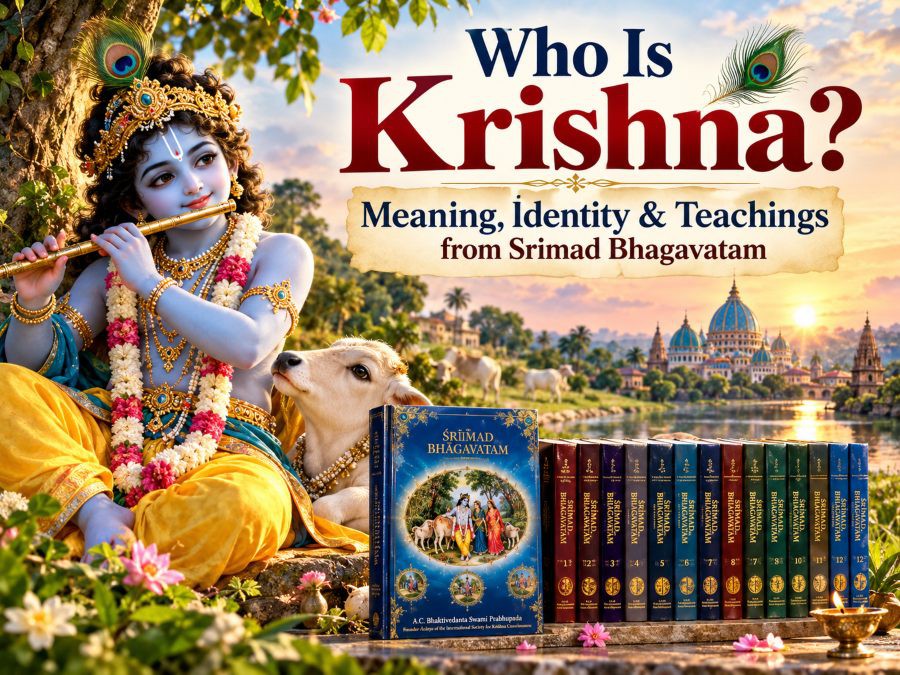 Who Is Lord Krishna? His Meaning, Teachings and Pastimes ExplainedRead more
Discover who Krishna is according to Srimad Bhagavatam, including His divine identity, childhood pastimes, teachings,...
-
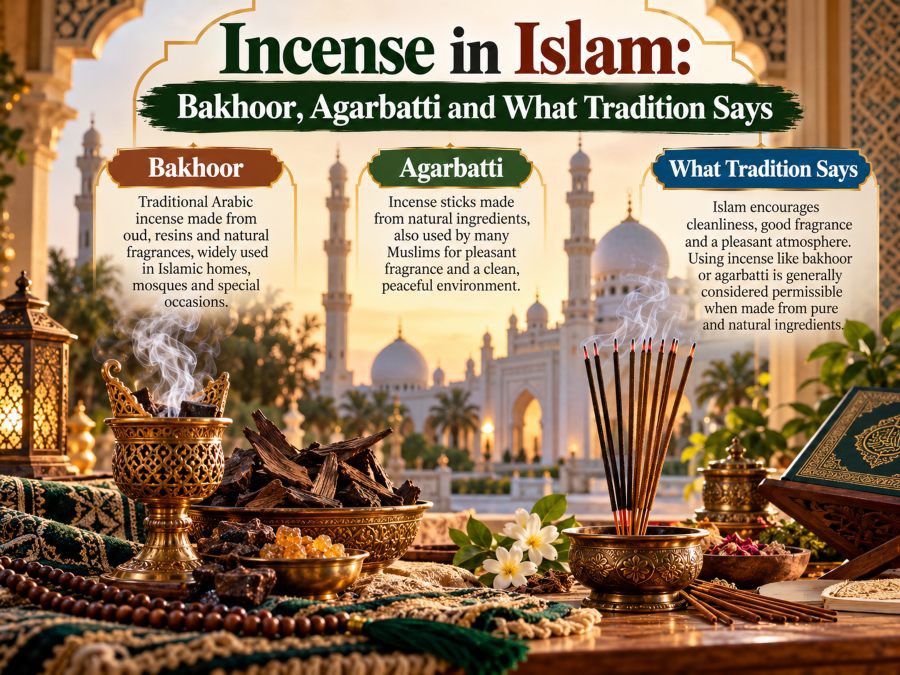 Incense in Islam: Bakhoor, Agarbatti and What Tradition SaysRead more
Is burning fragrance part of Muslim tradition? Explore incense in Islam, from the Prophetic practice of fumigating...
-
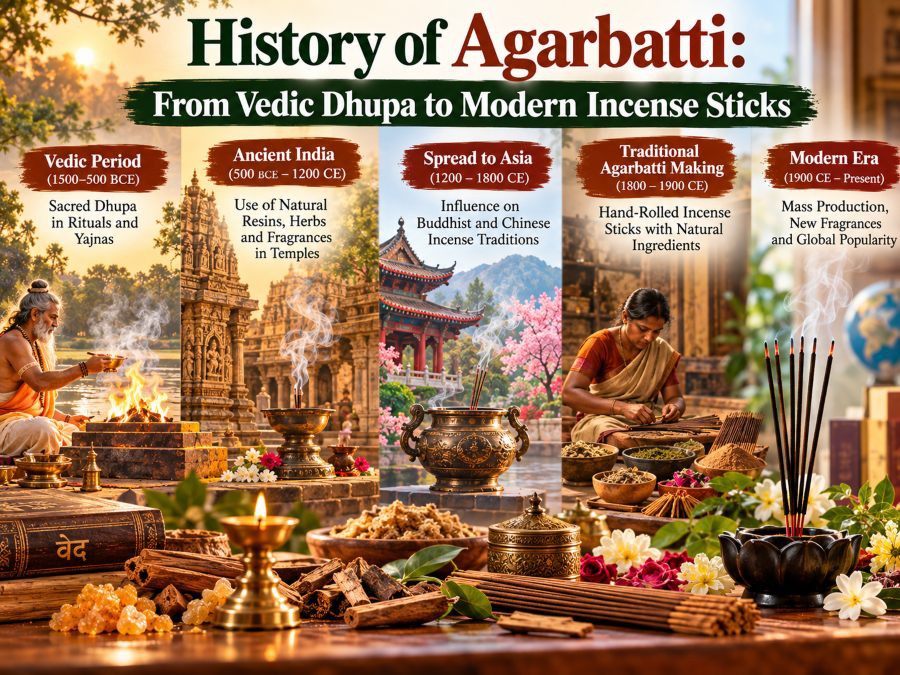 History of Agarbatti: From Vedic Dhupa to Modern Incense SticksRead more
Where did agarbatti really come from? Follow the history of agarbatti from Vedic fire rituals and temple dhupa to...
Blog categories
- Default category (0)
- MUSICAL INSTRUMENT (1)
- BOOK (5)
- DEVOTIONAL GIFT (0)
- Blog (30) click
- CHANDAN (12)
- Bhagavatam Wisdom Series (68)
- Krishna Consciousness (14)
- Mridangam Musical Instrument (6)
- Bhagavad Gita for Beginners (13)
- Bhagavad Gita As It Is (37) click
- Bhagavad Gita As It Is Telugu (0)
- Bhagavad Gita As It Is Marathi (0)
- Bhagavad Gita As It Is In Hindi (0)
- Bhagavad Gita As It Is In English (0)
- Bhagavad Gita As It Is In Bengali (8)
- Bhagavad Gita As It Is In Kannada (0)
- Bhagavad Gita As It Is In Gujarati (0)
- Bhagavad Gita As It Is In Panjabi (0)
- Bhagavad Gita As It Is In Tamil (0)
- Bhagavad Gita As It Is Odia (0)
- BHAGAVAD GITA As It Is GERMAN (0)
- Bhagavad Gita As It Is In French (0)
- Bhagavad Gita As It Is In Nepali (0)
- Bhagavad Gita As It Is In Assamese (0)
- Incense or Agarbatti (38)
- Lord Chaitanya Mahaprabhu (3)
- Vedic Temple Mayapur (14)
- kalki (15)
- Mahabharata – Dharma & Destiny (27)
- Vaishnava Scriptures (4)
- healthy product (4)
- chaitanya mahaprabhu (5)
- Tulsi Mala Guide (17)
Search in blog
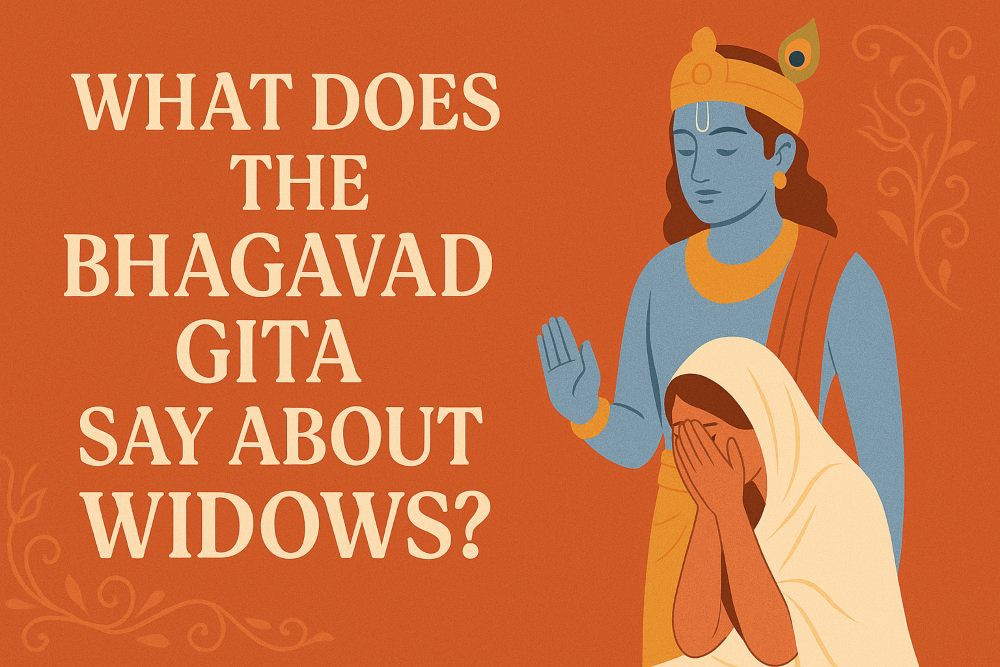
What Does the Bhagavad Gita Say About Widows?
What Does the Bhagavad Gita Say About Widows?
Introduction: Understanding Widowhood Through the Lens of the Bhagavad Gita
The question “What does the Bhagavad Gita say about widows?” is often asked with emotional, social, and spiritual concern. Across centuries in Indian society, widows have faced complex realities—ranging from social restrictions to spiritual glorification. Many people wonder whether these practices truly originate from Hindu scriptures, especially from the Bhagavad Gita Book.
The important truth is this:
The Bhagavad Gita does not directly mention widows as a social category.

However, its teachings provide profound guidance on grief, loss, dignity, spiritual equality, inner freedom, karma, and liberation, which directly apply to the life, struggles, and strength of widows.
Rather than defining women by their marital status, the Gita addresses the soul (ātman)—which is eternal, genderless, and beyond birth and death. This spiritual foundation transforms how widowhood should be understood: not as a curse or social burden, but as a phase of life with equal potential for spiritual growth, dignity, and divine realization.
The Gita’s Central Teaching: The Soul Is Eternal
The Bhagavad Gita clearly establishes that the true identity of every human being is not the body, not the spouse-relationship, and not the social role—but the eternal soul.
Krishna explains to Arjuna that:
- The soul is never born
- The soul never dies
- The soul cannot be destroyed
- The soul only changes bodies, like changing clothes
This teaching completely reshapes how widowhood should be viewed. The death of a husband affects the physical and emotional body, but the soul of the widow remains eternally complete and spiritually independent.
Spiritual Meaning for Widows
- A widow is not “half” or incomplete
- Her worth does not depend on her husband’s physical presence
- She remains a full, divine soul
- Her life still holds purpose, dharma, devotion, and liberation
This alone dismantles the idea that a widow’s life is over.
Grief, Loss, and Emotional Healing in the Gita
One of the most powerful contributions of the Bhagavad Gita is its psychological and emotional wisdom. The entire dialogue begins with Arjuna experiencing grief, shock, fear, and emotional collapse—very similar to what a widow undergoes after the death of her husband.
Krishna teaches that:
- Grief arises from attachment
- Suffering increases through fear of loss
- Peace comes through knowledge of the eternal soul
What This Means for Widows
- Grief is natural, not sinful
- Sorrow is human, not weakness
- But remaining trapped in lifelong suffering is not spiritually healthy
The Gita teaches that emotional healing happens through knowledge, not suppression. A widow is not meant to live in permanent sorrow. She is encouraged to rise through spiritual understanding, not sink through social pressure.
The Gita Rejects Social Discrimination Based on Gender or Status
One of the most revolutionary verses of the Bhagavad Gita clearly states that spiritual liberation is equally available to all, regardless of:
- Gender
- Birth
- Caste
- Social condition
- Family role
This includes widows.
The message is unmistakable:
No woman is spiritually inferior because she is a widow.
Key Spiritual Principles
- A woman does not lose her spiritual rights because her husband dies
- Devotion (bhakti) is not restricted
- Knowledge (jnana) is not forbidden
- Liberation (moksha) is not denied
Thus, any social system that treats widows as impure, unlucky, or inferior directly contradicts the Bhagavad Gita’s philosophy.
Does the Gita Support Widow Austerity or Suffering?
Many people wrongly believe that Hindu scriptures demand widows to:
- Wear only white
- Avoid happiness
- Avoid celebrations
- Live in isolation
- Renounce beauty and desire
The Bhagavad Gita supports none of this.
The Gita teaches:
- Balanced living
- Inner renunciation, not forced external misery
- Detachment from ego, not detachment from life
- Discipline with dignity, not punishment with shame
Reality Check
A widow choosing a simple spiritual life out of devotion is valid.
But forcing a widow into suffering through social control is against Gita’s philosophy.
Karma, Destiny, and Widowhood
The Bhagavad Gita deeply explains the law of karma—the law of action and consequence across lifetimes.
Widowhood is not described as:
- A punishment
- A curse
- A result of sin in this life
Instead, the Gita teaches:
- Life circumstances arise from complex karmic patterns
- No one fully understands the depth of karma
- Blaming the victim is ignorance
Important Spiritual Truth
A widow is not responsible for her husband’s death in any spiritual or karmic sense. Such blame is social superstition, not divine law.
Widowhood and Dharma: What Is Her Duty After Loss?
The Bhagavad Gita teaches that every human being has svadharma—personal duty based on their nature and stage of life.
For a widow, dharma does not mean:
- Self-erasure
- Lifelong mourning
- Ending joy
- Ending social participation
It means:
- Preserving dignity
- Earning honestly if needed
- Serving society
- Practicing devotion
- Healing emotionally and spiritually
- Living with self-respect
The Gita promotes responsibility with strength, not helplessness.
Widow Remarriage and the Gita
The Bhagavad Gita does not prohibit remarriage for women. It does not issue any command that a woman must remain alone if her husband dies.
Since the Gita:
- Rejects bodily identity as the ultimate truth
- Concentrates on character, devotion, and consciousness
- Does not impose rigid social laws
It leaves remarriage as a decision of personal dharma and circumstance, not a spiritual crime.
Any tradition that morally condemns widow remarriage does not derive that rule from the Bhagavad Gita.
Inner Renunciation vs Outer Renunciation
A central teaching of the Gita is that true renunciation is internal, not external.
One can:
- Live in society and be spiritually free
- Be dressed simply but filled with ego
- Be dressed beautifully but filled with devotion
For Widows This Means
- Salvation does not require abandoning society
- Spiritual purity does not require visible suffering
- God does not demand misery as proof of devotion
True renunciation is letting go of:
- Ego
- Greed
- Fear
- Attachment rooted in illusion
Bhakti Yoga: The Path of Divine Love for Widows
One of the greatest gifts of the Bhagavad Gita is bhakti yoga—the path of devotion.
Devotion requires only:
- Love
- Sincerity
- Trust
- Surrender
It requires:
- No husband
- No social status
- No ritual purity certificate
A widow chanting God’s name with faith is spiritually equal to any king, priest, or sage.
Women, Strength, and Spiritual Authority in Gita Philosophy
Although the Bhagavad Gita is a dialogue with Arjuna, its philosophy consistently upholds:
- Inner strength
- Moral courage
- Self-awareness
- Wisdom over physical power
These values perfectly apply to widows who must often:
- Lead families alone
- Earn independently
- Face public judgment
- Control emotional wounds
The Gita silently affirms that true power lies within, not in social labels.
Misuse of Religion vs True Teaching of the Gita
Many cruel practices faced by widows historically emerged not from the Bhagavad Gita but from:
- Social patriarchy
- Fear-based customs
- Economic control
- Cultural conditioning
Practices such as:
- Forced isolation
- Denial of remarriage
- Social exclusion
- Superstitious blame
These have no foundation in the Bhagavad Gita.
The Gita teaches:
- Fearlessness
- Compassion
- Justice
- Inner freedom
The Gita and Emotional Independence of Widows
Emotional dependence on another human being is natural—but the Gita teaches emotional self-mastery.
After loss, a widow naturally feels:
- Loneliness
- Fear
- Insecurity
- Identity crisis
The Gita’s wisdom gently leads such a soul toward:
- Inner anchoring
- Self-worth
- Spiritual companionship with God
- Emotional resilience
Liberation (Moksha) Is Open to Widows Without Restrictions
The Bhagavad Gita places no limitations on who can attain liberation.
Moksha is achieved through:
- Knowledge
- Devotion
- Discipline
- Selfless action
Widowhood does not block the path to liberation—it may even deepen spiritual inquiry due to life’s impermanence becoming intensely real.
The False Idea of Widow as “Ashubha” (Inauspicious)
The idea that a widow brings bad luck has no basis in the Bhagavad Gita.
The Gita repeatedly teaches:
- Events are shaped by karma
- No human being carries misfortune as their essence
- The soul itself is always pure
Calling a widow unlucky is spiritual ignorance.
The Gita’s Message to Society About Widows
Although indirect, the Gita’s philosophical stance sends a powerful social message:
- Respect every soul equally
- Do not define a woman by her husband
- Do not weaponize suffering as tradition
- Do not use God to justify cruelty
True religion uplifts, it does not imprison.
Modern Relevance: Why the Bhagavad Gita Is Crucial for Widow Empowerment
In today’s world, widows often face:
- Social loneliness
- Financial vulnerability
- Emotional trauma
- Stigma
The Gita empowers them with:
- Self-worth rooted in the eternal soul
- Moral courage to rebuild
- Spiritual independence
- Freedom from superstition
- Right to happiness without guilt
Conclusion: What the Bhagavad Gita Truly Says About Widows
To summarize clearly:
- The Bhagavad Gita does not label widows as impure
- It does not demand lifelong suffering
- It does not forbid remarriage
- It does not deny joy or dignity
Instead, it teaches:
✅ The soul is eternal
✅ A widow is spiritually complete
✅ Grief is natural but not permanent
✅ Devotion is open to all
✅ Liberation is a universal right
✅ Social cruelty is not divine law
Final Spiritual Truth
A widow, in the eyes of the Bhagavad Gita, is not a victim of fate—she is a traveler of the eternal soul, just like everyone else.
Posted in: Bhagavad Gita As It Is
Related posts
-
 Why the Bhagavad Gita Feels Like a Personal Conversation with KrishnaThe Bhagavad Gita feels like a personal conversation with Krishna because its timeless wisdom directly addresses our...Read more
 -
 Shrimad Bhagwat Geeta: The Forgotten Life Manual for Modern StressShrimad Bhagwat Geeta is more than a sacred scripture—it’s a forgotten life manual that offers timeless solutions for...Read more
 -
 Who Wrote the Bhagavad Gita? Discover the true authorship of the Bhagavad Gita—exploring Ved Vyasa’s role as the compiler, Lord Krishna’s divine...Read more
 -
 How Many Shlokas in Bhagavad Gita? Complete Chapter-Wise Breakdown & MeaningDiscover how many shlokas are in the Bhagavad Gita, with a complete chapter-wise breakdown, variations in verse...Read more
 -
 How to Read Bhagavad Gita: A Complete Step-by-Step Guide for BeginnersDiscover how to read the Bhagavad Gita step by step—learn the right mindset, chapter order, and tips to understand...Read more
Leave a comment