
Why did Krishna run to embrace a poor brahmin in rags? Read the Sudama story from the Bhagavatam and learn how a...
Latest posts
-
 Krishna and Sudama: The Poor Brahmin Who Became Wealthy in LoveRead more
 -
 Vamana Avatar: How Three Steps Humbled Bali MaharajaRead more
Why did a powerful king give away three worlds to a boy asking for three steps? Learn the Vamana avatar story from...
-
 The Bhagavatam on Marriage: Duty, Love and Spiritual PartnershipRead more
What does the Bhagavatam say about marriage? Through the stories of Kardama and Devahuti, Rukmini's secret letter and...
-
 What Is Prema? The Bhagavatam's Highest Stage of Love for GodRead more
Prema is love for God with no "because" attached. Learn how the Bhagavatam describes it, the nine steps from faith to...
-
 Is Shiva Parvati Kalyana Mentioned in Srimad Bhagavatam? What the Scripture Really SaysRead more
Looking for Shiva and Parvati's wedding in the Srimad Bhagavatam? Find out what the scripture actually describes,...
-
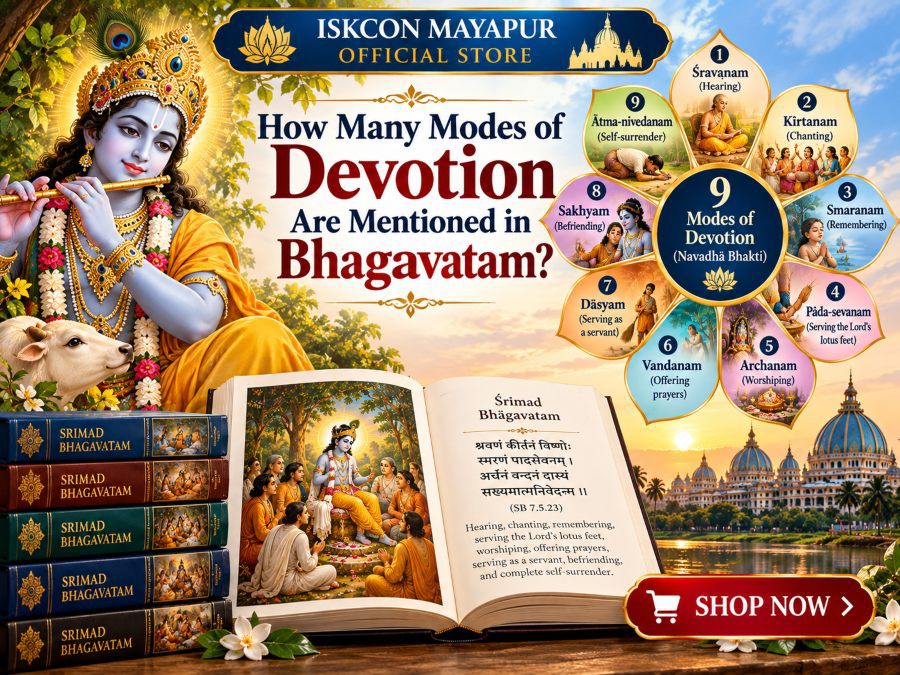 How Many Modes of Devotion Are Mentioned in Bhagavatam?Read more
A young boy named Prahlada listed nine ways to serve God, and the Bhagavatam keeps them as its answer. Learn what the...
-
 What Is Bhagavatam and Why Has It Been Read for 5,000 Years?Read more
A dying king asked one question, and the answer became the Bhagavatam. Learn what this Sanskrit scripture contains,...
-
 Who Is Lord Krishna? His Meaning, Teachings and Pastimes ExplainedRead more
Discover who Krishna is according to Srimad Bhagavatam, including His divine identity, childhood pastimes, teachings,...
-
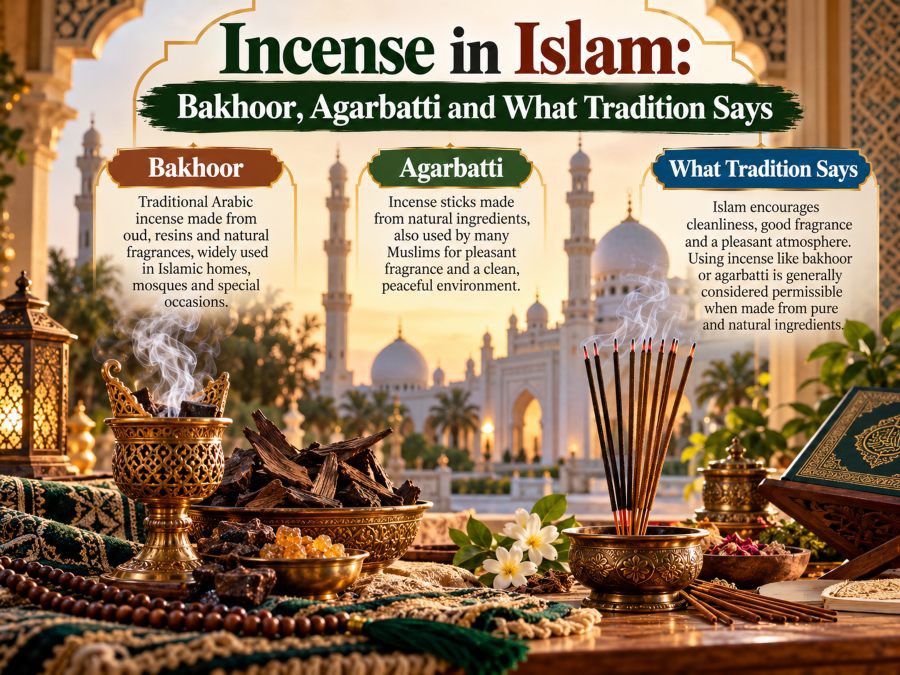 Incense in Islam: Bakhoor, Agarbatti and What Tradition SaysRead more
Is burning fragrance part of Muslim tradition? Explore incense in Islam, from the Prophetic practice of fumigating...
-
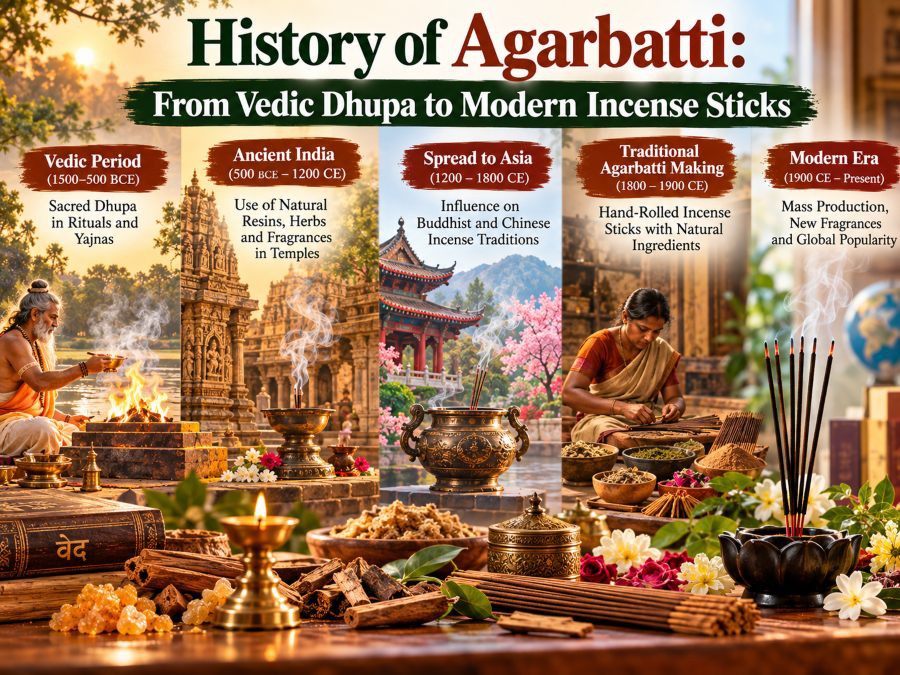 History of Agarbatti: From Vedic Dhupa to Modern Incense SticksRead more
Where did agarbatti really come from? Follow the history of agarbatti from Vedic fire rituals and temple dhupa to...
Blog categories
- Default category (0)
- MUSICAL INSTRUMENT (1)
- BOOK (5)
- DEVOTIONAL GIFT (0)
- Blog (30) click
- CHANDAN (12)
- Bhagavatam Wisdom Series (68)
- Krishna Consciousness (14)
- Mridangam Musical Instrument (6)
- Bhagavad Gita for Beginners (13)
- Bhagavad Gita As It Is (37) click
- Bhagavad Gita As It Is Telugu (0)
- Bhagavad Gita As It Is Marathi (0)
- Bhagavad Gita As It Is In Hindi (0)
- Bhagavad Gita As It Is In English (0)
- Bhagavad Gita As It Is In Bengali (8)
- Bhagavad Gita As It Is In Kannada (0)
- Bhagavad Gita As It Is In Gujarati (0)
- Bhagavad Gita As It Is In Panjabi (0)
- Bhagavad Gita As It Is In Tamil (0)
- Bhagavad Gita As It Is Odia (0)
- BHAGAVAD GITA As It Is GERMAN (0)
- Bhagavad Gita As It Is In French (0)
- Bhagavad Gita As It Is In Nepali (0)
- Bhagavad Gita As It Is In Assamese (0)
- Incense or Agarbatti (38)
- Lord Chaitanya Mahaprabhu (3)
- Vedic Temple Mayapur (14)
- kalki (15)
- Mahabharata – Dharma & Destiny (27)
- Vaishnava Scriptures (4)
- healthy product (4)
- chaitanya mahaprabhu (5)
- Tulsi Mala Guide (17)
Search in blog
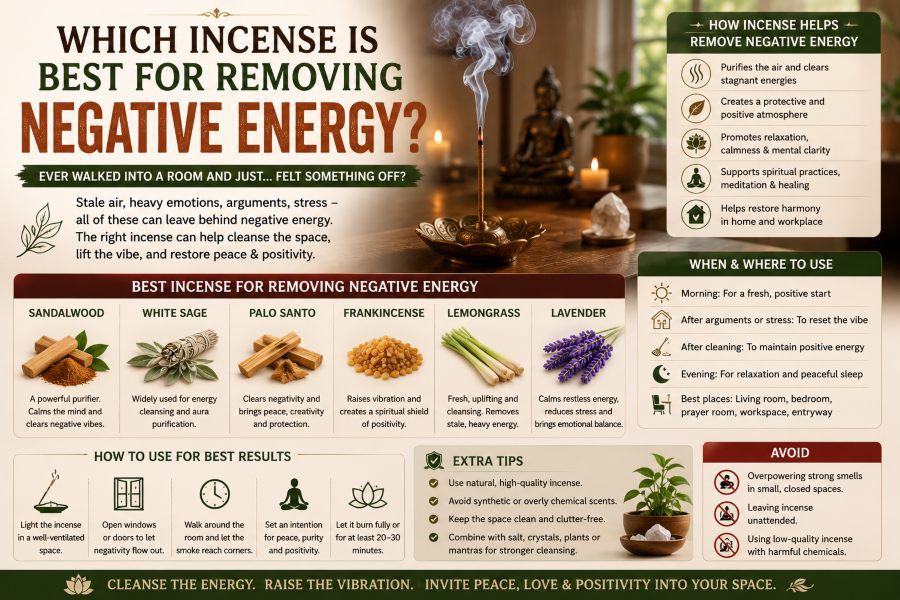
Which Incense Is Best for Removing Negative Energy?
Ever Walked Into a Room and Just... Felt Something Off?
You know that feeling — you walk into a space and something feels heavy, stagnant, almost like the air itself is tired. No visible reason, nothing you can point to, but your instinct says "this room needs something." Across cultures and centuries, humans have responded to that exact feeling the same way: by lighting incense.
This isn't a modern spiritual trend dressed up in candle-store marketing. Long before "energy cleansing" became a wellness buzzword, incense sticks were already central to how households, temples, and communities addressed exactly this feeling — using fragrant smoke to shift the atmosphere of a space and, by extension, the mood of the people in it. If you're looking to bring that same shift into your own home, ISKCON Mayapur Store incense sticks are made using traditional methods specifically rooted in devotional and purification practices rather than mass-market fragrance trends.
So let's actually break this down properly — which incense varieties are traditionally associated with clearing heavy or negative energy, why these specific ones and not others, and how to use them in a way that's genuinely effective rather than just symbolic.
Let's Be Honest About What "Negative Energy" Actually Means
Before jumping into which incense works best, it's worth pausing on this term itself, because it gets used loosely and means different things to different people.
In many traditional and devotional frameworks, "negative energy" refers to a kind of accumulated heaviness — stress, unresolved conflict, stagnant emotions, or simply the residue of difficult events that seem to linger in a space long after the moment has passed. Whether you interpret this spiritually, psychologically, or somewhere in between, most people intuitively recognize the feeling being described.
From a more grounded, practical angle, there's also a real sensory component at play. Certain scents genuinely do interact with your nervous system in measurable ways — some calm you, some sharpen focus, some feel instinctively "heavy" or "light." Traditional incense choices for clearing negative energy weren't picked randomly; they were selected over centuries specifically because of how consistently people responded to them.
The Core Incense Varieties Traditionally Used for Clearing Energy
Sandalwood (Chandan) — The Grounding Classic
Sandalwood is probably the single most widely used incense across devotional and spiritual traditions for this exact purpose, and it's not hard to understand why once you experience it. The scent is warm, woody, and deeply grounding — it doesn't overwhelm the senses, but it has a quiet, steady presence that many describe as calming and centering.
Why it's associated with clearing heaviness:
- It's used extensively in temple worship, where the space is meant to feel purified and welcoming
- The scent profile itself tends to slow the breath and settle restlessness, based on how consistently people report feeling calmer around it
- It has centuries of continuous ritual use tied specifically to purification practices, which reinforces the psychological association over generations
Frankincense (Loban) — The Purification Powerhouse
If sandalwood is about grounding, frankincense is about clearing. This resin has been burned in purification rituals across an enormous range of cultures — from ancient Egyptian temples to Christian liturgical practice to Vedic havan ceremonies. That's a remarkably consistent thread across otherwise unrelated traditions, which says something about how universally this scent has been understood.
The smoke from frankincense tends to be denser and more resinous than sandalwood, which many traditions interpret as more actively "clearing" rather than simply "calming." It's often the go-to choice specifically after conflict, illness, or any period considered spiritually or emotionally heavy in a household.
Camphor — The Sharp Reset
Camphor works differently from the warmer, woodier scents above. It's sharp, almost medicinal, and immediately noticeable the second it's lit. In many devotional practices, camphor is specifically associated with aarti rituals precisely because of this intensity — it's meant to cut through stagnation rather than gently settle it.
When camphor tends to be preferred:
- After a period of illness in the household
- Following an argument or period of tension
- During specific ritual moments meant to mark a clear transition, like the closing of a puja
Dhoop and Herbal Resin Blends
Traditional dhoop — often combining multiple resins, herbs, and natural binding agents without a bamboo core — tends to produce a denser, more immersive smoke than a standard incense stick. Many households specifically reserve dhoop for occasions when a more thorough, deliberate clearing feels necessary, rather than for everyday ambiance.
Why Natural Ingredients Matter More Here Than in Casual Incense Use
This is worth emphasizing specifically for this purpose, because it matters more here than it might for general ambiance incense. If the entire point of the practice is intentional and purposeful — clearing heaviness, restoring calm, marking a transition — then burning a synthetic, chemically-heavy stick somewhat undermines the intention behind the ritual itself.
Naturally made incense, using real sandalwood powder, genuine resins, and herbal ingredients rather than synthetic fragrance oils, tends to produce a cleaner, more layered aromatic experience. This isn't just a purity preference — it directly affects how the practice feels. A synthetic, one-note fragrance rarely carries the same depth or the same psychological weight as something made using traditional methods and genuine materials.
How to Actually Use Incense for This Purpose
Simply lighting a stick and walking away doesn't carry the same intentionality that this practice traditionally involves. Here's a more deliberate approach.
Step 1: Start With the Room's Corners, Not the Center
Many traditional practices suggest moving the burning incense — or walking through the space with it — toward the corners of a room first, since stagnant energy is often described as settling in corners and less-used spaces rather than the open middle of a room.
Step 2: Move Through the Space Slowly
Rather than placing the stick in one fixed spot, some traditions involve carrying it gently through each room, allowing the smoke to reach every corner rather than just concentrating in one area. This is especially common when addressing a specific room after a difficult event.
Step 3: Pair It With Intention, Not Just Ritual Motion
The physical act of burning incense matters, but many traditions emphasize that intention amplifies the practice significantly. This might mean a short prayer, a moment of quiet reflection, or simply consciously acknowledging what you're trying to release from the space.
Step 4: Ventilate Afterward
Open a window or door once you're done. This isn't just practical smoke management — many traditions specifically frame this step as literally allowing the "old" energy to exit the space, giving the ritual a clear physical and symbolic conclusion.
Building This Into a Regular Practice, Not Just a Crisis Response
A common mistake is only reaching for this kind of incense during obviously difficult moments — after an argument, during illness, following bad news. But many traditional households incorporate this as agarbatti for home rituals on a regular, even daily basis, treating it as ongoing maintenance rather than emergency intervention.
This mirrors a broader principle found across many spiritual practices: consistent small maintenance prevents the kind of heavy accumulation that later requires more intensive clearing. A home that regularly receives this kind of attention tends to carry a noticeably different atmosphere than one where it only happens reactively.
What Should You Avoid During This Practice?
Just as certain incense varieties are traditionally favored, there are also a few things worth steering clear of if you're approaching this intentionally.
- Avoid rushing through it. This isn't a quick five-second task — the deliberate, unhurried pace of the ritual is part of what gives it meaning
- Avoid heavily synthetic or artificially fragranced sticks. As mentioned earlier, the intention behind the practice loses some of its weight when the materials themselves feel disconnected from tradition
- Avoid burning it in a space you immediately seal shut. Ventilation afterward matters both practically and symbolically
- Avoid skipping the practice simply because nothing feels obviously "wrong." Regular, preventive use tends to be more effective long-term than only using it reactively
Common Questions People Ask About This Practice
How often should I burn incense for energy clearing? Many households do this daily as part of morning or evening puja, while others reserve more intensive clearing (like frankincense or camphor) for specific occasions such as after conflict or illness. Both approaches are valid — daily maintenance and situational deep-clearing serve slightly different purposes.
Can I use the same incense for both daily puja and energy clearing? Yes, sandalwood in particular works well for both purposes since it's gentle enough for daily use while still carrying the grounding qualities associated with clearing heaviness. You don't need a completely separate stick just for this specific intention.
Does the direction I carry the incense through the room matter? Different traditions have different conventions here — some move clockwise, some start from the entrance and work inward, others focus specifically on corners and thresholds. There's no single universal rule, so it's worth following whatever convention feels most familiar to your own family or regional tradition.
Is it necessary to say a specific prayer while doing this? Not strictly, though many traditions pair the physical act with some form of intention-setting, whether that's a formal mantra, a simple prayer, or just quiet reflection. The consistency of intention tends to matter more than the specific words used.
Can this practice help with a space that feels uncomfortable for a specific reason, like after moving into a new home? Yes, this is actually one of the most common traditional uses — many households specifically burn incense, often frankincense or dhoop, when moving into a new space, treating it as a way of settling the environment before daily life fully begins there.
Myths Worth Clearing Up
Myth: "Any incense works the same for this purpose." Not quite. While any natural incense carries some general calming benefit, specific varieties like sandalwood, frankincense, and camphor carry centuries of tradition tied specifically to purification, which is why they're consistently recommended over generic or heavily synthetic fragrances.
Myth: "You need an elaborate ritual for this to matter." The core practice can be as simple as lighting a stick with genuine intention and letting it burn through the space. Elaborate rituals aren't required — consistency and sincerity matter more than complexity.
Myth: "Once negative energy is cleared, it's gone permanently." Most traditions frame this as ongoing maintenance rather than a one-time fix, similar to how physical cleaning isn't a single event but a recurring practice that keeps a space feeling right over time.
A Note on Combining Different Varieties
Some households don't rely on just one type of incense for this purpose — they layer or rotate between sandalwood for daily grounding, frankincense for deeper occasional clearing, and camphor for specific ritual moments like closing an aarti. There's no strict rule requiring you to pick just one variety and stick with it exclusively.
If anything, having a small rotation based on the specific situation — daily maintenance versus post-conflict clearing versus illness recovery — tends to feel more intentional than defaulting to the same stick regardless of context.
The Deeper Point Behind This Practice
Whether you approach this through a strictly devotional lens, a more general spiritual framework, or simply as a mindfulness ritual that happens to use fragrance as its anchor, the underlying logic holds up regardless of belief system: environments hold onto residue, and deliberate, sensory rituals help people process and release that residue.
Incense doesn't function as some kind of magic fix that instantly transforms a difficult situation. What it does is create a clear, physical marker — a beginning and an end to the act of consciously addressing something heavy, whether that's tension in a household, the aftermath of a hard week, or simply the accumulated fatigue of daily life settling into your space.
That's really what centuries of tradition around incense and energy clearing points toward. Not a supernatural fix, but a consistent, sensory practice that gives people a tangible way to acknowledge heaviness and take a deliberate step toward shifting it — one quiet stick of incense at a time.
Posted in: Incense or Agarbatti
Related posts
-
 How to Light Incense SticksDiscover the right way to light incense sticks (agarbatti) for worship, meditation, and peace. Learn step-by-step...Read more
 -
 Where to Buy Incense SticksDiscover where to buy the best natural incense sticks for your daily puja, meditation, and relaxation. Explore pure,...Read more
 -
 Is Incense Sticks Bad for Pregnancy? Wondering if incense sticks are safe during pregnancy? Discover the truth about incense smoke, its effects on...Read more
 -
 Do Incense Sticks Trigger Fire Alarms? Wondering if incense sticks can trigger fire alarms? Learn how smoke affects detectors, safe burning tips, and...Read more
 -
 How Many Incense Sticks to Burn for Good LuckDiscover how many incense sticks to burn for good luck and prosperity. Learn the ideal numbers, rituals, and natural...Read more
Leave a comment