
Why did Krishna run to embrace a poor brahmin in rags? Read the Sudama story from the Bhagavatam and learn how a...
Latest posts
-
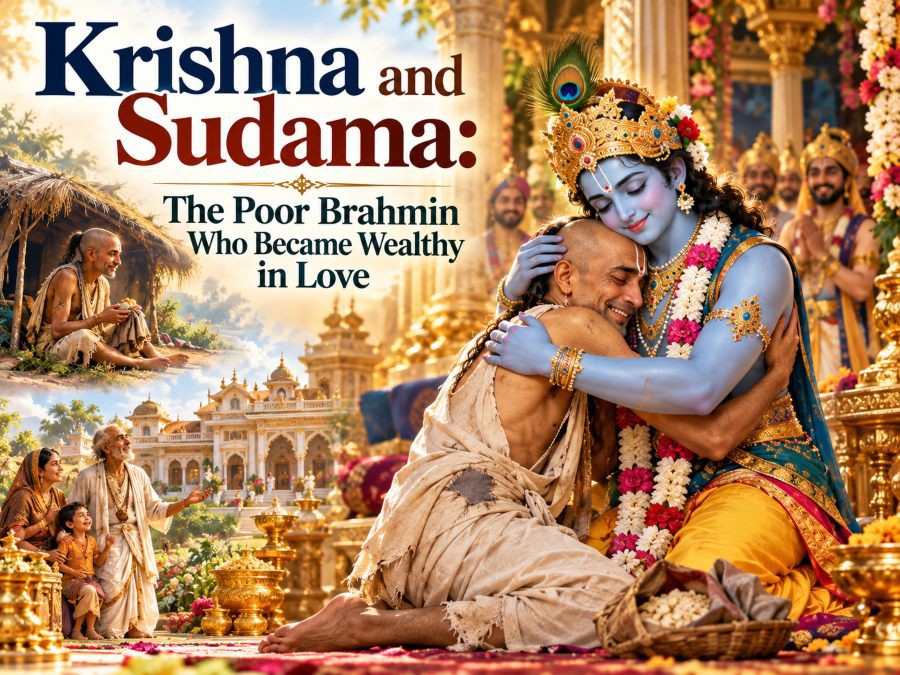 Krishna and Sudama: The Poor Brahmin Who Became Wealthy in LoveRead more
 -
 Vamana Avatar: How Three Steps Humbled Bali MaharajaRead more
Why did a powerful king give away three worlds to a boy asking for three steps? Learn the Vamana avatar story from...
-
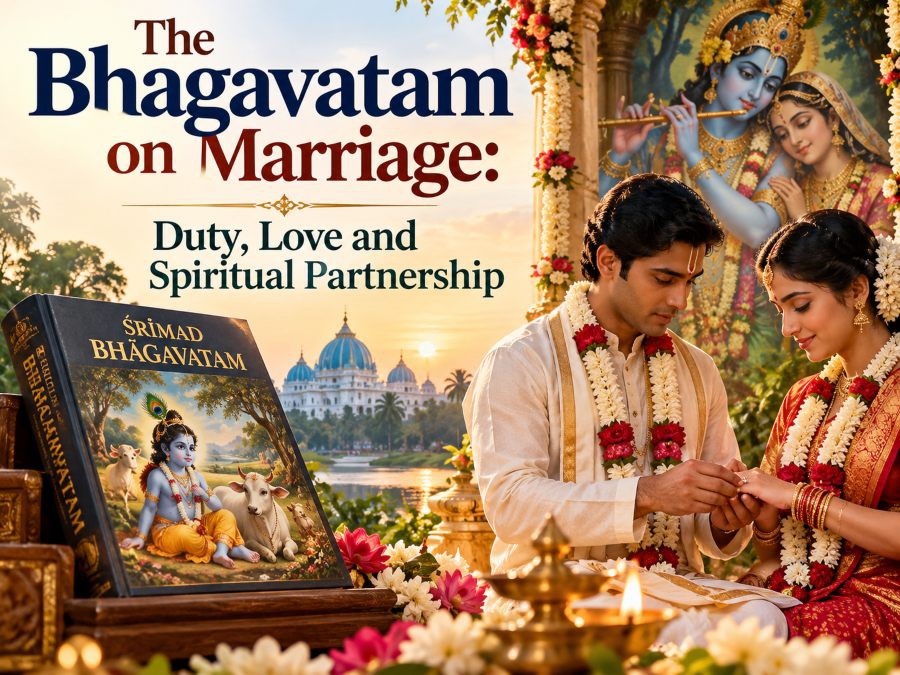 The Bhagavatam on Marriage: Duty, Love and Spiritual PartnershipRead more
What does the Bhagavatam say about marriage? Through the stories of Kardama and Devahuti, Rukmini's secret letter and...
-
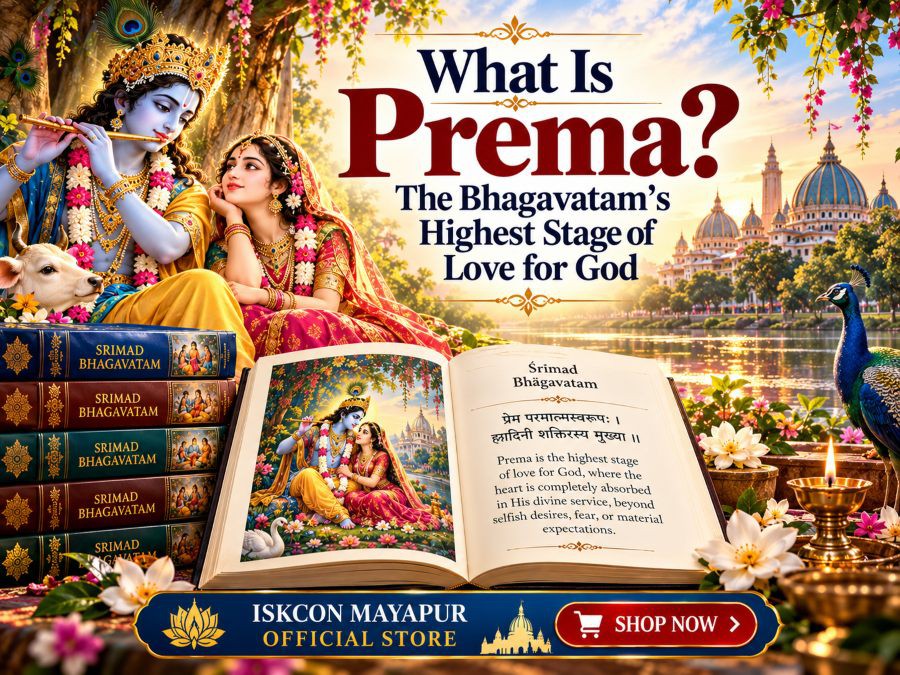 What Is Prema? The Bhagavatam's Highest Stage of Love for GodRead more
Prema is love for God with no "because" attached. Learn how the Bhagavatam describes it, the nine steps from faith to...
-
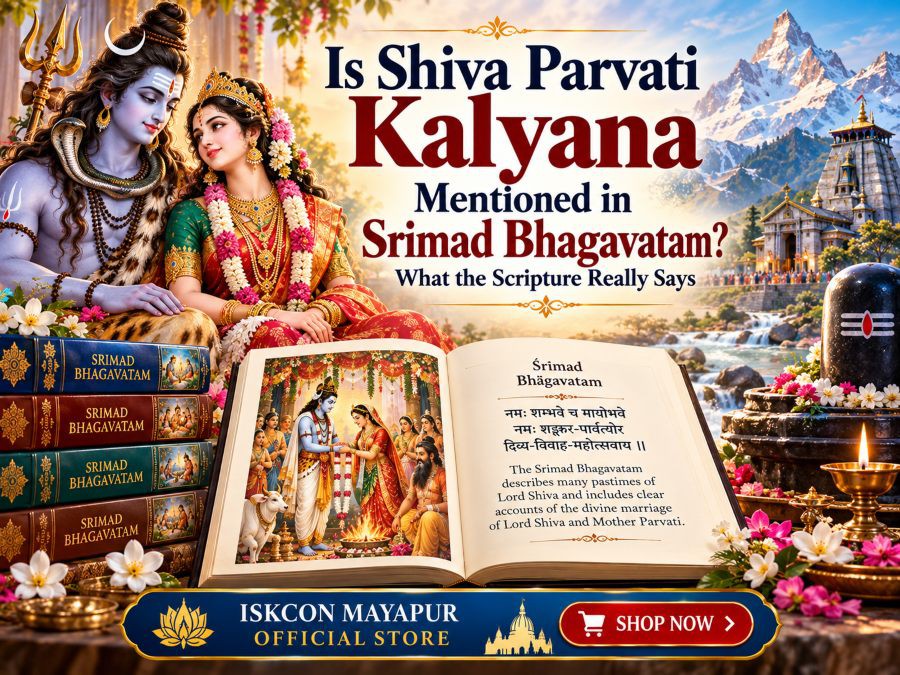 Is Shiva Parvati Kalyana Mentioned in Srimad Bhagavatam? What the Scripture Really SaysRead more
Looking for Shiva and Parvati's wedding in the Srimad Bhagavatam? Find out what the scripture actually describes,...
-
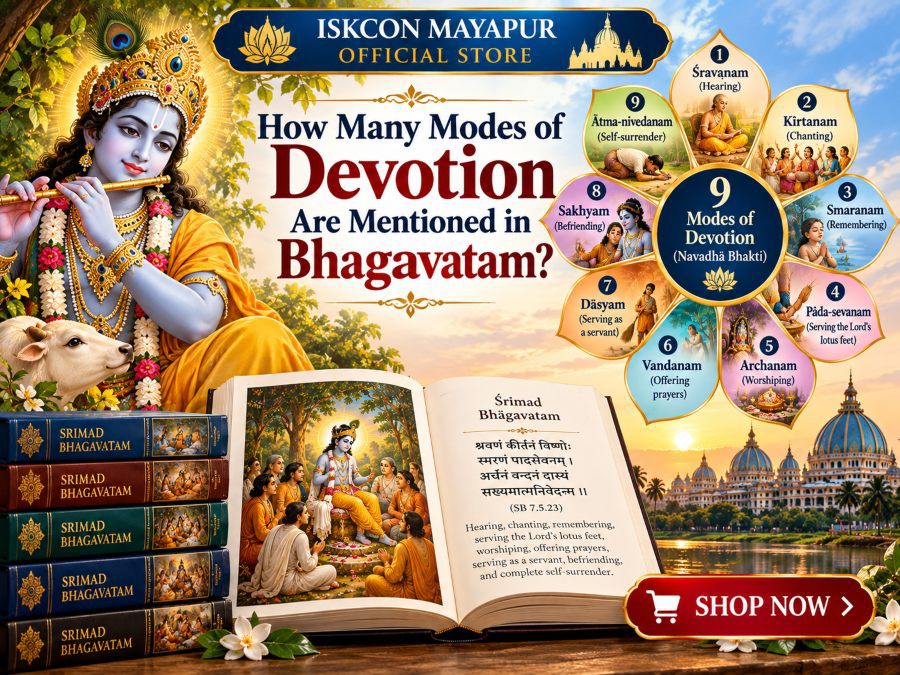 How Many Modes of Devotion Are Mentioned in Bhagavatam?Read more
A young boy named Prahlada listed nine ways to serve God, and the Bhagavatam keeps them as its answer. Learn what the...
-
 What Is Bhagavatam and Why Has It Been Read for 5,000 Years?Read more
A dying king asked one question, and the answer became the Bhagavatam. Learn what this Sanskrit scripture contains,...
-
 Who Is Lord Krishna? His Meaning, Teachings and Pastimes ExplainedRead more
Discover who Krishna is according to Srimad Bhagavatam, including His divine identity, childhood pastimes, teachings,...
-
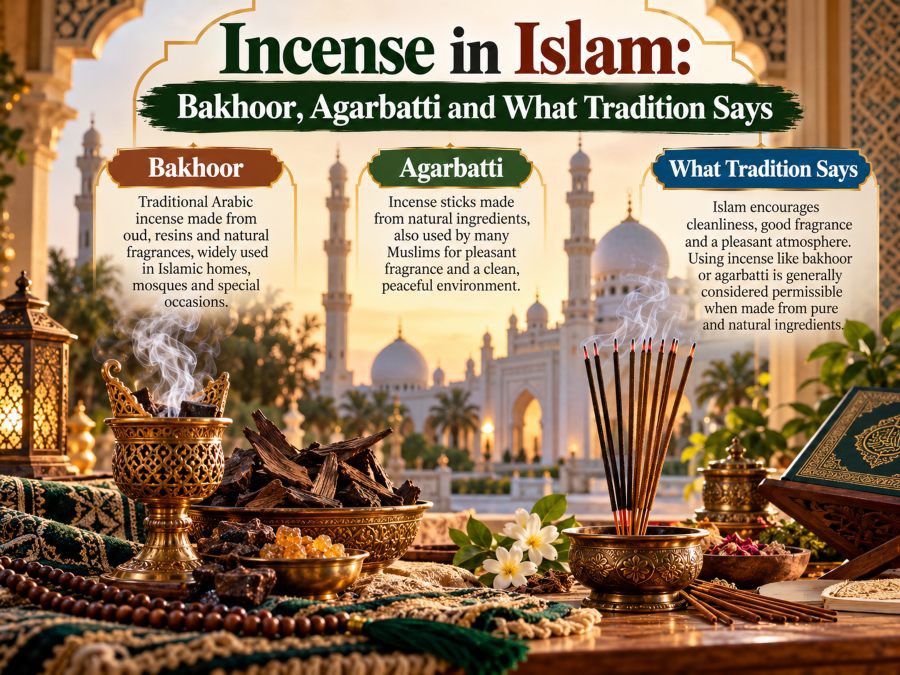 Incense in Islam: Bakhoor, Agarbatti and What Tradition SaysRead more
Is burning fragrance part of Muslim tradition? Explore incense in Islam, from the Prophetic practice of fumigating...
-
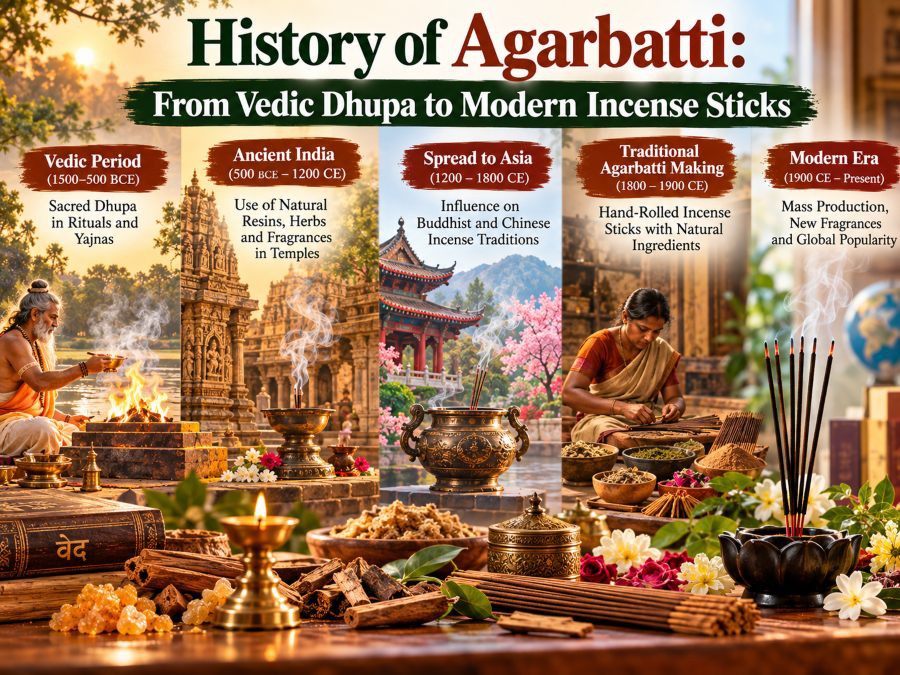 History of Agarbatti: From Vedic Dhupa to Modern Incense SticksRead more
Where did agarbatti really come from? Follow the history of agarbatti from Vedic fire rituals and temple dhupa to...
Blog categories
- Default category (0)
- MUSICAL INSTRUMENT (1)
- BOOK (5)
- DEVOTIONAL GIFT (0)
- Blog (30) click
- CHANDAN (12)
- Bhagavatam Wisdom Series (68)
- Krishna Consciousness (14)
- Mridangam Musical Instrument (6)
- Bhagavad Gita for Beginners (13)
- Bhagavad Gita As It Is (37) click
- Bhagavad Gita As It Is Telugu (0)
- Bhagavad Gita As It Is Marathi (0)
- Bhagavad Gita As It Is In Hindi (0)
- Bhagavad Gita As It Is In English (0)
- Bhagavad Gita As It Is In Bengali (8)
- Bhagavad Gita As It Is In Kannada (0)
- Bhagavad Gita As It Is In Gujarati (0)
- Bhagavad Gita As It Is In Panjabi (0)
- Bhagavad Gita As It Is In Tamil (0)
- Bhagavad Gita As It Is Odia (0)
- BHAGAVAD GITA As It Is GERMAN (0)
- Bhagavad Gita As It Is In French (0)
- Bhagavad Gita As It Is In Nepali (0)
- Bhagavad Gita As It Is In Assamese (0)
- Incense or Agarbatti (38)
- Lord Chaitanya Mahaprabhu (3)
- Vedic Temple Mayapur (14)
- kalki (15)
- Mahabharata – Dharma & Destiny (27)
- Vaishnava Scriptures (4)
- healthy product (4)
- chaitanya mahaprabhu (5)
- Tulsi Mala Guide (17)
Search in blog
How to Light Incense Sticks
How to Light Incense Sticks: A Complete Spiritual and Practical Guide
Introduction
Lighting incense sticks — known as agarbatti in India — is an ancient ritual that transcends religion, culture, and geography. Whether in temples, meditation rooms, or homes, incense sticks create a sacred atmosphere that elevates the mind, purifies the air, and invites divine energy.
But do you know that how you light an incense stick affects its fragrance, longevity, and spiritual potency?
In this complete guide, we’ll explore the right way to light incense sticks, the symbolism behind this ritual, common mistakes to avoid, and tips to enhance your spiritual experience.
The Meaning and Purpose of Lighting Incense Sticks
Before learning the technique, it’s essential to understand why we light incense. Across various traditions — Hinduism, Buddhism, Christianity, and beyond — incense represents devotion, purification, and prayer.
When lit, the fragrant smoke that rises from an incense stick is said to carry our thoughts and prayers toward the heavens. It symbolizes transformation — from matter (stick) to spirit (smoke).
In Hindu temples, incense accompanies aarti and puja; in Buddhist monasteries, it represents mindfulness; in modern homes, it fosters calmness and focus during meditation or yoga.
In essence, lighting incense is not just a routine — it’s a spiritual offering and a bridge between the material and the divine.
The History of Incense Lighting
The practice of burning incense dates back over 5,000 years. Ancient Egyptians, Greeks, Chinese, and Indians all used incense in their spiritual rituals.
In India, agarbatti became an integral part of daily worship. Sanskrit scriptures like the Atharva Veda and Rig Veda describe the use of aromatic herbs, gums, and woods to create sacred smoke for purification and prayer.
Over time, incense sticks evolved from simple dried herbs to beautifully crafted fragrance blends — sandalwood, rose, jasmine, and more — symbolizing the soul’s journey toward God through fragrance and fire.
Materials You’ll Need to Light Incense Sticks
To properly light an incense stick, gather the following items:
· Incense Stick (Agarbatti): Choose a high-quality, natural incense made from pure resins, herbs, and essential oils.
· Incense Holder or Stand: A heatproof stand designed to hold the stick securely and catch the ash.
· Matchstick or Lighter: For ignition — traditional devotees prefer using wooden matches instead of gas lighters.
· Clean Space: A calm, ventilated area free from strong winds or direct fan breeze.
Optional additions include:
· A diya (lamp) or candle, symbolizing light and purity.
· Flowers and water, for offering during your prayer or meditation.
Step-by-Step Guide: How to Light an Incense Stick Properly
Lighting an incense stick is simple yet sacred. Here’s a step-by-step guide to doing it the right way:
Step 1: Choose the Right Incense Stick
Start with a pure incense stick made from natural ingredients. Avoid chemical or synthetic sticks that produce harsh smoke.
If you seek spiritual peace, use sandalwood or frankincense; for positivity and relaxation, choose rose or lavender; for meditation, mogra or jasmine are excellent.
Step 2: Find a Safe and Sacred Spot
Select a stable surface away from curtains, fans, or flammable materials. Ideally, place your incense near your altar, temple, or a peaceful meditation area.
Step 3: Light the Tip of the Incense
Hold one end of the incense stick and light the other tip using a match or lighter. Allow the flame to burn for about 5–10 seconds.
Step 4: Let the Tip Glow
After a some seconds, lightly blow out the flame. The tip should glow red and release a thin, steady stream of fragrant smoke.
Step 5: Place It in the Incense Holder
Insert the unlit end into your incense holder or stand. Ensure it stands firmly upright or at a slight angle to let the ash fall safely into the holder tray.
Step 6: Offer the Fragrance
With folded hands, offer the fragrance to your chosen deity or the divine presence in your heart. Mentally say a prayer or chant while the incense burns.
You can say:
“Om Gandhadvārām Durādharṣam Nityapushṭāṁ Karīṣiṇīm”
(A Vedic mantra offering the divine fragrance to Goddess Lakshmi.)
The Symbolism Behind Lighting Incense
Each part of lighting incense holds deep meaning in spiritual philosophy:
Element
| Symbolism
|
Fire | Transformation and purification |
Smoke | The soul’s prayers rising to the divine |
Fragrance | Love, devotion, and spiritual surrender |
Ash | Detachment — the remains of worldly desire |
Stick | The body offering itself in service to God |
Thus, lighting incense is not merely burning a stick — it’s an act of sacrifice, where fragrance represents the heart’s surrender to the divine.
When and Where to Light Incense Sticks
Lighting incense has the greatest spiritual impact when done at the right time and place.
Best Times to Light Incense:
· Morning (Brahma Muhurta): Around 4:00–6:00 a.m., the air is pure and spiritual energy is high.
· Evening (Sandhya Time): Around sunset, to remove negative vibrations and invite peace.
· Before Meditation or Prayer: To calm the mind and focus on divine energy.
· During Aarti or Puja: As an offering of fragrance and devotion.
Ideal Places to Light Incense:
· Home Temple or Altar
· Meditation Room or Yoga Space
· Living Room or Entrance (for cleansing energy)
· Office or Workspace (to improve concentration)
Common Mistakes to Avoid
While lighting incense is simple, many people unknowingly make errors that reduce its effect or cause safety risks. Avoid these mistakes:
1. Lighting and Extinguishing Too Quickly: Let the tip burn for 5–10 seconds before blowing out.
2. Placing Near Fans or Open Windows: Strong air currents disturb the smoke and shorten burning time.
3. Using Synthetic Incense: Artificial sticks release toxins and overpowering odors.
4. Not Using a Holder: Always use a heatproof stand to prevent fire hazards.
5. Leaving Incense Unattended: Never leave burning incense unsupervised.
6. Reusing Half-Burnt Incense: This can lead to uneven burning and unpleasant odor.
The Spiritual Benefits of Lighting Incense
Lighting incense goes far beyond scent — it influences mind, body, and soul.
1. Enhances Meditation and Focus
The gentle aroma helps calm the mind, reduce anxiety, and deepen focus during meditation or mantra chanting.
2. Purifies the Environment
Certain natural incense, especially sandalwood, tulsi, and frankincense, possess antibacterial properties that purify air and neutralize negativity.
3. Promotes Emotional Healing
The soothing fragrance uplifts the mood and reduces stress, helping to balance emotions and foster inner peace.
4. Increases Spiritual Vibrations
Incense enhances the sattva guna — the mode of purity and goodness — making your surroundings conducive to spiritual practice.
5. Connects You with the Divine
When offered with devotion, incense becomes an act of bhakti (devotion), inviting divine blessings into your home.
Different Ways to Light Incense for Various Occasions
Occasion
| Incense Type
| Purpose
|
Daily Puja
| Sandalwood or Tulsi
| Purity and devotion
|
Meditation
| Jasmine or Mogra
| Calmness and focus
|
Festivals
| Rose or Lotus
| Celebration and joy
|
Cleansing energy
| Frankincense or Loban
| Removing negativity
|
Relaxation
| Lavender or Patchouli
| Stress relief
|
Each fragrance creates a unique spiritual vibration. You can experiment to find which scent resonates most with your inner energy.
How to Dispose of Burnt Incense Sticks Respectfully
After the incense has completely burned, dispose of the ash respectfully.
In many traditions, the ash is considered sacred, as it has been offered to the divine.
You can:
· Scatter it in a garden or near a Tulsi plant.
· Wrap it in a natural cloth and bury it.
· Avoid throwing it in the garbage directly.
This act reflects gratitude toward nature and maintains the sanctity of the ritual.
Tips to Choose the Best Quality Incense Sticks
When buying incense, look for purity, brand authenticity, and fragrance type.
Checklist for High-Quality Incense:
✅ Made from 100% natural ingredients
✅ No artificial chemicals or charcoal
✅ Even, slow burning
✅ Balanced fragrance (not overpowering)
✅ Eco-friendly packaging
Recommended: Buy Pure Incense Sticks from ISKCON Mayapur Store
If you’re seeking authentic, spiritually energized incense, visit ? Mayapur Store — the official ISKCON marketplace for sacred puja items.
Here you can find:
· Mayapur Kasturi Incense Stick (250g)
· Rose Agarbatti (200g)
· Jasmine Incense Stick
· Chandan Supreme Natural Incense
Each stick is hand-crafted in the holy land of Mayapur, infused with devotion, and perfect for temple use or daily prayer.
✨ Buy Now from ISKCON Mayapur Store — Experience divine fragrance in your home today.
The Inner Meaning of Lighting Incense
Spiritually, the act of lighting incense reflects surrender.
Just as the incense stick burns itself to release fragrance, a devotee must surrender ego to release love for God.
The smoke symbolizes the rising consciousness — from worldly thoughts to divine awareness.
Every wisp of incense carries the unspoken prayer of the heart.
As Srila Prabhupada once explained:
“Fragrance is Krishna’s energy. When we offer incense, we are offering that very energy back to Him.”
Conclusion
Lighting incense sticks may seem like a simple act, but it carries centuries of wisdom, devotion, and symbolism. It purifies not only the air but also the heart.
By lighting incense with awareness and gratitude, you turn an ordinary moment into a spiritual offering.
Every time the smoke curls upward, remember — it is your soul reaching toward the divine.
So the next time you perform your puja or meditation, light your incense with love, offer it with faith, and breathe in the sacred fragrance of devotion.
Posted in: Incense or Agarbatti
Related posts
-
 Where to Buy Incense SticksDiscover where to buy the best natural incense sticks for your daily puja, meditation, and relaxation. Explore pure,...Read more
 -
 Is Incense Sticks Bad for Pregnancy? Wondering if incense sticks are safe during pregnancy? Discover the truth about incense smoke, its effects on...Read more
 -
 Do Incense Sticks Trigger Fire Alarms? Wondering if incense sticks can trigger fire alarms? Learn how smoke affects detectors, safe burning tips, and...Read more
 -
 How Many Incense Sticks to Burn for Good LuckDiscover how many incense sticks to burn for good luck and prosperity. Learn the ideal numbers, rituals, and natural...Read more
 -
 Which Incense Is Good for Negative EnergyDiscover which incense is best for removing negative energy and purifying your space. Learn about sandalwood,...Read more
Leave a comment