
Why did Krishna run to embrace a poor brahmin in rags? Read the Sudama story from the Bhagavatam and learn how a...
Latest posts
-
 Krishna and Sudama: The Poor Brahmin Who Became Wealthy in LoveRead more
 -
 Vamana Avatar: How Three Steps Humbled Bali MaharajaRead more
Why did a powerful king give away three worlds to a boy asking for three steps? Learn the Vamana avatar story from...
-
 The Bhagavatam on Marriage: Duty, Love and Spiritual PartnershipRead more
What does the Bhagavatam say about marriage? Through the stories of Kardama and Devahuti, Rukmini's secret letter and...
-
 What Is Prema? The Bhagavatam's Highest Stage of Love for GodRead more
Prema is love for God with no "because" attached. Learn how the Bhagavatam describes it, the nine steps from faith to...
-
 Is Shiva Parvati Kalyana Mentioned in Srimad Bhagavatam? What the Scripture Really SaysRead more
Looking for Shiva and Parvati's wedding in the Srimad Bhagavatam? Find out what the scripture actually describes,...
-
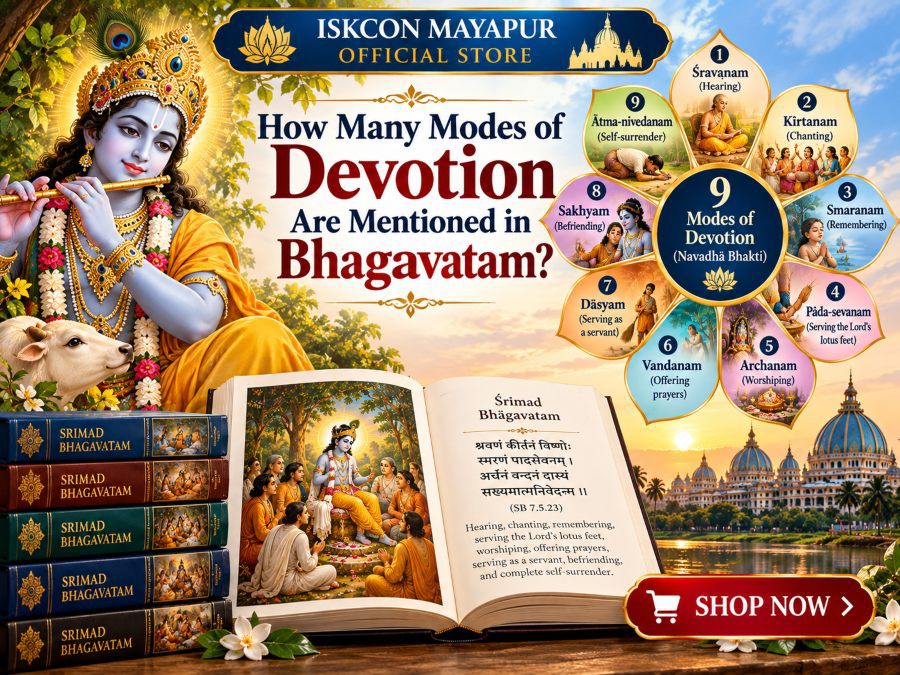 How Many Modes of Devotion Are Mentioned in Bhagavatam?Read more
A young boy named Prahlada listed nine ways to serve God, and the Bhagavatam keeps them as its answer. Learn what the...
-
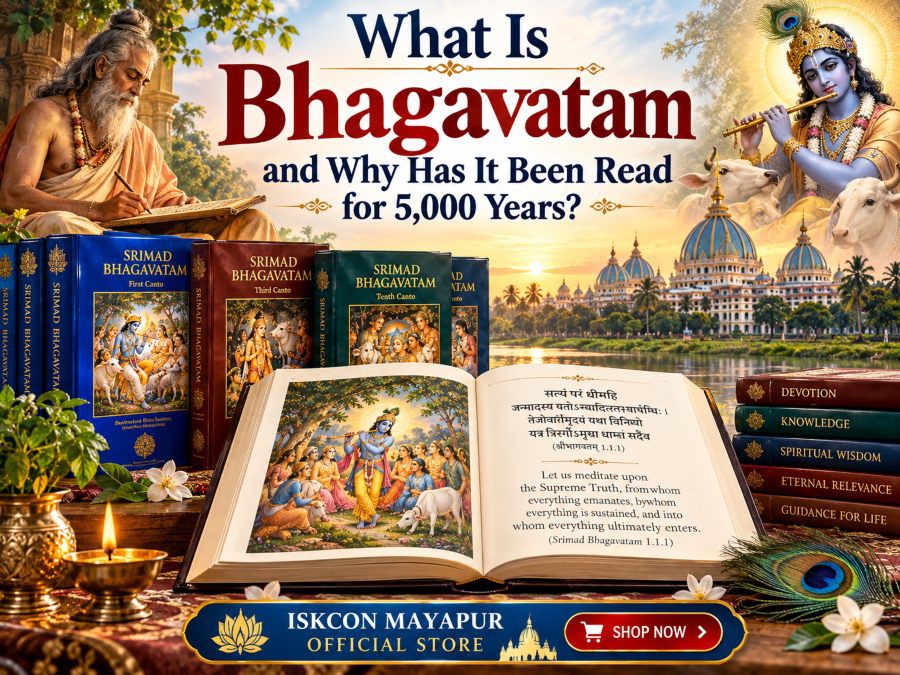 What Is Bhagavatam and Why Has It Been Read for 5,000 Years?Read more
A dying king asked one question, and the answer became the Bhagavatam. Learn what this Sanskrit scripture contains,...
-
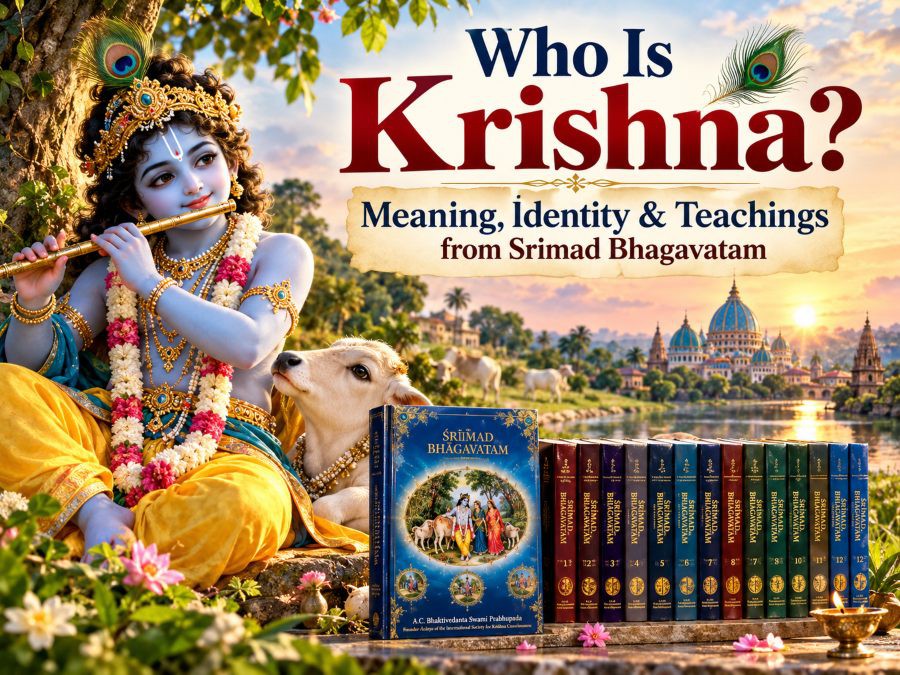 Who Is Lord Krishna? His Meaning, Teachings and Pastimes ExplainedRead more
Discover who Krishna is according to Srimad Bhagavatam, including His divine identity, childhood pastimes, teachings,...
-
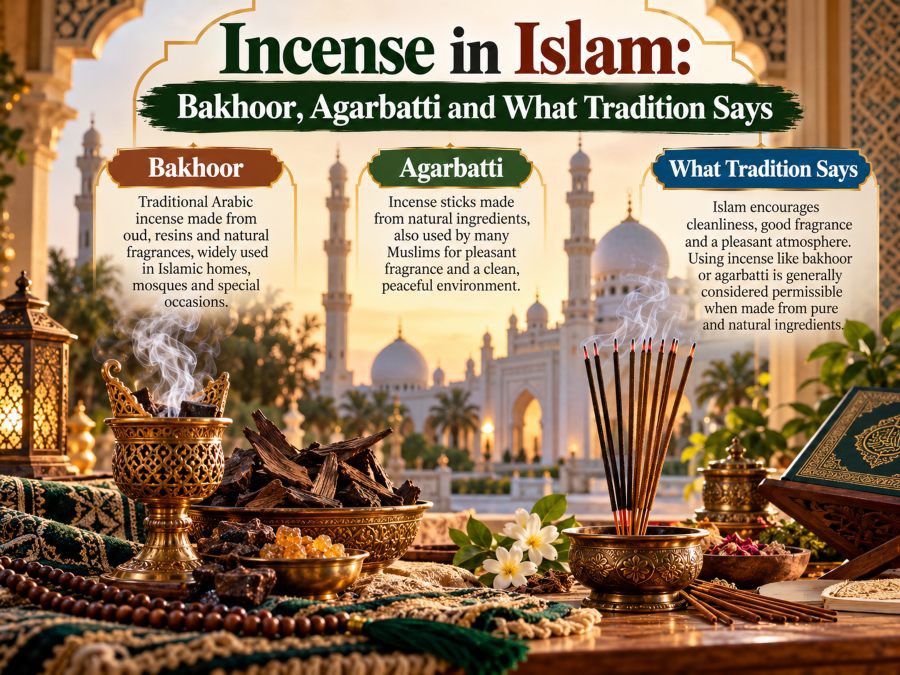 Incense in Islam: Bakhoor, Agarbatti and What Tradition SaysRead more
Is burning fragrance part of Muslim tradition? Explore incense in Islam, from the Prophetic practice of fumigating...
-
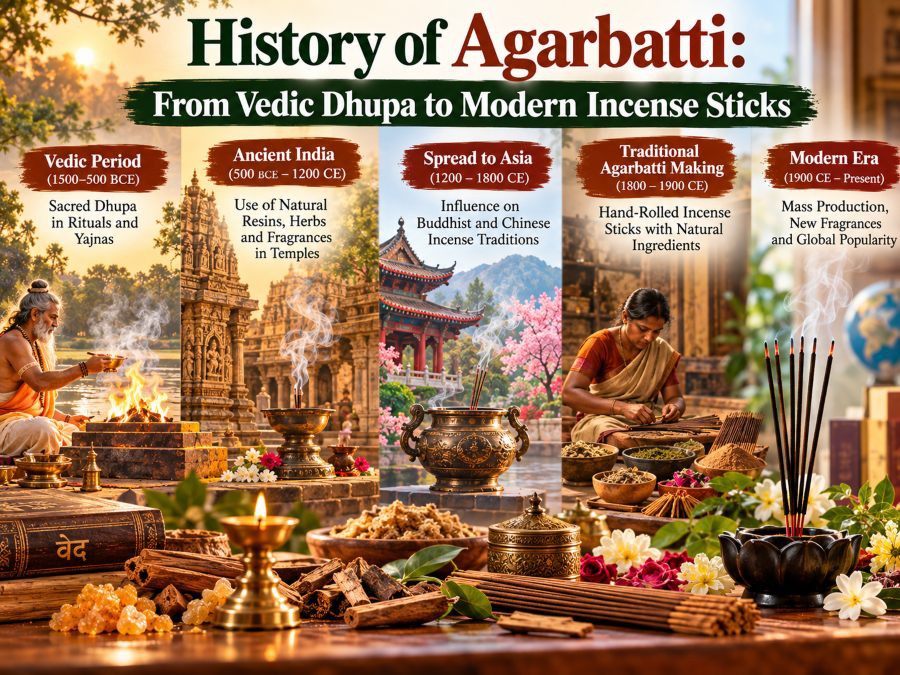 History of Agarbatti: From Vedic Dhupa to Modern Incense SticksRead more
Where did agarbatti really come from? Follow the history of agarbatti from Vedic fire rituals and temple dhupa to...
Blog categories
- Default category (0)
- MUSICAL INSTRUMENT (1)
- BOOK (5)
- DEVOTIONAL GIFT (0)
- Blog (30) click
- CHANDAN (12)
- Bhagavatam Wisdom Series (68)
- Krishna Consciousness (14)
- Mridangam Musical Instrument (6)
- Bhagavad Gita for Beginners (13)
- Bhagavad Gita As It Is (37) click
- Bhagavad Gita As It Is Telugu (0)
- Bhagavad Gita As It Is Marathi (0)
- Bhagavad Gita As It Is In Hindi (0)
- Bhagavad Gita As It Is In English (0)
- Bhagavad Gita As It Is In Bengali (8)
- Bhagavad Gita As It Is In Kannada (0)
- Bhagavad Gita As It Is In Gujarati (0)
- Bhagavad Gita As It Is In Panjabi (0)
- Bhagavad Gita As It Is In Tamil (0)
- Bhagavad Gita As It Is Odia (0)
- BHAGAVAD GITA As It Is GERMAN (0)
- Bhagavad Gita As It Is In French (0)
- Bhagavad Gita As It Is In Nepali (0)
- Bhagavad Gita As It Is In Assamese (0)
- Incense or Agarbatti (38)
- Lord Chaitanya Mahaprabhu (3)
- Vedic Temple Mayapur (14)
- kalki (15)
- Mahabharata – Dharma & Destiny (27)
- Vaishnava Scriptures (4)
- healthy product (4)
- chaitanya mahaprabhu (5)
- Tulsi Mala Guide (17)
Search in blog
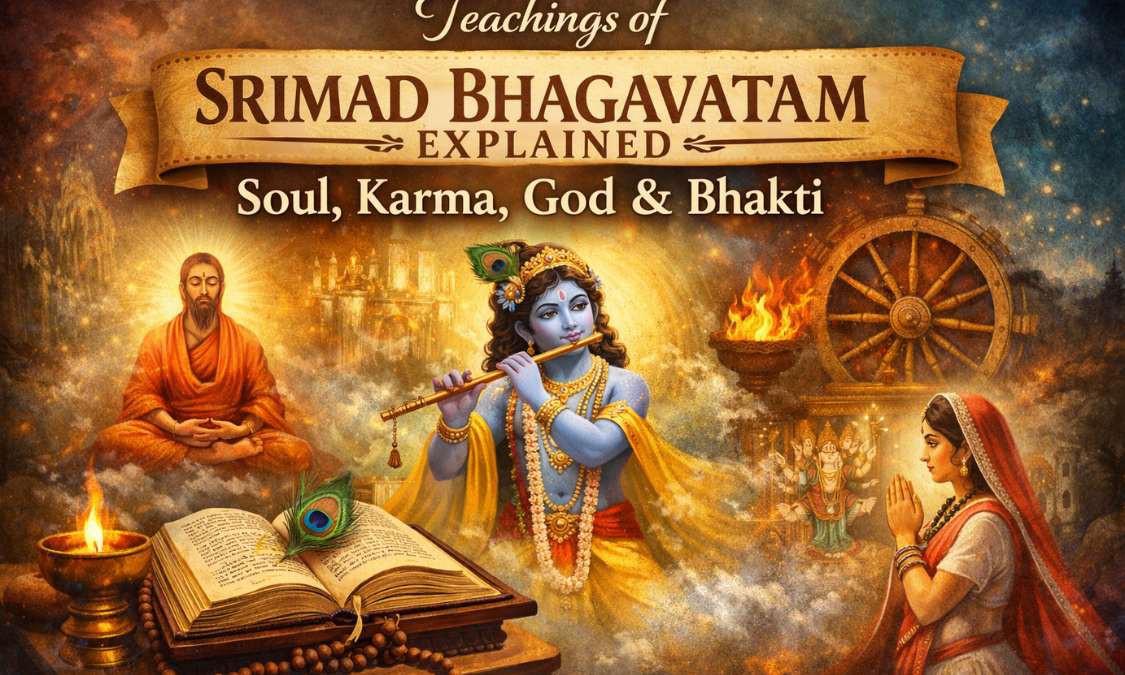
Teachings of Srimad Bhagavatam Explained: Soul, Karma, God & Bhakti
Teachings of Srimad Bhagavatam Explained: Soul, Karma, God & Bhakti
Introduction: Why the Srimad Bhagavatam Still Matters Today
The Srimad Bhagavatam (also known as the Bhagavata Purana) is not just a religious scripture—it is a complete spiritual philosophy that explains who we are, why we suffer, who God is, and how pure love (bhakti) liberates the soul.
Unlike texts that focus only on rituals or moral rules, the Bhagavatam speaks directly to the human condition—our fears, desires, attachments, and longing for meaning. It answers timeless questions:
- Who am I beyond this body?
- Why do actions return as fate or karma?
- Is God a formless energy or a personal being?
- What is the highest purpose of life?
Visit Now: Trusted Source for Srimad Bhagavatam Books
The Soul (Atman): Who We Really Are
The Soul Is Eternal, Not the Body
One of the most fundamental teachings of the Srimad Bhagavatam is that we are not the body or mind. We are the soul (ātman)—eternal, conscious, and indestructible.
The body:
- Is temporary
- Changes constantly
- Eventually dies
The soul:
- Never takes birth
- Never dies
- Exists beyond time and matter
The Bhagavatam explains that mistaking the body for the self is the root of all suffering. When we identify as male/female, rich/poor, young/old, we forget our true spiritual identity.
The Soul’s Natural Qualities
According to the Srimad Bhagavatam, the soul is:
- Sat – eternal
- Chit – full of consciousness
- Ānanda – full of bliss
Suffering arises not because the soul is weak, but because it is covered by ignorance (avidyā).
Individual Souls, Not One Mass
The Bhagavatam teaches that every soul is individual and unique, not an illusion or temporary wave in a cosmic ocean. Liberation does not destroy individuality—it restores the soul’s original, pure identity.
Karma: The Law of Action and Reaction
What Is Karma According to the Bhagavatam?
Karma means action, but more importantly, it means reaction. Every thought, word, and deed creates a subtle imprint that returns as future experience.
The Bhagavatam describes karma as:
- Precise
- Unavoidable
- Perfectly just
No external judge is needed. Nature itself responds to our actions.
Types of Karma Explained
The Srimad Bhagavatam outlines different layers of karma:
1. Sanchita Karma – accumulated karma from many lives
2. Prārabdha Karma – karma currently being experienced
3. Kriyamāṇa Karma – new karma created now
Most people live unaware, creating fresh karma while suffering old reactions—remaining trapped in the cycle of birth and death.
Karma Is Not Fate
A powerful teaching of the Bhagavatam is that karma is not destiny. Through right knowledge, devotion, and conscious action, karma can be:
- Neutralized
- Burned
- Transcended
This is where bhakti becomes essential.
Visit Now:- Original Bhagavatam Kooks from ISKCON
God (Bhagavān): The Supreme Truth Explained
Who Is God According to the Srimad Bhagavatam?
The Bhagavatam defines the Absolute Truth in three progressive realizations:
1. Brahman – impersonal spiritual energy
2. Paramātmā – Supersoul within all beings
3. Bhagavān – the Supreme Personality of Godhead
Among these, Bhagavān is the complete realization—full of form, qualities, emotions, and relationships.
God Is Personal, Loving, and Accessible
Unlike abstract philosophical concepts of God, the Srimad Bhagavatam presents God as:
- Conscious and personal
- Full of compassion
- Responsive to love
God is not distant or indifferent. He actively reciprocates with the devotee’s sincerity.
God as the Source of Everything
The Bhagavatam repeatedly emphasizes that:
- God is the source of all universes
- Material nature works under His supervision
- The soul is His eternal part
Yet, God remains independent, complete, and unaffected by material change.
Bhakti: The Supreme Path of Liberation
What Is Bhakti in the Srimad Bhagavatam?
Bhakti means loving devotional service to God, performed without selfish desire or fear.
The Bhagavatam declares bhakti as:
- The highest yoga
- The final solution to suffering
- Superior to karma (ritual action) and jñāna (dry knowledge)
Bhakti is not sentiment—it is conscious, purposeful love.
Nine Processes of Bhakti
The Srimad Bhagavatam explains nine authentic practices of devotion:
1. Hearing about God
2. Chanting God’s names
3. Remembering God
4. Serving God’s feet
5. Worship
6. Offering prayers
7. Becoming God’s servant
8. Friendship with God
9. Full self-surrender
Even practicing one sincerely can lead to perfection.
Bhakti Destroys Karma
A key teaching unique to the Bhagavatam is that pure bhakti burns karma at its root. Unlike good deeds that create future reactions, devotional service frees the soul completely.
Material World vs Spiritual Reality
Why Does the Soul Suffer?
The Bhagavatam explains suffering as a result of:
- Forgetting God
- Misusing free will
- Seeking happiness in temporary matter
The material world is compared to:
- A dream
- A prison for conditioned souls
- A place of repeated birth, disease, old age, and death
The Spiritual World
Beyond this world exists a spiritual reality that is:
- Eternal
- Full of knowledge
- Full of bliss
There, life is centered on loving service, not survival or competition.
Detachment Without Hatred
The Srimad Bhagavatam does not teach rejection of the world through hatred or escape. Instead, it teaches:
- Detached engagement
- Using everything in God’s service
- Living responsibly without illusion
True renunciation comes naturally through higher taste, not force.
Compassion, Ethics, and Devotional Living
Compassion as a Spiritual Quality
A true follower of Bhagavatam teachings develops:
- Kindness toward all beings
- Humility
- Forgiveness
- Truthfulness
Devotion without compassion is considered incomplete.
Family, Work, and Society
The Bhagavatam does not demand abandonment of duties. It teaches:
- Offer your work to God
- Perform duties without ego
- Live ethically with spiritual vision
Spiritual life is integrated, not isolated.
Liberation (Moksha) According to the Bhagavatam
What Is Real Liberation?
Unlike philosophies that define liberation as merging or void, the Srimad Bhagavatam defines liberation as:
“Restoring the soul to its original loving relationship with God.”
Liberation includes:
- Eternal individuality
- Conscious service
- Loving exchange
Bhakti Even Beyond Liberation
A revolutionary teaching of the Bhagavatam is that pure devotees do not even desire liberation. Their only wish is loving service—birth after birth, if needed.
Why the Srimad Bhagavatam Is Considered the Essence of Vedic Wisdom
The Bhagavatam is called the ripened fruit of the Vedic tree because it:
- Removes fear
- Explains God clearly
- Offers a practical spiritual path
- Speaks directly to the heart
It is especially recommended for the present age of confusion and distraction.
Applying Srimad Bhagavatam Teachings in Daily Life
You don’t need to renounce everything to follow the Bhagavatam. Start simply:
- Read or hear a small portion daily
- Chant God’s names with sincerity
- Reduce harmful habits
- Practice gratitude and humility
- Serve others with spiritual intention
Transformation happens gradually but surely.
Conclusion: The Living Message of the Srimad Bhagavatam
The Srimad Bhagavatam is not merely a scripture to be read—it is a living guide meant to be experienced. Its teachings on soul, karma, God, and bhakti form a complete spiritual system that satisfies both the intellect and the heart.
In a world driven by anxiety, competition, and temporary pleasure, the Bhagavatam offers:
- Inner peace
- Clear purpose
- Eternal hope
Those who approach it with sincerity find not just knowledge—but awakening.
Posted in: Bhagavatam Wisdom Series
Related posts
-
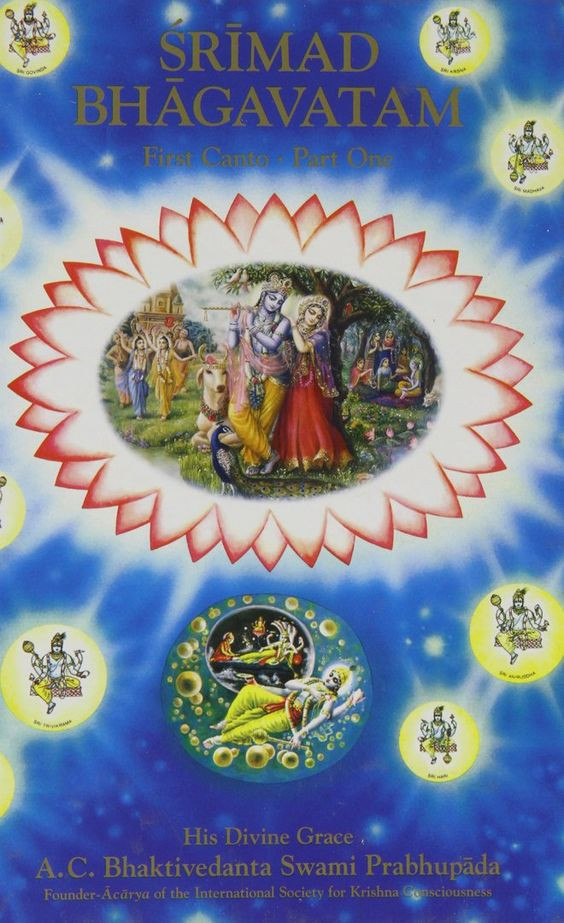 Why to read srimad bhagavatamReading the Srimad Bhagavatam fosters deep spiritual growth by narrating the life and teachings of Lord Krishna,...Read more
 -
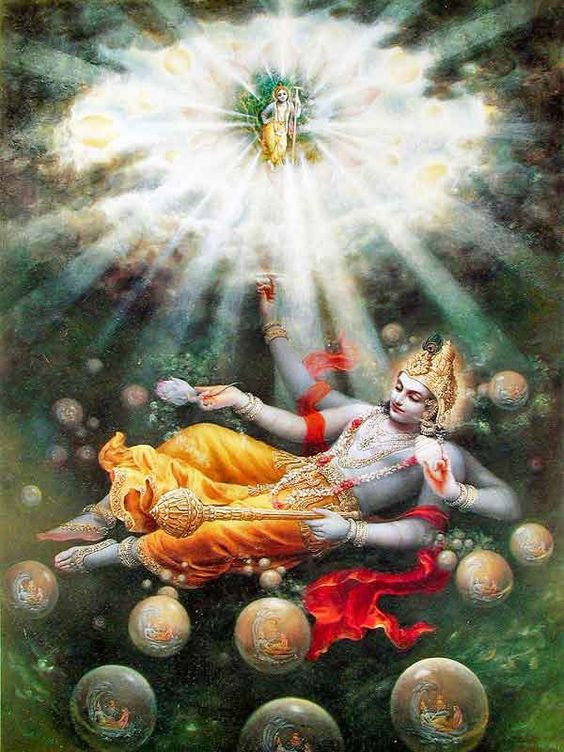 When was srimad bhagavatam written?The Srimad Bhagavatam is believed to have been written around 9th-10th century CE, though its oral traditions date...Read more
 -
 How many chapters are there in srimad bhagavatam?The Srimad Bhagavatam consists of 12 cantos (books) containing 335 chapters in total. Each canto covers various...Read more
 -
 How many skandhas are there in srimad bhagavatamThe Srimad Bhagavatam is divided into 12 skandhas (cantos or books). Each skandha explores different themes,...Read more
 -
 How many slokas in srimad bhagavatamThe Srimad Bhagavatam contains approximately 18,000 shlokas (verses). These verses are spread across its 12 skandhas...Read more
Leave a comment