
Why did Krishna run to embrace a poor brahmin in rags? Read the Sudama story from the Bhagavatam and learn how a...
Latest posts
-
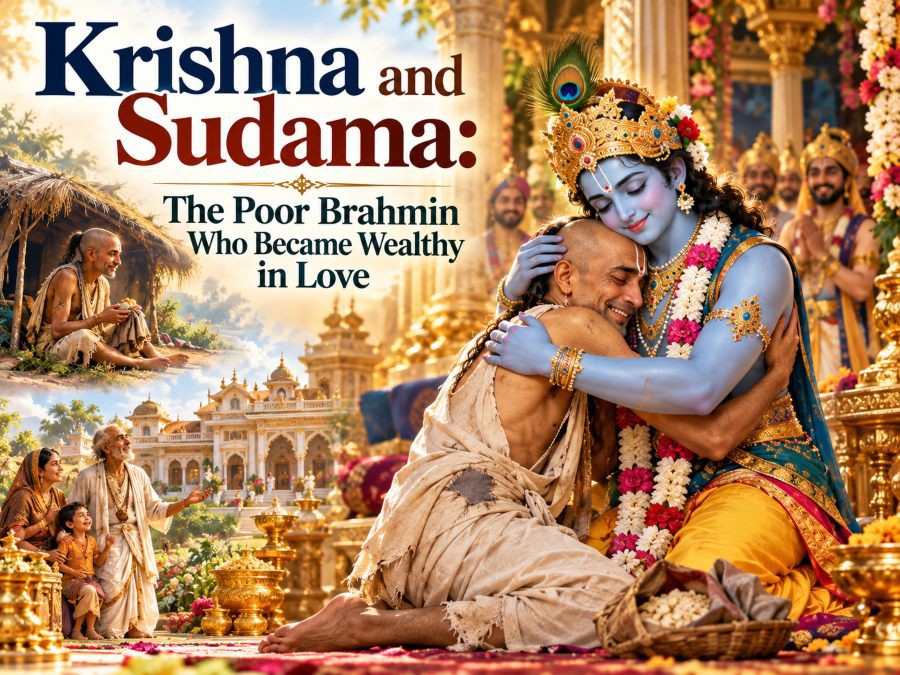 Krishna and Sudama: The Poor Brahmin Who Became Wealthy in LoveRead more
 -
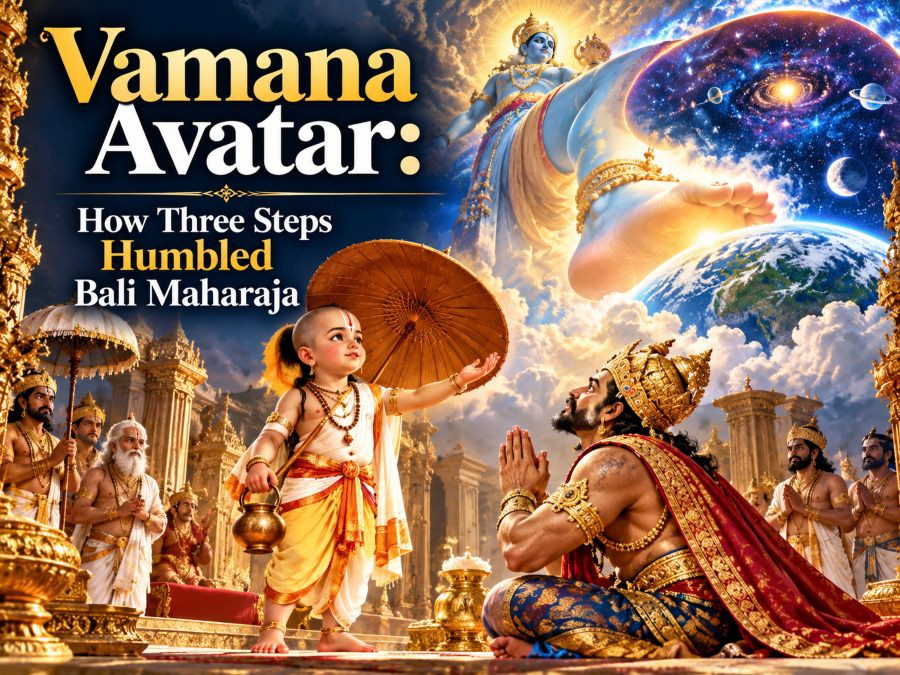 Vamana Avatar: How Three Steps Humbled Bali MaharajaRead more
Why did a powerful king give away three worlds to a boy asking for three steps? Learn the Vamana avatar story from...
-
 The Bhagavatam on Marriage: Duty, Love and Spiritual PartnershipRead more
What does the Bhagavatam say about marriage? Through the stories of Kardama and Devahuti, Rukmini's secret letter and...
-
 What Is Prema? The Bhagavatam's Highest Stage of Love for GodRead more
Prema is love for God with no "because" attached. Learn how the Bhagavatam describes it, the nine steps from faith to...
-
 Is Shiva Parvati Kalyana Mentioned in Srimad Bhagavatam? What the Scripture Really SaysRead more
Looking for Shiva and Parvati's wedding in the Srimad Bhagavatam? Find out what the scripture actually describes,...
-
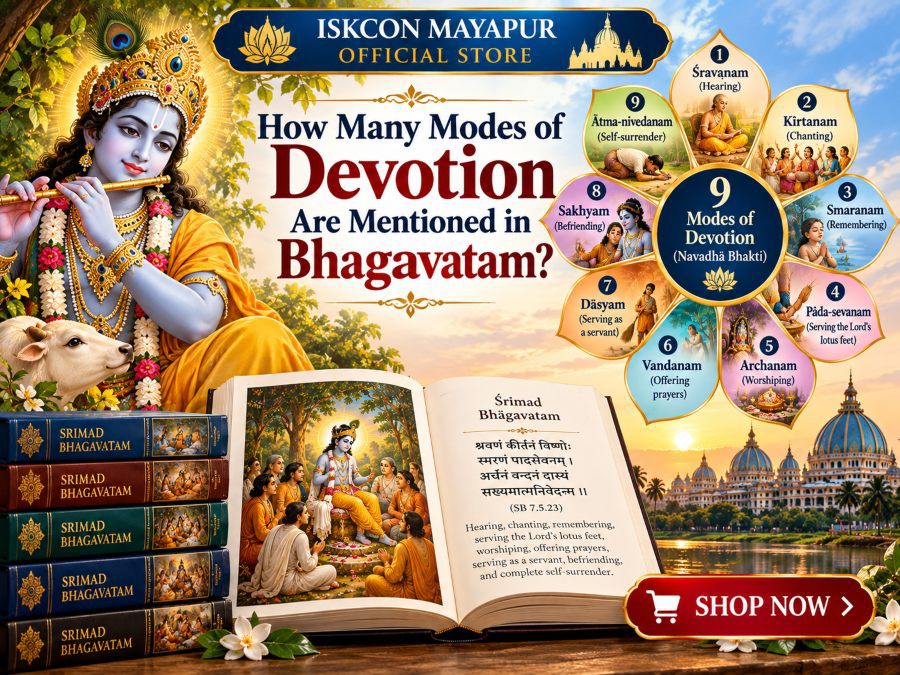 How Many Modes of Devotion Are Mentioned in Bhagavatam?Read more
A young boy named Prahlada listed nine ways to serve God, and the Bhagavatam keeps them as its answer. Learn what the...
-
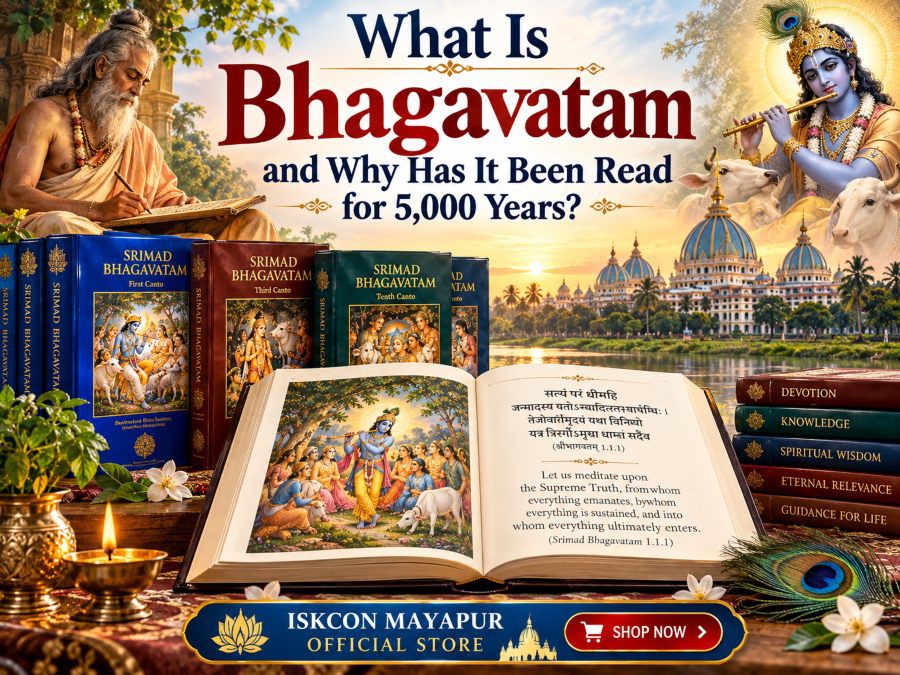 What Is Bhagavatam and Why Has It Been Read for 5,000 Years?Read more
A dying king asked one question, and the answer became the Bhagavatam. Learn what this Sanskrit scripture contains,...
-
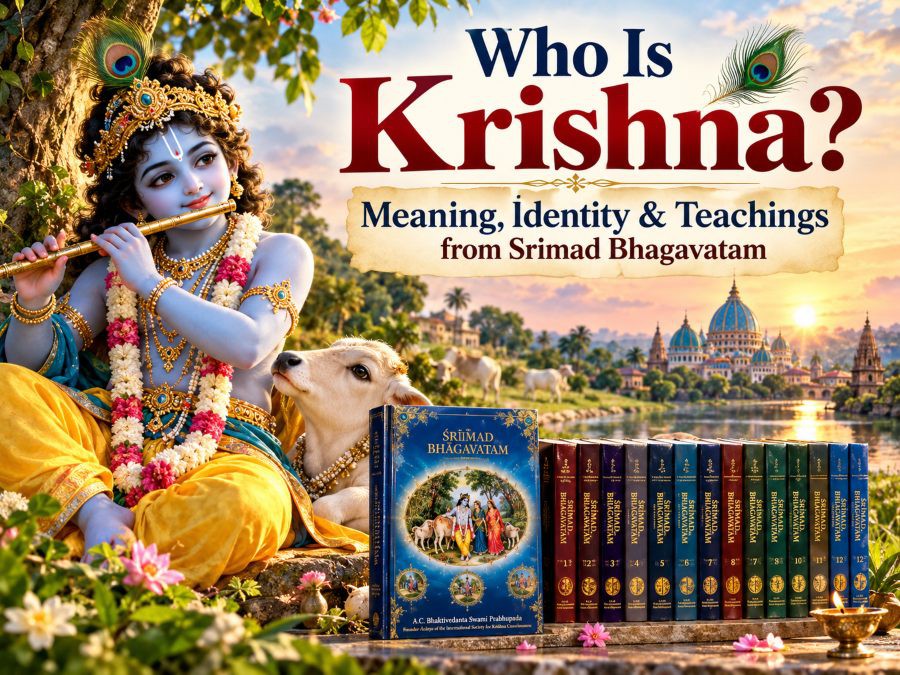 Who Is Lord Krishna? His Meaning, Teachings and Pastimes ExplainedRead more
Discover who Krishna is according to Srimad Bhagavatam, including His divine identity, childhood pastimes, teachings,...
-
 Incense in Islam: Bakhoor, Agarbatti and What Tradition SaysRead more
Is burning fragrance part of Muslim tradition? Explore incense in Islam, from the Prophetic practice of fumigating...
-
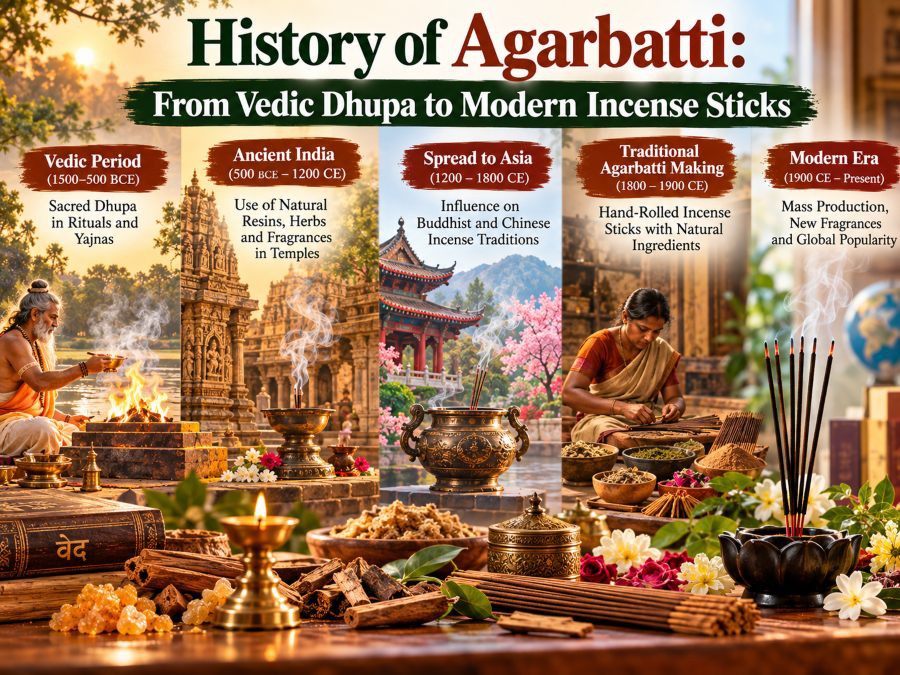 History of Agarbatti: From Vedic Dhupa to Modern Incense SticksRead more
Where did agarbatti really come from? Follow the history of agarbatti from Vedic fire rituals and temple dhupa to...
Blog categories
- Default category (0)
- MUSICAL INSTRUMENT (1)
- BOOK (5)
- DEVOTIONAL GIFT (0)
- Blog (30) click
- CHANDAN (12)
- Bhagavatam Wisdom Series (68)
- Krishna Consciousness (14)
- Mridangam Musical Instrument (6)
- Bhagavad Gita for Beginners (13)
- Bhagavad Gita As It Is (37) click
- Bhagavad Gita As It Is Telugu (0)
- Bhagavad Gita As It Is Marathi (0)
- Bhagavad Gita As It Is In Hindi (0)
- Bhagavad Gita As It Is In English (0)
- Bhagavad Gita As It Is In Bengali (8)
- Bhagavad Gita As It Is In Kannada (0)
- Bhagavad Gita As It Is In Gujarati (0)
- Bhagavad Gita As It Is In Panjabi (0)
- Bhagavad Gita As It Is In Tamil (0)
- Bhagavad Gita As It Is Odia (0)
- BHAGAVAD GITA As It Is GERMAN (0)
- Bhagavad Gita As It Is In French (0)
- Bhagavad Gita As It Is In Nepali (0)
- Bhagavad Gita As It Is In Assamese (0)
- Incense or Agarbatti (38)
- Lord Chaitanya Mahaprabhu (3)
- Vedic Temple Mayapur (14)
- kalki (15)
- Mahabharata – Dharma & Destiny (27)
- Vaishnava Scriptures (4)
- healthy product (4)
- chaitanya mahaprabhu (5)
- Tulsi Mala Guide (17)
Search in blog
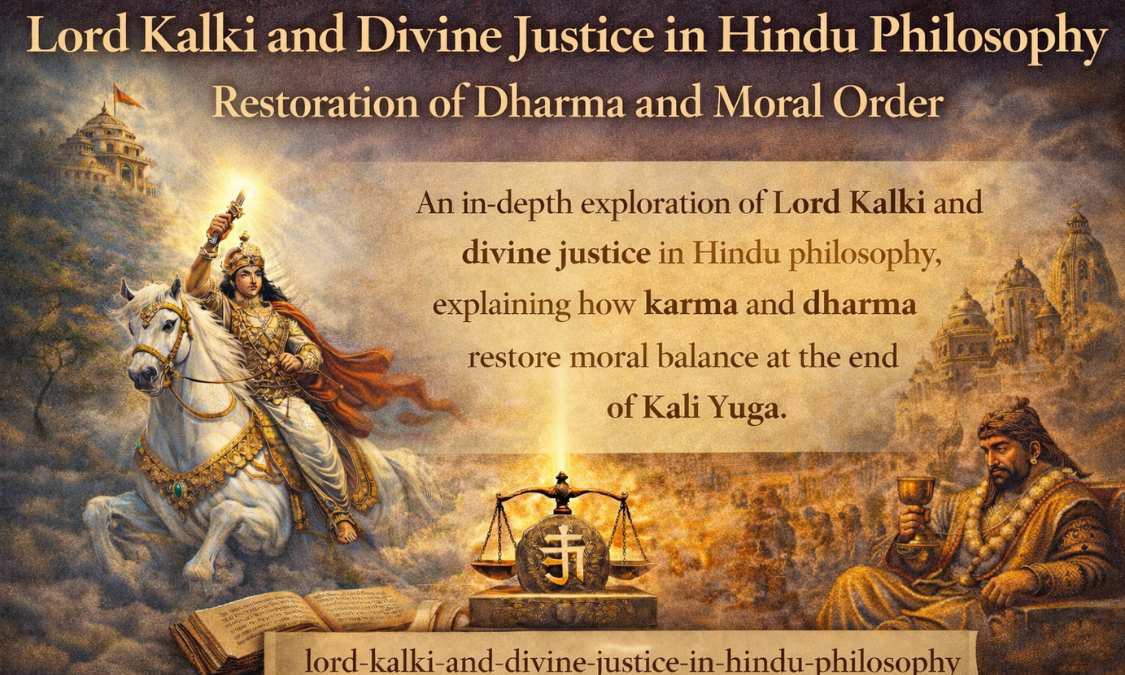
Lord Kalki and Divine Justice in Hindu Philosophy: Restoration of Dharma and Moral Order
Lord Kalki and Divine Justice in Hindu Philosophy
Introduction: Why Divine Justice Matters in Hindu Philosophy
Human history repeatedly shows that justice is fragile. Laws can be manipulated, power can silence truth, and morality often bends under influence. Hindu philosophy recognizes this limitation of human systems and therefore introduces a higher principle known as divine justice—a cosmic law that operates beyond courts, rulers, and institutions.
Within this framework, Lord Kalki emerges as the final and most decisive expression of divine justice. Unlike symbolic moral teachings alone, Hindu philosophy presents Lord Kalki as an active corrective force, appearing when injustice becomes irreversible and adharma dominates every layer of society.
This article presents a exploration of Lord Kalki and divine justice in Hindu philosophy, explaining how justice functions cosmically, why Lord Kalki is necessary, and what His role teaches humanity across all ages.
READ ALSO:- Lord Kalki in Vedic Scriptures: Role, Mission, and Divine Justice
Divine Justice in Hindu Philosophy: A Cosmic Law
Justice Beyond Human Judgment
In Hindu philosophy, justice is not dependent solely on human institutions. While courts and governance play a role, true justice is embedded in the universe itself.
Divine justice is:
- Impartial
- Inescapable
- Timeless
- Perfectly proportional
Unlike human justice, it cannot be bribed, delayed indefinitely, or distorted by power.
.jpg)
The Moral Architecture of the Universe
Hindu philosophy teaches that the universe operates on ṛta—cosmic order. Justice is not imposed from outside; it flows naturally from actions.
This understanding leads to one fundamental principle:
No action exists without consequence.
This principle prepares the philosophical ground for understanding Lord Kalki.
Karma: The Engine of Divine Justice
Karma as Moral Mathematics
At the heart of divine justice lies karma. Karma is not fate or punishment; it is cause and effect applied to moral action.
- Dharma-aligned actions generate harmony
- Adharma-driven actions generate suffering
- Time determines delivery, not escape
Divine justice uses karma as its primary mechanism.
Collective Karma and Civilizational Collapse
Hindu philosophy recognizes collective karma—when societies repeatedly normalize injustice, consequences manifest at a civilizational scale.
Lord Kalki appears when collective karma reaches critical mass, making restoration through guidance impossible.
Kali Yuga: The Age That Tests Justice
Moral Decline as a Philosophical Condition
Kali Yuga is not merely a timeline; it is a state of moral consciousness.
Characteristics include:
- Truth becomes negotiable
- Power replaces virtue
- Justice serves influence
- Ethics become relative
In such an age, divine justice must take a visible, decisive form—this is where Lord Kalki enters.
Who Is Lord Kalki in Hindu Philosophy?
Lord Kalki is described as:
- The final avatar of Lord Vishnu
- The embodiment of divine justice
- The restorer of dharma
- The terminator of irreversible adharma
His existence reassures that moral law cannot be permanently suppressed.
Scriptural Foundations of Lord Kalki
The philosophy of Lord Kalki is primarily articulated in:
- Sri Kalki Purana
- Vishnu-centric Puranic teachings
- Hindu cosmological texts on Yugas
Among these, the Sri Kalki Purana offers the most concentrated exposition of divine justice through Kalki.
READ ALSO:- What Is the Mission of Lord Kalki According to Scriptures?
Why Divine Justice Requires Lord Kalki
Failure of Human Correction
Hindu philosophy emphasizes that divine intervention is never the first step. Society is given opportunities to reform through:
- Wisdom
- Leadership
- Spiritual discipline
Lord Kalki appears only when:
- Justice systems collapse entirely
- Corruption becomes structural
- Moral conscience disappears
At this stage, divine justice must act externally, not subtly.
Lord Kalki as the Embodiment of Divine Justice
Justice Without Emotion
A defining feature of divine justice is detachment.
Lord Kalki:
- Is not driven by anger
- Is not influenced by ego
- Does not act selectively
His justice is lawful, not emotional—making it fundamentally different from revenge.
Precision Over Chaos
Hindu philosophy does not portray Lord Kalki as destructive chaos. His justice is:
- Targeted
- Purposeful
- Corrective
Only entrenched adharma faces removal; righteousness is preserved.
Symbolism Explaining Divine Justice
The White Horse
The white horse symbolizes:
- Purity of judgment
- Speed of moral correction
- Transparency of action
Justice arrives swiftly once its time has come.
The Sword of Truth
The sword represents:
- Truth cutting through illusion
- Knowledge destroying ignorance
- Separation of dharma from adharma
This symbolism clarifies that clarity precedes correction.
Protection as an Aspect of Divine Justice
Divine justice is not merely punitive—it is protective.
Hindu philosophy emphasizes:
- The righteous are shielded
- Devotion acts as refuge
- Dharma survives through individuals
Justice that protects truth is superior to justice that only punishes wrongdoing.
Divine Justice vs Human Justice
Human Justice | Divine Justice |
Influenced by power | Immune to power |
Delayed by corruption | Timely and precise |
Emotion-driven | Detached and lawful |
Often incomplete | Always fulfilled |
Lord Kalki represents the completion of justice, not its beginning.
READ ALSO:- Role of Lord Kalki in Restoring Dharma
Lord Kalki and Moral Accountability
No Escape From Moral Law
One of the strongest messages of Hindu philosophy is:
No civilization escapes moral accountability.
Lord Kalki exists as the final checkpoint when accountability collapses entirely.
Justice Without Favoritism
Divine justice does not recognize:
- Wealth
- Status
- Authority
It recognizes alignment with dharma alone.
Divine Justice as Restoration, Not Punishment
Hindu philosophy stresses that:
- Punishment is not the goal
- Restoration is the purpose
Lord Kalki removes corruption to allow harmony to return.
End of Kali Yuga: Justice Completed
Transition to Satya Yuga
Lord Kalki’s justice culminates in:
- End of Kali Yuga
- Renewal of dharma
- Beginning of Satya Yuga
Justice here is cosmic renewal, not annihilation.
Ethical Message for Humanity
The philosophy of Lord Kalki delivers a timeless message:
- Justice delayed is not justice denied
- Power without ethics collapses
- Truth cannot be erased—only postponed
This message applies to individuals, institutions, and civilizations.
Individual Responsibility Before Divine Justice
Hindu philosophy does not encourage passivity. It teaches:
- Divine justice responds to collective behavior
- Individual integrity strengthens dharma
- Silence supports injustice
Every choice contributes to the balance.
Why Lord Kalki Represents Hope
Despite dramatic imagery, Lord Kalki symbolizes:
- Moral certainty
- Restoration of balance
- Divine responsibility
He reassures humanity that darkness is temporary.
Relevance of Divine Justice Today
Modern society mirrors many Kali Yuga traits:
- Ethical relativism
- Institutional corruption
- Spiritual confusion
Lord Kalki’s philosophy reminds us that justice is woven into existence itself.
The Ultimate Teaching of Hindu Philosophy
Hindu philosophy concludes with one unshakable truth:
Dharma may weaken, but it can never be destroyed.
Lord Kalki stands as the final guardian of that truth.
Conclusion: Lord Kalki as the Fulfillment of Divine Justice
In Hindu philosophy, Lord Kalki is not a mythological threat but a moral guarantee.
He exists to ensure that:
- Justice is completed
- Dharma is restored
- Truth governs reality
When human justice collapses, divine justice awakens.
When morality fades, restoration begins.
Lord Kalki represents the inevitable triumph of truth over illusion, justice over power, and dharma over adharma.
Posted in: Kalki
Related posts
-
 When Kalki Will Be Born: The Final Avatar of Lord VishnuLord Kalki, Vishnu’s final avatar, is prophesied to appear at the end of Kali Yuga to destroy evil and restore...Read more
 -
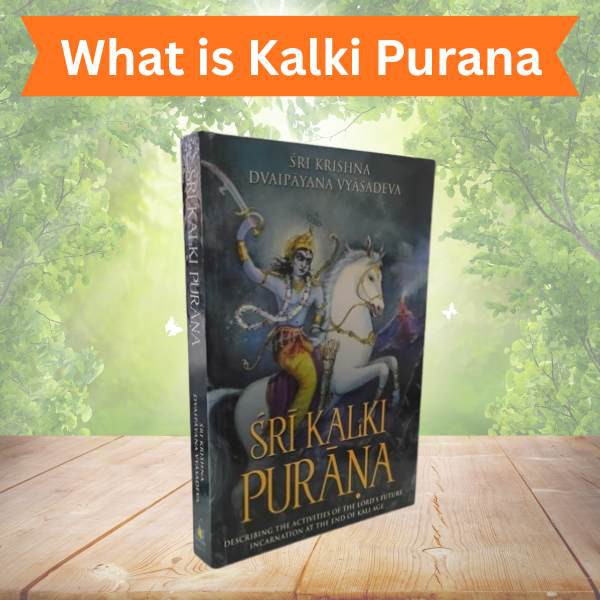 What Is the Kalki Purana? The Kalki Purana describes the prophecy of Lord Kalki, His appearance, mission, battles, and role in ending Kali...Read more
 -
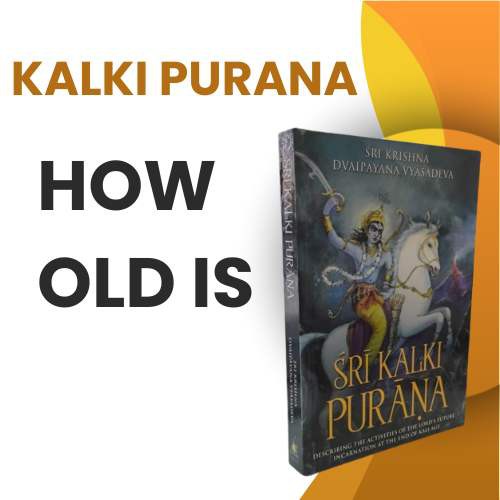 How Old Is Kalki Purana? Explore the true age of the Kalki Purana—its origins, history, and prophecy. Learn traditional beliefs, scholarly...Read more
 -
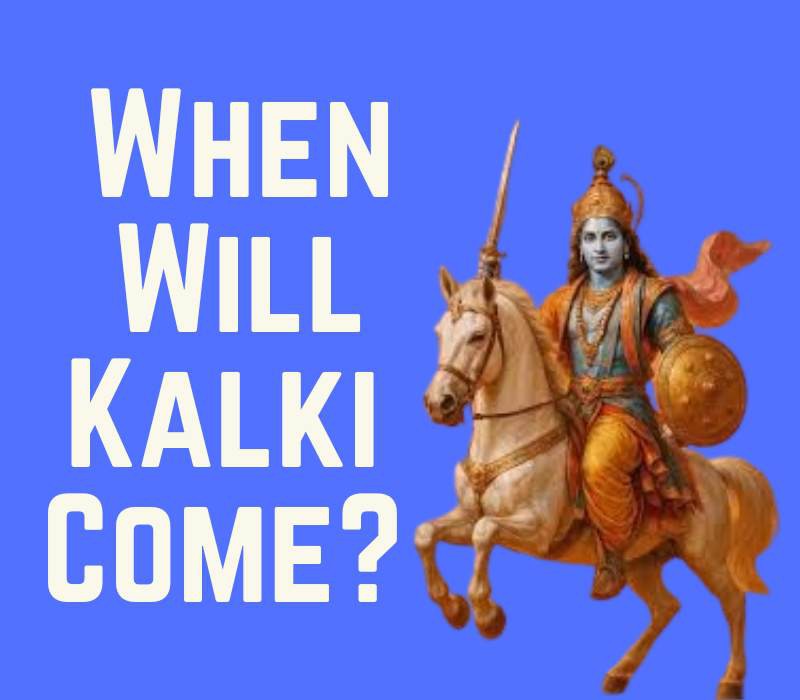 When Will Kalki Come? This article explains when Kalki Avatar will appear, what the scriptures say about His arrival, signs of Kali Yuga,...Read more
 -
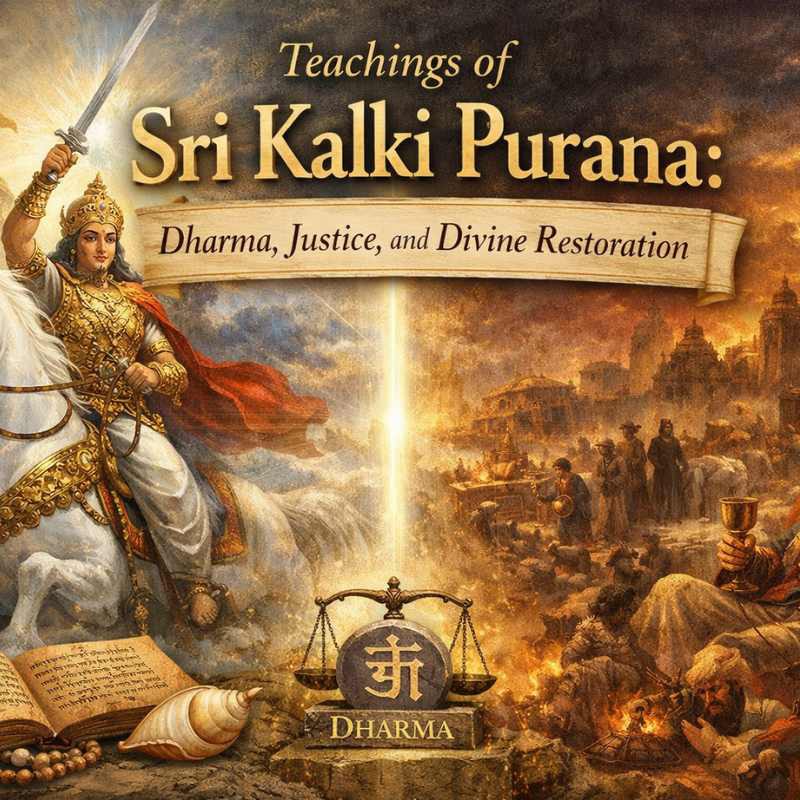 Teachings of Sri Kalki Purana: Dharma, Justice, and Divine RestorationAn in-depth article explaining the teachings of the Sri Kalki Purana, highlighting dharma, divine justice, and the...Read more
Leave a comment