
Explore Srimad Bhagavatam Canto 11, where Lord Krishna shares His final and most profound teachings with Uddhava on...
Latest posts
-
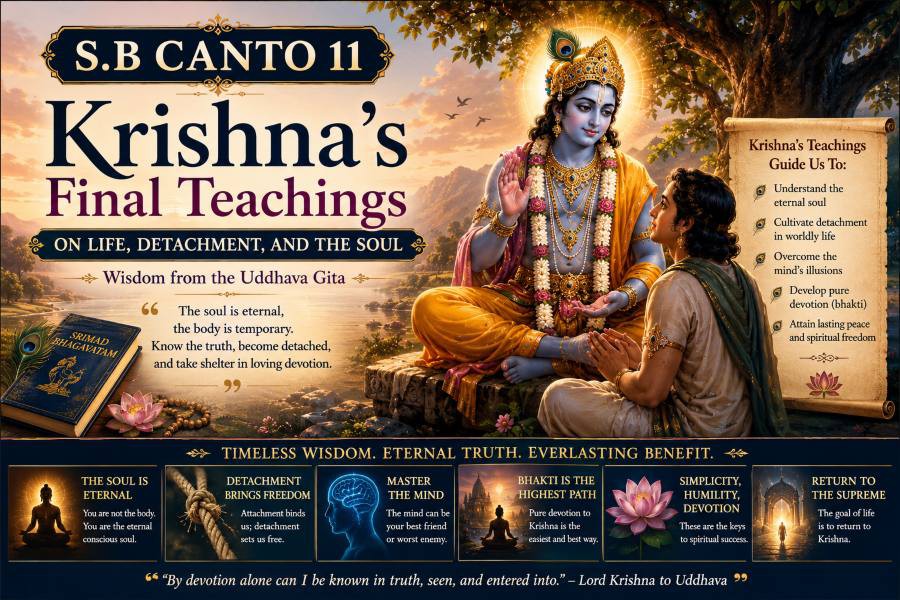 S.B Canto 11 — Krishna’s Final Teachings on Life, Detachment, and the SoulRead more
 -
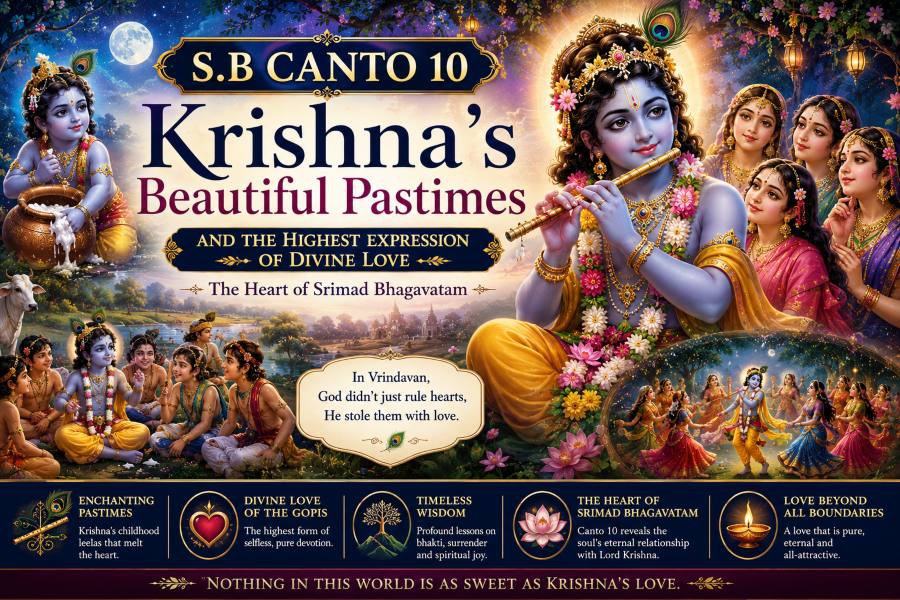 S.B Canto 10 — Krishna’s Beautiful Pastimes and the Highest Expression of Divine LoveRead more
Explore Srimad Bhagavatam Canto 10, the heart of the Bhagavatam, where Lord Krishna's enchanting childhood pastimes,...
-
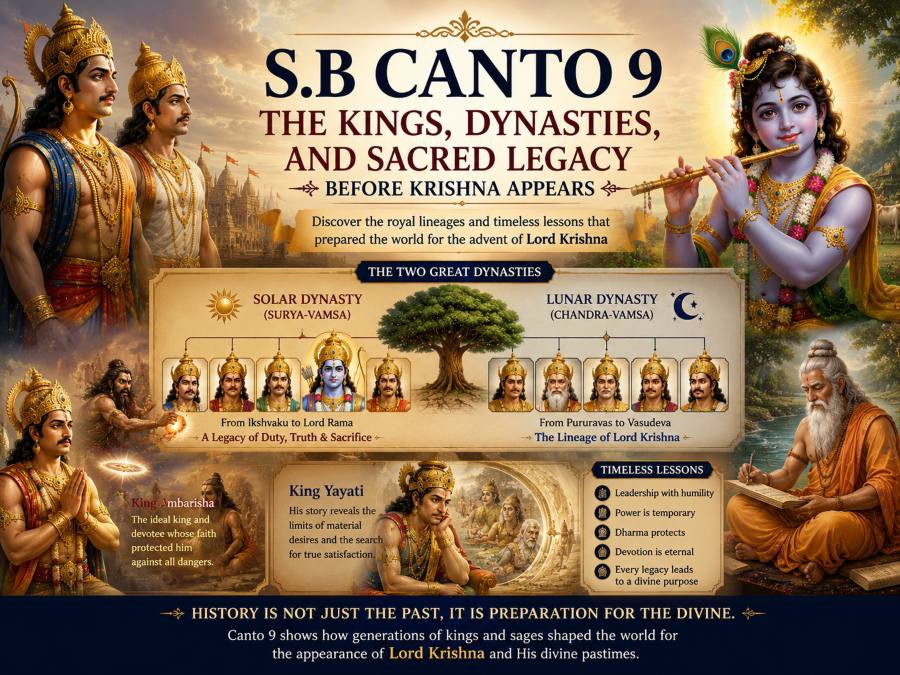 S.B Canto 9: The Kings, Dynasties, and Sacred Legacy Before Krishna AppearsRead more
Explore Srimad Bhagavatam Canto 9 and uncover the remarkable stories of ancient kings, royal dynasties, and sacred...
-
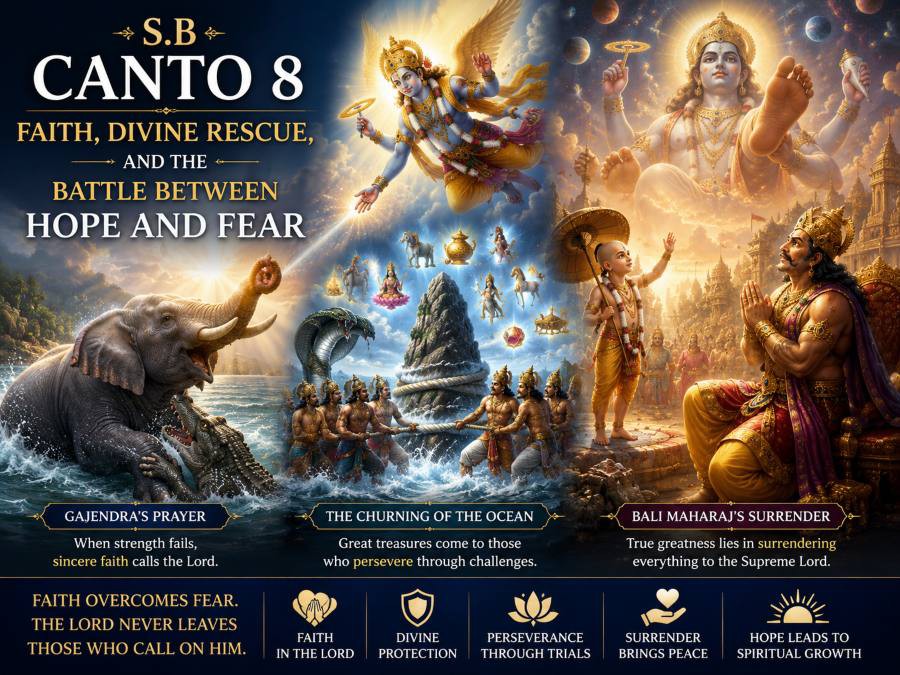 Srimad Bhagavatam Canto 8: How Faith Triumphs Over FearRead more
Explore Srimad Bhagavatam Canto 8, where the inspiring stories of Gajendra, the churning of the Milk Ocean, and Bali...
-
 S.B Canto 7: Prahlada Maharaj and the Fearless Heart of DevotionRead more
Explore Srimad Bhagavatam Canto 7 and discover the inspiring story of Prahlada Maharaj, whose unwavering devotion to...
-
 S.B Canto 6: How Mercy Can Change Even the Darkest LifeRead more
Discover the inspiring lessons of Srimad Bhagavatam Canto 6, where the story of Ajamila reveals how divine mercy,...
-
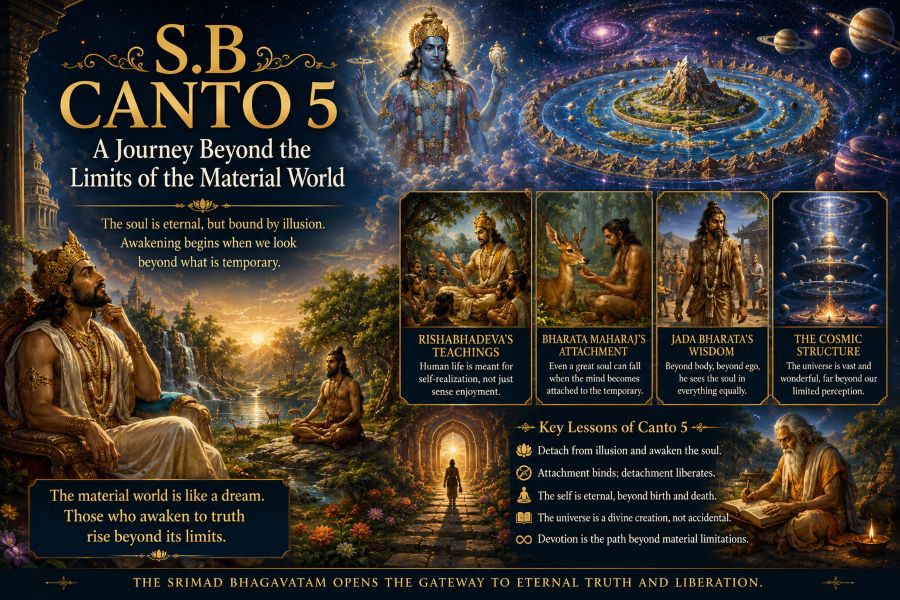 Srimad Bhagavatam Canto 5: A Journey Beyond the Limits of the Material WorldRead more
Discover how Srimad Bhagavatam Canto 5 explores cosmic creation, spiritual awakening, material illusion, and the...
-
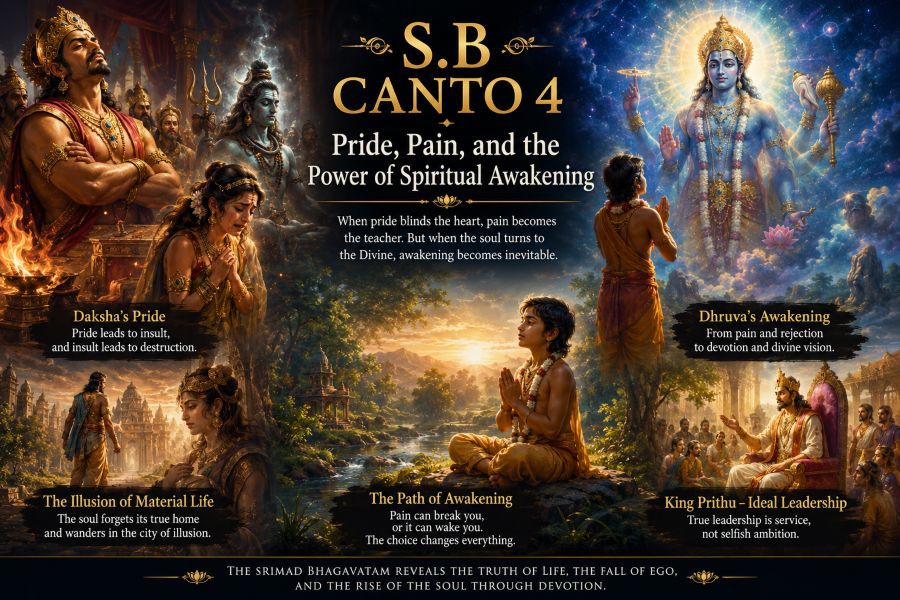 Srimad Bhagavatam Canto 4: The Pain of Pride and the Journey Back to the SoulRead more
Discover how Srimad Bhagavatam Canto 4 explores pride, rejection, devotion, spiritual awakening, and the emotional...
-
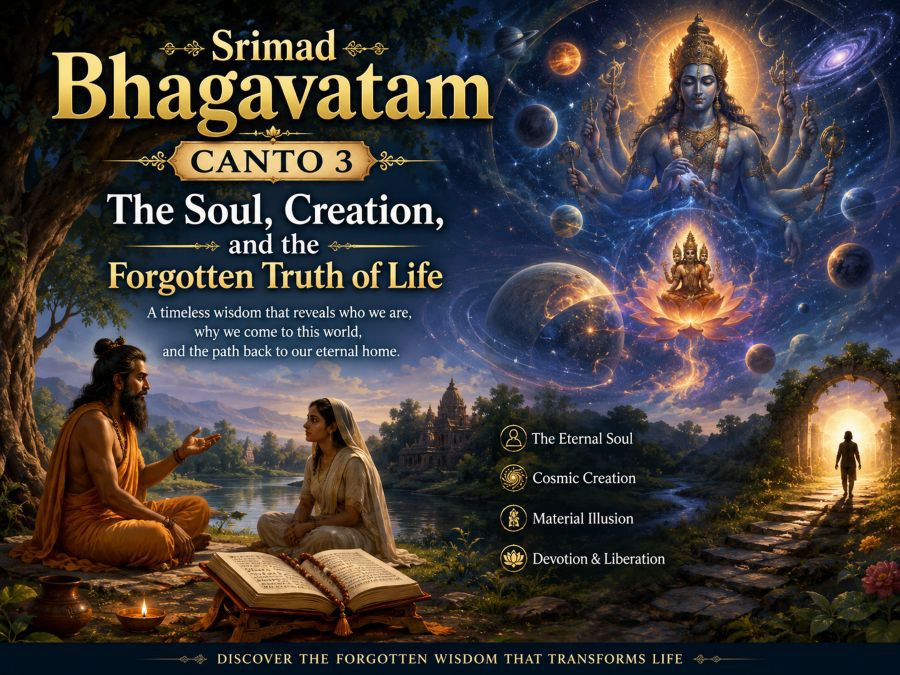 Srimad Bhagavatam Canto 3: The Soul, Creation, and the Forgotten Truth of LifeRead more
Discover how Srimad Bhagavatam Canto 3 explains the soul, creation, consciousness, and the forgotten spiritual truth...
-
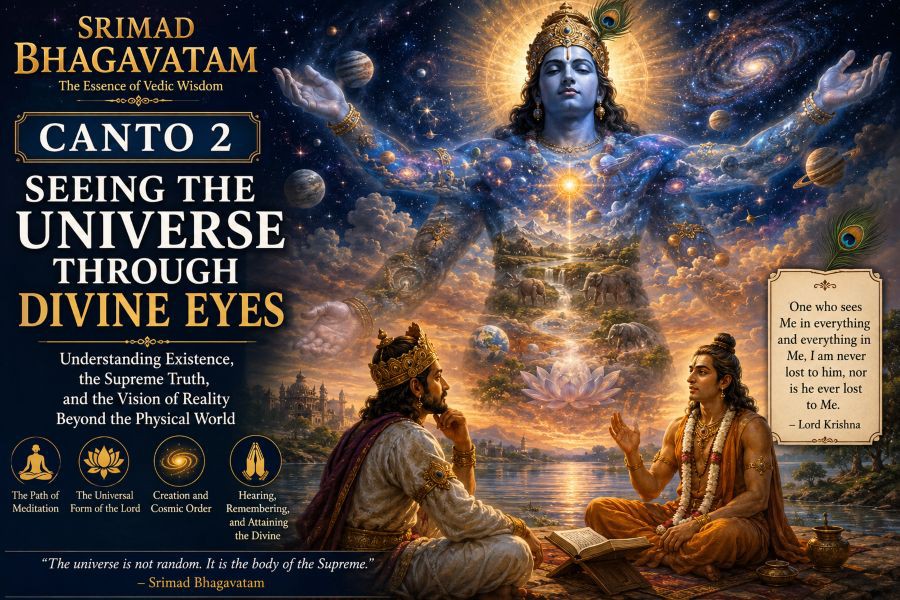 Srimad Bhagavatam Canto 2: Seeing the Universe Through Divine EyesRead more
Discover how Srimad Bhagavatam Canto 2 explains the cosmic form of the Lord, spiritual vision, meditation, creation,...
Blog categories
- Default category (0)
- MUSICAL INSTRUMENT (1)
- BOOK (5)
- DEVOTIONAL GIFT (0)
- Blog (30) click
- CHANDAN (12)
- Bhagavatam Wisdom Series (43)
- Krishna Consciousness (5)
- Mridangam Musical Instrument (6)
- Bhagavad Gita for Beginners (13)
- Bhagavad Gita As It Is (13) click
- Bhagavad Gita As It Is Telugu (0)
- Bhagavad Gita As It Is Marathi (0)
- Bhagavad Gita As It Is In Hindi (0)
- Bhagavad Gita As It Is In English (0)
- Bhagavad Gita As It Is In Bengali (8)
- Bhagavad Gita As It Is In Kannada (0)
- Bhagavad Gita As It Is In Gujarati (0)
- Bhagavad Gita As It Is In Panjabi (0)
- Bhagavad Gita As It Is In Tamil (0)
- Bhagavad Gita As It Is Odia (0)
- BHAGAVAD GITA As It Is GERMAN (0)
- Bhagavad Gita As It Is In French (0)
- Bhagavad Gita As It Is In Nepali (0)
- Bhagavad Gita As It Is In Assamese (0)
- Incense or Agarbatti (6)
- Lord Chaitanya Mahaprabhu (3)
- Vedic Temple Mayapur (16)
- kalki (15)
- Mahabharata – Dharma & Destiny (27)
- Vaishnava Scriptures (4)
- healthy product (4)
- chaitanya mahaprabhu (5)
Search in blog
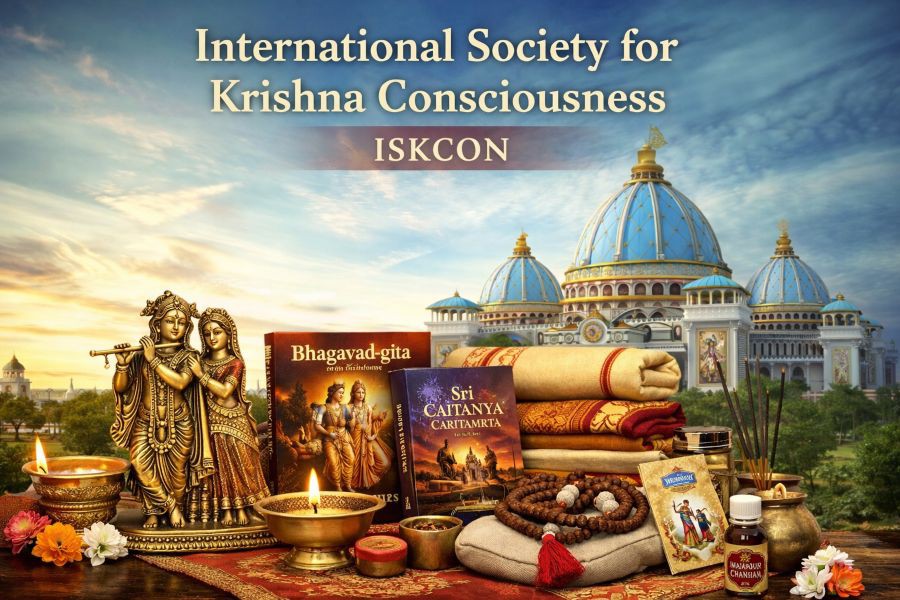
ISKCON: The International Society for Krishna Consciousness
The International Society for Krishna Consciousness (ISKCON): A Global Spiritual Movement of Devotion and Wisdom
The International Society for Krishna Consciousness (ISKCON) is one of the most recognized spiritual organizations in the world, dedicated to spreading the teachings of Bhakti Yoga and the timeless wisdom of Vedic philosophy. Established in 1966 in New York City, ISKCON has grown from a small devotional gathering into a worldwide spiritual movement with temples, cultural centers, educational initiatives, and humanitarian projects across continents. Its influence extends beyond religion, touching areas such as philosophy, culture, community service, vegetarian lifestyle promotion, and spiritual education.
This article explores ISKCON’s history, philosophy, practices, global impact, cultural contributions, and relevance in modern life.
The Foundation and Historical Background
ISKCON was founded by His Divine Grace A.C. Bhaktivedanta Swami Prabhupada, a respected Vaishnava teacher who carried the message of Lord Krishna to the Western world. At the age of 69, he traveled from India to the United States with a mission to share the teachings of the Bhagavad Gita and other Vedic scriptures. Despite numerous challenges, his dedication attracted sincere followers who resonated with his message of devotion, simplicity, and spiritual awareness.
From its early beginnings in New York’s Lower East Side, the movement quickly spread across North America, Europe, Asia, Africa, and beyond. Today, ISKCON temples and communities exist in hundreds of cities worldwide, making it one of the most influential contemporary expressions of Gaudiya Vaishnavism.

Core Philosophy of Krishna Consciousness
At the heart of ISKCON lies the philosophy of Bhakti Yoga — the path of loving devotional service to Lord Krishna. According to Vedic teachings, Krishna is understood as the Supreme Personality of Godhead, and cultivating a personal relationship with Him leads to spiritual fulfillment and liberation.
Key philosophical principles include:
- The soul is eternal and distinct from the temporary body.
- True happiness arises from spiritual connection, not material accumulation.
- Chanting God’s holy names purifies consciousness.
- Compassion, humility, and service are essential spiritual qualities.
- Living in harmony with nature and ethical values supports inner peace.
These teachings emphasize practical spirituality rather than abstract theory, encouraging daily application in personal life.
The Practice of Bhakti Yoga
ISKCON promotes devotional practices that help individuals cultivate spiritual awareness. Among these, chanting the Hare Krishna maha-mantra holds central importance:
Hare Krishna Hare Krishna Krishna Krishna Hare Hare
Hare Rama Hare Rama Rama Rama Hare Hare
Chanting is believed to purify the mind, reduce stress, and foster spiritual connection. Devotees often chant individually using prayer beads or participate in congregational singing known as kirtan.
Other practices include:
- Studying sacred scriptures such as the Bhagavad Gita and Srimad Bhagavatam.
- Offering vegetarian food to Krishna before consumption (prasadam).
- Participating in temple worship and festivals.
- Living ethically with compassion toward all beings.
These practices aim to integrate spirituality into everyday life.
ISKCON’s Global Cultural Impact
ISKCON has significantly influenced global awareness of Indian spiritual culture. Yoga philosophy, mantra meditation, vegetarianism, and devotional music have gained wider acceptance partly due to ISKCON’s outreach.
Temples often serve as cultural hubs offering:
- Spiritual education programs
- Sanskrit and philosophy classes
- Devotional music events
- Traditional art and dance exhibitions
- Community festivals celebrating Vedic traditions
Through these activities, ISKCON fosters cross-cultural understanding while preserving ancient wisdom.
Educational Contributions and Literature
One of ISKCON’s greatest contributions is its extensive body of spiritual literature. Books translated into dozens of languages make Vedic philosophy accessible globally. These texts address existential questions, ethical dilemmas, and spiritual growth in a modern context.
Educational initiatives include:
- Gurukula schools teaching Vedic values alongside modern subjects
- Online courses in philosophy and meditation
- Academic collaborations exploring Hindu studies
- Youth programs encouraging ethical development
Such educational efforts ensure the continuity of spiritual knowledge across generations.
Humanitarian and Social Service Activities
ISKCON is widely recognized for humanitarian programs that reflect its principle of compassion. Among the most notable initiatives is food distribution, often referred to as prasadam distribution. Millions of meals are served annually worldwide, supporting underprivileged communities, disaster relief efforts, and educational institutions.
Other social contributions include:
- Free medical camps and wellness programs
- Environmental awareness initiatives
- Addiction recovery support through spiritual practices
- Community counseling and youth mentorship
These activities demonstrate how spirituality can inspire practical service to society.
The Importance of Vegetarian Lifestyle
Vegetarianism forms a significant aspect of ISKCON practice. Devotees adopt a lacto-vegetarian diet based on nonviolence (ahimsa) and respect for all living beings. Food is first offered in devotion to Krishna, transforming it into prasadam, which is considered spiritually purifying.
Benefits often associated with this lifestyle include:
- Ethical alignment with compassion
- Health advantages from balanced plant-based diets
- Environmental sustainability
- Enhanced mindfulness around food consumption
This approach reflects a holistic view of physical, ethical, and spiritual well-being.
Festivals and Devotional Celebrations
ISKCON temples worldwide celebrate vibrant festivals that attract both devotees and visitors. Major events include:
- Janmashtami (appearance day of Lord Krishna)
- Gaura Purnima (appearance of Chaitanya Mahaprabhu)
- Ratha Yatra (Chariot Festival)
- Diwali and other traditional observances
These celebrations combine devotion, music, cultural expression, and community bonding. They also provide opportunities for newcomers to experience spiritual culture firsthand.
The Role of Temples and Spiritual Communities
ISKCON temples serve multiple purposes beyond worship. They function as spiritual learning centers, community gathering places, cultural preservation hubs, and humanitarian service bases.
Temple environments often offer:
- Daily worship ceremonies
- Meditation sessions
- Scriptural discussions
- Volunteer opportunities
- Spiritual counseling
For many, temples become supportive communities that encourage ethical living and emotional well-being.
Relevance in Modern Life
In an era characterized by stress, rapid technological change, and social fragmentation, ISKCON’s teachings offer practical guidance. Concepts such as mindful living, compassion, ethical consumption, and spiritual reflection resonate strongly with contemporary challenges.
Many individuals find that Bhakti Yoga helps:
- Reduce anxiety through meditation and chanting
- Improve emotional resilience
- Foster meaningful relationships
- Develop a sense of purpose
- Balance material and spiritual aspirations
This relevance explains the movement’s continued global growth.
Youth Engagement and Future Vision
ISKCON actively engages younger generations through educational programs, music, digital media, and cultural initiatives. Youth groups often organize retreats, discussions, volunteer work, and creative projects that connect tradition with modern interests.
The future vision includes:
- Expanding educational outreach
- Promoting sustainable lifestyles
- Encouraging interfaith dialogue
- Supporting mental health through spirituality
- Strengthening global devotional communities
Such initiatives ensure the movement’s ongoing relevance.
Common Misconceptions About ISKCON
Despite its global presence, misunderstandings sometimes arise. Some people mistakenly view ISKCON as isolated or rigid. In reality, many communities emphasize inclusivity, cultural dialogue, and practical spirituality rather than strict dogma.
The movement welcomes people from diverse backgrounds who are interested in spiritual growth, ethical living, and philosophical exploration.
Spiritual Tourism and Pilgrimage
ISKCON temples, particularly in India, attract pilgrims and tourists seeking spiritual experience. Places like Mayapur, Vrindavan, and other sacred sites offer immersive devotional environments that inspire reflection and cultural appreciation.
Pilgrimage often strengthens personal faith and provides a deeper understanding of spiritual heritage.
Environmental Awareness and Sustainability
Modern ISKCON initiatives increasingly focus on eco-friendly living. Farm communities, cow protection programs, organic agriculture, and sustainable practices reflect Vedic principles of harmony with nature.
These efforts align with global environmental concerns and demonstrate how spiritual values can support ecological responsibility.
Personal Transformation Through Devotion
Many individuals associated with ISKCON describe profound personal changes, including increased emotional stability, ethical clarity, and spiritual awareness. Regular chanting, study, and community support often lead to lasting positive habits.
Transformation typically involves:
- Greater self-awareness
- Compassionate outlook
- Balanced lifestyle
- Spiritual confidence
- Enhanced mental peace
Such changes illustrate the practical impact of devotional practice.
Conclusion
The International Society for Krishna Consciousness stands as a significant global spiritual movement rooted in ancient Vedic wisdom yet deeply relevant to modern life. Through devotional practices, philosophical education, humanitarian service, cultural preservation, and community building, ISKCON continues to inspire millions worldwide.
Its message emphasizes that true happiness arises not merely from material success but from spiritual connection, ethical living, and compassionate service. Whether through chanting meditation, studying sacred literature, participating in festivals, or engaging in community service, individuals find meaningful pathways toward inner fulfillment.
As the world increasingly seeks balance, purpose, and peace, the teachings of Krishna consciousness remain a valuable guide — reminding humanity that devotion, humility, and love form the foundation of genuine well-being.
Posted in: Blog
Related posts
-
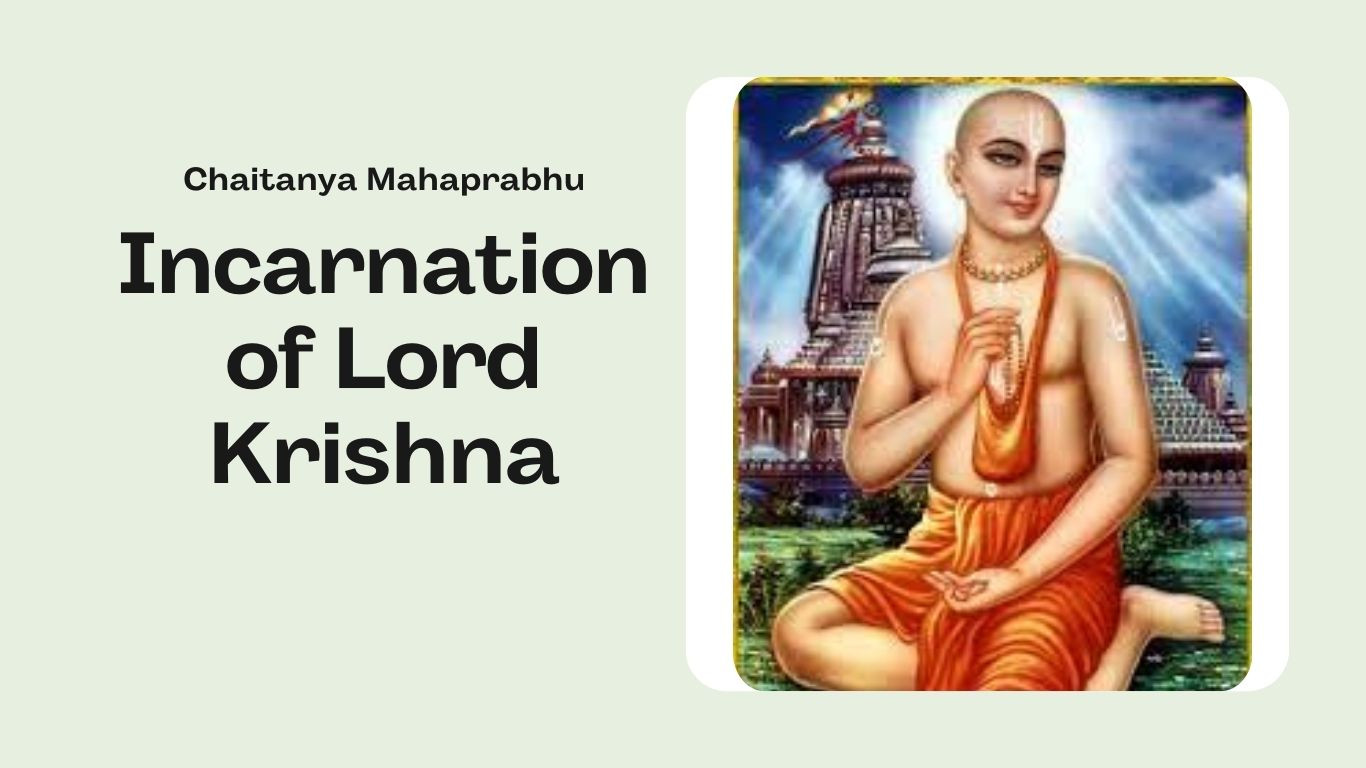 Who is chaitanya mahaprabhu?Chaitanya Mahaprabhu (1486–1534) was a prominent saint and philosopher in India, widely recognized as an incarnation...Read more
 -
 Chaitanya Mahaprabhu - The Avatar of VishnuChaitanya Mahaprabhu, revered as an incarnation of Lord Krishna, is one of the most significant spiritual figures in...Read more
 -
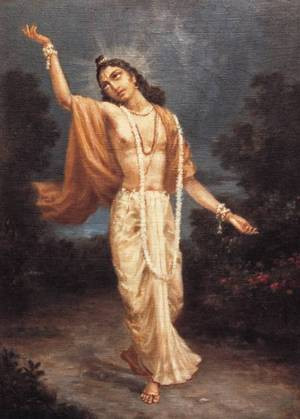 Was chaitanya mahaprabhu married?Chaitanya Mahaprabhu was married twice in his early life before he renounced the world to embrace the path of...Read more
 -
 Why did chaitanya mahaprabhu appear?Chaitanya Mahaprabhu, considered by his followers as an incarnation of Lord Krishna, appeared on earth to revive and...Read more
 -
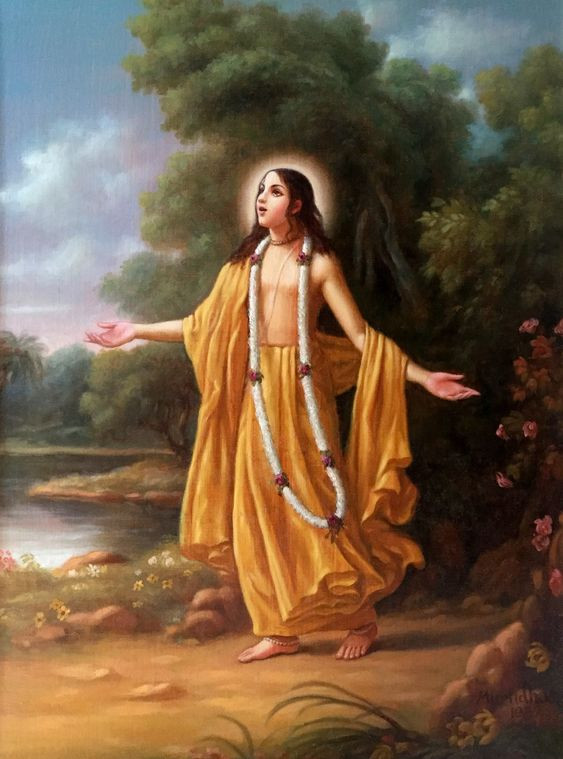 Who was chaitanya mahaprabhu wife?Chaitanya Mahaprabhu, one of the most revered spiritual leaders and mystics of India, was married twice in his early...Read more
Leave a comment