
Why did Krishna run to embrace a poor brahmin in rags? Read the Sudama story from the Bhagavatam and learn how a...
Latest posts
-
 Krishna and Sudama: The Poor Brahmin Who Became Wealthy in LoveRead more
 -
 Vamana Avatar: How Three Steps Humbled Bali MaharajaRead more
Why did a powerful king give away three worlds to a boy asking for three steps? Learn the Vamana avatar story from...
-
 The Bhagavatam on Marriage: Duty, Love and Spiritual PartnershipRead more
What does the Bhagavatam say about marriage? Through the stories of Kardama and Devahuti, Rukmini's secret letter and...
-
 What Is Prema? The Bhagavatam's Highest Stage of Love for GodRead more
Prema is love for God with no "because" attached. Learn how the Bhagavatam describes it, the nine steps from faith to...
-
 Is Shiva Parvati Kalyana Mentioned in Srimad Bhagavatam? What the Scripture Really SaysRead more
Looking for Shiva and Parvati's wedding in the Srimad Bhagavatam? Find out what the scripture actually describes,...
-
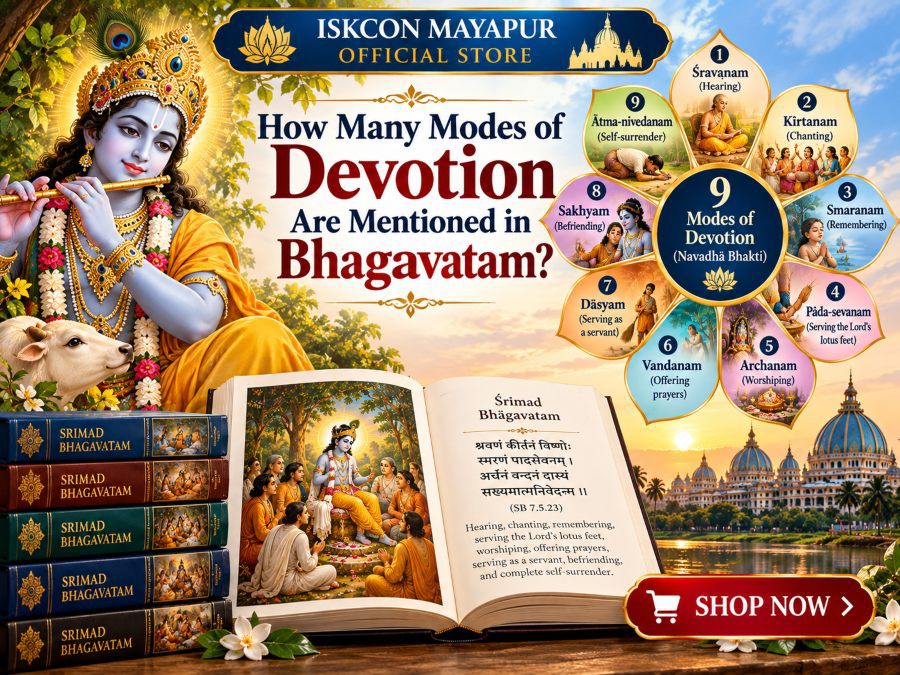 How Many Modes of Devotion Are Mentioned in Bhagavatam?Read more
A young boy named Prahlada listed nine ways to serve God, and the Bhagavatam keeps them as its answer. Learn what the...
-
 What Is Bhagavatam and Why Has It Been Read for 5,000 Years?Read more
A dying king asked one question, and the answer became the Bhagavatam. Learn what this Sanskrit scripture contains,...
-
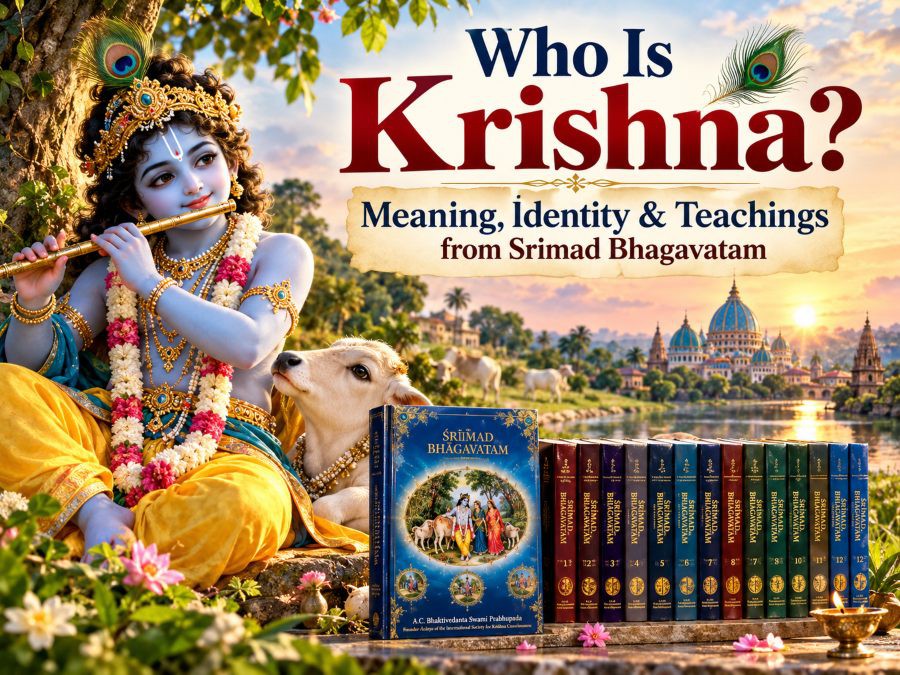 Who Is Lord Krishna? His Meaning, Teachings and Pastimes ExplainedRead more
Discover who Krishna is according to Srimad Bhagavatam, including His divine identity, childhood pastimes, teachings,...
-
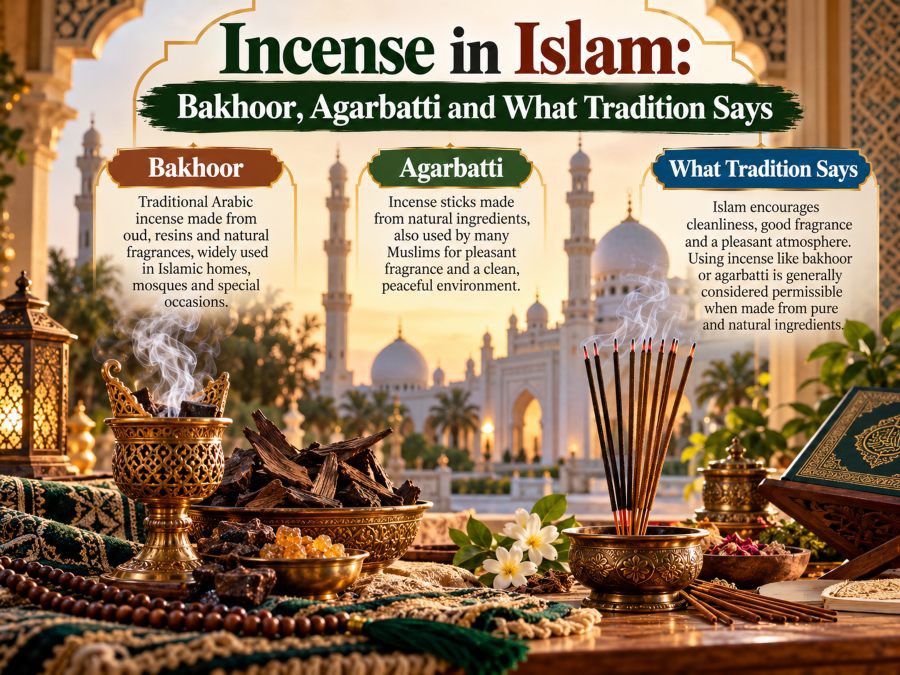 Incense in Islam: Bakhoor, Agarbatti and What Tradition SaysRead more
Is burning fragrance part of Muslim tradition? Explore incense in Islam, from the Prophetic practice of fumigating...
-
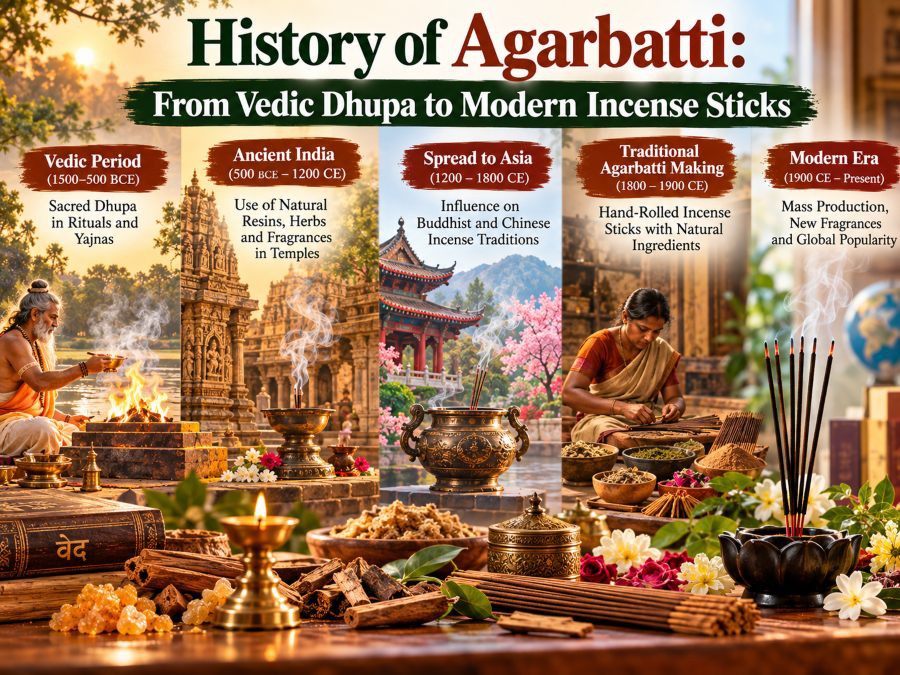 History of Agarbatti: From Vedic Dhupa to Modern Incense SticksRead more
Where did agarbatti really come from? Follow the history of agarbatti from Vedic fire rituals and temple dhupa to...
Blog categories
- Default category (0)
- MUSICAL INSTRUMENT (1)
- BOOK (5)
- DEVOTIONAL GIFT (0)
- Blog (30) click
- CHANDAN (12)
- Bhagavatam Wisdom Series (68)
- Krishna Consciousness (14)
- Mridangam Musical Instrument (6)
- Bhagavad Gita for Beginners (13)
- Bhagavad Gita As It Is (37) click
- Bhagavad Gita As It Is Telugu (0)
- Bhagavad Gita As It Is Marathi (0)
- Bhagavad Gita As It Is In Hindi (0)
- Bhagavad Gita As It Is In English (0)
- Bhagavad Gita As It Is In Bengali (8)
- Bhagavad Gita As It Is In Kannada (0)
- Bhagavad Gita As It Is In Gujarati (0)
- Bhagavad Gita As It Is In Panjabi (0)
- Bhagavad Gita As It Is In Tamil (0)
- Bhagavad Gita As It Is Odia (0)
- BHAGAVAD GITA As It Is GERMAN (0)
- Bhagavad Gita As It Is In French (0)
- Bhagavad Gita As It Is In Nepali (0)
- Bhagavad Gita As It Is In Assamese (0)
- Incense or Agarbatti (38)
- Lord Chaitanya Mahaprabhu (3)
- Vedic Temple Mayapur (14)
- kalki (15)
- Mahabharata – Dharma & Destiny (27)
- Vaishnava Scriptures (4)
- healthy product (4)
- chaitanya mahaprabhu (5)
- Tulsi Mala Guide (17)
Search in blog
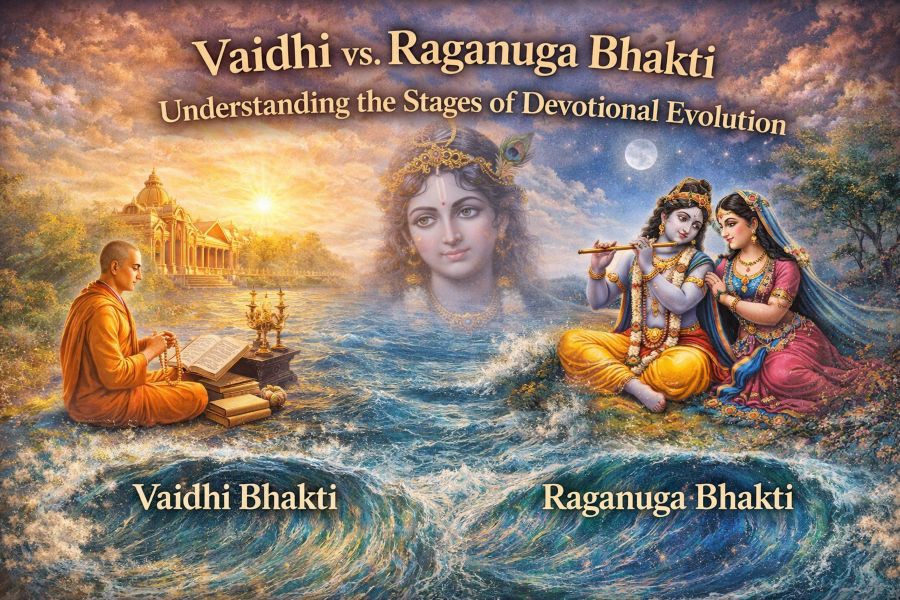
Vaidhi vs. Raganuga Bhakti
Vaidhi vs. Raganuga Bhakti: Understanding the Stages of Devotional Evolution
For sincere readers trying to go deeper into the science of devotion, Mayapur Store Bhakti Rasamrita Sindhu is often one of the most meaningful reference points for understanding how bhakti develops from disciplined practice into deep spiritual attraction. In Gaudiya Vaishnava theology, one of the most important distinctions explained by Srila Rupa Goswami is the difference between vaidhi bhakti and raganuga bhakti. These are not rival paths in the ordinary sense. They are deeply connected modes of devotional life that help explain how the heart moves from rule-guided service to spontaneous love-centered absorption in Krishna.
This distinction matters because many people speak about devotion without clearly understanding its stages. Some think discipline alone is enough. Others become attracted to the idea of spontaneous love without first establishing the inner foundation needed for it. Rupa Goswami’s analysis brings clarity to this confusion. He shows that bhakti is not random emotion, and it is not dry ritual either. It is a living process of purification, orientation, and awakening. By understanding vaidhi and raganuga bhakti properly, a practitioner can appreciate both the dignity of regulated practice and the beauty of advanced devotional longing.
In modern spiritual life, this teaching is especially valuable because many seekers want depth but often misunderstand what spiritual maturity actually looks like. The distinction between vaidhi and raganuga bhakti helps restore both humility and aspiration.
What Is Vaidhi Bhakti?
Vaidhi bhakti refers to devotional practice guided primarily by scriptural injunction, spiritual discipline, and reverential obedience. The word vaidhi comes from the idea of rule or prescription. In this stage, the devotee engages in hearing, chanting, remembering, worshiping, serving, and other limbs of bhakti because sacred teachings, guru, and saintly tradition instruct that these practices are spiritually beneficial and necessary.
This does not mean vaidhi bhakti is mechanical by definition. It may begin with discipline, but it can still be sincere, heartfelt, and spiritually powerful. A person practicing vaidhi bhakti may not yet be flooded by spontaneous emotional attraction to Krishna’s intimate Vraja pastimes, but they are still genuinely serving Him. In fact, this stage is indispensable for most practitioners because it establishes structure, steadiness, and purification.
Vaidhi bhakti is especially important in the beginning of spiritual life because the conditioned mind is unstable. Human beings are influenced by habits, distractions, material desires, social pressure, emotional fluctuations, and inconsistent motivation. Without regulated practice, devotion can remain vague and fragile. Vaidhi bhakti creates sacred rhythm. It teaches the practitioner to align life around hearing Krishna-katha, chanting the holy name, honoring prasadam, worshiping the deity, serving devotees, and following devotional principles even when the mind is not enthusiastic.
This stage should never be dismissed as inferior in a casual sense. It is noble, necessary, and spiritually transformative. Through repeated engagement in devotion, the heart gradually becomes cleaner, more focused, and more receptive to deeper spiritual emotion.
What Is Raganuga Bhakti?
Raganuga bhakti refers to devotional practice inspired by deep attraction to Krishna and to the loving moods of His intimate associates, especially the residents of Vrindavan. The word raga implies profound spiritual attachment or passionate loving absorption. Anuga means following. So raganuga bhakti means following in the wake of those devotees whose love for Krishna is spontaneous, natural, and intensely personal.
This stage is one of the most beautiful and confidential dimensions of Gaudiya Vaishnava theology. In raganuga bhakti, the practitioner is not motivated primarily by scriptural obligation or reverential duty. Instead, the heart becomes drawn by greed-like spiritual longing to attain a similar mood of devotion as Krishna’s eternal associates. The attraction is internal and affectionate. The devotee wants to love Krishna not merely because scripture says one should, but because the heart has become deeply captivated by Him.
It is crucial, however, to understand this properly. Raganuga bhakti is not emotional self-projection, artistic imagination, or casual imitation of advanced devotion. It is a highly elevated stage of spiritual orientation. Genuine raganuga begins when a practitioner develops real attraction to the mood of Vraja and wants to follow that path under authentic guidance. It is not a rejection of discipline but an intensification of devotion through inner longing.
This is why the distinction is so subtle and important. A person may admire the sweetness of Vrindavan and speak romantically about spontaneous devotion without actually having the purified heart required for authentic raganuga practice. Rupa Goswami’s teachings protect the seeker from that confusion. He honors spontaneity without allowing sentimentality to replace spiritual substance.
Why This Distinction Matters in Devotional Life
The difference between vaidhi and raganuga bhakti matters because it helps practitioners understand both the current stage of their journey and the direction of their aspiration. Without this distinction, spiritual life can become distorted in two opposite ways.
On one side, a person may become rigid, external, and overly formal. They may follow devotional practices faithfully, but without understanding that the ultimate goal is loving absorption in Krishna. In such cases, bhakti may begin to feel like duty without sweetness. On the other side, someone may become attracted to the language of spontaneous love and intimate devotion without first undergoing purification. In that case, the result can be imitation, emotionalism, or spiritual fantasy.
Rupa Goswami’s framework avoids both extremes. It teaches that regulated devotion is not the enemy of spontaneity. Rather, disciplined practice often creates the purified foundation from which real spontaneous attraction can awaken. At the same time, it reminds the practitioner that the goal of bhakti is not mere rule-following. The goal is love.
This distinction is especially relevant today because modern culture often prizes emotional authenticity while resisting discipline. People want deep feeling, but they do not always want the training, surrender, and purification that make such feeling genuine. Bhakti does not support shortcuts. It is merciful, but it is also real. The heart must be transformed.
The Scriptural Foundation of Vaidhi Bhakti
Vaidhi bhakti rests on strong scriptural foundation. Sacred texts, guru, and sadhu all recommend practices such as hearing about Krishna, chanting His holy names, worshiping the deity, serving devotees, and living a regulated devotional life. These are not optional supports. They are essential means by which conditioned consciousness is gradually spiritualized.
When a person first enters devotional life, they are usually still shaped by material conditioning. Their mind may resist discipline. Their emotions may be inconsistent. Their priorities may still revolve around worldly concerns. In such a state, waiting for spontaneous love before practicing devotion would be spiritually disastrous. Vaidhi bhakti provides the method by which one engages even before love has fully awakened.
This is one of the hidden beauties of bhakti theology. One need not already be perfect in order to begin. By following instruction, even with mixed motives at first, one can gradually become purified. The practices themselves are spiritually potent. Hearing and chanting are not symbolic exercises. They directly connect the soul with Krishna.
The practitioner in vaidhi bhakti therefore learns obedience, steadiness, humility, and service. Over time, what begins as discipline may become taste. What begins as effort may become joy. This is why vaidhi bhakti should be seen not as dry obligation, but as mercy in structured form.
The Inner Mood of Raganuga Bhakti
Raganuga bhakti becomes possible when devotion is no longer sustained mainly by instruction from outside, but by attraction from within. The practitioner feels deep longing to follow the loving mood of Krishna’s eternal associates. This longing is not material desire; it is spiritual greed, often described as lobha, for the sweetness of Vraja-bhakti.
This inner mood is what distinguishes raganuga from ordinary enthusiasm. In raganuga bhakti, the heart is deeply moved by hearing of Krishna’s intimate relationships in Vrindavan. One becomes especially drawn to the love of the gopas, gopis, parents, or servants of Krishna in His sweetest pastimes. The practitioner longs not merely to worship Krishna as God in awe and reverence, but to love Him in a specific personal mood, following the eternal residents of Vraja.
Still, this must be approached carefully. The inner cultivation of raganuga is not independent of external practice. Authentic teachers explain that one continues hearing, chanting, serving, and following devotional principles. The difference is that the internal motivation has become more intimate and affectionate. External sadhana remains, but inner aspiration becomes more specific and absorbed.
This makes raganuga bhakti both elevated and deeply beautiful. It shows that devotion can mature into a state where love itself becomes the guiding force. Yet it also reminds us that true spontaneity in spiritual life is not lawlessness. It is purified attraction.
Does Vaidhi Bhakti Lead to Raganuga Bhakti?
A very important question is whether vaidhi bhakti naturally leads to raganuga bhakti. The answer requires nuance. Vaidhi bhakti purifies the heart and establishes the discipline necessary for genuine spiritual growth. For many practitioners, it creates the foundation through which deeper attraction to Krishna’s intimate moods may awaken. In that sense, vaidhi can prepare the heart for raganuga.
However, raganuga bhakti is not merely the automatic next step after enough rule-following. It arises when a specific kind of spiritual attraction develops. A practitioner may remain primarily within reverential devotion, or they may become especially drawn to the moods of Vrindavan. The transition depends not only on discipline, but on the awakening of spiritual longing through grace, hearing, association, and inner purification.
This is an important point because it keeps the practitioner humble. One cannot manufacture raganuga through ambition. Nor can one claim it prematurely as a mark of advancement. Genuine attraction must awaken organically through devotional life and proper guidance.
Still, there is no contradiction between the two. Vaidhi bhakti can be seen as the sturdy road, and raganuga as the flowering of a more intimate internal longing. The road matters. Without it, the flowering may be imagined rather than real.
Common Misunderstandings About Raganuga Bhakti
One of the biggest problems in spiritual life arises when elevated topics are approached without qualification. Raganuga bhakti is especially vulnerable to misunderstanding because its language is so attractive. Words like spontaneous love, intimate devotion, and Vraja-bhava can easily fascinate the mind. But fascination is not realization.
A common misunderstanding is to think that raganuga means freedom from rules in a premature sense. This is a dangerous mistake. Genuine advanced devotees do not reject essential practices. Rather, their devotion becomes so internally alive that their following is infused with love rather than mere obligation. Another misunderstanding is to treat raganuga as imagination-based meditation without sufficient purification or guidance. This can lead to sentimentality, imitation, or even spiritual harm.
Some people also assume that if they feel emotionally touched by Krishna’s pastimes, they have entered raganuga bhakti. But spiritual emotion at a basic level is not the same as deeply rooted devotional greed for a specific Vraja mood. Rupa Goswami’s teachings help protect seekers from these confusions by presenting a precise and sober theology of devotional evolution.
The real beauty of raganuga is too sacred to be reduced to performance. It grows in purified hearts under authentic guidance.
Why Vaidhi Bhakti Is Not “Lower” in a Cheap Sense
Because raganuga bhakti is described as more intimate, some people casually treat vaidhi bhakti as low, external, or spiritually uninteresting. This is a serious mistake. Vaidhi bhakti is glorious. It is the living practice through which countless souls begin their journey to Krishna. It is the discipline of hearing, chanting, service, worship, restraint, and obedience that reshapes the heart.
Without vaidhi bhakti, most people would remain at the mercy of the mind. They would mistake inspiration for realization and temporary feeling for stable devotion. Vaidhi teaches seriousness. It protects the practitioner during times of dryness, distraction, weakness, and doubt. It keeps bhakti moving even when emotional sweetness is not yet strong.
In fact, many advanced devotees continue to honor and embody the principles of vaidhi even when their internal life has deepened greatly. The external forms of devotion remain valuable because they are themselves acts of service. The difference is not that one stage is “alive” and the other “dead.” The difference lies in motivation and inner taste.
So the mature understanding is not to insult vaidhi while glorifying raganuga. The mature understanding is to honor vaidhi as foundation and to revere raganuga as a confidential flowering of devotion.
The Role of Association in This Evolution
No one meaningfully understands vaidhi or raganuga bhakti in isolation. Association with advanced devotees is essential. Through sadhu-sanga, a practitioner learns not only philosophy, but mood, balance, humility, and practical application. Especially when dealing with elevated topics, association protects against confusion and exaggeration.
By associating with sincere practitioners, one learns how regulated practice actually nourishes the heart. By hearing from realized teachers, one begins to appreciate the sweetness of Krishna’s intimate pastimes without trivializing them. Association teaches timing. It teaches what to aspire for, what to practice now, and how to avoid offense or imitation.
This is especially important in the modern age, where spiritual ideas circulate quickly and often without context. A person may read advanced topics online and imagine they have understood them fully. But bhakti is not mastered through information alone. It is transmitted through lived tradition, hearing, service, and genuine humility.
Right association therefore bridges the space between theology and transformation. It helps the practitioner remain grounded in vaidhi while becoming inwardly nourished by higher aspiration.
Practical Relevance for Modern Devotees
For a modern devotee, the distinction between vaidhi and raganuga bhakti is not just a topic for philosophy discussion. It has practical consequences. It teaches that consistency matters. Daily chanting matters. Hearing about Krishna matters. Serving the deity, honoring prasadam, reading scripture, and keeping saintly company all matter even when one does not feel spiritually elevated. This is the strength of vaidhi bhakti.
At the same time, the teaching also reminds devotees not to become spiritually dry. Bhakti is meant to awaken affection. The goal is not perfect routine alone. The goal is Krishna. By hearing about the residents of Vrindavan and the sweetness of their love, the practitioner keeps the heart open to the higher destination of devotion.
This balance is powerful. One lives with discipline, but not without longing. One practices steadily, but not mechanically. One respects the process while aspiring for love. That is the healthy way devotional evolution unfolds.
Conclusion
The distinction between vaidhi and raganuga bhakti is one of the most beautiful and important teachings in the theology of devotion. Vaidhi bhakti shows the necessity of disciplined, scripturally guided practice. It steadies the practitioner, purifies the heart, and establishes real spiritual life. Raganuga bhakti reveals the deeper flowering of devotion, where the heart becomes drawn by spontaneous attraction to Krishna and the loving moods of His eternal associates.
These two are not enemies. They belong to one living path. Vaidhi gives structure to devotion, while raganuga reveals its intimate ideal. One teaches obedience, the other longing. One builds the ground, the other reveals the flower. Together they show that bhakti is both a discipline and a romance of the soul with Krishna.
For anyone serious about devotional evolution, understanding this distinction brings both caution and inspiration. It warns against imitation, but it also preserves the beauty of aspiration. Above all, it reveals that the journey of bhakti is meant to move from rule-guided service into ever-deepening love.
Posted in: Blog
Related posts
-
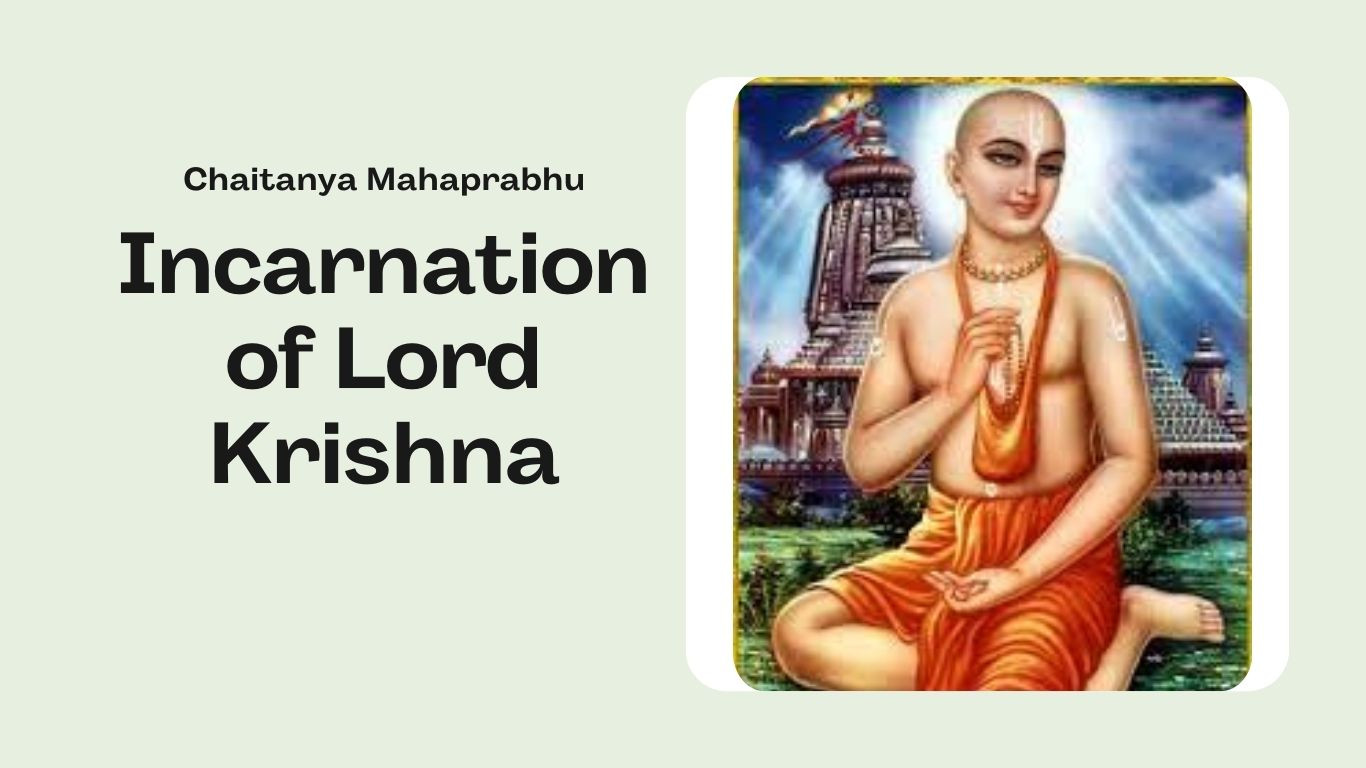 Who is chaitanya mahaprabhu?Chaitanya Mahaprabhu (1486–1534) was a prominent saint and philosopher in India, widely recognized as an incarnation...Read more
 -
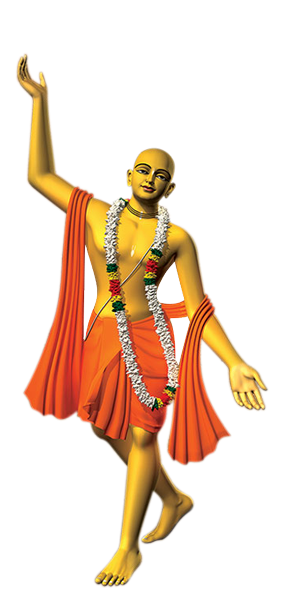 Chaitanya Mahaprabhu - The Avatar of VishnuChaitanya Mahaprabhu, revered as an incarnation of Lord Krishna, is one of the most significant spiritual figures in...Read more
 -
 Was chaitanya mahaprabhu married?Chaitanya Mahaprabhu was married twice in his early life before he renounced the world to embrace the path of...Read more
 -
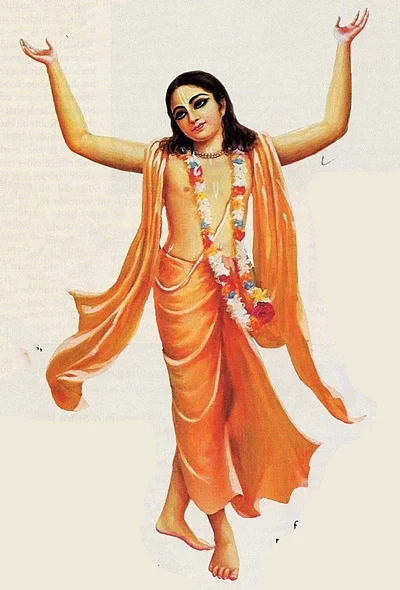 Why did chaitanya mahaprabhu appear?Chaitanya Mahaprabhu, considered by his followers as an incarnation of Lord Krishna, appeared on earth to revive and...Read more
 -
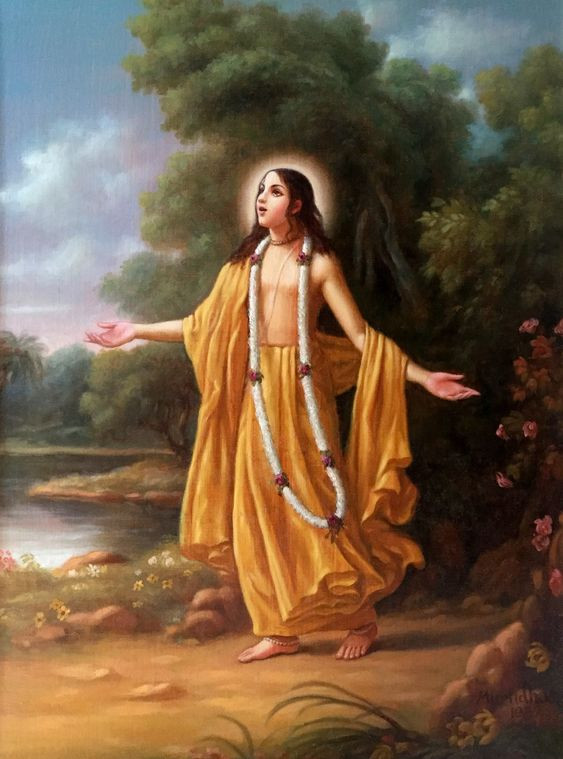 Who was chaitanya mahaprabhu wife?Chaitanya Mahaprabhu, one of the most revered spiritual leaders and mystics of India, was married twice in his early...Read more
Leave a comment