
Explore Srimad Bhagavatam Canto 11, where Lord Krishna shares His final and most profound teachings with Uddhava on...
Latest posts
-
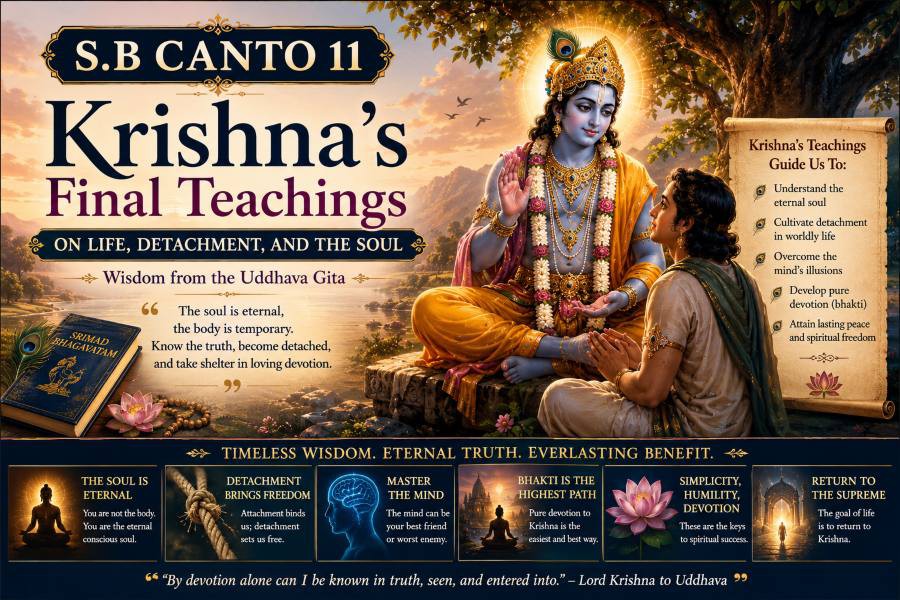 S.B Canto 11 — Krishna’s Final Teachings on Life, Detachment, and the SoulRead more
 -
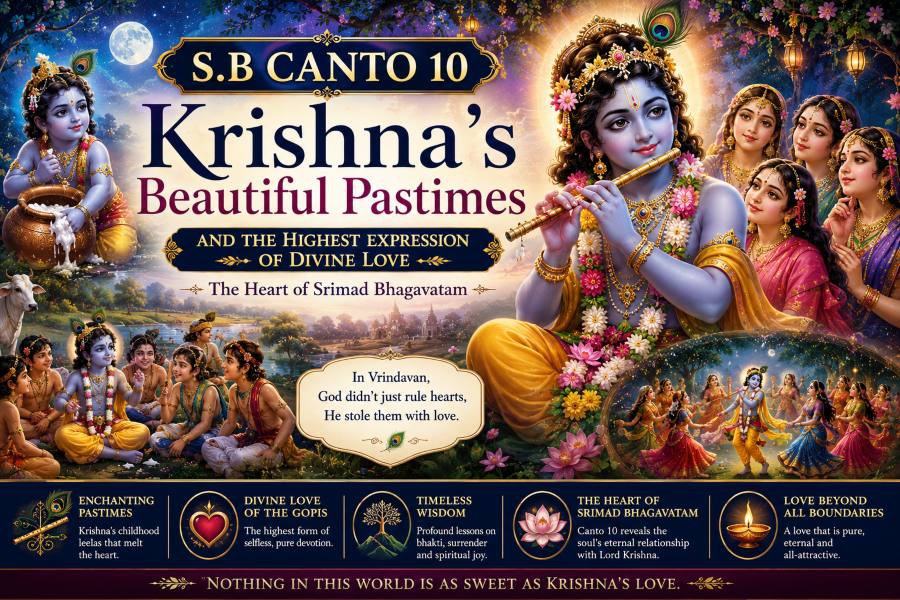 S.B Canto 10 — Krishna’s Beautiful Pastimes and the Highest Expression of Divine LoveRead more
Explore Srimad Bhagavatam Canto 10, the heart of the Bhagavatam, where Lord Krishna's enchanting childhood pastimes,...
-
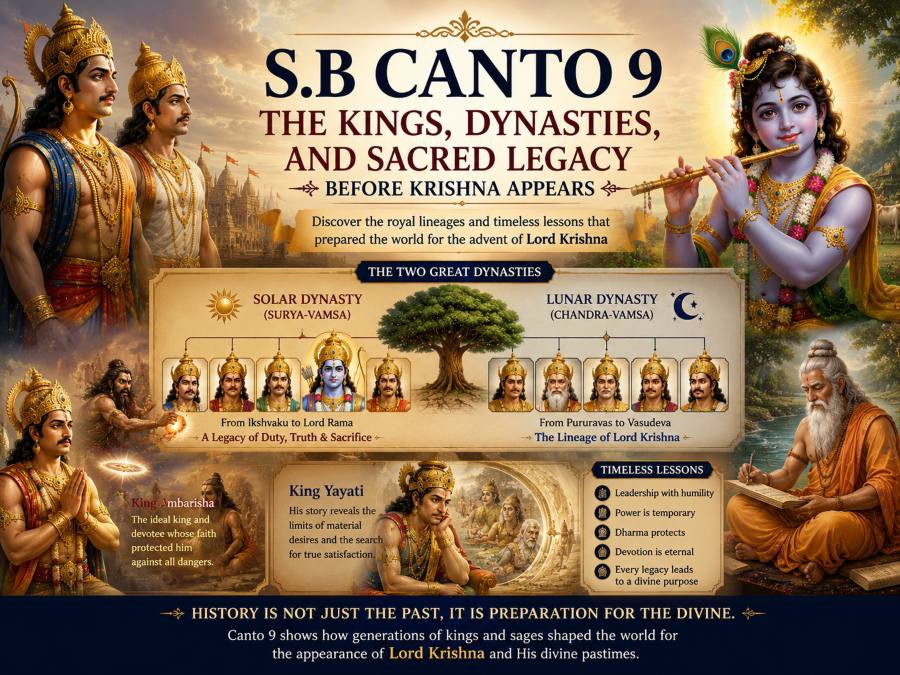 S.B Canto 9: The Kings, Dynasties, and Sacred Legacy Before Krishna AppearsRead more
Explore Srimad Bhagavatam Canto 9 and uncover the remarkable stories of ancient kings, royal dynasties, and sacred...
-
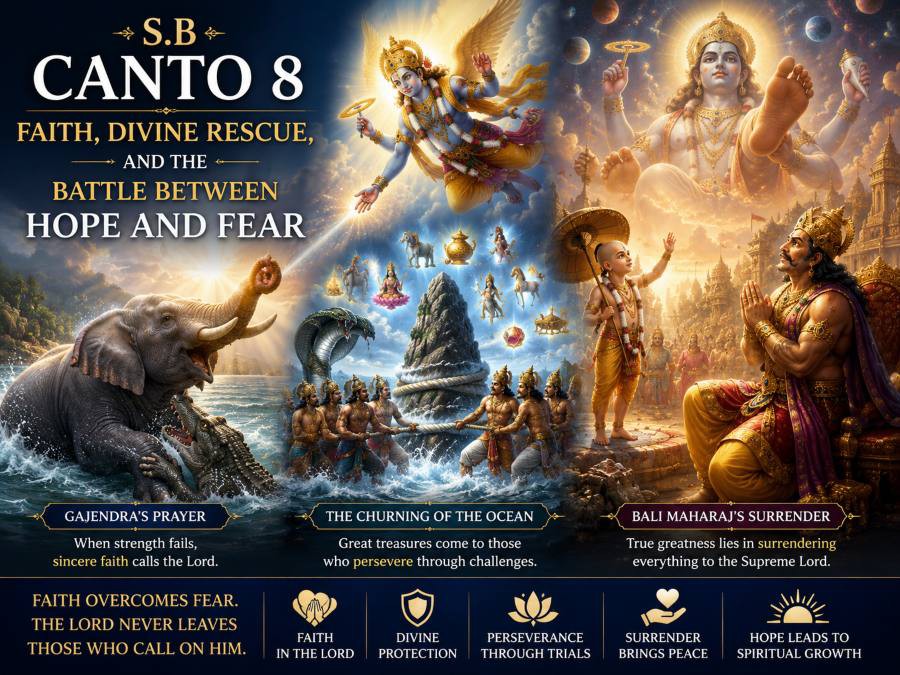 Srimad Bhagavatam Canto 8: How Faith Triumphs Over FearRead more
Explore Srimad Bhagavatam Canto 8, where the inspiring stories of Gajendra, the churning of the Milk Ocean, and Bali...
-
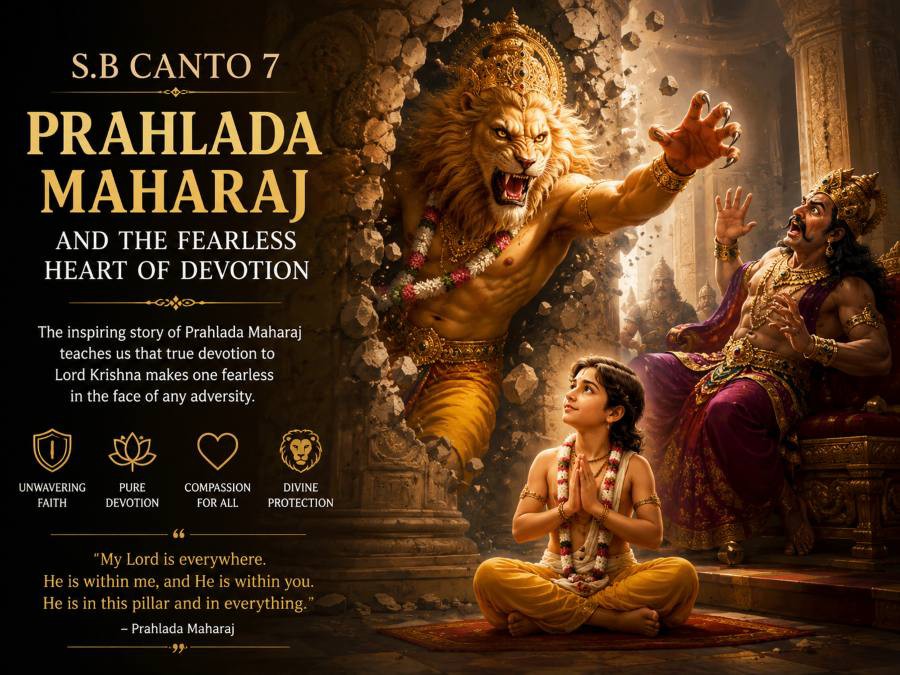 S.B Canto 7: Prahlada Maharaj and the Fearless Heart of DevotionRead more
Explore Srimad Bhagavatam Canto 7 and discover the inspiring story of Prahlada Maharaj, whose unwavering devotion to...
-
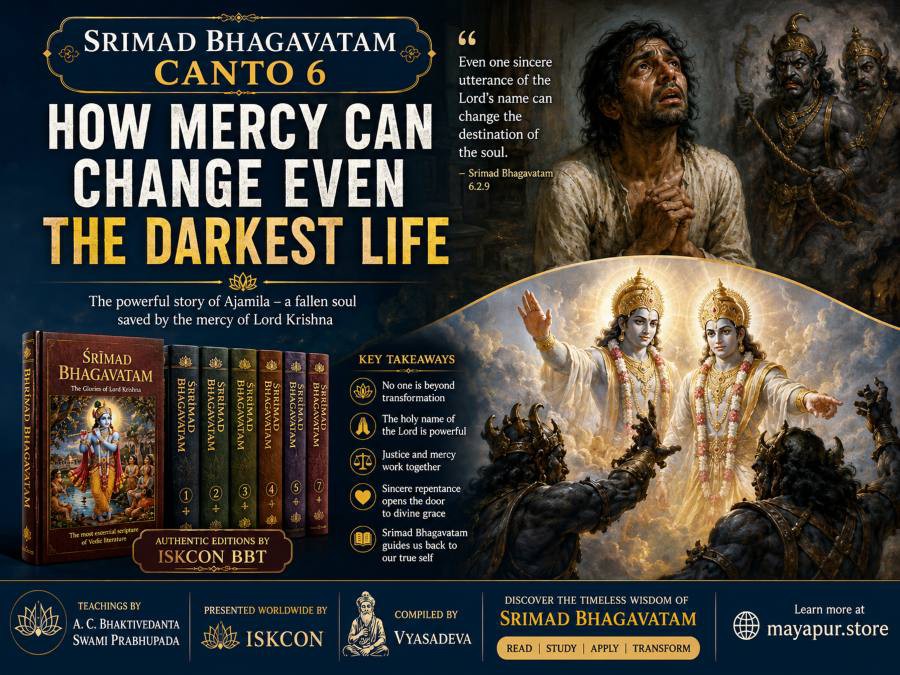 S.B Canto 6: How Mercy Can Change Even the Darkest LifeRead more
Discover the inspiring lessons of Srimad Bhagavatam Canto 6, where the story of Ajamila reveals how divine mercy,...
-
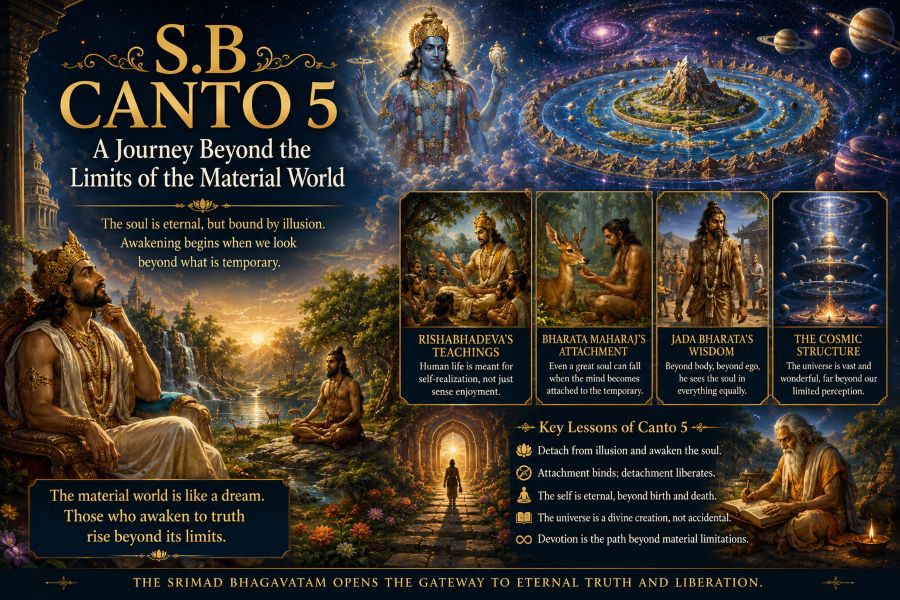 Srimad Bhagavatam Canto 5: A Journey Beyond the Limits of the Material WorldRead more
Discover how Srimad Bhagavatam Canto 5 explores cosmic creation, spiritual awakening, material illusion, and the...
-
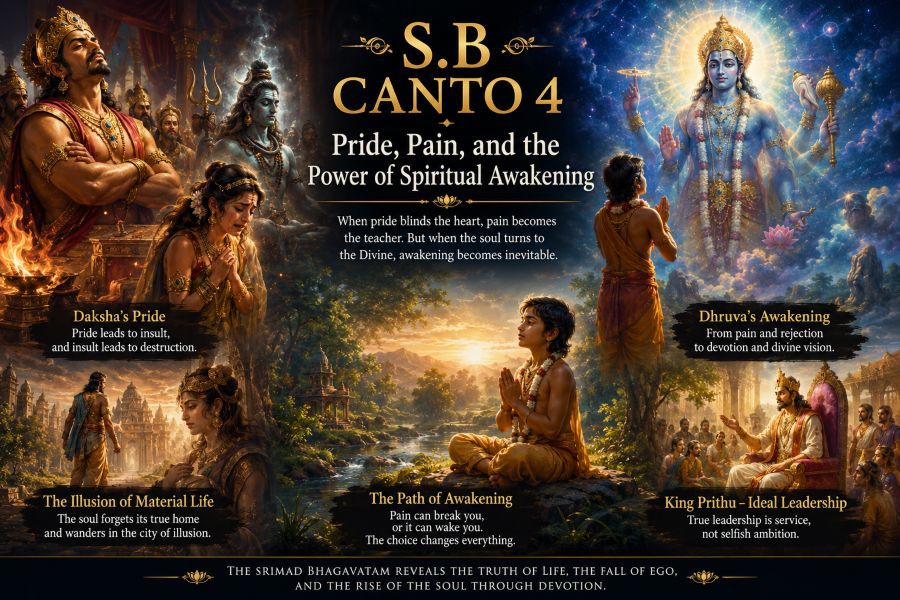 Srimad Bhagavatam Canto 4: The Pain of Pride and the Journey Back to the SoulRead more
Discover how Srimad Bhagavatam Canto 4 explores pride, rejection, devotion, spiritual awakening, and the emotional...
-
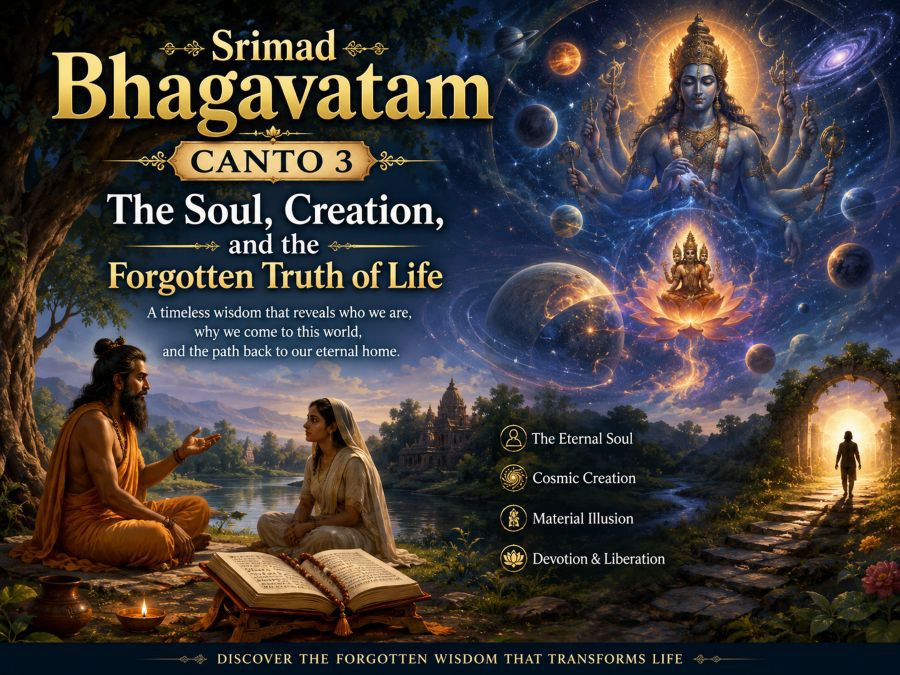 Srimad Bhagavatam Canto 3: The Soul, Creation, and the Forgotten Truth of LifeRead more
Discover how Srimad Bhagavatam Canto 3 explains the soul, creation, consciousness, and the forgotten spiritual truth...
-
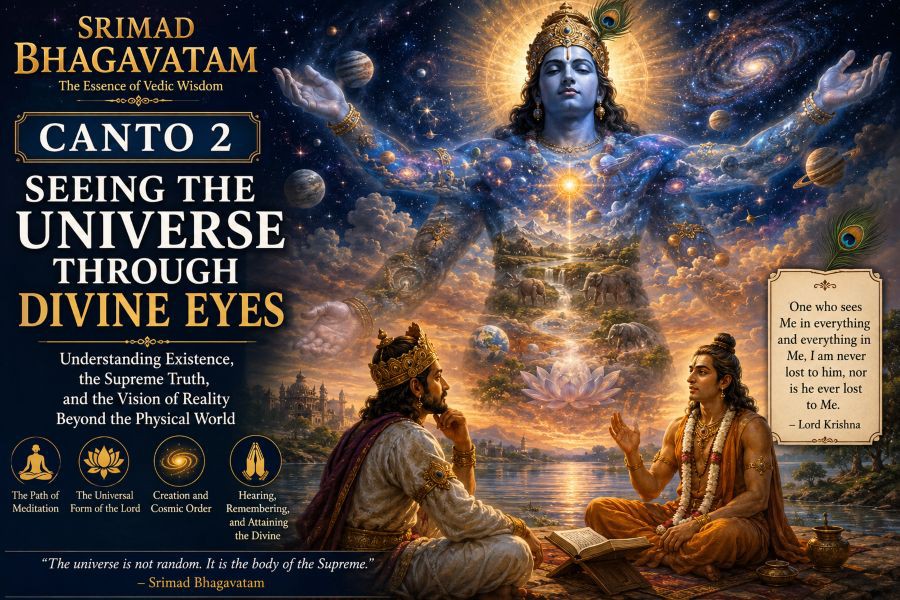 Srimad Bhagavatam Canto 2: Seeing the Universe Through Divine EyesRead more
Discover how Srimad Bhagavatam Canto 2 explains the cosmic form of the Lord, spiritual vision, meditation, creation,...
Blog categories
- Default category (0)
- MUSICAL INSTRUMENT (1)
- BOOK (5)
- DEVOTIONAL GIFT (0)
- Blog (30) click
- CHANDAN (12)
- Bhagavatam Wisdom Series (43)
- Krishna Consciousness (5)
- Mridangam Musical Instrument (6)
- Bhagavad Gita for Beginners (13)
- Bhagavad Gita As It Is (13) click
- Bhagavad Gita As It Is Telugu (0)
- Bhagavad Gita As It Is Marathi (0)
- Bhagavad Gita As It Is In Hindi (0)
- Bhagavad Gita As It Is In English (0)
- Bhagavad Gita As It Is In Bengali (8)
- Bhagavad Gita As It Is In Kannada (0)
- Bhagavad Gita As It Is In Gujarati (0)
- Bhagavad Gita As It Is In Panjabi (0)
- Bhagavad Gita As It Is In Tamil (0)
- Bhagavad Gita As It Is Odia (0)
- BHAGAVAD GITA As It Is GERMAN (0)
- Bhagavad Gita As It Is In French (0)
- Bhagavad Gita As It Is In Nepali (0)
- Bhagavad Gita As It Is In Assamese (0)
- Incense or Agarbatti (6)
- Lord Chaitanya Mahaprabhu (3)
- Vedic Temple Mayapur (16)
- kalki (15)
- Mahabharata – Dharma & Destiny (27)
- Vaishnava Scriptures (4)
- healthy product (4)
- chaitanya mahaprabhu (5)
Search in blog
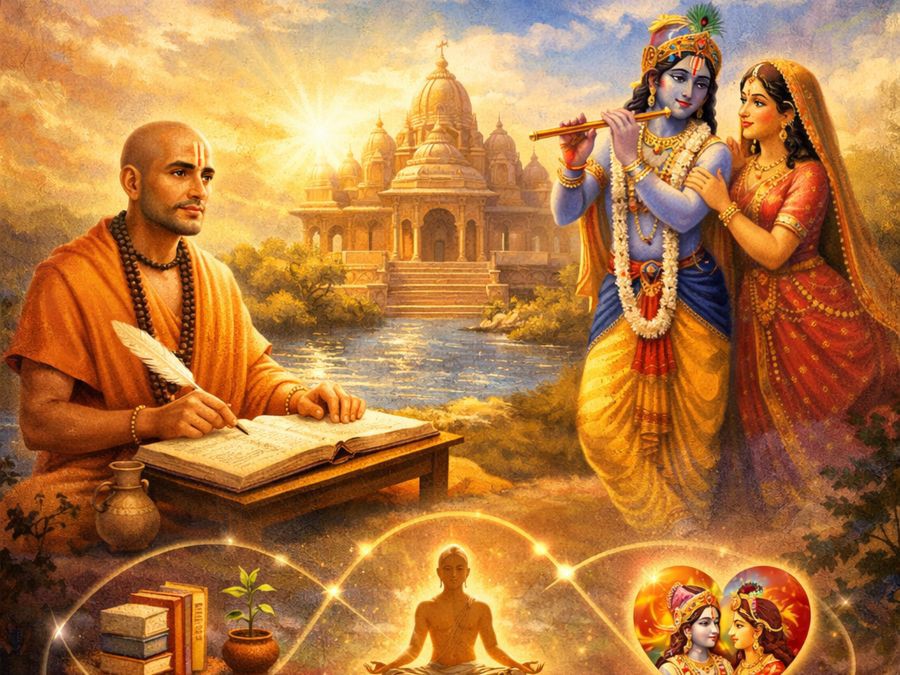
Srila Rupa Goswami’s Masterpiece and the True Science of Devotion
The Science of Devotion: An Introduction to Srila Rupa Goswami’s Masterpiece
For readers seeking a deeper understanding of the theology and practice of Krishna devotion, Bhakti Rasamrita Sindhu stands as one of the most important spiritual texts in the Gaudiya Vaishnava tradition. Written by Srila Rupa Goswami, this timeless work is not simply a devotional book in the ordinary sense. It is a systematic and refined exploration of bhakti as a living spiritual science. Rather than presenting devotion as emotional sentiment alone, it explains how pure devotion begins, how it grows, what shapes it, what obstructs it, and how it ultimately matures into divine love for Krishna.
This is one of the reasons the text is considered a masterpiece. Srila Rupa Goswami did not describe bhakti in vague or poetic language only. He organized it with theological clarity, philosophical depth, and devotional sensitivity. He showed that devotion is not an accidental feeling that appears in the heart without process or principle. Bhakti has structure, stages, characteristics, disciplines, emotional transformations, and ultimate fulfillment. In that sense, Bhakti Rasamrita Sindhu gives seekers a complete map of the devotional path.
For modern readers, this is especially valuable. Many people today are drawn to spirituality, but they are often surrounded by confusion. Devotion is sometimes reduced to ritual, sometimes to emotion, and sometimes to loose inspiration without grounding. Srila Rupa Goswami’s contribution cuts through that confusion. He presents devotion not as a vague preference, but as a complete science of the soul’s relationship with Krishna.
What Is Bhakti Rasamrita Sindhu?
Bhakti Rasamrita Sindhu is one of the foundational theological texts of Gaudiya Vaishnavism and one of the most influential works ever written on devotional life. The title is deeply meaningful. “Bhakti” means devotion or loving service to the Supreme Lord. “Rasa” refers to spiritual taste, relationship, and the emotional essence of divine exchange. “Amrita” means nectar or immortality, and “Sindhu” means ocean. Together, the title describes an ocean of immortal nectar found in pure devotion.
This is not just a poetic name. It captures the heart of the text. Bhakti is presented as vast, life-giving, and inexhaustibly sweet. Yet the ocean metaphor also suggests depth, movement, and inner structure. Srila Rupa Goswami did not portray devotion as shapeless emotion. He described it as a rich and ordered reality, full of categories, progressions, moods, and realizations.
The text is especially important because it draws from scriptural authority while presenting devotion with unusual system and precision. It explains what pure bhakti is, how it differs from mixed spirituality, what practices cultivate it, how it develops into spiritual emotion, and how it culminates in divine love. In doing so, it provides both philosophical foundation and practical guidance.
For anyone serious about understanding the path of bhakti in a refined and authentic way, this work is not optional background reading. It is one of the central texts through which the tradition understands itself.
Why Srila Rupa Goswami Is So Important in Bhakti Tradition
To understand the greatness of Bhakti Rasamrita Sindhu, one must appreciate the unique role of Srila Rupa Goswami in the Gaudiya Vaishnava tradition. He is not regarded merely as a learned theologian or literary saint. He is revered as one of the principal architects of the devotional theology that emerged through the teachings of Sri Chaitanya Mahaprabhu.
Rupa Goswami took profound spiritual truths and gave them lasting shape. He articulated the principles, moods, and inner logic of bhakti in a way that has guided devotees for generations. His writings are not random reflections. They are highly realized theological works rooted in scriptural revelation and deep spiritual experience.
What makes him especially remarkable is the balance he maintains. He is philosophically precise without becoming dry. He is emotionally deep without becoming vague. He is devotional without sacrificing clarity. In Bhakti Rasamrita Sindhu, this balance is visible at every step. He can define pure devotion with exactness, explain its stages with structure, and still preserve the beauty and sweetness that make bhakti attractive.
That is why his work continues to matter so much. He did not merely praise devotion. He explained it so thoroughly that future generations could understand, practice, and aspire within a coherent spiritual framework. In many ways, he gave language to the inner world of bhakti.
Why Devotion Is Called a Science
The phrase “science of devotion” may sound surprising at first. Many people associate science with observation, process, order, and repeatable principles, while devotion is often imagined as emotional, spontaneous, or deeply personal. But Srila Rupa Goswami’s work shows that these are not opposites. Bhakti is indeed deeply personal and full of emotion, yet it also has an intelligible structure.
It is called a science because it has identifiable principles and stages. Pure devotion can be defined. It has causes, characteristics, and effects. There are practices that nourish it and influences that weaken it. There are early stages, mature stages, and final stages. There are distinctions between regulated devotion and spontaneous devotion, between practice and realization, between emotion and pure spiritual emotion. This kind of structured understanding is what makes bhakti a science in the theological sense.
Calling devotion a science does not make it cold. It actually protects its authenticity. Without structure, devotion can easily be confused with sentimentality, self-interest, performance, or temporary inspiration. The science of devotion shows what real bhakti looks like and how it unfolds in the life of a practitioner.
For modern readers, this is one of the greatest strengths of the text. It reassures the seeker that devotion is not arbitrary. One does not have to wander in spiritual uncertainty forever. There is a path, there is guidance, and there is an inner logic to spiritual growth. The heart’s awakening is mysterious, but it is not chaotic.
The Definition of Pure Devotion
One of the most important contributions of Bhakti Rasamrita Sindhu is its definition of pure devotion, or uttama-bhakti. This definition is one of the best-known and most respected in all Gaudiya literature because it establishes what devotion truly is at its highest standard.
Srila Rupa Goswami explains that pure devotion is favorable service to Krishna, performed without ulterior desires and not covered by karma, jnana, or other self-centered pursuits. This short definition carries immense depth. It tells us that bhakti is active, relational, and centered on Krishna’s pleasure. It also tells us what bhakti is not. It is not mixed with selfish ambition, material reward-seeking, or impersonal liberation as the goal.
This matters because spiritual life can easily become confused. A person may perform religious acts while still being driven mainly by status, security, relief from suffering, or intellectual pride. Another may speak beautifully about love of God while remaining centered on self. Rupa Goswami’s definition cuts through all of this. It says that devotion becomes pure when Krishna Himself becomes the goal.
This clarity is one reason the text has such enduring authority. It does not flatter the ego or leave the subject undefined. It sets a high standard, but it also reveals the beauty of that standard. Pure devotion is not mechanical obedience. It is the heart turning wholly toward Krishna in love and service.
The Stages of Bhakti Development
A major reason Bhakti Rasamrita Sindhu is considered a spiritual science is that it explains how devotion develops progressively. Bhakti is not described as an instant emotional breakthrough. It unfolds through recognizable stages that gradually transform the heart.
The path begins with faith. From faith comes association with devotees. Through that association, one begins devotional practice. As practice continues sincerely, unwanted habits and inner obstructions begin to weaken. From there, steadiness develops, then taste, then attachment, then spiritual emotion, and ultimately pure love of God.
This progression is enormously practical. It gives hope to the beginner and realism to the serious practitioner. Not every stage feels emotionally sweet. There may be struggle, dryness, inconsistency, and purification along the way. But the text shows that these are not signs of failure if one continues sincerely. They are part of the process by which devotion matures.
For modern readers, this is deeply reassuring. Many people expect spiritual life to feel instantly transformed, and when it does not, they become discouraged. Srila Rupa Goswami offers a wiser vision. He shows that bhakti grows organically. The soul’s relationship with Krishna awakens through practice, mercy, and purification over time.
This staged vision also helps practitioners avoid comparing themselves superficially with others. Instead of chasing appearances, they can focus on genuine growth. The science of devotion becomes not only theological explanation, but spiritual encouragement.
Sadhana Bhakti and the Discipline of Practice
One of the central sections of Bhakti Rasamrita Sindhu deals with sadhana bhakti, the stage of regulated devotional practice. This is where devotion is intentionally cultivated through the engagement of body, mind, and senses in Krishna’s service. It is the stage most relevant to ordinary practitioners because it describes how one actually lives devotional life before higher spiritual realization fully awakens.
Sadhana bhakti includes practices such as hearing about Krishna, chanting His holy names, remembering Him, worshiping the deity, offering prayers, serving devotees, and arranging one’s life around devotional principles. These practices are not empty routines. They are the means by which the heart is purified and redirected toward Krishna.
This is a crucial point. Many people misunderstand discipline as dryness. But in bhakti theology, discipline is not opposed to love. It is often the preparation for love. Sadhana bhakti teaches the practitioner to remain connected to Krishna even when the mind is distracted or the emotions are unstable. Over time, this repeated engagement becomes transformative.
Srila Rupa Goswami also distinguishes different forms of sadhana, showing that not all devotional practice operates from the same internal motive. Some forms are guided more by scriptural instruction and reverence, while others are inspired by deeper attraction. This subtlety reflects the sophistication of his theological vision.
For anyone beginning or sustaining devotional life, this section is incredibly important. It shows that bhakti is not only for the spiritually advanced. It begins in the daily, repeated choices to hear, chant, remember, and serve.
Bhava and Prema: The Heart Fully Awakened
As devotion deepens, Bhakti Rasamrita Sindhu describes the emergence of bhava and prema, two of the most exalted stages in devotional theology. Bhava is the first true awakening of spiritual emotion. Prema is the full blossoming of divine love.
Bhava is not ordinary emotional intensity. It is a stable and purified transformation of consciousness in which the heart becomes naturally softened and drawn toward Krishna. The practitioner no longer serves only through effort. A direct spiritual taste begins to emerge. Prema goes even further. It is pure, uninterrupted, ever-deepening love for Krishna, free from selfishness and material contamination.
These stages matter because they reveal the real goal of bhakti. The final aim is not merely ethical living, relief from suffering, or even liberation in an impersonal sense. The goal is loving relationship with Krishna in its fullest maturity. That is the glory of Gaudiya theology. It places love at the summit of spiritual realization.
For modern spiritual culture, this is a powerful corrective. So much of contemporary spirituality focuses on technique, personal benefit, or emotional wellness. While those concerns may have some value, Rupa Goswami points to something infinitely deeper. The soul is meant not merely to cope, but to love Krishna completely.
By explaining bhava and prema with care, he also protects these topics from superficial treatment. Advanced devotion is beautiful, but it is not cheap. It arises through grace, purity, and the gradual unfolding of authentic bhakti.
Why This Masterpiece Still Matters Today
Although Bhakti Rasamrita Sindhu was written centuries ago, its relevance has not faded. In some ways, it may be even more needed today. Modern spiritual life is often marked by confusion. People want feeling without structure, spirituality without surrender, insight without discipline, and inspiration without transformation. Rupa Goswami’s work gently but firmly challenges all of this.
It matters today because it gives clarity where there is vagueness. It distinguishes pure devotion from mixed motives. It explains why practice matters. It shows how love develops. It reminds readers that the path of bhakti is at once deeply emotional and profoundly ordered.
It also matters because it offers hope. Spiritual growth is possible. Devotion can be cultivated. The heart can be transformed. The soul’s relationship with Krishna is not a fantasy. It is the deepest truth of existence, and there is a path to awaken it.
For seekers who feel dissatisfied with shallow spirituality, this text offers depth. For readers who are intellectually serious, it offers theological sophistication. For devotees who want to understand their practice more deeply, it offers guidance and vision. Few works can speak so meaningfully to all three audiences.
That is why Bhakti Rasamrita Sindhu remains a living masterpiece. It is not simply an old book to be respected from a distance. It is a guide for real devotional life.
Conclusion
Bhakti Rasamrita Sindhu truly deserves to be called a masterpiece and a science of devotion. Srila Rupa Goswami takes the vast and beautiful subject of bhakti and presents it with rare clarity, precision, and sweetness. He defines pure devotion, explains its practices, maps its growth, describes its highest emotional states, and shows that the ultimate goal of spiritual life is pure love for Krishna.
Its greatness lies in its balance. It is theological without being dry, devotional without being vague, and systematic without losing spiritual beauty. It helps readers understand that bhakti is not accidental emotion or empty ritual. It is a complete path of transformation that engages the whole person and leads the soul toward its eternal relationship with Krishna.
For anyone seeking a meaningful introduction to the inner science of bhakti, this text remains one of the most important guides available. It does not merely describe devotion. It teaches how devotion lives, grows, and ultimately becomes divine love.
Posted in: Blog
Related posts
-
 Who is chaitanya mahaprabhu?Chaitanya Mahaprabhu (1486–1534) was a prominent saint and philosopher in India, widely recognized as an incarnation...Read more
 -
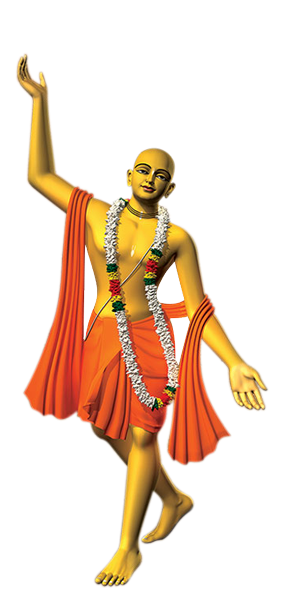 Chaitanya Mahaprabhu - The Avatar of VishnuChaitanya Mahaprabhu, revered as an incarnation of Lord Krishna, is one of the most significant spiritual figures in...Read more
 -
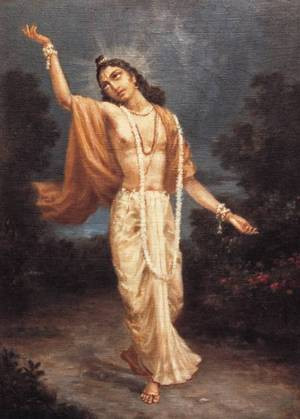 Was chaitanya mahaprabhu married?Chaitanya Mahaprabhu was married twice in his early life before he renounced the world to embrace the path of...Read more
 -
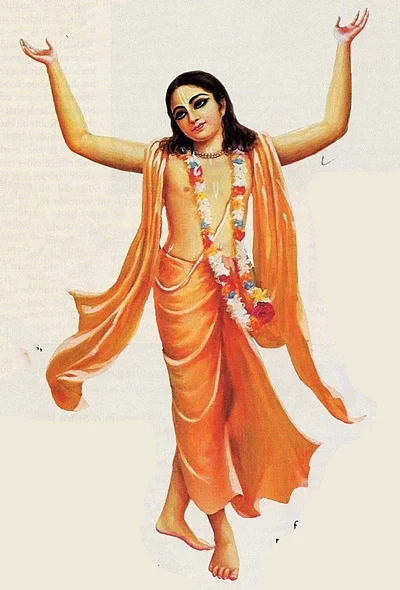 Why did chaitanya mahaprabhu appear?Chaitanya Mahaprabhu, considered by his followers as an incarnation of Lord Krishna, appeared on earth to revive and...Read more
 -
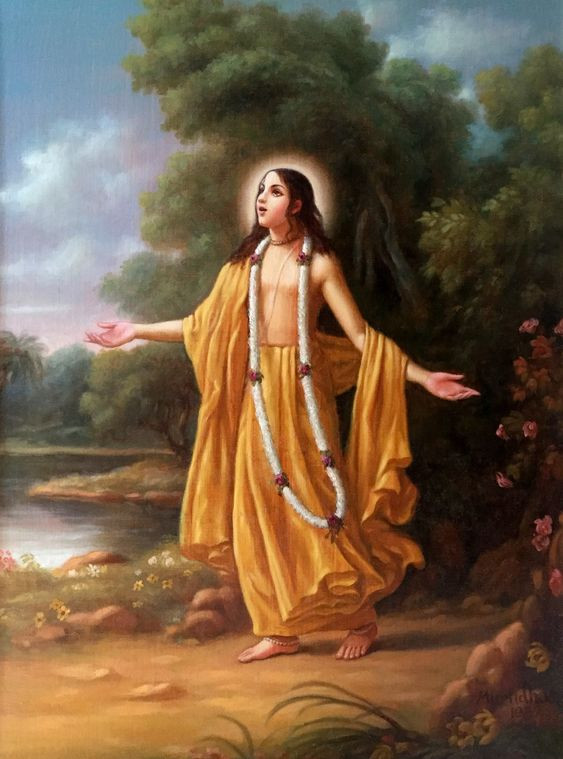 Who was chaitanya mahaprabhu wife?Chaitanya Mahaprabhu, one of the most revered spiritual leaders and mystics of India, was married twice in his early...Read more
Leave a comment