
Why did Krishna run to embrace a poor brahmin in rags? Read the Sudama story from the Bhagavatam and learn how a...
Latest posts
-
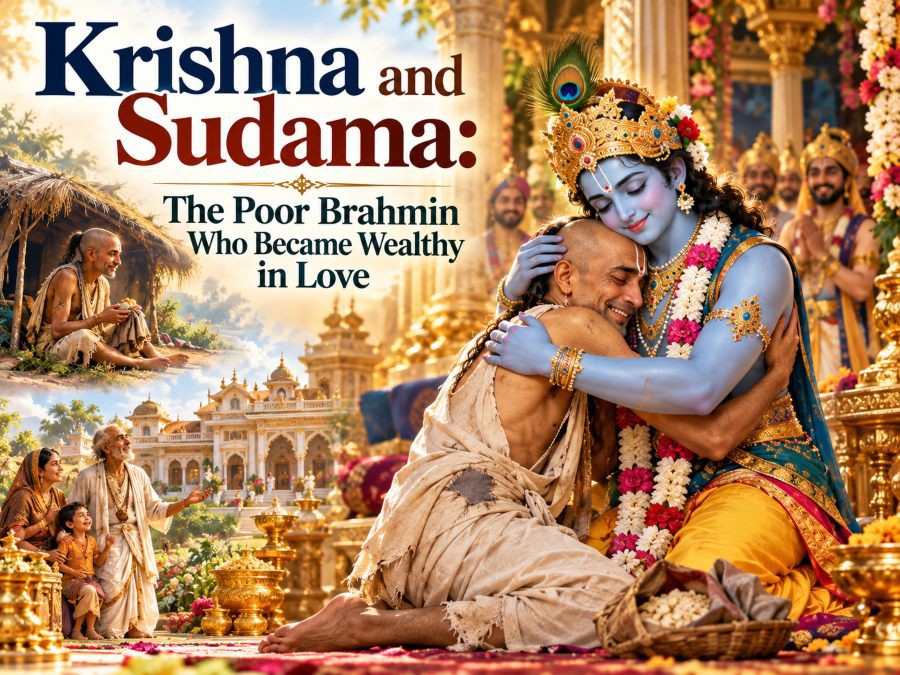 Krishna and Sudama: The Poor Brahmin Who Became Wealthy in LoveRead more
 -
 Vamana Avatar: How Three Steps Humbled Bali MaharajaRead more
Why did a powerful king give away three worlds to a boy asking for three steps? Learn the Vamana avatar story from...
-
 The Bhagavatam on Marriage: Duty, Love and Spiritual PartnershipRead more
What does the Bhagavatam say about marriage? Through the stories of Kardama and Devahuti, Rukmini's secret letter and...
-
 What Is Prema? The Bhagavatam's Highest Stage of Love for GodRead more
Prema is love for God with no "because" attached. Learn how the Bhagavatam describes it, the nine steps from faith to...
-
 Is Shiva Parvati Kalyana Mentioned in Srimad Bhagavatam? What the Scripture Really SaysRead more
Looking for Shiva and Parvati's wedding in the Srimad Bhagavatam? Find out what the scripture actually describes,...
-
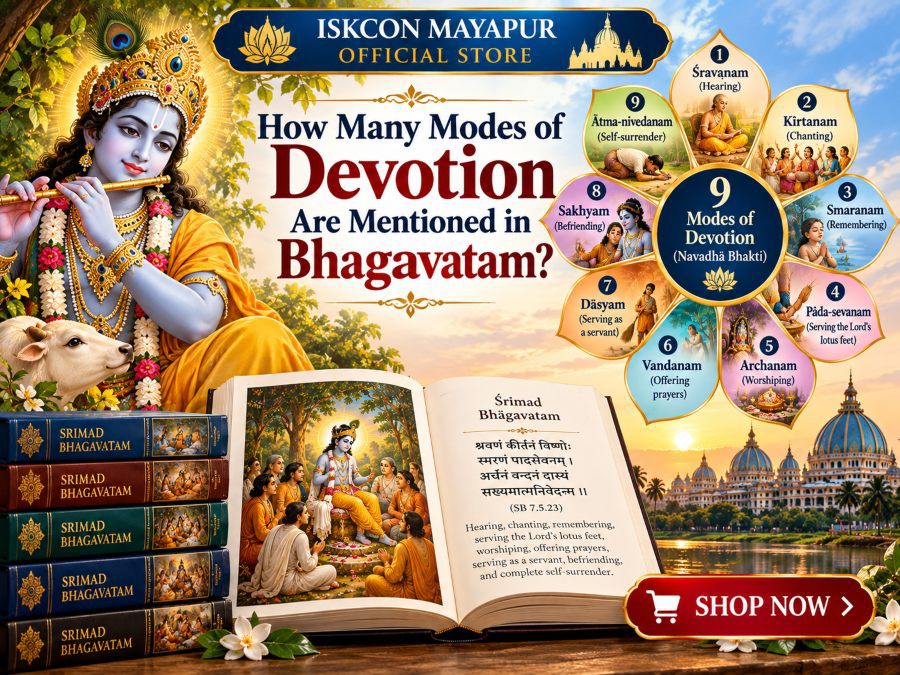 How Many Modes of Devotion Are Mentioned in Bhagavatam?Read more
A young boy named Prahlada listed nine ways to serve God, and the Bhagavatam keeps them as its answer. Learn what the...
-
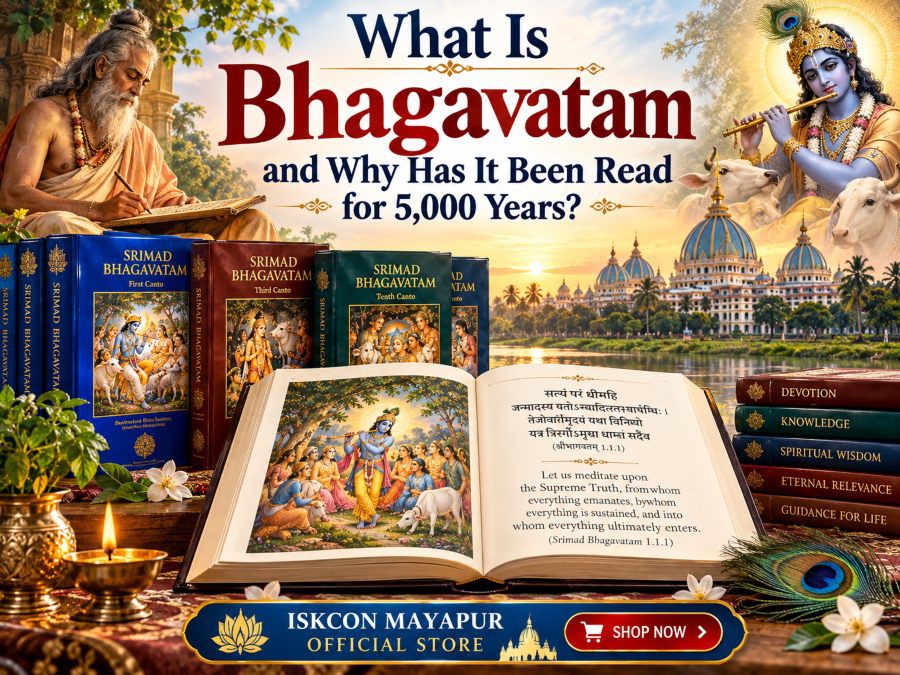 What Is Bhagavatam and Why Has It Been Read for 5,000 Years?Read more
A dying king asked one question, and the answer became the Bhagavatam. Learn what this Sanskrit scripture contains,...
-
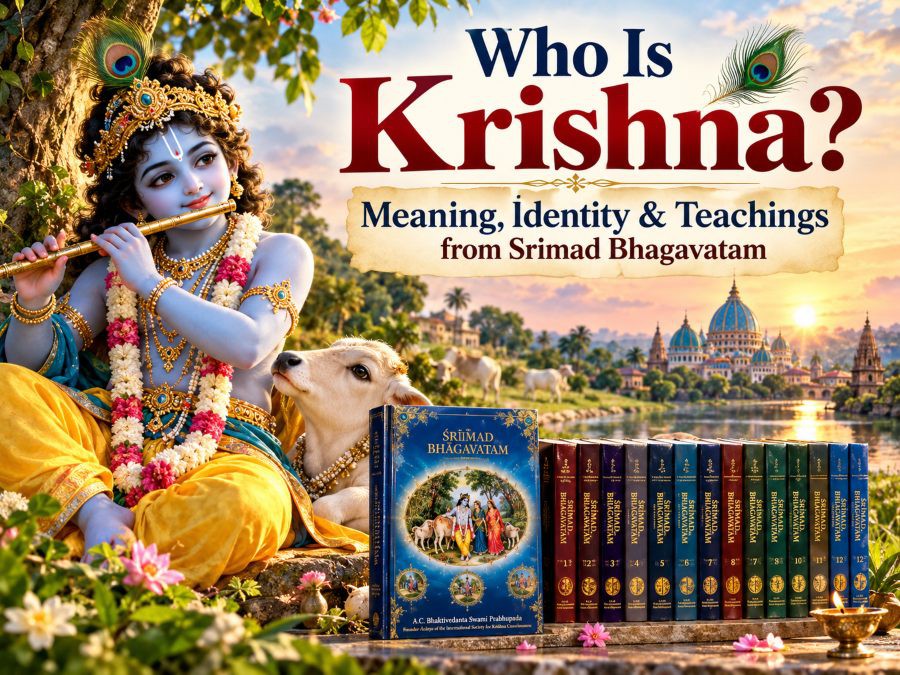 Who Is Lord Krishna? His Meaning, Teachings and Pastimes ExplainedRead more
Discover who Krishna is according to Srimad Bhagavatam, including His divine identity, childhood pastimes, teachings,...
-
 Incense in Islam: Bakhoor, Agarbatti and What Tradition SaysRead more
Is burning fragrance part of Muslim tradition? Explore incense in Islam, from the Prophetic practice of fumigating...
-
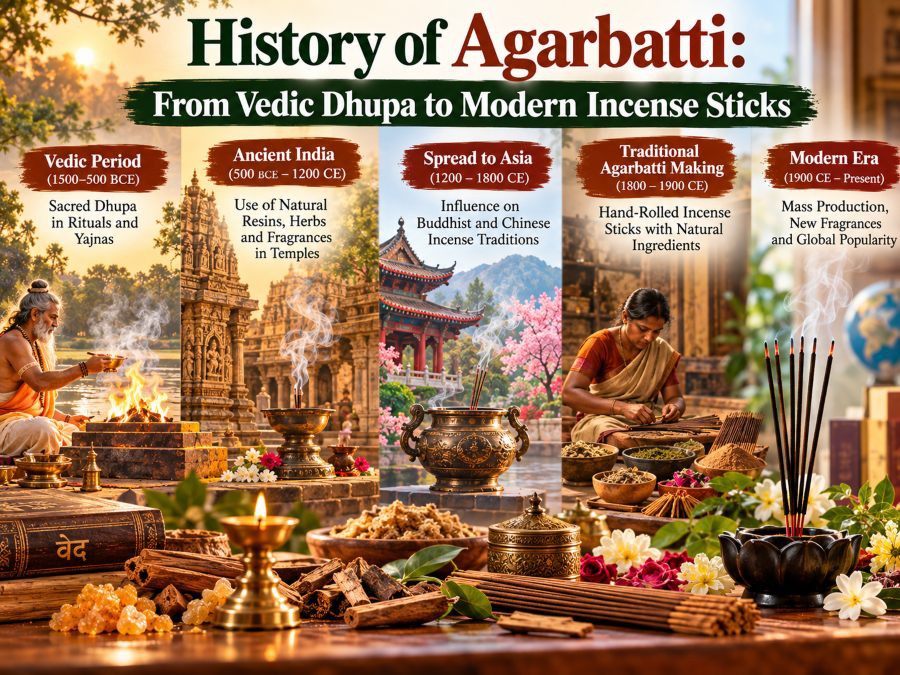 History of Agarbatti: From Vedic Dhupa to Modern Incense SticksRead more
Where did agarbatti really come from? Follow the history of agarbatti from Vedic fire rituals and temple dhupa to...
Blog categories
- Default category (0)
- MUSICAL INSTRUMENT (1)
- BOOK (5)
- DEVOTIONAL GIFT (0)
- Blog (30) click
- CHANDAN (12)
- Bhagavatam Wisdom Series (68)
- Krishna Consciousness (14)
- Mridangam Musical Instrument (6)
- Bhagavad Gita for Beginners (13)
- Bhagavad Gita As It Is (37) click
- Bhagavad Gita As It Is Telugu (0)
- Bhagavad Gita As It Is Marathi (0)
- Bhagavad Gita As It Is In Hindi (0)
- Bhagavad Gita As It Is In English (0)
- Bhagavad Gita As It Is In Bengali (8)
- Bhagavad Gita As It Is In Kannada (0)
- Bhagavad Gita As It Is In Gujarati (0)
- Bhagavad Gita As It Is In Panjabi (0)
- Bhagavad Gita As It Is In Tamil (0)
- Bhagavad Gita As It Is Odia (0)
- BHAGAVAD GITA As It Is GERMAN (0)
- Bhagavad Gita As It Is In French (0)
- Bhagavad Gita As It Is In Nepali (0)
- Bhagavad Gita As It Is In Assamese (0)
- Incense or Agarbatti (38)
- Lord Chaitanya Mahaprabhu (3)
- Vedic Temple Mayapur (14)
- kalki (15)
- Mahabharata – Dharma & Destiny (27)
- Vaishnava Scriptures (4)
- healthy product (4)
- chaitanya mahaprabhu (5)
- Tulsi Mala Guide (17)
Search in blog
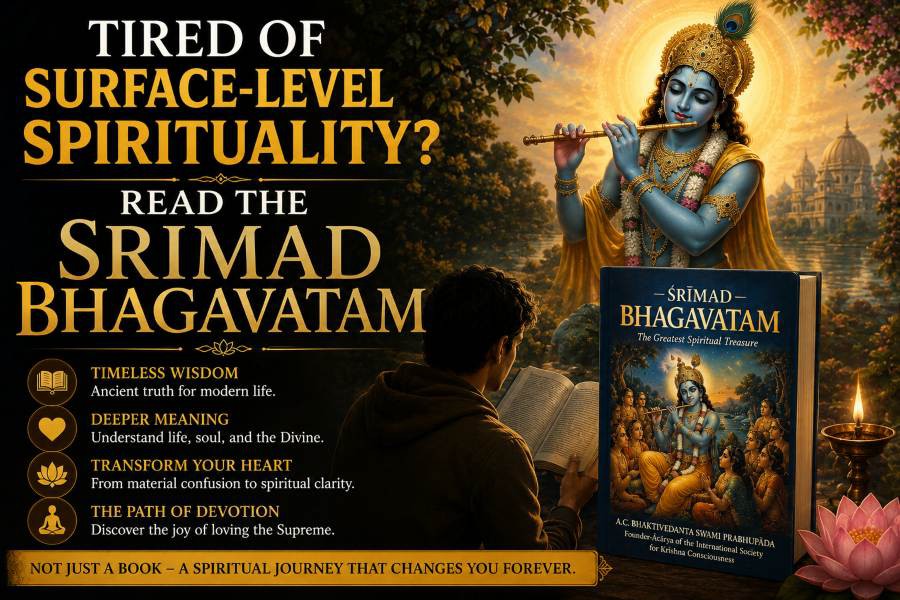
Tired of Surface-Level Spirituality? Read the Srimad Bhagavatam
Tired of Surface-Level Spirituality? Read the Srimad Bhagavatam
A growing number of people are spiritually exhausted.
Not because they reject spirituality.
Because they are drowning in shallow versions of it.
Quick quotes. Five-second wisdom clips. “Positive vibes” without responsibility. Motivational slogans disguised as enlightenment. Endless spiritual content that sounds comforting for a moment yet changes nothing deep inside.
People consume spiritual material constantly and still feel internally restless.
That frustration explains why many serious seekers eventually arrive at the Srimad Bhagavatam. The difference becomes obvious almost immediately. This is not spiritual entertainment designed to produce temporary emotional excitement. It is a profound exploration of consciousness, suffering, devotion, ego, purpose, mortality, and the eternal nature of the soul.
Readers exploring the ISKCON Mayapur Online Store often discover the Srimad Bhagavatam after feeling disappointed by surface-level spirituality that promises transformation while avoiding uncomfortable truths.
The Bhagavatam does the opposite.
It forces readers to confront reality honestly.
And strangely, that honesty feels refreshing.
Why Modern Spirituality Often Feels Emotionally Empty
A lot of modern spiritual culture focuses heavily on feeling good immediately.
That sounds harmless until you notice the deeper problem.
Real spiritual growth is not always emotionally comfortable.
Sometimes it requires:
- Self-examination
- Humility
- Discipline
- Letting go of ego
- Facing painful truths
- Questioning unhealthy attachments
Surface-level spirituality usually avoids these subjects because they are harder to market.
It prefers:
- Instant affirmation
- Emotional stimulation
- Easy optimism
- Simplified philosophy
- Constant self-validation
The result?
People feel spiritually entertained but internally unchanged.
.jpg)
The Bhagavatam Does Not Flatter the Ego
This is one reason the Srimad Bhagavatam feels radically different.
The text repeatedly exposes:
- Pride
- Attachment
- Illusion
- Greed
- False identity
- Desire-driven thinking
And it does so without cruelty.
The Bhagavatam understands that human suffering often begins when people forget their spiritual identity and become trapped inside temporary material consciousness.
That diagnosis feels uncomfortable because it demands responsibility.
The text does not simply say:
“You are already perfect exactly as you are.”
It says something deeper:
“You are spiritually eternal, but your consciousness requires purification.”
That distinction changes everything.
Why Readers Feel the Bhagavatam Is “Alive”
Most self-help content becomes predictable quickly.
The Bhagavatam does not.
Readers return to it repeatedly because the text evolves alongside their consciousness. A chapter that once seemed simple suddenly becomes emotionally overwhelming after real-life experiences:
- Failure
- Marriage
- Loss
- Illness
- Spiritual struggle
- Aging
- Parenthood
This happens because the Bhagavatam addresses permanent human realities rather than temporary trends.
It Speaks to the Parts of Life People Try to Avoid
Modern spiritual branding often avoids difficult subjects.
The Bhagavatam does not avoid:
- Death
- Fear
- Emotional attachment
- Betrayal
- Ego
- Jealousy
- Anxiety
- Mortality
- Loneliness
It explores them honestly.
And strangely, this honesty creates comfort rather than despair.
Why?
Because readers finally encounter a spiritual text that acknowledges real human struggle instead of pretending enlightenment means emotional numbness.
The Bhagavatam Understands Why People Feel Empty
This may be the scripture’s most psychologically accurate insight:
Material satisfaction has limits.
The Bhagavatam repeatedly shows powerful individuals possessing:
- Wealth
- Influence
- Beauty
- Pleasure
- Intelligence
- Fame
Yet they remain restless internally.
This observation matters today because modern culture constantly promises fulfillment through accumulation:
- More success
- More entertainment
- More luxury
- More attention
- More stimulation
Still, anxiety and dissatisfaction continue growing globally.
The Bhagavatam explains why.
Temporary things cannot permanently satisfy eternal consciousness.
Why “Good Energy” Is Not Enough
Many modern spiritual systems focus heavily on energy, mood, and positivity.
The Bhagavatam focuses on transformation of consciousness.
That is much deeper.
Feeling temporarily peaceful is not the same as spiritual awakening.
The Bhagavatam asks serious questions:
- Who are you beyond the body?
- What survives death?
- Why does attachment create suffering?
- What is the soul’s natural condition?
- Why does desire endlessly expand?
- What is genuine devotion?
These questions require reflection, not slogans.
The Bhagavatam Is Deep Without Becoming Emotionally Cold
Some philosophical texts become intellectually impressive yet emotionally distant.
The Bhagavatam balances:
- Theology
- Emotion
- Storytelling
- Psychology
- Devotion
- Philosophy
That balance keeps readers engaged deeply.
The text teaches through emotionally powerful narratives rather than dry abstraction alone.
Stories That Reveal Human Nature Ruthlessly
The Bhagavatam contains unforgettable personalities:
- Prahlada Maharaja
- Dhruva Maharaja
- King Parikshit
- Ajamila
- Hiranyakashipu
- Kunti Devi
- Sukadeva Goswami
These are not flat religious symbols.
They represent living emotional realities:
- Ambition
- Fear
- Faith
- Pride
- Repentance
- Attachment
- Devotion
- Transformation
Readers recognize themselves inside these stories repeatedly.
Why the Bhagavatam Feels Spiritually Serious
The text treats human life as meaningful and temporary simultaneously.
That combination creates urgency.
The Bhagavatam repeatedly reminds readers:
- Time moves quickly
- Bodies age
- Death is certain
- Material situations constantly change
This is not pessimism.
It is clarity.
Modern spirituality often tries to reduce discomfort artificially. The Bhagavatam tries to awaken consciousness permanently.
The Question That Changes Everything
The Bhagavatam begins with King Parikshit learning he has seven days left to live.
His response defines the entire scripture.
He asks:
“What should a person hear, remember, and do at the time of death?”
That question instantly cuts through superficial living.
Suddenly:
- Status loses importance
- Ego looks fragile
- Material obsession feels temporary
- Spiritual priorities become urgent
Readers feel this shift emotionally.
Surface-Level Spirituality Often Avoids Discipline
This is another major difference.
The Bhagavatam respects discipline deeply.
Not empty ritualistic rigidity.
Conscious spiritual discipline.
The text repeatedly emphasizes:
- Hearing sacred wisdom
- Chanting divine names
- Association with spiritually serious people
- Self-control
- Humility
- Devotional practice
Modern culture often treats discipline negatively because it limits impulse-driven living.
The Bhagavatam treats discipline as liberation from mental slavery.
Freedom Is Defined Differently Here
Modern culture defines freedom as:
“Do whatever you desire.”
The Bhagavatam asks a difficult question:
“What if uncontrolled desire itself becomes imprisonment?”
That insight feels disturbingly accurate.
People often become trapped by:
- Addiction
- Ego
- Endless craving
- Sensory obsession
- Emotional dependence
- Fear of loss
The Bhagavatam argues that spiritual freedom begins when consciousness no longer remains controlled by temporary impulses.
Why the Bhagavatam Still Feels Relevant Today
Because human beings still struggle with the same inner problems.
Technology changed dramatically.
Psychological suffering did not.
People still experience:
- Anxiety
- Emptiness
- Jealousy
- Loneliness
- Fear
- Identity confusion
- Existential uncertainty
The Bhagavatam addresses these conditions directly.
It Refuses to Reduce Humans to Material Identity
Modern society often defines people through:
- Career
- Appearance
- Income
- Social status
- Political identity
- Public image
The Bhagavatam rejects this completely.
It teaches that the living being is eternal consciousness temporarily occupying the material body.
That shift changes how suffering itself is understood.
The Bhagavatam Is Not Afraid of Complexity
Another reason serious seekers appreciate the text:
it does not oversimplify life.
The scripture acknowledges:
- Moral complexity
- Emotional conflict
- Spiritual struggle
- Human weakness
- Psychological conditioning
Yet it still points consistently toward transcendence.
This balance feels mature.
Why Devotion Matters So Much in the Bhagavatam
Bhakti — loving devotion toward Krishna — stands at the center of the text.
But devotion here is not blind emotionalism.
It becomes:
- Spiritual alignment
- Purification of consciousness
- Restoration of eternal identity
- Loving relationship with the Divine
The Bhagavatam argues that many human frustrations emerge because people seek lasting fulfillment disconnected from their spiritual source.
That idea becomes increasingly meaningful through life experience.
The Bhagavatam Exposes the Limits of Intellectual Pride
The text repeatedly shows highly intelligent people becoming spiritually lost through arrogance.
Knowledge alone is not enough.
A person may possess:
- Scholarship
- Logic
- Debate skills
- Intellectual prestige
Yet still remain emotionally disturbed and spiritually disconnected.
The Bhagavatam values wisdom more than mere information accumulation.
Why Humility Appears Constantly
This surprises many readers.
The most spiritually elevated personalities in the Bhagavatam often display extraordinary humility rather than superiority.
Why?
Because genuine spiritual realization weakens ego-centered thinking.
Surface-level spirituality frequently strengthens ego indirectly:
- “I am more awakened.”
- “I am spiritually advanced.”
- “I am more conscious than others.”
The Bhagavatam dismantles this mentality repeatedly.
Why the Text Feels Emotionally Cleansing
Many devotees describe reading the Bhagavatam as mentally purifying.
Not because every chapter feels emotionally pleasant.
Because the text gradually reorganizes consciousness.
It changes:
- Priorities
- Emotional perspective
- Understanding of suffering
- Relationship with desire
- Perception of time
- Spiritual focus
This transformation usually happens slowly.
The Bhagavatam works deeply rather than quickly.
It Rewards Patience
Some books provide immediate excitement but little long-term depth.
The Bhagavatam behaves differently.
The more seriously readers engage with it:
- The more psychological depth appears
- The more emotional meaning develops
- The more philosophical layers emerge
- The more spiritually personal the text becomes
That is why devotees continue reading it for decades.
Why Serious Spiritual Seekers Eventually Crave Depth
At first, surface spirituality feels attractive because it is easy.
No sacrifice.
No discipline.
No confrontation with ego.
Eventually, many people notice something painful:
they remain spiritually hungry despite constant consumption of spiritual content.
The Bhagavatam fills that hunger because it offers substance rather than stimulation.
It Treats the Soul Seriously
This may be the scripture’s greatest strength.
The Bhagavatam does not reduce human existence to:
- Productivity
- Pleasure
- Psychological comfort
- Material success
It addresses the soul directly.
That changes the emotional weight of the entire text.
The Bhagavatam Is Not Trying to Impress You
Modern spiritual culture often depends heavily on presentation:
- Aesthetic branding
- Emotional performance
- Inspirational image-building
The Bhagavatam does not care about appearing fashionable.
It cares about truth.
Sometimes beautiful truth.
Sometimes uncomfortable truth.
But always meaningful truth.
More Than Inspiration
Many books inspire briefly and disappear from memory.
The Srimad Bhagavatam stays because it does something much rarer:
it transforms perception itself.
Readers begin seeing:
- Material life differently
- Desire differently
- Suffering differently
- Relationships differently
- Themselves differently
That transformation cannot happen through surface-level spirituality alone.
It requires depth.
Reflection.
Humility.
Patience.
And willingness to confront reality honestly.
The Bhagavatam offers all of that.
Which is exactly why serious spiritual seekers keep returning to it generation after generation.
Posted in: Bhagavatam Wisdom Series
Related posts
-
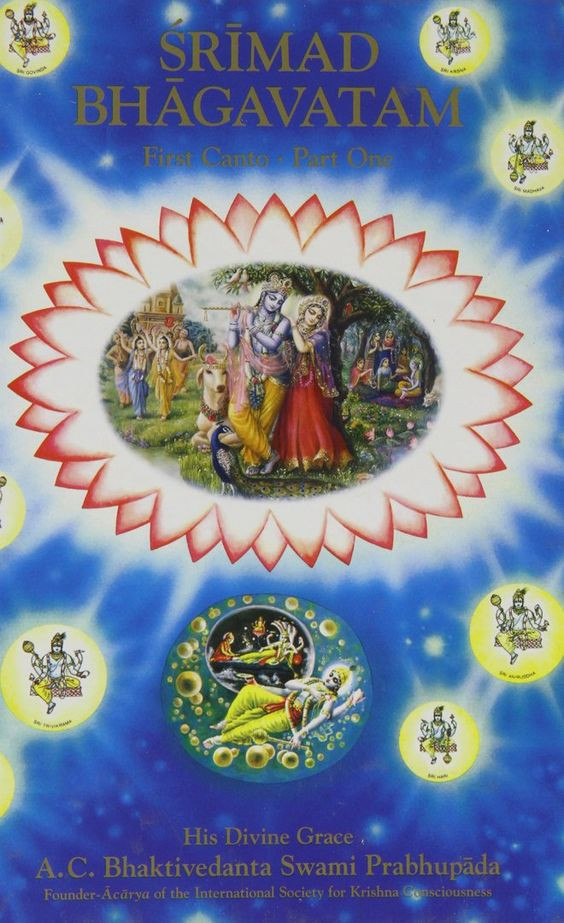 Why to read srimad bhagavatamReading the Srimad Bhagavatam fosters deep spiritual growth by narrating the life and teachings of Lord Krishna,...Read more
 -
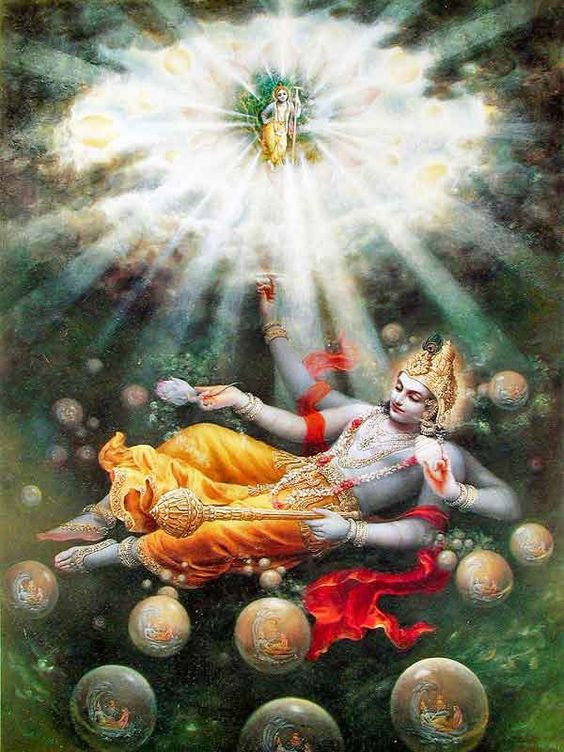 When was srimad bhagavatam written?The Srimad Bhagavatam is believed to have been written around 9th-10th century CE, though its oral traditions date...Read more
 -
 How many chapters are there in srimad bhagavatam?The Srimad Bhagavatam consists of 12 cantos (books) containing 335 chapters in total. Each canto covers various...Read more
 -
 How many skandhas are there in srimad bhagavatamThe Srimad Bhagavatam is divided into 12 skandhas (cantos or books). Each skandha explores different themes,...Read more
 -
 How many slokas in srimad bhagavatamThe Srimad Bhagavatam contains approximately 18,000 shlokas (verses). These verses are spread across its 12 skandhas...Read more
Leave a comment