
Why did Krishna run to embrace a poor brahmin in rags? Read the Sudama story from the Bhagavatam and learn how a...
Latest posts
-
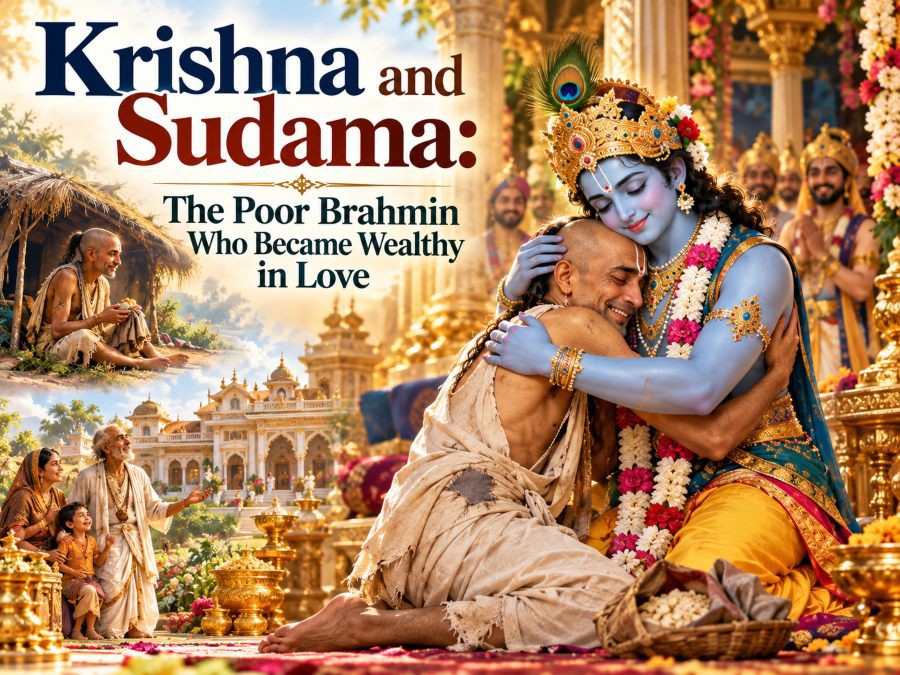 Krishna and Sudama: The Poor Brahmin Who Became Wealthy in LoveRead more
 -
 Vamana Avatar: How Three Steps Humbled Bali MaharajaRead more
Why did a powerful king give away three worlds to a boy asking for three steps? Learn the Vamana avatar story from...
-
 The Bhagavatam on Marriage: Duty, Love and Spiritual PartnershipRead more
What does the Bhagavatam say about marriage? Through the stories of Kardama and Devahuti, Rukmini's secret letter and...
-
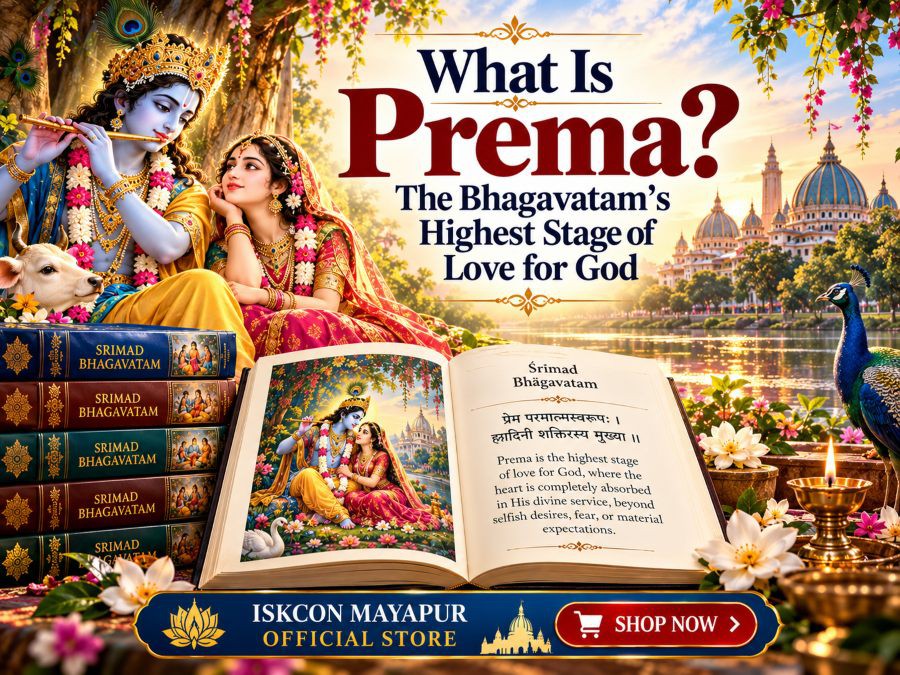 What Is Prema? The Bhagavatam's Highest Stage of Love for GodRead more
Prema is love for God with no "because" attached. Learn how the Bhagavatam describes it, the nine steps from faith to...
-
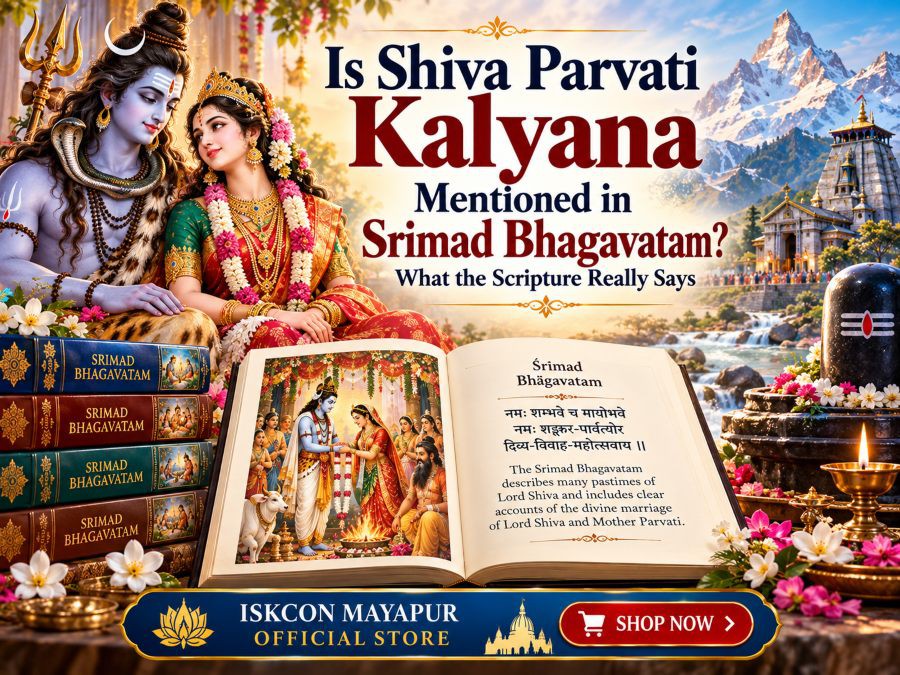 Is Shiva Parvati Kalyana Mentioned in Srimad Bhagavatam? What the Scripture Really SaysRead more
Looking for Shiva and Parvati's wedding in the Srimad Bhagavatam? Find out what the scripture actually describes,...
-
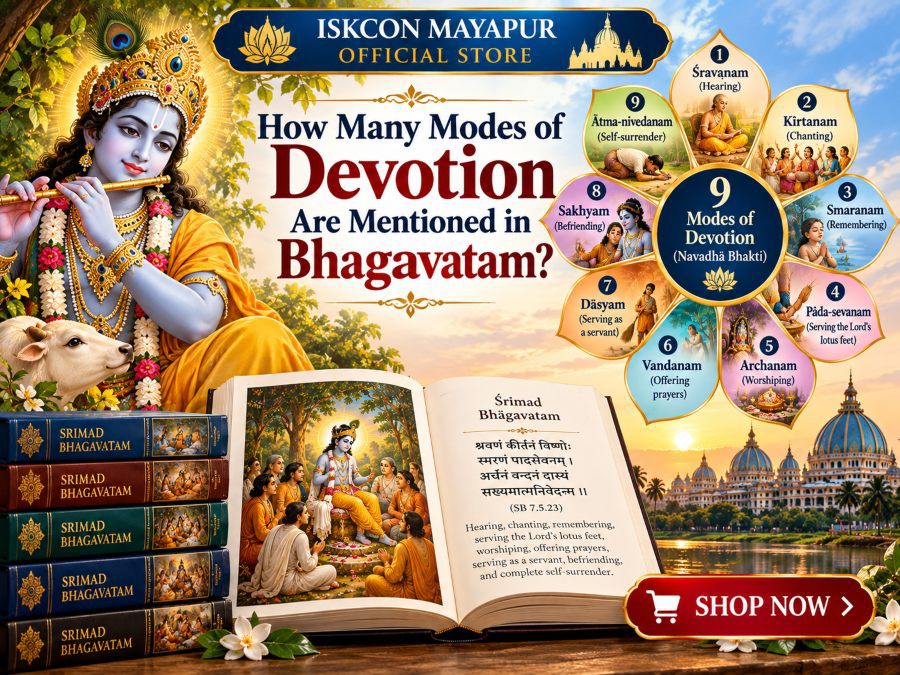 How Many Modes of Devotion Are Mentioned in Bhagavatam?Read more
A young boy named Prahlada listed nine ways to serve God, and the Bhagavatam keeps them as its answer. Learn what the...
-
 What Is Bhagavatam and Why Has It Been Read for 5,000 Years?Read more
A dying king asked one question, and the answer became the Bhagavatam. Learn what this Sanskrit scripture contains,...
-
 Who Is Lord Krishna? His Meaning, Teachings and Pastimes ExplainedRead more
Discover who Krishna is according to Srimad Bhagavatam, including His divine identity, childhood pastimes, teachings,...
-
 Incense in Islam: Bakhoor, Agarbatti and What Tradition SaysRead more
Is burning fragrance part of Muslim tradition? Explore incense in Islam, from the Prophetic practice of fumigating...
-
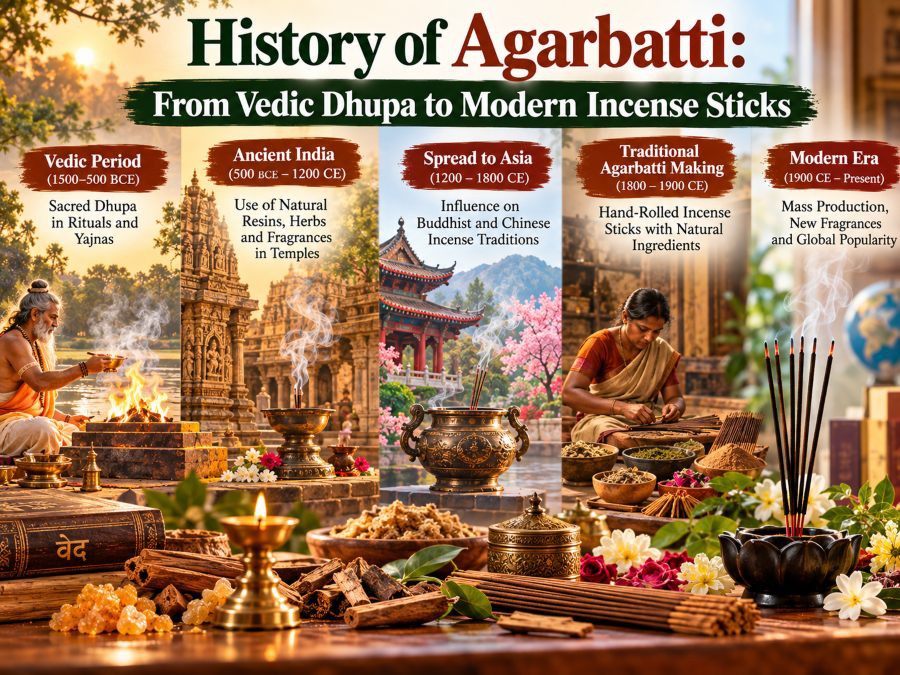 History of Agarbatti: From Vedic Dhupa to Modern Incense SticksRead more
Where did agarbatti really come from? Follow the history of agarbatti from Vedic fire rituals and temple dhupa to...
Blog categories
- Default category (0)
- MUSICAL INSTRUMENT (1)
- BOOK (5)
- DEVOTIONAL GIFT (0)
- Blog (30) click
- CHANDAN (12)
- Bhagavatam Wisdom Series (68)
- Krishna Consciousness (14)
- Mridangam Musical Instrument (6)
- Bhagavad Gita for Beginners (13)
- Bhagavad Gita As It Is (37) click
- Bhagavad Gita As It Is Telugu (0)
- Bhagavad Gita As It Is Marathi (0)
- Bhagavad Gita As It Is In Hindi (0)
- Bhagavad Gita As It Is In English (0)
- Bhagavad Gita As It Is In Bengali (8)
- Bhagavad Gita As It Is In Kannada (0)
- Bhagavad Gita As It Is In Gujarati (0)
- Bhagavad Gita As It Is In Panjabi (0)
- Bhagavad Gita As It Is In Tamil (0)
- Bhagavad Gita As It Is Odia (0)
- BHAGAVAD GITA As It Is GERMAN (0)
- Bhagavad Gita As It Is In French (0)
- Bhagavad Gita As It Is In Nepali (0)
- Bhagavad Gita As It Is In Assamese (0)
- Incense or Agarbatti (38)
- Lord Chaitanya Mahaprabhu (3)
- Vedic Temple Mayapur (14)
- kalki (15)
- Mahabharata – Dharma & Destiny (27)
- Vaishnava Scriptures (4)
- healthy product (4)
- chaitanya mahaprabhu (5)
- Tulsi Mala Guide (17)
Search in blog
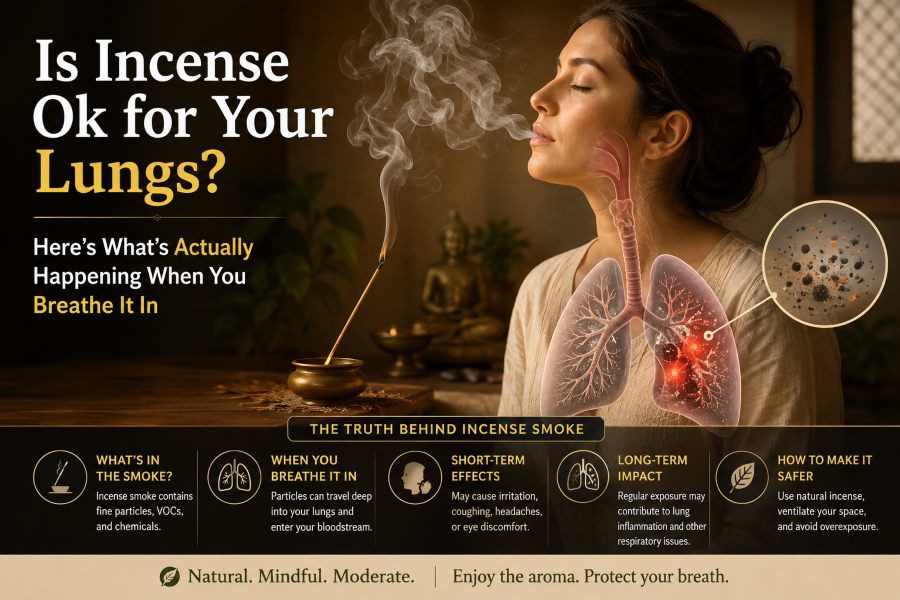
s Incense Ok for Your Lungs? What Science Really Says
Is Incense Ok for Your Lungs? Here's What's Actually Happening When You Breathe It In
You light a stick, watch the smoke curl upward, and the room fills with something that feels calming almost instantly. Then, somewhere in the back of your mind, a small doubt shows up: am I actually breathing in something harmful right now?
It's a fair question, and it deserves a real answer instead of either extreme — "incense is pure and can never hurt you" on one side, or "any smoke will wreck your lungs" on the other. The truth about incense sticks sits somewhere in the middle, and once you understand the actual mechanics of what's burning and what you're inhaling, you can make a genuinely informed choice about how you use them. Many households that keep ISKCON Mayapur Store Incense Sticks/Agarbatti on hand for daily worship want exactly this — a clear, honest picture rather than vague reassurance.
Let's actually look at what's going on.
What Incense Smoke Is Actually Made Of
Here's the part most people never think about: any form of combustion produces particulate matter. Wood, candles, cooking oil on high heat, a campfire, and yes, incense — they all release fine particles into the air when they burn. This isn't unique to incense; it's simply what happens when organic material is set on fire.
When an incense stick burns, it releases a mix of:
- Fine particulate matter (PM2.5) — particles small enough to travel deep into the lungs
- Volatile organic compounds (VOCs) — released from the fragrance oils and binding agents
- Carbon monoxide and other combustion byproducts — in much smaller quantities than a fire or cigarette, but present nonetheless
Research measuring indoor air quality during incense burning has found that particulate levels can rise noticeably in enclosed spaces, particularly during extended or continuous use. This isn't a scare tactic — it's simply chemistry. Smoke is smoke, regardless of what it smells like or what intention it carries.
But here's where the real conversation should start, not end.
Dose and Duration Change Everything
This is the single most important idea in the entire topic, and almost nobody talks about it clearly: the danger in anything you inhale is almost always about dose and duration, not the mere presence of a substance.
Think about it this way. Standing in your kitchen while you sear a steak on a cast-iron pan produces more particulate matter in that moment than lighting a single incense stick. Nobody panics about pan-searing dinner once a week. The concern only becomes real when exposure is heavy, repeated, and happens in a poorly ventilated space, day after day, for years.
So the honest answer to "is incense bad for your lungs" isn't yes or no — it's "it depends on how much, how often, and where."
- Lighting one or two sticks during a daily puja in a room with some airflow? The exposure is minimal and comparable to many everyday household activities.
- Burning incense continuously for hours in a sealed room with no ventilation, every single day, for years? That's a genuinely different exposure profile, and caution is reasonable.
Most people doing daily devotional practice fall firmly into the first category, not the second.
What the Actual Studies Show (Without the Exaggeration)
A handful of studies, mostly conducted in enclosed temples or homes with heavy, near-constant incense burning, have found associations between long-term high-level exposure and respiratory irritation. These studies are often cited in alarming headlines, but the fine print matters enormously.
What the research actually measured:
- Long-term, high-frequency, high-volume burning
- Poorly ventilated or sealed indoor spaces
- Often multiple sticks or large coils burning simultaneously for many hours
What most home users actually do:
- A few minutes to an hour of burning, once or twice a day
- Rooms with doors, windows, or basic airflow
- Natural ingredient sticks rather than heavily synthetic ones
The gap between "extreme, prolonged exposure in a sealed room" and "lighting one stick during morning prayer" is enormous. Treating these as the same risk level isn't scientific caution — it's just imprecise reading of the research.
Not All Incense Is Created Equal
Here's something that genuinely does matter, and it's rarely mentioned in the panic-driven articles: what the incense is actually made of changes the equation significantly.
Natural, traditionally made incense — built from ingredients like sandalwood, herbs, resins, and natural gums — tends to burn cleaner than sticks bulked up with synthetic fragrance oils and chemical binders. Cheap mass-produced incense often uses charcoal cores soaked in artificial scent compounds, which can release a heavier, harsher smoke profile.
This is one of those situations where quality genuinely isn't just marketing language — it changes the actual chemical composition of what you're breathing. A stick made with real botanical ingredients and minimal synthetic additives is simply a different product than one built for shelf appeal and a strong artificial scent.
If you're going to burn incense regularly, this is the one variable worth paying real attention to.
Simple Habits That Make a Real Difference
You don't need to give up a practice that brings you peace, focus, or devotion. You just need a few sensible habits that most people already do instinctively without realizing why they help.
Crack a window or door. Even a small amount of airflow dramatically reduces how much particulate matter builds up in a room. Stagnant air is what turns a harmless ritual into a genuine exposure concern.
Don't burn multiple sticks in a tightly closed room. One stick in a ventilated space is a completely different exposure level than five sticks in a sealed one.
Give the room a break between sessions. Let the air clear rather than lighting stick after stick back to back for hours.
Choose natural over synthetic when you can. Sandalwood, herbal, and resin-based incense tends to burn with less harsh residue than heavily perfumed synthetic varieties.
If you have asthma or an existing respiratory condition, be extra mindful. This isn't about avoiding incense altogether — it's about shorter sessions, better airflow, and paying attention to how your body responds.
None of these habits require sacrificing the ritual itself. They just make it smarter.
Why the Tradition Has Survived This Long
It's worth stepping back for a second and asking an obvious question: if incense were genuinely dangerous in the way some headlines suggest, why has it remained central to daily worship across cultures and centuries, in temples, homes, and sacred spaces around the world?
Part of the answer is scale. Traditional daily use — a stick or two, for a few minutes, in a space with some airflow — was never the equivalent of industrial-level, sealed-room exposure. The ritual evolved within a context of moderate, intentional use, not constant heavy burning.
There's also something worth noting about the purpose behind the practice. Incense in devotional settings isn't burned for its scent alone — it's an offering, a marker of sincerity, a small act that shifts the mind into a different state before prayer or meditation. That context matters for how people actually use it: briefly, mindfully, and rarely in the kind of extreme volume that shows up in the more alarming research.
So, Should You Actually Worry?
For the overwhelming majority of people who light incense for a few minutes during daily prayer, meditation, or simply to create a calming atmosphere in a room with reasonable airflow, the honest answer is this: the risk is low, and comparable to plenty of everyday household activities most people never think twice about.
The real caution belongs to a different scenario entirely — heavy, near-constant burning in sealed rooms over years, especially with low-quality synthetic sticks. That's a legitimate concern, and it's worth taking seriously if it describes your situation.
For everyone else, the smarter move isn't to abandon the practice out of fear. It's to burn with a bit of awareness: crack a window, choose better-made sticks, don't overdo the volume, and let the room breathe between sessions. That's not a compromise. It's just how any good habit works — done with intention, not on autopilot.
The stick of incense itself was never the enemy. Mindless, excessive burning in a sealed space is. Once you separate those two things, the whole question stops being scary and starts being simple: burn a little, breathe a little fresh air, and let the ritual do what it's always done.
Visit Our Incense Stick Collection: https://mayapur.store/37-incense-sticks
Posted in: Incense or Agarbatti
Related posts
-
 How to Light Incense SticksDiscover the right way to light incense sticks (agarbatti) for worship, meditation, and peace. Learn step-by-step...Read more
 -
 Where to Buy Incense SticksDiscover where to buy the best natural incense sticks for your daily puja, meditation, and relaxation. Explore pure,...Read more
 -
 Is Incense Sticks Bad for Pregnancy? Wondering if incense sticks are safe during pregnancy? Discover the truth about incense smoke, its effects on...Read more
 -
 Do Incense Sticks Trigger Fire Alarms? Wondering if incense sticks can trigger fire alarms? Learn how smoke affects detectors, safe burning tips, and...Read more
 -
 How Many Incense Sticks to Burn for Good LuckDiscover how many incense sticks to burn for good luck and prosperity. Learn the ideal numbers, rituals, and natural...Read more
Leave a comment