
Why did Krishna run to embrace a poor brahmin in rags? Read the Sudama story from the Bhagavatam and learn how a...
Latest posts
-
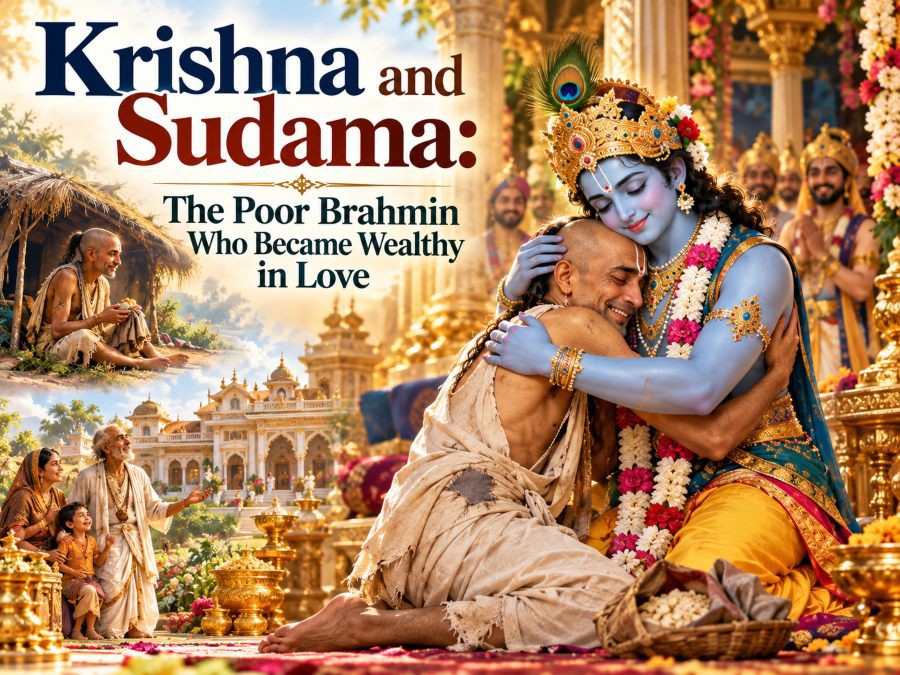 Krishna and Sudama: The Poor Brahmin Who Became Wealthy in LoveRead more
 -
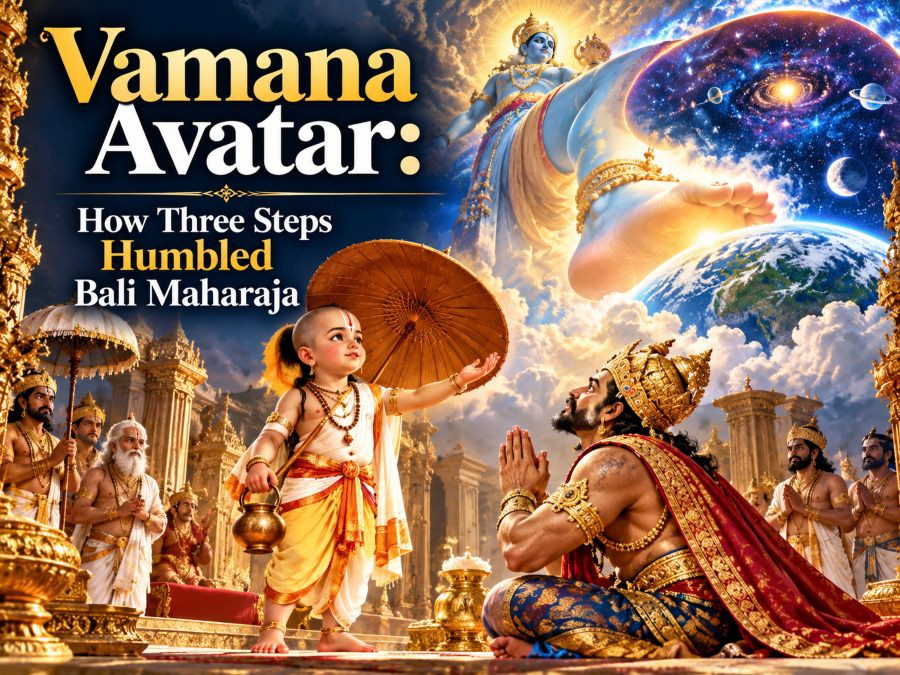 Vamana Avatar: How Three Steps Humbled Bali MaharajaRead more
Why did a powerful king give away three worlds to a boy asking for three steps? Learn the Vamana avatar story from...
-
 The Bhagavatam on Marriage: Duty, Love and Spiritual PartnershipRead more
What does the Bhagavatam say about marriage? Through the stories of Kardama and Devahuti, Rukmini's secret letter and...
-
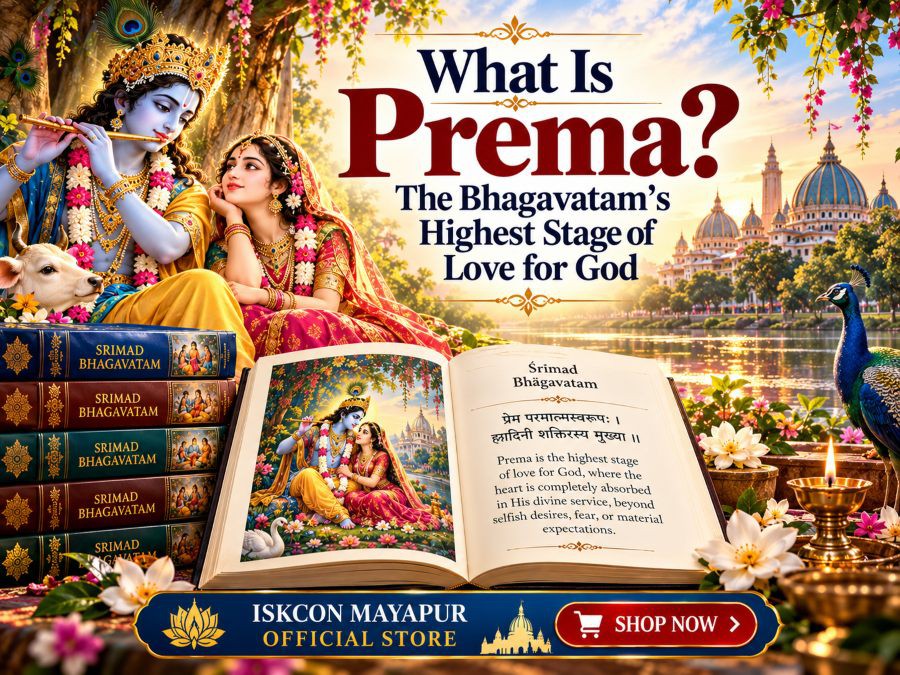 What Is Prema? The Bhagavatam's Highest Stage of Love for GodRead more
Prema is love for God with no "because" attached. Learn how the Bhagavatam describes it, the nine steps from faith to...
-
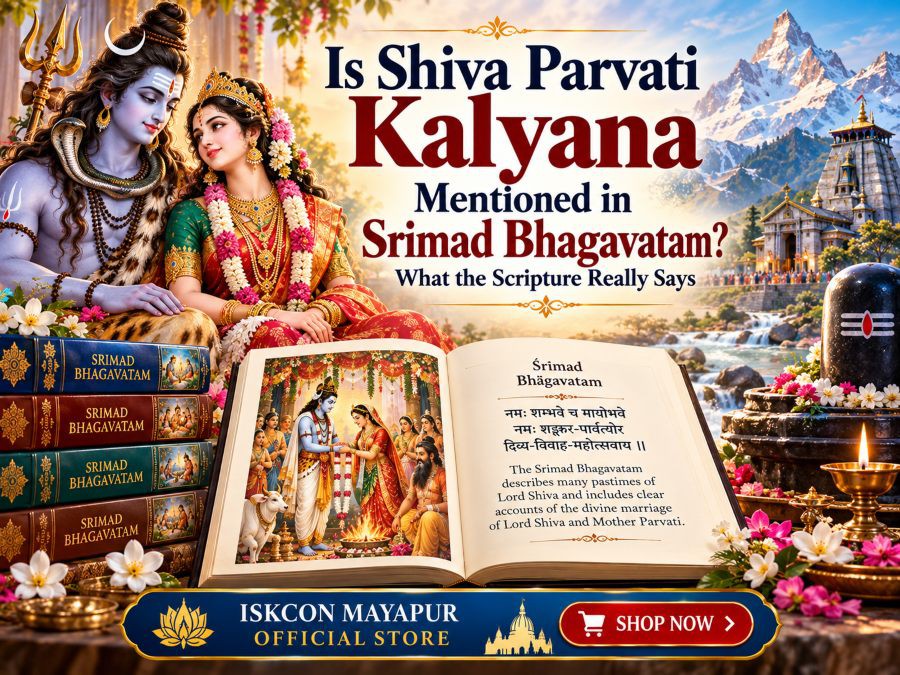 Is Shiva Parvati Kalyana Mentioned in Srimad Bhagavatam? What the Scripture Really SaysRead more
Looking for Shiva and Parvati's wedding in the Srimad Bhagavatam? Find out what the scripture actually describes,...
-
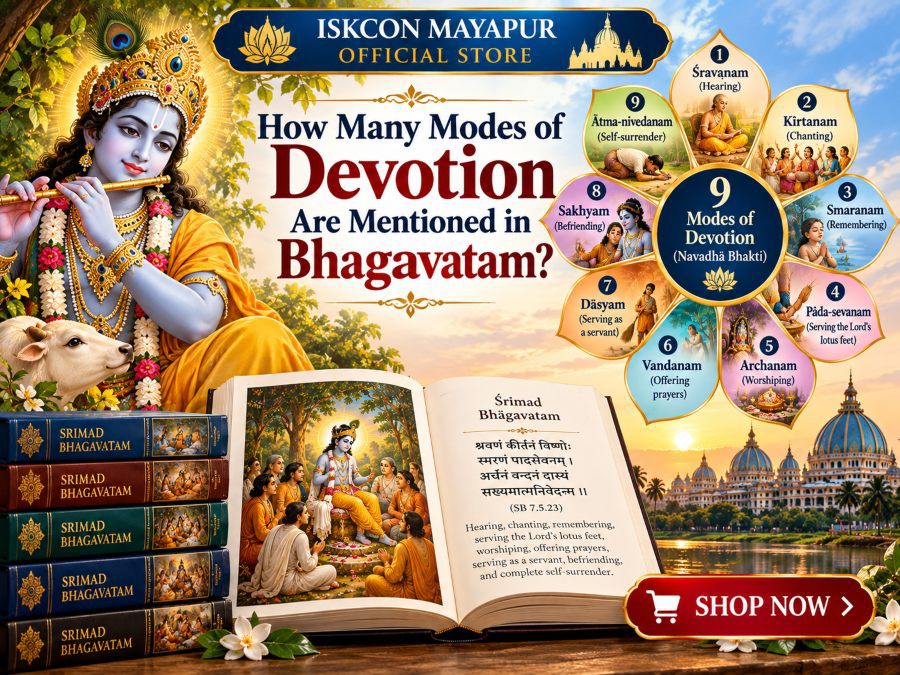 How Many Modes of Devotion Are Mentioned in Bhagavatam?Read more
A young boy named Prahlada listed nine ways to serve God, and the Bhagavatam keeps them as its answer. Learn what the...
-
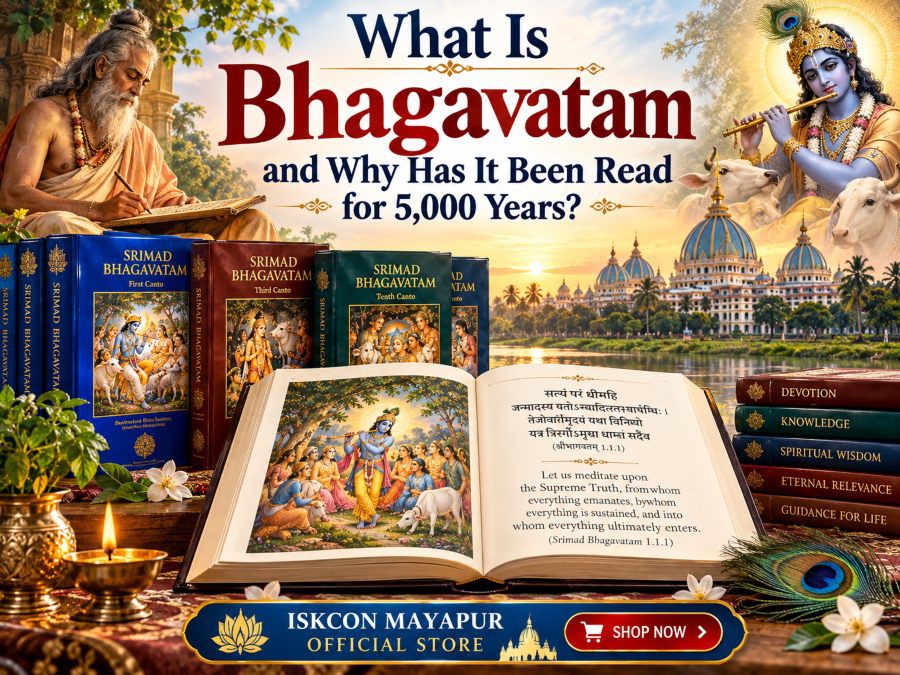 What Is Bhagavatam and Why Has It Been Read for 5,000 Years?Read more
A dying king asked one question, and the answer became the Bhagavatam. Learn what this Sanskrit scripture contains,...
-
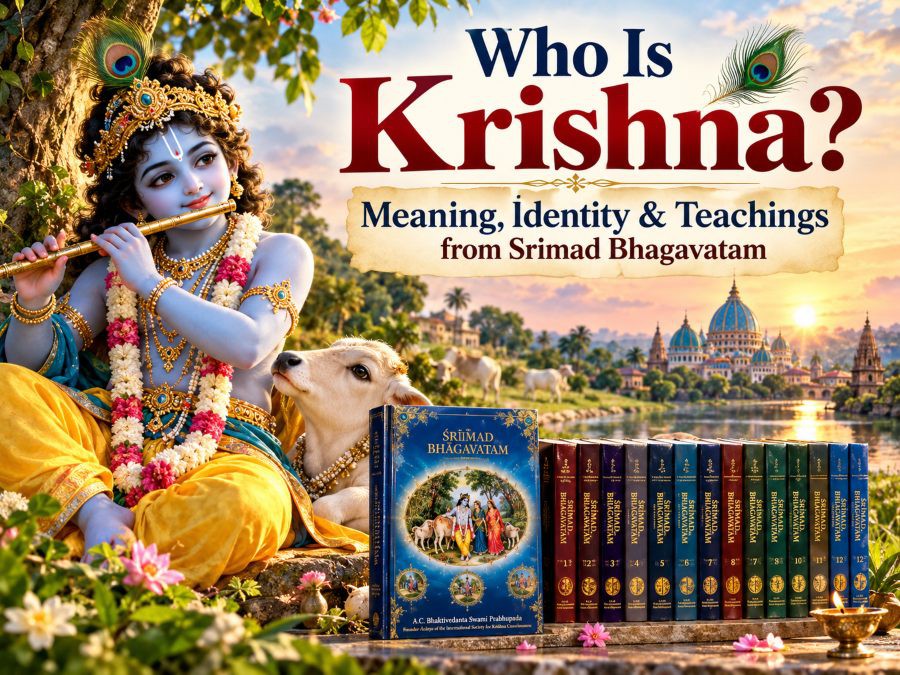 Who Is Lord Krishna? His Meaning, Teachings and Pastimes ExplainedRead more
Discover who Krishna is according to Srimad Bhagavatam, including His divine identity, childhood pastimes, teachings,...
-
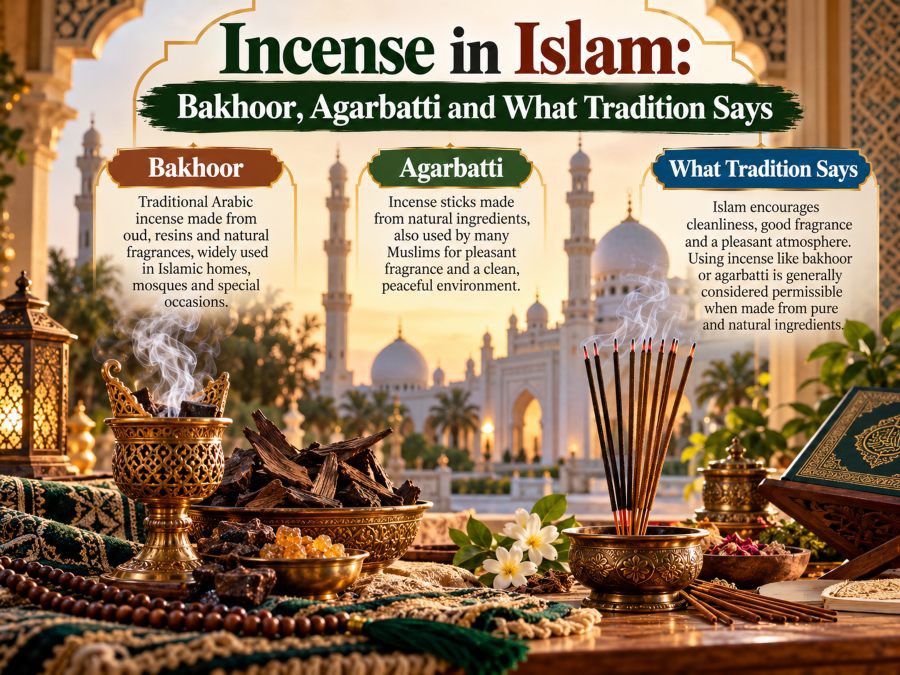 Incense in Islam: Bakhoor, Agarbatti and What Tradition SaysRead more
Is burning fragrance part of Muslim tradition? Explore incense in Islam, from the Prophetic practice of fumigating...
-
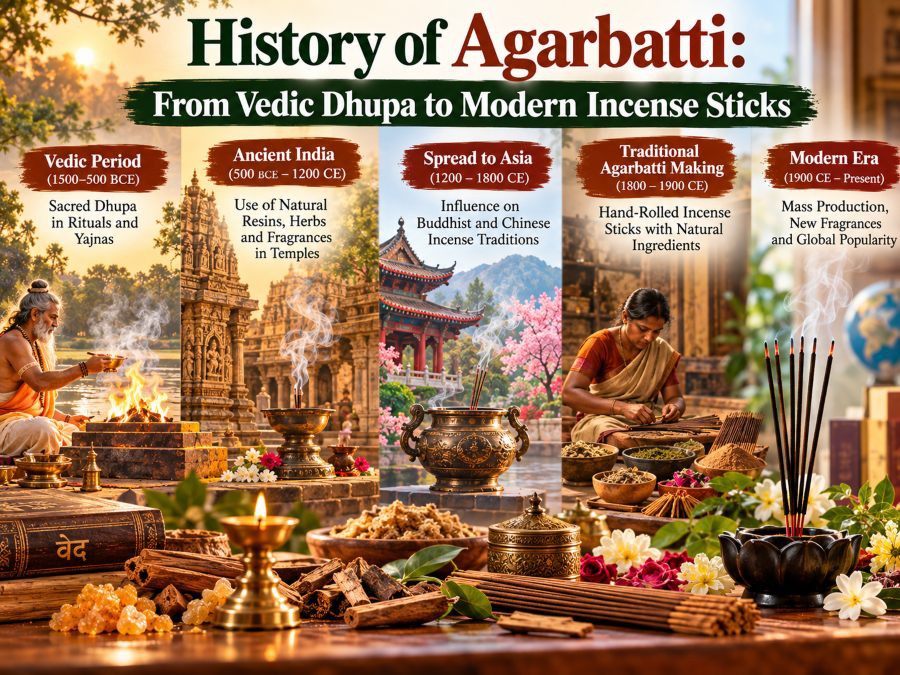 History of Agarbatti: From Vedic Dhupa to Modern Incense SticksRead more
Where did agarbatti really come from? Follow the history of agarbatti from Vedic fire rituals and temple dhupa to...
Blog categories
- Default category (0)
- MUSICAL INSTRUMENT (1)
- BOOK (5)
- DEVOTIONAL GIFT (0)
- Blog (30) click
- CHANDAN (12)
- Bhagavatam Wisdom Series (68)
- Krishna Consciousness (14)
- Mridangam Musical Instrument (6)
- Bhagavad Gita for Beginners (13)
- Bhagavad Gita As It Is (37) click
- Bhagavad Gita As It Is Telugu (0)
- Bhagavad Gita As It Is Marathi (0)
- Bhagavad Gita As It Is In Hindi (0)
- Bhagavad Gita As It Is In English (0)
- Bhagavad Gita As It Is In Bengali (8)
- Bhagavad Gita As It Is In Kannada (0)
- Bhagavad Gita As It Is In Gujarati (0)
- Bhagavad Gita As It Is In Panjabi (0)
- Bhagavad Gita As It Is In Tamil (0)
- Bhagavad Gita As It Is Odia (0)
- BHAGAVAD GITA As It Is GERMAN (0)
- Bhagavad Gita As It Is In French (0)
- Bhagavad Gita As It Is In Nepali (0)
- Bhagavad Gita As It Is In Assamese (0)
- Incense or Agarbatti (38)
- Lord Chaitanya Mahaprabhu (3)
- Vedic Temple Mayapur (14)
- kalki (15)
- Mahabharata – Dharma & Destiny (27)
- Vaishnava Scriptures (4)
- healthy product (4)
- chaitanya mahaprabhu (5)
- Tulsi Mala Guide (17)
Search in blog
What Is the Soul According to Srimad Bhagavatam? A Complete Explanation
What Is the Soul According to Srimad Bhagavatam?
Introduction: Why Understanding the Soul Is the Key to Life
Every human being, at some point, asks deep questions: Who am I? Why am I here? What happens after death?
The Srimad Bhagavatam answers these questions at their root by explaining the true nature of the soul.
Unlike modern material science, which studies the body and brain, the Bhagavatam focuses on the conscious self—the living essence that exists beyond birth and death. According to this sacred text, misunderstanding the soul is the primary cause of fear, suffering, and confusion in human life.
This article offers a clear, detailed, and beginner-friendly explanation of what the Srimad Bhagavatam teaches about the soul—its origin, qualities, bondage, and ultimate freedom.
READ ALSO:- Teachings of Srimad Bhagavatam Explained: Soul, Karma, God & Bhakti
The Soul Is Not the Body
Body vs Soul: The Fundamental Teaching
The Srimad Bhagavatam clearly states that the soul (ātman) is different from the body. The body is temporary and constantly changing, while the soul remains the same.
From childhood to old age:
- The body changes
- Thoughts change
- Circumstances change
Yet the sense of “I” remains constant. That unchanging observer is the soul.
The Bhagavatam compares the body to:
- Clothes worn by the soul
- A vehicle used for a journey
- A temporary residence
Just as a person does not become their clothes, the soul does not become the body.
The Soul Is Eternal
Never Born, Never Dead
One of the strongest teachings of the Srimad Bhagavatam is that the soul is eternal. It does not come into existence at birth, nor does it end at death.
Death is described as:
- The soul leaving one body
- And entering another body
This process continues life after life until true spiritual realization is achieved.
Because the soul is eternal:
- Fear of death comes from ignorance
- Grief arises from bodily identification
- True peace comes from soul-knowledge
The Soul Is Consciousness Itself
Source of Awareness
According to the Srimad Bhagavatam, consciousness is the symptom of the soul. Matter is unconscious by nature.
- A living body shows awareness
- A dead body does not
The difference is not chemical—it is the presence or absence of the soul.
The Bhagavatam teaches that:
- Consciousness does not arise from matter
- Matter moves because of consciousness
- The soul is self-illuminating
This understanding challenges the idea that life is merely a biological accident.
The Soul Is Individual and Unique
Not a Temporary Illusion
The Srimad Bhagavatam strongly rejects the idea that individuality is false or temporary. Each soul is:
- Eternal
- Distinct
- Irreplaceable
Even after liberation, the soul retains identity, memory, and the ability to love and serve.
Liberation does not mean becoming nothing—it means becoming fully oneself, free from material coverings.
The Soul Is a Servant by Nature
The Soul’s Natural Function
A central teaching of the Bhagavatam is that the soul is by nature a servant. Service is not slavery—it is the soul’s source of joy.
In material life, the soul serves:
- Desires
- Ego
- Family
- Society
- Fear
In spiritual life, the soul serves God with love, which brings fulfillment instead of exhaustion.
The Bhagavatam explains that trying to be the controller leads to suffering, while embracing service leads to freedom.
The Soul and the Supersoul
Two Souls in One Body
According to the Srimad Bhagavatam, there are two conscious beings within the heart:
1. The individual soul (jīva) – the experiencer
2. The Supersoul (Paramātmā) – the witness and guide
The Supersoul:
- Observes all actions
- Gives remembrance and forgetfulness
- Guides the soul according to karma
While the soul struggles and learns, the Supersoul remains neutral, compassionate, and ever-present.
Why the Soul Suffers
Forgetting Its True Identity
The Bhagavatam explains that suffering does not belong to the soul itself. The soul is naturally blissful. Suffering begins when the soul:
- Identifies with the body
- Seeks pleasure in matter
- Forgets its relationship with God
This forgetfulness is called ignorance (avidyā).
Under ignorance, the soul experiences:
- Fear
- Attachment
- Lust
- Anger
- Repeated birth and death
The Soul and Karma
How Actions Bind the Soul
The soul is free by nature, but karma binds it to material existence. Every action performed with selfish desire creates a reaction.
The Bhagavatam teaches:
- Good karma leads to pleasant results
- Bad karma leads to suffering
- Both keep the soul bound
Karma determines:
- Type of body
- Circumstances of birth
- Duration of life
- Quality of experiences
Until karma is neutralized, the soul must continue its journey through different bodies.
The Soul’s Journey Through Birth and Death
Cycle of Rebirth (Saṁsāra)
The Srimad Bhagavatam describes the soul’s journey as a long cycle through:
- Human forms
- Animal forms
- Higher planetary forms
Human life is considered rare and valuable because it allows:
- Self-inquiry
- Spiritual practice
- Liberation
If this opportunity is wasted, the soul may again descend into lower forms of life.
The Size and Nature of the Soul
Infinitesimal Yet Powerful
The Bhagavatam describes the soul as:
- Extremely small
- Beyond material measurement
Yet this tiny soul animates the entire body.
Though small, the soul is powerful because it carries:
- Consciousness
- Will
- Desire
Its small size explains why it can be influenced, covered, and conditioned—unlike God, who is unlimited.
The Soul’s Relationship with God
Eternal and Loving
The Srimad Bhagavatam teaches that the soul is an eternal part of God, sharing similar qualities in small degree:
- Eternity
- Knowledge
- Bliss
However, the soul is never equal to God.
The soul’s original position is not independence, but loving relationship. When this relationship is revived, the soul experiences its natural happiness.
Liberation of the Soul
What Is Real Freedom?
According to the Bhagavatam, liberation does not mean:
- Losing identity
- Merging into nothingness
- Escaping existence
Real liberation means:
- Freedom from karma
- Freedom from rebirth
- Restoration of the soul’s original consciousness
The liberated soul lives in awareness, devotion, and love.
Bhakti: The Direct Path for the Soul
Why Bhakti Is Supreme
The Srimad Bhagavatam declares bhakti (devotional service) as the most effective path for the soul because:
- It works regardless of background
- It does not require severe renunciation
- It directly awakens soul-consciousness
Bhakti cleanses the soul of ignorance naturally, like sunlight removing darkness.
The Soul in Daily Life
Living as a Soul, Not a Body
Understanding the soul changes how one lives:
- Relationships become compassionate
- Success and failure lose their grip
- Fear of death diminishes
- Purpose becomes clear
The Bhagavatam teaches practical soul-centered living:
- Act without ego
- Serve without expectation
- Remember God in daily duties
Why Soul Knowledge Is Essential Today
In a world focused on:
- Productivity
- Competition
- Consumption
People feel emptier than ever. The Srimad Bhagavatam explains that material progress without soul knowledge leads to anxiety.
True peace begins when life is aligned with the soul’s nature.
Conclusion: The Soul According to the Srimad Bhagavatam
According to the Srimad Bhagavatam, the soul is:
- Eternal, conscious, and blissful
- Separate from the body and mind
- An individual spiritual being
- A loving servant of God by nature
All suffering comes from forgetting this truth, and all happiness begins by remembering it.
Understanding the soul is not philosophy alone—it is the foundation of meaningful life. When the soul awakens to its true identity, fear dissolves, purpose appears, and life becomes a journey toward eternal fulfillment.
Posted in: Bhagavatam Wisdom Series
Related posts
-
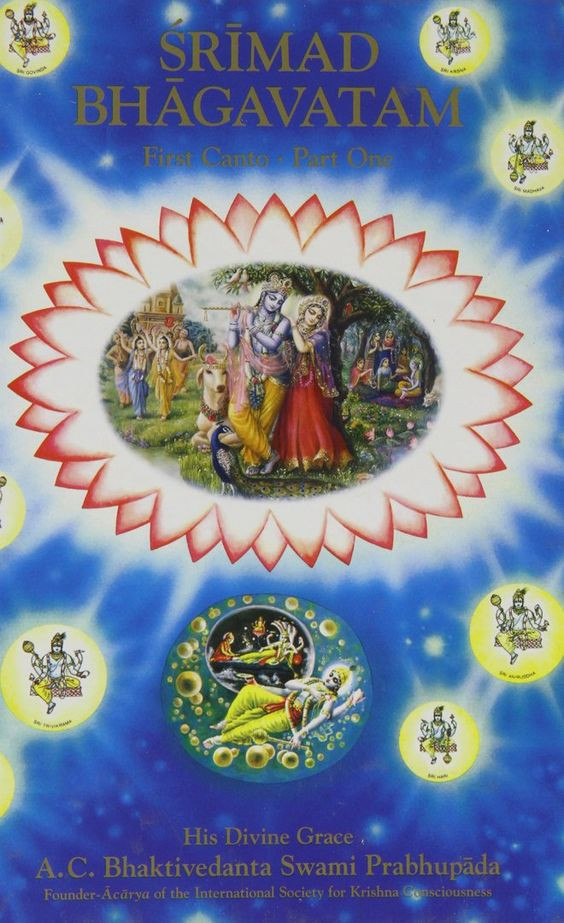 Why to read srimad bhagavatamReading the Srimad Bhagavatam fosters deep spiritual growth by narrating the life and teachings of Lord Krishna,...Read more
 -
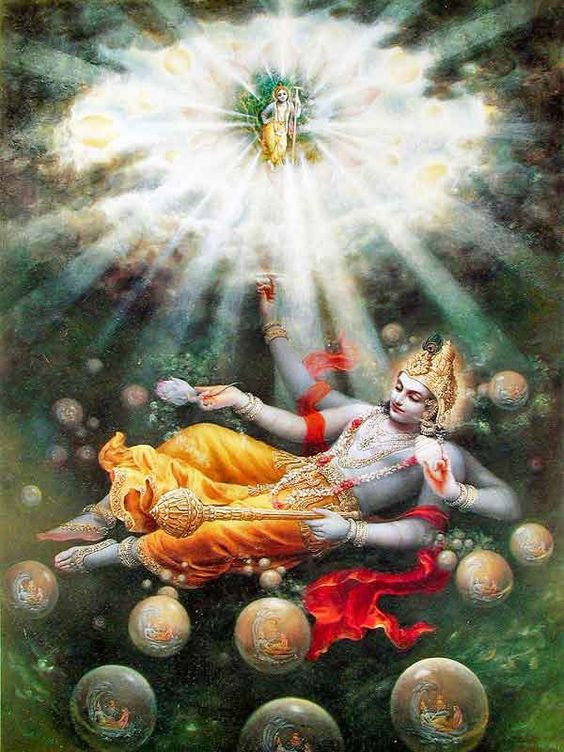 When was srimad bhagavatam written?The Srimad Bhagavatam is believed to have been written around 9th-10th century CE, though its oral traditions date...Read more
 -
 How many chapters are there in srimad bhagavatam?The Srimad Bhagavatam consists of 12 cantos (books) containing 335 chapters in total. Each canto covers various...Read more
 -
 How many skandhas are there in srimad bhagavatamThe Srimad Bhagavatam is divided into 12 skandhas (cantos or books). Each skandha explores different themes,...Read more
 -
 How many slokas in srimad bhagavatamThe Srimad Bhagavatam contains approximately 18,000 shlokas (verses). These verses are spread across its 12 skandhas...Read more
Leave a comment