
Why did Krishna run to embrace a poor brahmin in rags? Read the Sudama story from the Bhagavatam and learn how a...
Latest posts
-
 Krishna and Sudama: The Poor Brahmin Who Became Wealthy in LoveRead more
 -
 Vamana Avatar: How Three Steps Humbled Bali MaharajaRead more
Why did a powerful king give away three worlds to a boy asking for three steps? Learn the Vamana avatar story from...
-
 The Bhagavatam on Marriage: Duty, Love and Spiritual PartnershipRead more
What does the Bhagavatam say about marriage? Through the stories of Kardama and Devahuti, Rukmini's secret letter and...
-
 What Is Prema? The Bhagavatam's Highest Stage of Love for GodRead more
Prema is love for God with no "because" attached. Learn how the Bhagavatam describes it, the nine steps from faith to...
-
 Is Shiva Parvati Kalyana Mentioned in Srimad Bhagavatam? What the Scripture Really SaysRead more
Looking for Shiva and Parvati's wedding in the Srimad Bhagavatam? Find out what the scripture actually describes,...
-
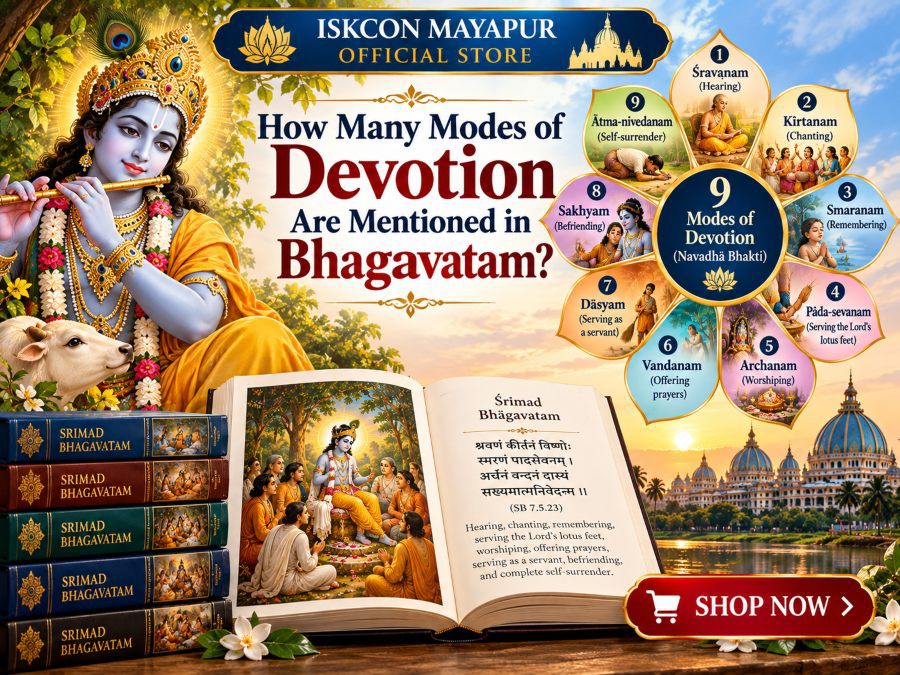 How Many Modes of Devotion Are Mentioned in Bhagavatam?Read more
A young boy named Prahlada listed nine ways to serve God, and the Bhagavatam keeps them as its answer. Learn what the...
-
 What Is Bhagavatam and Why Has It Been Read for 5,000 Years?Read more
A dying king asked one question, and the answer became the Bhagavatam. Learn what this Sanskrit scripture contains,...
-
 Who Is Lord Krishna? His Meaning, Teachings and Pastimes ExplainedRead more
Discover who Krishna is according to Srimad Bhagavatam, including His divine identity, childhood pastimes, teachings,...
-
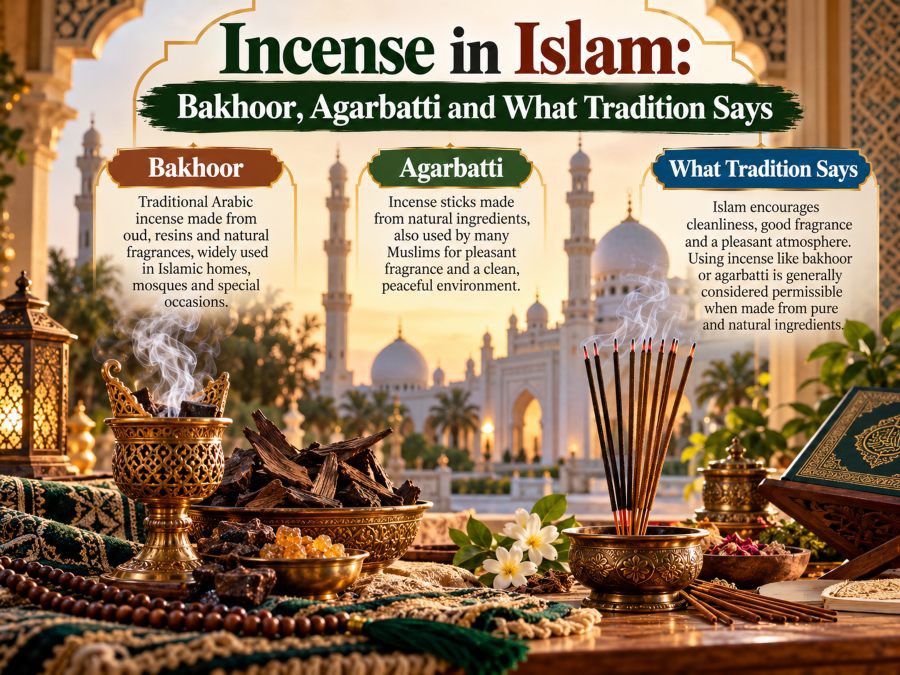 Incense in Islam: Bakhoor, Agarbatti and What Tradition SaysRead more
Is burning fragrance part of Muslim tradition? Explore incense in Islam, from the Prophetic practice of fumigating...
-
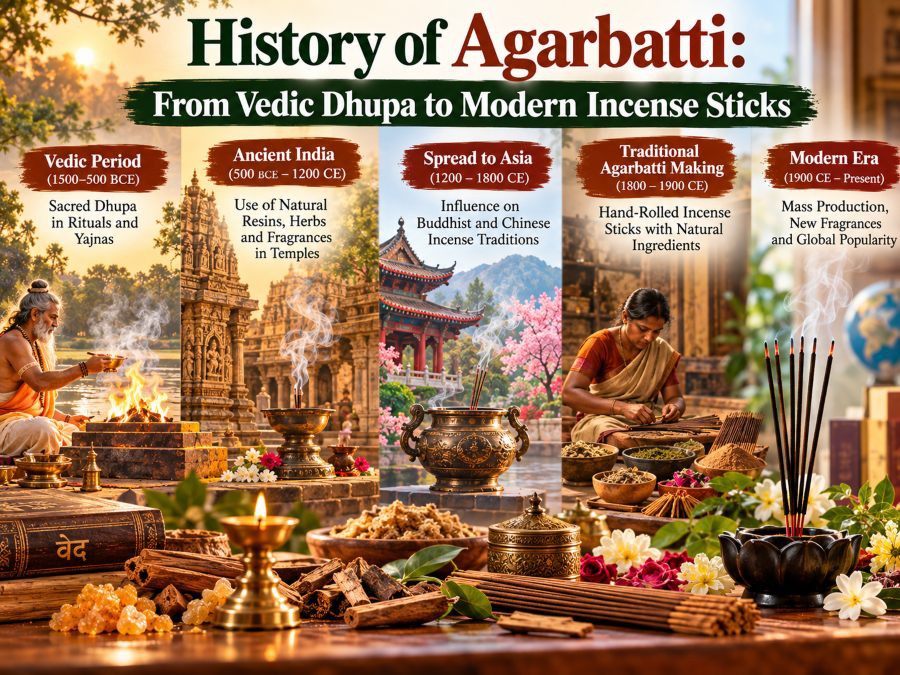 History of Agarbatti: From Vedic Dhupa to Modern Incense SticksRead more
Where did agarbatti really come from? Follow the history of agarbatti from Vedic fire rituals and temple dhupa to...
Blog categories
- Default category (0)
- MUSICAL INSTRUMENT (1)
- BOOK (5)
- DEVOTIONAL GIFT (0)
- Blog (30) click
- CHANDAN (12)
- Bhagavatam Wisdom Series (68)
- Krishna Consciousness (14)
- Mridangam Musical Instrument (6)
- Bhagavad Gita for Beginners (13)
- Bhagavad Gita As It Is (37) click
- Bhagavad Gita As It Is Telugu (0)
- Bhagavad Gita As It Is Marathi (0)
- Bhagavad Gita As It Is In Hindi (0)
- Bhagavad Gita As It Is In English (0)
- Bhagavad Gita As It Is In Bengali (8)
- Bhagavad Gita As It Is In Kannada (0)
- Bhagavad Gita As It Is In Gujarati (0)
- Bhagavad Gita As It Is In Panjabi (0)
- Bhagavad Gita As It Is In Tamil (0)
- Bhagavad Gita As It Is Odia (0)
- BHAGAVAD GITA As It Is GERMAN (0)
- Bhagavad Gita As It Is In French (0)
- Bhagavad Gita As It Is In Nepali (0)
- Bhagavad Gita As It Is In Assamese (0)
- Incense or Agarbatti (38)
- Lord Chaitanya Mahaprabhu (3)
- Vedic Temple Mayapur (14)
- kalki (15)
- Mahabharata – Dharma & Destiny (27)
- Vaishnava Scriptures (4)
- healthy product (4)
- chaitanya mahaprabhu (5)
- Tulsi Mala Guide (17)
Search in blog
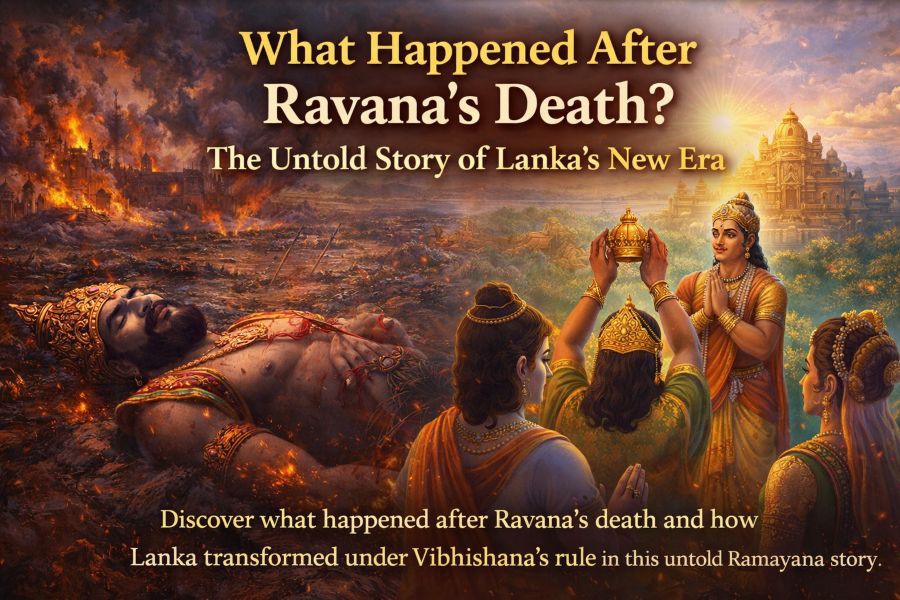
What Happened After Ravana’s Death? The Untold Story of Lanka’s New Era
Post-War Mystery: What Happened After Ravana’s Death? The Story of Lanka’s New Era
The fall of Ravana is often seen as the grand conclusion of the Ramayana—the moment when dharma triumphs over adharma. Yet, what follows this dramatic event is rarely explored with the same depth. The aftermath of Ravana’s death marks the beginning of a new chapter, not just for Lanka, but for every character connected to the epic. To truly understand this transition, one must go beyond simplified retellings and engage with the fuller narrative preserved in traditional texts. Those seeking a deeper and more authentic experience often turn to the Ramayan Collection, where the post-war developments of Lanka are described with nuance and clarity.
The story after Ravana’s fall is not merely about victory—it is about responsibility, healing, leadership, and the restoration of balance. Lanka, once ruled by a powerful yet flawed king, now stood at a crossroads. What emerged from this turning point is a story filled with transformation and lessons that remain relevant even today.
The Immediate Aftermath of Ravana’s Death
When Ravana fell on the battlefield, the war did not instantly bring peace. The air was still heavy with loss, destruction, and uncertainty. Lanka, which had been a symbol of wealth and power, now faced the consequences of its ruler’s decisions.
Despite being victorious, Lord Rama did not celebrate in pride. Instead, he showed deep respect for Ravana by instructing proper funeral rites. This moment reflects a profound principle: even an enemy deserves dignity in death.
Vibhishana’s Rise to the Throne
With Ravana gone, the question of leadership became urgent. Vibhishana, Ravana’s younger brother, was chosen as the new king of Lanka. His coronation was not merely a political decision—it was a moral one.
Vibhishana had already demonstrated his commitment to dharma by opposing Ravana’s actions and aligning with Rama. His rise symbolizes the idea that righteousness, not power, determines true leadership.
As king, Vibhishana inherited a kingdom that needed rebuilding—both physically and spiritually.
Lanka’s Transformation Under Vibhishana
Under Vibhishana’s rule, Lanka began a process of renewal. The focus shifted from domination to harmony, from ego to responsibility.
Key Changes in Governance:
- Justice replaced fear-based rule
- Ethical leadership became the foundation
- The welfare of the people was prioritized
Lanka, once driven by ambition and pride, gradually transformed into a kingdom aligned with dharma.
The Emotional Landscape After War
Victory in war often comes with invisible wounds. The people of Lanka had lost their king, their warriors, and their sense of stability. Even those who supported Ravana had to come to terms with his downfall.
For Rama’s side, too, the war was not without loss. The vanara army had endured immense hardship, and the emotional weight of battle lingered.
This phase of the Ramayana reminds us that the end of conflict is not the end of struggle—it is the beginning of healing.
Sita’s Trial and Its Significance
One of the most discussed events after Ravana’s death is Sita’s Agni Pariksha (trial by fire). While often debated, this episode reflects the societal expectations and complexities of the time.
Sita’s purity was never truly in question for Rama on a personal level. However, as a leader, he had to address the perceptions of society. This moment highlights the tension between personal truth and public duty—a theme that continues to resonate in modern leadership.
Rama’s Return to Ayodhya
After ensuring stability in Lanka, Rama prepared to return to Ayodhya. His journey back marked the completion of his exile and the beginning of a new phase as king.
The return was celebrated with immense joy, symbolizing hope, renewal, and the restoration of rightful order.
The Broader Lessons from Lanka’s New Era
The transformation of Lanka offers several timeless lessons:
1. Leadership Rooted in Ethics
Vibhishana’s rule demonstrates that true leadership is grounded in integrity, not authority.
2. Consequences of Ego
Ravana’s fall serves as a reminder that even the most powerful individuals are vulnerable to their own flaws.
3. Importance of Renewal
Every society, after conflict, must focus on rebuilding and healing.
The Hidden Perspective: Lanka as a Symbol
Lanka’s journey from chaos to order can also be seen as symbolic. It represents the human mind—capable of both destruction and transformation.
When guided by ego, it becomes like Ravana’s Lanka. When guided by wisdom, it evolves into Vibhishana’s kingdom.
Why This Part of the Ramayana Matters
Many readers focus only on the war, but the post-war phase holds equally important lessons. It shows that:
- Victory is not the final goal—balance is
- Power must be used responsibly
- True change begins after conflict ends
A Deeper Understanding of Dharma
The events after Ravana’s death reveal that dharma is not a fixed rule but a dynamic principle. It requires constant reflection, adaptation, and courage.
Rama’s actions, Vibhishana’s leadership, and Sita’s strength all contribute to a broader understanding of what it means to live righteously.
Final Thoughts
The story of Lanka after Ravana’s death is a powerful reminder that endings are often beginnings in disguise. The fall of a kingdom gave rise to a new era defined by justice, humility, and renewal.
This lesser-explored chapter of the Ramayana encourages us to look beyond dramatic moments and appreciate the quieter transformations that shape the future.
In understanding Lanka’s new era, we also gain insight into our own lives—how we rebuild after challenges, how we lead with integrity, and how we strive to restore balance in a constantly changing world.
Posted in: Ramayana Chronicles
Related posts
-
 The Untold Secrets of Ramayana: 10 Hidden Facts You Didn’t KnowDiscover 10 lesser-known facts from the Ramayana that reveal hidden secrets, deeper meanings, and surprising truths...Read more
 -
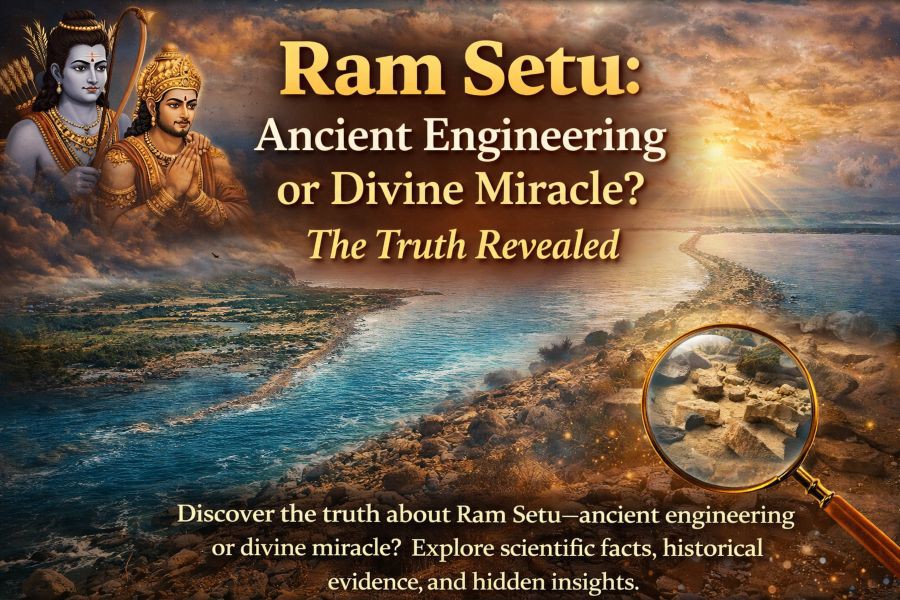 Ram Setu: Ancient Engineering or Divine Miracle? The Truth RevealedDiscover the truth behind Ram Setu—ancient engineering or divine miracle? Explore scientific facts, historical...Read more
 -
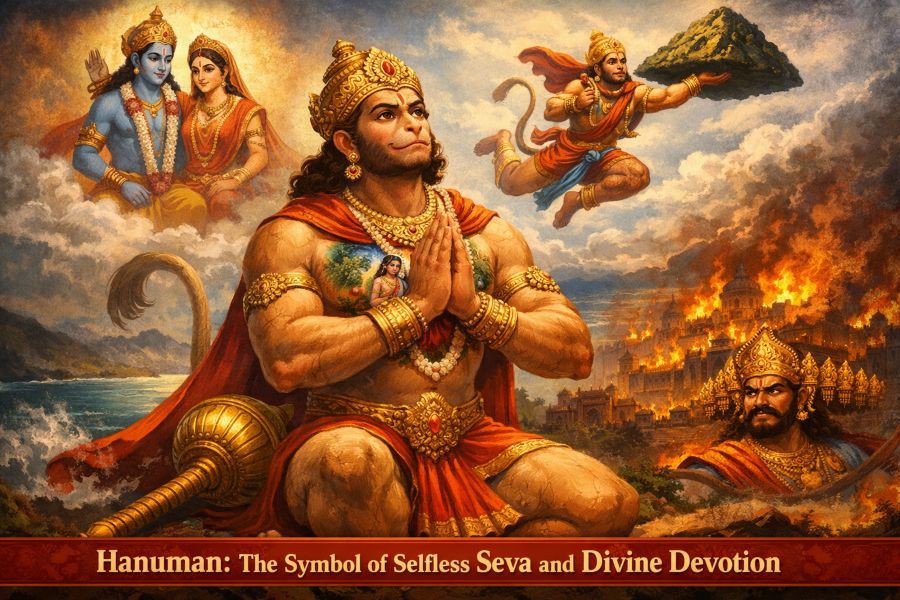 Beyond Strength: Why Hanuman is the Ultimate Symbol of Selfless Seva and Divine DevotionExplore how Hanuman embodies the true spirit of seva (selfless service) through his devotion, humility, and...Read more
 -
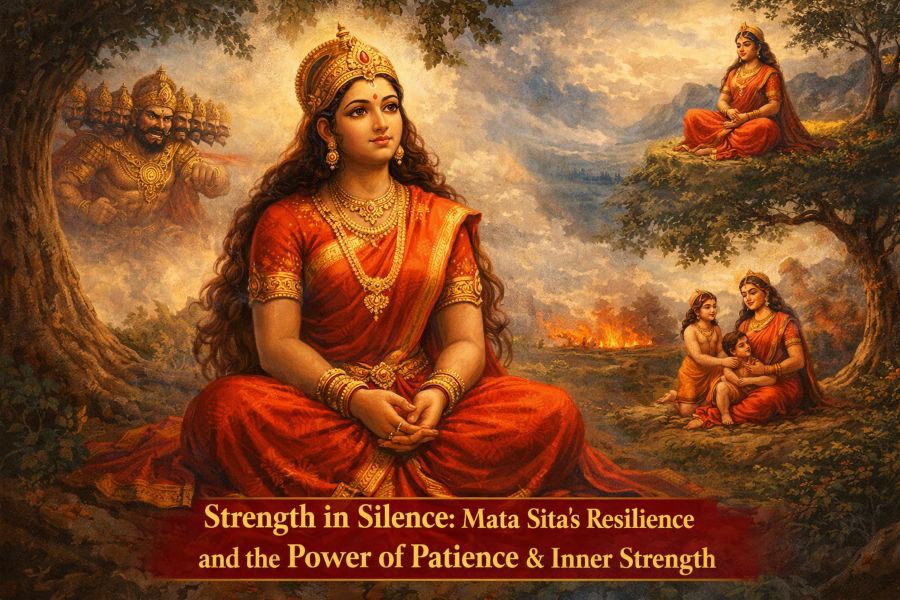 Strength in Silence: Mata Sita’s Resilience and the Power of Patience & Inner StrengthExplore how Mata Sita’s journey in the Ramayana reveals the true meaning of patience, resilience,...Read more
 -
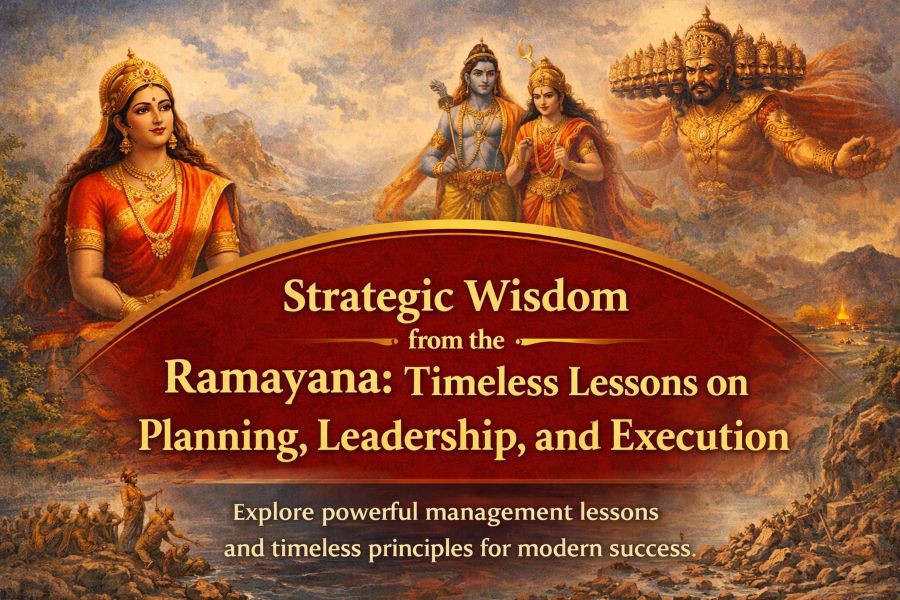 Strategic Wisdom from the Ramayana: Timeless Lessons on Planning, Leadership, and ExecutionExplore how the Ramayana reveals timeless management principles—offering powerful insights into strategic planning,...Read more
Leave a comment