
Why did Krishna run to embrace a poor brahmin in rags? Read the Sudama story from the Bhagavatam and learn how a...
Latest posts
-
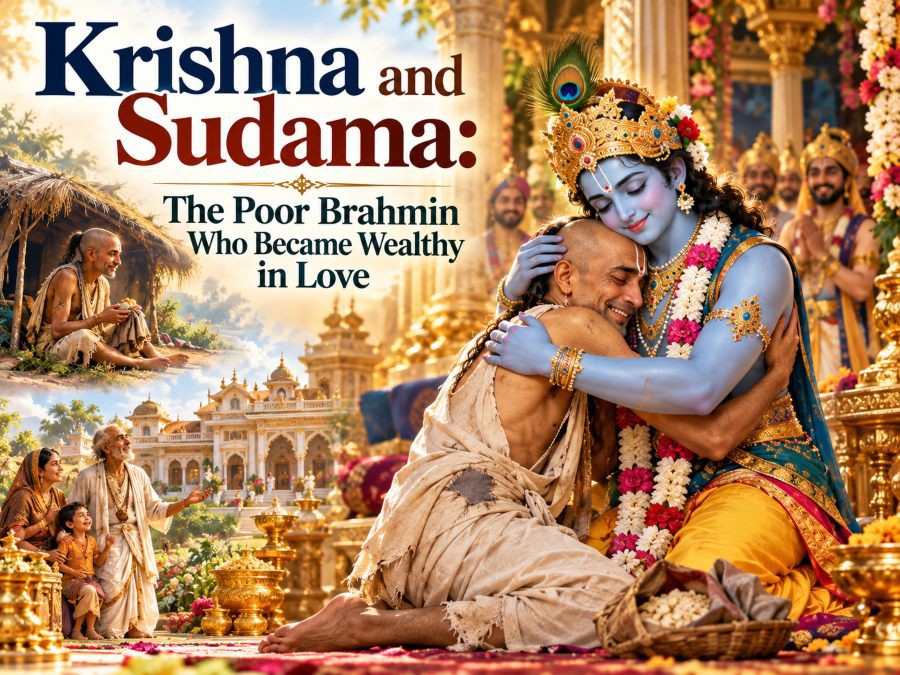 Krishna and Sudama: The Poor Brahmin Who Became Wealthy in LoveRead more
 -
 Vamana Avatar: How Three Steps Humbled Bali MaharajaRead more
Why did a powerful king give away three worlds to a boy asking for three steps? Learn the Vamana avatar story from...
-
 The Bhagavatam on Marriage: Duty, Love and Spiritual PartnershipRead more
What does the Bhagavatam say about marriage? Through the stories of Kardama and Devahuti, Rukmini's secret letter and...
-
 What Is Prema? The Bhagavatam's Highest Stage of Love for GodRead more
Prema is love for God with no "because" attached. Learn how the Bhagavatam describes it, the nine steps from faith to...
-
 Is Shiva Parvati Kalyana Mentioned in Srimad Bhagavatam? What the Scripture Really SaysRead more
Looking for Shiva and Parvati's wedding in the Srimad Bhagavatam? Find out what the scripture actually describes,...
-
 How Many Modes of Devotion Are Mentioned in Bhagavatam?Read more
A young boy named Prahlada listed nine ways to serve God, and the Bhagavatam keeps them as its answer. Learn what the...
-
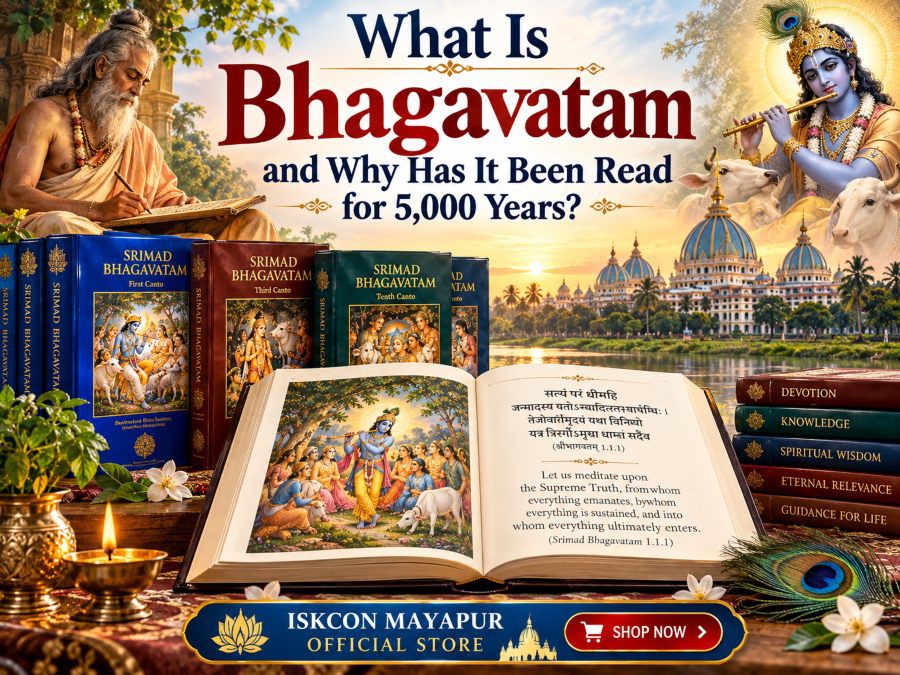 What Is Bhagavatam and Why Has It Been Read for 5,000 Years?Read more
A dying king asked one question, and the answer became the Bhagavatam. Learn what this Sanskrit scripture contains,...
-
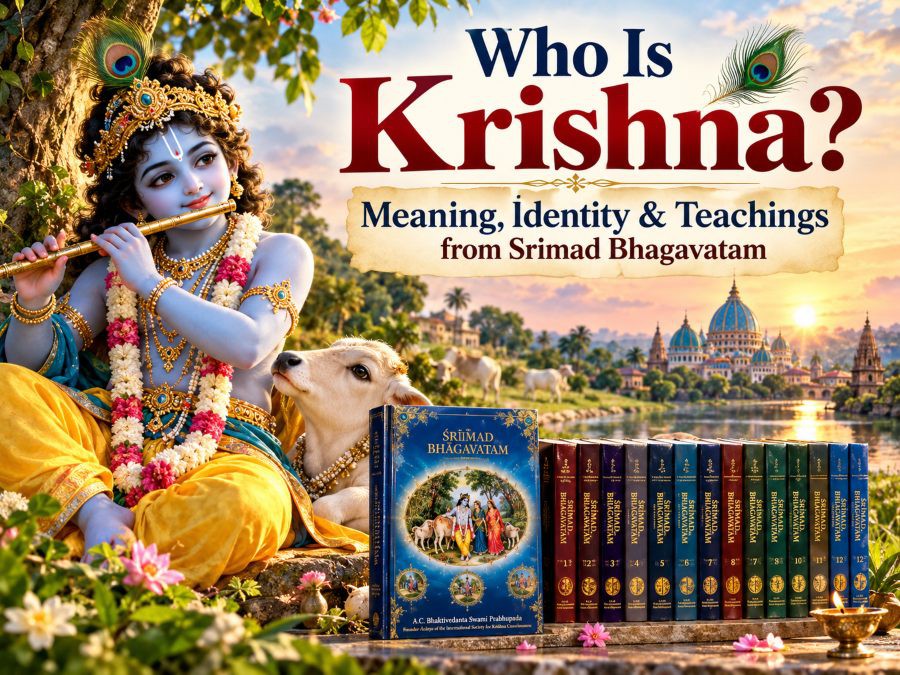 Who Is Lord Krishna? His Meaning, Teachings and Pastimes ExplainedRead more
Discover who Krishna is according to Srimad Bhagavatam, including His divine identity, childhood pastimes, teachings,...
-
 Incense in Islam: Bakhoor, Agarbatti and What Tradition SaysRead more
Is burning fragrance part of Muslim tradition? Explore incense in Islam, from the Prophetic practice of fumigating...
-
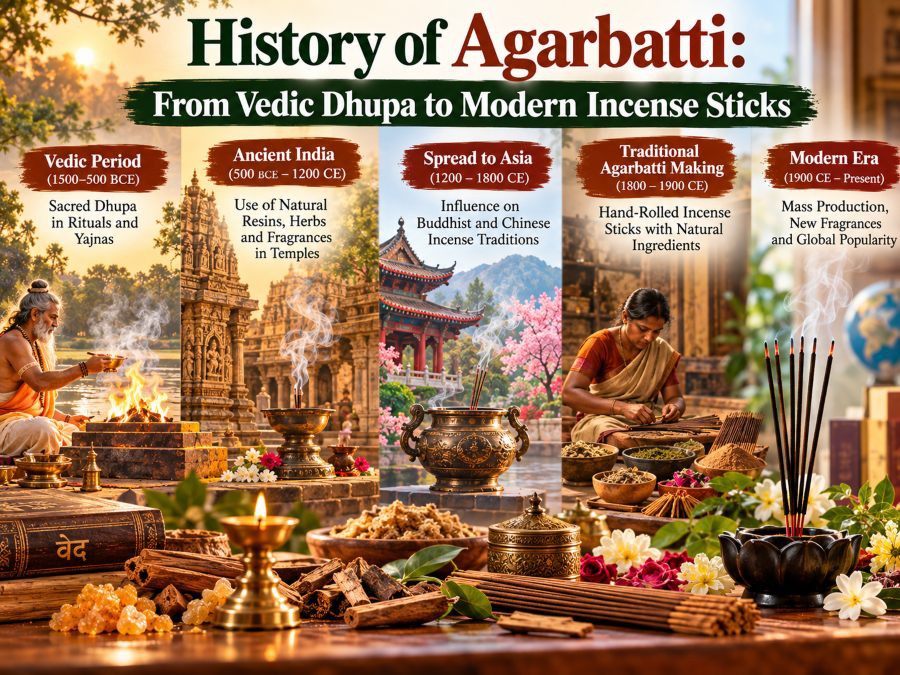 History of Agarbatti: From Vedic Dhupa to Modern Incense SticksRead more
Where did agarbatti really come from? Follow the history of agarbatti from Vedic fire rituals and temple dhupa to...
Blog categories
- Default category (0)
- MUSICAL INSTRUMENT (1)
- BOOK (5)
- DEVOTIONAL GIFT (0)
- Blog (30) click
- CHANDAN (12)
- Bhagavatam Wisdom Series (68)
- Krishna Consciousness (14)
- Mridangam Musical Instrument (6)
- Bhagavad Gita for Beginners (13)
- Bhagavad Gita As It Is (37) click
- Bhagavad Gita As It Is Telugu (0)
- Bhagavad Gita As It Is Marathi (0)
- Bhagavad Gita As It Is In Hindi (0)
- Bhagavad Gita As It Is In English (0)
- Bhagavad Gita As It Is In Bengali (8)
- Bhagavad Gita As It Is In Kannada (0)
- Bhagavad Gita As It Is In Gujarati (0)
- Bhagavad Gita As It Is In Panjabi (0)
- Bhagavad Gita As It Is In Tamil (0)
- Bhagavad Gita As It Is Odia (0)
- BHAGAVAD GITA As It Is GERMAN (0)
- Bhagavad Gita As It Is In French (0)
- Bhagavad Gita As It Is In Nepali (0)
- Bhagavad Gita As It Is In Assamese (0)
- Incense or Agarbatti (38)
- Lord Chaitanya Mahaprabhu (3)
- Vedic Temple Mayapur (14)
- kalki (15)
- Mahabharata – Dharma & Destiny (27)
- Vaishnava Scriptures (4)
- healthy product (4)
- chaitanya mahaprabhu (5)
- Tulsi Mala Guide (17)
Search in blog
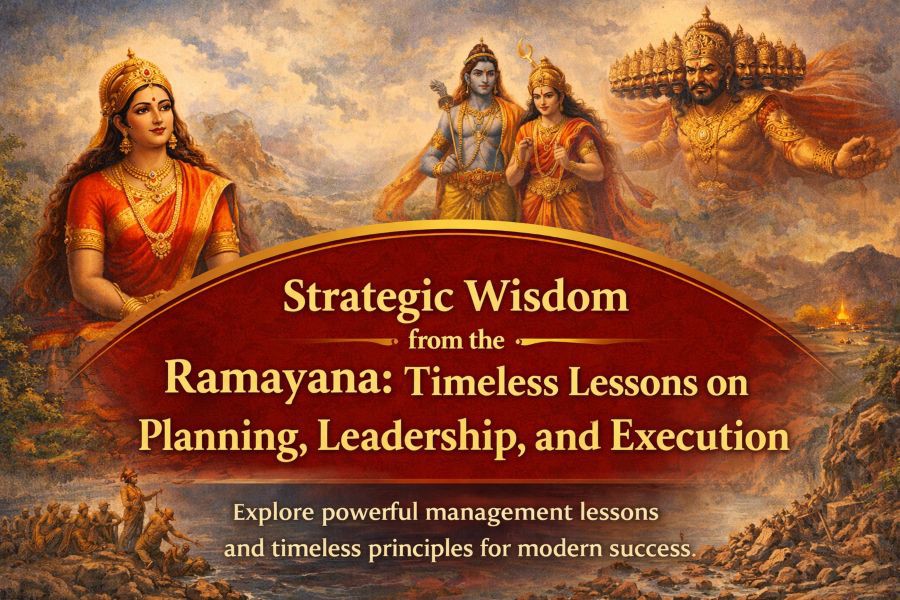
Strategic Wisdom from the Ramayana: Timeless Lessons on Planning, Leadership, and Execution
Strategic Wisdom: What the Ramayana Teaches About Planning and Execution
In today’s fast-paced world of business, leadership, and decision-making, strategy is often seen as a product of modern management theory. However, long before corporate boardrooms and MBA frameworks existed, the Ramayana presented a masterclass in planning, execution, leadership, and crisis management.
For those who wish to explore these timeless lessons in depth, Order your copy of the Holy Ramayana and discover how ancient wisdom continues to guide modern success. The epic is not just a spiritual narrative—it is a strategic blueprint filled with insights on leadership, teamwork, risk management, and goal execution.
Through the journey of Rama and his allies, the Ramayana demonstrates how clarity of purpose, ethical leadership, and disciplined execution can overcome even the most complex challenges.
Clarity of Vision: The Foundation of Strategy
Every successful strategy begins with a clear objective. In the Ramayana, Rama’s mission was unmistakable—to rescue Sita and restore dharma.

This clarity shaped every decision, alliance, and action that followed. There was no confusion, no shifting priorities—only a focused pursuit of a defined goal.
In modern management, this aligns with the concept of vision-driven leadership. Organizations that lack clarity often struggle with execution, while those with a strong purpose move forward with confidence.
Rama’s example teaches us that without a clear “why,” even the best plans can fail.
Right Alliances: Building a Strong Network
One of the most powerful strategic moves in the Ramayana was Rama’s alliance with Sugriva and the Vanara army.
This partnership was not accidental—it was mutually beneficial and strategically sound. Rama helped Sugriva reclaim his kingdom, and in return, Sugriva offered his resources and support.
This reflects a key principle in modern business: collaboration amplifies capability.
No leader succeeds alone. Building the right alliances at the right time can significantly enhance execution power.
Leadership in Action: Inspiring Through Integrity
Rama’s leadership style was rooted in integrity, empathy, and responsibility. He did not command loyalty—he earned it.
His ability to inspire figures like Hanuman showcases the power of value-based leadership. Hanuman’s dedication was not driven by obligation, but by admiration and trust.
In organizational terms, this is transformational leadership—where leaders influence through character rather than authority.
Employees and teams perform best when they believe in their leader’s vision and values.
Delegation and Trust: Empowering the Right People
A critical aspect of execution is delegation. Rama did not attempt to do everything himself. Instead, he identified strengths within his team and assigned responsibilities accordingly.
Hanuman was entrusted with the mission to locate Sita—a task that required intelligence, courage, and initiative.
This decision highlights the importance of trusting capable individuals. Micromanagement can hinder progress, while empowerment fosters innovation and efficiency.
Rama’s trust in Hanuman resulted in one of the most successful missions in the epic.
Risk-Taking and Innovation: The Leap to Lanka
Hanuman’s journey to Lanka represents calculated risk-taking and innovation.
Crossing the ocean was not just a physical challenge—it required strategic thinking, adaptability, and confidence. Hanuman overcame obstacles through creativity and determination.
In modern terms, this aligns with entrepreneurial thinking—taking bold steps while staying aligned with the overall objective.
Organizations that encourage innovation are better equipped to navigate uncertainty and achieve breakthroughs.
Intelligence Gathering: The Power of Information
Before launching a full-scale attack on Lanka, Rama’s team gathered crucial intelligence.
Hanuman’s reconnaissance mission provided valuable insights into Lanka’s geography, defenses, and weaknesses. This information played a vital role in planning the next steps.
In business, data-driven decision-making is essential. Acting without information can lead to costly mistakes, while informed strategies increase the chances of success.
The Ramayana emphasizes that knowledge is power—and preparation is key.
Execution Excellence: Building the Bridge to Lanka
The construction of the Ram Setu (bridge to Lanka) is one of the most remarkable examples of execution in the Ramayana.
Despite limited resources and immense challenges, the team successfully built a bridge across the ocean. This required coordination, teamwork, and unwavering commitment.
It demonstrates that execution is not just about planning—it is about consistent effort and collaboration.
Even the best strategies fail without disciplined implementation.
Crisis Management: Staying Calm Under Pressure
Throughout the journey, Rama faced numerous challenges—loss, uncertainty, and conflict. Yet, he remained composed and focused.
His ability to stay calm during crises ensured that decisions were made with clarity rather than emotion.
In modern leadership, emotional intelligence is a critical skill. Leaders who can manage stress and maintain perspective are better equipped to guide their teams through कठिन परिस्थितियाँ.
Rama’s composure is a lesson in resilience and mental strength.
Ethics in Strategy: Winning the Right Way
Unlike Ravana, who relied on power and manipulation, Rama adhered to ethical principles.
His strategies were aligned with dharma, ensuring that victory was not just achieved—but deserved.
This highlights an important lesson: success achieved through unethical means is short-lived.
In business, ethical practices build trust, reputation, and long-term sustainability.
Adaptability: Adjusting Plans When Needed
No strategy is perfect from the start. The Ramayana shows several instances where plans were adjusted based on new information and circumstances.
Flexibility allowed Rama’s team to respond effectively to challenges and maintain momentum.
In today’s dynamic environment, adaptability is essential. Organizations must be willing to pivot and evolve to stay competitive.
Teamwork: The Backbone of Execution
The success of Rama’s mission was not due to individual effort alone—it was the result of collective action.
From the Vanara सेना to key individuals like Hanuman, every member played a role in achieving the objective.
This reinforces the idea that teamwork is the backbone of execution. A united team can accomplish what individuals cannot.
Lessons for Modern Management
1. Define Clear Goals
A focused objective drives effective strategy.
2. Build Strategic Partnerships
Collaborate to expand capabilities.
3. Lead with Integrity
Trust and respect are earned through character.
4. Empower Your Team
Delegate responsibilities to capable individuals.
5. Embrace Innovation
Take calculated risks to achieve breakthroughs.
6. Use Data and Insights
Make informed decisions based on information.
7. Focus on Execution
Consistent effort turns plans into reality.
8. Stay Ethical
Long-term success depends on integrity.
9. Be Adaptable
Adjust strategies as situations evolve.
10. Value Teamwork
Collective effort leads to greater success.
Why the Ramayana is a Timeless Management Guide
The Ramayana is not just a religious text—it is a comprehensive guide to leadership and strategy.
Its lessons are universal, applicable across industries, cultures, and time periods. Whether you are leading a business, managing a team, or navigating personal challenges, the principles remain relevant.
The epic demonstrates that true success is a balance of vision, action, ethics, and collaboration.
Conclusion: From Epic to Execution
The Ramayana offers more than inspiration—it provides actionable insights into planning and execution.
By studying its narratives, we can learn how to lead with purpose, act with clarity, and achieve goals with integrity.
In a world driven by competition and complexity, these ancient teachings offer a refreshing perspective—reminding us that the most effective strategies are those rooted in values, discipline, and teamwork.
The wisdom of Rama’s journey continues to guide those who seek not just success, but meaningful and sustainable achievement.
Posted in: Ramayana Chronicles
Related posts
-
 The Untold Secrets of Ramayana: 10 Hidden Facts You Didn’t KnowDiscover 10 lesser-known facts from the Ramayana that reveal hidden secrets, deeper meanings, and surprising truths...Read more
 -
 Ram Setu: Ancient Engineering or Divine Miracle? The Truth RevealedDiscover the truth behind Ram Setu—ancient engineering or divine miracle? Explore scientific facts, historical...Read more
 -
 What Happened After Ravana’s Death? The Untold Story of Lanka’s New EraDiscover what happened after Ravana’s death and how Lanka transformed under Vibhishana’s rule in this untold Ramayana...Read more
 -
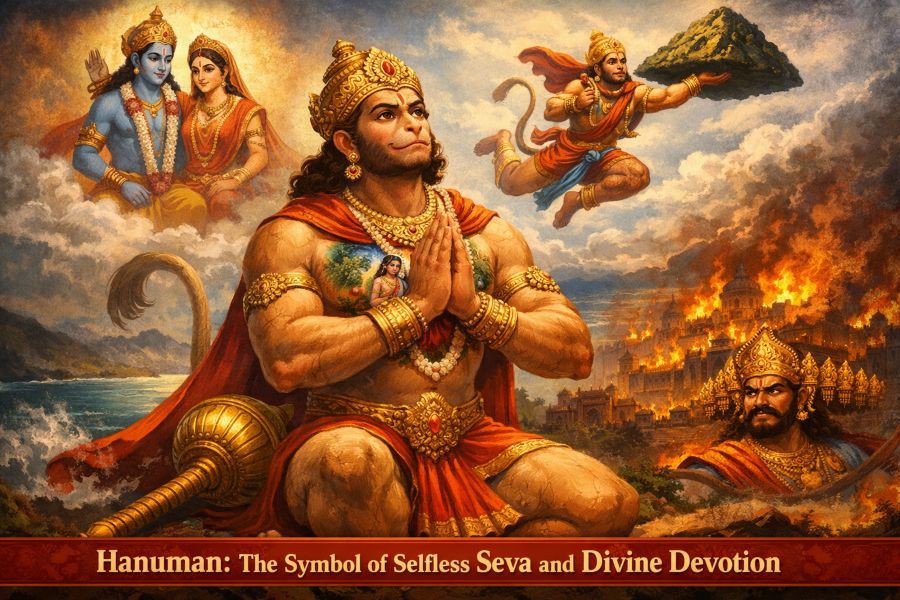 Beyond Strength: Why Hanuman is the Ultimate Symbol of Selfless Seva and Divine DevotionExplore how Hanuman embodies the true spirit of seva (selfless service) through his devotion, humility, and...Read more
 -
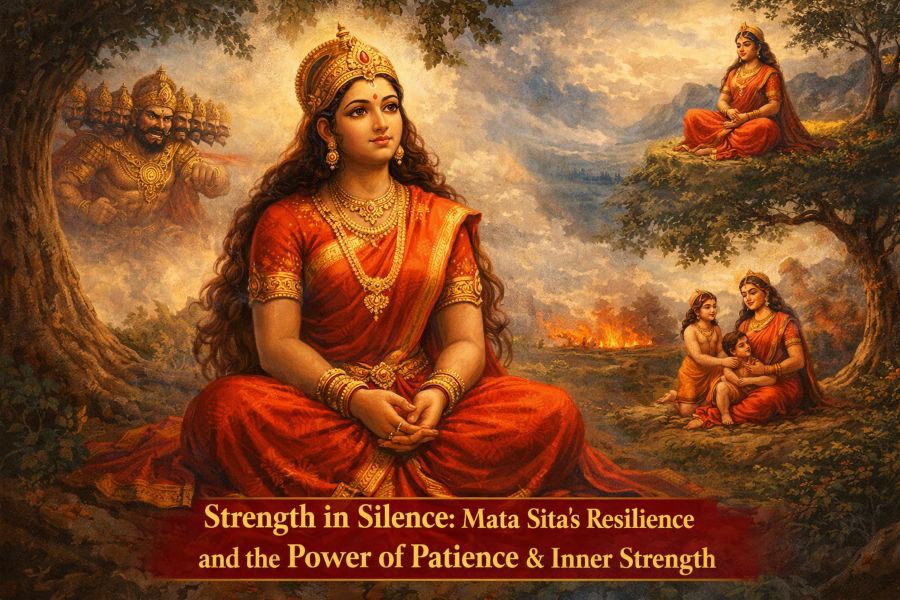 Strength in Silence: Mata Sita’s Resilience and the Power of Patience & Inner StrengthExplore how Mata Sita’s journey in the Ramayana reveals the true meaning of patience, resilience,...Read more
Leave a comment