
Why did Krishna run to embrace a poor brahmin in rags? Read the Sudama story from the Bhagavatam and learn how a...
Latest posts
-
 Krishna and Sudama: The Poor Brahmin Who Became Wealthy in LoveRead more
 -
 Vamana Avatar: How Three Steps Humbled Bali MaharajaRead more
Why did a powerful king give away three worlds to a boy asking for three steps? Learn the Vamana avatar story from...
-
 The Bhagavatam on Marriage: Duty, Love and Spiritual PartnershipRead more
What does the Bhagavatam say about marriage? Through the stories of Kardama and Devahuti, Rukmini's secret letter and...
-
 What Is Prema? The Bhagavatam's Highest Stage of Love for GodRead more
Prema is love for God with no "because" attached. Learn how the Bhagavatam describes it, the nine steps from faith to...
-
 Is Shiva Parvati Kalyana Mentioned in Srimad Bhagavatam? What the Scripture Really SaysRead more
Looking for Shiva and Parvati's wedding in the Srimad Bhagavatam? Find out what the scripture actually describes,...
-
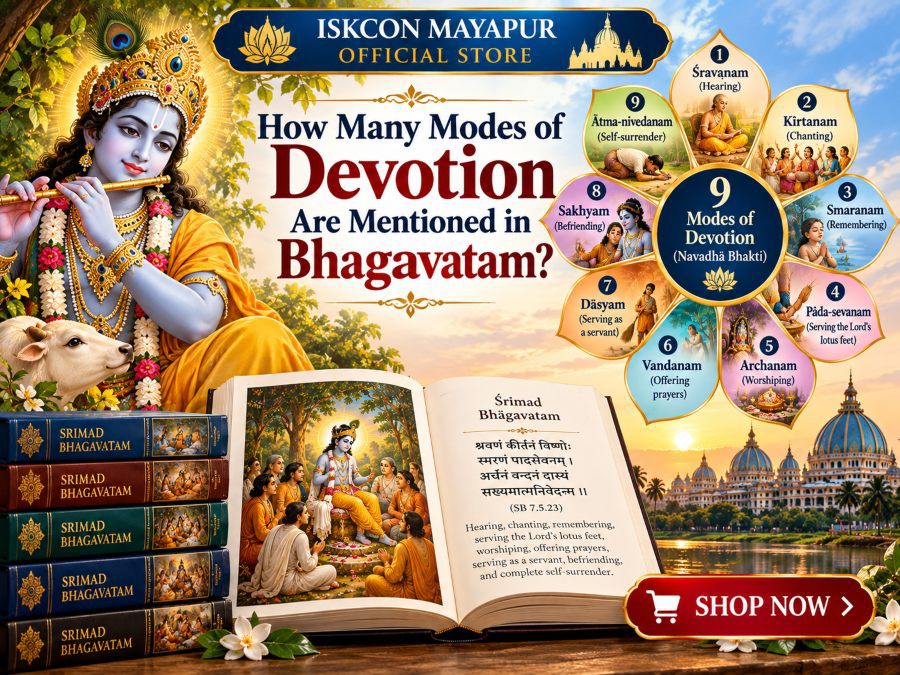 How Many Modes of Devotion Are Mentioned in Bhagavatam?Read more
A young boy named Prahlada listed nine ways to serve God, and the Bhagavatam keeps them as its answer. Learn what the...
-
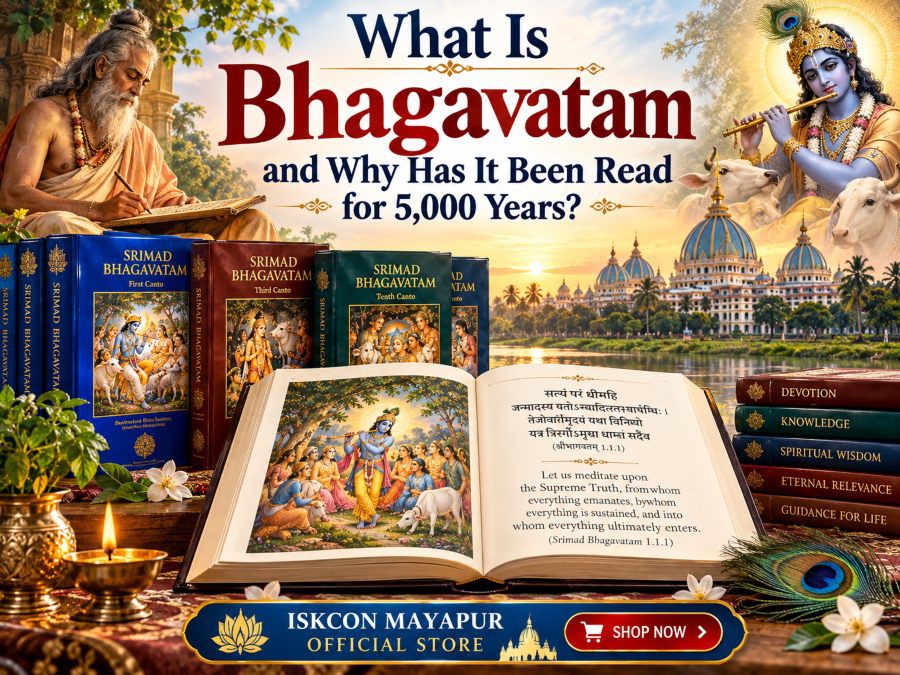 What Is Bhagavatam and Why Has It Been Read for 5,000 Years?Read more
A dying king asked one question, and the answer became the Bhagavatam. Learn what this Sanskrit scripture contains,...
-
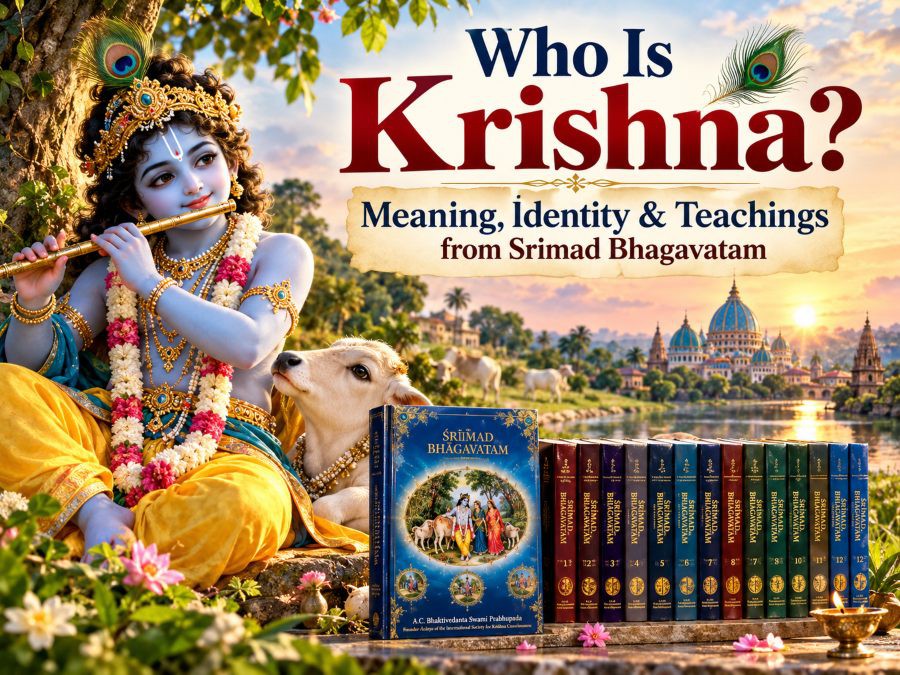 Who Is Lord Krishna? His Meaning, Teachings and Pastimes ExplainedRead more
Discover who Krishna is according to Srimad Bhagavatam, including His divine identity, childhood pastimes, teachings,...
-
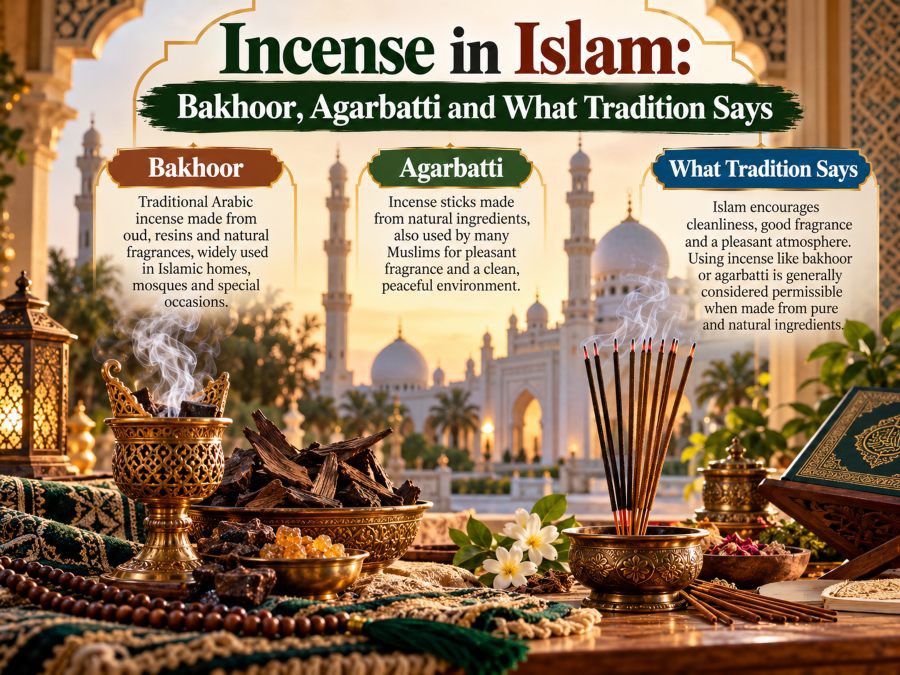 Incense in Islam: Bakhoor, Agarbatti and What Tradition SaysRead more
Is burning fragrance part of Muslim tradition? Explore incense in Islam, from the Prophetic practice of fumigating...
-
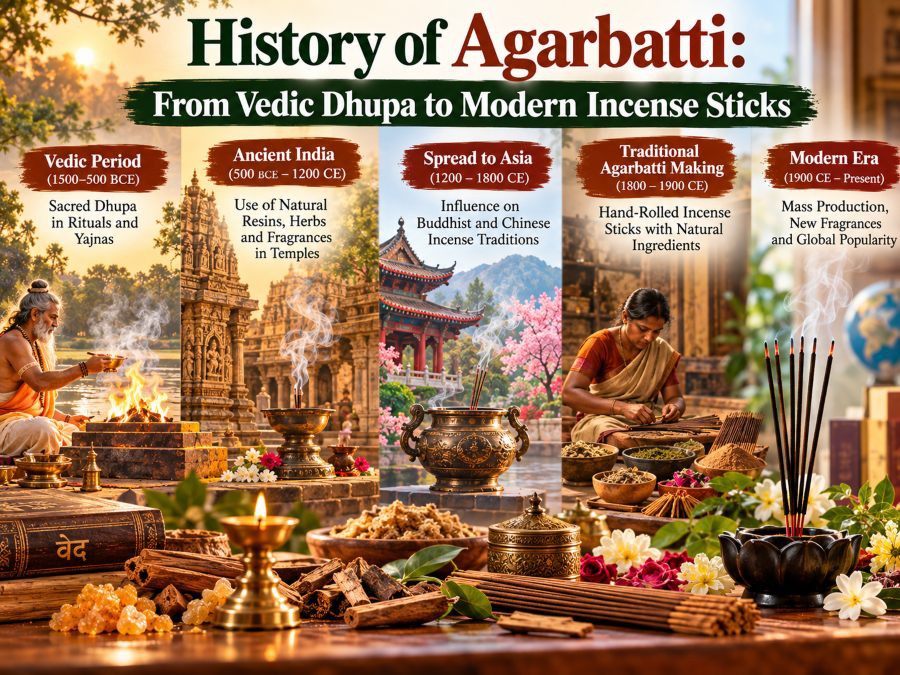 History of Agarbatti: From Vedic Dhupa to Modern Incense SticksRead more
Where did agarbatti really come from? Follow the history of agarbatti from Vedic fire rituals and temple dhupa to...
Blog categories
- Default category (0)
- MUSICAL INSTRUMENT (1)
- BOOK (5)
- DEVOTIONAL GIFT (0)
- Blog (30) click
- CHANDAN (12)
- Bhagavatam Wisdom Series (68)
- Krishna Consciousness (14)
- Mridangam Musical Instrument (6)
- Bhagavad Gita for Beginners (13)
- Bhagavad Gita As It Is (37) click
- Bhagavad Gita As It Is Telugu (0)
- Bhagavad Gita As It Is Marathi (0)
- Bhagavad Gita As It Is In Hindi (0)
- Bhagavad Gita As It Is In English (0)
- Bhagavad Gita As It Is In Bengali (8)
- Bhagavad Gita As It Is In Kannada (0)
- Bhagavad Gita As It Is In Gujarati (0)
- Bhagavad Gita As It Is In Panjabi (0)
- Bhagavad Gita As It Is In Tamil (0)
- Bhagavad Gita As It Is Odia (0)
- BHAGAVAD GITA As It Is GERMAN (0)
- Bhagavad Gita As It Is In French (0)
- Bhagavad Gita As It Is In Nepali (0)
- Bhagavad Gita As It Is In Assamese (0)
- Incense or Agarbatti (38)
- Lord Chaitanya Mahaprabhu (3)
- Vedic Temple Mayapur (14)
- kalki (15)
- Mahabharata – Dharma & Destiny (27)
- Vaishnava Scriptures (4)
- healthy product (4)
- chaitanya mahaprabhu (5)
- Tulsi Mala Guide (17)
Search in blog
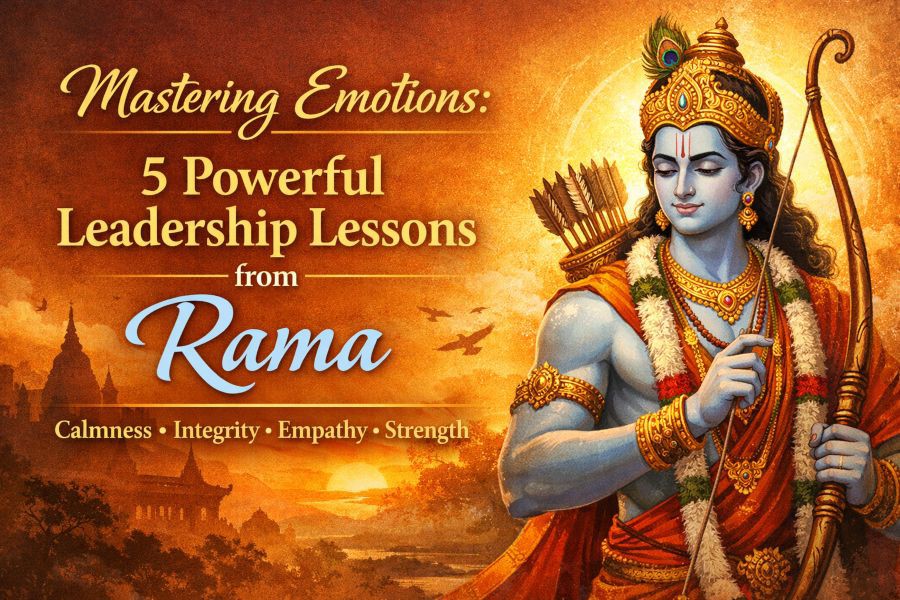
Mastering Emotions: 5 Powerful Leadership Lessons from Rama
Leadership Goals: Mastering Emotions — 5 Leadership Lessons from Maryada Purushottam Ram
In today’s high-pressure world, leadership is no longer defined only by intelligence, strategy, or authority. The most respected leaders are those who can manage their emotions, inspire others, and make balanced decisions even in difficult situations. Emotional mastery has become the foundation of effective leadership—and surprisingly, one of the greatest examples of this comes from ancient wisdom.
The life of Rama, often revered as Maryada Purushottam (the ideal man), offers profound insights into emotional intelligence and leadership. His journey, as narrated in the Ramayana, is not just a story of victory over evil but a masterclass in controlling emotions, maintaining dignity, and leading with integrity. For readers who want to explore deeper narratives and hidden perspectives, you can find these untold stories in our Ramayan book collection, where each episode reveals timeless leadership principles relevant even today.
Why Emotional Mastery Is the Core of Leadership
Before diving into the lessons from Rama’s life, it’s important to understand why emotional control is essential for leaders.
A leader constantly faces:
- Pressure to perform
- Conflicts and disagreements
- Unexpected challenges
- Responsibility for others
Without emotional balance, even the most skilled leader can make poor decisions. Emotional intelligence allows leaders to remain calm, think clearly, and act wisely.
Rama’s life perfectly demonstrates this balance.
Lesson 1: Stay Calm in the Face of Crisis
One of the most defining moments in Rama’s life is when he is asked to leave his kingdom and go into exile for fourteen years. Instead of reacting with anger or frustration, he accepts the situation with calmness and dignity.
Leadership Insight
Modern leaders often react emotionally when faced with setbacks—losing control, blaming others, or making impulsive decisions.
Rama teaches us that:
- Calmness brings clarity
- Emotional reactions cloud judgment
- Acceptance leads to better solutions
Practical Application
When faced with a crisis, pause before reacting. Take time to understand the situation and respond thoughtfully rather than impulsively.
Lesson 2: Put Duty Above Personal Emotion
Rama’s decision to accept exile was not easy. He had every reason to resist, yet he chose to honor his father’s promise.
Leadership Insight
Great leaders prioritize responsibility over personal comfort.
Rama shows that:
- Leadership is about duty, not convenience
- Emotional discomfort should not override responsibility
- Integrity builds long-term respect
Practical Application
In leadership roles, focus on what is right rather than what is easy. This builds trust and credibility.
Lesson 3: Control Anger and Ego
Throughout the Ramayana, Rama faces multiple provocations—yet he rarely loses his temper. Even in intense situations, he maintains composure.
In contrast, characters driven by ego, like Ravana, ultimately face destruction.
Leadership Insight
Uncontrolled anger and ego can damage relationships and decision-making.
Rama teaches:
- Emotional restraint is a strength, not weakness
- Ego blocks understanding
- Respectful behavior builds strong teams
Practical Application
Before reacting in anger, ask yourself: “Will this response improve the situation or worsen it?”
Lesson 4: Lead with Compassion and Empathy
Rama’s leadership is not just about authority—it is about understanding others. His interactions with people from all walks of life show deep empathy.
One of the best examples is his relationship with Hanuman, whose loyalty is rooted in mutual respect and trust.
Leadership Insight
Empathy is a powerful leadership tool.
Rama demonstrates that:
- Understanding others builds loyalty
- Compassion strengthens relationships
- Leaders who care inspire more
Practical Application
Listen actively to your team. Understand their concerns, motivations, and challenges.
Lesson 5: Maintain Emotional Stability in Success and Failure
Rama’s life is a series of ups and downs—yet his emotional state remains balanced.
Whether in exile or victory, he remains grounded.
Leadership Insight
Consistency is key to leadership.
Rama teaches:
- Do not let success inflate ego
- Do not let failure break confidence
- Stability creates trust
Practical Application
Practice emotional balance by not attaching your self-worth to outcomes.
The Relevance of Rama’s Leadership Today
In the modern world, leadership is often associated with power, status, and results. However, true leadership goes beyond these external factors.
Rama’s example shows that:
- Character matters more than position
- Emotional intelligence is more valuable than authority
- Inner strength defines outer success
Emotional Intelligence vs Traditional Leadership
Traditional leadership focuses on:
- Decision-making
- Strategy
- Authority
Emotional intelligence focuses on:
- Self-awareness
- Self-control
- Empathy
Rama combines both, making his leadership timeless and effective.
How to Apply These Lessons in Daily Life
You don’t need to be a king or CEO to practice these principles. They can be applied in everyday situations:
At Work
- Stay calm under pressure
- Communicate respectfully
- Take responsibility
In Relationships
- Practice patience
- Avoid unnecessary arguments
- Show understanding
In Personal Growth
- Reflect on your emotions
- Develop self-discipline
- Focus on long-term values
The Inner Journey of Leadership
Leadership is not just about managing others—it is about mastering oneself.
Rama’s life teaches that:
- Self-control leads to clarity
- Clarity leads to better decisions
- Better decisions lead to meaningful success
Why Ancient Wisdom Still Works
Despite technological advancements, human emotions remain the same. The challenges we face today—stress, conflict, ego—are not new.
The Ramayana remains relevant because it addresses these universal issues.
From Reaction to Response: A Leadership Shift
One of the biggest takeaways from Rama’s life is the shift from reaction to response.
Reactive leaders:
- Act impulsively
- Let emotions control decisions
Responsive leaders:
- Think before acting
- Maintain emotional balance
This shift can transform leadership effectiveness.
Building Trust Through Emotional Strength
Trust is the foundation of leadership. Rama’s emotional stability and integrity made him a leader people admired and followed willingly.
Trust is built through:
- Consistency
- Honesty
- Emotional control
Conclusion: Becoming a Leader Like Rama
The journey to becoming a great leader begins with mastering emotions. Rama’s life offers a timeless blueprint for achieving this.
He shows us that:
- Strength lies in calmness
- Power lies in humility
- Leadership lies in service
By applying these lessons, anyone can become a more effective and respected leader.
In a world full of noise and pressure, the ability to remain calm, balanced, and compassionate is what truly sets great leaders apart.
Posted in: Ramayana Chronicles
Related posts
-
 The Untold Secrets of Ramayana: 10 Hidden Facts You Didn’t KnowDiscover 10 lesser-known facts from the Ramayana that reveal hidden secrets, deeper meanings, and surprising truths...Read more
 -
 Ram Setu: Ancient Engineering or Divine Miracle? The Truth RevealedDiscover the truth behind Ram Setu—ancient engineering or divine miracle? Explore scientific facts, historical...Read more
 -
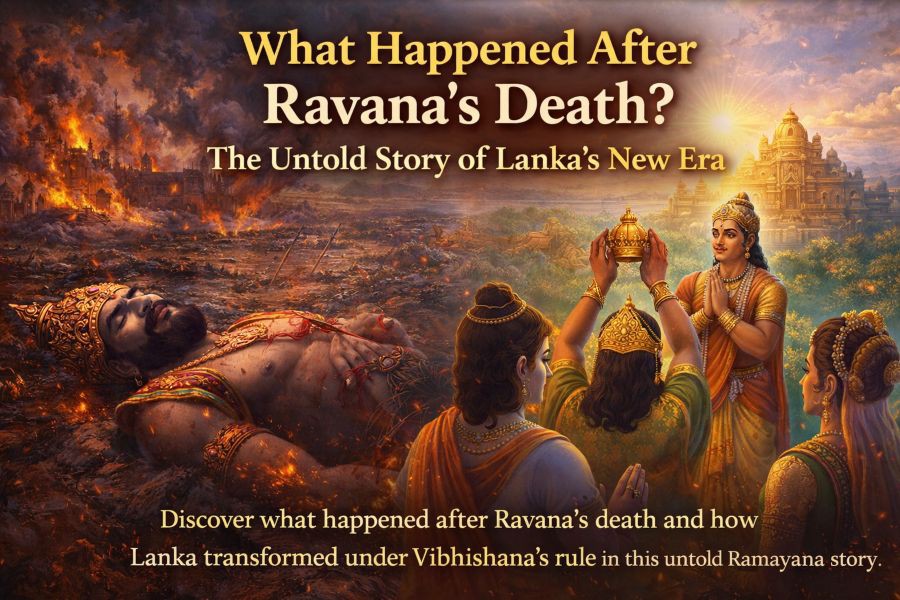 What Happened After Ravana’s Death? The Untold Story of Lanka’s New EraDiscover what happened after Ravana’s death and how Lanka transformed under Vibhishana’s rule in this untold Ramayana...Read more
 -
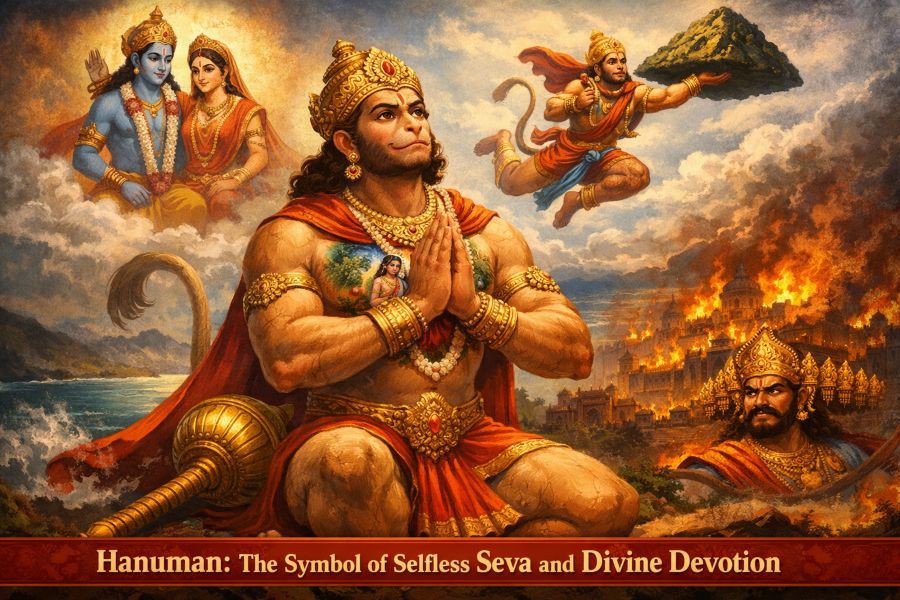 Beyond Strength: Why Hanuman is the Ultimate Symbol of Selfless Seva and Divine DevotionExplore how Hanuman embodies the true spirit of seva (selfless service) through his devotion, humility, and...Read more
 -
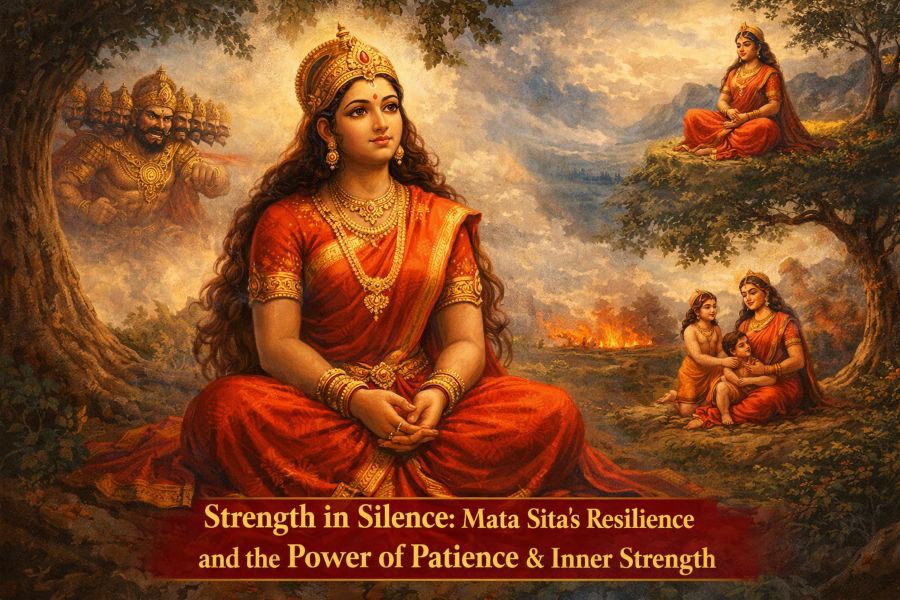 Strength in Silence: Mata Sita’s Resilience and the Power of Patience & Inner StrengthExplore how Mata Sita’s journey in the Ramayana reveals the true meaning of patience, resilience,...Read more
Leave a comment