
Why did Krishna run to embrace a poor brahmin in rags? Read the Sudama story from the Bhagavatam and learn how a...
Latest posts
-
 Krishna and Sudama: The Poor Brahmin Who Became Wealthy in LoveRead more
 -
 Vamana Avatar: How Three Steps Humbled Bali MaharajaRead more
Why did a powerful king give away three worlds to a boy asking for three steps? Learn the Vamana avatar story from...
-
 The Bhagavatam on Marriage: Duty, Love and Spiritual PartnershipRead more
What does the Bhagavatam say about marriage? Through the stories of Kardama and Devahuti, Rukmini's secret letter and...
-
 What Is Prema? The Bhagavatam's Highest Stage of Love for GodRead more
Prema is love for God with no "because" attached. Learn how the Bhagavatam describes it, the nine steps from faith to...
-
 Is Shiva Parvati Kalyana Mentioned in Srimad Bhagavatam? What the Scripture Really SaysRead more
Looking for Shiva and Parvati's wedding in the Srimad Bhagavatam? Find out what the scripture actually describes,...
-
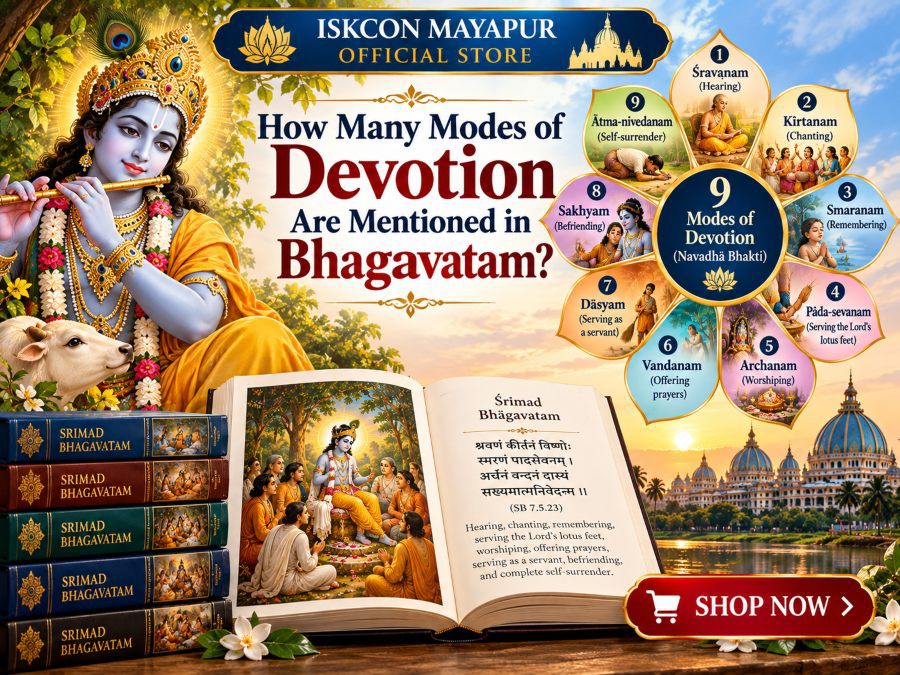 How Many Modes of Devotion Are Mentioned in Bhagavatam?Read more
A young boy named Prahlada listed nine ways to serve God, and the Bhagavatam keeps them as its answer. Learn what the...
-
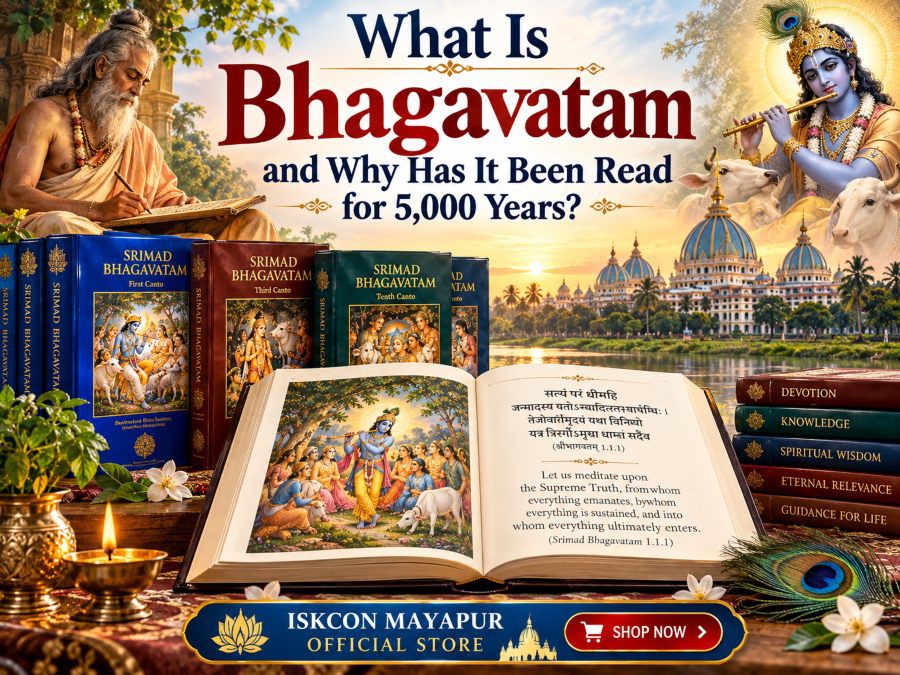 What Is Bhagavatam and Why Has It Been Read for 5,000 Years?Read more
A dying king asked one question, and the answer became the Bhagavatam. Learn what this Sanskrit scripture contains,...
-
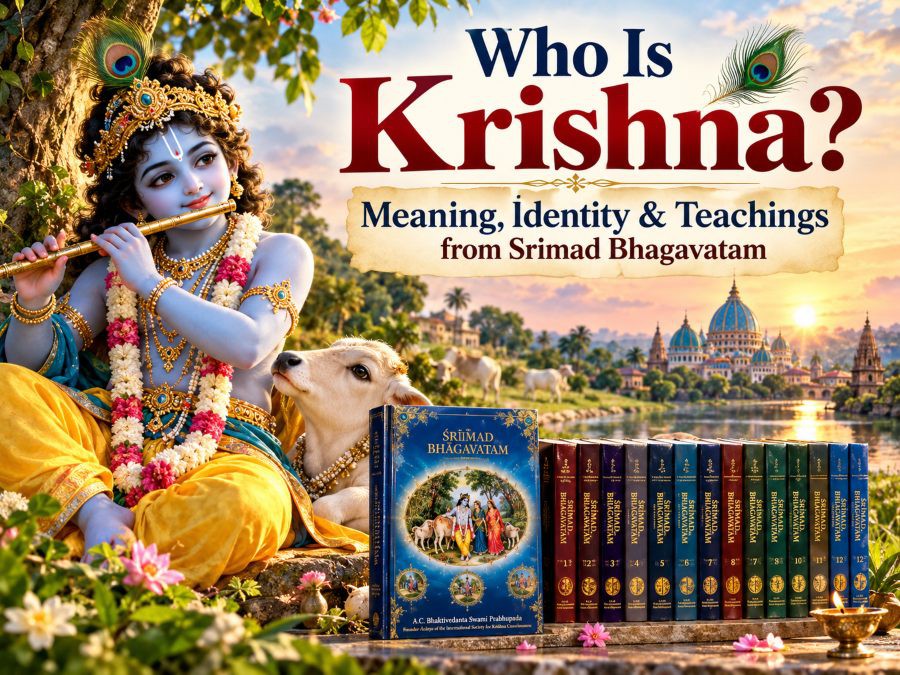 Who Is Lord Krishna? His Meaning, Teachings and Pastimes ExplainedRead more
Discover who Krishna is according to Srimad Bhagavatam, including His divine identity, childhood pastimes, teachings,...
-
 Incense in Islam: Bakhoor, Agarbatti and What Tradition SaysRead more
Is burning fragrance part of Muslim tradition? Explore incense in Islam, from the Prophetic practice of fumigating...
-
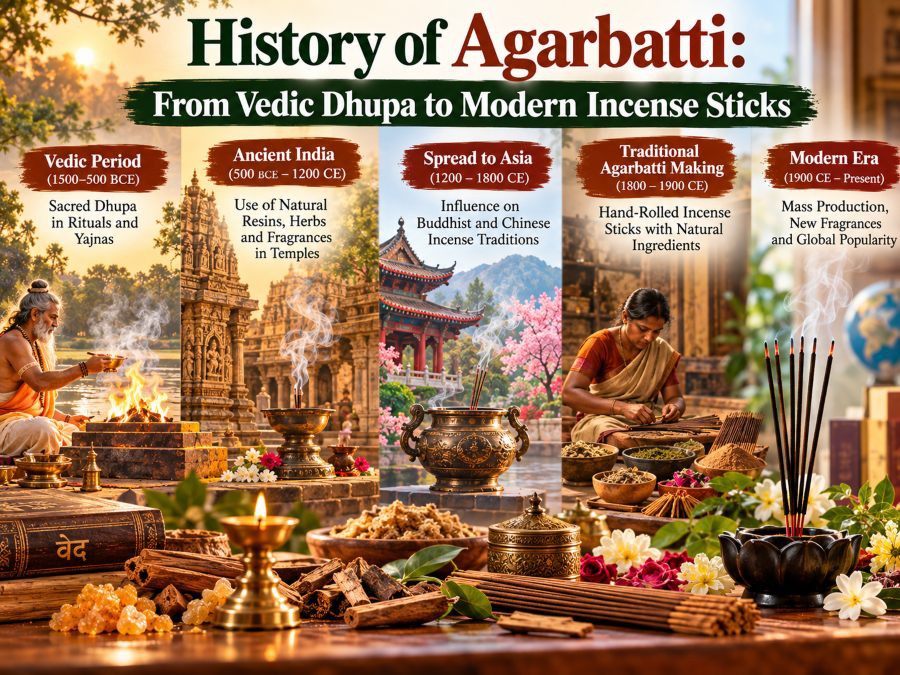 History of Agarbatti: From Vedic Dhupa to Modern Incense SticksRead more
Where did agarbatti really come from? Follow the history of agarbatti from Vedic fire rituals and temple dhupa to...
Blog categories
- Default category (0)
- MUSICAL INSTRUMENT (1)
- BOOK (5)
- DEVOTIONAL GIFT (0)
- Blog (30) click
- CHANDAN (12)
- Bhagavatam Wisdom Series (68)
- Krishna Consciousness (14)
- Mridangam Musical Instrument (6)
- Bhagavad Gita for Beginners (13)
- Bhagavad Gita As It Is (37) click
- Bhagavad Gita As It Is Telugu (0)
- Bhagavad Gita As It Is Marathi (0)
- Bhagavad Gita As It Is In Hindi (0)
- Bhagavad Gita As It Is In English (0)
- Bhagavad Gita As It Is In Bengali (8)
- Bhagavad Gita As It Is In Kannada (0)
- Bhagavad Gita As It Is In Gujarati (0)
- Bhagavad Gita As It Is In Panjabi (0)
- Bhagavad Gita As It Is In Tamil (0)
- Bhagavad Gita As It Is Odia (0)
- BHAGAVAD GITA As It Is GERMAN (0)
- Bhagavad Gita As It Is In French (0)
- Bhagavad Gita As It Is In Nepali (0)
- Bhagavad Gita As It Is In Assamese (0)
- Incense or Agarbatti (38)
- Lord Chaitanya Mahaprabhu (3)
- Vedic Temple Mayapur (14)
- kalki (15)
- Mahabharata – Dharma & Destiny (27)
- Vaishnava Scriptures (4)
- healthy product (4)
- chaitanya mahaprabhu (5)
- Tulsi Mala Guide (17)
Search in blog
Who is the Author of Srimad Bhagavatam? | The Divine Sage Vyasa Revealed
Introduction: The Timeless Wisdom of the Bhagavatam
The Srimad Bhagavatam (also known as the Bhagavata Purana) is one of the most sacred and philosophical texts of the Vedic tradition. Revered by saints, scholars, and devotees alike, it presents the essence of all spiritual knowledge — the pure love and devotion towards the Supreme Lord, Sri Krishna.
But behind this divine scripture stands one of the greatest sages in human history — Sri Vyasa, also known as Veda Vyasa or Krishna Dvaipayana Vyasa.
He is not only the author of the Srimad Bhagavatam but also the compiler of the Vedas, the Mahabharata, and many other spiritual texts that form the foundation of Sanatana Dharma (the eternal religion).
In this detailed article, we will explore who Vyasa is, why he wrote the Bhagavatam, how it came to be composed, and why it holds a unique position among all scriptures.
Who is Vyasa – The Divine Compiler of Wisdom
The name Vyasa literally means “one who divides or arranges.” True to his name, Sage Vyasa systematized the vast Vedic knowledge that was previously passed down orally from teacher to disciple.
He was born in an ancient age, at the junction of Dvapara and Kali-yuga, to Sage Parashara and Satyavati. From birth, Vyasa exhibited divine qualities and extraordinary intelligence. His dark complexion and his birth on an island gave him the name Krishna Dvaipayana Vyasa — “the dark one born on an island.”
Recognized as an incarnation of Lord Narayana Himself, Vyasa’s mission was to compile and preserve the Vedic knowledge for the benefit of humanity in the present age of Kali, when memory, intelligence, and spiritual inclination gradually decline.
The Great Works of Vyasa
Before composing the Srimad Bhagavatam, Vyasa had already completed monumental works that shaped India’s spiritual heritage:
- Compilation of the Four Vedas:
Vyasa divided the original Veda into four parts — Rig, Yajur, Sama, and Atharva — making them easier to study and preserve. - Composition of the Mahabharata:
He authored the Mahabharata, the world’s longest epic, which includes the Bhagavad Gita. It was written to present spiritual knowledge in a form accessible to common people. - Creation of the Puranas:
He composed 18 Puranas and 18 Upa-Puranas to explain Vedic principles through stories and examples.
Despite accomplishing all these works, Vyasa felt a deep sense of dissatisfaction — a sign that his spiritual purpose was not yet complete.
READ ALSO:- Who is God
Vyasa’s Inner Dissatisfaction
After dividing the Vedas and composing the Mahabharata, Vyasa sat in meditation at his hermitage on the banks of the Sarasvati River. Even after so much divine work, he felt empty and spiritually unsatisfied.
He began to introspect: “I have written about duties, morality, and even devotion, yet my heart is not at peace.”
At that time, his spiritual master, the great sage Narada Muni, appeared before him. Narada immediately understood the reason for Vyasa’s restlessness — he had not yet written a scripture that focused exclusively on pure love for God, untainted by material desires or ritualistic instructions.
Narada advised Vyasa that only by glorifying the Supreme Personality of Godhead, Sri Krishna, and His pure devotees, would he attain complete satisfaction and bring peace to the hearts of all living beings.
The Divine Inspiration Behind Srimad Bhagavatam
Following Narada’s instruction, Vyasa entered deep meditation (samadhi). In that transcendental state, he experienced a divine vision of the Supreme Lord Sri Krishna and His spiritual energy.
He saw the Lord as the cause of all causes and the ultimate reality behind creation. He also perceived how living beings suffer due to forgetfulness of their relationship with God and how they can regain bliss through devotional service (bhakti).
Filled with compassion and divine inspiration, Vyasa began composing the Srimad Bhagavatam — the natural commentary on the Vedanta Sutra, and the culmination of all Vedic wisdom.
READ ALSO:-How many slokas in srimad bhagavatam
The Composition of Srimad Bhagavatam
Vyasa wrote the Bhagavatam in Sanskrit at his hermitage in Badrikashram, a sacred place in the Himalayas.
The scripture is divided into 12 Cantos (books) and contains 18,000 verses. It begins with deep philosophical discussions and culminates in the ecstatic pastimes of Lord Krishna, especially in the Tenth Canto.
Unlike other Vedic texts that emphasize karma (ritual action) or jnana (philosophical knowledge), the Bhagavatam centers entirely on bhakti — loving devotion to God.
The opening verse of the Bhagavatam declares that it is meant for those who desire liberation from material life and want to understand the ultimate reality — the Supreme Personality of Godhead.
Vyasa’s Student – Sukadeva Goswami
After completing the Srimad Bhagavatam, Vyasa taught it to his son Sukadeva Goswami, who was a self-realized soul from birth. Sukadeva was detached from material life and initially reluctant to engage in worldly matters.
However, after hearing the Bhagavatam from his father, his heart melted with devotion for Krishna.
Later, Sukadeva Goswami became the teacher who narrated the Srimad Bhagavatam to King Parikshit, the grandson of Arjuna, during the last seven days of the king’s life.
Thus, the Bhagavatam was passed from Vyasa to Sukadeva, and then to Parikshit — beginning the divine chain of spiritual transmission that continues to this day.
Why Vyasa Wrote the Srimad Bhagavatam
Vyasa’s purpose in writing the Bhagavatam was not simply to add another scripture to the Vedic library. He wrote it as the final and most perfect expression of spiritual truth.
He wanted to:
1. Reveal the personal form of God as Sri Krishna.
2. Show the path of bhakti as the highest spiritual practice.
3. Give humanity a scripture that can purify the heart and lead to liberation.
4. Fulfill his inner calling and attain personal spiritual satisfaction.
By glorifying Krishna’s name, form, qualities, and pastimes, Vyasa experienced the divine joy he had been missing. His heart became filled with bliss, proving that only devotion to God can truly satisfy the soul.
The Divine Nature of Vyasa
The Vedic texts describe Vyasa not as an ordinary sage but as a shaktyavesha avatar — a divinely empowered incarnation of the Supreme Lord.
In every age, Vyasa appears to divide and preserve the Vedas for humanity. This means Vyasa is not a single historical person but a spiritual title given to the divinely empowered sage of that age.
The Vyasa of the current age is Krishna Dvaipayana Vyasa, who lived at the end of Dvapara-yuga and began the Kali-yuga by teaching the Bhagavatam.
His life and works show how the Lord Himself arranges for divine knowledge to be preserved for the benefit of all generations.
The Essence of Vyasa’s Teachings
Through all his writings, Vyasa emphasized one central truth — God is the ultimate reality, and loving devotion to Him is the highest goal of life.
While the Vedas and Upanishads focus on philosophy and rituals, the Bhagavatam simplifies and personalizes spiritual knowledge by showing God as Krishna, the Supreme Person who is both the cause of all creation and the beloved of every soul.
Vyasa’s message is that true happiness is not achieved through wealth, power, or even dry knowledge, but through bhakti — the path of loving service to God.
Srimad Bhagavatam: The Fruit of Vyasa’s Life
Among all his works, the Srimad Bhagavatam is considered Vyasa’s masterpiece. It is called the ripened fruit of the Vedic tree because it contains the sweetest essence of divine knowledge — the love between the Supreme Lord and His devotees.
The Bhagavatam is also known as the “spotless Purana” because it focuses only on devotion and has no trace of material contamination.
It unites philosophy, poetry, and devotion in perfect harmony, making it timeless and universally relevant.
Vyasa’s Legacy and Influence
The influence of Vyasa’s writings cannot be overstated. Every major branch of Hindu philosophy — Vedanta, Yoga, and Bhakti — is based on his work.
The Mahabharata and the Bhagavad Gita continue to guide millions toward righteous living and spiritual understanding.
The Bhagavatam, in particular, has inspired countless saints such as Sri Shankaracharya, Sri Ramanuja, Sri Madhvacharya, and Sri Chaitanya Mahaprabhu.
In fact, Lord Chaitanya considered the Srimad Bhagavatam as the most authoritative scripture for understanding the nature of God and the process of devotion. He taught that by hearing and chanting the Bhagavatam, one can awaken divine love and return to the eternal abode of the Lord.
The Modern Relevance of Vyasa’s Work
Even in today’s world, Vyasa’s writings remain deeply relevant.
People everywhere seek peace, happiness, and meaning, yet material life often leads to stress and dissatisfaction.
The Bhagavatam, through Vyasa’s divine insight, offers answers to these modern problems.
It teaches that true peace comes when we reconnect with the Supreme through devotion, humility, and compassion.
By reading or hearing the Bhagavatam, anyone — regardless of background — can experience spiritual transformation.
The Eternal Message of Vyasa
Vyasa’s life teaches several eternal lessons:
- Spiritual knowledge is meant for all. He made the vast Vedas accessible to everyone.
- True satisfaction comes from devotion. Even a great sage like Vyasa felt incomplete until he wrote about Krishna’s divine pastimes.
- God is personal and loving. Through the Bhagavatam, Vyasa revealed that the Absolute Truth is not an abstract force but the Supreme Person — Krishna.
These lessons continue to guide seekers toward the ultimate goal — loving service to God and freedom from material bondage.
Conclusion: Vyasa – The Divine Author of Divine Love
The Srimad Bhagavatam stands as the crown jewel of all Vedic literature, and its author, Sri Veda Vyasa, is the divine sage who made spiritual knowledge available to the entire world.
Inspired by his guru Narada and guided by his own realization, Vyasa gave humanity a priceless gift — a scripture that reveals the Supreme Lord not as a distant power but as the most loving, personal, and compassionate being.
By reading the Bhagavatam, one connects directly with Vyasa’s divine purpose — to awaken love for Krishna, the Supreme Personality of Godhead.
His legacy continues to inspire millions of devotees, scholars, and spiritual seekers across the world.
Thus, when we ask, “Who is the author of Srimad Bhagavatam?” the answer goes beyond mere authorship.
Vyasa is not just the writer of a book — he is the eternal transmitter of divine love and wisdom, a spiritual bridge between God and humanity.
Posted in: Bhagavatam Wisdom Series
Related posts
-
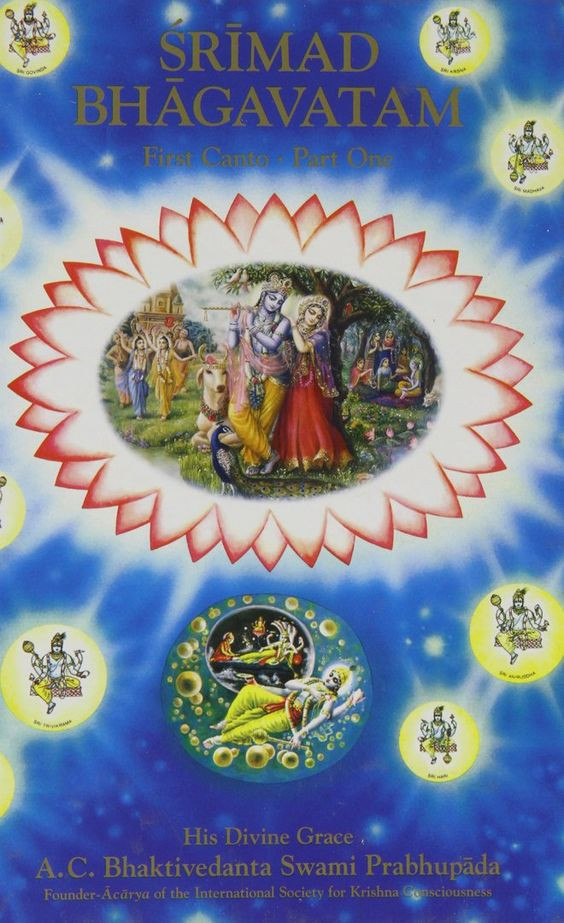 Why to read srimad bhagavatamReading the Srimad Bhagavatam fosters deep spiritual growth by narrating the life and teachings of Lord Krishna,...Read more
 -
 When was srimad bhagavatam written?The Srimad Bhagavatam is believed to have been written around 9th-10th century CE, though its oral traditions date...Read more
 -
 How many chapters are there in srimad bhagavatam?The Srimad Bhagavatam consists of 12 cantos (books) containing 335 chapters in total. Each canto covers various...Read more
 -
 How many skandhas are there in srimad bhagavatamThe Srimad Bhagavatam is divided into 12 skandhas (cantos or books). Each skandha explores different themes,...Read more
 -
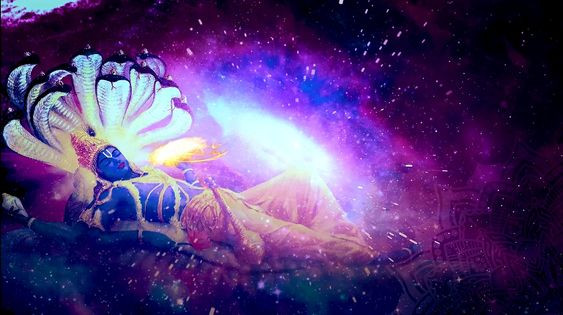 How many slokas in srimad bhagavatamThe Srimad Bhagavatam contains approximately 18,000 shlokas (verses). These verses are spread across its 12 skandhas...Read more
Leave a comment