
Why did Krishna run to embrace a poor brahmin in rags? Read the Sudama story from the Bhagavatam and learn how a...
Latest posts
-
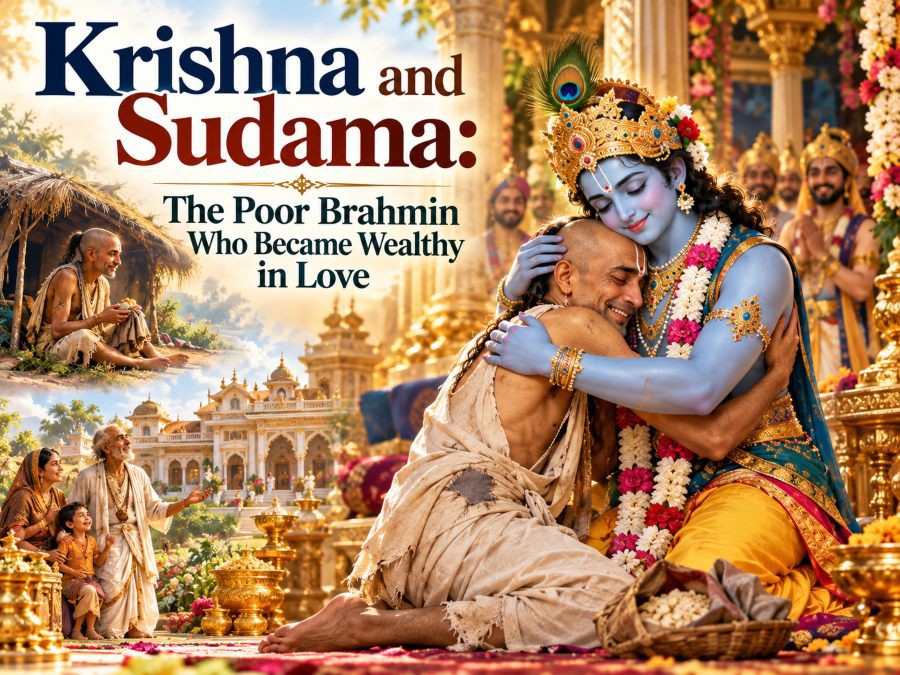 Krishna and Sudama: The Poor Brahmin Who Became Wealthy in LoveRead more
 -
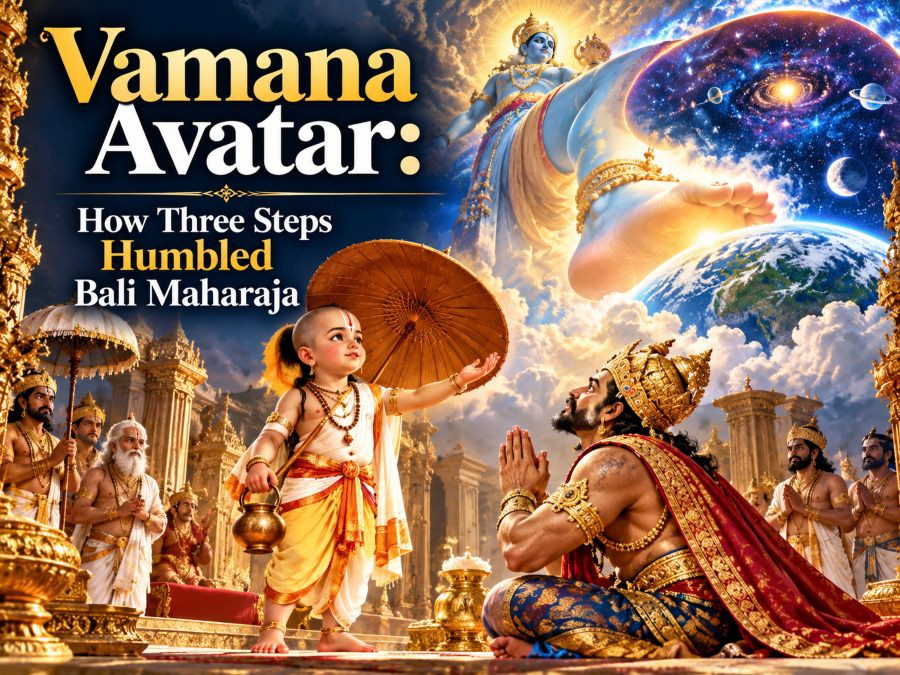 Vamana Avatar: How Three Steps Humbled Bali MaharajaRead more
Why did a powerful king give away three worlds to a boy asking for three steps? Learn the Vamana avatar story from...
-
 The Bhagavatam on Marriage: Duty, Love and Spiritual PartnershipRead more
What does the Bhagavatam say about marriage? Through the stories of Kardama and Devahuti, Rukmini's secret letter and...
-
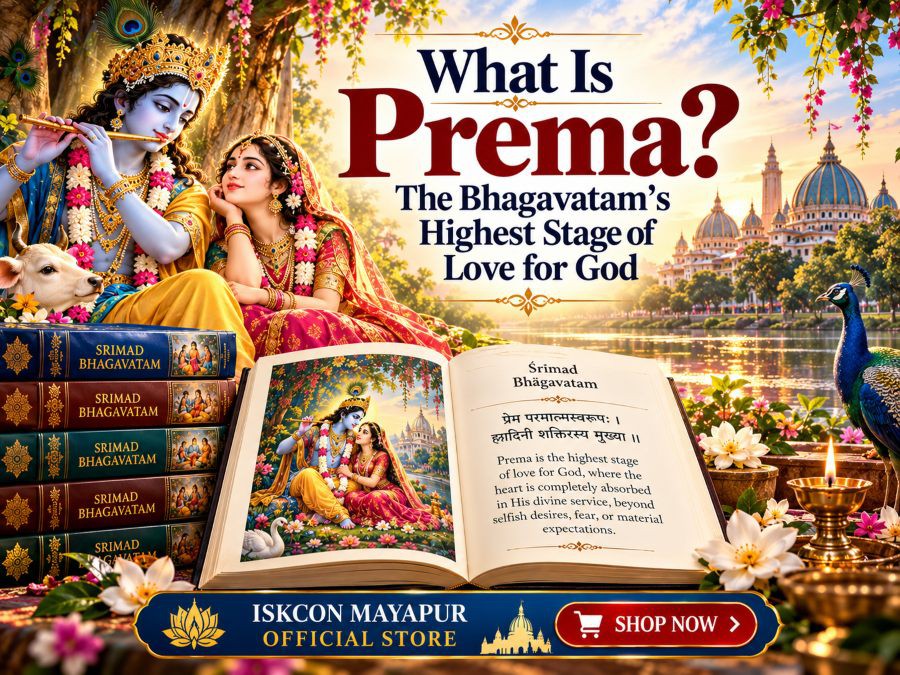 What Is Prema? The Bhagavatam's Highest Stage of Love for GodRead more
Prema is love for God with no "because" attached. Learn how the Bhagavatam describes it, the nine steps from faith to...
-
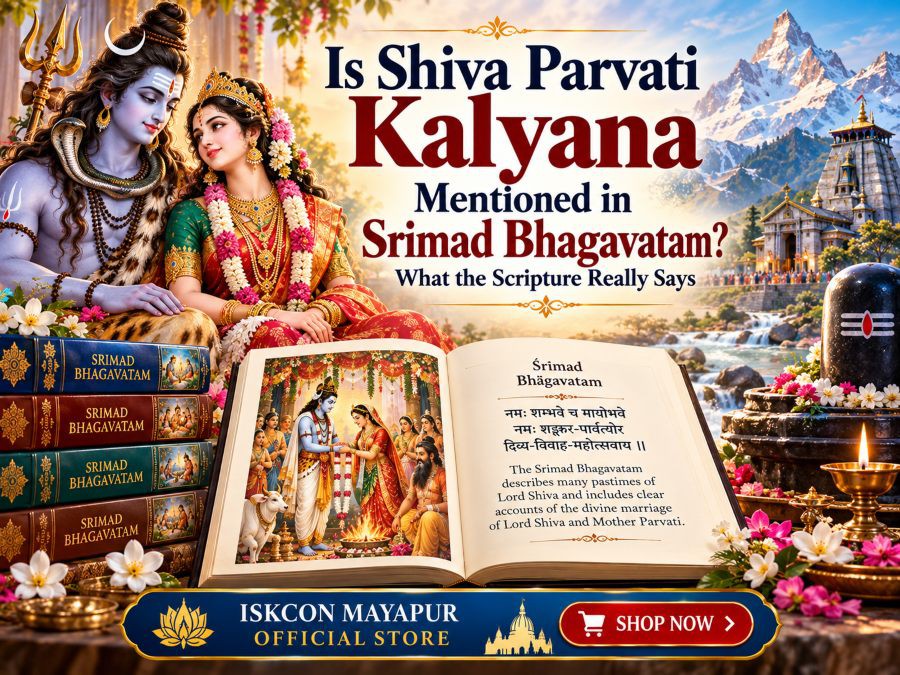 Is Shiva Parvati Kalyana Mentioned in Srimad Bhagavatam? What the Scripture Really SaysRead more
Looking for Shiva and Parvati's wedding in the Srimad Bhagavatam? Find out what the scripture actually describes,...
-
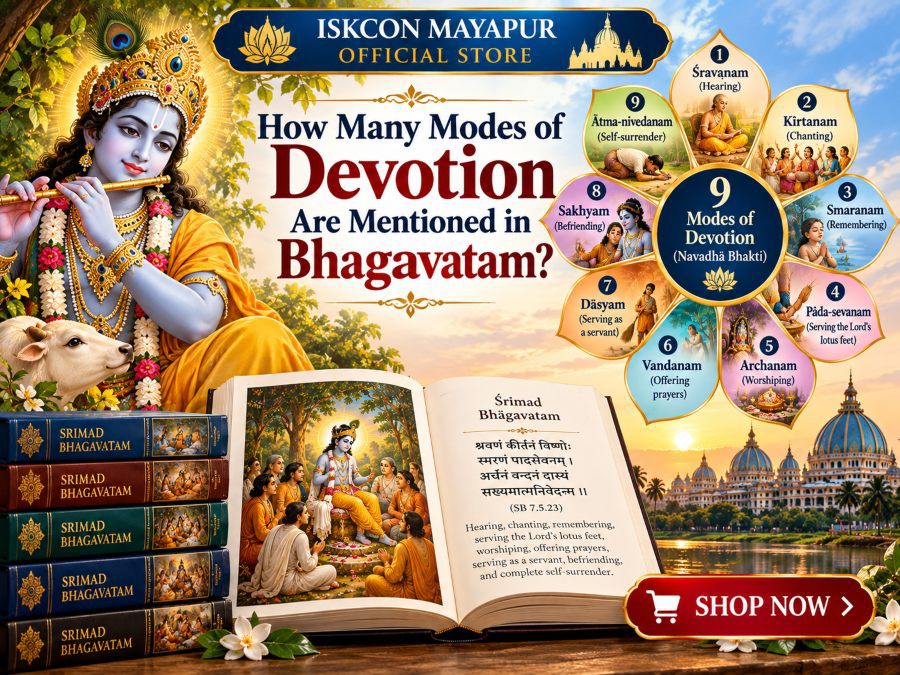 How Many Modes of Devotion Are Mentioned in Bhagavatam?Read more
A young boy named Prahlada listed nine ways to serve God, and the Bhagavatam keeps them as its answer. Learn what the...
-
 What Is Bhagavatam and Why Has It Been Read for 5,000 Years?Read more
A dying king asked one question, and the answer became the Bhagavatam. Learn what this Sanskrit scripture contains,...
-
 Who Is Lord Krishna? His Meaning, Teachings and Pastimes ExplainedRead more
Discover who Krishna is according to Srimad Bhagavatam, including His divine identity, childhood pastimes, teachings,...
-
 Incense in Islam: Bakhoor, Agarbatti and What Tradition SaysRead more
Is burning fragrance part of Muslim tradition? Explore incense in Islam, from the Prophetic practice of fumigating...
-
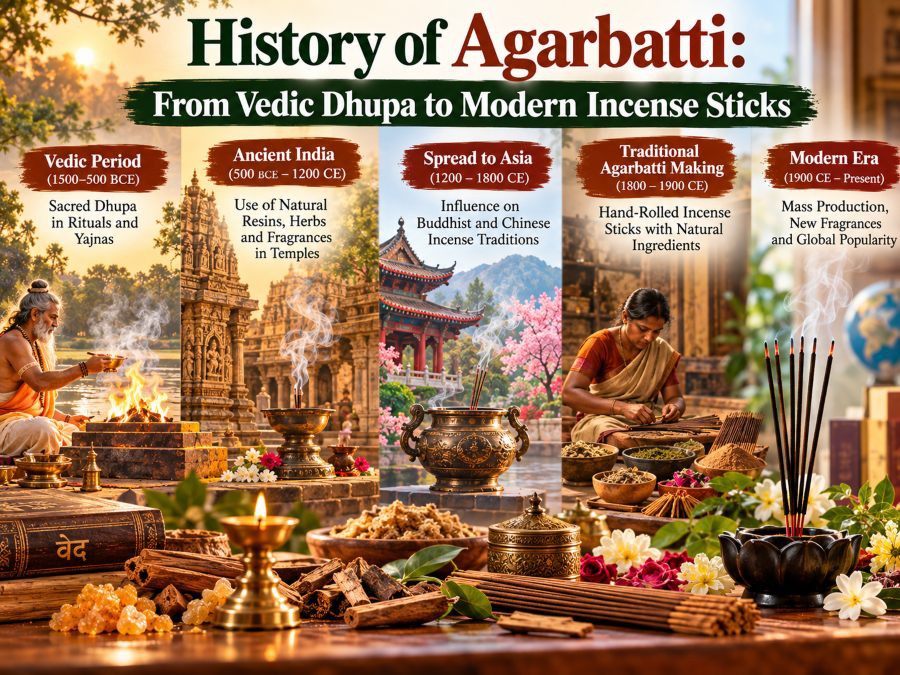 History of Agarbatti: From Vedic Dhupa to Modern Incense SticksRead more
Where did agarbatti really come from? Follow the history of agarbatti from Vedic fire rituals and temple dhupa to...
Blog categories
- Default category (0)
- MUSICAL INSTRUMENT (1)
- BOOK (5)
- DEVOTIONAL GIFT (0)
- Blog (30) click
- CHANDAN (12)
- Bhagavatam Wisdom Series (68)
- Krishna Consciousness (14)
- Mridangam Musical Instrument (6)
- Bhagavad Gita for Beginners (13)
- Bhagavad Gita As It Is (37) click
- Bhagavad Gita As It Is Telugu (0)
- Bhagavad Gita As It Is Marathi (0)
- Bhagavad Gita As It Is In Hindi (0)
- Bhagavad Gita As It Is In English (0)
- Bhagavad Gita As It Is In Bengali (8)
- Bhagavad Gita As It Is In Kannada (0)
- Bhagavad Gita As It Is In Gujarati (0)
- Bhagavad Gita As It Is In Panjabi (0)
- Bhagavad Gita As It Is In Tamil (0)
- Bhagavad Gita As It Is Odia (0)
- BHAGAVAD GITA As It Is GERMAN (0)
- Bhagavad Gita As It Is In French (0)
- Bhagavad Gita As It Is In Nepali (0)
- Bhagavad Gita As It Is In Assamese (0)
- Incense or Agarbatti (38)
- Lord Chaitanya Mahaprabhu (3)
- Vedic Temple Mayapur (14)
- kalki (15)
- Mahabharata – Dharma & Destiny (27)
- Vaishnava Scriptures (4)
- healthy product (4)
- chaitanya mahaprabhu (5)
- Tulsi Mala Guide (17)
Search in blog
Where Is Original Bhagavad Gita Kept?
Where Is Original Bhagavad Gita Kept? – Complete Guide to the Sacred Text
The Bhagavad Gita, one of the most revered spiritual texts in history, has fascinated scholars, devotees, and historians for centuries. Often called the Song of God, it is a divine conversation between Lord Krishna and Arjuna, recorded within the Mahabharata. While millions study and follow its teachings worldwide, many often wonder: where is the original Bhagavad Gita kept? Is there a single preserved manuscript? How was it transmitted over the centuries?
This article explores the origin, preservation, authenticity, historical manuscripts, and current locations of the original Bhagavad Gita, answering these questions in detail.
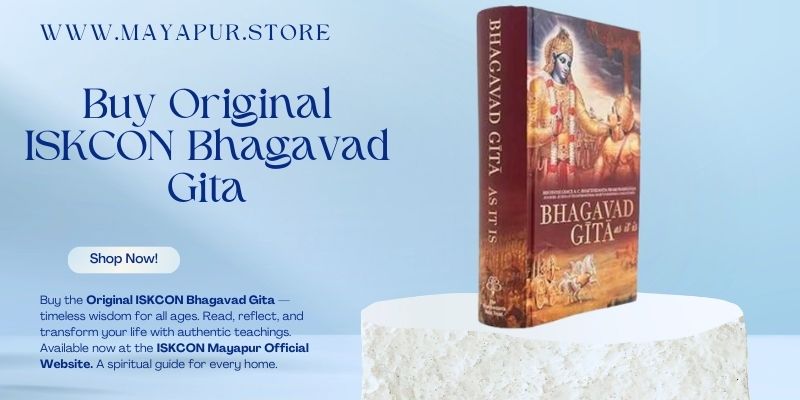
The Origin of the Bhagavad Gita – How It Was Spoken and Recorded
The Bhagavad Gita was spoken on the battlefield of Kurukshetra, around 5,000 years ago, during a moment of great moral and emotional crisis for Arjuna. Lord Krishna guided him with spiritual wisdom that continues to guide humanity today.
Key points:
· Spoken by Lord Krishna to Arjuna before the Kurukshetra war.
· Recorded as part of the Bhishma Parva of the Mahabharata.
· The original text was orally transmitted before being written in Sanskrit.
· The Gita contains 700 verses, divided into 18 chapters, each called a “Yoga” or spiritual path.
The Original Manuscript – Does It Still Exist?
The question of the “original Bhagavad Gita” is complex. Because the Gita was initially oral, no single original manuscript exists today. Scholars believe:
Key points:
· Ancient texts were handwritten on palm leaves or birch bark.
· Multiple copies were preserved by different Vedic scholars.
· The Mahabharata itself has hundreds of regional manuscripts, and the Gita is embedded in all of them.
· Due to centuries of copying, minor variations exist between manuscripts.
· The concept of one single “original” text is more symbolic than literal.
Historical Manuscripts of the Bhagavad Gita
While the original spoken words cannot be traced, several ancient manuscripts are preserved in libraries and temples:
Key points:
· Sanskrit manuscripts in India: Various temples and libraries in Varanasi, Tamil Nadu, and Odisha hold palm-leaf manuscripts.
· European collections: Some ancient manuscripts were collected by scholars during colonial times and are preserved in European museums.
· Vedavyasa and oral tradition: Scholars believe Vyasa originally compiled the Mahabharata and the Gita for oral teaching.

Preservation and Transmission Through the Centuries
The Bhagavad Gita was preserved through oral and written traditions:
Key points:
· Oral Tradition: Generations of scholars memorized the Gita and taught it to disciples.
· Written Tradition: Manuscripts were copied onto palm leaves, paper, and cloth scrolls.
· Temples: Ancient temples served as safe places for preserving sacred texts.
· Printing Era: In the 19th century, the Gita was printed and distributed widely, increasing accessibility.
Modern Locations – Where You Can Find Ancient Manuscripts
Although the original spoken Gita does not survive, several historical manuscripts are kept in prestigious locations:
Key points:
· Bhandarkar Oriental Research Institute, Pune, India – Holds ancient Mahabharata manuscripts including the Gita.
· Adi Granth Libraries and Vedic Colleges – Preserved copies of the Gita in Sanskrit.
· Tirupati, Varanasi, and Puri Temples – Sacred palm-leaf manuscripts of the Mahabharata with the Gita.
· British Museum, London – Houses a few ancient Sanskrit manuscripts.
· Digital Archives – Modern efforts have digitized ancient manuscripts for global access.

Translations and Printed Editions – Making the Gita Accessible Worldwide
While original manuscripts are rare, numerous translations have made the Gita widely accessible:
Key points:
· Sanskrit to English, Hindi, Bengali, and other languages.
· First printed editions appeared in the early 1800s.
· Modern publishers like ISKCON, Vedabase, and others distribute authentic translations globally.
· Translations maintain accuracy by referencing ancient manuscripts.
Authenticity and How Scholars Verify Texts
Determining authenticity involves comparing multiple manuscripts and evaluating historical evidence.
Key points:
· Scholars examine paleography, writing style, and linguistic patterns.
· Cross-reference with other Mahabharata manuscripts to ensure accuracy.
· The core teachings of the Gita remain consistent despite minor textual differences.
· Textual criticism ensures that translations reflect the original message faithfully.
Cultural and Religious Significance of the Original Text
Even though the original manuscript is not accessible, its spiritual value remains immense.
Key points:
· Considered a direct revelation from God to humankind.
· Provides guidance on duty, devotion, knowledge, and meditation.
· Central to Hindu rituals, philosophy, and daily practices.
· Influenced leaders like Mahatma Gandhi, Albert Einstein, and Aldous Huxley.
Digital Era – Accessing the Bhagavad Gita Today
Technology has made it possible to study the Gita anywhere in the world:
Key points:
· Vedabase provides digital Sanskrit manuscripts with translations.
· Mobile apps offer audio, translations, and commentary.
· Online resources provide access to original verses with commentaries.
· Global devotees can read and recite the Gita as it was traditionally taught.

Why Knowing the Location of the Original Matters
Understanding where ancient manuscripts are kept connects people to history and tradition.
Key points:
· Inspires devotion and scholarly research.
· Helps preserve cultural heritage.
· Encourages study of authentic versions instead of diluted copies.
· Maintains integrity of spiritual teachings.
Conclusion – The Original Bhagavad Gita Lives Through Devotion and Study
While the original spoken Bhagavad Gita is lost to history, its essence survives through manuscripts, translations, oral tradition, and digital media. Ancient palm-leaf manuscripts, temple collections, and research libraries keep the legacy alive. Today, anyone can access the Gita through printed editions or online, preserving its teachings for future generations.
Ultimately, the location of the original is symbolic — the true Gita exists wherever its wisdom is studied, applied, and lived.
FAQs –
1. Where is the original Bhagavad Gita manuscript kept?
There is no single original manuscript, but ancient copies are kept in Indian temples, libraries, and research institutes like Bhandarkar Oriental Research Institute.
2. How was the Gita preserved historically?
Through oral transmission, palm-leaf manuscripts, temple archives, and later printed editions.
3. Can I read the original Sanskrit verses today?
Yes, many temples, libraries, and digital platforms provide Sanskrit text with translations.
4. Are there variations in the Gita text?
Minor variations exist due to centuries of copying, but the core teachings remain unchanged.
5. Why is the original Gita important?
It connects us to the divine revelation and the historical preservation of spiritual knowledge.
Posted in: Bhagavad Gita for Beginners
Related posts
-
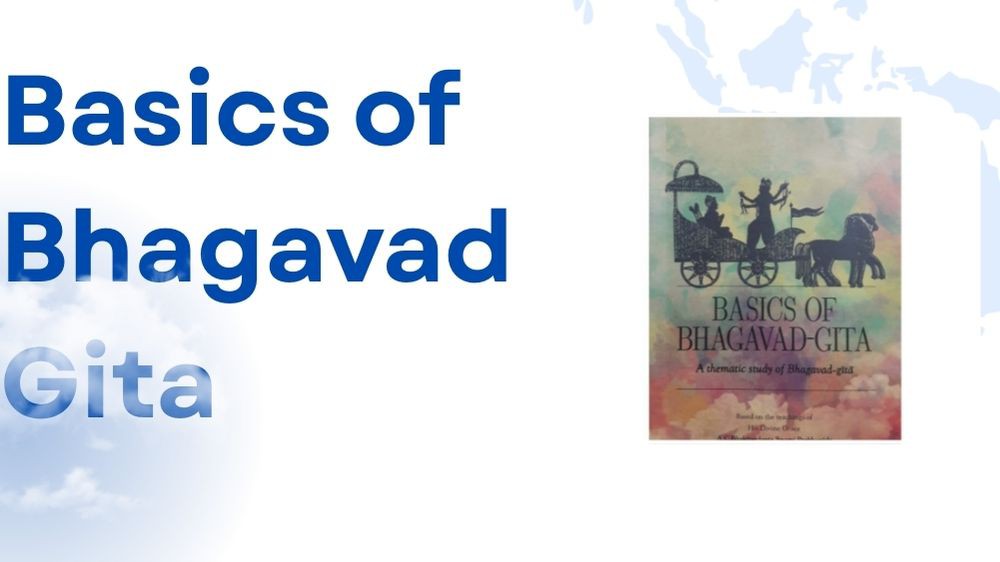 Basics of Bhagavad Gita: A Thematic Study for Beginners | MAYAPUR STOREBasics of Bhagavad Gita: A Thematic Study is a beginner-friendly guide that simplifies the timeless wisdom of the...Read more
 -
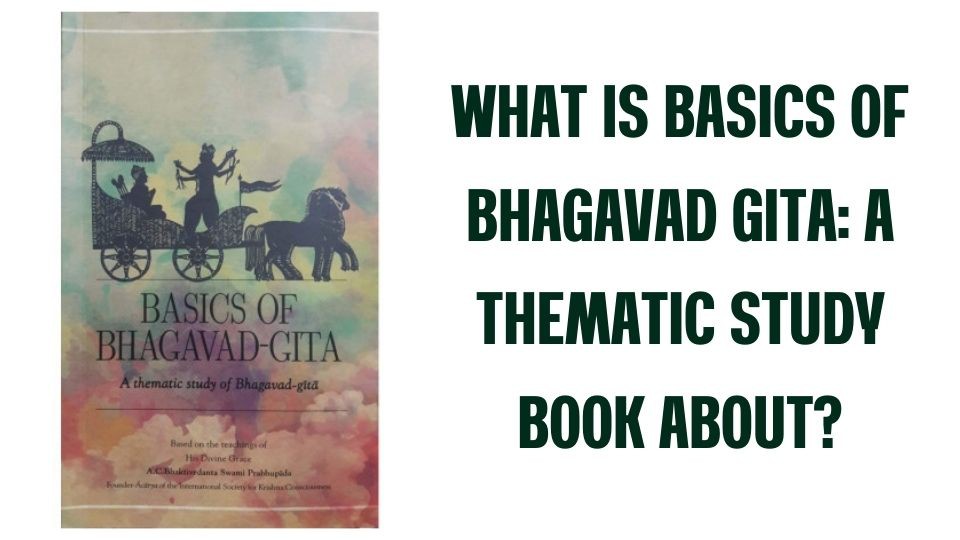 What is Basics of Bhagavad Gita: A Thematic Study Book About?Basics of Bhagavad Gita: A Thematic Study is a beginner-friendly guide that simplifies the timeless wisdom of the...Read more
 -
 Who Should Read Basics of Bhagavad Gita – Is It Good for Beginners?Basics of Bhagavad Gita is a beginner-friendly guide that simplifies Lord Krishna’s teachings for students, seekers,...Read more
 -
 Difference Between Basics of Bhagavad Gita and Bhagavad Gita As It Is – A Beginner’s GuideLearn how Basics of Bhagavad Gita differs from Bhagavad Gita As It Is. This guide explains their purpose, depth, and...Read more
 -
 Main Themes of Basics of Bhagavad Gita – A Beginner’s Guide to Krishna’s TeachingsBasics of Bhagavad Gita explains Krishna’s timeless teachings in simple language. Discover the main themes—dharma,...Read more
Leave a comment