
Why did Krishna run to embrace a poor brahmin in rags? Read the Sudama story from the Bhagavatam and learn how a...
Latest posts
-
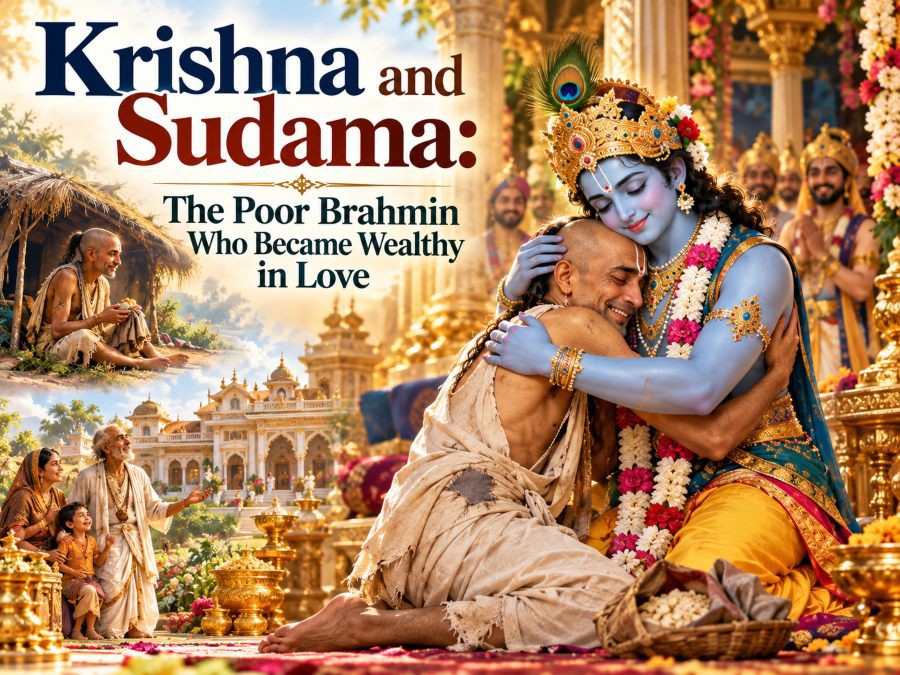 Krishna and Sudama: The Poor Brahmin Who Became Wealthy in LoveRead more
 -
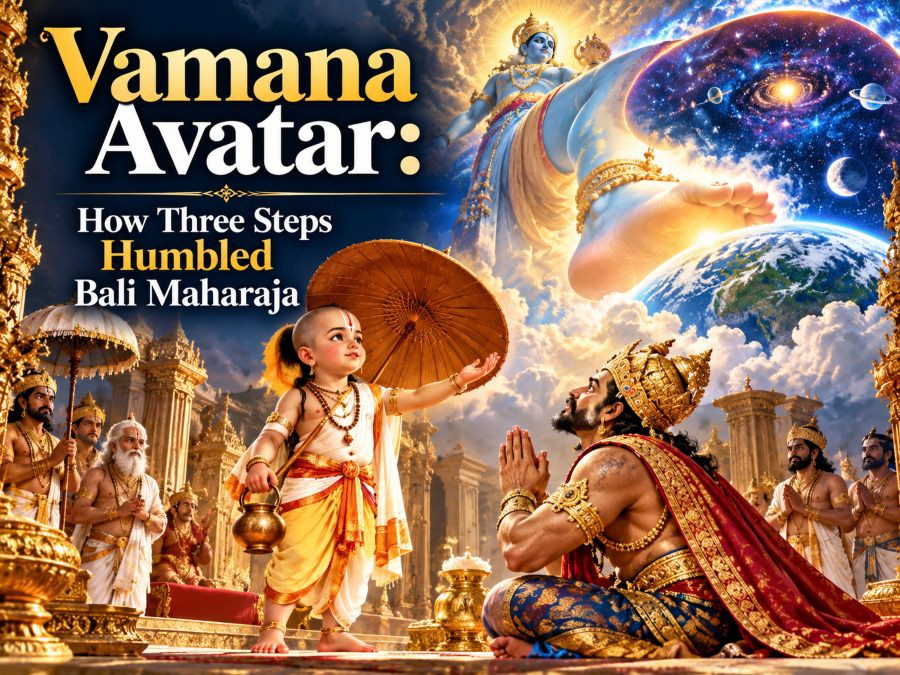 Vamana Avatar: How Three Steps Humbled Bali MaharajaRead more
Why did a powerful king give away three worlds to a boy asking for three steps? Learn the Vamana avatar story from...
-
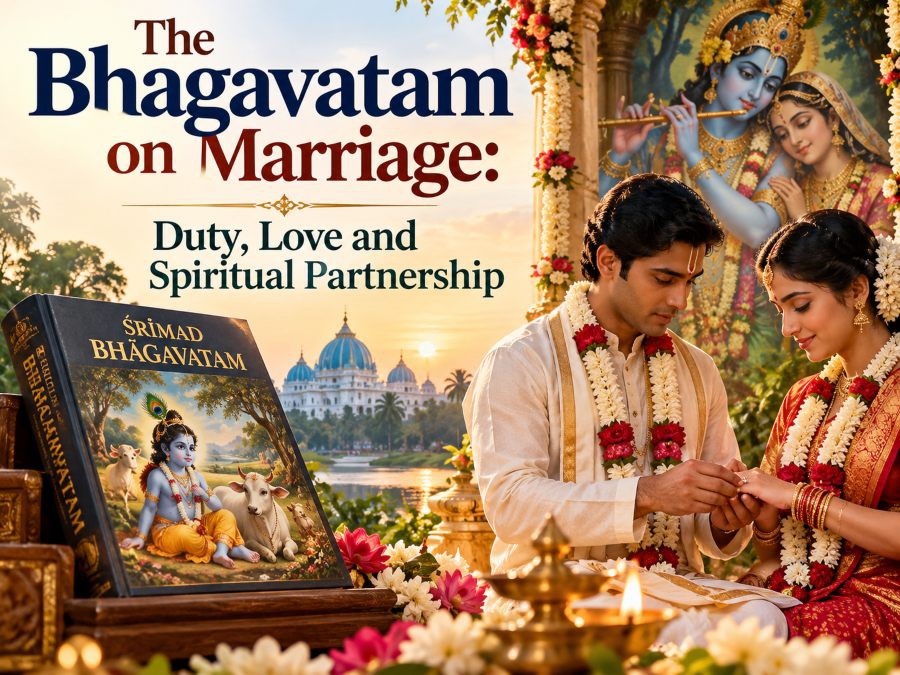 The Bhagavatam on Marriage: Duty, Love and Spiritual PartnershipRead more
What does the Bhagavatam say about marriage? Through the stories of Kardama and Devahuti, Rukmini's secret letter and...
-
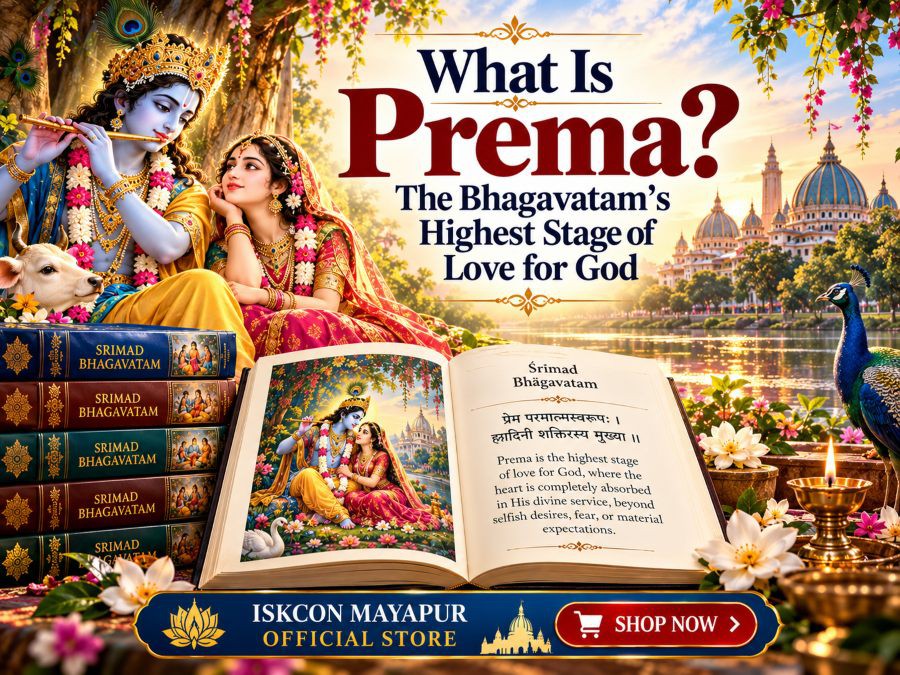 What Is Prema? The Bhagavatam's Highest Stage of Love for GodRead more
Prema is love for God with no "because" attached. Learn how the Bhagavatam describes it, the nine steps from faith to...
-
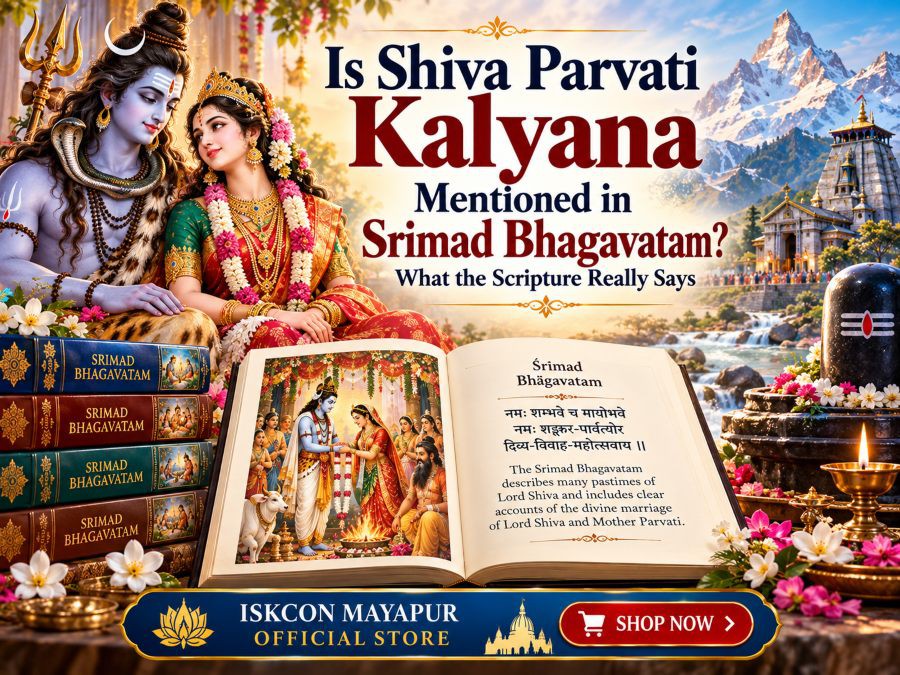 Is Shiva Parvati Kalyana Mentioned in Srimad Bhagavatam? What the Scripture Really SaysRead more
Looking for Shiva and Parvati's wedding in the Srimad Bhagavatam? Find out what the scripture actually describes,...
-
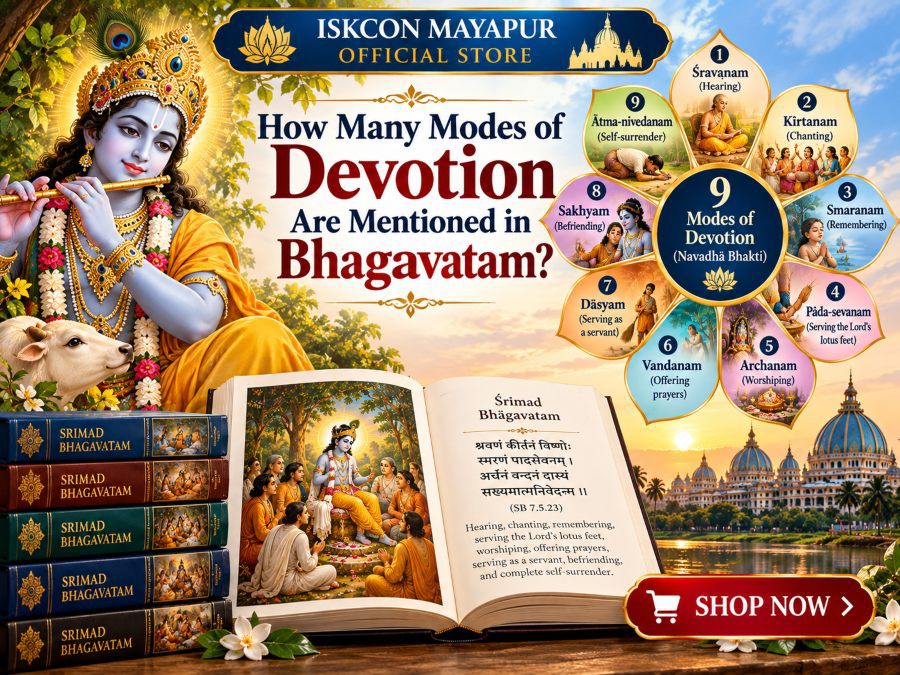 How Many Modes of Devotion Are Mentioned in Bhagavatam?Read more
A young boy named Prahlada listed nine ways to serve God, and the Bhagavatam keeps them as its answer. Learn what the...
-
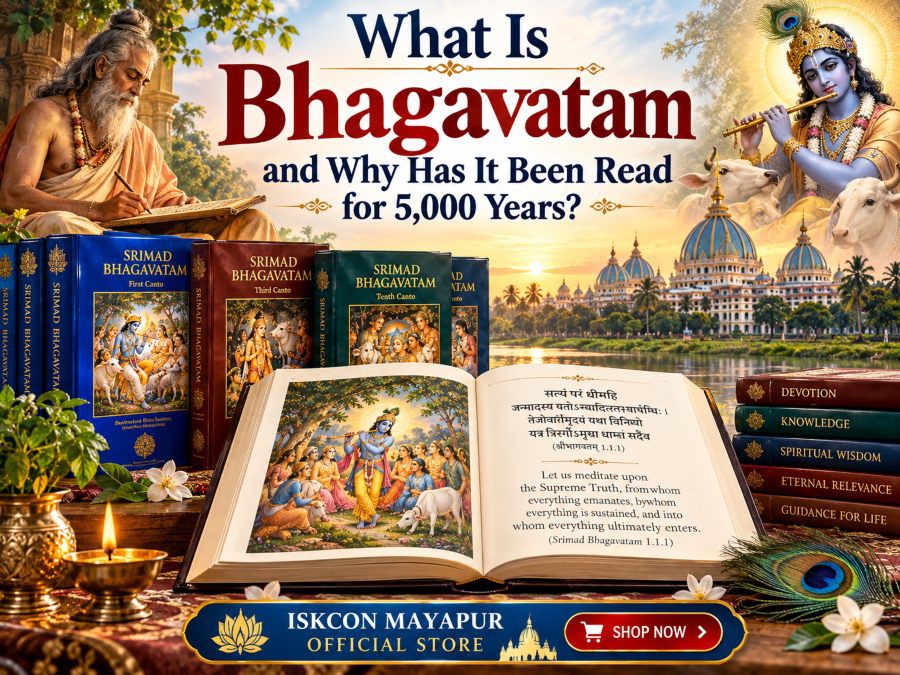 What Is Bhagavatam and Why Has It Been Read for 5,000 Years?Read more
A dying king asked one question, and the answer became the Bhagavatam. Learn what this Sanskrit scripture contains,...
-
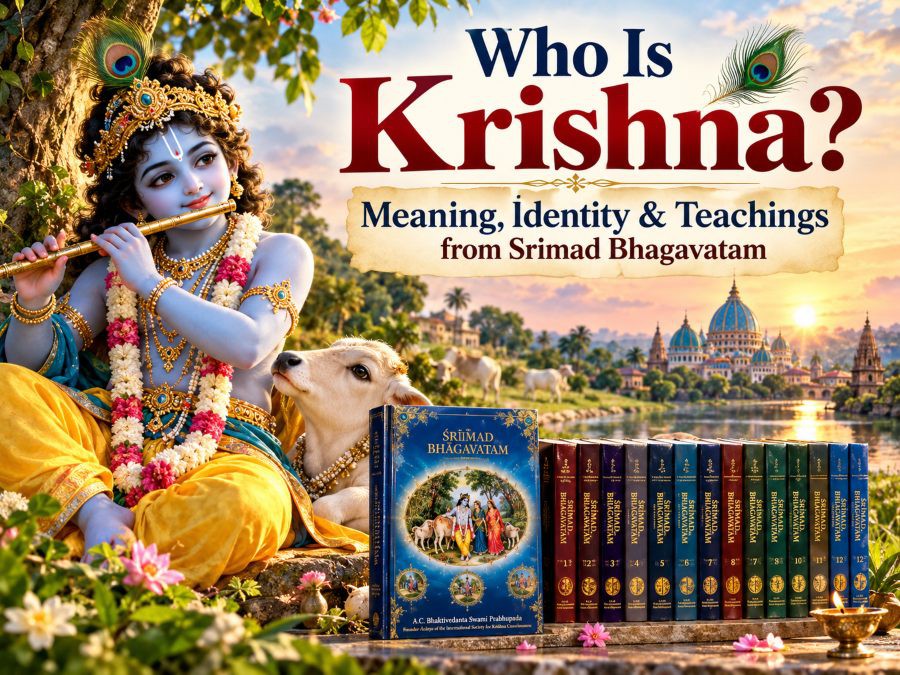 Who Is Lord Krishna? His Meaning, Teachings and Pastimes ExplainedRead more
Discover who Krishna is according to Srimad Bhagavatam, including His divine identity, childhood pastimes, teachings,...
-
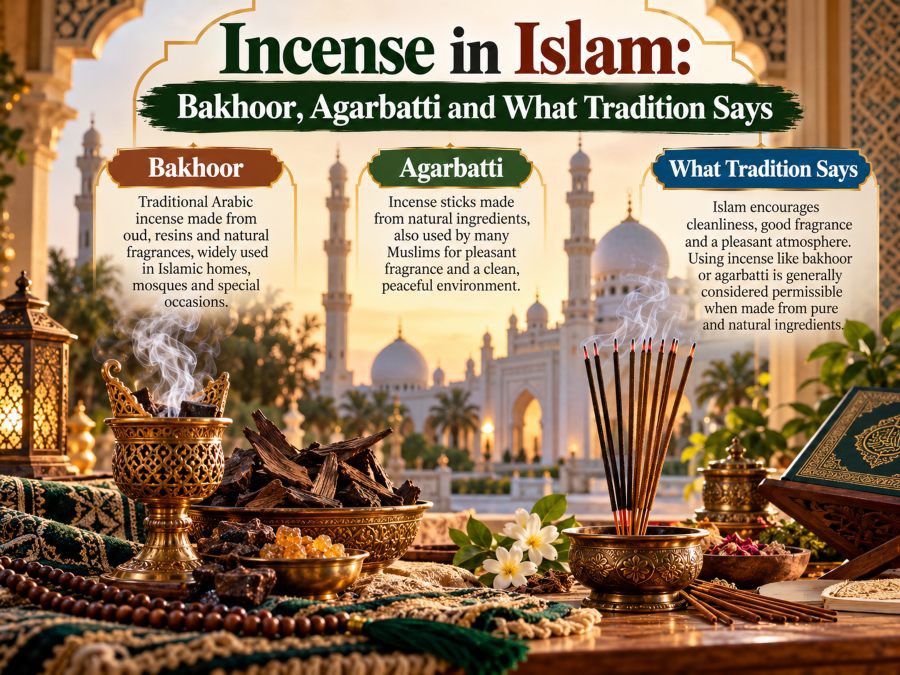 Incense in Islam: Bakhoor, Agarbatti and What Tradition SaysRead more
Is burning fragrance part of Muslim tradition? Explore incense in Islam, from the Prophetic practice of fumigating...
-
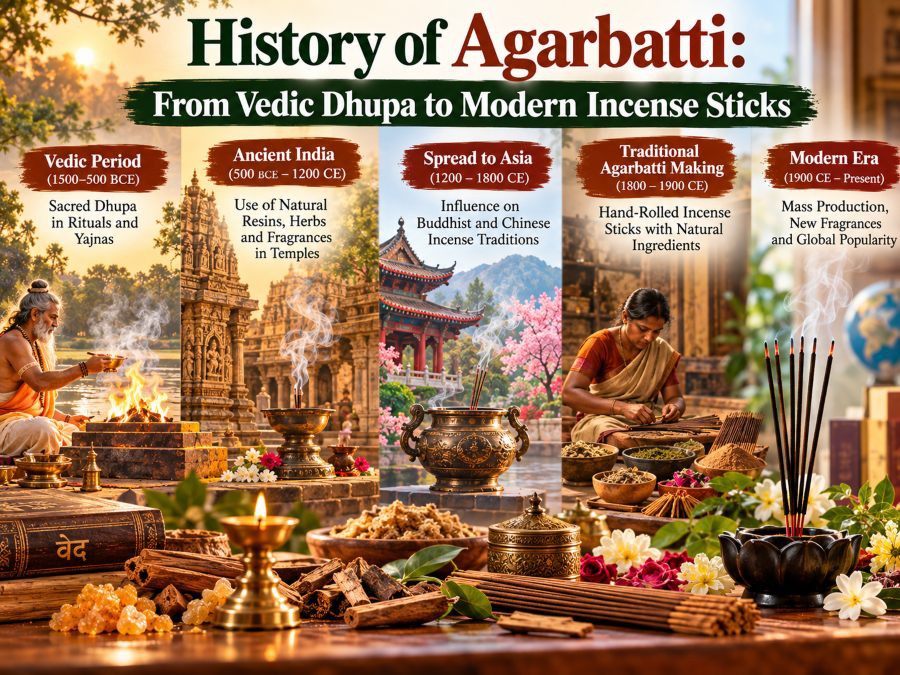 History of Agarbatti: From Vedic Dhupa to Modern Incense SticksRead more
Where did agarbatti really come from? Follow the history of agarbatti from Vedic fire rituals and temple dhupa to...
Blog categories
- Default category (0)
- MUSICAL INSTRUMENT (1)
- BOOK (5)
- DEVOTIONAL GIFT (0)
- Blog (30) click
- CHANDAN (12)
- Bhagavatam Wisdom Series (68)
- Krishna Consciousness (14)
- Mridangam Musical Instrument (6)
- Bhagavad Gita for Beginners (13)
- Bhagavad Gita As It Is (37) click
- Bhagavad Gita As It Is Telugu (0)
- Bhagavad Gita As It Is Marathi (0)
- Bhagavad Gita As It Is In Hindi (0)
- Bhagavad Gita As It Is In English (0)
- Bhagavad Gita As It Is In Bengali (8)
- Bhagavad Gita As It Is In Kannada (0)
- Bhagavad Gita As It Is In Gujarati (0)
- Bhagavad Gita As It Is In Panjabi (0)
- Bhagavad Gita As It Is In Tamil (0)
- Bhagavad Gita As It Is Odia (0)
- BHAGAVAD GITA As It Is GERMAN (0)
- Bhagavad Gita As It Is In French (0)
- Bhagavad Gita As It Is In Nepali (0)
- Bhagavad Gita As It Is In Assamese (0)
- Incense or Agarbatti (38)
- Lord Chaitanya Mahaprabhu (3)
- Vedic Temple Mayapur (14)
- kalki (15)
- Mahabharata – Dharma & Destiny (27)
- Vaishnava Scriptures (4)
- healthy product (4)
- chaitanya mahaprabhu (5)
- Tulsi Mala Guide (17)
Search in blog
Mahabharata – Dharma & Destiny
The Mahabharata: India’s Timeless Epic of Dharma, Destiny, and Devotion
.jpg)
Introduction: The Eternal Relevance of the Mahabharata
The Mahabharata is more than an ancient Indian epic—it is a vast ocean of wisdom that continues to shape philosophy, ethics, spirituality, governance, and human behavior across centuries. Composed by Sage Vyasa, this monumental Sanskrit text stands as one of the world’s longest literary compositions, containing over 100,000 verses. It narrates not merely a war but the entire cycle of human emotions, moral dilemmas, karmic bonds, and the eternal struggle between dharma (righteousness) and adharma (unrighteousness).
Whether approached as history, mythology, philosophy, or spiritual scripture, the Mahabharata remains a universal guide to the complexities of life. Its teachings, especially the Bhagavad Gita, have influenced thinkers, leaders, and seekers for thousands of years.
This article explores the Mahabharata’s story, characters, themes, philosophy, historical context, and relevance in modern life—presented in simple, SEO-friendly language with rich detail.
Buy the Complete Mahabharata Book Now
The Origin and Composition of the Mahabharata
Authorship by Sage Vyasa
The Mahabharata is traditionally attributed to Krishna Dvaipayana Vyasa, also known as Vyasa or Vedavyasa. According to legend, Vyasa dictated the epic to Lord Ganesha, who wrote it down on the condition that Vyasa would never pause in his narration.
The composition includes:
- 18 Parvas (books)
- 100,000+ verses
- 1.8 million words
- Philosophical texts like the Bhagavad Gita
- Legends, theology, statecraft, ethics, spirituality, and cosmology
Historical Foundation
Many scholars believe that the Mahabharata is rooted in real historical events that took place around 3000–5000 years ago, centered on the Kuru dynasty of ancient India.
The Central Story of the Mahabharata
At its heart, the Mahabharata tells the story of a dynastic conflict between two groups of cousins:
- The Pandavas – embodiments of virtue, courage, and righteousness
- The Kauravas – driven by jealousy, ambition, and desire for power
The struggle culminates in the epic Kurukshetra War, a devastating battle that changes the course of humanity.
The Pandavas: Heroes of Dharma
Yudhishthira – The Upholder of Truth
Known for his unshakable commitment to truth and righteousness, he is the embodiment of dharma.
Bhima – The Mighty Warrior
A symbol of strength and loyalty, Bhima is both a fierce protector and a true brother.
Arjuna – The Peerless Archer
Arjuna is the central hero of the Bhagavad Gita. His moral confusion on the battlefield leads to Lord Krishna’s divine teachings.
Nakula & Sahadeva – The Twin Princes
Known for their discipline, humility, beauty, and wisdom, they complete the fivefold embodiment of virtue.
The Kauravas: Princes Consumed by Ambition
The Kauravas, led by Duryodhana, represent the darker tendencies of human nature—ego, greed, and jealousy.
Duryodhana’s hatred toward the Pandavas, fueled by the manipulative schemes of Shakuni, sets the stage for the great war.
The Role of Draupadi: The Flame of Honor
Draupadi, the queen of the Pandavas, is a central figure whose humiliation in the Kuru court becomes the moral turning point of the Mahabharata. Her strength, dignity, and unbroken spirit symbolize the fight for justice.
Krishna: The Divine Strategist and Guide
The Mahabharata would be incomplete without Lord Krishna, who stands as:
- A diplomat
- A strategist
- A friend
- A guide
- The Supreme Divine Consciousness
His discourse to Arjuna in the Bhagavad Gita is considered the essence of the Mahabharata. Krishna presents the philosophy of karma, bhakti, jnana, and the path to liberation.
Order the Mahabharata Book – Limited Stock
Key Events Leading to the War
The Partition of the Kingdom
When the kingdom was divided, the Pandavas received barren land, which they transformed into the magnificent city Indraprastha.
The Game of Dice
Shakuni’s cunning manipulation led to a game in which Yudhishthira lost everything—his kingdom, his brothers, and even Draupadi.
The Exile of 13 Years
The Pandavas were forced into exile, followed by a year of incognito living.
Failed Peace Negotiations
Krishna attempted reconciliation, but Duryodhana refused even five villages for the Pandavas.
Thus, the war became inevitable.
The Kurukshetra War: Dharma vs. Adharma
The epic battle lasted 18 days, involving:
- Thousands of warriors
- Divine weapons
- Complex strategies
- Heroic duels
- Karmic consequences
Each day of the war reflected moral dilemmas and the struggle between righteousness and ambition.
Key highlights include:
- Bhishma’s unbeatable leadership
- Abhimanyu’s tragic death in the chakravyuha
- Karna’s heroic yet tragic decisions
- Dronacharya’s fall through a strategic lie
- The final duel between Bhima and Duryodhana
In the end, the Pandavas won, but the victory came with unimaginable loss.
The Bhagavad Gita: The Heart of the Mahabharata
The Bhagavad Gita is a 700-verse scripture where Krishna reveals:
- The meaning of duty
- The purpose of life
- The nature of the soul
- The path to liberation
- The importance of selfless action
The Gita stands independently as a spiritual guide for all humanity.
Themes and Philosophy of the Mahabharata
The epic explores deep philosophical themes:
Dharma (Righteousness)
Each character faces decisions that test their moral compass.
Karma (Action and Consequence)
The epic shows how past actions create future consequences across lifetimes.
Loyalty and Betrayal
Relationships are tested, revealing the complexities of human behavior.
Power and Greed
The destructive nature of ambition is portrayed vividly.
Fate and Free Will
Characters shape their own destiny through choices.
The Women of the Mahabharata: Strength and Wisdom
Women in the Mahabharata are depicted as powerful, intelligent, and decisive:
- Draupadi – honor and determination
- Kunti – sacrifice and motherhood
- Gandhari – loyalty and moral strength
- Subhadra – wisdom and resilience
Their stories highlight the emotional and ethical backbone of the epic.
Morality and Grey Characters
The Mahabharata is not a simple tale of good vs. evil. Many characters are morally complex:
- Karna – loyal but bound by wrong alliances
- Bhishma – noble but constrained by vows
- Drona – wise yet blinded by loyalty
- Dhritarashtra – loving father but weak ruler
This complexity makes the epic deeply realistic and relatable.
Start Your Spiritual Journey – Buy Mahabharata Now
Post-War Aftermath and the Rise of Dharma
After the war, Yudhishthira is crowned king but struggles with grief. The Pandavas eventually renounce the world, embarking on the Mahaprasthan (Great Departure). The epic concludes with the triumph of Dharma and the soul’s journey toward liberation.
The Mahabharata as a Historical and Cultural Treasure
The epic influences:
- Literature
- Law and politics
- Moral education
- Spiritual traditions
- Performing arts
- Temple culture
- Modern media
It remains one of the most studied works in world literature.
Why the Mahabharata Still Matters Today
The Mahabharata continues to inspire because:
- We face similar moral dilemmas.
- Power struggles still dominate society.
- The teachings of the Gita remain universal.
- The epic encourages self-reflection.
- It reveals the consequences of ego and greed.
- It teaches resilience in the face of suffering.
Conclusion: The Legacy of the Mahabharata
The Mahabharata is not merely a story but a mirror reflecting the complexities of human life. It guides us toward truth, duty, compassion, and righteous action. As long as humanity seeks answers to life’s profound questions, the Mahabharata will remain a source of eternal wisdom.
Its message is timeless:
“Dharma protects those who protect Dharma.”
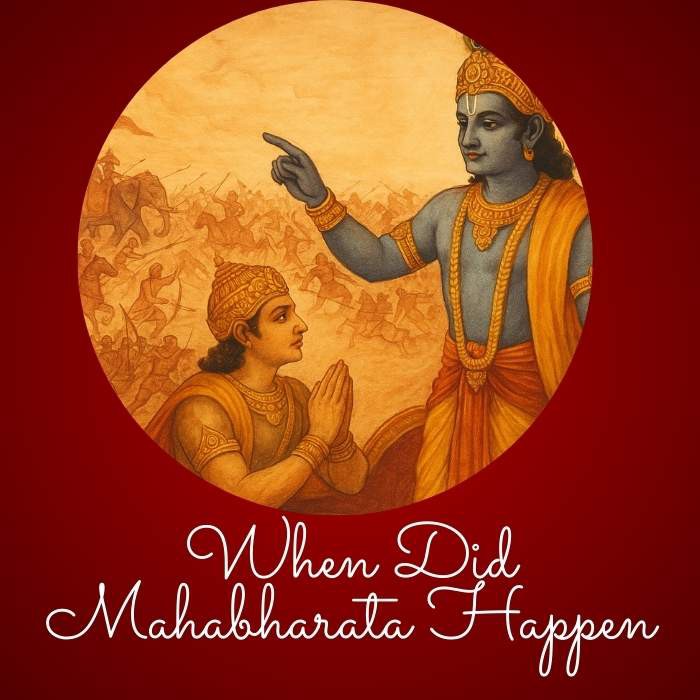 When Did the Mahabharata Happen? Exact Timeline, Evidence & Historical AnalysisRead more
A detailed exploration of when the Mahabharata happened, supported by historical, astronomical, and archaeological evidence.
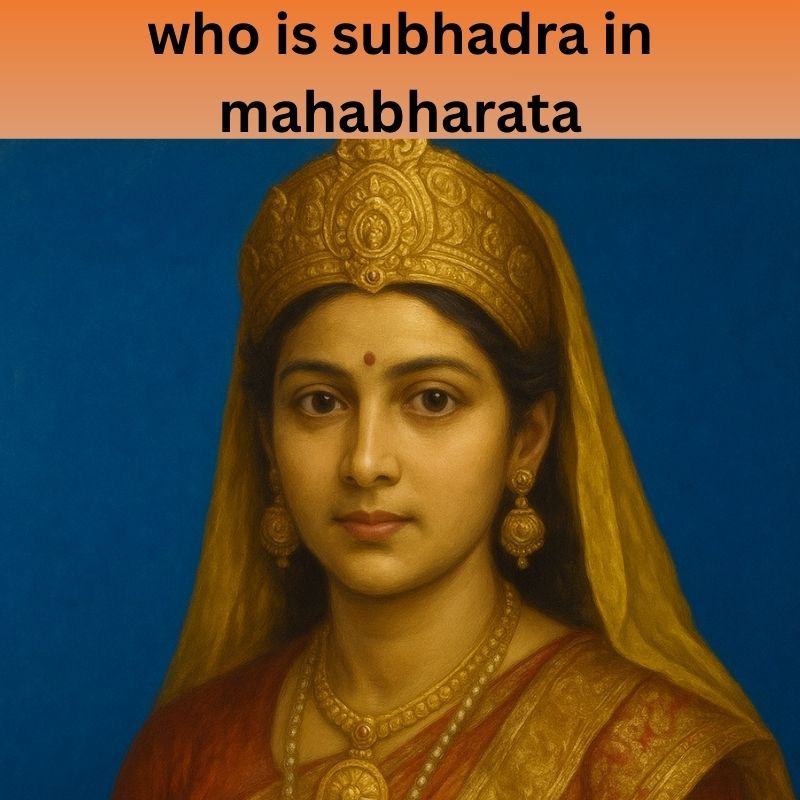 Who Is Subhadra in the Mahabharata? Complete Story, Role & ImportanceRead more
This article explains who Subhadra is in the Mahabharata—her lineage, virtues, role as Krishna’s sister, her influence in the Pandava family, and her importance as the mother of Abhimanyu. Discover her legacy in the continuation of the Kuru dynasty and her revered place in Indian tradition.
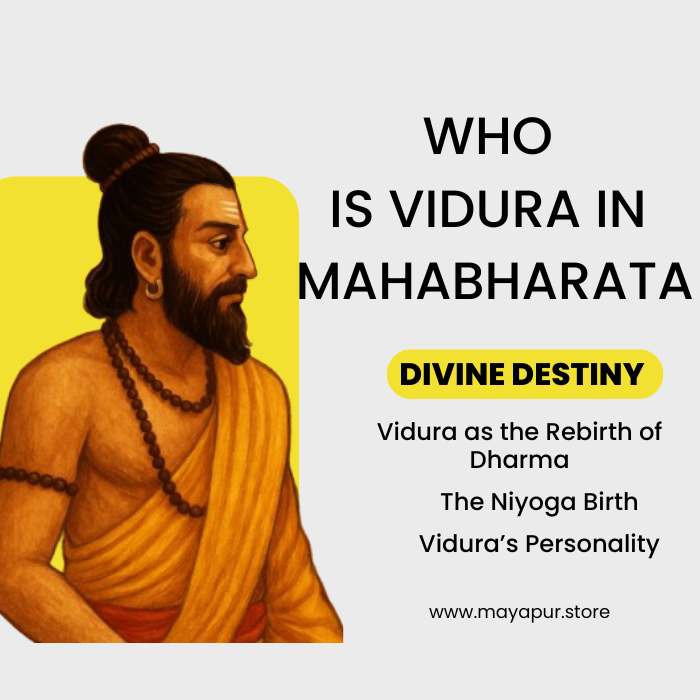 Who Is Vidura in the Mahabharata? Complete Story, Role & TeachingsRead more
Discover who Vidura is in the Mahabharata—his origin, character, wisdom, loyalty, and unmatched adherence to dharma. This article explains his role as the kingdom’s moral guide, his relationship with the Pandavas and Krishna, and the lasting value of Vidura Neeti.
 How Many Days Mahabharata War Happened?Read more
The Mahabharata war lasted for 18 intense days, each filled with major battles, turning points, and historic events. This article explains the complete day-by-day timeline of the Kurukshetra War, why it lasted 18 days, and the deeper spiritual and strategic significance behind its duration.
 Why the Mahabharata Happened: The True Causes Behind the Great WarRead more
Discover the real causes of the Mahabharata war, from jealousy and power struggles to deep karmic destiny. This detailed explanation reveals how divine intervention, dharma, and human ego together created the epic Kurukshetra conflict.
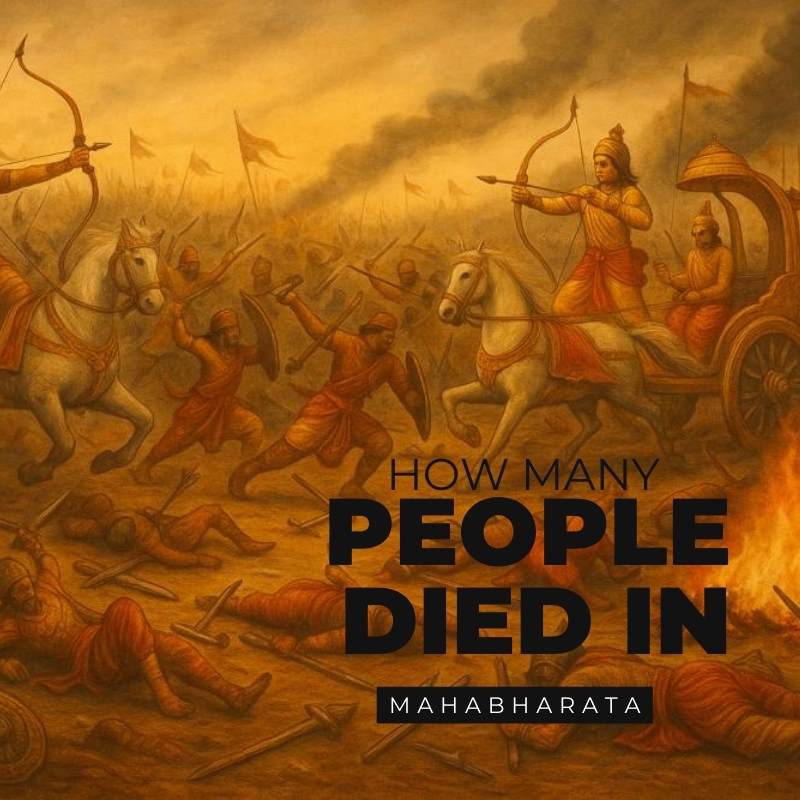 How Many People Died in the Mahabharata? Complete Death Count ExplainedRead more
A detailed explanation of how many people died in the Mahabharata, including the Kurukshetra War death count, major warrior casualties, and scriptural vs. historical estimates.
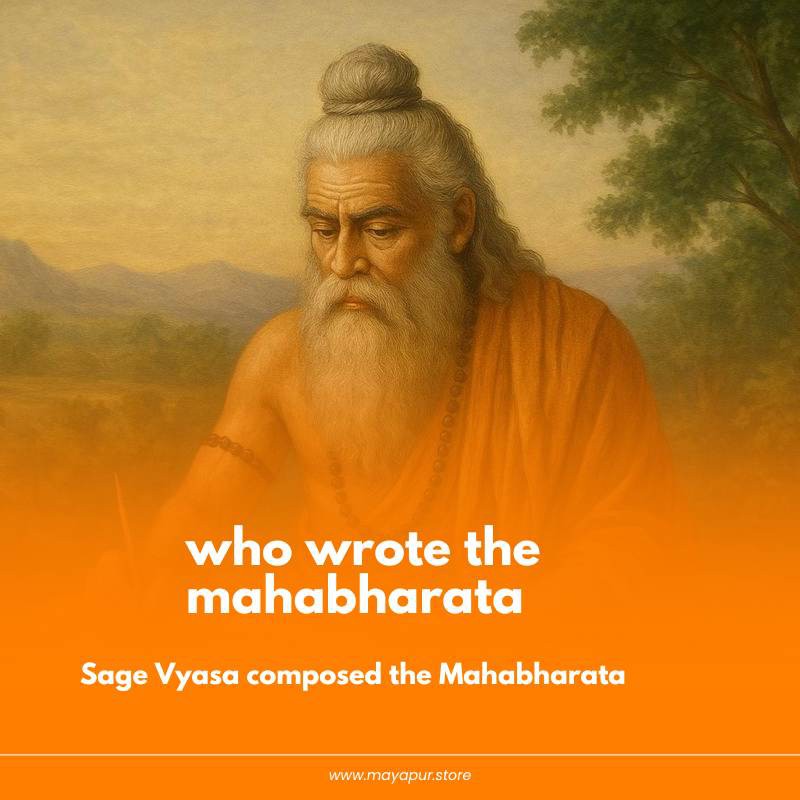 Who Wrote the Mahabharata? The Complete Story of Sage VyasaRead more
A clear explanation of who wrote the Mahabharata, exploring Sage Vyasa’s authorship, the Ganesha narrative, and the epic’s historical and spiritual origins.