
Why did Krishna run to embrace a poor brahmin in rags? Read the Sudama story from the Bhagavatam and learn how a...
Latest posts
-
 Krishna and Sudama: The Poor Brahmin Who Became Wealthy in LoveRead more
 -
 Vamana Avatar: How Three Steps Humbled Bali MaharajaRead more
Why did a powerful king give away three worlds to a boy asking for three steps? Learn the Vamana avatar story from...
-
 The Bhagavatam on Marriage: Duty, Love and Spiritual PartnershipRead more
What does the Bhagavatam say about marriage? Through the stories of Kardama and Devahuti, Rukmini's secret letter and...
-
 What Is Prema? The Bhagavatam's Highest Stage of Love for GodRead more
Prema is love for God with no "because" attached. Learn how the Bhagavatam describes it, the nine steps from faith to...
-
 Is Shiva Parvati Kalyana Mentioned in Srimad Bhagavatam? What the Scripture Really SaysRead more
Looking for Shiva and Parvati's wedding in the Srimad Bhagavatam? Find out what the scripture actually describes,...
-
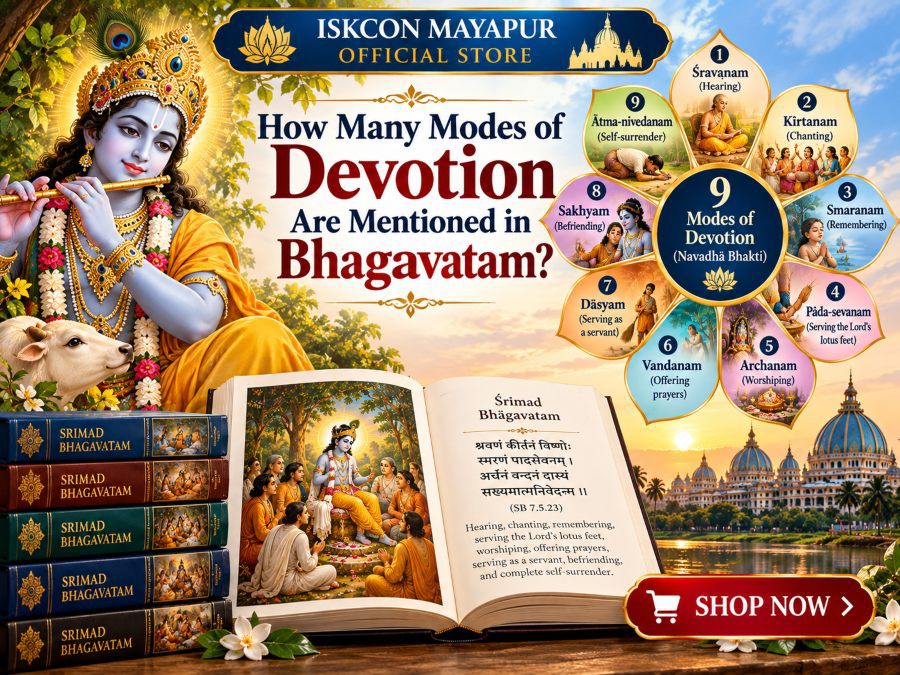 How Many Modes of Devotion Are Mentioned in Bhagavatam?Read more
A young boy named Prahlada listed nine ways to serve God, and the Bhagavatam keeps them as its answer. Learn what the...
-
 What Is Bhagavatam and Why Has It Been Read for 5,000 Years?Read more
A dying king asked one question, and the answer became the Bhagavatam. Learn what this Sanskrit scripture contains,...
-
 Who Is Lord Krishna? His Meaning, Teachings and Pastimes ExplainedRead more
Discover who Krishna is according to Srimad Bhagavatam, including His divine identity, childhood pastimes, teachings,...
-
 Incense in Islam: Bakhoor, Agarbatti and What Tradition SaysRead more
Is burning fragrance part of Muslim tradition? Explore incense in Islam, from the Prophetic practice of fumigating...
-
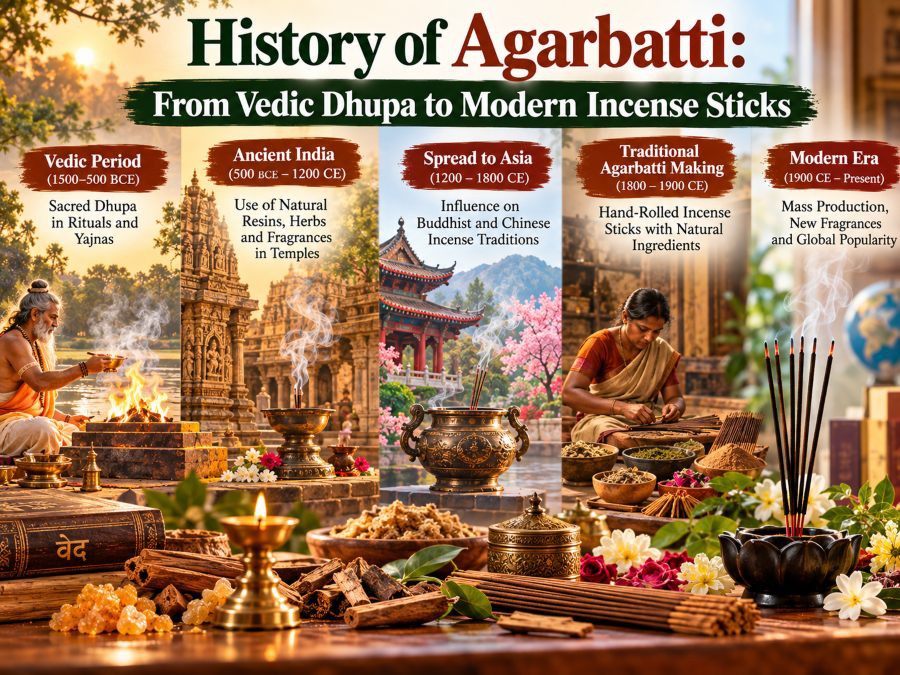 History of Agarbatti: From Vedic Dhupa to Modern Incense SticksRead more
Where did agarbatti really come from? Follow the history of agarbatti from Vedic fire rituals and temple dhupa to...
Blog categories
- Default category (0)
- MUSICAL INSTRUMENT (1)
- BOOK (5)
- DEVOTIONAL GIFT (0)
- Blog (30) click
- CHANDAN (12)
- Bhagavatam Wisdom Series (68)
- Krishna Consciousness (14)
- Mridangam Musical Instrument (6)
- Bhagavad Gita for Beginners (13)
- Bhagavad Gita As It Is (37) click
- Bhagavad Gita As It Is Telugu (0)
- Bhagavad Gita As It Is Marathi (0)
- Bhagavad Gita As It Is In Hindi (0)
- Bhagavad Gita As It Is In English (0)
- Bhagavad Gita As It Is In Bengali (8)
- Bhagavad Gita As It Is In Kannada (0)
- Bhagavad Gita As It Is In Gujarati (0)
- Bhagavad Gita As It Is In Panjabi (0)
- Bhagavad Gita As It Is In Tamil (0)
- Bhagavad Gita As It Is Odia (0)
- BHAGAVAD GITA As It Is GERMAN (0)
- Bhagavad Gita As It Is In French (0)
- Bhagavad Gita As It Is In Nepali (0)
- Bhagavad Gita As It Is In Assamese (0)
- Incense or Agarbatti (38)
- Lord Chaitanya Mahaprabhu (3)
- Vedic Temple Mayapur (14)
- kalki (15)
- Mahabharata – Dharma & Destiny (27)
- Vaishnava Scriptures (4)
- healthy product (4)
- chaitanya mahaprabhu (5)
- Tulsi Mala Guide (17)
Search in blog
Why the Mahabharata Happened: The True Causes Behind the Great War
Why the Mahabharata Happened: A Complete Analysis of Causes, Karma, Politics & Dharma
The Mahabharata is not only the world’s longest epic; it is a mirror reflecting human nature, moral dilemmas, political games, family conflicts, and spiritual truth. For thousands of years, people have asked a timeless question:
“Why did the Mahabharata war happen?”
Was it destiny?
Was it political?
Was it karmic?
Or was it the natural explosion of human greed and ego?
To understand the war of Kurukshetra, we must travel deep into the heart of ancient Bharata, where family disputes, personal ambitions, dharma, and karma together formed the perfect storm that led to the greatest conflict in history.
This article explores the real roots, hidden causes, divine purposes, and karmic reasons behind the Mahabharata war in a structured and detailed.
READ ALSO:-who wrote mahabharata
The Mahabharata Was Inevitable: Destiny and Cosmic Design
The war did not simply happen because two groups wanted a kingdom. The scriptures state that the Kurukshetra war was pre-destined.
The Earth’s Burden (Bhumi Devi’s Appeal)
Before the war, Earth (Bhumi Devi) approached Lord Vishnu complaining that:
- Evil rulers had overtaken the world
- Adharma (injustice) was spreading
- Greedy kings were harassing innocent people
- Balance was lost
To restore dharma, Lord Vishnu incarnated as Krishna.
Thus, the Mahabharata happened to re-establish righteousness.
The End of the Dvapara Yuga
The war served as a gateway between the Dvapara Yuga and Kali Yuga.
Old karmic cycles had to end, corrupted dynasties had to be removed, and a fresh era needed to begin.
The Purpose of Divine Leela
Krishna did not stop the war because the destruction itself was the cleansing needed for the world.
The forces of fate were already moving long before the princes were born.
A Family Destroyed: The Seed of the Conflict
The Mahabharata happened because of one family’s unaddressed wounds.
Shop Authentic Mahabharata Editions at Mayapur.store
Satyavati’s Decision That Divided the Kuru Lineage
Satyavati’s marriage to King Shantanu introduced complications:
- Her demand led to Devavrata taking the Bhishma Vow
- The Kuru dynasty lost its direct heir
- A chain of unnatural events followed (niyoga, forced lineage continuation, political pressure)
The dynasty became weak, divided, and karmically unstable.
Blindness—Physical and Moral
Dhritarashtra’s blindness symbolizes more than physical inability:
- He was blind to his sons’ wrongdoings
- He was blind to dharma
- He was blind to justice
This blindness allowed Duryodhana’s ego to grow unchecked.
Pandu’s Curse and the Birth of Two Dynasties
Pandu’s accidental killing of the sage Kindama created a curse resulting in:
- Pandu unable to father children
- Kunti using her divine boon to have the Pandavas
- The birth of children from two different karmic lines
Two branches of the same family, each believing they deserved the throne, were created by divine will.
This dual-lineage tension is one root of the war.
The Real Trigger: Ego, Jealousy, and Desire for Power
Duryodhana’s Jealousy
Duryodhana could not tolerate:
- Bhima’s strength
- Arjuna’s skills
- Yudhishthira’s righteousness
- The Pandavas’ popularity among the people
Jealousy transformed into hatred.
He began plotting to eliminate them even in childhood.
The Poisoning of Bhima
Duryodhana’s attempt to poison Bhima is an early sign that the war wasn’t sudden—hostility existed for years.
The Lac Palace (Lakshagriha)
Duryodhana tried to burn the Pandavas alive by sending them to a palace made of flammable lacquer.
These attempts show that conflict was inevitable long before the dice game.
The Dice Game: The Point of No Return
The event that almost single-handedly guaranteed the Mahabharata happened was:
The Manipulated Sabhā
Shakuni, master of dice and revengeful uncle of the Kauravas, used the game as a weapon to:
- Humiliate the Pandavas
- Break their dignity
- Remove them from Hastinapura
Draupadi’s Insult: Dharma Was Violated
Draupadi’s disrobing attempt is the moment when:
- Adharma peaked
- The Kauravas crossed all moral limits
- The entire court remained silent
- Even respected men didn’t protect a woman’s dignity
This event created deep karmic consequences.
Millions believe the war became absolutely unavoidable the moment Draupadi was humiliated.
Yudhishthira’s Mistake
His addiction to gambling showed:
- Even righteous kings can fall
- Dharma must be practiced with wisdom
- Moral weakness can destroy kingdoms
The Pandavas’ exile and Draupadi’s vow ensured the war would one day take place.
Political Collapse: Kingship and Inheritance Tensions
Who Is the Rightful Heir?
The entire Kuru kingdom was unsure:
- Should the throne go to Yudhishthira because of Dharma?
- Or to Duryodhana as the eldest son of the ruling king?
This dispute eventually escalated into war.
Hastinapura’s Weak Leadership
Dhritarashtra lacked authority.
His decisions were emotional, not moral.
Instead of correcting Duryodhana, he indulged him.
A kingdom with weak leadership naturally drifts toward conflict.
Shakuni’s Constant Manipulation
Shakuni used:
- Strategy
- Psychological warfare
- Emotional manipulation
to deepen the conflict daily.
He wanted to destroy the Kuru dynasty as revenge for his family’s suffering.
READ ALSO:-how many people died in Mahabharata
Krishna’s Role: War Was the Last Path to Restore Dharma
Krishna gave multiple chances to avoid war:
He Requested Only Five Villages
The Pandavas were willing to settle for:
- One small kingdom each
or - Just five villages
But Duryodhana refused, saying:
“I will not give them land equal to the tip of a needle.”
This arrogance made war inevitable.
Krishna Tried Peace Diplomacy
He visited Hastinapura as a peace messenger.
Even then, the Kauravas attempted to capture him.
This disrespect to Krishna, the divine ruler of dharma, sealed their fate.
Karmic Reasons: The Hidden Layer of the Mahabharata
The Pandavas and Kauravas Were Born for a Karmic Balance
Scriptures reveal that:
- Past-life conflicts
- Accumulated karma
- Divine planning
all resulted in the births of individuals with intertwined destinies.
Draupadi’s Past-Life Curse
In one life, she asked Shiva for a husband with 5 qualities.
Her karma brought her five husbands.
Her humiliation in the dice hall was the karmic trigger for mass destruction.
Duryodhana’s Past-Life Ego
He was destined to fall because his soul refused to learn humility.
Bhishma’s Vow and Karma
Bhishma’s vow prevented natural succession.
His neutrality—protecting adharma for the sake of oath—also had karmic consequences.
The Deaths Needed for Yuga Transition
Many warriors were incarnations of:
- Demons
- Asuras
- Powerful beings with karmic debts
Their death through the war helped cleanse the earth.
Order Mahabharata Directly from ISKCON Mayapur Store
Social and Cultural Causes of the Mahabharata
Royal Pride and Dynasty Rivalry
The Kuru dynasty represented the greatest political power.
Whenever such power exists, rivalry becomes intense.
Inequality and Social Pressure
Karṇa’s insult in the tournament (because he was believed to be a charioteer’s son) is a symbol of:
- Social discrimination
- Ego of caste
- The danger of underestimating someone based on birth
This humiliation created lifelong hatred between Karna and Arjuna.
Polygamy and Complex Relationships
Multiple wives, shared husbands, and political marriages complicated emotions and loyalties.
Personal Rivalries That Turned Into War
Karna vs Arjuna
This rivalry shaped much of the political environment.
Karna’s loyalty to Duryodhana made him a crucial player in escalating the conflict.
Bhima vs Duryodhana
Bhima’s vow to break Duryodhana’s thighs became a personal mission of revenge.
Draupadi vs Duryodhana
Their animosity was powerful.
Her insult, “the blind son of a blind man,” added fire to the conflict.
The Failure of Elders to Stop the Conflict
Bhishma’s Silence
His oath tied his hands, preventing him from stopping adharma.
Drona’s Bias
Drona’s favoritism toward Arjuna made Duryodhana insecure and vengeful.
Vidura’s Helplessness
Vidura repeatedly warned the king, but Dhritarashtra ignored him.
Gandhari’s Curse
Gandhari warned Duryodhana but she too failed to prevent the destruction of her sons.
The Kurukshetra War: The Final Explosion
When negotiations failed, the war became a cosmic necessity.
18 Days That Changed the World
The war destroyed almost the entire kshatriya class.
It was the largest battlefield of:
- Dharma vs Adharma
- Ego vs Wisdom
- Attachment vs Duty
The Real Victory
The victory was not the Pandavas’.
It was Dharma’s victory.
Krishna ensured that justice prevailed.
Why the Mahabharata Happened – In One Line
Because the world was drowning in adharma, and only through the correction of karmic cycles, destruction of corrupt dynasties, and re-establishment of dharma could balance return.
Buy the Mahabharata Book from Mayapur Store
Conclusion: The Mahabharata Was Not a War – It Was a Purification
The Mahabharata happened because:
- Human emotions went unchecked
- Ego and greed overtook wisdom
- Dharma was violated
- Karma demanded correction
- Divine intervention required destruction
- A new era needed to begin
It was a necessary cosmic event to reset humanity’s moral compass.
Even today, the Mahabharata teaches us:
- Ego leads to destruction
- Dharma must always be protected
- Silence in the face of injustice is also adharma
- Family conflicts can destroy kingdoms
- Destiny unfolds through human actions
The epic is not just history—it is a guidebook for life.

Posted in: Mahabharata – Dharma & Destiny
Related posts
-
 Who Wrote the Mahabharata? The Complete Story of Sage VyasaA clear explanation of who wrote the Mahabharata, exploring Sage Vyasa’s authorship, the Ganesha narrative, and the...Read more
 -
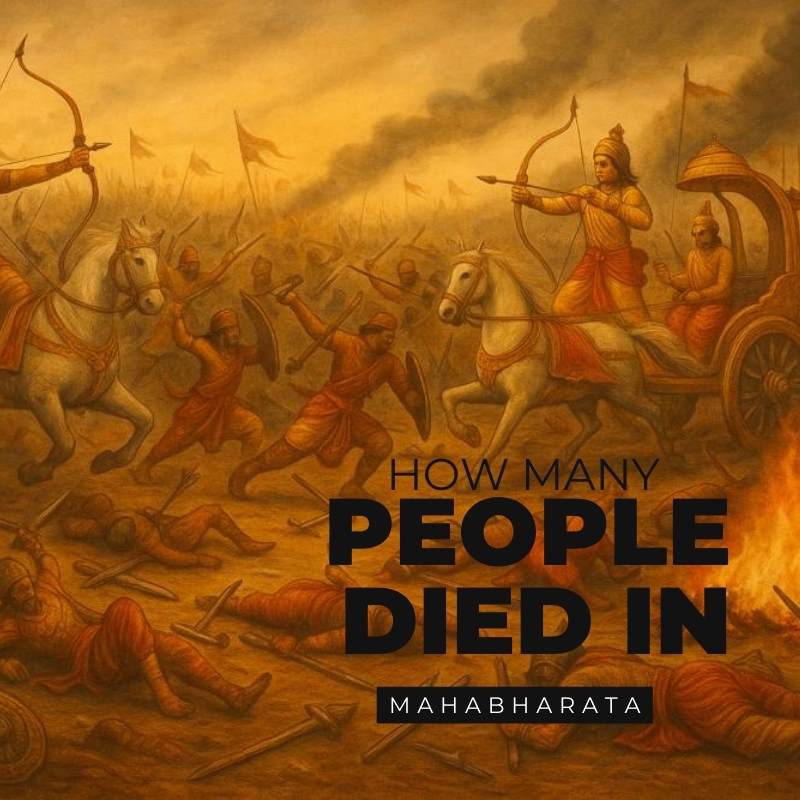 How Many People Died in the Mahabharata? Complete Death Count ExplainedA detailed explanation of how many people died in the Mahabharata, including the Kurukshetra War death count, major...Read more
 -
 How Many Days Mahabharata War Happened?The Mahabharata war lasted for 18 intense days, each filled with major battles, turning points, and historic events....Read more
 -
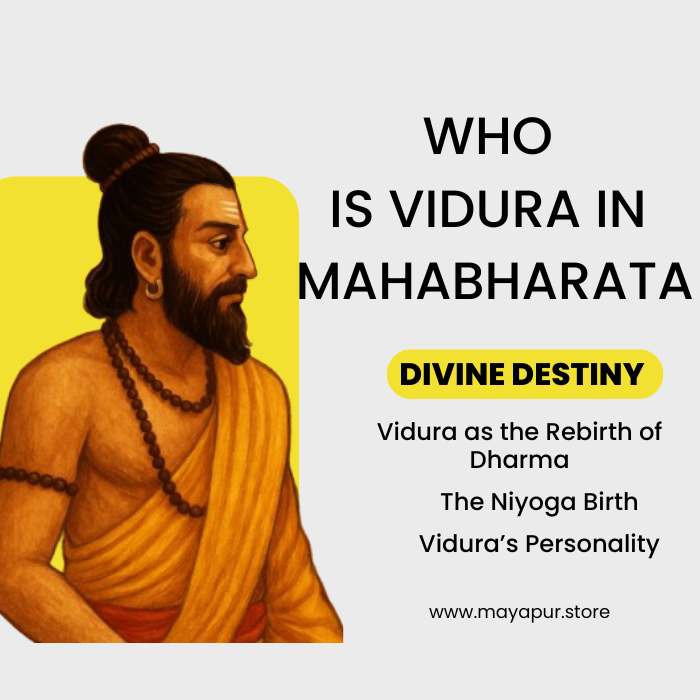 Who Is Vidura in the Mahabharata? Complete Story, Role & TeachingsDiscover who Vidura is in the Mahabharata—his origin, character, wisdom, loyalty, and unmatched adherence to dharma....Read more
 -
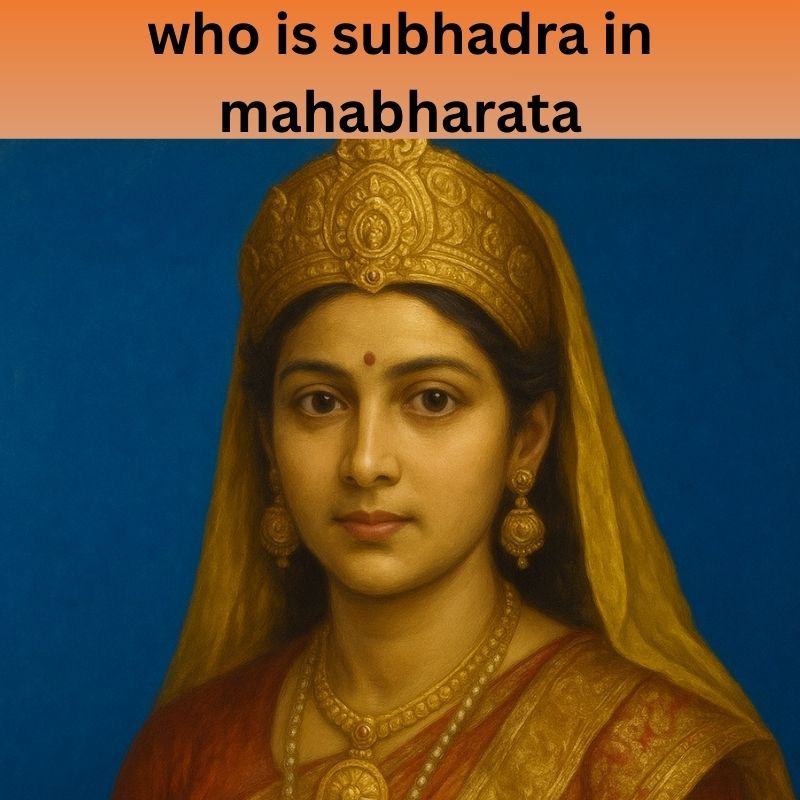 Who Is Subhadra in the Mahabharata? Complete Story, Role & ImportanceThis article explains who Subhadra is in the Mahabharata—her lineage, virtues, role as Krishna’s sister, her...Read more
Leave a comment