
Why did Krishna run to embrace a poor brahmin in rags? Read the Sudama story from the Bhagavatam and learn how a...
Latest posts
-
 Krishna and Sudama: The Poor Brahmin Who Became Wealthy in LoveRead more
 -
 Vamana Avatar: How Three Steps Humbled Bali MaharajaRead more
Why did a powerful king give away three worlds to a boy asking for three steps? Learn the Vamana avatar story from...
-
 The Bhagavatam on Marriage: Duty, Love and Spiritual PartnershipRead more
What does the Bhagavatam say about marriage? Through the stories of Kardama and Devahuti, Rukmini's secret letter and...
-
 What Is Prema? The Bhagavatam's Highest Stage of Love for GodRead more
Prema is love for God with no "because" attached. Learn how the Bhagavatam describes it, the nine steps from faith to...
-
 Is Shiva Parvati Kalyana Mentioned in Srimad Bhagavatam? What the Scripture Really SaysRead more
Looking for Shiva and Parvati's wedding in the Srimad Bhagavatam? Find out what the scripture actually describes,...
-
 How Many Modes of Devotion Are Mentioned in Bhagavatam?Read more
A young boy named Prahlada listed nine ways to serve God, and the Bhagavatam keeps them as its answer. Learn what the...
-
 What Is Bhagavatam and Why Has It Been Read for 5,000 Years?Read more
A dying king asked one question, and the answer became the Bhagavatam. Learn what this Sanskrit scripture contains,...
-
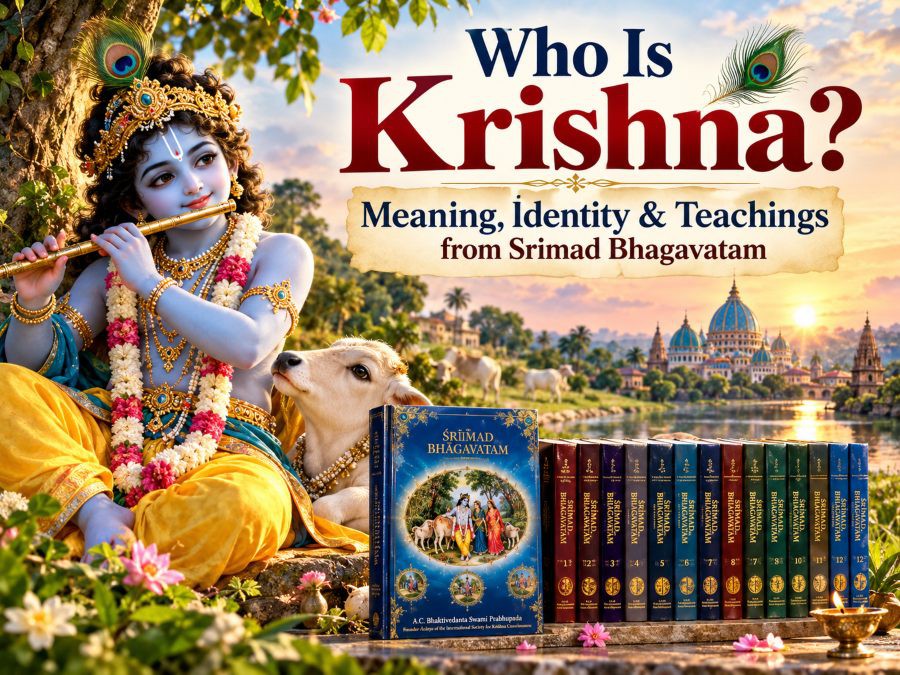 Who Is Lord Krishna? His Meaning, Teachings and Pastimes ExplainedRead more
Discover who Krishna is according to Srimad Bhagavatam, including His divine identity, childhood pastimes, teachings,...
-
 Incense in Islam: Bakhoor, Agarbatti and What Tradition SaysRead more
Is burning fragrance part of Muslim tradition? Explore incense in Islam, from the Prophetic practice of fumigating...
-
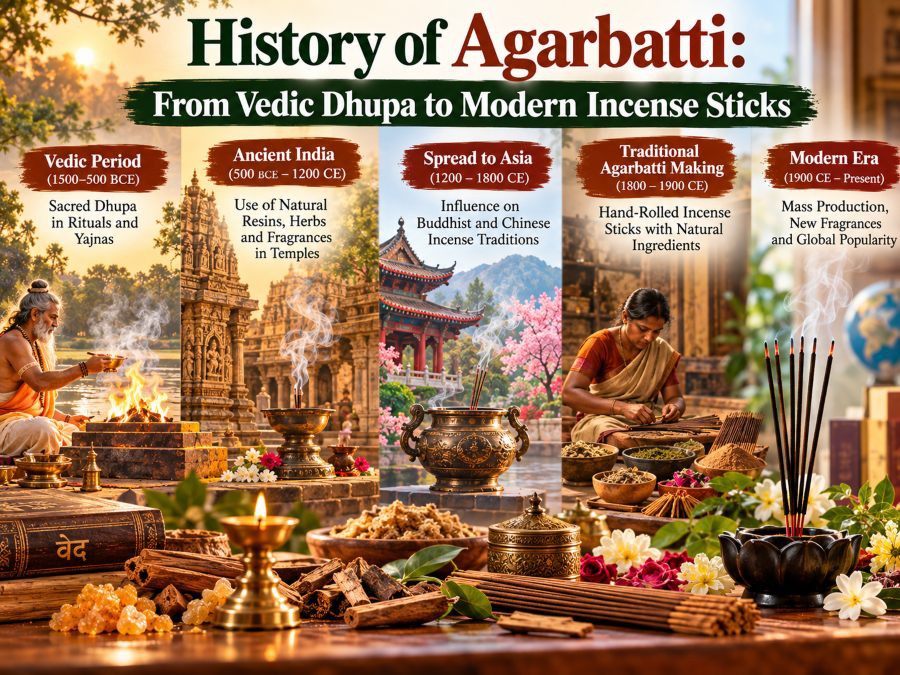 History of Agarbatti: From Vedic Dhupa to Modern Incense SticksRead more
Where did agarbatti really come from? Follow the history of agarbatti from Vedic fire rituals and temple dhupa to...
Blog categories
- Default category (0)
- MUSICAL INSTRUMENT (1)
- BOOK (5)
- DEVOTIONAL GIFT (0)
- Blog (30) click
- CHANDAN (12)
- Bhagavatam Wisdom Series (68)
- Krishna Consciousness (14)
- Mridangam Musical Instrument (6)
- Bhagavad Gita for Beginners (13)
- Bhagavad Gita As It Is (37) click
- Bhagavad Gita As It Is Telugu (0)
- Bhagavad Gita As It Is Marathi (0)
- Bhagavad Gita As It Is In Hindi (0)
- Bhagavad Gita As It Is In English (0)
- Bhagavad Gita As It Is In Bengali (8)
- Bhagavad Gita As It Is In Kannada (0)
- Bhagavad Gita As It Is In Gujarati (0)
- Bhagavad Gita As It Is In Panjabi (0)
- Bhagavad Gita As It Is In Tamil (0)
- Bhagavad Gita As It Is Odia (0)
- BHAGAVAD GITA As It Is GERMAN (0)
- Bhagavad Gita As It Is In French (0)
- Bhagavad Gita As It Is In Nepali (0)
- Bhagavad Gita As It Is In Assamese (0)
- Incense or Agarbatti (38)
- Lord Chaitanya Mahaprabhu (3)
- Vedic Temple Mayapur (14)
- kalki (15)
- Mahabharata – Dharma & Destiny (27)
- Vaishnava Scriptures (4)
- healthy product (4)
- chaitanya mahaprabhu (5)
- Tulsi Mala Guide (17)
Search in blog
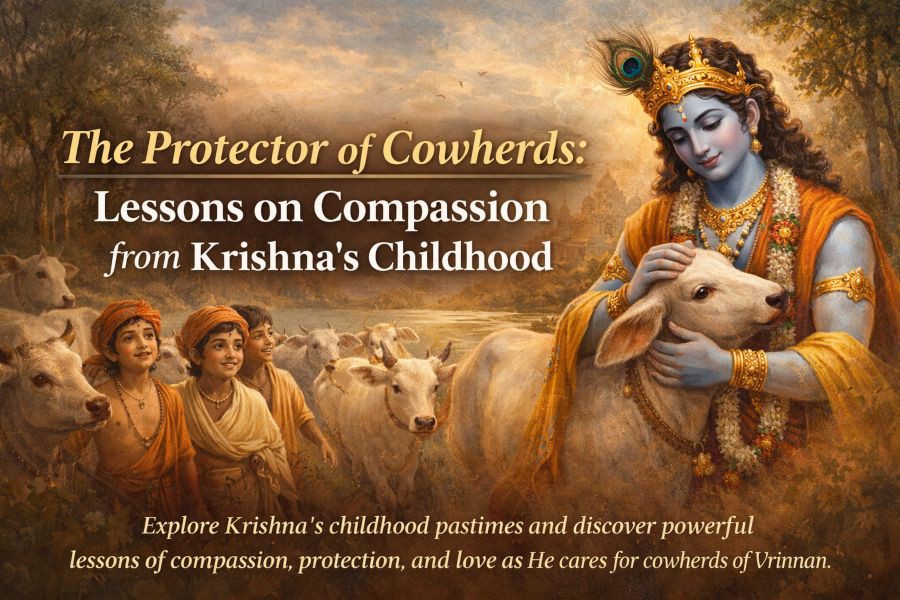
Krishna as the Protector: Childhood Pastimes and Life Lessons
The Protector of Cowherds: Lessons on Compassion from Krishna’s Childhood
The childhood pastimes of Lord Krishna are among the most cherished narratives in Vedic literature. They are not merely stories of divine play but profound expressions of love, protection, and compassion. For those who wish to Discover the Mystical Stories of the Supreme Personality, these early pastimes reveal a side of Krishna that is both intimate and deeply transformative. Through His interactions with the cowherd community of Vrindavan, Krishna demonstrates that true divinity is not distant or detached—it is actively involved in caring, guiding, and protecting.
Rooted in the Śrīmad Bhāgavatam, these narratives offer timeless lessons that go far beyond mythology. They present a vision of life where compassion is not just a virtue but a natural expression of divine consciousness.
Vrindavan: The Setting of Pure Simplicity
Vrindavan is not just a geographical location; it is a spiritual atmosphere defined by simplicity, love, and harmony. In this pastoral setting, life revolves around cows, nature, and close-knit relationships. The residents—cowherds, mothers, and children—live without the complexities of material ambition, focusing instead on genuine affection and mutual care.
Krishna’s childhood unfolds in this environment, making it an ideal backdrop for demonstrating compassion. Unlike grand displays of power seen in other divine narratives, the pastimes in Vrindavan are intimate and relatable. They show how divine love manifests in everyday interactions.
The simplicity of Vrindavan teaches an important lesson: compassion flourishes where life is grounded in humility and connection. In a world often driven by competition and self-interest, this model offers a refreshing perspective on how communities can thrive through care and cooperation.
Krishna as the Protector: Beyond Physical Safety
Krishna is often referred to as the protector of cowherds, but this protection goes beyond physical safety. While He does shield the residents of Vrindavan from dangers, His role also includes emotional and spiritual protection.
From a young age, Krishna takes on the responsibility of safeguarding His community. Whether it is leading the cows to safe pastures or comforting His friends, He embodies a sense of care that is both natural and profound.
This aspect of protection highlights an important principle: true compassion involves active responsibility. It is not enough to feel empathy; one must also act to support and uplift others.
Krishna’s actions remind us that leadership is not about authority but about service. By placing the well-being of others at the center, He sets an example that remains relevant in all areas of life.
The Putana Episode: Transformative Compassion
One of the most striking examples of Krishna’s compassion is the story of Putana. Sent with the intention to harm Him, Putana disguises herself as a mother and attempts to poison Krishna. Yet, instead of punishing her, Krishna grants her liberation.
This episode reveals a profound truth: divine compassion is not limited by external behavior. Krishna sees beyond intentions and recognizes even the smallest connection.
Putana approached Him in the role of a mother, albeit with harmful intent. Krishna accepted that aspect and rewarded her accordingly. This teaches that even imperfect or misguided approaches can lead to spiritual progress when directed toward the Divine.
For readers, this story offers hope and encouragement. It shows that transformation is always possible and that compassion can turn even negative situations into opportunities for growth.
Govardhan Lila: Compassion for Nature and Community
The lifting of Govardhan Hill is one of the most celebrated pastimes of Krishna’s childhood. When the residents of Vrindavan face a devastating storm, Krishna protects them by lifting the hill and providing shelter.
This event is often seen as a display of divine power, but its deeper message lies in compassion. Krishna not only protects the people but also emphasizes respect for nature. By encouraging the worship of Govardhan Hill instead of performing rituals for distant deities, He redirects focus toward the immediate environment.
This teaching is highly relevant today. It highlights the importance of living in harmony with nature and recognizing its role in sustaining life.
The Govardhan Lila also demonstrates collective protection. Krishna does not act for individual benefit but for the entire community, reinforcing the idea that compassion extends to all beings.
Friendship and Equality: Lessons from Cowherd Boys
Krishna’s interactions with His friends—the cowherd boys—offer another dimension of compassion. Despite being the Supreme, He treats them as equals, sharing meals, playing games, and enjoying simple moments.
This equality reflects a deep respect for others. Krishna does not impose His superiority but instead engages in relationships based on mutual affection.
These friendships teach that compassion includes:
- Respecting others regardless of status
- Sharing joy and experiences
- Supporting one another in times of need
In a world where hierarchies often create distance, Krishna’s example encourages a more inclusive and empathetic approach to relationships.
Compassion for Animals: The Central Role of Cows
Cows hold a special place in Krishna’s childhood pastimes. As a cowherd, He personally cares for them, guiding them to pastures and ensuring their safety.
This relationship highlights an often-overlooked aspect of compassion—the care for animals. Krishna’s affection for cows is not symbolic; it is practical and consistent.
By placing animals within the circle of compassion, these pastimes expand the definition of empathy. They remind us that kindness should not be limited to human interactions but extended to all living beings.
This perspective aligns with the broader Vedic principle of ahimsa, or non-violence, which emphasizes respect for life in all forms.
Overcoming Fear Through Divine Protection
Many of Krishna’s childhood pastimes involve confronting dangerous situations, from serpent demons to powerful storms. In each case, His actions remove fear and restore peace.
For the residents of Vrindavan, Krishna becomes a source of unwavering security. Their trust in Him allows them to face challenges with confidence.
This dynamic illustrates an important psychological aspect of compassion. When individuals feel protected and supported, they are better able to navigate difficulties.
In modern terms, this can be understood as creating environments where people feel safe—emotionally, physically, and spiritually.
The Emotional Depth of Motherly Love
The relationship between Krishna and His foster mother, Yashoda, offers one of the most touching examples of compassion. Yashoda’s care for Krishna is unconditional, and Krishna responds with affection and playfulness.
This bond highlights the nurturing aspect of compassion. It shows that love is expressed not only through protection but also through daily acts of care and attention.
Yashoda’s perspective also reveals an important truth: divine love allows itself to be bound by affection. Despite His supreme nature, Krishna becomes dependent on His mother’s care, illustrating the power of pure love.
Relevance of Krishna’s Compassion in Modern Life
While these pastimes belong to a different era, their lessons are timeless. In today’s world, where stress, competition, and disconnection are common, the principles of compassion demonstrated by Krishna are more relevant than ever.
They encourage us to:
- Actively care for others
- Build supportive communities
- Respect nature and animals
- Develop empathy and understanding
By applying these principles, individuals can create environments that promote well-being and harmony.
Practicing Compassion: A Practical Approach
Understanding these lessons is only the first step. The real transformation comes from practice.
Develop Awareness
Recognize the needs of others and respond with empathy.
Take Responsibility
Actively contribute to the well-being of your community.
Cultivate Kindness
Practice small acts of kindness consistently.
Reflect on Actions
Evaluate how your actions impact others and make improvements.
Through these steps, the teachings of Krishna’s childhood can become part of daily life.
Final Thoughts
The childhood pastimes of Krishna present a powerful vision of compassion that is both profound and practical. As the protector of cowherds, He demonstrates that true strength lies in caring for others and creating environments of safety and love.
These stories are not distant myths—they are living lessons that continue to inspire and guide. By reflecting on them and applying their principles, we can cultivate a deeper sense of empathy, responsibility, and connection.
Ultimately, Krishna’s compassion teaches us that the highest form of spirituality is not just understanding the Divine but embodying His qualities in our own lives.
Posted in: Krishna Leela
Related posts
-
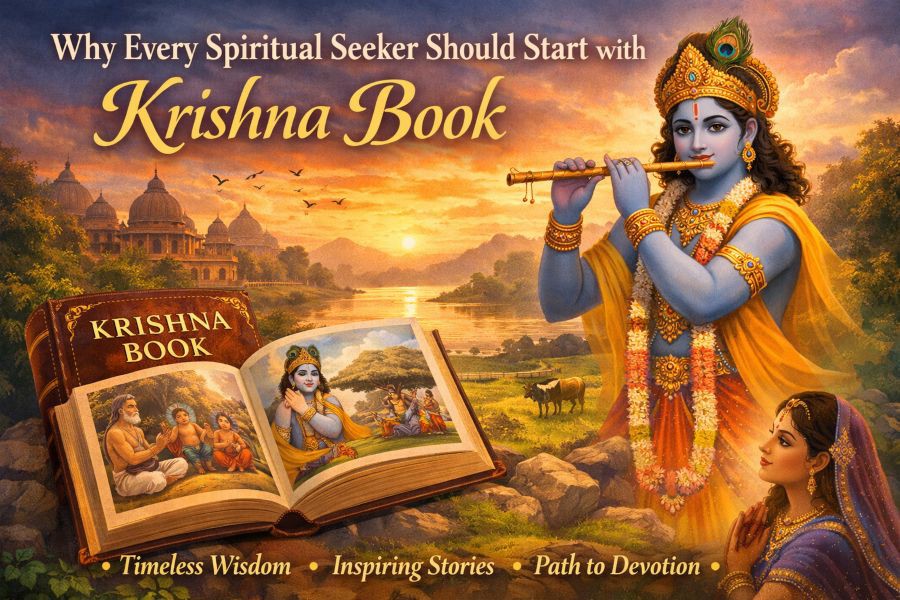 Why the Krishna Book Is a Must-Read for Every Spiritual SeekerThe Krishna Book is the perfect starting point for anyone seeking spiritual clarity. It blends storytelling,...Read more
 -
 How Daily Krishna Book Reading Brings Peace to Your HomeDaily Krishna Book reading can transform your home into a peaceful and spiritually uplifting space. It helps remove...Read more
 -
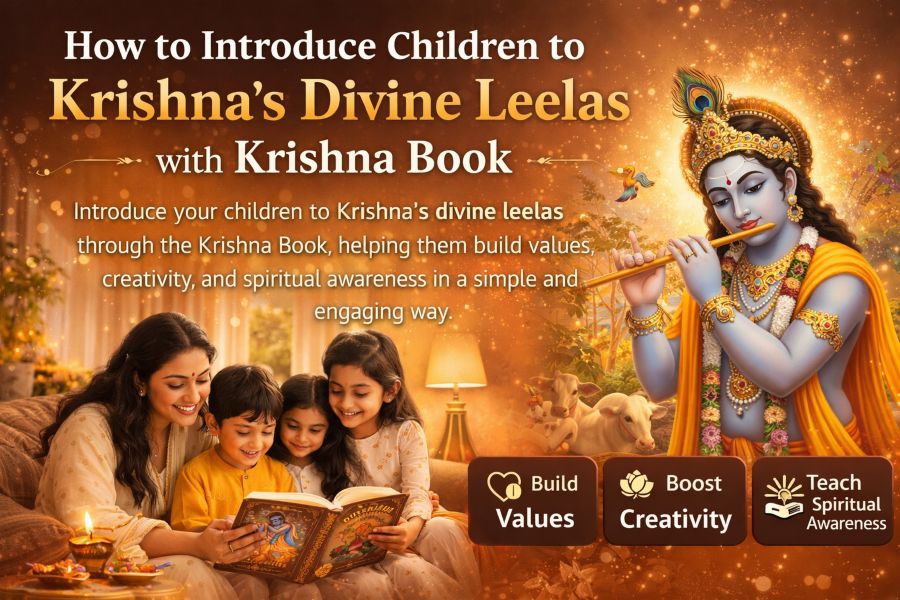 How to Teach Kids Spiritual Values with the Krishna BookIntroduce your children to Krishna’s divine leelas through the Krishna Book. An engaging and simple way to build...Read more
 -
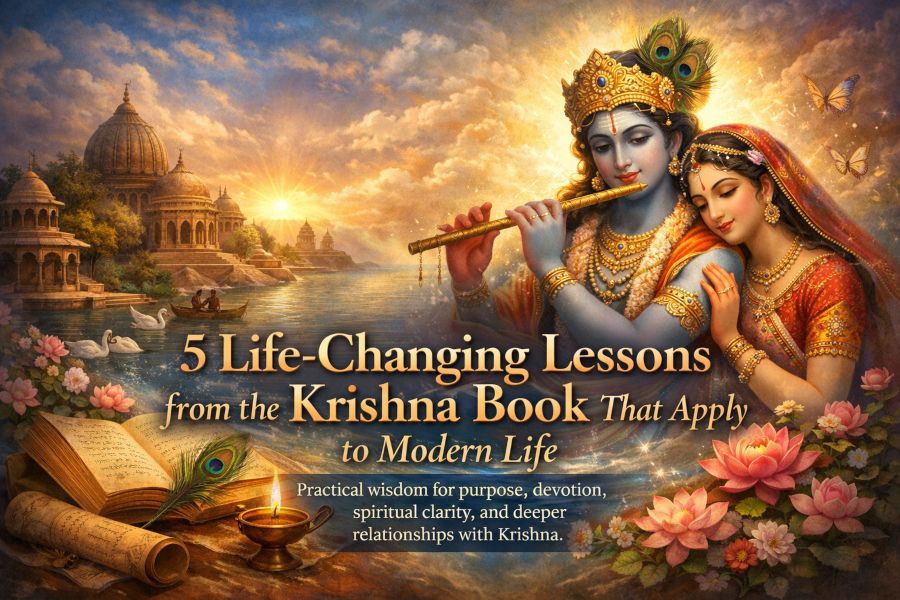 5 Life-Changing Lessons from the Krishna Book That Apply to Modern LifeExplore five powerful lessons from the Krishna Book that offer practical guidance for modern life, helping readers...Read more
 -
 Why the Krishna Book Presents Krishna as the Supreme Personality of GodheadExplore how the Krishna Book explains Lord Krishna as the Supreme Personality of Godhead through divine pastimes,...Read more
Leave a comment