
Why did Krishna run to embrace a poor brahmin in rags? Read the Sudama story from the Bhagavatam and learn how a...
Latest posts
-
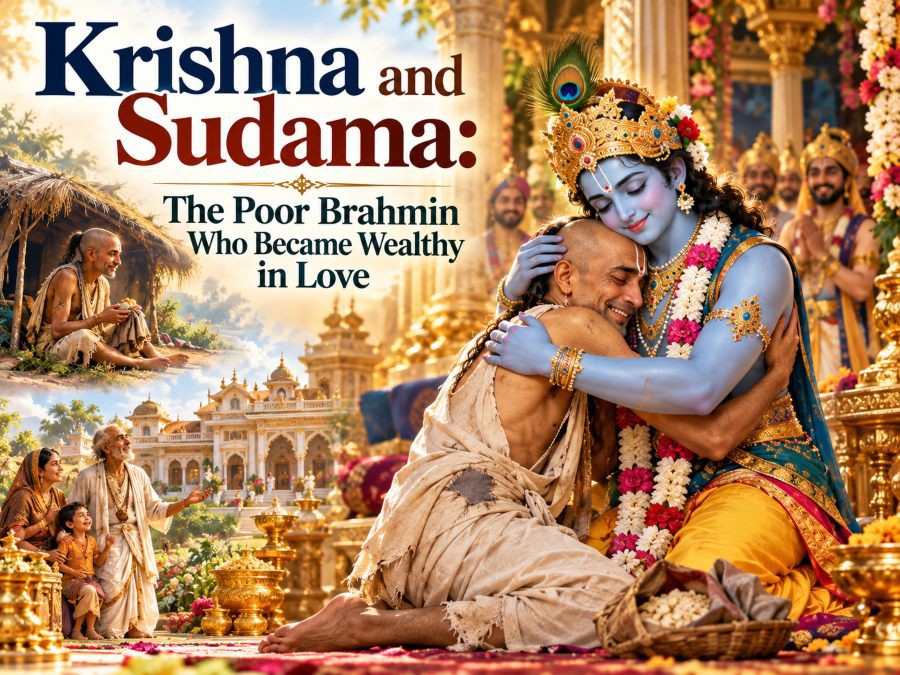 Krishna and Sudama: The Poor Brahmin Who Became Wealthy in LoveRead more
 -
 Vamana Avatar: How Three Steps Humbled Bali MaharajaRead more
Why did a powerful king give away three worlds to a boy asking for three steps? Learn the Vamana avatar story from...
-
 The Bhagavatam on Marriage: Duty, Love and Spiritual PartnershipRead more
What does the Bhagavatam say about marriage? Through the stories of Kardama and Devahuti, Rukmini's secret letter and...
-
 What Is Prema? The Bhagavatam's Highest Stage of Love for GodRead more
Prema is love for God with no "because" attached. Learn how the Bhagavatam describes it, the nine steps from faith to...
-
 Is Shiva Parvati Kalyana Mentioned in Srimad Bhagavatam? What the Scripture Really SaysRead more
Looking for Shiva and Parvati's wedding in the Srimad Bhagavatam? Find out what the scripture actually describes,...
-
 How Many Modes of Devotion Are Mentioned in Bhagavatam?Read more
A young boy named Prahlada listed nine ways to serve God, and the Bhagavatam keeps them as its answer. Learn what the...
-
 What Is Bhagavatam and Why Has It Been Read for 5,000 Years?Read more
A dying king asked one question, and the answer became the Bhagavatam. Learn what this Sanskrit scripture contains,...
-
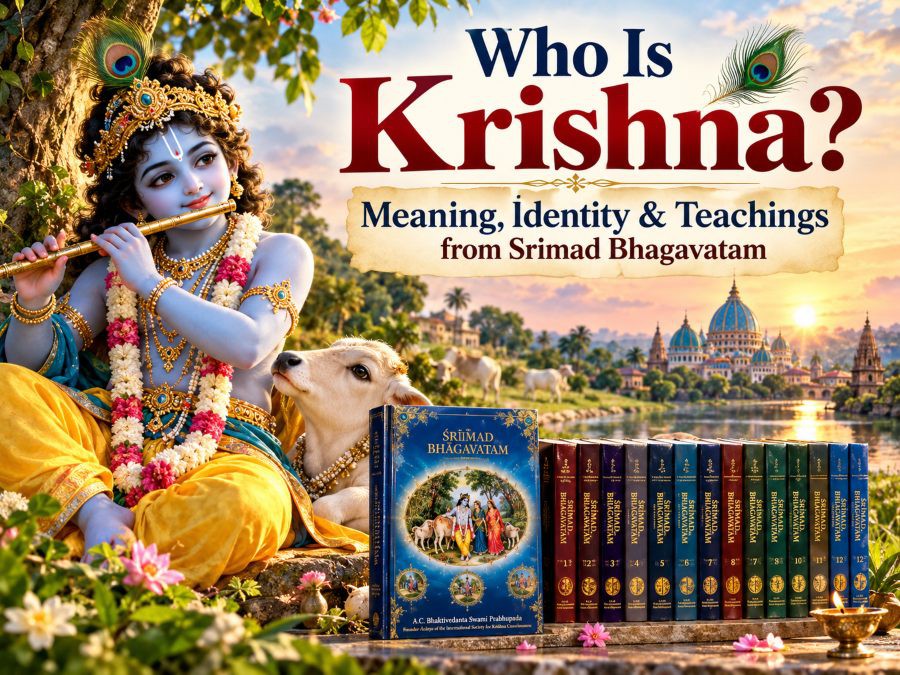 Who Is Lord Krishna? His Meaning, Teachings and Pastimes ExplainedRead more
Discover who Krishna is according to Srimad Bhagavatam, including His divine identity, childhood pastimes, teachings,...
-
 Incense in Islam: Bakhoor, Agarbatti and What Tradition SaysRead more
Is burning fragrance part of Muslim tradition? Explore incense in Islam, from the Prophetic practice of fumigating...
-
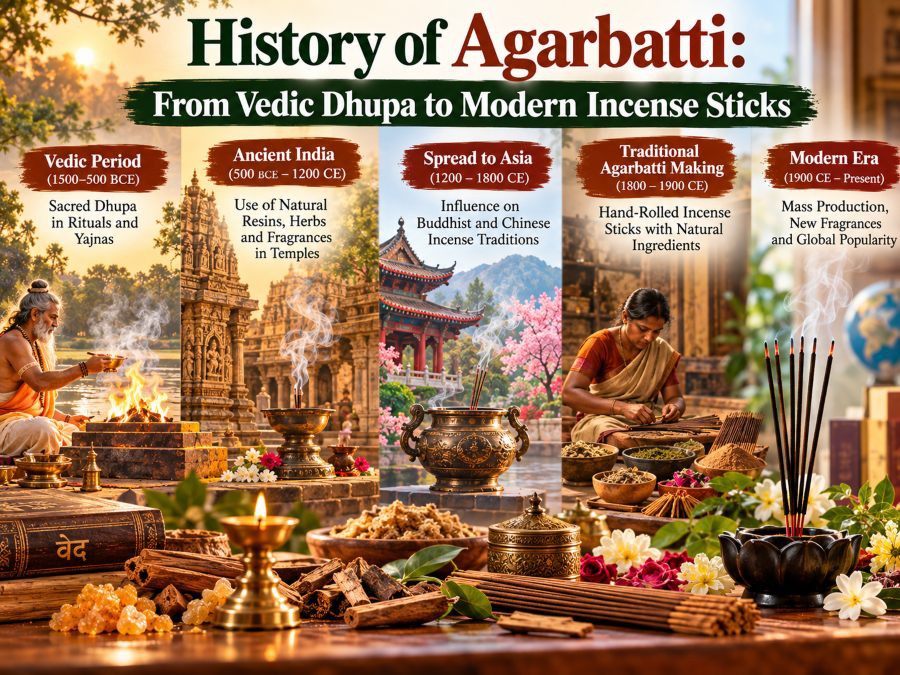 History of Agarbatti: From Vedic Dhupa to Modern Incense SticksRead more
Where did agarbatti really come from? Follow the history of agarbatti from Vedic fire rituals and temple dhupa to...
Blog categories
- Default category (0)
- MUSICAL INSTRUMENT (1)
- BOOK (5)
- DEVOTIONAL GIFT (0)
- Blog (30) click
- CHANDAN (12)
- Bhagavatam Wisdom Series (68)
- Krishna Consciousness (14)
- Mridangam Musical Instrument (6)
- Bhagavad Gita for Beginners (13)
- Bhagavad Gita As It Is (37) click
- Bhagavad Gita As It Is Telugu (0)
- Bhagavad Gita As It Is Marathi (0)
- Bhagavad Gita As It Is In Hindi (0)
- Bhagavad Gita As It Is In English (0)
- Bhagavad Gita As It Is In Bengali (8)
- Bhagavad Gita As It Is In Kannada (0)
- Bhagavad Gita As It Is In Gujarati (0)
- Bhagavad Gita As It Is In Panjabi (0)
- Bhagavad Gita As It Is In Tamil (0)
- Bhagavad Gita As It Is Odia (0)
- BHAGAVAD GITA As It Is GERMAN (0)
- Bhagavad Gita As It Is In French (0)
- Bhagavad Gita As It Is In Nepali (0)
- Bhagavad Gita As It Is In Assamese (0)
- Incense or Agarbatti (38)
- Lord Chaitanya Mahaprabhu (3)
- Vedic Temple Mayapur (14)
- kalki (15)
- Mahabharata – Dharma & Destiny (27)
- Vaishnava Scriptures (4)
- healthy product (4)
- chaitanya mahaprabhu (5)
- Tulsi Mala Guide (17)
Search in blog
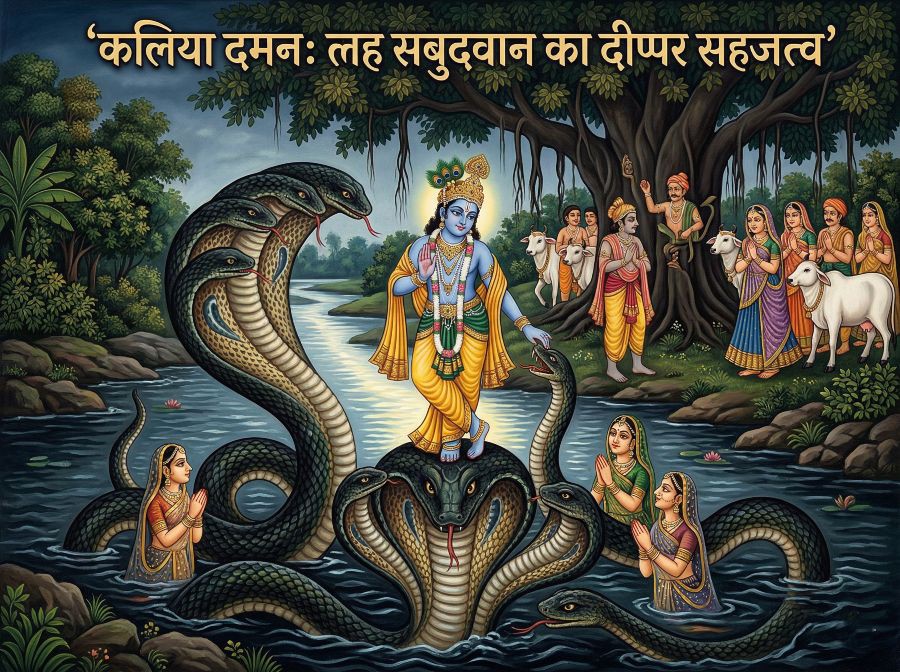
Kaliya Daman: The Spiritual Meaning Behind Krishna Subduing the Serpent
Kaliya Daman: The Deeper Significance of Subduing the Serpent
Kaliya Daman is one of the most visually powerful and spiritually profound pastimes of Lord Krishna, revealing not only His divine शक्ति (power) but also His boundless compassion and transformative grace. This extraordinary Leela, where Krishna subdues the poisonous serpent Kaliya in the Yamuna River, is rich with symbolism and deep philosophical meaning. It is not just a story of victory over evil, but a lesson in purification, surrender, and inner transformation. For those who wish to explore such divine pastimes in greater depth, you can access the Krishna Book online, where these timeless narratives are explained with clarity and devotion.
The Setting: Yamuna River in Distress
The Yamuna River in Vrindavan is traditionally a source of life, purity, and joy for the residents of Vraja. Its waters nourish the land, sustain the cows, and provide a place for recreation and spiritual reflection. However, at the time of Kaliya Daman, a dark shadow loomed over this sacred river.
The serpent Kaliya had made the Yamuna his dwelling place. His venom was so potent that it poisoned the waters, killing fish, plants, and even birds flying overhead. The once-pure river became a symbol of contamination and fear.
This setting is deeply symbolic. The polluted Yamuna represents the human mind when it is filled with negativity, ego, and toxic thoughts. Just as the river lost its purity, the mind loses its clarity when influenced by destructive tendencies.
Who Was Kaliya?
Kaliya was not an ordinary serpent. He was a powerful, multi-hooded naga with immense strength and deadly poison. Originally residing in the ocean, he fled to the Yamuna to escape Garuda, the mighty eagle and eternal enemy of serpents.
Due to a curse on Garuda that prevented him from entering that part of the Yamuna, Kaliya found a safe refuge there. However, instead of living peacefully, he spread destruction and fear.
Kaliya represents uncontrolled ego, jealousy, and anger—qualities that poison not only the individual but also the surrounding environment.
The Beginning of the Leela
One day, while playing near the Yamuna, Krishna and His friends noticed the unusual condition of the river. Despite warnings, Krishna decided to confront the source of the problem.
In a bold and fearless act, Krishna climbed a Kadamba tree and jumped directly into the poisoned waters. This moment is symbolic of divine intervention—when negativity reaches its peak, the Divine enters to restore balance.
The Confrontation
As soon as Krishna entered the river, Kaliya attacked Him, wrapping His massive coils around Krishna’s body. The scene appeared alarming, and the residents of Vraja, including Mother Yashoda and Nanda Maharaj, rushed to the riverbank in panic.
However, what seemed like danger was actually the beginning of transformation.
Krishna effortlessly freed Himself from Kaliya’s grip and began to dance on the serpent’s multiple hoods. This divine dance, known as Kaliya Mardan, is one of the most iconic images in Krishna Leela.
The Divine Dance on Kaliya’s Hoods
Krishna’s dance on Kaliya’s heads is filled with deep meaning. Each step represents the suppression of negative qualities—ego, anger, pride, and ignorance.
As Krishna danced, Kaliya became weaker, his arrogance crushed under the weight of divine grace. Blood flowed from his mouths, and his शक्ति diminished.
This dance is not an act of cruelty but of purification. Krishna does not destroy Kaliya; He transforms him.
The Surrender of Kaliya
Realizing his helplessness, Kaliya finally surrendered. His wives, known as the Nagapatnis, approached Krishna with folded hands, offering prayers and pleading for mercy.
They recognized Krishna’s true nature as the Supreme Lord and begged Him to forgive Kaliya. Their prayers were filled with humility and devotion.
Moved by their sincerity, Krishna spared Kaliya’s life. He instructed him to leave the Yamuna and return to the ocean, assuring him that Garuda would no longer harm him.
This moment highlights a crucial spiritual truth—no matter how fallen one may be, sincere surrender can bring divine forgiveness and transformation.
The Restoration of the Yamuna
With Kaliya’s departure, the Yamuna River returned to its natural state. The water became pure again, life was restored, and the fear that once gripped Vraja disappeared.
This restoration symbolizes the cleansing of the mind and heart when negativity is removed. It shows that transformation is always possible through divine intervention and sincere effort.
Symbolism of Kaliya Daman
Kaliya Daman is rich with symbolic meaning that applies to both spiritual seekers and everyday life:
1. The Serpent as Ego
Kaliya represents the ego that coils around the soul, restricting its natural freedom. Just as Krishna breaks free from Kaliya’s grip, spiritual awareness helps us overcome ego.
2. Poisoned Waters as Negative Mind
The Yamuna’s pollution reflects the condition of a mind filled with anger, jealousy, and fear. Krishna’s presence purifies this inner state.
3. Krishna’s Dance as Transformation
The divine dance signifies the process of inner purification. Each step removes a layer of negativity.
4. Surrender as Liberation
Kaliya’s transformation begins only when he surrenders. This teaches that resistance prolongs suffering, while surrender brings peace.
Lessons for Modern Life
Kaliya Daman is not just an ancient story—it is deeply relevant in today’s world:
- Managing Inner Toxicity: Just as Kaliya polluted the river, negative thoughts can pollute our mind. Awareness and spiritual practice help cleanse it.
- Letting Go of Ego: Ego often leads to conflict and suffering. Humility opens the door to growth.
- Facing Problems Directly: Krishna does not avoid the problem; He confronts it. This teaches courage and responsibility.
- Transformation Over Destruction: Instead of eliminating Kaliya, Krishna reforms him. This shows the power of compassion.
The Role of Compassion in the Leela
One of the most striking aspects of Kaliya Daman is Krishna’s compassion. Despite Kaliya’s destructive actions, Krishna does not kill him. Instead, He gives him a chance to change.
This reflects the nature of divine love—it seeks transformation, not punishment.
Devotional Significance
For devotees, Kaliya Daman is a reminder that Krishna is always ready to remove obstacles and purify the heart. By remembering this Leela, one can feel protected and guided.
It is also a meditation on surrender. Just as Kaliya ultimately surrendered, devotees are encouraged to offer their अहंकार (ego) and desires at Krishna’s feet.
Why Kaliya Daman Matters Today
In a world filled with stress, competition, and emotional challenges, Kaliya Daman offers a powerful message:
- No problem is too big for divine intervention
- Inner transformation is always possible
- True strength lies in humility and surrender
This Leela encourages us to look within, identify our own “Kaliya,” and allow divine wisdom to transform us.
Conclusion: The Victory of Purity Over Poison
Kaliya Daman is a timeless story of transformation, showing how divine grace can turn even the most toxic situation into a source of renewal and hope. It is not just about Krishna subduing a serpent—it is about the victory of purity over poison, love over fear, and humility over ego.
When we reflect on this Leela, we are reminded that life’s challenges are opportunities for growth. By embracing devotion, courage, and surrender, we can overcome our inner struggles and experience true peace.
Ultimately, Kaliya Daman teaches that the Divine is not distant—it actively participates in our journey, guiding us toward a life of balance, clarity, and spiritual fulfillment.
Posted in: Krishna Leela
Related posts
-
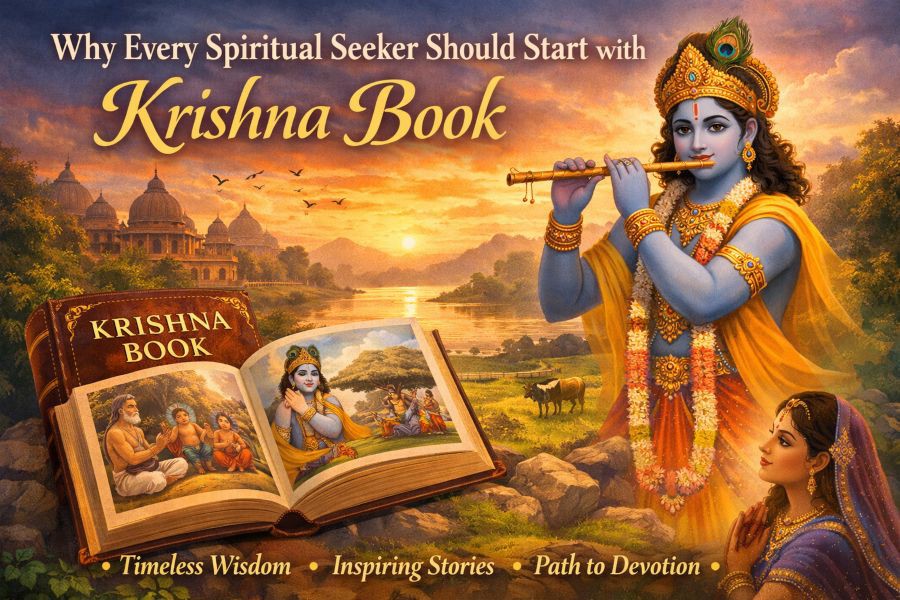 Why the Krishna Book Is a Must-Read for Every Spiritual SeekerThe Krishna Book is the perfect starting point for anyone seeking spiritual clarity. It blends storytelling,...Read more
 -
 How Daily Krishna Book Reading Brings Peace to Your HomeDaily Krishna Book reading can transform your home into a peaceful and spiritually uplifting space. It helps remove...Read more
 -
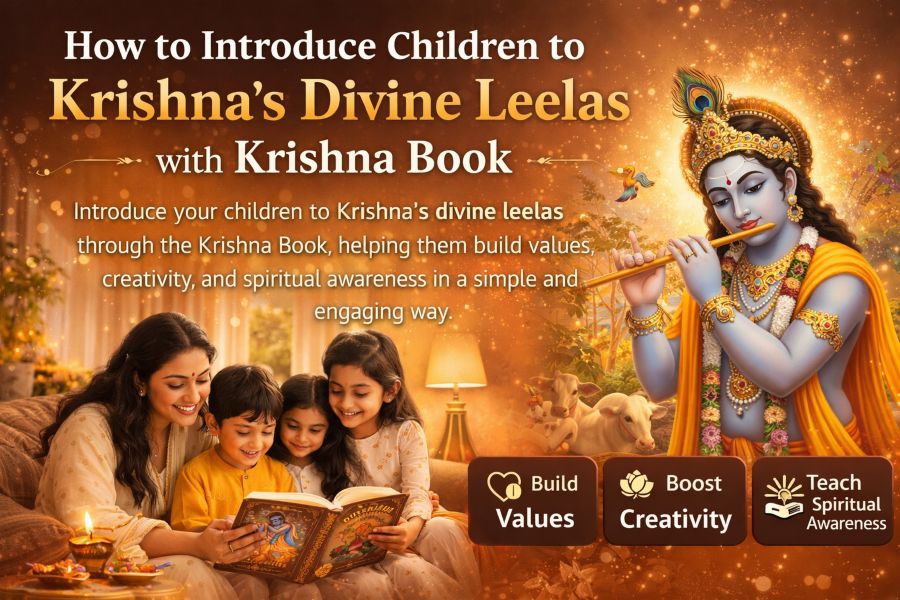 How to Teach Kids Spiritual Values with the Krishna BookIntroduce your children to Krishna’s divine leelas through the Krishna Book. An engaging and simple way to build...Read more
 -
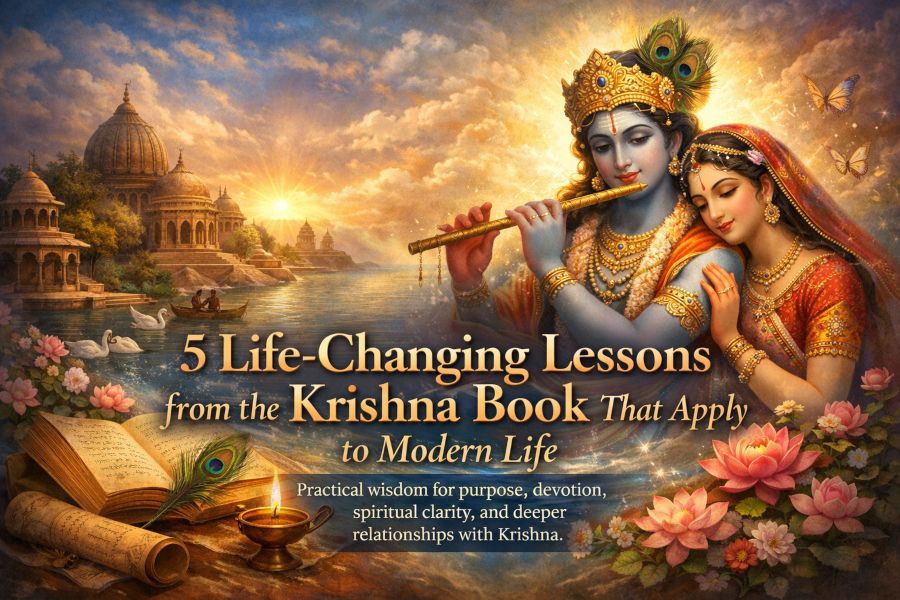 5 Life-Changing Lessons from the Krishna Book That Apply to Modern LifeExplore five powerful lessons from the Krishna Book that offer practical guidance for modern life, helping readers...Read more
 -
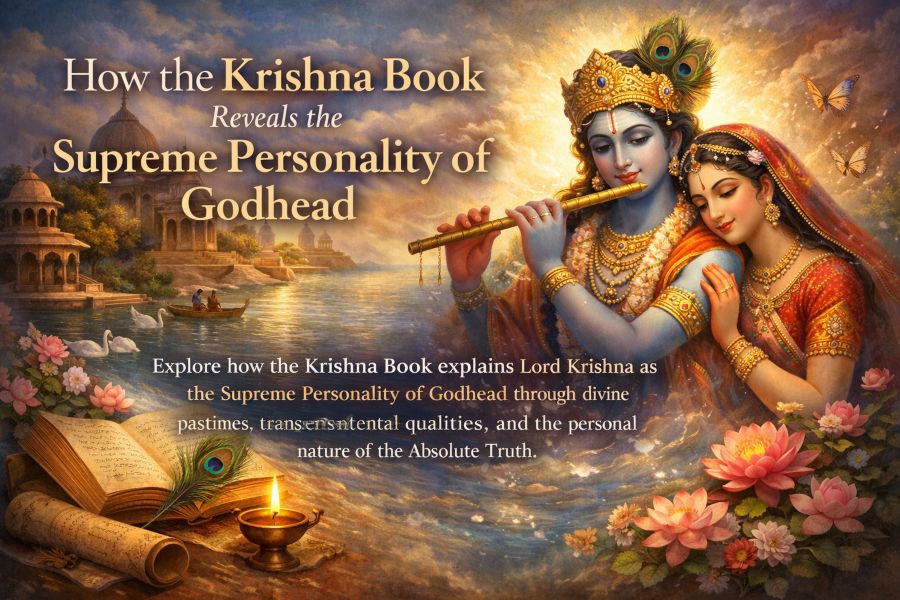 Why the Krishna Book Presents Krishna as the Supreme Personality of GodheadExplore how the Krishna Book explains Lord Krishna as the Supreme Personality of Godhead through divine pastimes,...Read more
Leave a comment