
Why did Krishna run to embrace a poor brahmin in rags? Read the Sudama story from the Bhagavatam and learn how a...
Latest posts
-
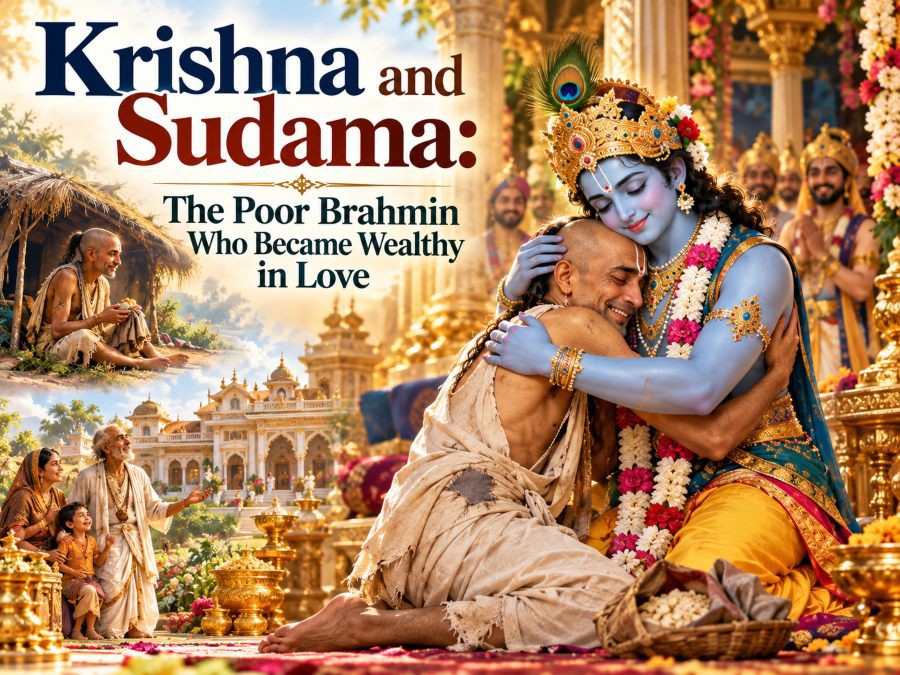 Krishna and Sudama: The Poor Brahmin Who Became Wealthy in LoveRead more
 -
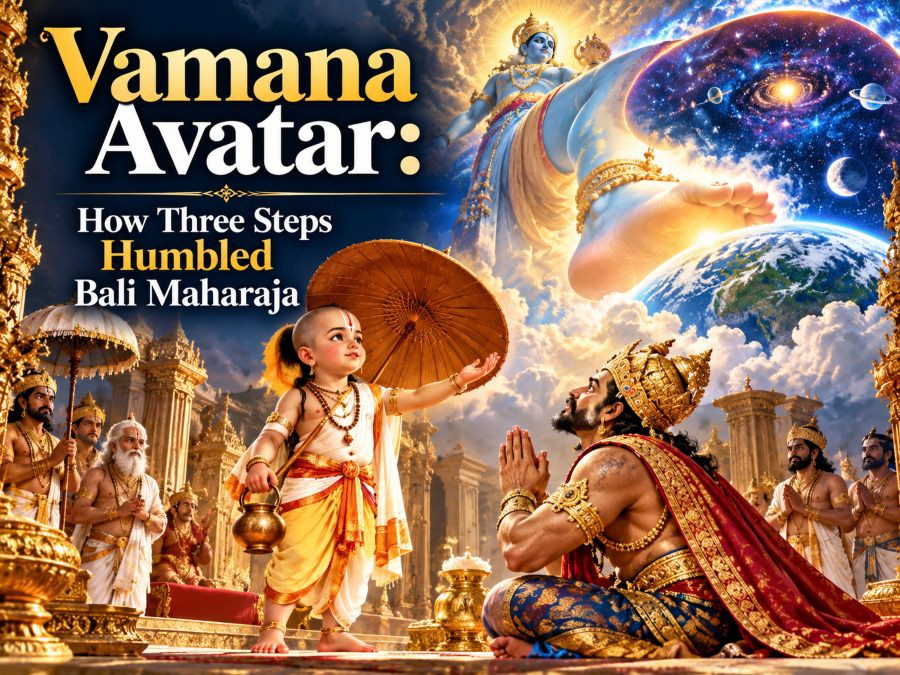 Vamana Avatar: How Three Steps Humbled Bali MaharajaRead more
Why did a powerful king give away three worlds to a boy asking for three steps? Learn the Vamana avatar story from...
-
 The Bhagavatam on Marriage: Duty, Love and Spiritual PartnershipRead more
What does the Bhagavatam say about marriage? Through the stories of Kardama and Devahuti, Rukmini's secret letter and...
-
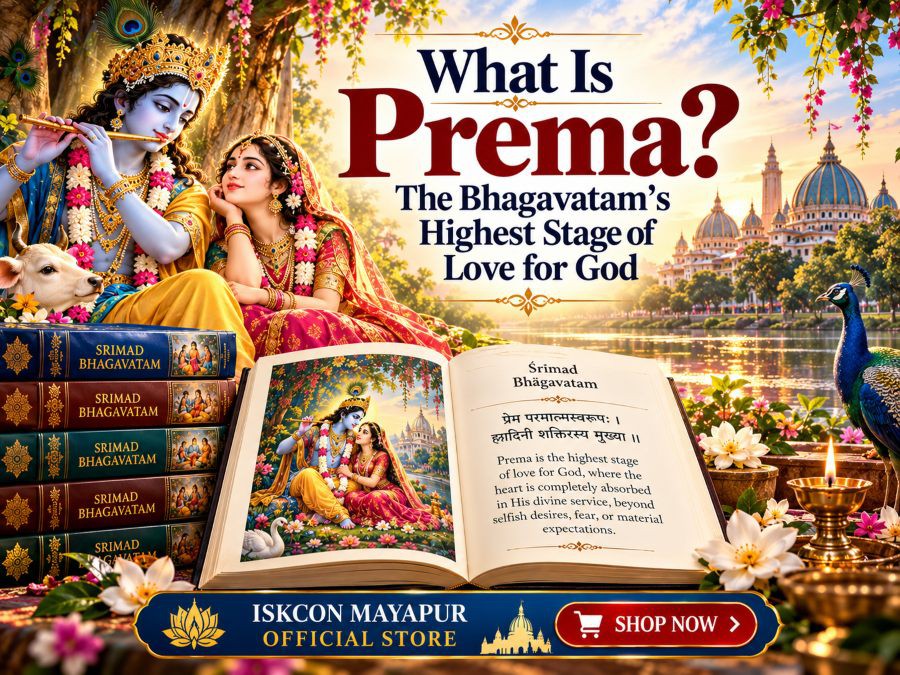 What Is Prema? The Bhagavatam's Highest Stage of Love for GodRead more
Prema is love for God with no "because" attached. Learn how the Bhagavatam describes it, the nine steps from faith to...
-
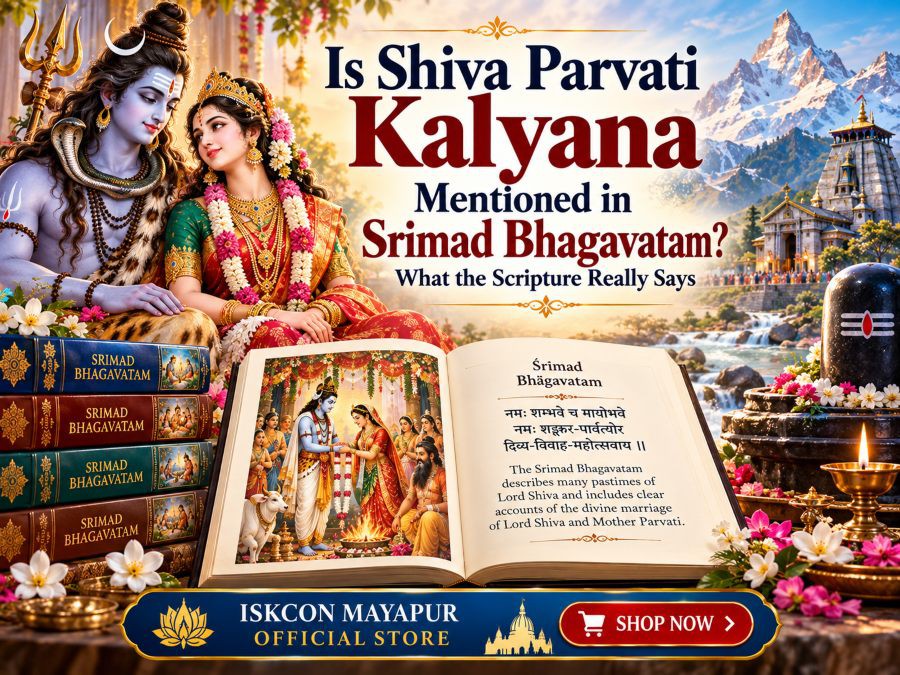 Is Shiva Parvati Kalyana Mentioned in Srimad Bhagavatam? What the Scripture Really SaysRead more
Looking for Shiva and Parvati's wedding in the Srimad Bhagavatam? Find out what the scripture actually describes,...
-
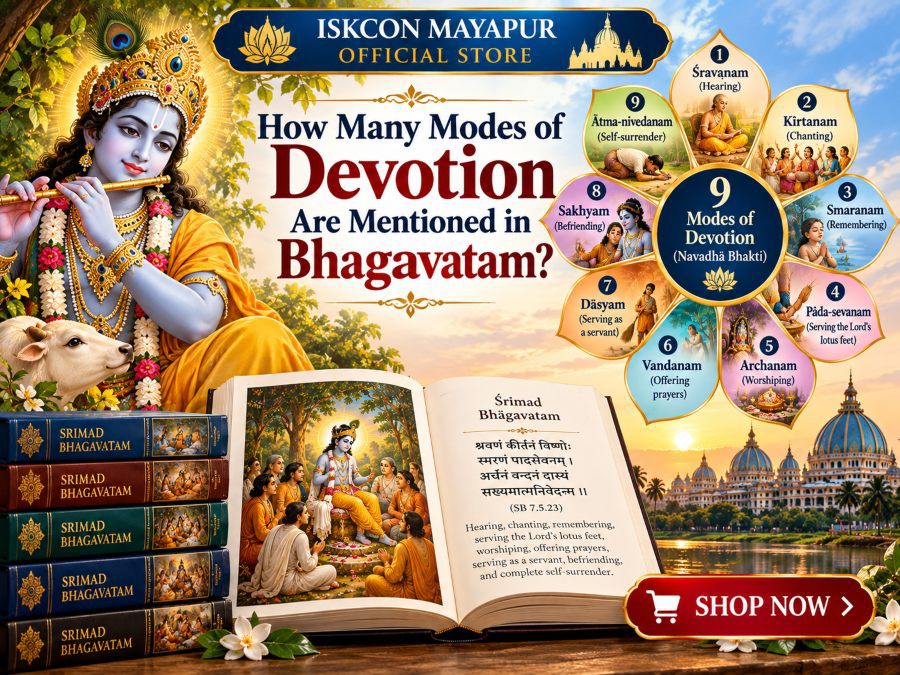 How Many Modes of Devotion Are Mentioned in Bhagavatam?Read more
A young boy named Prahlada listed nine ways to serve God, and the Bhagavatam keeps them as its answer. Learn what the...
-
 What Is Bhagavatam and Why Has It Been Read for 5,000 Years?Read more
A dying king asked one question, and the answer became the Bhagavatam. Learn what this Sanskrit scripture contains,...
-
 Who Is Lord Krishna? His Meaning, Teachings and Pastimes ExplainedRead more
Discover who Krishna is according to Srimad Bhagavatam, including His divine identity, childhood pastimes, teachings,...
-
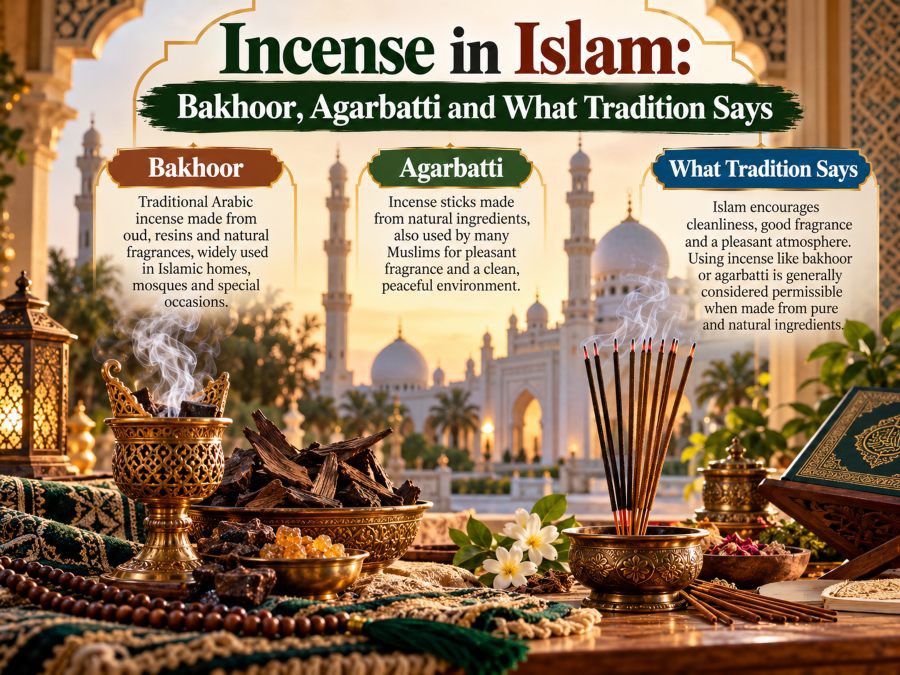 Incense in Islam: Bakhoor, Agarbatti and What Tradition SaysRead more
Is burning fragrance part of Muslim tradition? Explore incense in Islam, from the Prophetic practice of fumigating...
-
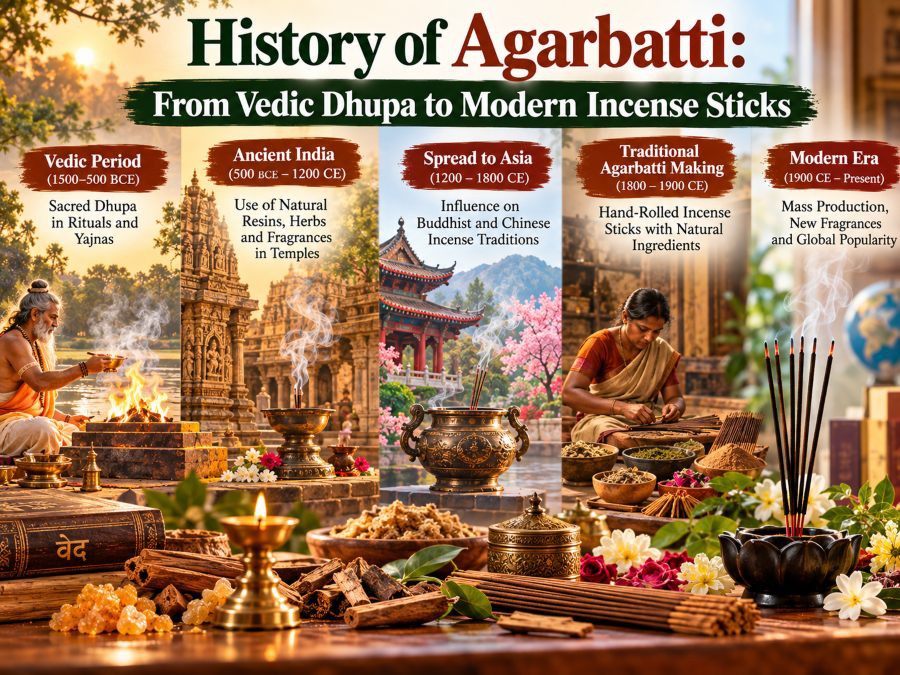 History of Agarbatti: From Vedic Dhupa to Modern Incense SticksRead more
Where did agarbatti really come from? Follow the history of agarbatti from Vedic fire rituals and temple dhupa to...
Blog categories
- Default category (0)
- MUSICAL INSTRUMENT (1)
- BOOK (5)
- DEVOTIONAL GIFT (0)
- Blog (30) click
- CHANDAN (12)
- Bhagavatam Wisdom Series (68)
- Krishna Consciousness (14)
- Mridangam Musical Instrument (6)
- Bhagavad Gita for Beginners (13)
- Bhagavad Gita As It Is (37) click
- Bhagavad Gita As It Is Telugu (0)
- Bhagavad Gita As It Is Marathi (0)
- Bhagavad Gita As It Is In Hindi (0)
- Bhagavad Gita As It Is In English (0)
- Bhagavad Gita As It Is In Bengali (8)
- Bhagavad Gita As It Is In Kannada (0)
- Bhagavad Gita As It Is In Gujarati (0)
- Bhagavad Gita As It Is In Panjabi (0)
- Bhagavad Gita As It Is In Tamil (0)
- Bhagavad Gita As It Is Odia (0)
- BHAGAVAD GITA As It Is GERMAN (0)
- Bhagavad Gita As It Is In French (0)
- Bhagavad Gita As It Is In Nepali (0)
- Bhagavad Gita As It Is In Assamese (0)
- Incense or Agarbatti (38)
- Lord Chaitanya Mahaprabhu (3)
- Vedic Temple Mayapur (14)
- kalki (15)
- Mahabharata – Dharma & Destiny (27)
- Vaishnava Scriptures (4)
- healthy product (4)
- chaitanya mahaprabhu (5)
- Tulsi Mala Guide (17)
Search in blog
Did the Mahabharata Really Happen? Full Historical, Scientific & Archaeological Analysis
Did the Mahabharata Really Happen? A Historical, Scientific, and Cultural Investigation
Introduction
Few questions intrigue historians, archaeologists, spiritual seekers, and devotees as deeply as:
“Did the Mahabharata really happen?”
The Mahabharata, one of the world’s longest and most significant epics, has shaped Indian culture for thousands of years. It contains the famous Kurukshetra War, the timeless wisdom of the Bhagavad Gita, intricate genealogies, political conflicts, philosophical discourses, and spiritual teachings. But is it historical fact, symbolic mythology, or a blend of both?
For centuries, scholars from India and around the world have debated its authenticity. Modern rationalists often interpret it as myth. Traditional scholars consider it a factual historical chronicle. Contemporary scientific methods—from archaeology to astronomy—have brought new insights to this ancient debate.
This article explores the complete spectrum of evidence across five dimensions:
· Historical records
· Archaeological discoveries
· Astronomical data
· Cultural anthropology
· Internal textual analysis
By the end, you will have a clear, research-backed understanding of whether the Mahabharata really happened—and what that means for us today.
READ ALSO: - who wrote mahabharata
Chapter 1: Understanding the Context of the Mahabharata
What is the Mahabharata?
The Mahabharata is more than a story. It is a massive compilation of philosophy, history, politics, metaphysics, and dharma. With over 100,000 verses, it is nearly 10 times longer than the Iliad and Odyssey combined.
It deals with:
· The rivalry of the Kauravas and Pandavas
· Dharma vs. adharma
· The rise and fall of kingdoms
· Social and spiritual structures of ancient India
· Cosmic insights such as karma and moksha
Because of its layered nature—historical events mixed with philosophical teachings—many assume parts may be symbolic rather than literal.
Yet, the epic is filled with exact geographical details, lineages, calendar dates, and battlefield strategies, suggesting real historical foundations.
Chapter 2: The Traditional View — Mahabharata as Itihasa (History)
In ancient India, texts like the Mahabharata were classified as Itihasa, which means:
“Thus it happened.”
This classification was not used lightly. Ancient scribes and sages distinguished:
· Itihasa (historical events)
· Purana (genealogical and cosmic descriptions)
· Kavya (poetic literature)
· Smriti (social codes)
Vyasa, the author of the Mahabharata, is traditionally regarded as a historical figure. Many ancient Indian kings traced their lineage back to figures from the Mahabharata. This suggests that the people of that time genuinely believed the events happened.
Traditional sources also give a clear timeline:
· The Kurukshetra War occurred around 3102 BCE, just before Kali Yuga began.
This belief is deeply rooted across India.
Order Mahabharata Books Today – ISKCON Mayapur Store
Chapter 3: Historical Records That Support the Mahabharata
Several historical documents—from India and abroad—suggest that the Mahabharata may be based on real events.
Puranic Genealogies
The Puranas record lineages of kings before and after the Mahabharata. By calculating generations, historians estimate the war occurred between:
· 1500 BCE – 3100 BCE
These genealogies are surprisingly consistent across different Puranas.
Greek, Roman, and Chinese Accounts
Foreign travelers—Megasthenes (Greek), Fa-Hien (Chinese), and others—mention Indian traditions of a great war involving:
· Divine weapons
· Mighty heroes
· A devastating conflict
Megasthenes specifically refers to a “great civil war” predating Chandragupta Maurya.
Buddhist and Jain Texts
Both traditions mention events and characters parallel to the Mahabharata, suggesting shared memory across religions.
Chapter 4: Archaeological Evidence Supporting the Mahabharata
Archaeology provides some of the strongest support for the Mahabharata’s historicity.
The Lost City of Dwarka
Marine archaeologists discovered:
· Stone structures
· Massive pillars
· Port facilities
· Anchors
These date between 1500 BCE and 3000 BCE, aligning with Krishna’s era. The layout matches descriptions in the Mahabharata and Bhagavata Purana.
Hastinapura Excavation
Archaeologist B.B. Lal uncovered:
· Layers of settlement destruction by floods
· Pottery and tools from the Painted Grey Ware (PGW) culture
The Mahabharata mentions a flood of the Ganga after the war—a detail consistent with this excavation.
Kurukshetra Battlefield Findings
Excavations in Haryana and UP reveal:
· Iron arrowheads
· Chariot parts
· Settlement ruins
· PGW culture
These findings date between 1200–800 BCE, although many scholars argue the war itself was earlier.
Indraprastha (Modern Delhi)
Excavations at Purana Quila reveal habitation layers matching descriptions of the Pandavas’ capital.
READ ALSO: - when did mahabharata happen
Does this prove the Mahabharata happened?
While archaeology cannot confirm every detail—like divine weapons—it strongly supports the existence of:
· Cities
· Cultures
· Places
· Material lifestyles
that match those described in the epic.
Chapter 5: Astronomical Evidence — The Most Scientific Proof
The Mahabharata contains more than 150 astronomical references, such as:
· Lunar and solar eclipses
· Planetary movements
· Nakshatra positions
· Seasonal timings
Modern software (Planetarium, Stellarium) allows scientists to calculate when these exact alignments occurred.
Some key findings:
The Dual Eclipse Interval
The epic describes a solar eclipse followed by a lunar eclipse within 13 days—a rare astronomical event.
Planetary models indicate such an occurrence around:
· 3067 BCE
· 5561 BCE
Saturn in Rohini, Mars in Jyeshtha
These alignments match 3067 BCE.
Krishna’s departure and the alignment of planets
Astronomical references for the onset of Kali Yuga (3102 BCE) also correspond with the Mahabharata’s timeline.
Conclusion from astronomy:
The astronomical data strongly indicate that a major war occurred around 3000 BCE—precisely when the Mahabharata claims.
Chapter 6: Linguistic and Cultural Anthropology Evidence
Language
The Mahabharata contains:
· Early Vedic Sanskrit
· Later classical Sanskrit layers
This suggests that the text was built around a very ancient core, probably rooted in real events.
Social Structure
The epic describes:
· Chariot warfare
· Iron weapons
· Clan-based politics
· Joint families
· Vedic rituals
Anthropologists confirm these were characteristic of societies between 2000–1500 BCE.
Geography
All major locations in the epic (Kurukshetra, Hastinapura, Dwarka, Indraprastha) are real, identifiable places.
Buy Now the Mahabharata Books from ISKCON Mayapur Store
Chapter 7: Internal Textual Evidence
The Mahabharata contains extremely detailed information:
· Military formations
· Geography
· Genealogies
· Rituals
· Laws
· Economic systems
Pure myths rarely include such exhaustive, consistent detail over 100,000 verses. This suggests that the core story is historical, later expanded with spiritual teachings.
Chapter 8: Scientific Skepticism — The Case Against Literal Historicity
While evidence is strong, many historians argue:
Lack of direct physical proof
No artifacts directly naming characters like “Arjuna” or “Duryodhana” have been found.
Mythological elements
Divine weapons, curses, and supernatural events challenge literal interpretation.
Text evolved over centuries
The Mahabharata grew from 24,000 verses to 100,000, blending history with philosophy.
Multiple versions
Different regions have variations.
These points lead skeptics to label the Mahabharata as mythologized history.
Chapter 9: The Most Balanced Interpretation — “Historical Core, Mythic Expansion”
Many modern scholars adopt a balanced view:
✔ A real war likely happened
Supported by archaeology, astronomy, and genealogies.
✔ The Pandavas and Kauravas may have been real clans
The Kuru dynasty is historically confirmed.
✔ The battle was later glorified and expanded
Poetic additions, supernatural elements, and philosophical sections were added over time.
Thus, the Mahabharata is most likely:
A real historical event embellished with mythological and spiritual layers.
Chapter 10: So Did the Mahabharata Really Happen? — Final Verdict
Based on:
· Archaeology
· Astronomy
· Historical records
· Cultural anthropology
· Internal consistency
The most reasonable conclusion is:
Yes — the Mahabharata is based on a real historical war that occurred between 3000–1500 BCE.
The core events were real, though later retellings added spiritual symbolism, divine interventions, and philosophical layers.
Strongest Evidence That It Happened
· Dwarka excavations
· Kurukshetra settlements
· Hastinapura flood layer
· Puranic genealogies
· Planetary alignments in 3067 BCE
What may have been symbolic or exaggerated?
· Divine weapons
· Astras and supernatural events
· Durations of battles
· Magnified army sizes
Conclusion
The Mahabharata is neither pure history nor pure mythology—it is historicized myth or mythologized history. It preserves a real civil war between Kuru clans, enriched over centuries with spiritual, ethical, and cosmic lessons.
For India, the Mahabharata is not just a story—it is a living memory, a cultural foundation, and an eternal guide to dharma.
Did the Mahabharata really happen?
Based on evidence across all disciplines, the answer is:
Yes, it almost certainly happened—though not exactly as described in its final literary form.

Posted in: Mahabharata – Dharma & Destiny
Related posts
-
 Who Wrote the Mahabharata? The Complete Story of Sage VyasaA clear explanation of who wrote the Mahabharata, exploring Sage Vyasa’s authorship, the Ganesha narrative, and the...Read more
 -
 How Many People Died in the Mahabharata? Complete Death Count ExplainedA detailed explanation of how many people died in the Mahabharata, including the Kurukshetra War death count, major...Read more
 -
 Why the Mahabharata Happened: The True Causes Behind the Great WarDiscover the real causes of the Mahabharata war, from jealousy and power struggles to deep karmic destiny. This...Read more
 -
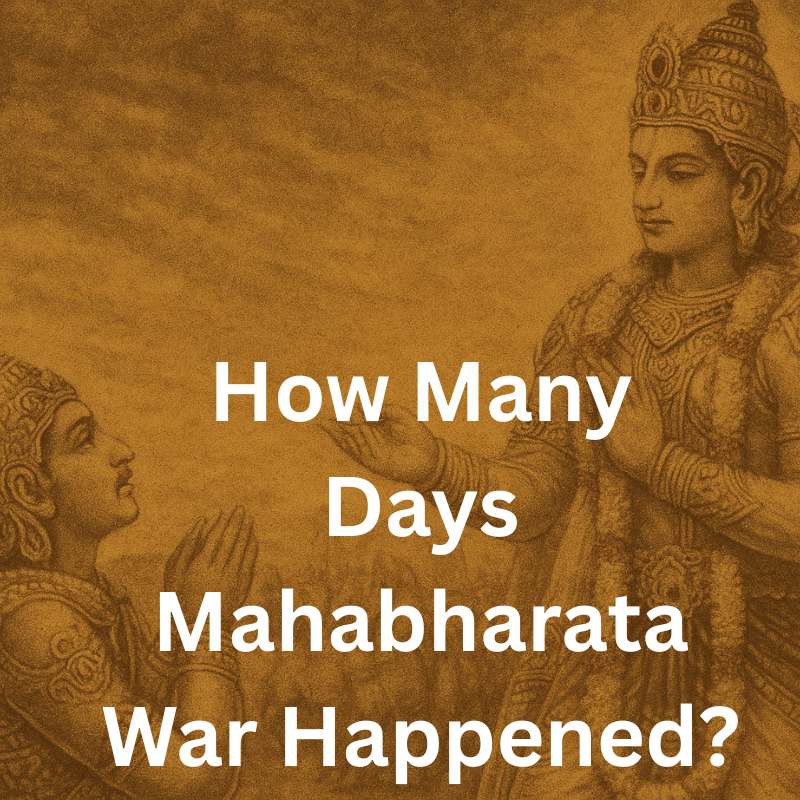 How Many Days Mahabharata War Happened?The Mahabharata war lasted for 18 intense days, each filled with major battles, turning points, and historic events....Read more
 -
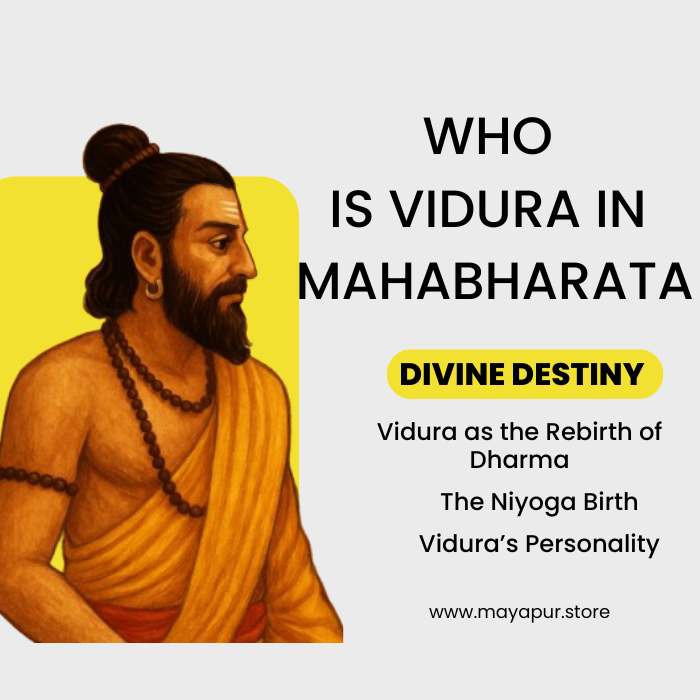 Who Is Vidura in the Mahabharata? Complete Story, Role & TeachingsDiscover who Vidura is in the Mahabharata—his origin, character, wisdom, loyalty, and unmatched adherence to dharma....Read more
Leave a comment