
Why did Krishna run to embrace a poor brahmin in rags? Read the Sudama story from the Bhagavatam and learn how a...
Latest posts
-
 Krishna and Sudama: The Poor Brahmin Who Became Wealthy in LoveRead more
 -
 Vamana Avatar: How Three Steps Humbled Bali MaharajaRead more
Why did a powerful king give away three worlds to a boy asking for three steps? Learn the Vamana avatar story from...
-
 The Bhagavatam on Marriage: Duty, Love and Spiritual PartnershipRead more
What does the Bhagavatam say about marriage? Through the stories of Kardama and Devahuti, Rukmini's secret letter and...
-
 What Is Prema? The Bhagavatam's Highest Stage of Love for GodRead more
Prema is love for God with no "because" attached. Learn how the Bhagavatam describes it, the nine steps from faith to...
-
 Is Shiva Parvati Kalyana Mentioned in Srimad Bhagavatam? What the Scripture Really SaysRead more
Looking for Shiva and Parvati's wedding in the Srimad Bhagavatam? Find out what the scripture actually describes,...
-
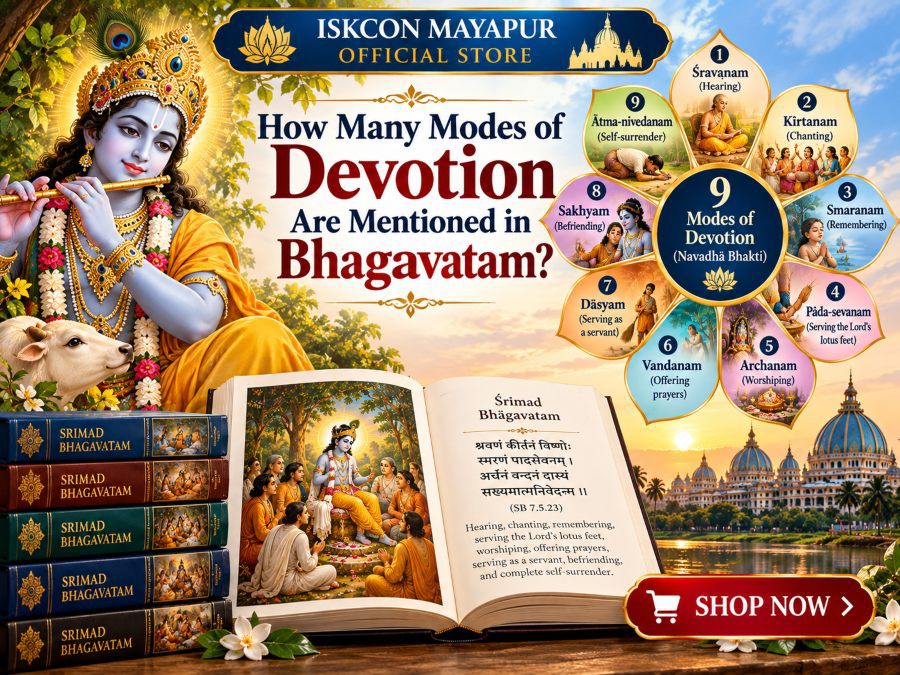 How Many Modes of Devotion Are Mentioned in Bhagavatam?Read more
A young boy named Prahlada listed nine ways to serve God, and the Bhagavatam keeps them as its answer. Learn what the...
-
 What Is Bhagavatam and Why Has It Been Read for 5,000 Years?Read more
A dying king asked one question, and the answer became the Bhagavatam. Learn what this Sanskrit scripture contains,...
-
 Who Is Lord Krishna? His Meaning, Teachings and Pastimes ExplainedRead more
Discover who Krishna is according to Srimad Bhagavatam, including His divine identity, childhood pastimes, teachings,...
-
 Incense in Islam: Bakhoor, Agarbatti and What Tradition SaysRead more
Is burning fragrance part of Muslim tradition? Explore incense in Islam, from the Prophetic practice of fumigating...
-
 History of Agarbatti: From Vedic Dhupa to Modern Incense SticksRead more
Where did agarbatti really come from? Follow the history of agarbatti from Vedic fire rituals and temple dhupa to...
Blog categories
- Default category (0)
- MUSICAL INSTRUMENT (1)
- BOOK (5)
- DEVOTIONAL GIFT (0)
- Blog (30) click
- CHANDAN (12)
- Bhagavatam Wisdom Series (68)
- Krishna Consciousness (14)
- Mridangam Musical Instrument (6)
- Bhagavad Gita for Beginners (13)
- Bhagavad Gita As It Is (37) click
- Bhagavad Gita As It Is Telugu (0)
- Bhagavad Gita As It Is Marathi (0)
- Bhagavad Gita As It Is In Hindi (0)
- Bhagavad Gita As It Is In English (0)
- Bhagavad Gita As It Is In Bengali (8)
- Bhagavad Gita As It Is In Kannada (0)
- Bhagavad Gita As It Is In Gujarati (0)
- Bhagavad Gita As It Is In Panjabi (0)
- Bhagavad Gita As It Is In Tamil (0)
- Bhagavad Gita As It Is Odia (0)
- BHAGAVAD GITA As It Is GERMAN (0)
- Bhagavad Gita As It Is In French (0)
- Bhagavad Gita As It Is In Nepali (0)
- Bhagavad Gita As It Is In Assamese (0)
- Incense or Agarbatti (38)
- Lord Chaitanya Mahaprabhu (3)
- Vedic Temple Mayapur (14)
- kalki (15)
- Mahabharata – Dharma & Destiny (27)
- Vaishnava Scriptures (4)
- healthy product (4)
- chaitanya mahaprabhu (5)
- Tulsi Mala Guide (17)
Search in blog
Where Did the Mahabharata Happen? Real Locations of the Epic War Explained
Where Did the Mahabharata Happen?
The Real Locations of the Great Epic War Explained
Introduction: Was the Mahabharata Just a Story or Real History?
The Mahabharata is not merely an epic poem or a mythological tale—it is a civilizational record deeply rooted in Indian geography, culture, and collective memory. One of the most frequently asked questions by historians, researchers, and readers alike is:
Where did the Mahabharata actually happen?
Unlike fictional epics that exist outside physical space, the Mahabharata repeatedly names real rivers, cities, kingdoms, forests, and pilgrimage sites—many of which still exist today. These geographical references form a continuous map that stretches across modern-day India and parts of neighboring regions.
This article explores where the Mahabharata happened, focusing on:
- The main battlefield location
- Important cities and kingdoms
- Rivers and landscapes mentioned in the epic
- Archaeological and historical evidence
- Why Kurukshetra holds central importance
READ ALSO:- who wrote mahabharata
Kurukshetra: The Primary Location of the Mahabharata War
Kurukshetra – The Battlefield of Dharma
The Mahabharata War took place at Kurukshetra, a vast plain located in present-day Haryana, India. The epic clearly and repeatedly states that the war was fought on the Kurukshetra field, also known as Dharmakshetra—the land of righteousness.
“Dharmakshetre Kurukshetre”
— Opening verse of the Bhagavad Gita
This single line establishes Kurukshetra as both a physical location and a spiritual symbol.

Geographic Identification of Kurukshetra
Modern Kurukshetra lies about:
- 160 km north of Delhi
- Near the ancient Saraswati river basin
- Surrounded by historically fertile plains
Even today, Kurukshetra is:
- A major pilgrimage center
- Associated with Jyotisar, where Krishna spoke the Bhagavad Gita
- Studied by historians and archaeologists
The continuity of name and tradition strongly supports Kurukshetra as the authentic war site.
Why Kurukshetra Was Chosen for the War
Kurukshetra was not randomly selected. According to ancient tradition:
1. It was a neutral and sacred land
2. No kingdom could claim ownership
3. It was traditionally used for sacrificial rituals and assemblies
4. Fighting there symbolized a battle for dharma, not territory
Thus, the Mahabharata war was not just a political conflict—it was a moral confrontation staged on holy ground.
Hastinapura: The Political Heart of the Mahabharata
Capital of the Kuru Kingdom
Hastinapura, located near present-day Meerut (Uttar Pradesh), was the capital of the Kuru dynasty. It was the seat of power for:
- King Shantanu
- Bhishma
- Dhritarashtra
- Duryodhana
- Later, King Yudhishthira
Most of the political drama of the Mahabharata unfolds in Hastinapura.
Archaeological Evidence of Hastinapura
Excavations conducted in the 20th century revealed:
- Painted Grey Ware (PGW) culture artifacts
- Flood layers consistent with descriptions of the Ganga flooding Hastinapura
- Settlement patterns matching Vedic-era urban life
These findings strongly support Hastinapura as a historical city, not a mythical one.
Indraprastha: The City Built by the Pandavas
Modern Delhi’s Ancient Identity
Indraprastha, the magnificent city built for the Pandavas, is believed to have existed in modern-day Delhi.
According to the Mahabharata:
- Indraprastha was built on reclaimed forest land (Khandava forest)
- It was a planned city with palaces, halls, and gardens
- Maya Danava, a master architect, designed the royal assembly hall
Today, areas near Purana Qila are traditionally associated with Indraprastha.
Dwarka: Krishna’s Kingdom
Dwarka in Gujarat
Dwarka, the kingdom of Lord Krishna, is located in present-day Gujarat, on the western coast of India.
Marine archaeology has revealed:
- Submerged stone structures
- Ancient anchors
- City-like formations under the sea
These discoveries align with descriptions of Dwarka being submerged after Krishna’s departure.
Dwarka’s Role in the Mahabharata
Though far from Kurukshetra, Dwarka played a key role:
- Krishna was the central diplomat
- The Yadava clan participated indirectly
- Strategic decisions were made here
Gandhara: The Land of Shakuni
Gandhara, located in present-day Pakistan and Afghanistan, was the homeland of Shakuni, the mastermind behind the dice game.
Its capital, Takshashila (Taxila), was a major center of learning and trade, mentioned repeatedly in ancient texts.
READ ALSO:-when did mahabharata happen
Other Important Locations Where the Mahabharata Happened
1. Varanasi (Kashi)
- Kingdom of King Subala
- Connected to marriages and alliances
2. Panchala
- Home of Draupadi
- Ruled by King Drupada
- Located in modern Uttar Pradesh
3. Matsya Kingdom
- Where Pandavas spent their final year in exile
- Ruled by King Virata
- Associated with modern Rajasthan
4. Magadha
- Powerful eastern kingdom
- Politically significant during the epic era
Rivers Mentioned in the Mahabharata
The Mahabharata names dozens of rivers, many still flowing today:
- Ganga
- Yamuna
- Saraswati
- Indus (Sindhu)
- Godavari
- Narmada
The accurate geographic spread of these rivers confirms the epic’s realistic territorial knowledge.
Was the Mahabharata Limited to One Place?
No. The Mahabharata was pan-Indian in scope.
The war occurred in Kurukshetra, but the story spans:
- Northern India
- Western coastal regions
- Eastern kingdoms
- Himalayan foothills
This wide geographic range reflects a connected ancient civilization, not isolated tribes.
Archaeological and Historical Perspectives
Painted Grey Ware Culture
Many sites linked to the Mahabharata period share:
- Similar pottery styles
- Iron usage
- Urban planning
This culture dates roughly between 1500 BCE and 600 BCE, aligning with traditional timelines.
Textual Consistency
Multiple versions of the Mahabharata—across regions and languages—consistently mention the same locations, suggesting preservation of historical geography.
Why Modern Scholars Still Debate the Locations
Some scholars hesitate to label the Mahabharata as history because:
- Oral transmission preceded written texts
- Mythological elements are present
- Exact dates are debated
However, place consistency is undeniable. Myths may embellish events, but geography rarely lies.
Kurukshetra Today: Living History
Kurukshetra is not a forgotten ruin—it is alive.
- Jyotisar marks Krishna’s Gita discourse
- Brahma Sarovar hosts rituals and pilgrimages
- The region celebrates Gita Jayanti annually
This continuity of memory strengthens the argument that the Mahabharata happened in real locations.
READ ALSO:-when did mahabharata war started and ended
Why Location Matters in Understanding the Mahabharata
Understanding where the Mahabharata happened helps us:
- View it as a socio-political history
- Appreciate its cultural unity
- Recognize India’s ancient civilizational depth
It transforms the epic from legend into lived memory.
Conclusion: Where the Mahabharata Happened—A Civilization, Not a Fantasy
The Mahabharata happened primarily in Kurukshetra, but its story unfolded across real cities, rivers, and kingdoms that still exist today. From Hastinapura to Dwarka, from Indraprastha to Gandhara, the epic maps a vast and interconnected ancient world.
Rather than asking whether the Mahabharata happened, a better question is:
How much of our history have we forgotten to recognize?
The land remembers—even if we hesitate.
Posted in: Mahabharata – Dharma & Destiny
Related posts
-
 Who Wrote the Mahabharata? The Complete Story of Sage VyasaA clear explanation of who wrote the Mahabharata, exploring Sage Vyasa’s authorship, the Ganesha narrative, and the...Read more
 -
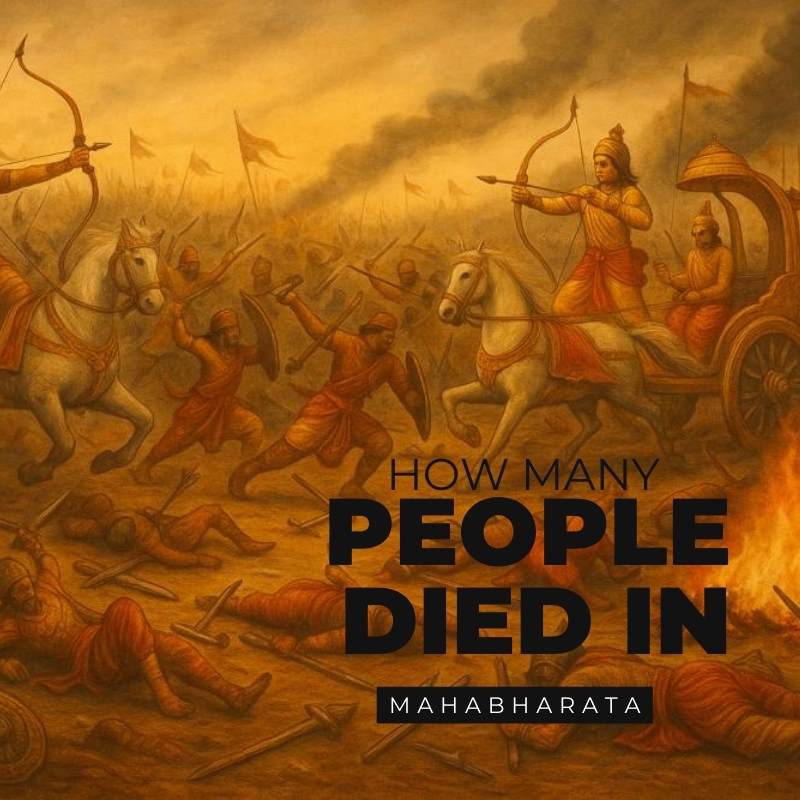 How Many People Died in the Mahabharata? Complete Death Count ExplainedA detailed explanation of how many people died in the Mahabharata, including the Kurukshetra War death count, major...Read more
 -
 Why the Mahabharata Happened: The True Causes Behind the Great WarDiscover the real causes of the Mahabharata war, from jealousy and power struggles to deep karmic destiny. This...Read more
 -
 How Many Days Mahabharata War Happened?The Mahabharata war lasted for 18 intense days, each filled with major battles, turning points, and historic events....Read more
 -
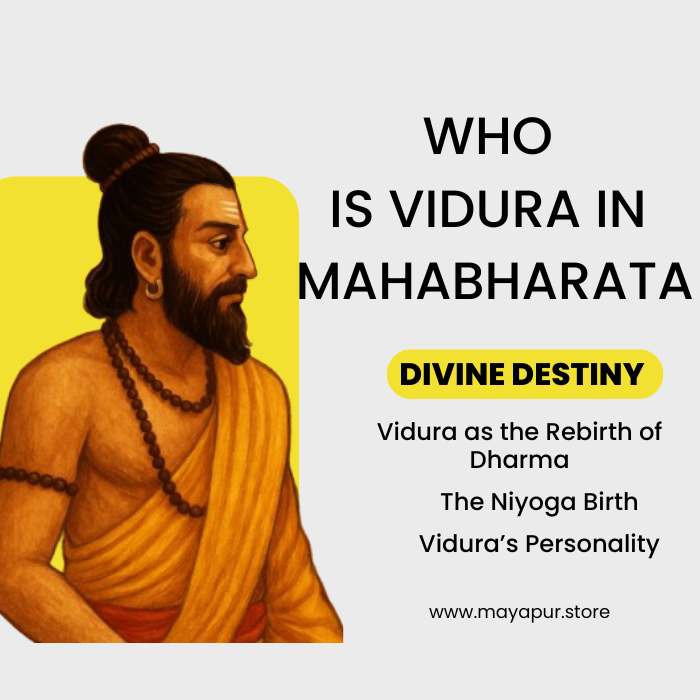 Who Is Vidura in the Mahabharata? Complete Story, Role & TeachingsDiscover who Vidura is in the Mahabharata—his origin, character, wisdom, loyalty, and unmatched adherence to dharma....Read more
Leave a comment