
Why did Krishna run to embrace a poor brahmin in rags? Read the Sudama story from the Bhagavatam and learn how a...
Latest posts
-
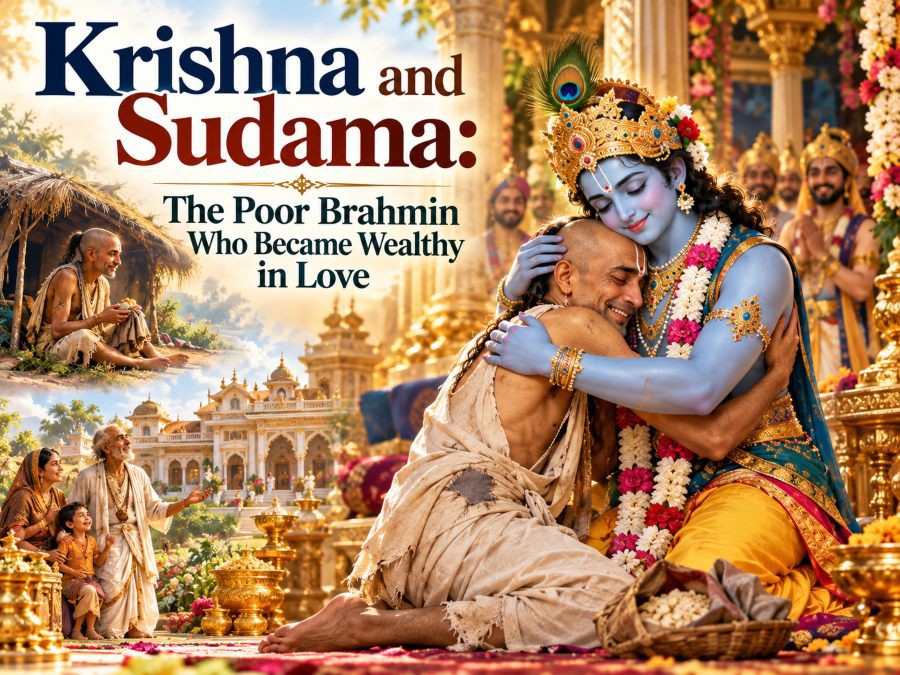 Krishna and Sudama: The Poor Brahmin Who Became Wealthy in LoveRead more
 -
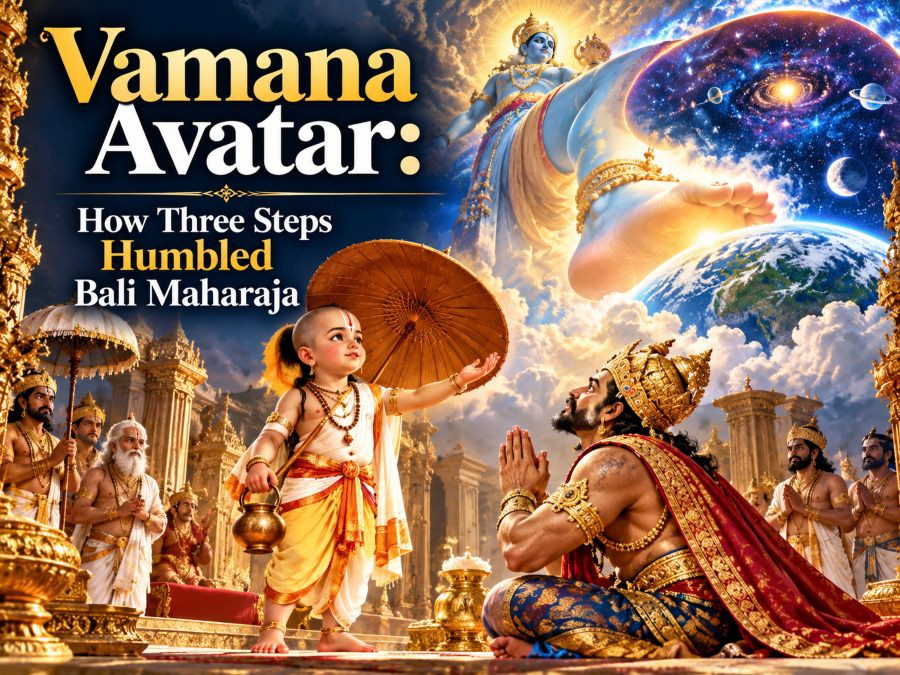 Vamana Avatar: How Three Steps Humbled Bali MaharajaRead more
Why did a powerful king give away three worlds to a boy asking for three steps? Learn the Vamana avatar story from...
-
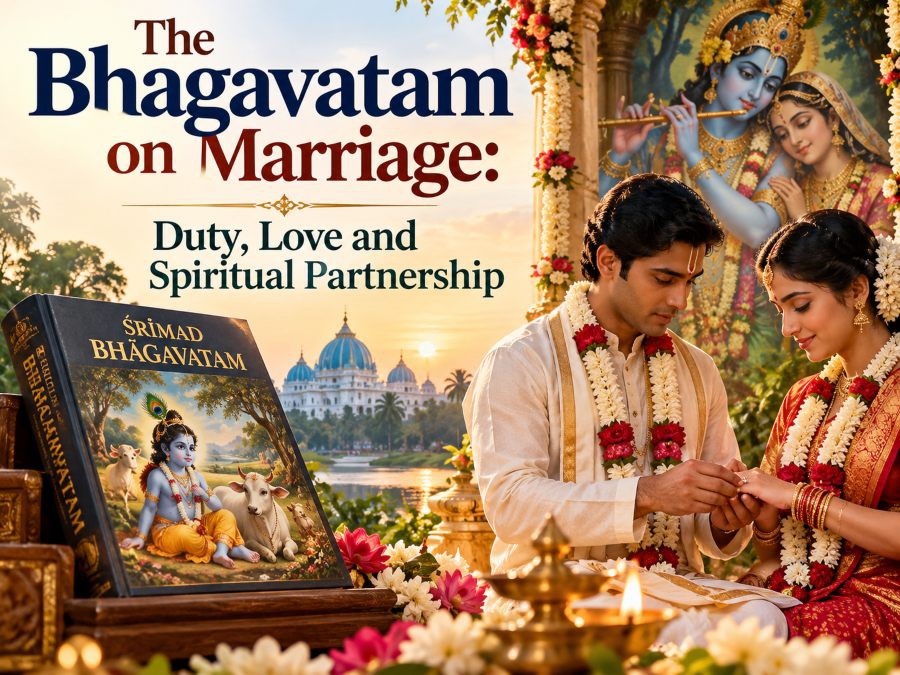 The Bhagavatam on Marriage: Duty, Love and Spiritual PartnershipRead more
What does the Bhagavatam say about marriage? Through the stories of Kardama and Devahuti, Rukmini's secret letter and...
-
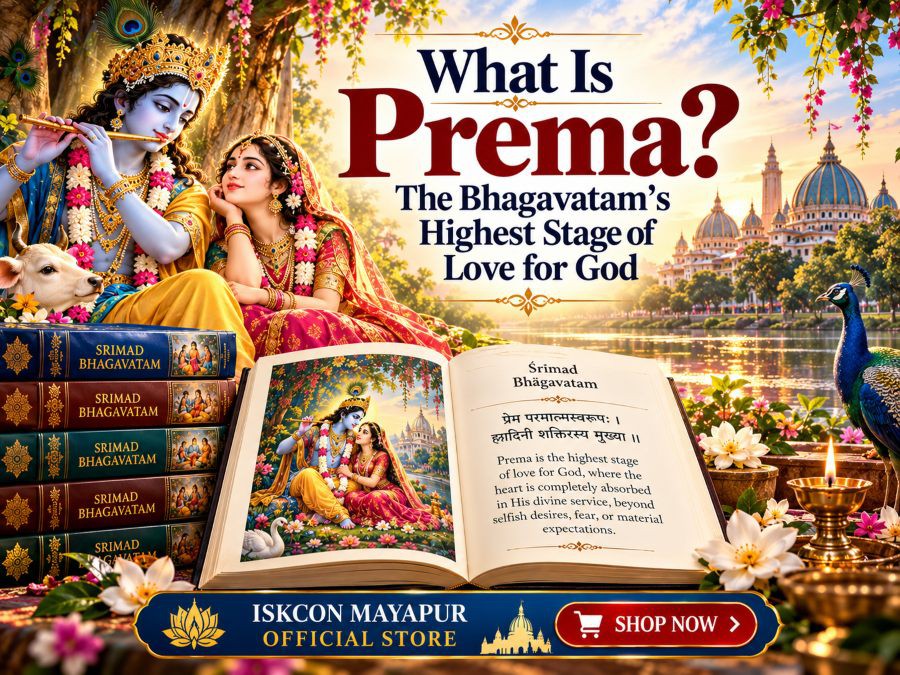 What Is Prema? The Bhagavatam's Highest Stage of Love for GodRead more
Prema is love for God with no "because" attached. Learn how the Bhagavatam describes it, the nine steps from faith to...
-
 Is Shiva Parvati Kalyana Mentioned in Srimad Bhagavatam? What the Scripture Really SaysRead more
Looking for Shiva and Parvati's wedding in the Srimad Bhagavatam? Find out what the scripture actually describes,...
-
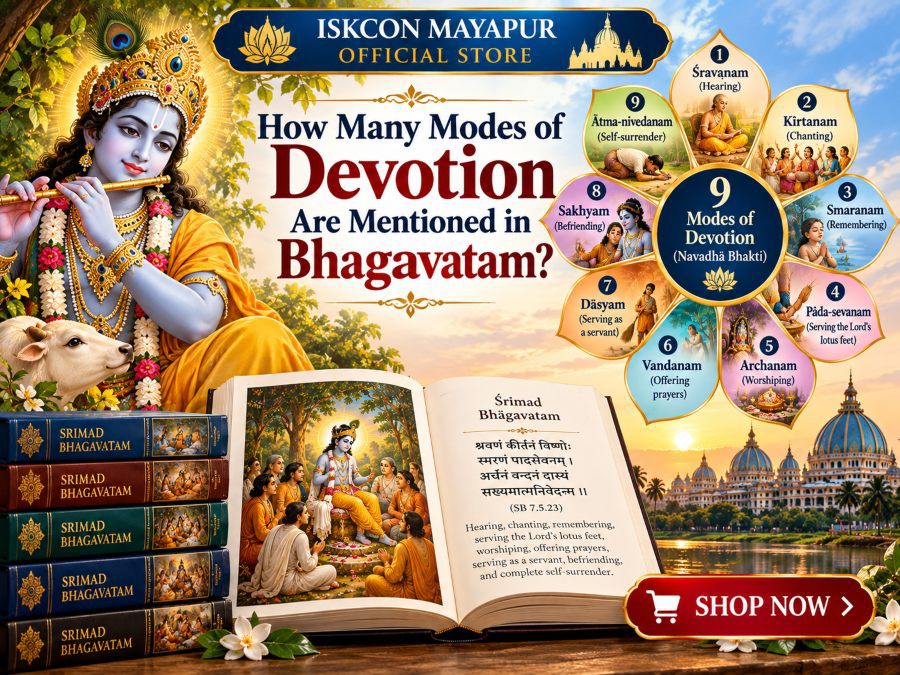 How Many Modes of Devotion Are Mentioned in Bhagavatam?Read more
A young boy named Prahlada listed nine ways to serve God, and the Bhagavatam keeps them as its answer. Learn what the...
-
 What Is Bhagavatam and Why Has It Been Read for 5,000 Years?Read more
A dying king asked one question, and the answer became the Bhagavatam. Learn what this Sanskrit scripture contains,...
-
 Who Is Lord Krishna? His Meaning, Teachings and Pastimes ExplainedRead more
Discover who Krishna is according to Srimad Bhagavatam, including His divine identity, childhood pastimes, teachings,...
-
 Incense in Islam: Bakhoor, Agarbatti and What Tradition SaysRead more
Is burning fragrance part of Muslim tradition? Explore incense in Islam, from the Prophetic practice of fumigating...
-
 History of Agarbatti: From Vedic Dhupa to Modern Incense SticksRead more
Where did agarbatti really come from? Follow the history of agarbatti from Vedic fire rituals and temple dhupa to...
Blog categories
- Default category (0)
- MUSICAL INSTRUMENT (1)
- BOOK (5)
- DEVOTIONAL GIFT (0)
- Blog (30) click
- CHANDAN (12)
- Bhagavatam Wisdom Series (68)
- Krishna Consciousness (14)
- Mridangam Musical Instrument (6)
- Bhagavad Gita for Beginners (13)
- Bhagavad Gita As It Is (37) click
- Bhagavad Gita As It Is Telugu (0)
- Bhagavad Gita As It Is Marathi (0)
- Bhagavad Gita As It Is In Hindi (0)
- Bhagavad Gita As It Is In English (0)
- Bhagavad Gita As It Is In Bengali (8)
- Bhagavad Gita As It Is In Kannada (0)
- Bhagavad Gita As It Is In Gujarati (0)
- Bhagavad Gita As It Is In Panjabi (0)
- Bhagavad Gita As It Is In Tamil (0)
- Bhagavad Gita As It Is Odia (0)
- BHAGAVAD GITA As It Is GERMAN (0)
- Bhagavad Gita As It Is In French (0)
- Bhagavad Gita As It Is In Nepali (0)
- Bhagavad Gita As It Is In Assamese (0)
- Incense or Agarbatti (38)
- Lord Chaitanya Mahaprabhu (3)
- Vedic Temple Mayapur (14)
- kalki (15)
- Mahabharata – Dharma & Destiny (27)
- Vaishnava Scriptures (4)
- healthy product (4)
- chaitanya mahaprabhu (5)
- Tulsi Mala Guide (17)
Search in blog
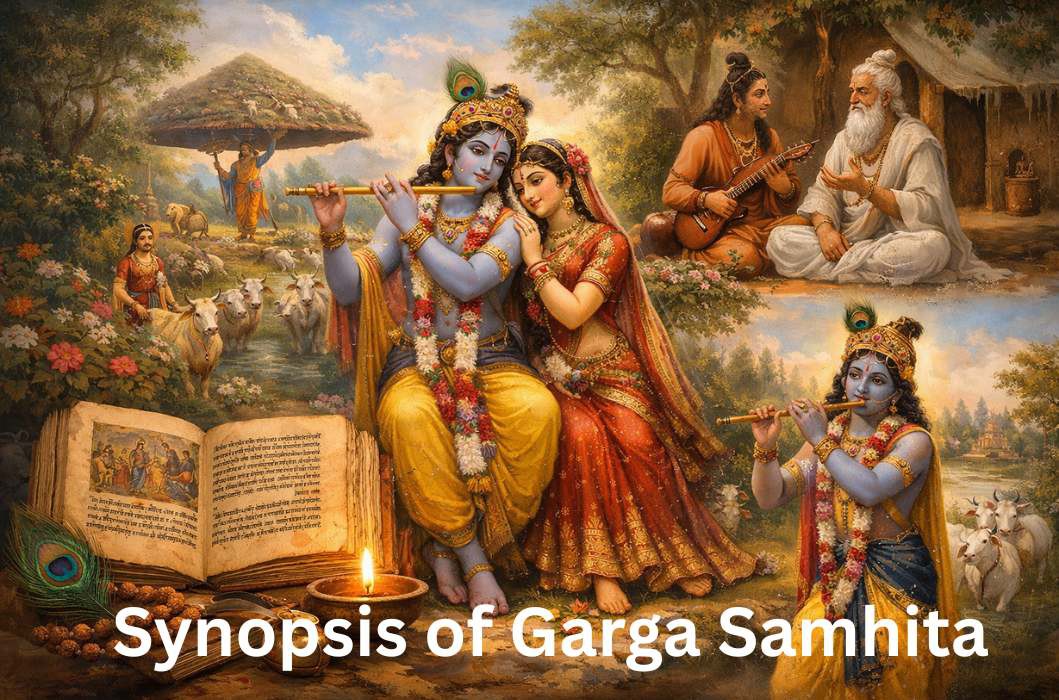
Synopsis of the Garga Samhita: A Complete Overview of Krishna’s Divine Pastimes
A Complete Synopsis of the Garga Samhita: Themes, Structure, and Spiritual Significance
Introduction
The Garga Samhita is one of the most treasured yet relatively lesser-known scriptures within the vast ocean of Vaishnava literature. Revered especially in Gaudiya Vaishnavism, this sacred text offers a deeply devotional, emotionally rich, and theologically profound presentation of Lord Krishna’s divine pastimes. Unlike philosophical treatises that emphasize abstract metaphysics, the Garga Samhita speaks directly to the heart of bhakti—loving devotion to the Supreme Lord.
Attributed to Maharshi Garga, the family priest of the Yadu dynasty and the sage who named Krishna and Balarama, the Garga Samhita is traditionally regarded as a Purana-like text. Its primary focus is on the eternal, transcendental lilas (divine pastimes) of Radha and Krishna, especially those enacted in Vrindavan and the sacred land of Braj.
This article presents a detailed, of the Garga Samhita. It explores the structure of the text, summarizes its main narratives, explains its theological vision, and highlights its enduring spiritual relevance for modern readers and practitioners of bhakti yoga.
What Is the Garga Samhita?
The Garga Samhita is a Sanskrit devotional scripture traditionally classified among the Vaishnava Puranic texts. It is composed as a dialogue, primarily involving sages such as Narada Muni, Garga Rishi, and other exalted devotees. The narrative style blends poetic description, devotional theology, and sacred storytelling.
Unlike historical epics or philosophical Upanishadic works, the Garga Samhita exists almost entirely to glorify Krishna as Svayam Bhagavan—the original form of God—and Radha as His eternal pleasure potency (Hladini Shakti). The text repeatedly emphasizes that devotion to Radha-Krishna surpasses all other spiritual paths.
Purpose and Central Message of the Garga Samhita
The core purpose of the Garga Samhita is to awaken pure love (prema-bhakti) for Radha and Krishna in the hearts of readers and listeners. The scripture teaches that:
- Krishna’s pastimes are eternal and transcendental
- Radha is the supreme devotee and internal energy of Krishna
- Bhakti (devotion) is superior to karma (ritual action) and jnana (speculative knowledge)
- Hearing and chanting about Krishna purifies the soul in Kali-yuga
Rather than focusing on liberation (moksha) as the highest goal, the Garga Samhita elevates loving service to Radha-Krishna as the ultimate perfection of life.
Structure of the Garga Samhita
The Garga Samhita is traditionally divided into several khandas (sections), each focusing on specific aspects of Krishna’s divine life and devotional theology. While manuscript traditions may vary, the text broadly includes:
1. Vrindavan Khanda
2. Mathura Khanda
3. Dvaraka Khanda
4. Radha-Krishna Mahatmya Sections
Each section is designed not merely to narrate events but to immerse the reader in rasa—the sacred emotional flavors of devotion.
Vrindavan Khanda: The Heart of the Garga Samhita
Krishna’s Eternal Abode
The Vrindavan Khanda forms the emotional and spiritual core of the Garga Samhita. Vrindavan is described not as a geographical location but as Krishna’s eternal, transcendental realm, untouched by material time and decay.
Here, Krishna appears as a cowherd boy—simple, playful, and irresistibly beautiful. His flute, smile, and loving exchanges enchant not only the gopis but all of creation.
Childhood Pastimes (Bala-Lila)
The text vividly narrates Krishna’s childhood activities, including:
- His playful mischief with the cowherd boys
- Stealing butter from the homes of the gopis
- Subduing demons sent by King Kamsa
- Displaying divine power while maintaining human-like innocence
These pastimes convey a crucial Vaishnava teaching: God becomes subordinate to the love of His devotees.
The Role of Yashoda and Nanda Maharaj
Mother Yashoda’s parental affection (vatsalya-rasa) is glorified as one of the highest expressions of devotion. Krishna allows Himself to be bound by her love, symbolizing that bhakti binds the infinite Supreme Lord.
Radha-Krishna: The Supreme Divine Couple
Radha’s Unique Position
One of the most distinctive features of the Garga Samhita is its unambiguous glorification of Radha. The text declares Radha to be:
- Krishna’s eternal consort
- The embodiment of maha-bhava (the highest love)
- Superior even to Lakshmi in devotional intimacy
Radha is not presented as separate from Krishna but as His own heart and energy.
Divine Love Beyond Material Morality
The rasa-lila and other intimate pastimes are explained not as worldly romance but as pure spiritual exchanges, completely free from lust or ego. These pastimes symbolize the soul’s longing for union with the Divine.
Mathura Khanda: Transition and Separation
The Mathura Khanda describes Krishna’s departure from Vrindavan and His journey to Mathura to confront Kamsa. This section introduces the powerful theme of vipralambha-bhava—love in separation.
The Pain of Separation
The agony experienced by Radha and the gopis when Krishna leaves Vrindavan is described with profound emotional depth. The Garga Samhita teaches that separation intensifies devotion, making love even purer and more selfless.
Slaying of Kamsa
Krishna’s killing of Kamsa represents the triumph of divine order over tyranny. However, the text minimizes political victory and instead emphasizes Krishna’s inner compassion and divine purpose.
Dvaraka Khanda: Royal Pastimes and Divine Majesty
In the Dvaraka Khanda, Krishna appears as a majestic king, surrounded by queens, palaces, and opulence. Yet, the Garga Samhita repeatedly reminds readers that Krishna’s heart remains in Vrindavan.
Contrast Between Aishwarya and Madhurya
This section highlights the contrast between:
- Aishwarya (majesty and power) in Dvaraka
- Madhurya (sweetness and intimacy) in Vrindavan
The text clearly favors madhurya, reinforcing the Gaudiya Vaishnava conclusion that Vrindavan pastimes are the highest revelation of God.
Theological Philosophy of the Garga Samhita
Krishna as Svayam Bhagavan
The Garga Samhita firmly establishes Krishna as the original source of all incarnations. Vishnu, Narayana, and other divine forms emanate from Him.
Bhakti as the Supreme Path
Repeatedly, the scripture declares that:
- Rituals without devotion are empty
- Knowledge without love leads to pride
- Only bhakti grants access to Krishna’s eternal abode
Even the Vedas, the text says, aspire to understand the sweetness of Radha-Krishna’s love.
Role of Narada Muni
Narada Muni appears frequently as the divine messenger and ideal devotee. Through his questions and realizations, readers are guided toward humility, surrender, and constant remembrance of Krishna.
Narada exemplifies unmotivated devotion, free from material desire.
Importance in Gaudiya Vaishnavism
The Garga Samhita holds special significance for followers of Chaitanya Mahaprabhu, who taught the chanting of the holy names—Hare Krishna Hare Krishna Krishna Krishna Hare Hare.
Many Gaudiya acharyas have quoted or referenced the Garga Samhita to support:
- Radha’s supreme position
- The supremacy of vraja-bhakti
- The goal of attaining loving service in Vrindavan
Relevance in the Modern Age
In today’s world of anxiety, competition, and spiritual confusion, the Garga Samhita offers a timeless message:
- True happiness lies in loving service
- God is approachable through devotion
- Spiritual life is joyful, not dry or fearful
Its emphasis on emotion, relationship, and surrender makes it especially relevant to modern seekers.
Why Reading the Garga Samhita Is Spiritually Transformative
Reading or hearing the Garga Samhita is traditionally believed to:
- Purify the heart
- Awaken dormant devotion
- Reduce material attachments
- Inspire a life centered on remembrance of Krishna
The text encourages shravanam and kirtanam—hearing and chanting—as daily spiritual practices.
Conclusion
The Garga Samhita is not merely a book—it is an invitation into the eternal world of divine love. Through its poetic narration, emotional depth, and uncompromising glorification of bhakti, it stands as one of the most beautiful expressions of Vaishnava devotion.
As a synopsis, this article can only point toward its vast spiritual richness. To truly experience the sweetness of the Garga Samhita, one must approach it with humility, faith, and a longing heart.
For those seeking not just knowledge about God, but a living, loving relationship with the Divine, the Garga Samhita remains a timeless guide and companion on the path of bhakti.
Posted in: Vaishnava Scriptures
Related posts
-
 Who Wrote the Garga Samhita? The Sage, History, and Spiritual Authority ExplainedWho wrote the Garga Samhita? This article explains why Maharshi Garga is credited as the author, explores his...Read more
 -
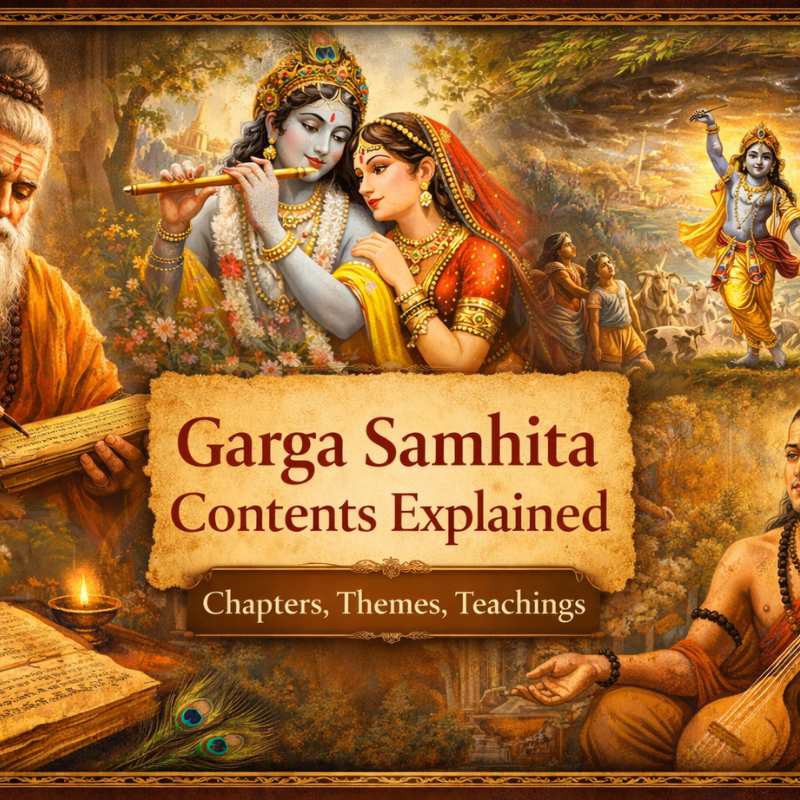 Garga Samhita Contents Explained: Chapters, Themes, and Teachings of the Sacred VaishnavaThis article explains the contents of the Garga Samhita in detail, covering its major chapters, themes, and spiritual...Read more
 -
 When Was the Garga Samhita Written? History, Timeline, and Scriptural Evidence ExplainedThis article explains when the Garga Samhita was written, tracing its origins to the Dvapara Yuga during Lord...Read more
Leave a comment