
Why did Krishna run to embrace a poor brahmin in rags? Read the Sudama story from the Bhagavatam and learn how a...
Latest posts
-
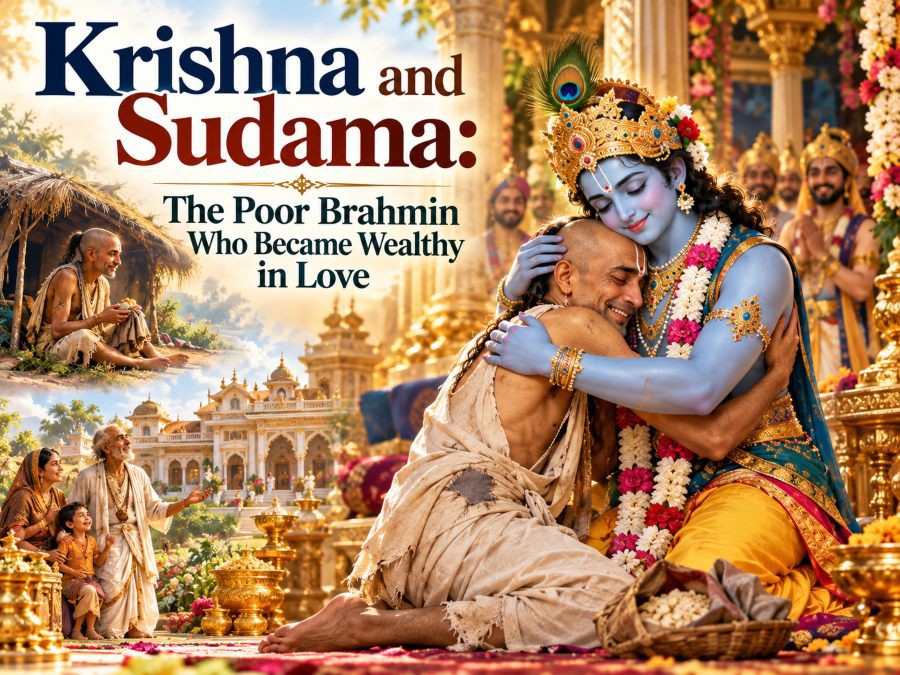 Krishna and Sudama: The Poor Brahmin Who Became Wealthy in LoveRead more
 -
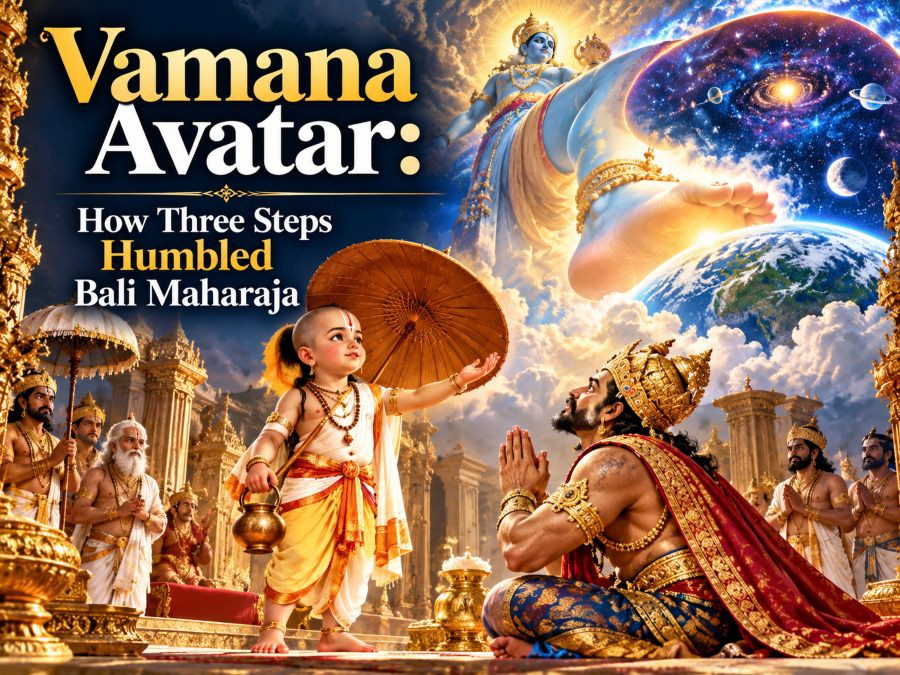 Vamana Avatar: How Three Steps Humbled Bali MaharajaRead more
Why did a powerful king give away three worlds to a boy asking for three steps? Learn the Vamana avatar story from...
-
 The Bhagavatam on Marriage: Duty, Love and Spiritual PartnershipRead more
What does the Bhagavatam say about marriage? Through the stories of Kardama and Devahuti, Rukmini's secret letter and...
-
 What Is Prema? The Bhagavatam's Highest Stage of Love for GodRead more
Prema is love for God with no "because" attached. Learn how the Bhagavatam describes it, the nine steps from faith to...
-
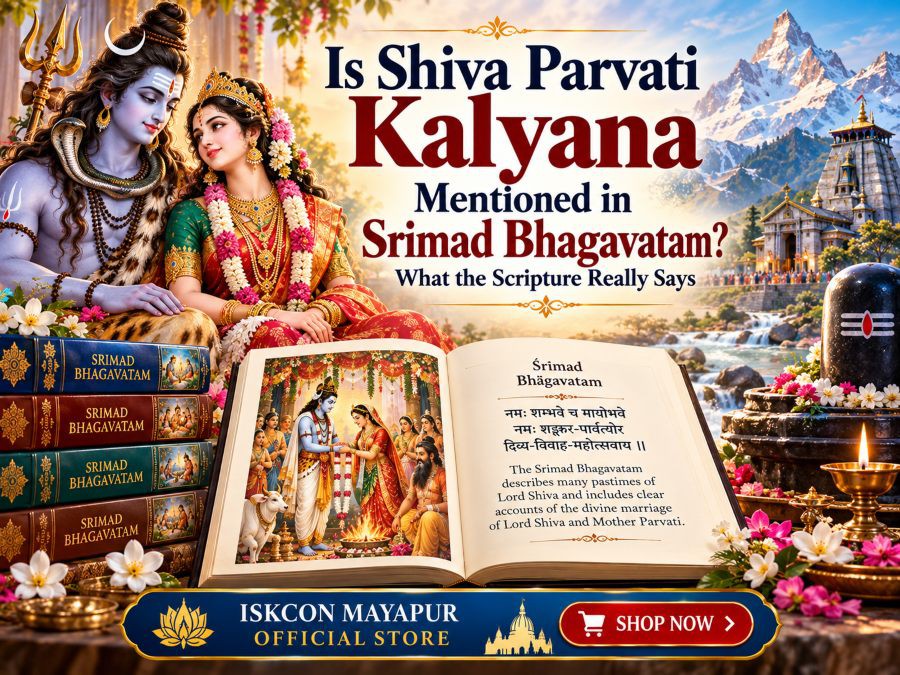 Is Shiva Parvati Kalyana Mentioned in Srimad Bhagavatam? What the Scripture Really SaysRead more
Looking for Shiva and Parvati's wedding in the Srimad Bhagavatam? Find out what the scripture actually describes,...
-
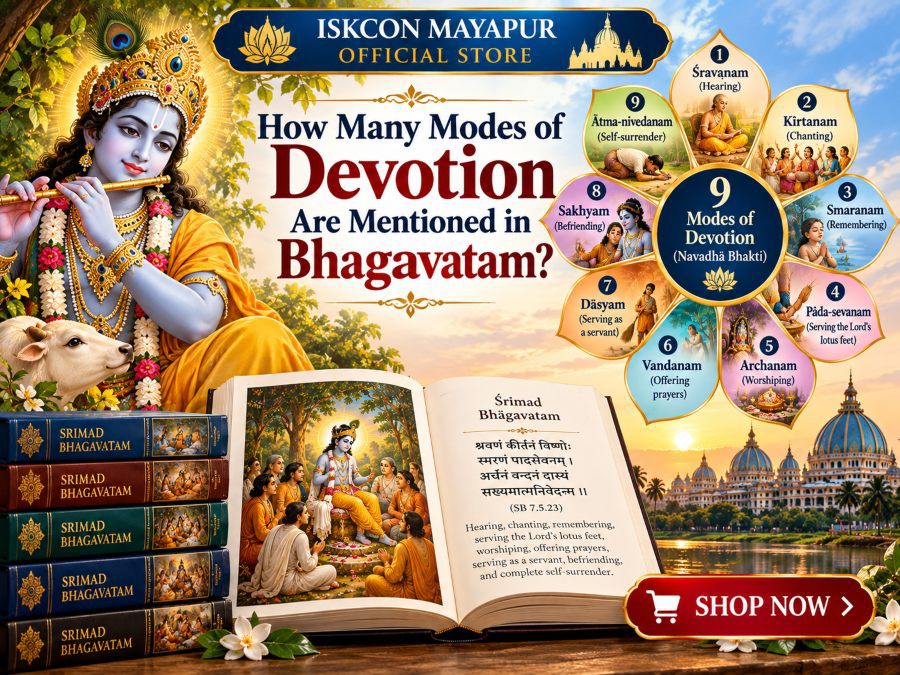 How Many Modes of Devotion Are Mentioned in Bhagavatam?Read more
A young boy named Prahlada listed nine ways to serve God, and the Bhagavatam keeps them as its answer. Learn what the...
-
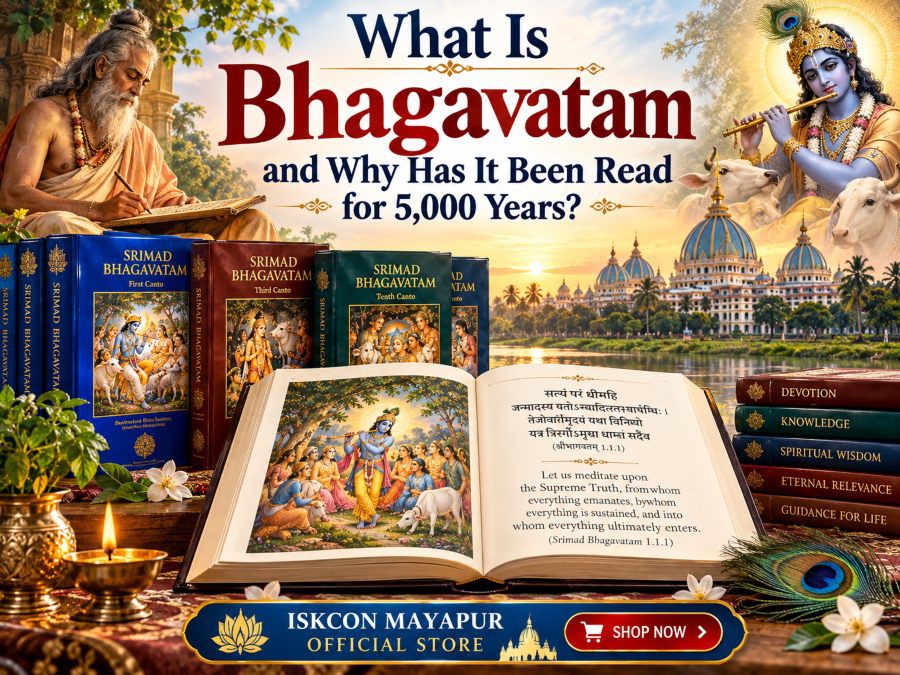 What Is Bhagavatam and Why Has It Been Read for 5,000 Years?Read more
A dying king asked one question, and the answer became the Bhagavatam. Learn what this Sanskrit scripture contains,...
-
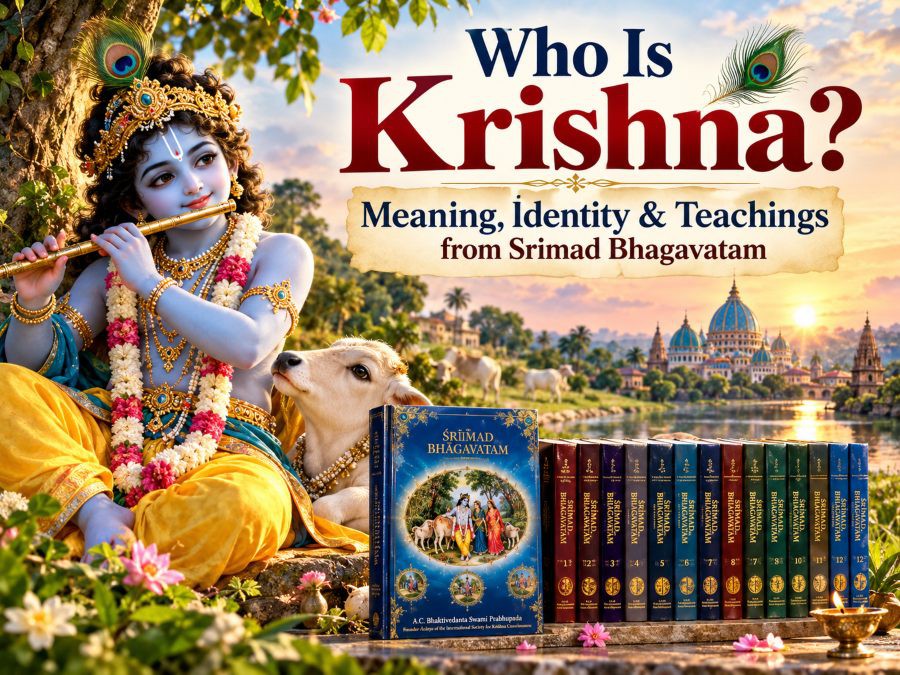 Who Is Lord Krishna? His Meaning, Teachings and Pastimes ExplainedRead more
Discover who Krishna is according to Srimad Bhagavatam, including His divine identity, childhood pastimes, teachings,...
-
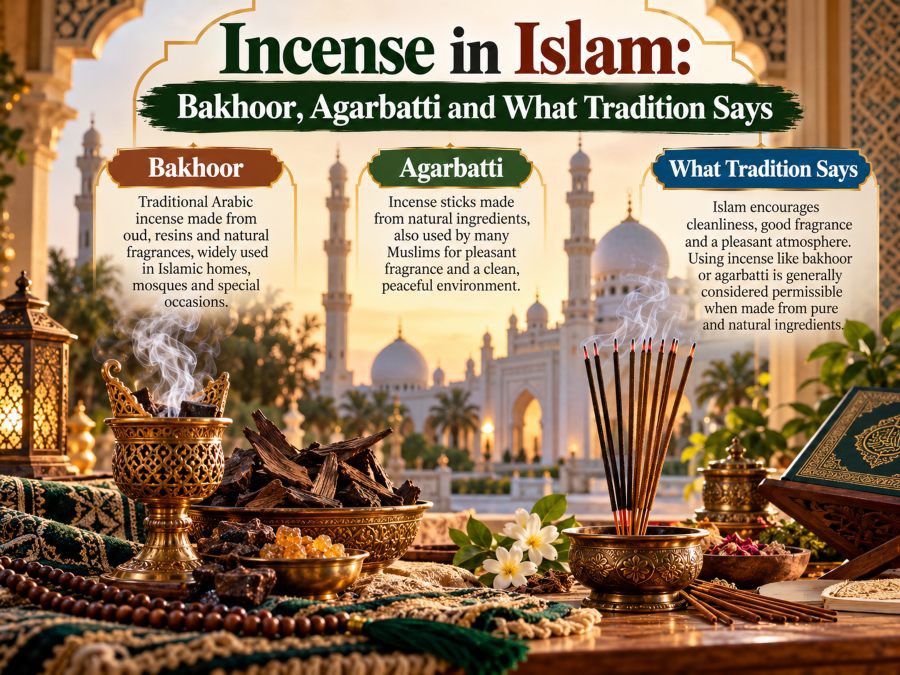 Incense in Islam: Bakhoor, Agarbatti and What Tradition SaysRead more
Is burning fragrance part of Muslim tradition? Explore incense in Islam, from the Prophetic practice of fumigating...
-
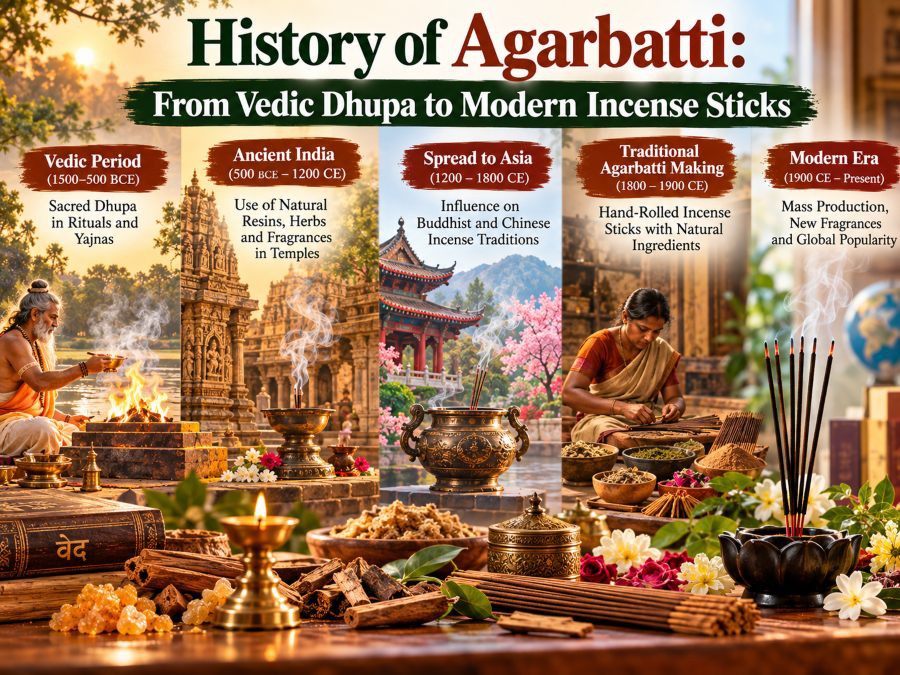 History of Agarbatti: From Vedic Dhupa to Modern Incense SticksRead more
Where did agarbatti really come from? Follow the history of agarbatti from Vedic fire rituals and temple dhupa to...
Blog categories
- Default category (0)
- MUSICAL INSTRUMENT (1)
- BOOK (5)
- DEVOTIONAL GIFT (0)
- Blog (30) click
- CHANDAN (12)
- Bhagavatam Wisdom Series (68)
- Krishna Consciousness (14)
- Mridangam Musical Instrument (6)
- Bhagavad Gita for Beginners (13)
- Bhagavad Gita As It Is (37) click
- Bhagavad Gita As It Is Telugu (0)
- Bhagavad Gita As It Is Marathi (0)
- Bhagavad Gita As It Is In Hindi (0)
- Bhagavad Gita As It Is In English (0)
- Bhagavad Gita As It Is In Bengali (8)
- Bhagavad Gita As It Is In Kannada (0)
- Bhagavad Gita As It Is In Gujarati (0)
- Bhagavad Gita As It Is In Panjabi (0)
- Bhagavad Gita As It Is In Tamil (0)
- Bhagavad Gita As It Is Odia (0)
- BHAGAVAD GITA As It Is GERMAN (0)
- Bhagavad Gita As It Is In French (0)
- Bhagavad Gita As It Is In Nepali (0)
- Bhagavad Gita As It Is In Assamese (0)
- Incense or Agarbatti (38)
- Lord Chaitanya Mahaprabhu (3)
- Vedic Temple Mayapur (14)
- kalki (15)
- Mahabharata – Dharma & Destiny (27)
- Vaishnava Scriptures (4)
- healthy product (4)
- chaitanya mahaprabhu (5)
- Tulsi Mala Guide (17)
Search in blog
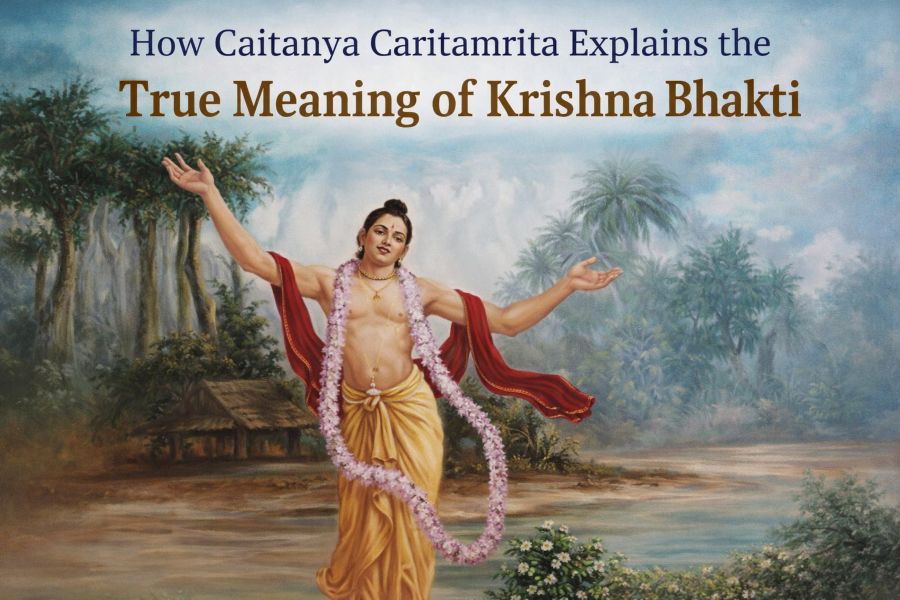
How Caitanya Caritamrita Explains the True Meaning of Krishna Bhakti
How Caitanya Caritamrita Explains the True Meaning of Krishna Bhakti
The concept of Krishna bhakti, or loving devotion to Lord Krishna, lies at the heart of the Vaishnava spiritual tradition. While many sacred texts discuss devotion in different ways, few works explain its true essence as deeply and beautifully as the Caitanya Caritamrita. This remarkable scripture reveals not only the philosophy of devotion but also the living example of divine love through the life and teachings of Sri Caitanya Mahaprabhu.
For seekers who wish to understand the deeper meaning of Krishna bhakti, studying authentic scriptures becomes essential. Many devotees around the world obtain these sacred texts and related spiritual resources through trusted sources like the Official Mayapur Store, where classical Gaudiya Vaishnava literature is preserved and shared with sincere readers.
The Caitanya Caritamrita stands out among spiritual writings because it combines theology, history, philosophy, and devotional emotion into one unified work. Written by Krishnadasa Kaviraja Goswami in the 16th century, the book narrates the divine pastimes of Lord Caitanya while explaining the profound principles of pure devotion.
Through its teachings, readers discover that Krishna bhakti is not merely a ritualistic practice or philosophical concept. Instead, it is a deeply personal relationship between the soul and the Supreme Personality of Godhead. Understanding this relationship transforms spiritual life from a formal duty into an experience of divine love and joy.
The Historical Context of Caitanya Caritamrita
To appreciate how Caitanya Caritamrita explains Krishna bhakti, it is important to understand the historical setting in which the text was written. During the 15th and 16th centuries, devotional movements were spreading across India, emphasizing a personal connection with God through love and surrender.

Sri Caitanya Mahaprabhu emerged as one of the most influential spiritual leaders of this era. Born in Navadvipa in Bengal, He inspired a powerful movement centered on the chanting of the holy names of Krishna.
Krishnadasa Kaviraja Goswami composed Caitanya Caritamrita decades after Lord Caitanya’s earthly pastimes. Drawing from earlier biographies, eyewitness accounts, and personal realization, he presented a detailed narrative of the Lord’s life and mission.
The text is divided into three main sections:
- Adi-lila – describing Lord Caitanya’s divine identity and early pastimes
- Madhya-lila – focusing on His teachings and missionary activities
- Antya-lila – revealing the deepest expressions of divine love and spiritual ecstasy
Each section contributes to a complete understanding of Krishna bhakti as taught by Lord Caitanya.
Krishna Bhakti as the Ultimate Goal of Life
One of the central teachings of Caitanya Caritamrita is that the highest purpose of human life is the development of pure love for Krishna. According to the text, all spiritual practices ultimately aim at awakening this divine love within the heart.
Material achievements such as wealth, power, or prestige cannot provide lasting fulfillment. Even spiritual goals like liberation or mystical powers are considered secondary compared to the experience of pure devotion.
Krishna bhakti is described as the natural state of the soul. Just as a river naturally flows toward the ocean, the soul naturally seeks a loving connection with the Supreme.
However, this relationship often becomes hidden by material desires and ego. The teachings of Lord Caitanya guide devotees in rediscovering their original spiritual identity through devotion, humility, and sincere practice.
The Role of the Holy Name in Krishna Bhakti
A major theme in Caitanya Caritamrita is the importance of chanting the holy names of Krishna. Lord Caitanya emphasized that in the present age, the simplest and most effective spiritual practice is the chanting of the Hare Krishna maha-mantra.
The text explains that the holy name is not merely a symbolic representation of God. Instead, it is considered spiritually identical with the Supreme.
When devotees chant the holy name with sincerity and devotion, they directly connect with Krishna’s divine presence.
This practice gradually purifies the heart, removes material attachments, and awakens spiritual awareness. Through continuous chanting, the dormant love for Krishna begins to manifest naturally.
Caitanya Caritamrita repeatedly emphasizes that chanting should be done with humility, patience, and respect for others. These qualities allow the holy name to reveal its full spiritual potency.
The Philosophy of Achintya Bheda Abheda
Another profound concept explained in Caitanya Caritamrita is the philosophy known as Achintya Bheda Abheda, meaning “inconceivable simultaneous oneness and difference.”
This philosophy teaches that the individual soul is both one with and different from the Supreme Lord.
Just as sparks are part of a fire yet remain distinct, living beings share the spiritual nature of God while maintaining their individual identities.
This understanding resolves many philosophical debates about the relationship between God and the soul.
By recognizing both unity and difference, devotees can appreciate the personal relationship between Krishna and His devotees.
Krishna bhakti becomes meaningful because it allows the soul to express love, service, and devotion toward the Supreme Person.
The Example of Lord Caitanya’s Life
The life of Sri Caitanya Mahaprabhu itself serves as the most powerful demonstration of Krishna bhakti. Throughout Caitanya Caritamrita, readers witness extraordinary expressions of devotion and divine love.
Lord Caitanya spent His later years absorbed in deep spiritual ecstasy, constantly remembering Krishna and expressing intense longing for the divine.
His interactions with devotees revealed compassion, humility, and profound spiritual wisdom.
Through His example, Caitanya showed that true devotion is not limited to scholarly knowledge or religious rituals. Instead, it arises from sincere love and dedication.
The narratives of His travels, teachings, and spiritual experiences inspire readers to cultivate their own devotional practices.
The Importance of Devotional Association
Caitanya Caritamrita also emphasizes the value of associating with sincere devotees. Spiritual growth becomes easier when individuals surround themselves with people who share similar values and aspirations.
Devotional association provides guidance, encouragement, and inspiration.
Through discussions, chanting, and shared service, devotees strengthen their faith and deepen their understanding of Krishna bhakti.
The text repeatedly highlights how Lord Caitanya’s followers supported one another in their spiritual journeys.
This community of devotees played a crucial role in spreading the message of bhakti throughout India and eventually across the world.
The Transformative Power of Divine Love
Perhaps the most beautiful aspect of Caitanya Caritamrita is its description of divine love, or prema.
Prema represents the highest stage of devotion, where the devotee’s heart becomes completely absorbed in love for Krishna.
At this stage, devotion is no longer motivated by personal desires or expectations.
Instead, it becomes a pure expression of love and service.
The text describes how such love transforms the consciousness of the devotee, bringing profound joy, compassion, and spiritual realization.
Readers who encounter these descriptions often feel inspired to deepen their own spiritual practices and seek a closer relationship with Krishna.
Relevance of Krishna Bhakti in the Modern World
Although Caitanya Caritamrita was written centuries ago, its teachings remain highly relevant today.
Modern life often creates stress, distraction, and emotional imbalance. In such an environment, the principles of Krishna bhakti offer a path toward inner peace and spiritual fulfillment.
Practices such as chanting, studying sacred texts, and engaging in devotional service provide a meaningful way to reconnect with spiritual values.
Many people who explore these teachings discover that Krishna bhakti offers a practical and uplifting approach to spiritual life.
Rather than rejecting the world, it encourages individuals to transform their daily activities into acts of devotion.
Why Caitanya Caritamrita Remains a Timeless Guide
Among the vast body of Vedic literature, Caitanya Caritamrita occupies a unique place because it integrates philosophy, devotion, and historical narrative.
Its verses draw upon earlier scriptures such as the Bhagavad-gita and the Srimad-Bhagavatam while presenting a distinct perspective centered on divine love.
Readers who study this text gain both intellectual understanding and emotional inspiration.
The teachings remain timeless because they address universal human questions about purpose, identity, and the nature of happiness.
For centuries, devotees have turned to Caitanya Caritamrita as a guide for spiritual growth and self-realization.
Conclusion: The Living Message of Krishna Bhakti
Caitanya Caritamrita offers one of the most profound explanations of Krishna bhakti ever recorded in spiritual literature. Through philosophical teachings, historical narratives, and expressions of divine love, the text reveals the true essence of devotion.
It teaches that the ultimate goal of life is not material success or intellectual achievement but the awakening of pure love for Krishna.
This love transforms the heart, bringing peace, joy, and spiritual fulfillment.
By studying the life and teachings of Sri Caitanya Mahaprabhu, readers gain a deeper appreciation for the path of devotion and the power of the holy name.
Even centuries after its composition, Caitanya Caritamrita continues to inspire spiritual seekers around the world.
For anyone who wishes to understand the true meaning of Krishna bhakti, this timeless scripture remains an invaluable guide—one that illuminates the path of devotion and reveals the beauty of divine love.
Posted in: Chaitanya mahaprabhu
Related posts
-
 7 Life-Changing Lessons from Caitanya Caritamrita for Spiritual GrowthDiscover seven powerful lessons from Caitanya Caritamrita that guide modern spiritual seekers toward humility,...Read more
 -
 The Spiritual Science of Love: What Caitanya Caritamrita Teaches About PremaExplore how Caitanya Caritamrita reveals the spiritual science of divine love (prema) and explains the highest goal...Read more
 -
 Why Caitanya Caritamrita is Considered the Post-Graduate Study of Srimad BhagavatamLearn why Caitanya Caritamrita is called the post-graduate study of Srimad Bhagavatam and how it reveals the deepest...Read more
 -
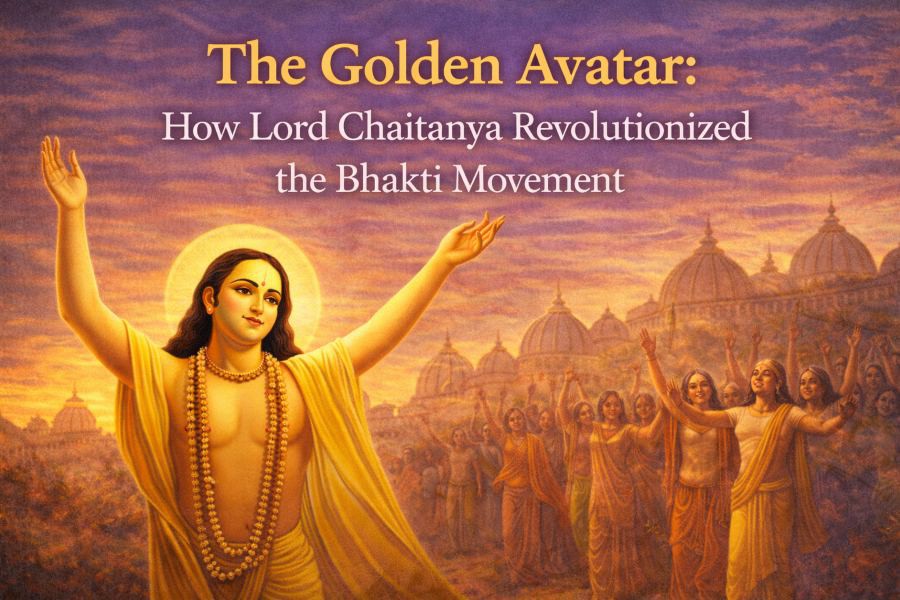 The Golden Avatar: How Lord Chaitanya Revolutionized the Bhakti MovementLearn how Lord Chaitanya Mahaprabhu, known as the Golden Avatar, transformed the Bhakti movement through sankirtan,...Read more
Leave a comment