
Why did Krishna run to embrace a poor brahmin in rags? Read the Sudama story from the Bhagavatam and learn how a...
Latest posts
-
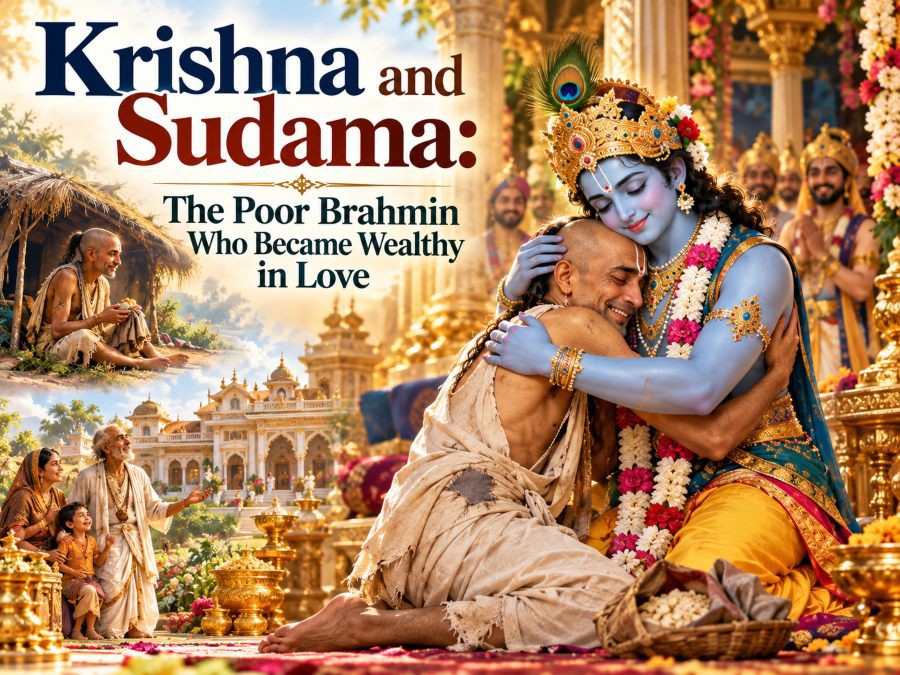 Krishna and Sudama: The Poor Brahmin Who Became Wealthy in LoveRead more
 -
 Vamana Avatar: How Three Steps Humbled Bali MaharajaRead more
Why did a powerful king give away three worlds to a boy asking for three steps? Learn the Vamana avatar story from...
-
 The Bhagavatam on Marriage: Duty, Love and Spiritual PartnershipRead more
What does the Bhagavatam say about marriage? Through the stories of Kardama and Devahuti, Rukmini's secret letter and...
-
 What Is Prema? The Bhagavatam's Highest Stage of Love for GodRead more
Prema is love for God with no "because" attached. Learn how the Bhagavatam describes it, the nine steps from faith to...
-
 Is Shiva Parvati Kalyana Mentioned in Srimad Bhagavatam? What the Scripture Really SaysRead more
Looking for Shiva and Parvati's wedding in the Srimad Bhagavatam? Find out what the scripture actually describes,...
-
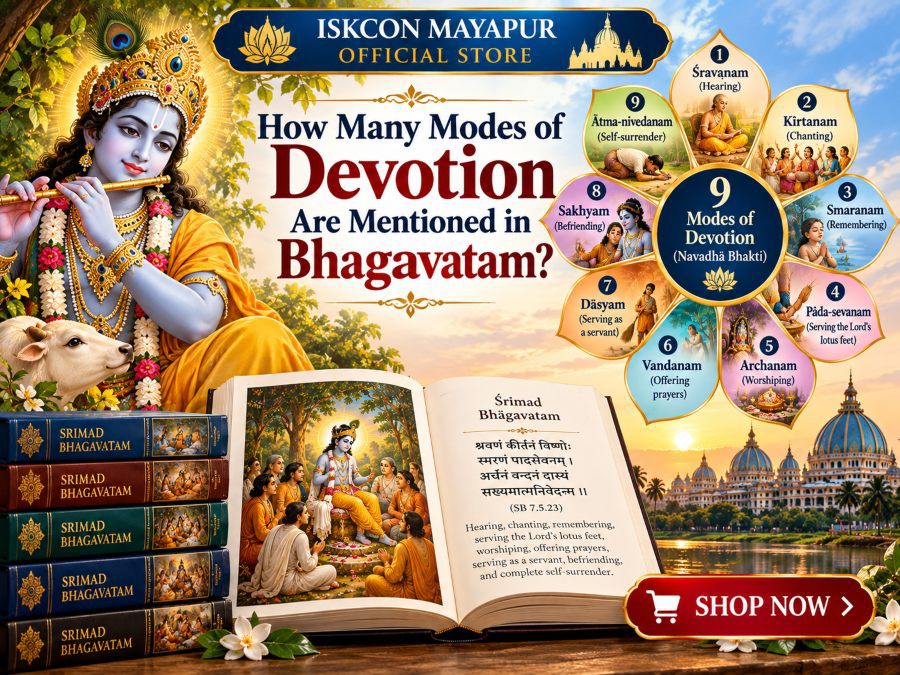 How Many Modes of Devotion Are Mentioned in Bhagavatam?Read more
A young boy named Prahlada listed nine ways to serve God, and the Bhagavatam keeps them as its answer. Learn what the...
-
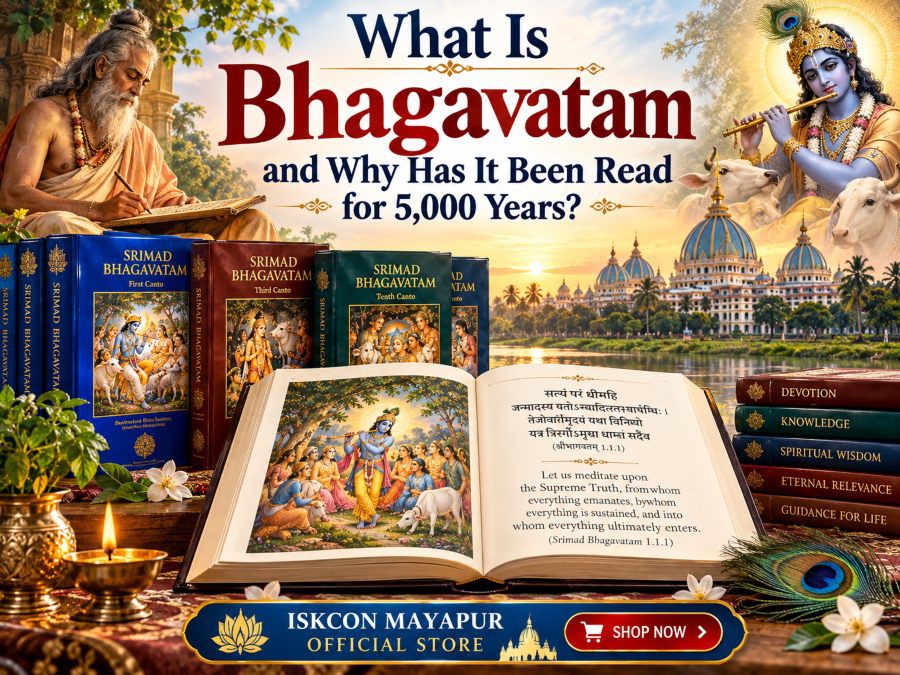 What Is Bhagavatam and Why Has It Been Read for 5,000 Years?Read more
A dying king asked one question, and the answer became the Bhagavatam. Learn what this Sanskrit scripture contains,...
-
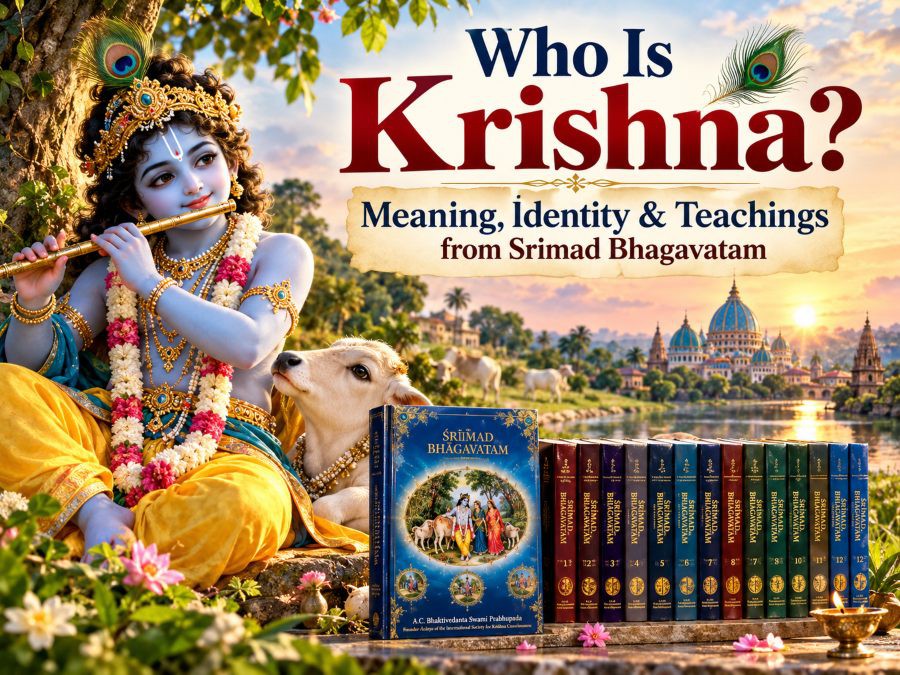 Who Is Lord Krishna? His Meaning, Teachings and Pastimes ExplainedRead more
Discover who Krishna is according to Srimad Bhagavatam, including His divine identity, childhood pastimes, teachings,...
-
 Incense in Islam: Bakhoor, Agarbatti and What Tradition SaysRead more
Is burning fragrance part of Muslim tradition? Explore incense in Islam, from the Prophetic practice of fumigating...
-
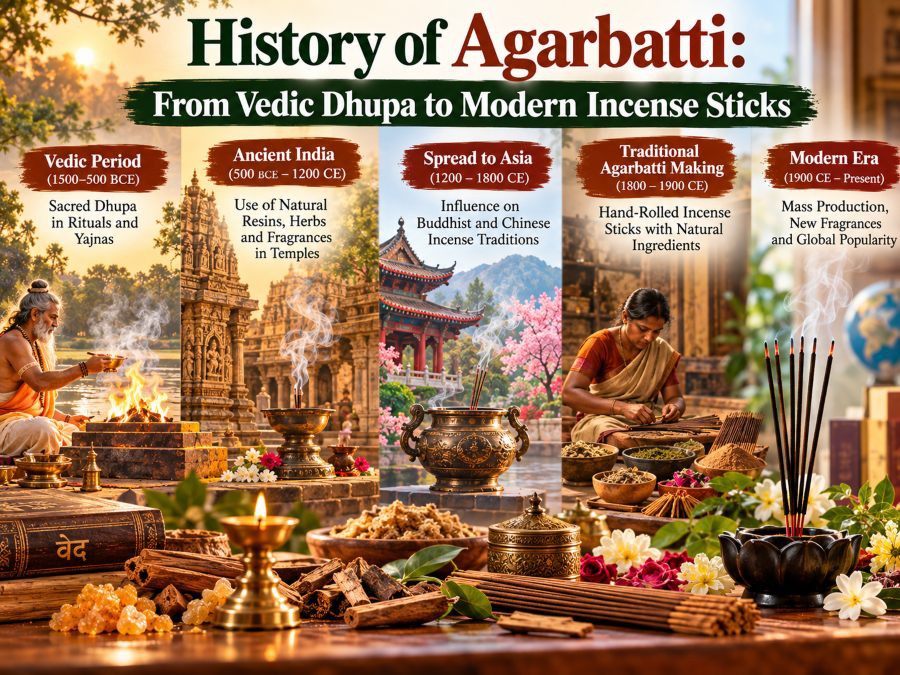 History of Agarbatti: From Vedic Dhupa to Modern Incense SticksRead more
Where did agarbatti really come from? Follow the history of agarbatti from Vedic fire rituals and temple dhupa to...
Blog categories
- Default category (0)
- MUSICAL INSTRUMENT (1)
- BOOK (5)
- DEVOTIONAL GIFT (0)
- Blog (30) click
- CHANDAN (12)
- Bhagavatam Wisdom Series (68)
- Krishna Consciousness (14)
- Mridangam Musical Instrument (6)
- Bhagavad Gita for Beginners (13)
- Bhagavad Gita As It Is (37) click
- Bhagavad Gita As It Is Telugu (0)
- Bhagavad Gita As It Is Marathi (0)
- Bhagavad Gita As It Is In Hindi (0)
- Bhagavad Gita As It Is In English (0)
- Bhagavad Gita As It Is In Bengali (8)
- Bhagavad Gita As It Is In Kannada (0)
- Bhagavad Gita As It Is In Gujarati (0)
- Bhagavad Gita As It Is In Panjabi (0)
- Bhagavad Gita As It Is In Tamil (0)
- Bhagavad Gita As It Is Odia (0)
- BHAGAVAD GITA As It Is GERMAN (0)
- Bhagavad Gita As It Is In French (0)
- Bhagavad Gita As It Is In Nepali (0)
- Bhagavad Gita As It Is In Assamese (0)
- Incense or Agarbatti (38)
- Lord Chaitanya Mahaprabhu (3)
- Vedic Temple Mayapur (14)
- kalki (15)
- Mahabharata – Dharma & Destiny (27)
- Vaishnava Scriptures (4)
- healthy product (4)
- chaitanya mahaprabhu (5)
- Tulsi Mala Guide (17)
Search in blog
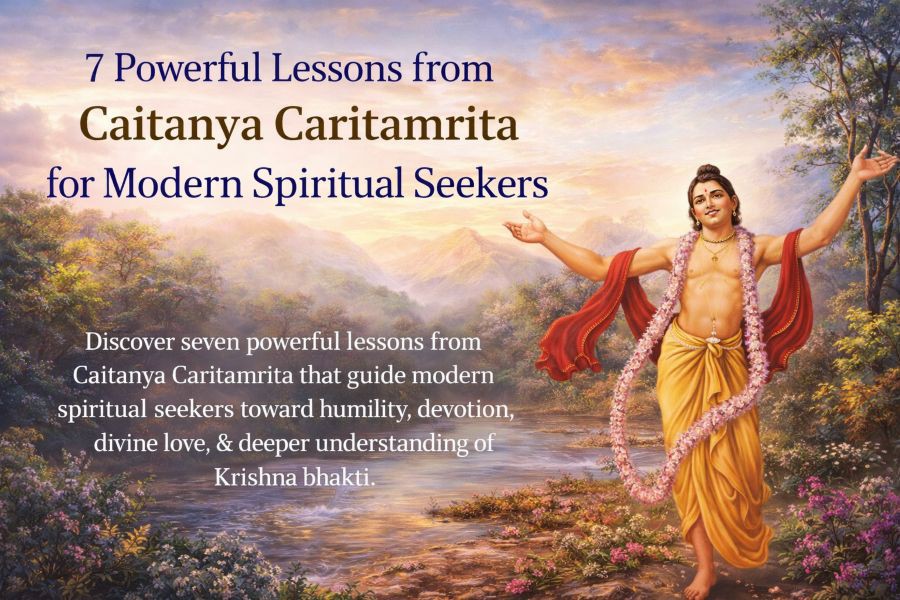
7 Life-Changing Lessons from Caitanya Caritamrita for Spiritual Growth
7 Powerful Lessons from Caitanya Caritamrita for Modern Spiritual Seekers
In an age defined by rapid technological progress, constant distractions, and a growing search for inner peace, many people are turning toward spiritual traditions to find deeper meaning in life. Among the timeless spiritual texts of the Vedic tradition, the Caitanya Caritamrita stands as a profound guide for anyone seeking authentic spiritual understanding. This remarkable scripture captures the life, teachings, and divine mission of Sri Caitanya Mahaprabhu, one of the most influential spiritual figures in the history of devotional philosophy.
The Caitanya Caritamrita, written by Krishnadasa Kaviraja Goswami in the sixteenth century, offers a detailed account of Lord Caitanya’s teachings on pure devotion, divine love, and the transformative power of chanting the holy names of God. Through philosophical discussions, devotional narratives, and spiritual insights, the text reveals the deeper essence of bhakti, or loving devotion to the Supreme.
For readers who wish to understand the profound spiritual wisdom contained in the Teachings of Lord Chaitanya Mahaprabhu, the Caitanya Caritamrita provides an extraordinary foundation. Its lessons are not limited to a specific time or culture; rather, they address universal questions about purpose, happiness, and the relationship between the soul and the Supreme.
Modern spiritual seekers often face challenges such as stress, confusion, and a sense of disconnection from deeper values. The teachings of Caitanya Mahaprabhu offer powerful guidance that helps individuals reconnect with their spiritual identity and cultivate a life centered on devotion and compassion.
In this article, we will explore seven powerful lessons from the Caitanya Caritamrita that continue to inspire spiritual seekers around the world.
Lesson 1: True Spiritual Happiness Comes from Devotion
One of the most important lessons from the Caitanya Caritamrita is that lasting happiness cannot be found in material success alone. Modern society often emphasizes wealth, status, and achievements as the keys to fulfillment, yet many people discover that these accomplishments do not bring lasting peace.

According to the teachings of Lord Caitanya, the soul’s natural function is loving service to Krishna, the Supreme Personality of Godhead. When the soul reconnects with its divine source through devotion, it experiences genuine happiness that transcends temporary material pleasures.
Devotion, or bhakti, is not simply a ritual or obligation. It is a heartfelt relationship with the divine that transforms everyday life into a spiritual experience. Through sincere devotional practices, individuals begin to experience a sense of purpose and joy that cannot be diminished by external circumstances.
Lesson 2: The Holy Name Has Transformative Power
A central teaching of Caitanya Mahaprabhu is the chanting of the holy names of God. The Caitanya Caritamrita repeatedly emphasizes that in the present age, spiritual progress becomes most accessible through the chanting of the Hare Krishna maha-mantra.
The holy name is considered spiritually identical to the Supreme Lord. Therefore, chanting the holy names allows individuals to connect directly with divine energy.
Modern spiritual seekers often look for meditation techniques or mindfulness practices to calm the mind. Chanting the holy name provides a powerful form of meditation that purifies the heart and gradually awakens spiritual awareness.
Through sincere chanting, negative emotions, material attachments, and mental disturbances begin to fade, making space for peace, clarity, and devotion.
Lesson 3: Humility Is the Foundation of Spiritual Growth
Another powerful lesson from the Caitanya Caritamrita is the importance of humility. Lord Caitanya taught that true spiritual advancement begins when a person develops genuine humility and respect for others.
One of the most famous teachings associated with Lord Caitanya states that a devotee should be humbler than a blade of grass and more tolerant than a tree.
In modern society, humility is often misunderstood as weakness. However, in spiritual life, humility represents inner strength and wisdom.
A humble heart becomes open to learning, transformation, and divine grace. Without humility, spiritual knowledge remains superficial.
By cultivating humility, individuals can overcome ego-driven behavior and develop deeper compassion and understanding toward others.
Lesson 4: Spiritual Association Strengthens Faith
The Caitanya Caritamrita emphasizes the importance of associating with sincere devotees. Spiritual growth rarely happens in isolation; it flourishes through meaningful relationships with those who share similar spiritual goals.
In Lord Caitanya’s movement, devotees regularly gathered to chant the holy names, discuss spiritual philosophy, and support one another on the path of devotion.
For modern seekers, spiritual community can play a crucial role in maintaining motivation and clarity. Association with like-minded individuals provides encouragement during difficult times and helps deepen one’s understanding of spiritual teachings.
Through shared practices and discussions, spiritual communities create an environment where devotion naturally grows.
Lesson 5: Spiritual Knowledge Must Be Practiced
The Caitanya Caritamrita teaches that spiritual wisdom should not remain confined to intellectual understanding. Knowledge becomes meaningful only when it is applied in daily life.
Many people enjoy reading spiritual books or attending lectures, yet real transformation occurs when those teachings influence one’s actions and character.
Lord Caitanya demonstrated this principle through His own life. He did not simply preach devotion; He lived it fully through humility, compassion, and dedication to spreading the holy name.
Modern spiritual seekers can apply this lesson by incorporating devotional practices into everyday routines. Acts such as chanting, studying sacred texts, serving others, and practicing gratitude gradually transform the heart.
Lesson 6: Love for God Is the Highest Spiritual Achievement
The Caitanya Caritamrita describes the ultimate goal of spiritual life as prema, or pure love for Krishna. This love represents the highest stage of devotion, where the devotee’s heart becomes fully absorbed in the divine.
Unlike ordinary emotions, divine love is unconditional and selfless. It arises naturally when the heart becomes purified through devotional practices.
At this stage, devotion is no longer motivated by personal desires or expectations. Instead, it becomes an expression of genuine love and service.
The text beautifully describes the intense spiritual emotions experienced by Lord Caitanya and His associates as they immersed themselves in love for Krishna.
For modern seekers, this teaching reminds us that spiritual life is not merely about discipline or philosophy—it is ultimately about awakening divine love within the heart.
Lesson 7: Compassion and Sharing Spiritual Wisdom
A final lesson from the Caitanya Caritamrita is the importance of compassion and sharing spiritual knowledge with others.
Lord Caitanya encouraged His followers to spread the message of devotion so that people everywhere could experience the joy of Krishna bhakti.
This mission was not driven by religious competition but by genuine compassion for humanity. Lord Caitanya believed that everyone deserves the opportunity to reconnect with their spiritual identity.
Modern spiritual seekers can embody this lesson by sharing wisdom through kindness, example, and thoughtful conversations.
Acts of compassion, service, and encouragement help create a more harmonious world while spreading spiritual awareness.
Why These Lessons Matter Today
Although the Caitanya Caritamrita was written centuries ago, its teachings remain incredibly relevant in the modern world. The challenges faced by contemporary society—stress, loneliness, and spiritual confusion—can often be addressed through the principles of devotion, humility, and compassion.
The lessons presented in this sacred text encourage individuals to cultivate inner peace while developing meaningful connections with others and with the divine.
Rather than rejecting modern life, these teachings provide tools for transforming daily experiences into opportunities for spiritual growth.
Through practices such as chanting, study, and service, individuals can bring spiritual awareness into every aspect of life.
The Timeless Influence of Caitanya Caritamrita
For centuries, the Caitanya Caritamrita has inspired countless spiritual seekers, scholars, and devotees. Its blend of philosophy, devotion, and historical narrative makes it one of the most influential texts within the Gaudiya Vaishnava tradition.
The scripture not only preserves the life and teachings of Lord Caitanya but also reveals the deeper meaning of Krishna bhakti and the transformative power of divine love.
Readers often find that each reading of the text reveals new layers of insight and inspiration, making it a lifelong companion for spiritual growth.
Conclusion: A Guide for Modern Spiritual Seekers
The teachings contained within the Caitanya Caritamrita continue to illuminate the path of devotion for people across cultures and generations. Its lessons remind us that true fulfillment comes not from external achievements but from cultivating love for the divine.
Through humility, chanting, spiritual association, and compassionate service, modern seekers can apply these teachings to create a life filled with meaning and purpose.
The seven lessons explored in this article represent only a glimpse of the profound wisdom contained within this sacred text.
For anyone seeking deeper spiritual understanding, the Caitanya Caritamrita offers timeless guidance that transforms knowledge into living devotion and reveals the beauty of Krishna bhakti in its purest form.
Posted in: Chaitanya mahaprabhu
Related posts
-
 How Caitanya Caritamrita Explains the True Meaning of Krishna BhaktiExplore how Caitanya Caritamrita explains the true meaning of Krishna bhakti, revealing the path of pure devotion,...Read more
 -
 The Spiritual Science of Love: What Caitanya Caritamrita Teaches About PremaExplore how Caitanya Caritamrita reveals the spiritual science of divine love (prema) and explains the highest goal...Read more
 -
 Why Caitanya Caritamrita is Considered the Post-Graduate Study of Srimad BhagavatamLearn why Caitanya Caritamrita is called the post-graduate study of Srimad Bhagavatam and how it reveals the deepest...Read more
 -
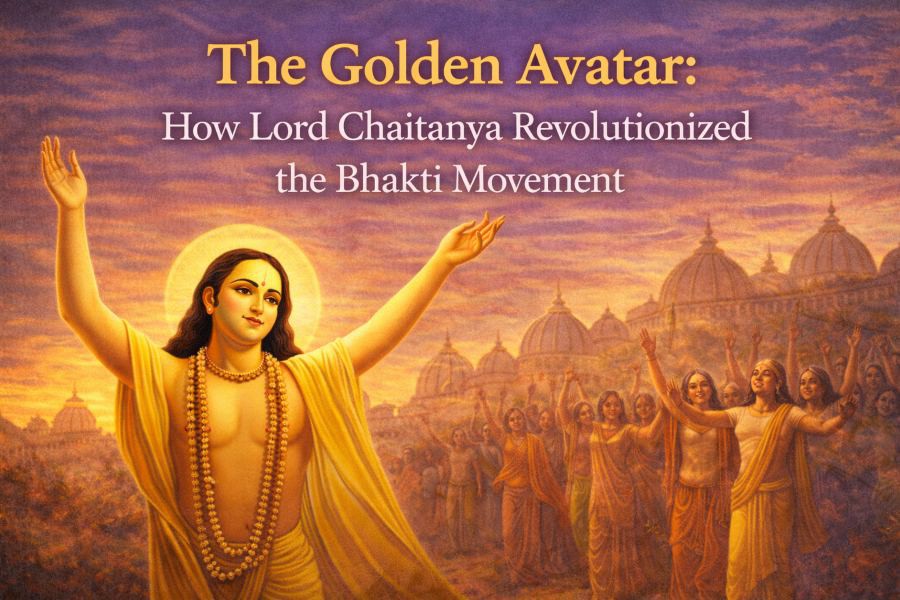 The Golden Avatar: How Lord Chaitanya Revolutionized the Bhakti MovementLearn how Lord Chaitanya Mahaprabhu, known as the Golden Avatar, transformed the Bhakti movement through sankirtan,...Read more
Leave a comment