
Why did Krishna run to embrace a poor brahmin in rags? Read the Sudama story from the Bhagavatam and learn how a...
Latest posts
-
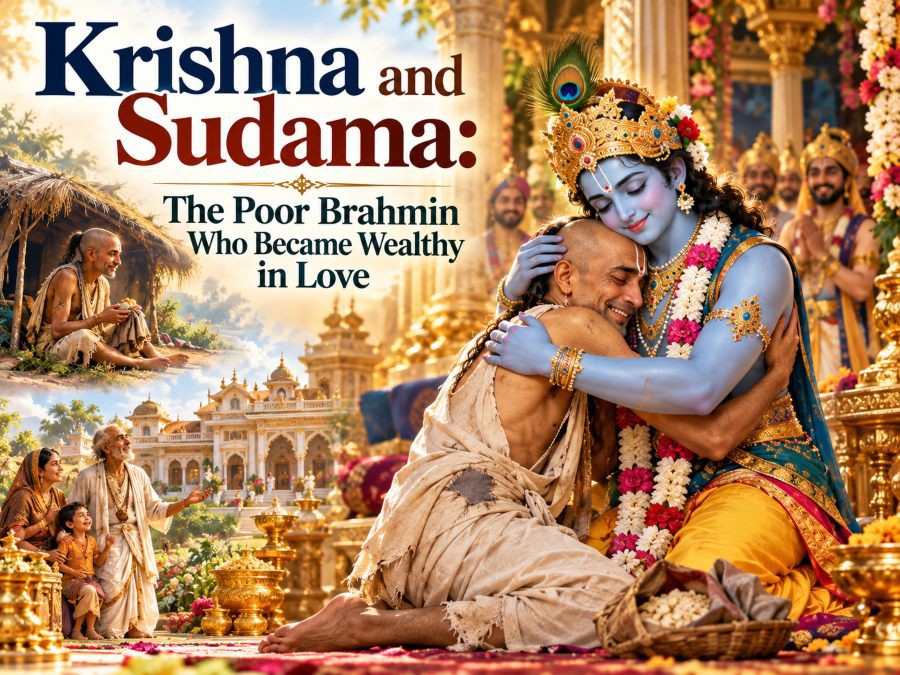 Krishna and Sudama: The Poor Brahmin Who Became Wealthy in LoveRead more
 -
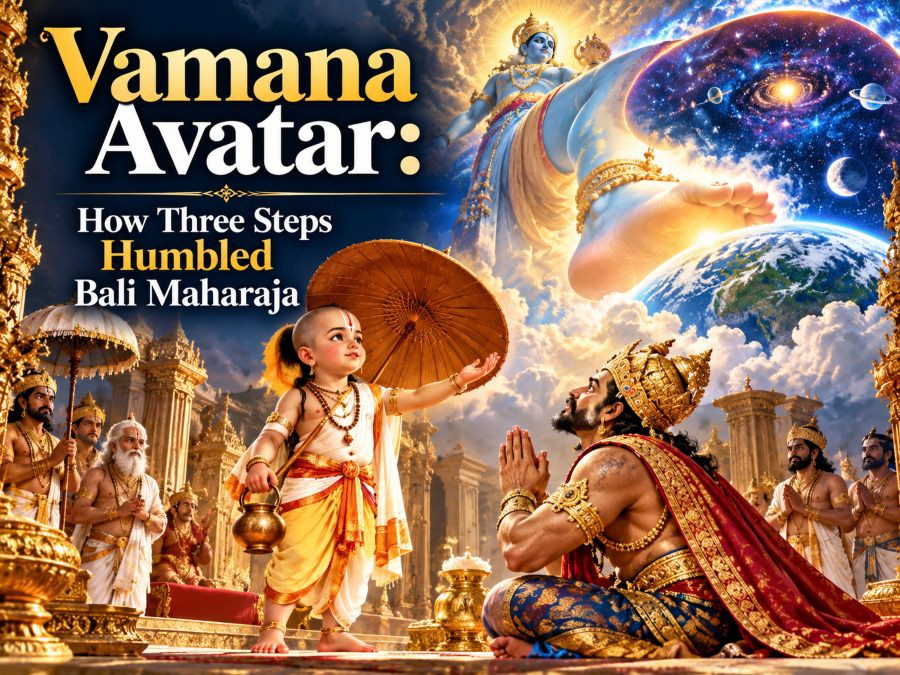 Vamana Avatar: How Three Steps Humbled Bali MaharajaRead more
Why did a powerful king give away three worlds to a boy asking for three steps? Learn the Vamana avatar story from...
-
 The Bhagavatam on Marriage: Duty, Love and Spiritual PartnershipRead more
What does the Bhagavatam say about marriage? Through the stories of Kardama and Devahuti, Rukmini's secret letter and...
-
 What Is Prema? The Bhagavatam's Highest Stage of Love for GodRead more
Prema is love for God with no "because" attached. Learn how the Bhagavatam describes it, the nine steps from faith to...
-
 Is Shiva Parvati Kalyana Mentioned in Srimad Bhagavatam? What the Scripture Really SaysRead more
Looking for Shiva and Parvati's wedding in the Srimad Bhagavatam? Find out what the scripture actually describes,...
-
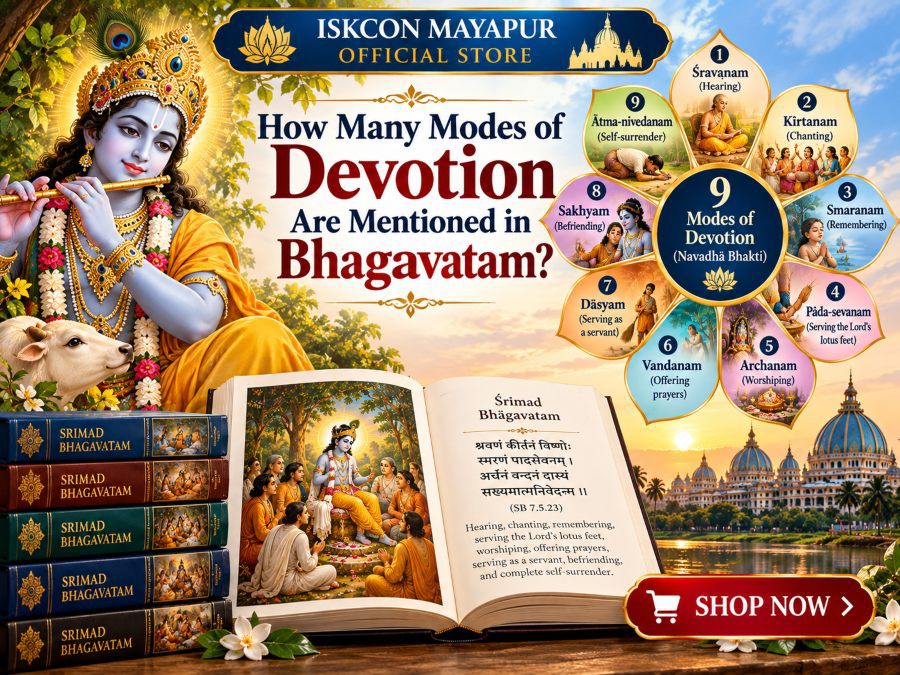 How Many Modes of Devotion Are Mentioned in Bhagavatam?Read more
A young boy named Prahlada listed nine ways to serve God, and the Bhagavatam keeps them as its answer. Learn what the...
-
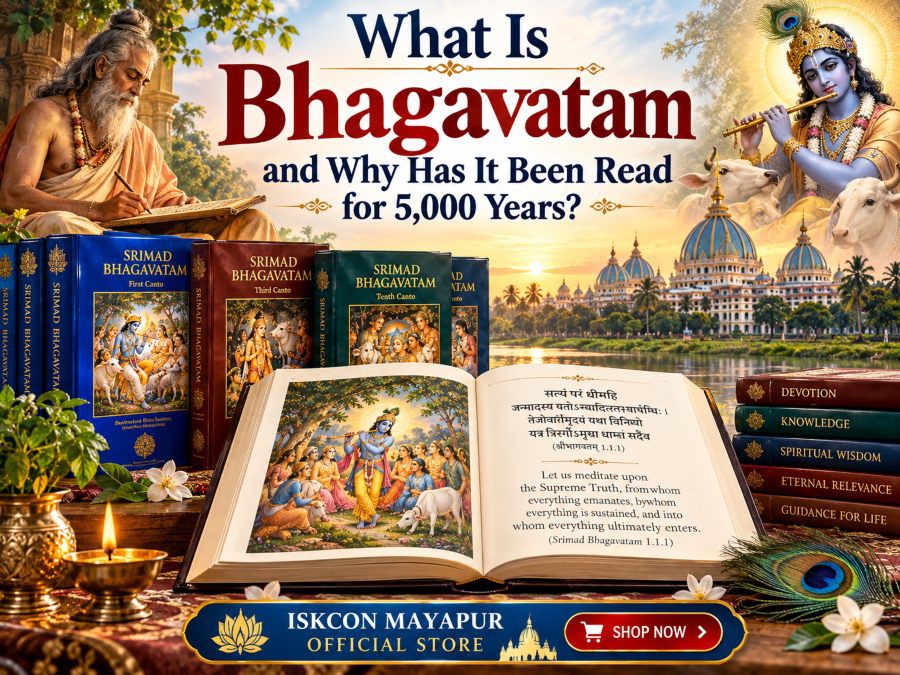 What Is Bhagavatam and Why Has It Been Read for 5,000 Years?Read more
A dying king asked one question, and the answer became the Bhagavatam. Learn what this Sanskrit scripture contains,...
-
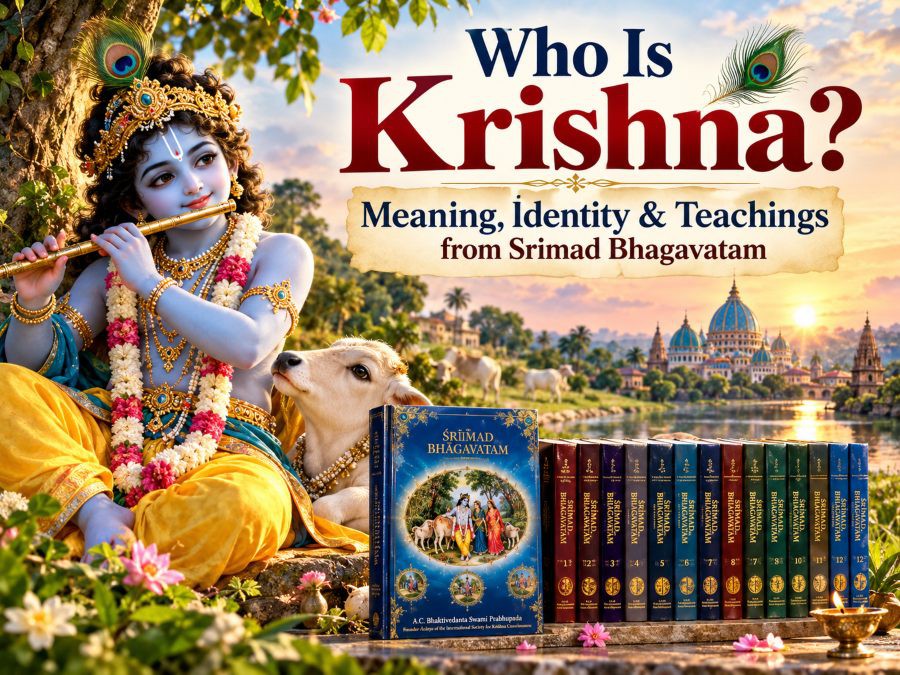 Who Is Lord Krishna? His Meaning, Teachings and Pastimes ExplainedRead more
Discover who Krishna is according to Srimad Bhagavatam, including His divine identity, childhood pastimes, teachings,...
-
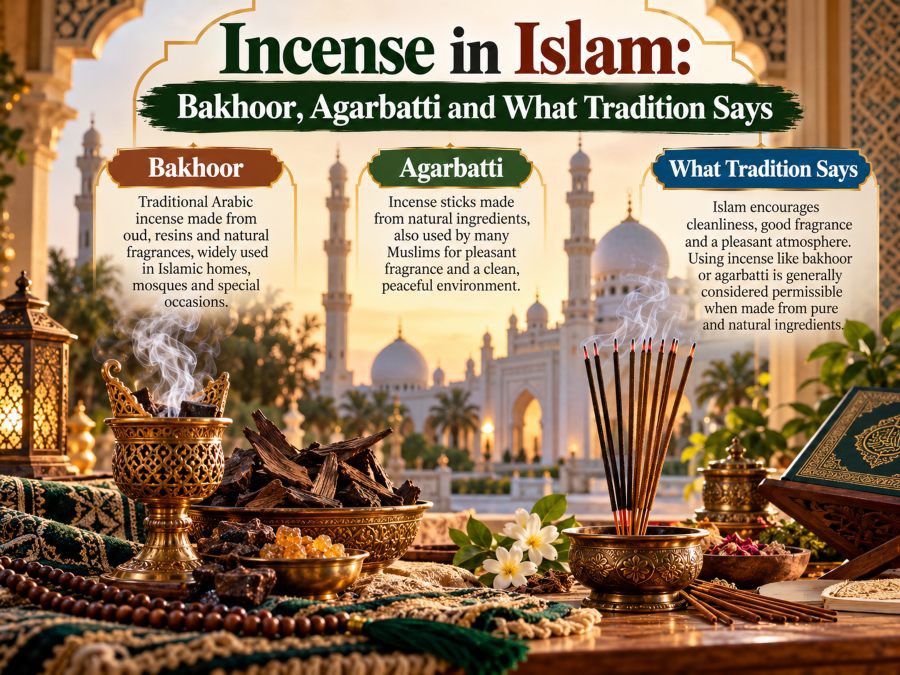 Incense in Islam: Bakhoor, Agarbatti and What Tradition SaysRead more
Is burning fragrance part of Muslim tradition? Explore incense in Islam, from the Prophetic practice of fumigating...
-
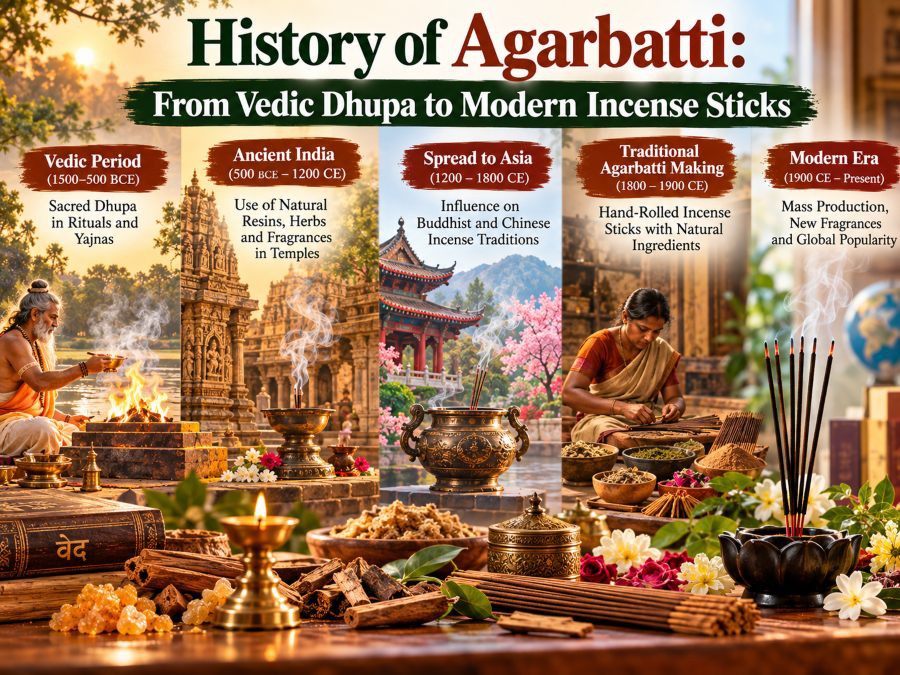 History of Agarbatti: From Vedic Dhupa to Modern Incense SticksRead more
Where did agarbatti really come from? Follow the history of agarbatti from Vedic fire rituals and temple dhupa to...
Blog categories
- Default category (0)
- MUSICAL INSTRUMENT (1)
- BOOK (5)
- DEVOTIONAL GIFT (0)
- Blog (30) click
- CHANDAN (12)
- Bhagavatam Wisdom Series (68)
- Krishna Consciousness (14)
- Mridangam Musical Instrument (6)
- Bhagavad Gita for Beginners (13)
- Bhagavad Gita As It Is (37) click
- Bhagavad Gita As It Is Telugu (0)
- Bhagavad Gita As It Is Marathi (0)
- Bhagavad Gita As It Is In Hindi (0)
- Bhagavad Gita As It Is In English (0)
- Bhagavad Gita As It Is In Bengali (8)
- Bhagavad Gita As It Is In Kannada (0)
- Bhagavad Gita As It Is In Gujarati (0)
- Bhagavad Gita As It Is In Panjabi (0)
- Bhagavad Gita As It Is In Tamil (0)
- Bhagavad Gita As It Is Odia (0)
- BHAGAVAD GITA As It Is GERMAN (0)
- Bhagavad Gita As It Is In French (0)
- Bhagavad Gita As It Is In Nepali (0)
- Bhagavad Gita As It Is In Assamese (0)
- Incense or Agarbatti (38)
- Lord Chaitanya Mahaprabhu (3)
- Vedic Temple Mayapur (14)
- kalki (15)
- Mahabharata – Dharma & Destiny (27)
- Vaishnava Scriptures (4)
- healthy product (4)
- chaitanya mahaprabhu (5)
- Tulsi Mala Guide (17)
Search in blog
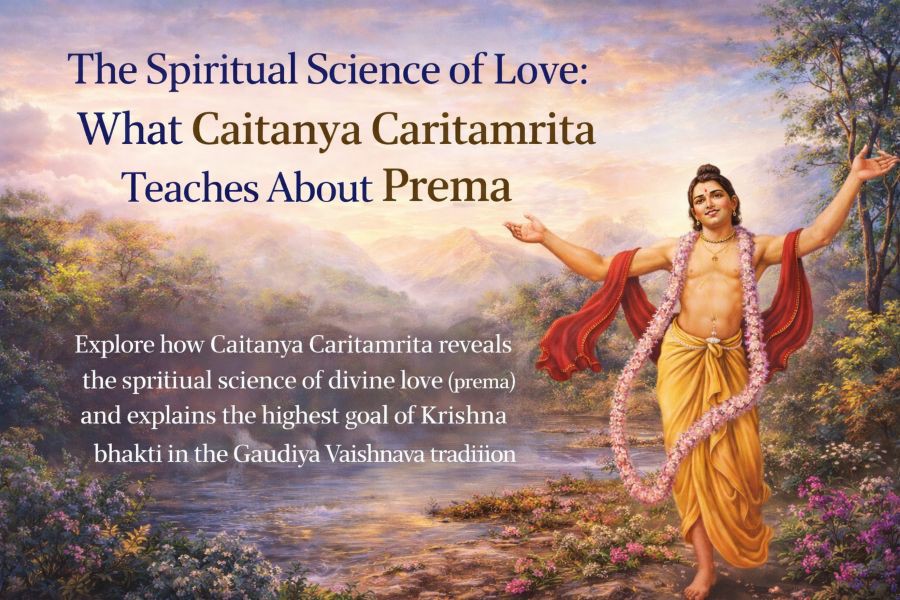
The Spiritual Science of Love: What Caitanya Caritamrita Teaches About Prema
The Spiritual Science of Love: What Caitanya Caritamrita Teaches About Prema
Throughout human history, love has been one of the most powerful and transformative forces shaping human experience. Yet spiritual traditions often distinguish between ordinary emotional affection and a deeper form of divine love that connects the soul to the Supreme. In the Gaudiya Vaishnava tradition, this highest form of spiritual love is known as prema, a pure and unconditional devotion directed toward Lord Krishna.
Among the sacred texts that explore this profound spiritual concept, the Caitanya Caritamrita occupies a unique and revered position. Written in the sixteenth century by Krishnadasa Kaviraja Goswami, the text presents the life, teachings, and divine mission of Sri Caitanya Mahaprabhu. More than a historical narrative, it serves as a philosophical guide that reveals the deepest dimensions of bhakti and the ultimate goal of spiritual life—awakening pure love for God.
For spiritual seekers and scholars who wish to explore authentic devotional teachings, many turn to preserved collections of Vedic scriptures on Mayapur Store, where classical works such as Caitanya Caritamrita continue to inspire readers worldwide.
What makes this text particularly remarkable is its explanation of prema not merely as an emotion but as a spiritual science. It carefully describes the stages of devotion, the transformation of the heart, and the profound relationship between the individual soul and the Supreme Personality of Godhead.
In a world where love is often misunderstood or reduced to temporary feelings, the teachings of Caitanya Caritamrita provide a deeper understanding of love as a spiritual reality. By examining its insights, modern readers can discover how divine love transcends ordinary experience and leads to the highest spiritual fulfillment.
The Meaning of Prema in the Bhakti Tradition
In Sanskrit, the word prema refers to the purest form of love, one that is entirely free from selfish motives. Unlike ordinary affection, which is often influenced by personal desires or expectations, prema is unconditional and centered entirely on the happiness of the beloved.
Within the Gaudiya Vaishnava tradition, this divine love is directed toward Lord Krishna. The Caitanya Caritamrita explains that every living being has an eternal relationship with Krishna, but this relationship becomes obscured by material attachments and ignorance.

Through devotional practice, however, the soul gradually awakens its natural love for the Supreme. When this love reaches its highest stage, it manifests as prema, a state of profound spiritual joy and emotional intimacy with the divine.
This understanding transforms the concept of spirituality from a system of rituals or philosophical ideas into a deeply personal relationship with God.
Caitanya Mahaprabhu: The Embodiment of Divine Love
One of the central themes of the Caitanya Caritamrita is the extraordinary life of Sri Caitanya Mahaprabhu, who is regarded by devotees as the combined manifestation of Radha and Krishna.
According to the text, Lord Caitanya appeared in the world to teach the path of pure devotion and to experience the depth of love that Srimati Radharani feels for Krishna.
His life demonstrates that spiritual love is not merely theoretical but can be experienced in a tangible and transformative way.
Throughout the Caitanya Caritamrita, readers encounter descriptions of Lord Caitanya’s intense devotional emotions—moments of spiritual ecstasy, deep longing for Krishna, and overwhelming expressions of divine love.
These experiences illustrate the ultimate goal of bhakti: a state where the devotee becomes completely absorbed in love for the Supreme.
The Gradual Development of Divine Love
One of the most fascinating aspects of the Caitanya Caritamrita is its explanation of how divine love develops gradually within the heart.
The text outlines a systematic progression of devotional stages, beginning with faith and culminating in pure love.
These stages typically include:
- Shraddha (Faith) – the initial awakening of interest in spiritual life
- Sadhu-sanga (Association with devotees) – learning from spiritually advanced practitioners
- Bhajana-kriya (Spiritual practice) – engaging in devotional activities
- Anartha-nivritti (Purification) – removal of unwanted habits and distractions
- Nistha (Steadiness) – firm commitment to devotional practice
- Ruchi (Taste) – developing genuine attraction to devotion
- Asakti (Attachment) – deep emotional connection with Krishna
- Bhava (Spiritual emotion) – the beginning of divine love
- Prema (Pure love) – the highest stage of devotion
This structured progression reveals that spiritual love is not accidental; it develops through sincere effort, guidance, and divine grace.
The Role of the Holy Name in Awakening Prema
The Caitanya Caritamrita strongly emphasizes the chanting of the holy names of Krishna as the most effective method for awakening divine love.
Lord Caitanya taught that in the present age, spiritual realization becomes accessible through the chanting of the Hare Krishna maha-mantra.
The holy name is described as spiritually identical to the Lord Himself. Therefore, when a devotee chants with sincerity and humility, the divine presence gradually manifests within the heart.
As the heart becomes purified, the natural love for Krishna begins to awaken.
Over time, the chanting of the holy name transforms from a simple spiritual practice into a powerful expression of love and devotion.
The Emotional Depth of Divine Love
One of the most remarkable features of the Caitanya Caritamrita is its detailed description of spiritual emotions.
Unlike impersonal philosophies that emphasize detachment from emotions, the bhakti tradition celebrates emotions as an essential part of spiritual experience.
The text describes various devotional moods through which devotees express their love for Krishna, including friendship, parental affection, and romantic devotion.
These spiritual emotions are not considered material feelings but manifestations of the soul’s eternal relationship with the divine.
The intense emotions experienced by Lord Caitanya and His associates demonstrate the depth of love that can develop through sincere devotion.
Divine Love Beyond Material Boundaries
The concept of prema challenges conventional understandings of love. In ordinary relationships, love often depends on external factors such as attraction, shared interests, or personal benefit.
Divine love, however, transcends these limitations.
The Caitanya Caritamrita explains that prema is completely selfless and unconditional. It seeks only the happiness of Krishna without expecting anything in return.
This selfless quality makes divine love spiritually liberating.
When individuals cultivate such love, they experience freedom from selfish desires, material anxieties, and ego-driven behavior.
As a result, their lives become filled with compassion, humility, and spiritual joy.
The Relevance of Prema in the Modern World
Although the Caitanya Caritamrita was written centuries ago, its teachings remain highly relevant in contemporary society.
Modern culture often promotes temporary pleasures and superficial relationships that fail to satisfy the deeper longing of the soul.
The concept of prema offers an alternative vision of love—one that is pure, enduring, and spiritually fulfilling.
For modern spiritual seekers, the teachings of Caitanya Mahaprabhu provide practical guidance for cultivating inner transformation.
Through devotional practices such as chanting, studying sacred texts, and associating with devotees, individuals can gradually awaken their spiritual consciousness.
This process allows them to experience a deeper and more meaningful form of love.
The Universal Message of Divine Love
One of the most inspiring aspects of the Caitanya Caritamrita is its universal message.
Lord Caitanya taught that divine love is not restricted by nationality, social status, or cultural background. Every living being has the potential to awaken prema through sincere devotion.
This inclusive vision helped spread the teachings of Krishna bhakti far beyond the borders of India.
Today, the message of divine love continues to inspire spiritual communities around the world.
The Caitanya Caritamrita serves as both a historical record and a timeless guide for those seeking deeper spiritual realization.
Why Caitanya Caritamrita Remains a Spiritual Masterpiece
The enduring influence of the Caitanya Caritamrita lies in its unique ability to combine philosophy, theology, history, and devotional poetry.
Its pages contain not only profound philosophical insights but also vivid narratives that bring the experience of divine love to life.
Readers often find that the text reveals new layers of meaning each time it is studied.
For scholars, it offers valuable insights into the development of devotional philosophy. For devotees, it serves as a source of inspiration and spiritual guidance.
Few spiritual works manage to capture the emotional intensity and theological depth of divine love as beautifully as this extraordinary scripture.
Conclusion: The Ultimate Science of Divine Love
The Caitanya Caritamrita reveals that divine love is not merely a poetic idea but a profound spiritual reality. Through its teachings, readers discover that the soul’s ultimate fulfillment lies in awakening pure love for Krishna.
This love, known as prema, represents the highest stage of devotion and the ultimate goal of spiritual life.
By following the path taught by Sri Caitanya Mahaprabhu—chanting the holy names, associating with devotees, and cultivating humility—individuals can gradually awaken this divine love within their hearts.
In a world often driven by temporary emotions and material ambitions, the spiritual science of love described in the Caitanya Caritamrita offers a timeless path toward inner peace, spiritual fulfillment, and a deeper connection with the divine.
For generations of seekers, this sacred text continues to illuminate the path of bhakti and reveal the true meaning of love in its purest and most transcendental form.
Posted in: Chaitanya mahaprabhu
Related posts
-
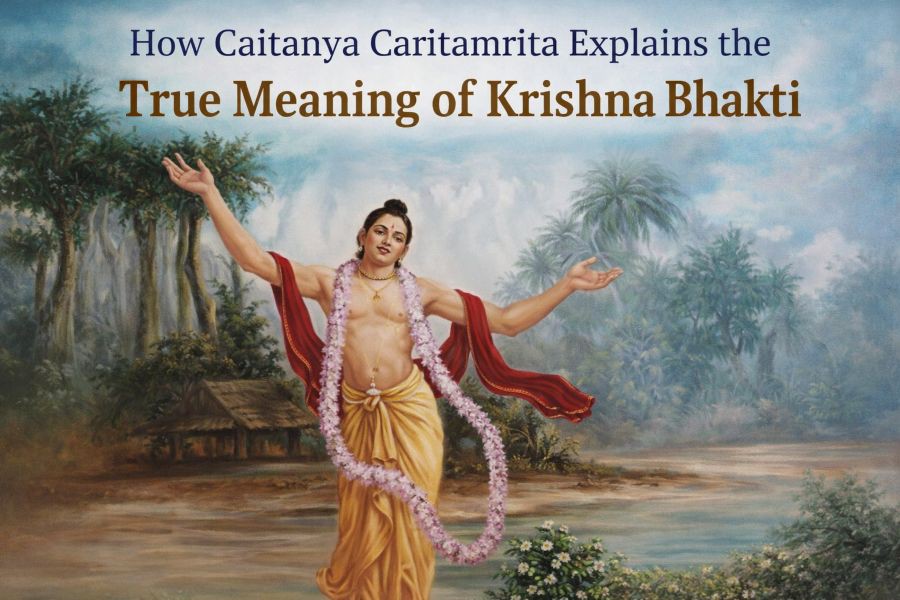 How Caitanya Caritamrita Explains the True Meaning of Krishna BhaktiExplore how Caitanya Caritamrita explains the true meaning of Krishna bhakti, revealing the path of pure devotion,...Read more
 -
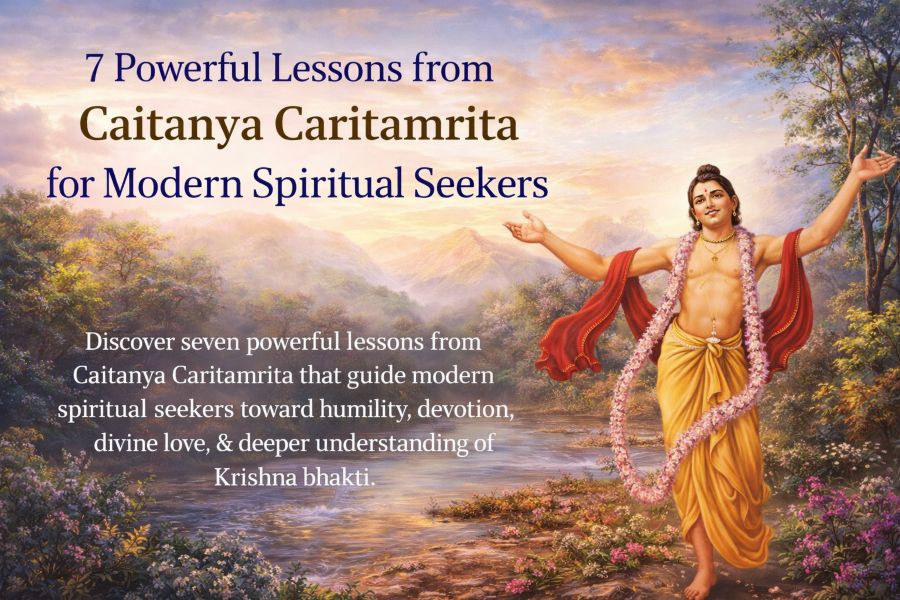 7 Life-Changing Lessons from Caitanya Caritamrita for Spiritual GrowthDiscover seven powerful lessons from Caitanya Caritamrita that guide modern spiritual seekers toward humility,...Read more
 -
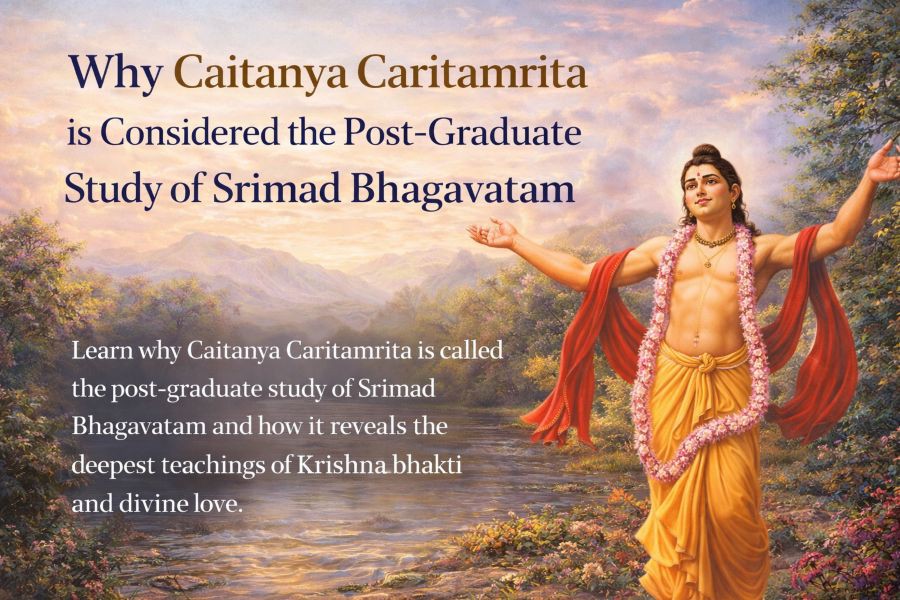 Why Caitanya Caritamrita is Considered the Post-Graduate Study of Srimad BhagavatamLearn why Caitanya Caritamrita is called the post-graduate study of Srimad Bhagavatam and how it reveals the deepest...Read more
 -
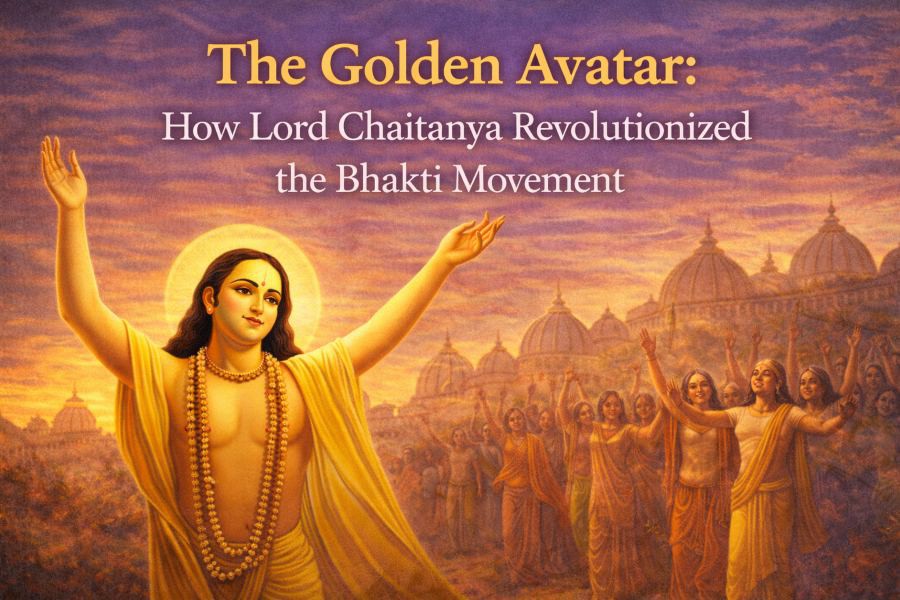 The Golden Avatar: How Lord Chaitanya Revolutionized the Bhakti MovementLearn how Lord Chaitanya Mahaprabhu, known as the Golden Avatar, transformed the Bhakti movement through sankirtan,...Read more
Leave a comment