Why did Krishna run to embrace a poor brahmin in rags? Read the Sudama story from the Bhagavatam and learn how a...
Latest posts
-
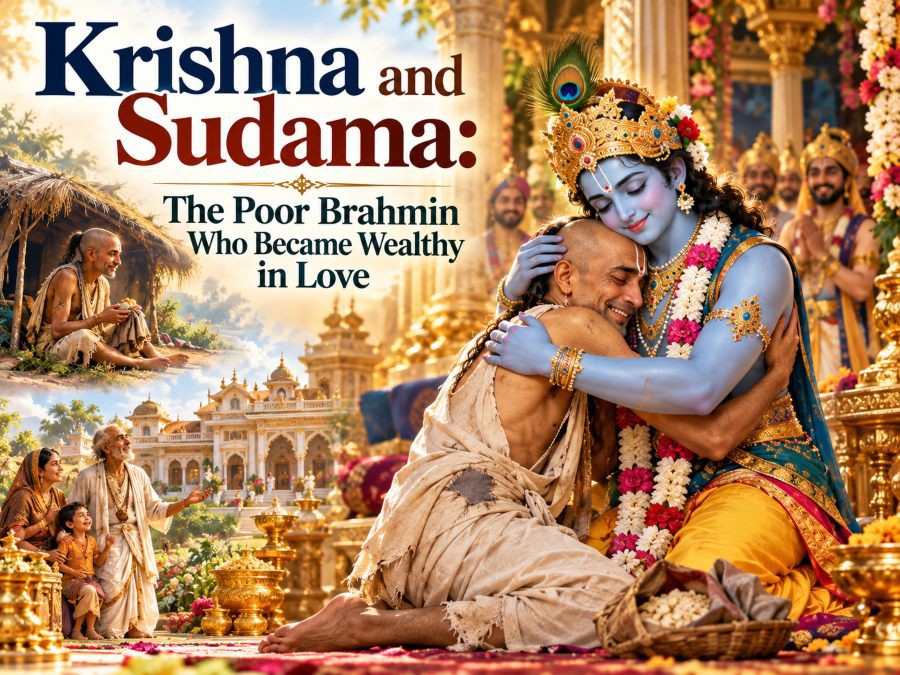 Krishna and Sudama: The Poor Brahmin Who Became Wealthy in LoveRead more
 -
 Vamana Avatar: How Three Steps Humbled Bali MaharajaRead more
Why did a powerful king give away three worlds to a boy asking for three steps? Learn the Vamana avatar story from...
-
 The Bhagavatam on Marriage: Duty, Love and Spiritual PartnershipRead more
What does the Bhagavatam say about marriage? Through the stories of Kardama and Devahuti, Rukmini's secret letter and...
-
 What Is Prema? The Bhagavatam's Highest Stage of Love for GodRead more
Prema is love for God with no "because" attached. Learn how the Bhagavatam describes it, the nine steps from faith to...
-
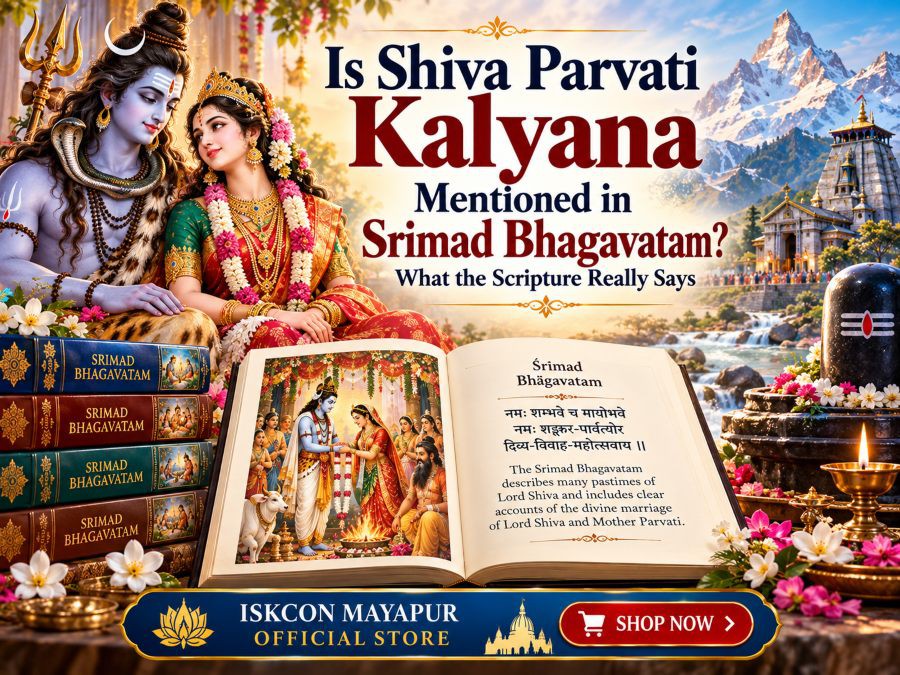 Is Shiva Parvati Kalyana Mentioned in Srimad Bhagavatam? What the Scripture Really SaysRead more
Looking for Shiva and Parvati's wedding in the Srimad Bhagavatam? Find out what the scripture actually describes,...
-
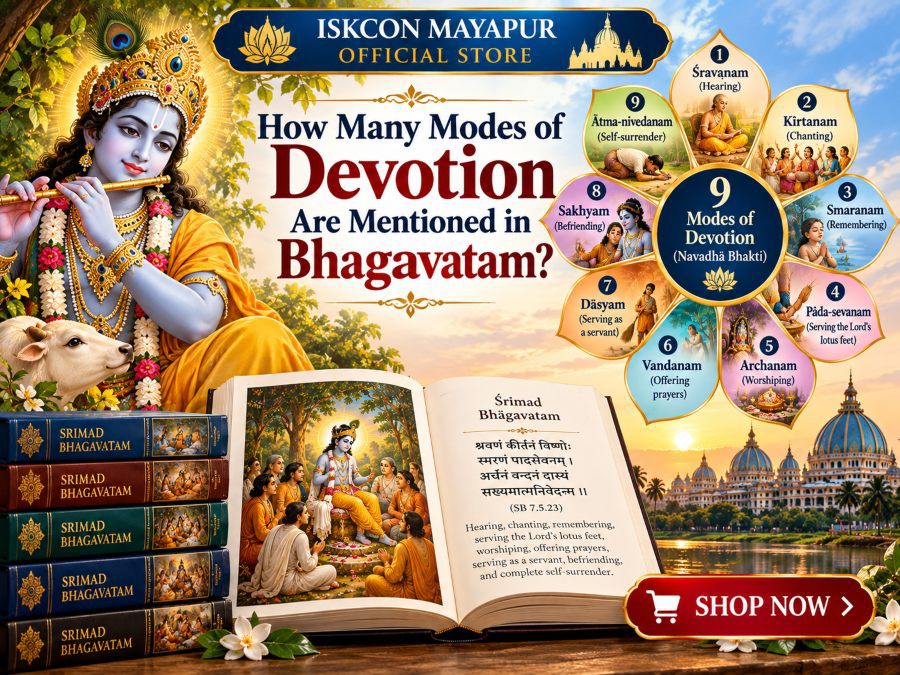 How Many Modes of Devotion Are Mentioned in Bhagavatam?Read more
A young boy named Prahlada listed nine ways to serve God, and the Bhagavatam keeps them as its answer. Learn what the...
-
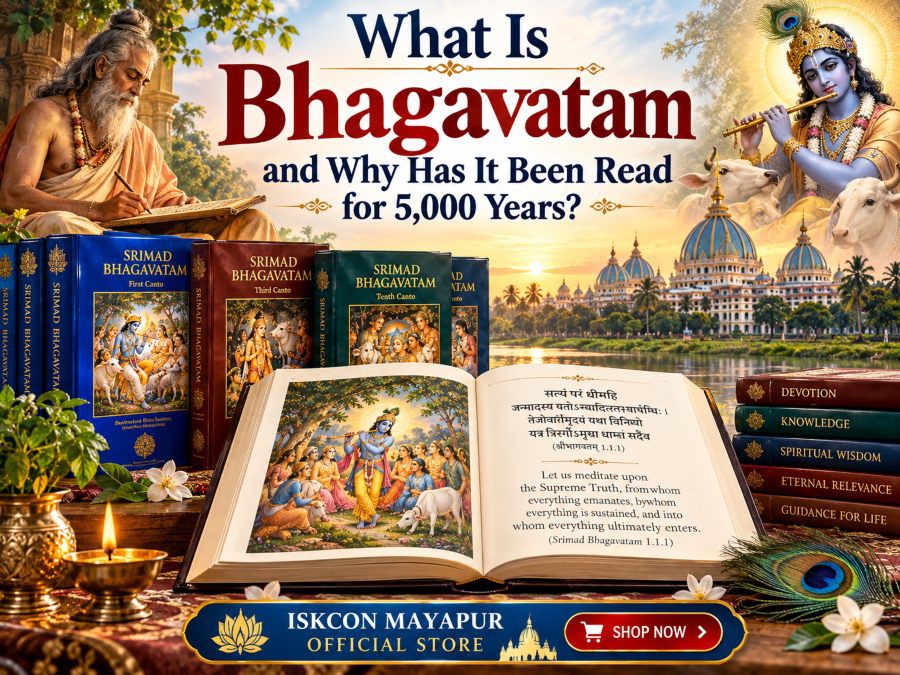 What Is Bhagavatam and Why Has It Been Read for 5,000 Years?Read more
A dying king asked one question, and the answer became the Bhagavatam. Learn what this Sanskrit scripture contains,...
-
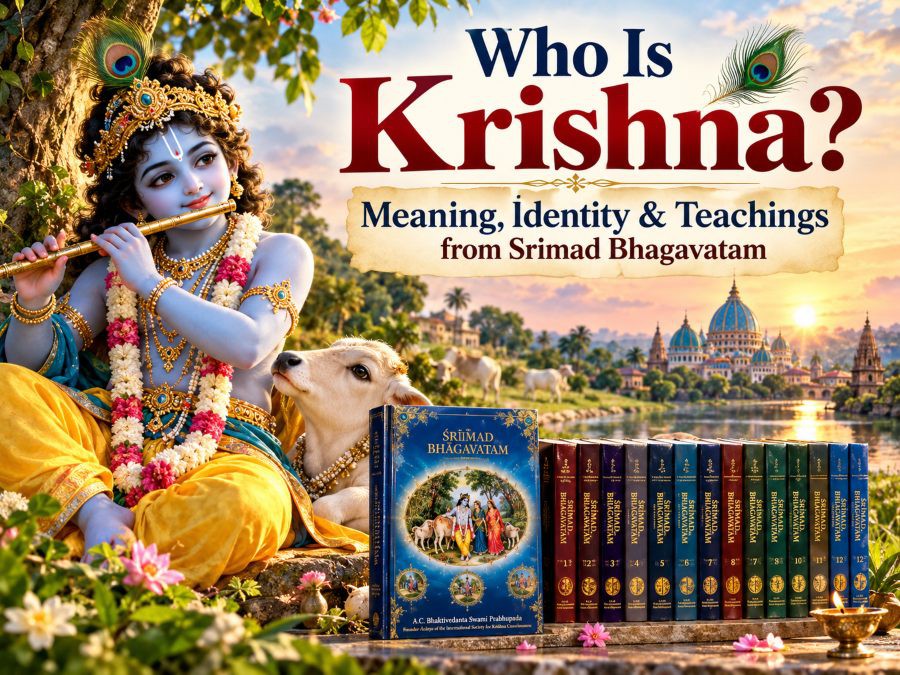 Who Is Lord Krishna? His Meaning, Teachings and Pastimes ExplainedRead more
Discover who Krishna is according to Srimad Bhagavatam, including His divine identity, childhood pastimes, teachings,...
-
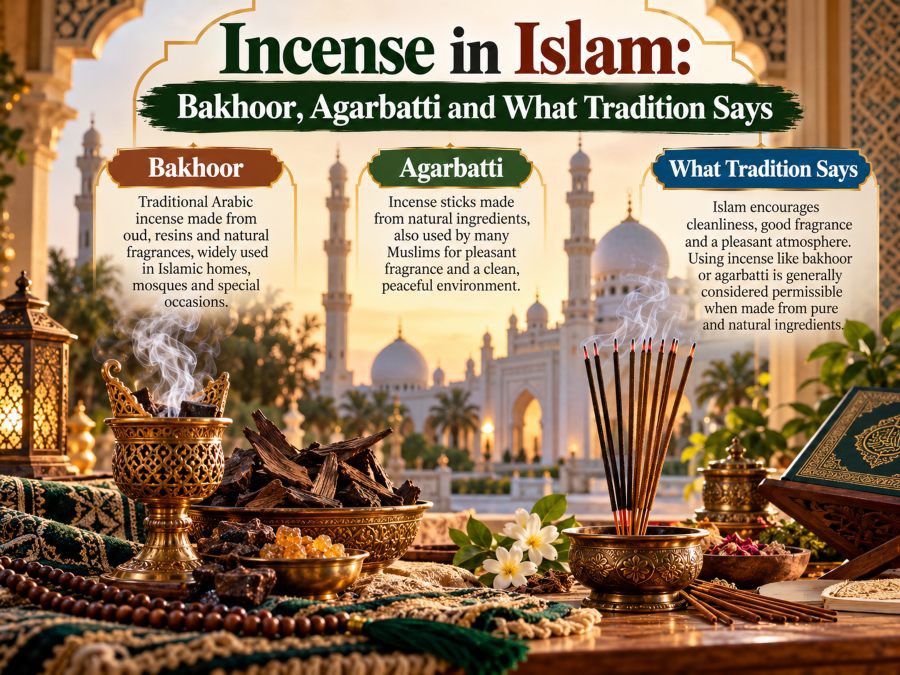 Incense in Islam: Bakhoor, Agarbatti and What Tradition SaysRead more
Is burning fragrance part of Muslim tradition? Explore incense in Islam, from the Prophetic practice of fumigating...
-
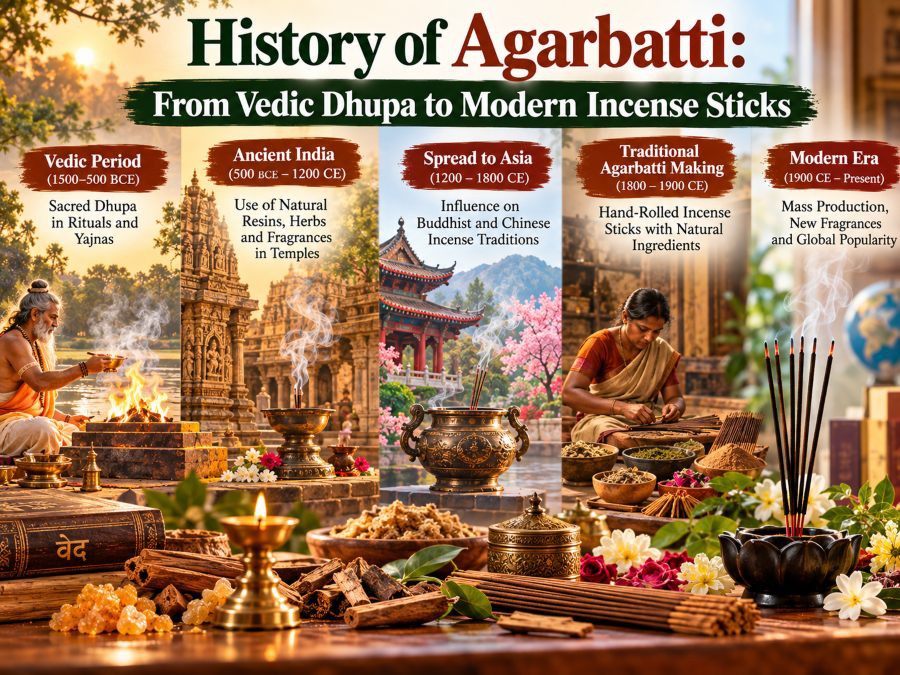 History of Agarbatti: From Vedic Dhupa to Modern Incense SticksRead more
Where did agarbatti really come from? Follow the history of agarbatti from Vedic fire rituals and temple dhupa to...
Blog categories
- Default category (0)
- MUSICAL INSTRUMENT (1)
- BOOK (5)
- DEVOTIONAL GIFT (0)
- Blog (30) click
- CHANDAN (12)
- Bhagavatam Wisdom Series (68)
- Krishna Consciousness (14)
- Mridangam Musical Instrument (6)
- Bhagavad Gita for Beginners (13)
- Bhagavad Gita As It Is (37) click
- Bhagavad Gita As It Is Telugu (0)
- Bhagavad Gita As It Is Marathi (0)
- Bhagavad Gita As It Is In Hindi (0)
- Bhagavad Gita As It Is In English (0)
- Bhagavad Gita As It Is In Bengali (8)
- Bhagavad Gita As It Is In Kannada (0)
- Bhagavad Gita As It Is In Gujarati (0)
- Bhagavad Gita As It Is In Panjabi (0)
- Bhagavad Gita As It Is In Tamil (0)
- Bhagavad Gita As It Is Odia (0)
- BHAGAVAD GITA As It Is GERMAN (0)
- Bhagavad Gita As It Is In French (0)
- Bhagavad Gita As It Is In Nepali (0)
- Bhagavad Gita As It Is In Assamese (0)
- Incense or Agarbatti (38)
- Lord Chaitanya Mahaprabhu (3)
- Vedic Temple Mayapur (14)
- kalki (15)
- Mahabharata – Dharma & Destiny (27)
- Vaishnava Scriptures (4)
- healthy product (4)
- chaitanya mahaprabhu (5)
- Tulsi Mala Guide (17)
Search in blog
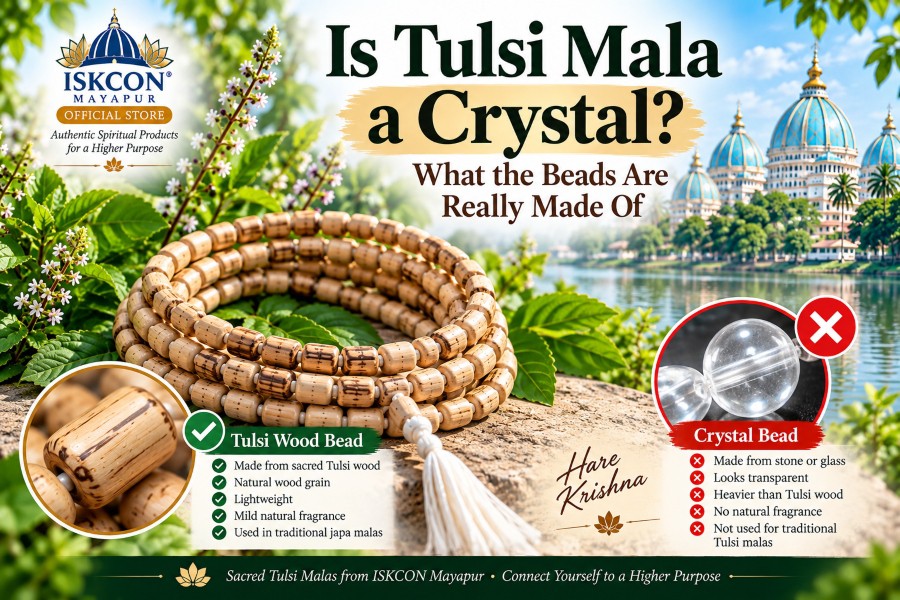
Is Tulsi Mala a Crystal? What the Beads Are Really Made Of
Tulsi Mala vs Crystal Mala: What's the Real Difference?
Somewhere along the way, the internet decided that anything strung into a wearable loop and used for meditation must be a "crystal." Rose quartz malas, amethyst malas, and — somehow — tulsi malas all get lumped into the same search results, the same Pinterest boards, the same vague "healing crystal jewellery" category. It's a reasonable mistake if you've never actually held one. It's also completely wrong.
A Tulsi Mala has nothing to do with crystals, minerals, or anything pulled out of the ground. It's wood. Plant material, dried and shaped by hand, from a specific herb that holds deep significance in Vaishnava tradition. Confusing the two isn't just a factual slip — it strips the object of the actual meaning it's supposed to carry.
This article sorts out exactly what these beads are made of, why the crystal confusion happens so often, and why the distinction matters more than it might seem at first glance.
Where the "Crystal" Confusion Actually Comes From
Walk into any wellness store, or scroll through any spiritual-lifestyle Instagram account, and you'll see rows of mala-style bracelets and necklaces marketed almost identically: 108 beads, a tassel, a vague promise about energy or intention. Some are genuinely crystal — rose quartz, amethyst, tiger's eye. Others are wood, seed, or bone. The marketing language rarely distinguishes between them, because from a retail standpoint, "mala" has become a catch-all product category rather than a specific material.
That flattening is where the confusion starts. If someone's first encounter with the word "mala" was a crystal bracelet from a yoga studio gift shop, it's not surprising they'd assume every mala, tulsi included, is cut from stone. The word describes a form — a strung, counted set of beads — not a material. A rosary is also technically a mala structurally, and nobody assumes that's made of quartz.
So What Exactly Is Tulsi Wood?
Tulsi, known botanically as Ocimum tenuiflorum and commonly called Holy Basil in English, is a plant — specifically, a woody shrub in the basil family. Most people who've never grown it picture basil as a soft, leafy kitchen herb, which makes the idea of "tulsi wood" sound almost contradictory. But mature tulsi plants develop genuinely woody stems and branches over time, thick enough and firm enough to be cut, dried, shaped, and drilled into beads.
Here's what separates tulsi bead-making from most other wood crafts:
- The plant yields very little usable wood per specimen. Unlike a tree grown specifically for lumber, a single tulsi plant offers a modest amount of stem thick enough to bead, which is part of why authentic tulsi beads take longer to source than most craft woods.
- The wood is processed while relatively young, not aged for decades like furniture-grade timber.
- Nothing about the process involves minerals, crystals, or geological material of any kind — it's agricultural, not mined.
If you've ever seen a raw tulsi stem before it's cut into beads, it looks exactly like what it is: a dried plant stalk, pale and lightweight, nothing like a chunk of quartz or a polished gemstone.
The Weight Test Settles This Argument Instantly
Here's the simplest way to prove to yourself that tulsi beads aren't crystal, no lab equipment required: pick one up.
Crystal beads — quartz, amethyst, obsidian, whatever the stone — are dense. They have real heft, even in small sizes, because minerals are simply heavier than plant fiber. A crystal mala of any meaningful length has a noticeable weight when you hold it in your palm.
Tulsi beads are the opposite. They're famously, almost surprisingly light — close to weightless for their size. This isn't a minor detail; it's one of the clearest physical differences between the two categories, and it's immediately obvious the moment you compare them side by side. If a "tulsi mala" feels heavy in your hand, something is off, whether that means it's actually a different material entirely or a dense synthetic substitute dressed up to look like wood.
Why the Two Get Marketed Together Anyway
There's a commercial logic behind the confusion, even if it's not a good one. Crystal malas have become genuinely popular in Western wellness culture over the past decade or two, riding the broader interest in mindfulness, meditation apps, and "spiritual but not religious" aesthetics. Tulsi malas, meanwhile, carry centuries of specific religious meaning within Gaudiya Vaishnavism and broader Hindu practice.
When retailers sell both under one umbrella term — "mala beads," "prayer beads," "meditation beads" — they're chasing a broader audience than either tradition alone would reach. It's convenient marketing. It's also, in a quiet way, a disservice to both traditions, because it implies the material is interchangeable when, for anyone actually practicing within these traditions, it very much isn't.
What Tulsi Beads Are Actually Made Of, Step by Step
For anyone who wants the full picture rather than just "it's wood, trust me," here's roughly how tulsi wood becomes a bead:
1. Growing and maturing. The tulsi plant is cultivated, often specifically for bead production rather than culinary or medicinal leaf harvest, and allowed to develop thick, woody stems.
2. Harvesting the stem. Once branches reach sufficient thickness, they're cut. This is a genuinely limited resource — one plant doesn't yield much usable material.
3. Drying. The cut wood needs to dry properly before shaping, which affects both its final weight and how easily it can be worked.
4. Cutting and shaping. Traditionally done by hand, this is where the bead takes its final form — round, oval, barrel, or one of several other cuts, depending on the style being made.
5. Drilling. Each bead gets a hole through its center so it can be strung, a delicate step given how light and somewhat brittle dried tulsi wood can be.
6. Stringing. Beads are threaded onto cotton cord, typically in the specific counts and strand configurations tradition calls for — 108 for a japa mala, or multiple loops for a kanthi mala worn on the neck.
At no point in this process does anything mineral, crystalline, or geological enter the picture. It's agriculture and craftsmanship from start to finish.
Why This Distinction Actually Matters (Beyond Just Getting the Facts Right)
It would be easy to shrug this off as pedantic — does it really matter what category someone mentally files the object under, as long as they're wearing something meaningful to them?
For casual buyers, maybe not. But within Gaudiya Vaishnava tradition specifically, tulsi isn't valued as "a material that happens to look nice and hold spiritual energy" the way crystals are often marketed. Tulsi is regarded as a manifestation of devotion itself — traditionally understood as Vrinda Devi, a pure devotee appearing in plant form. That's a fundamentally different relationship than "this stone resonates with a certain chakra." One is rooted in a specific theological understanding tied to a particular tradition. The other is a much newer, broadly syncretic wellness framework borrowing loosely from several traditions at once.
Calling a tulsi mala a crystal mala doesn't just get the material wrong. It quietly erases the specific devotional context that gives the object its actual meaning within the tradition it comes from.
A Few Other Materials People Confuse With Tulsi
While we're clearing up misconceptions, it's worth naming a few other things tulsi beads sometimes get mistaken for, since the confusion isn't limited to crystals:
- Rudraksha seeds — these are actual seeds, not wood, from a completely different tree, and they're denser and typically darker with distinctive natural ridging.
- Sandalwood beads — genuinely wood, but a different plant entirely, usually darker and more fragrant than tulsi.
- Bone or horn beads — used in some Tibetan and other traditions, these are noticeably heavier and have a different surface texture entirely.
- Synthetic resin beads — manufactured to mimic wood's appearance, these are denser than genuine tulsi and lack real grain when examined closely.
None of these are interchangeable with tulsi, despite superficial visual similarity in a product photo.
How to Know for Sure What You're Holding
If you're ever genuinely unsure whether something is tulsi wood, crystal, or something else entirely, a quick combination of checks settles it fast:
- Weight — tulsi is light; crystal and resin are noticeably heavier
- Temperature — crystal tends to feel cool against the skin initially and warms slowly; wood feels close to room temperature almost immediately
- Surface — tulsi shows natural grain and slight irregularity; polished crystal has a smooth, sometimes glassy finish
- Sound — tapped gently against a hard surface, wood produces a dull, soft sound; crystal produces a sharper, higher-pitched click
Any one of these alone might not be conclusive, but together, they make the material obvious within seconds.
The Bottom Line
A Tulsi Mala isn't a crystal, isn't mineral, and has never been mined out of the ground. It's a piece of a specific, sacred plant, shaped by hand into something meant to be worn close to the body as part of daily devotional life. The confusion with crystal malas comes from lazy retail categorization more than anything factual, and once you've actually held genuine tulsi wood, the mix-up becomes hard to make twice.
If you're shopping for one and want to start from a source that treats the material and its meaning correctly, ISKCON Mayapur's Tulsi Mala collection is built entirely from genuine tulsi wood, sourced and strung the traditional way — no quartz, no resin, no mislabeling involved.
Posted in: Tulsi Mala Guide
Related posts
-
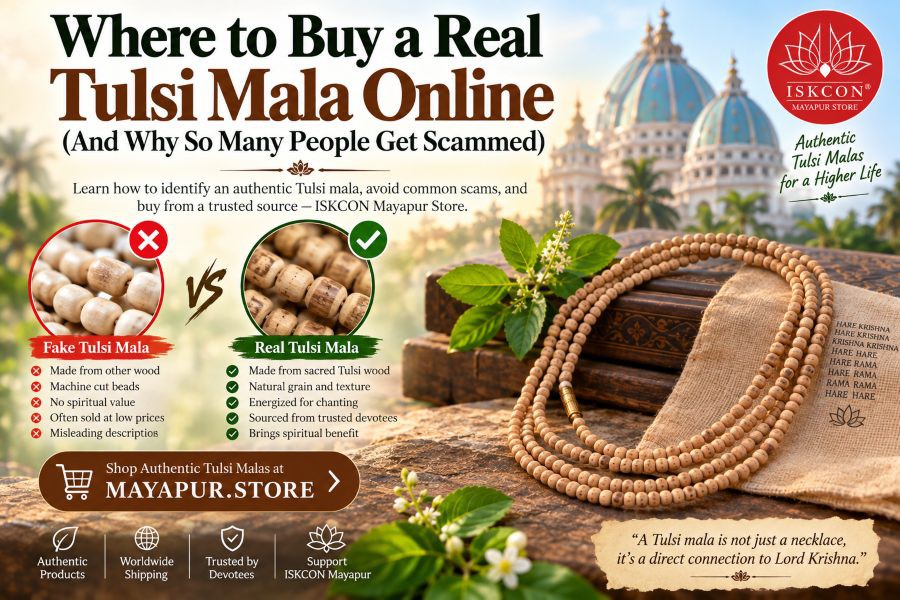 Where to Buy a Real Tulsi Mala Online Most tulsi malas sold online are fake, dyed, or mislabeled. Here's how to spot genuine tulsi wood, why traceability...Read more
 -
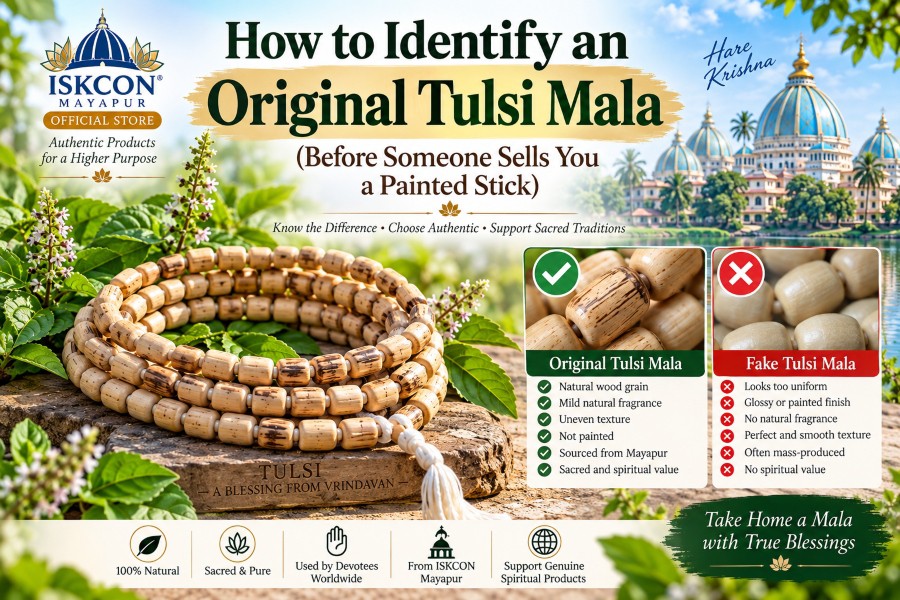 How to Identify an Original Tulsi Mala (Before Someone Sells You a Painted Stick)Most fake tulsi beads look convincing in a photo but fail the moment you hold them. Here are the weight, smell,...Read more
 -
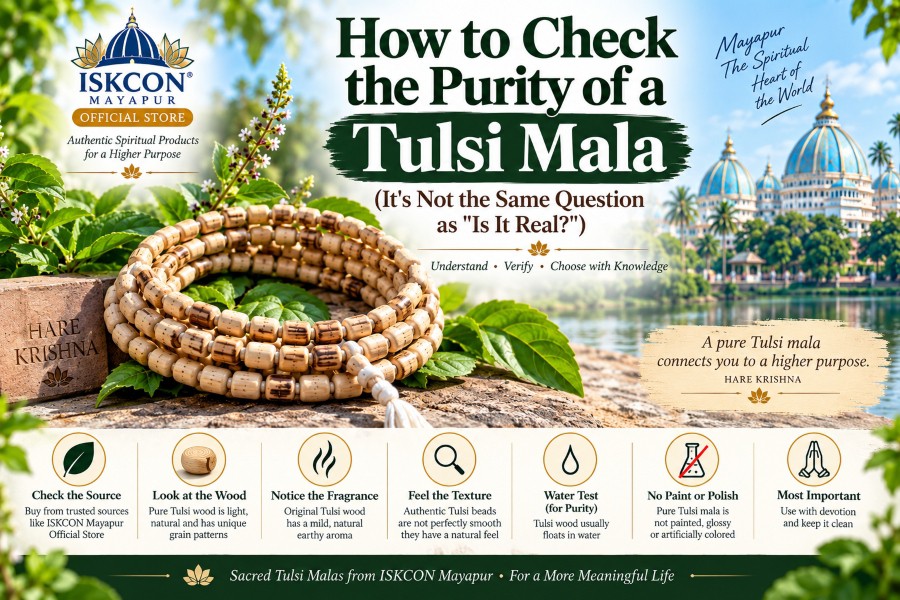 How to Check the Purity of a Tulsi Mala (It's Not the Same Question as "Is It Real?")Purity isn't the same as authenticity. Here's how to check both — whether the beads are genuinely tulsi wood, and...Read more
 -
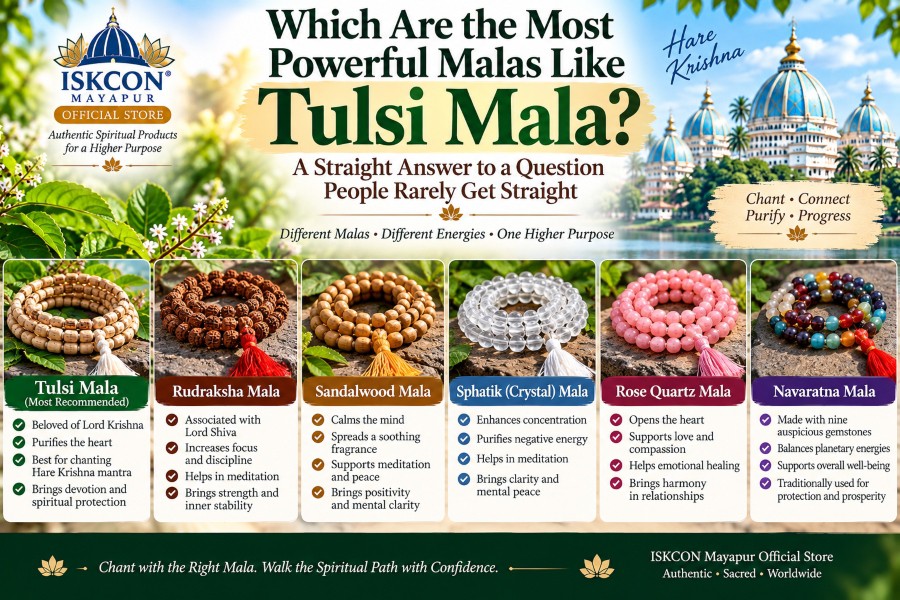 Which Are the Most Powerful Malas Like Tulsi Mala? A Straight Answer to a Question People Rarely Get StraightTulsi, rudraksha, sphatik, sandalwood, and navratna are all called "powerful" — but each belongs to a different...Read more
 -
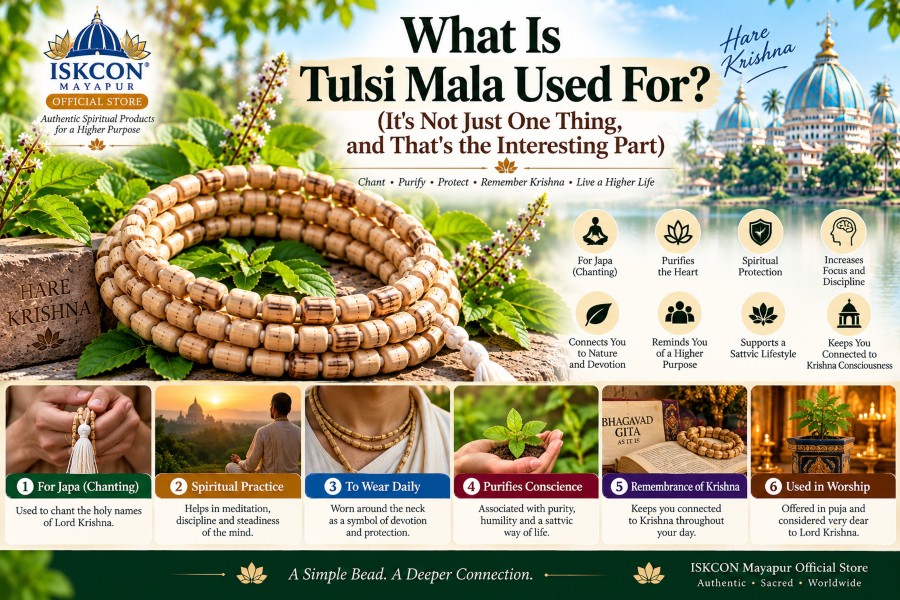 What Is Tulsi Mala Used For? (It's Not Just One Thing, and That's the Interesting Part)A Tulsi Mala isn't just one thing — it's worn daily, used to count mantras, given as a spiritual milestone gift, and...Read more
Leave a comment