
Why did Krishna run to embrace a poor brahmin in rags? Read the Sudama story from the Bhagavatam and learn how a...
Latest posts
-
 Krishna and Sudama: The Poor Brahmin Who Became Wealthy in LoveRead more
 -
 Vamana Avatar: How Three Steps Humbled Bali MaharajaRead more
Why did a powerful king give away three worlds to a boy asking for three steps? Learn the Vamana avatar story from...
-
 The Bhagavatam on Marriage: Duty, Love and Spiritual PartnershipRead more
What does the Bhagavatam say about marriage? Through the stories of Kardama and Devahuti, Rukmini's secret letter and...
-
 What Is Prema? The Bhagavatam's Highest Stage of Love for GodRead more
Prema is love for God with no "because" attached. Learn how the Bhagavatam describes it, the nine steps from faith to...
-
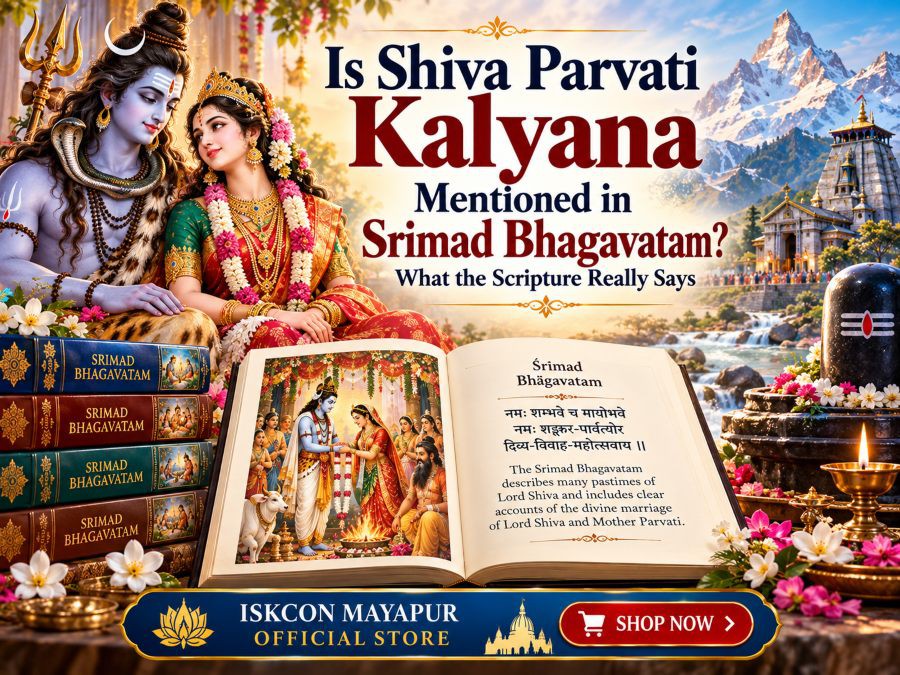 Is Shiva Parvati Kalyana Mentioned in Srimad Bhagavatam? What the Scripture Really SaysRead more
Looking for Shiva and Parvati's wedding in the Srimad Bhagavatam? Find out what the scripture actually describes,...
-
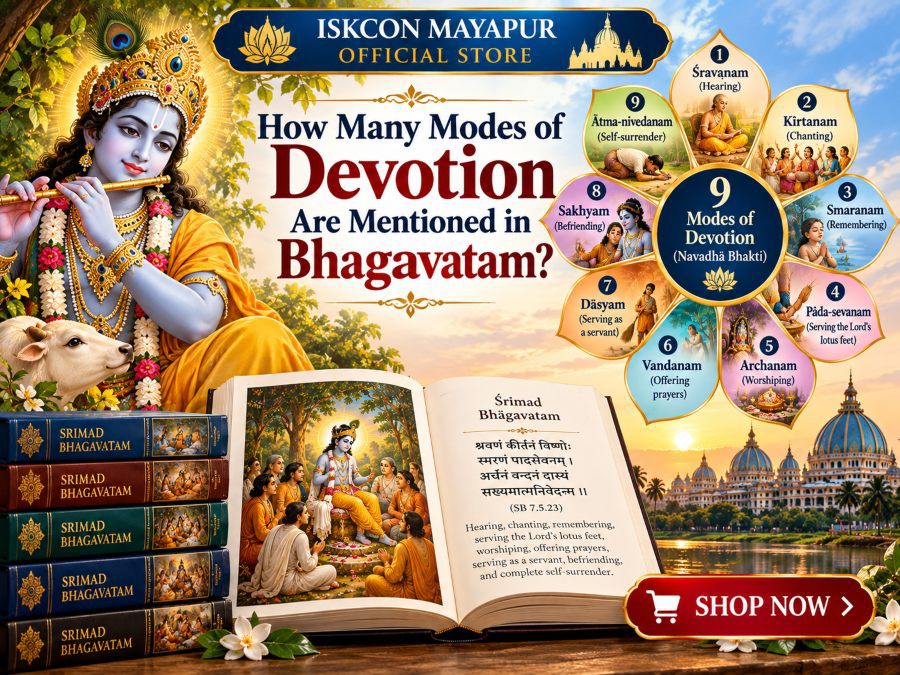 How Many Modes of Devotion Are Mentioned in Bhagavatam?Read more
A young boy named Prahlada listed nine ways to serve God, and the Bhagavatam keeps them as its answer. Learn what the...
-
 What Is Bhagavatam and Why Has It Been Read for 5,000 Years?Read more
A dying king asked one question, and the answer became the Bhagavatam. Learn what this Sanskrit scripture contains,...
-
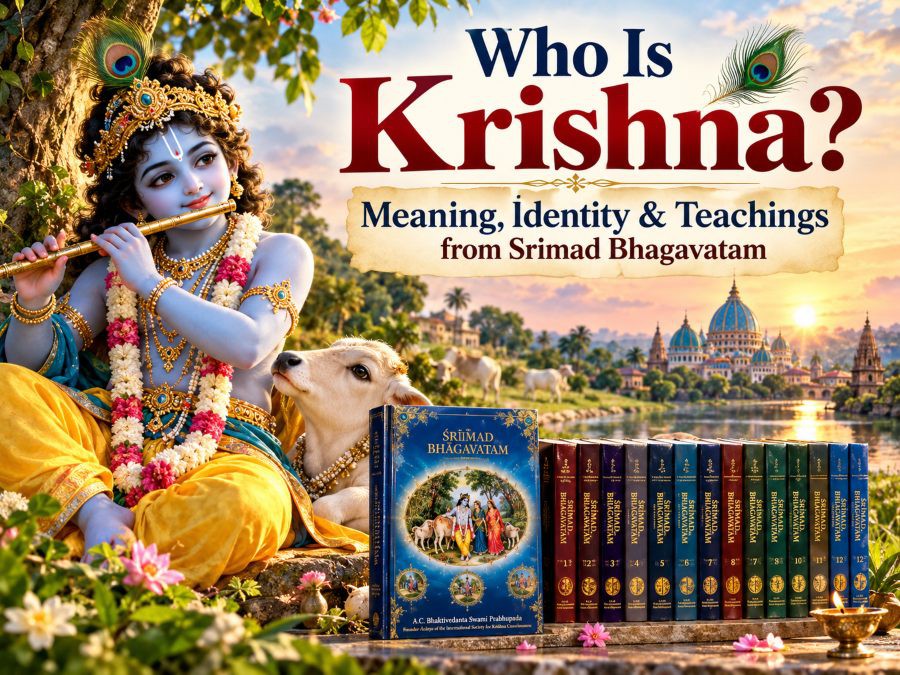 Who Is Lord Krishna? His Meaning, Teachings and Pastimes ExplainedRead more
Discover who Krishna is according to Srimad Bhagavatam, including His divine identity, childhood pastimes, teachings,...
-
 Incense in Islam: Bakhoor, Agarbatti and What Tradition SaysRead more
Is burning fragrance part of Muslim tradition? Explore incense in Islam, from the Prophetic practice of fumigating...
-
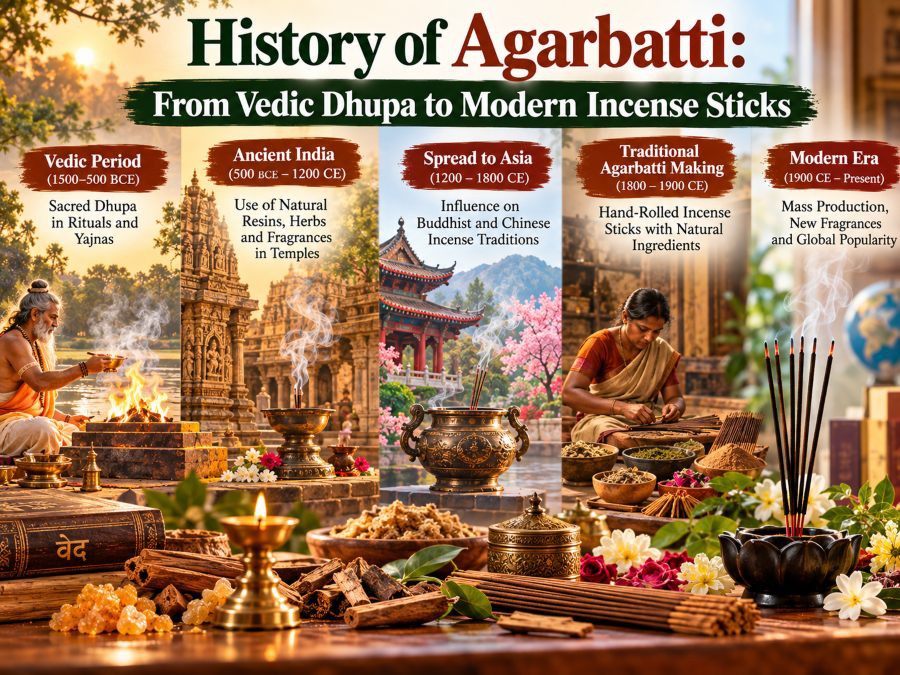 History of Agarbatti: From Vedic Dhupa to Modern Incense SticksRead more
Where did agarbatti really come from? Follow the history of agarbatti from Vedic fire rituals and temple dhupa to...
Blog categories
- Default category (0)
- MUSICAL INSTRUMENT (1)
- BOOK (5)
- DEVOTIONAL GIFT (0)
- Blog (30) click
- CHANDAN (12)
- Bhagavatam Wisdom Series (68)
- Krishna Consciousness (14)
- Mridangam Musical Instrument (6)
- Bhagavad Gita for Beginners (13)
- Bhagavad Gita As It Is (37) click
- Bhagavad Gita As It Is Telugu (0)
- Bhagavad Gita As It Is Marathi (0)
- Bhagavad Gita As It Is In Hindi (0)
- Bhagavad Gita As It Is In English (0)
- Bhagavad Gita As It Is In Bengali (8)
- Bhagavad Gita As It Is In Kannada (0)
- Bhagavad Gita As It Is In Gujarati (0)
- Bhagavad Gita As It Is In Panjabi (0)
- Bhagavad Gita As It Is In Tamil (0)
- Bhagavad Gita As It Is Odia (0)
- BHAGAVAD GITA As It Is GERMAN (0)
- Bhagavad Gita As It Is In French (0)
- Bhagavad Gita As It Is In Nepali (0)
- Bhagavad Gita As It Is In Assamese (0)
- Incense or Agarbatti (38)
- Lord Chaitanya Mahaprabhu (3)
- Vedic Temple Mayapur (14)
- kalki (15)
- Mahabharata – Dharma & Destiny (27)
- Vaishnava Scriptures (4)
- healthy product (4)
- chaitanya mahaprabhu (5)
- Tulsi Mala Guide (17)
Search in blog

Who Can Wear a Tulsi Mala? The Truth Nobody Tells You
Who Can Wear a Tulsi Mala? Here's What Most People Get Wrong
Walk into any kirtan hall, any temple courtyard, or even a busy Indian railway station, and you'll spot at least one person wearing a string of small, round, honey-brown beads around their neck. Ask them what it means and you'll often get a shrug, or worse, a half-answer borrowed from someone else. So here's the real question: who can wear a Tulsi Mala, and does wearing one actually require permission from anybody? If you've been eyeing a beautiful piece from a Tulsi Mala collection but hesitating because you're not sure you "qualify," this article will settle that once and for all.
First, What Even Is a Tulsi Mala?
A Tulsi Mala is a garland made from the wood of the Tulsi plant — Holy Basil, if you want the English name. In Gaudiya Vaishnava tradition, Tulsi isn't treated as an ordinary shrub. She's considered a plant-form devotee, closely tied to worship of Krishna and Vishnu. Beads carved from her stem and strung together become a mala worn either around the neck or used on the wrist and hand for chanting.
That's the technical part. The interesting part is what the mala is believed to do. Devotees say it purifies the wearer's consciousness, keeps negative influences at bay, and acts as a quiet, constant reminder of one's spiritual intentions. You don't need incense burning or a temple bell ringing for that reminder to work — it's right there on your skin.
Why Tulsi, Specifically? What Makes This Plant Different
You might wonder why an entire mala tradition is built around one particular plant instead of sandalwood, rudraksha, or any other sacred material. The answer goes back to how Tulsi is regarded in scripture and daily practice.
In Vaishnava households, Tulsi isn't kept as decoration. She's watered every morning, circled during evening prayers, and treated the way you'd treat a respected elder living in your courtyard. Texts describe her as inseparable from devotional life — a living reminder that worship doesn't have to happen only inside a temple. It can happen on a balcony, in a pot by the kitchen window, in the everyday rhythm of a household.
Wearing beads made from her wood carries that same idea outward. It's not about owning a "lucky charm." It's about keeping a small piece of that daily devotional rhythm physically close, even when you're nowhere near a temple or a Tulsi plant. That's a big part of why the mala feels different to people once they understand the backstory — it stops being an accessory and starts being a quiet companion.
So, Who's Actually Allowed to Wear One?
Here's where a lot of confusion creeps in, mostly because people assume Tulsi Mala is reserved for renunciates, priests, or people who've taken some formal vow. That's not accurate.
In practice, the following people wear a Tulsi Mala:
- Practicing Vaishnavas — followers of Krishna or Vishnu bhakti traditions, whether they belong to ISKCON, a local temple lineage, or an independent devotional path.
- Spiritual seekers exploring bhakti — people who haven't taken formal initiation yet but feel drawn to the practice and want a tangible connection to it.
- Kirtan and mantra practitioners — anyone using japa (repetitive chanting) as part of their meditation, since the mala doubles as a chanting tool.
- Children raised in devotional households — it's common in many Vaishnava families to put a small Tulsi Mala on infants as a blessing, long before the child understands theology.
- Curious newcomers — including people with no Hindu background at all, who are simply drawn to the aesthetic or the calm it seems to bring.
Notice something? None of that list says "must be a monk" or "must be Indian" or "must have permission from a guru." The mala isn't a badge that separates the worthy from the unworthy. It's closer to a tool — and tools are meant to be used by whoever finds them useful.
Do You Need Initiation (Diksha) Before Wearing One?
This is probably the single most-asked question, and the honest answer has two layers.
Layer one: No, you don't strictly need formal initiation to wear a Tulsi Mala. Plenty of people wear one during their early years of practice, before they've received diksha from a spiritual teacher. It's often described as a step toward deeper commitment, not a reward after it.
Layer two: Initiation does change how the mala is treated in a more formal sense. Once a person receives diksha, their guru typically hands them a Tulsi Mala that's been specifically prepared and, in many lineages, chanted over — and from that point, the mala carries extra significance tied to the guru-disciple relationship. But that's an added layer of meaning, not a locked door. Wearing one beforehand isn't disrespectful; it's simply an earlier stage of the same journey.
Think of it like wearing a wedding ring before the ceremony versus after. The ring itself doesn't stop you from putting it on early — it just means something different once the vows are exchanged.
What About Non-Hindus or People Outside the Tradition?
Short answer: yes, absolutely, people from any background can wear a Tulsi Mala.
Gaudiya Vaishnava philosophy doesn't treat devotion as something locked behind ethnicity or birth. The core teaching — that anyone, regardless of background, can develop love for the divine — is actually one of the more open-hearted ideas in the tradition. ISKCON communities worldwide are full of devotees who grew up in entirely different religious contexts and adopted the mala, the practice, and the philosophy as adults.
That said, there's a difference between wearing something because it's meaningful to you and wearing it purely as a fashion accessory without understanding what it represents. Nobody will stop a person from doing the latter, but most devotees would gently encourage a bit of curiosity first — not out of gatekeeping, but because the beads mean more once you know the story behind them.
Rules and Etiquette: How to Wear a Tulsi Mala Respectfully
Wearing a Tulsi Mala doesn't come with a strict rulebook, but a handful of habits are widely followed, and they're worth knowing so you don't feel awkward or uninformed.
A few practical guidelines:
- Single strand for daily wear, double for japa. A single-round mala is typically worn around the neck for everyday use, while a two-round version, often called a Kanthi Mala 2 Round, is popular among practitioners who want a slightly fuller neck piece or extra beads for informal counting during the day.
- Keep it clean. Since Tulsi is treated as sacred, many devotees avoid wearing the mala into the bathroom or removing it carelessly.
- Don't let it touch the ground. A dropped mala isn't considered "ruined," but picking it up gently and offering a quick apologetic gesture is common practice.
- Renew it when it wears out. Wood beads age. Cracking, fading, or breaking strings aren't a bad omen — they just mean it's time for a fresh one.
- Wear it with intention, not obligation. If putting it on every morning feels like a chore rather than a comfort, that's worth reflecting on. The mala is supposed to support your practice, not add pressure to it.
None of these are enforced by anyone standing over your shoulder. They're cultural habits passed down through community practice, and most devotees pick them up naturally over time.
Myths That Need to Die
A few misconceptions keep circulating, so let's clear them out.
Myth 1: "You'll get bad luck if you wear it without being initiated." Not true. Wearing a Tulsi Mala without initiation is extremely common and considered a normal early step, not a spiritual risk.
Myth 2: "Only men can wear it." Also false. Women wear Tulsi Malas just as commonly, often as neck malas or wrist beads, with zero restriction based on gender.
Myth 3: "You have to be vegetarian to wear one." Diet is generally encouraged to align with devotional practice over time, but nobody hands you a checklist before letting you put the mala on. Growth happens gradually, and the mala can be part of that growth rather than a prerequisite for it.
Myth 4: "It's just jewelry, so any material works." Here's where authenticity actually matters. A genuine Tulsi Mala is made from real Tulsi wood, not plastic or synthetic beads dyed to look similar. If the spiritual purpose matters to you, the material should be the real thing.
Myth 5: "Once you put it on, you can never take it off." People remove their malas for practical reasons all the time — swimming, certain manual work, or simply during a wash. Taking it off out of necessity isn't a violation; treating it carelessly is the actual concern, not the act of removing it.
Myth 6: "Wearing more beads means more devotion." A person with a modest single-strand mala isn't "less spiritual" than someone wearing three layers of beads. Quantity has never been the measure here — attention and sincerity are.
Choosing and Caring for Your First Tulsi Mala
If you're new to this, a few practical pointers will save you some trial and error.
- Bead size matters for comfort. Smaller beads sit closer to the neck and feel lighter for daily wear; larger beads are often preferred for chanting malas held in hand.
- Check the wood quality. Genuine Tulsi wood has a light, slightly porous texture and a natural beige-to-brown tone — nothing glossy or uniformly polished like plastic.
- Store it properly. A small cloth pouch keeps the mala safe from dust and accidental knocks when you're not wearing it.
- Avoid harsh soaps or oils. Wood absorbs liquid, and strong chemicals can dull its natural finish over time.
- Let it breathe. Sealing a Tulsi Mala inside an airtight plastic bag for long stretches can trap moisture and speed up cracking; a cloth pouch or open dish works far better.
- Don't overthink the first purchase. Beginners often agonize over bead count, size, and finish as if one wrong choice ruins everything. It doesn't. Start with something you're drawn to, wear it for a while, and let your preferences sharpen with experience.
The Bottom Line
Nobody needs a certificate, a formal ceremony, or someone else's approval to wear a Tulsi Mala. It's worn by monks and by curious beginners, by lifelong devotees and by people who tried it once at a friend's suggestion and never took it off again. What actually matters isn't your background, your initiation status, or how long you've been practicing — it's whether you're wearing it with some genuine respect for what it represents.
If that respect is there, the mala will do exactly what generations of devotees say it does: sit quietly around your neck, and gently pull your mind back toward something calmer, every single time you notice it.
Posted in: Tulsi Mala Guide
Related posts
-
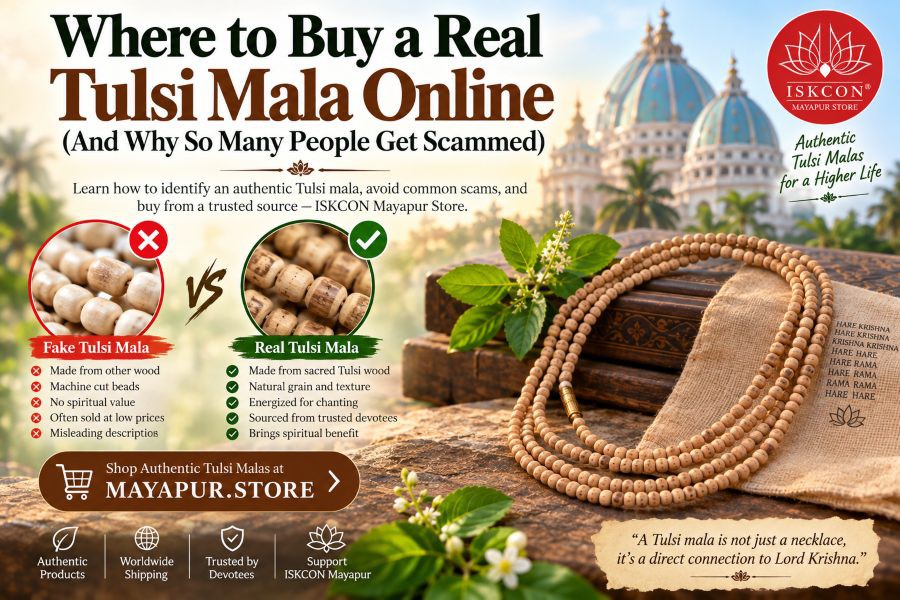 Where to Buy a Real Tulsi Mala Online Most tulsi malas sold online are fake, dyed, or mislabeled. Here's how to spot genuine tulsi wood, why traceability...Read more
 -
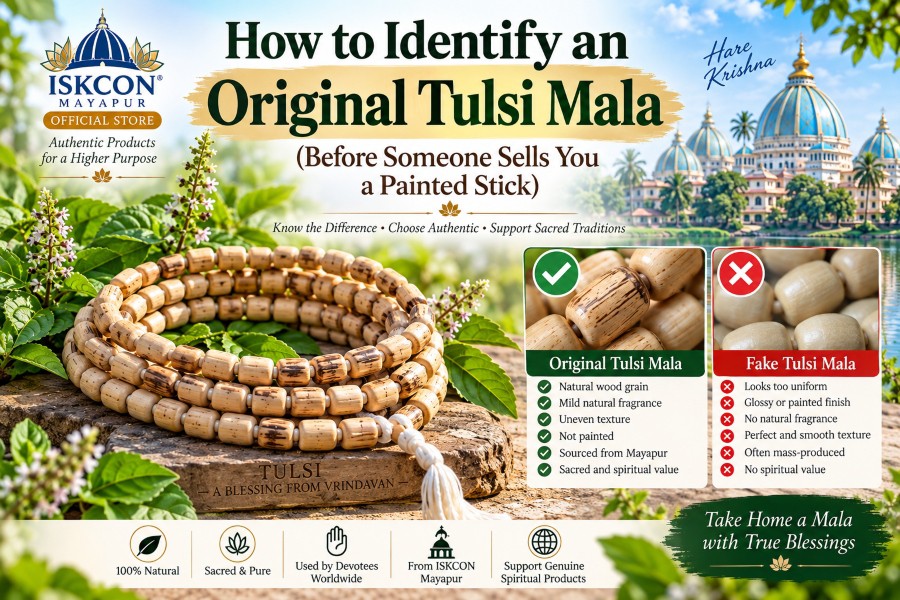 How to Identify an Original Tulsi Mala (Before Someone Sells You a Painted Stick)Most fake tulsi beads look convincing in a photo but fail the moment you hold them. Here are the weight, smell,...Read more
 -
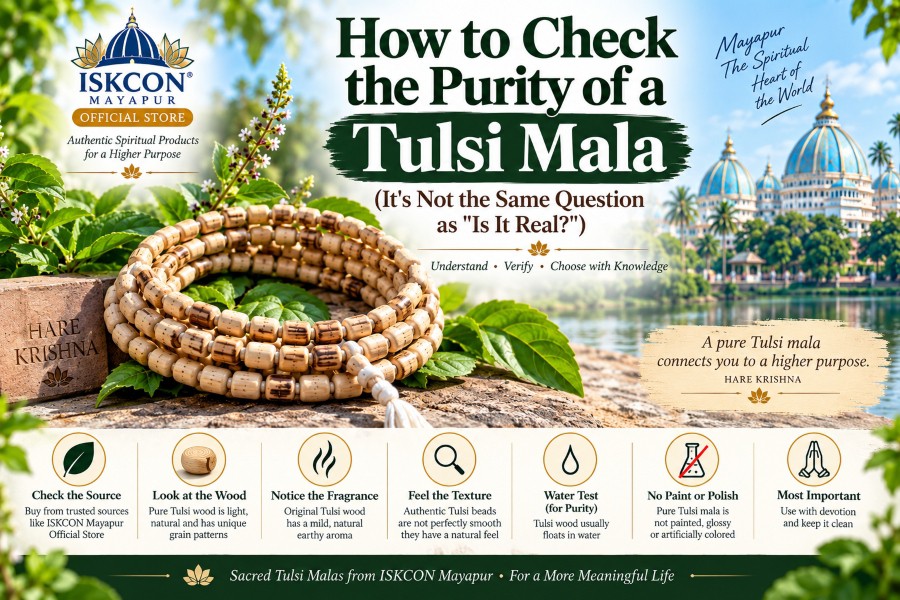 How to Check the Purity of a Tulsi Mala (It's Not the Same Question as "Is It Real?")Purity isn't the same as authenticity. Here's how to check both — whether the beads are genuinely tulsi wood, and...Read more
 -
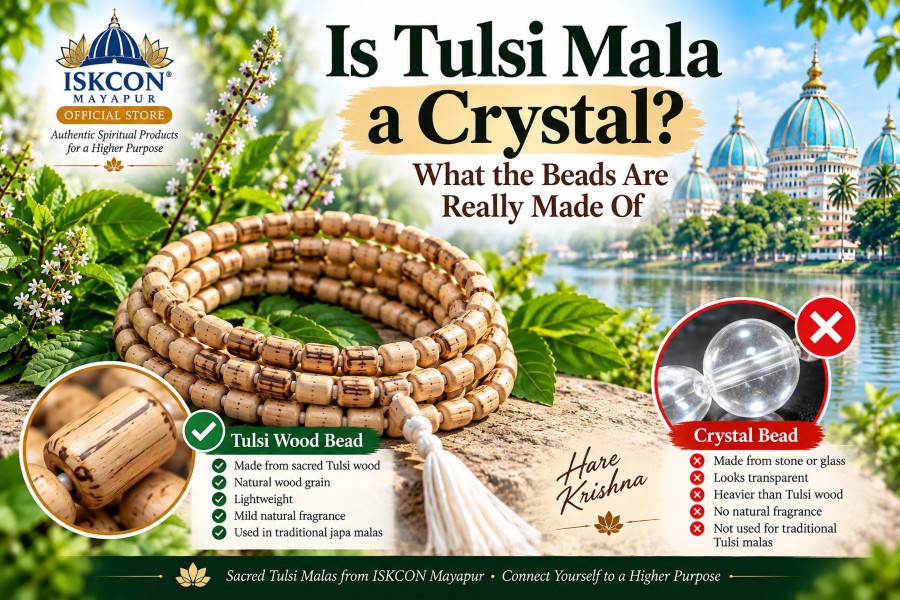 Is Tulsi Mala a Crystal? What the Beads Are Really Made OfTulsi malas often get mistaken for crystal jewellery online. Here's what tulsi beads are actually made of, why the...Read more
 -
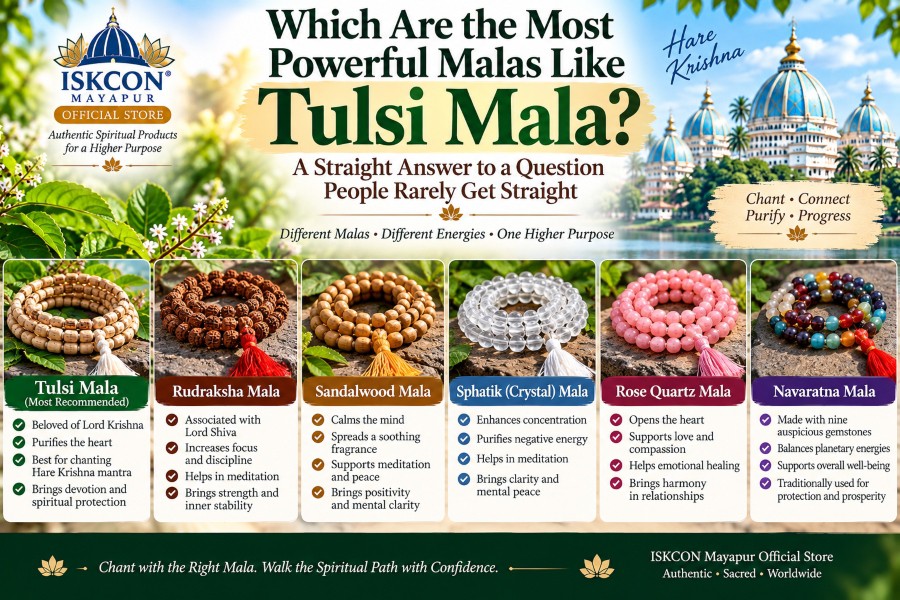 Which Are the Most Powerful Malas Like Tulsi Mala? A Straight Answer to a Question People Rarely Get StraightTulsi, rudraksha, sphatik, sandalwood, and navratna are all called "powerful" — but each belongs to a different...Read more
Leave a comment