
Why did Krishna run to embrace a poor brahmin in rags? Read the Sudama story from the Bhagavatam and learn how a...
Latest posts
-
 Krishna and Sudama: The Poor Brahmin Who Became Wealthy in LoveRead more
 -
 Vamana Avatar: How Three Steps Humbled Bali MaharajaRead more
Why did a powerful king give away three worlds to a boy asking for three steps? Learn the Vamana avatar story from...
-
 The Bhagavatam on Marriage: Duty, Love and Spiritual PartnershipRead more
What does the Bhagavatam say about marriage? Through the stories of Kardama and Devahuti, Rukmini's secret letter and...
-
 What Is Prema? The Bhagavatam's Highest Stage of Love for GodRead more
Prema is love for God with no "because" attached. Learn how the Bhagavatam describes it, the nine steps from faith to...
-
 Is Shiva Parvati Kalyana Mentioned in Srimad Bhagavatam? What the Scripture Really SaysRead more
Looking for Shiva and Parvati's wedding in the Srimad Bhagavatam? Find out what the scripture actually describes,...
-
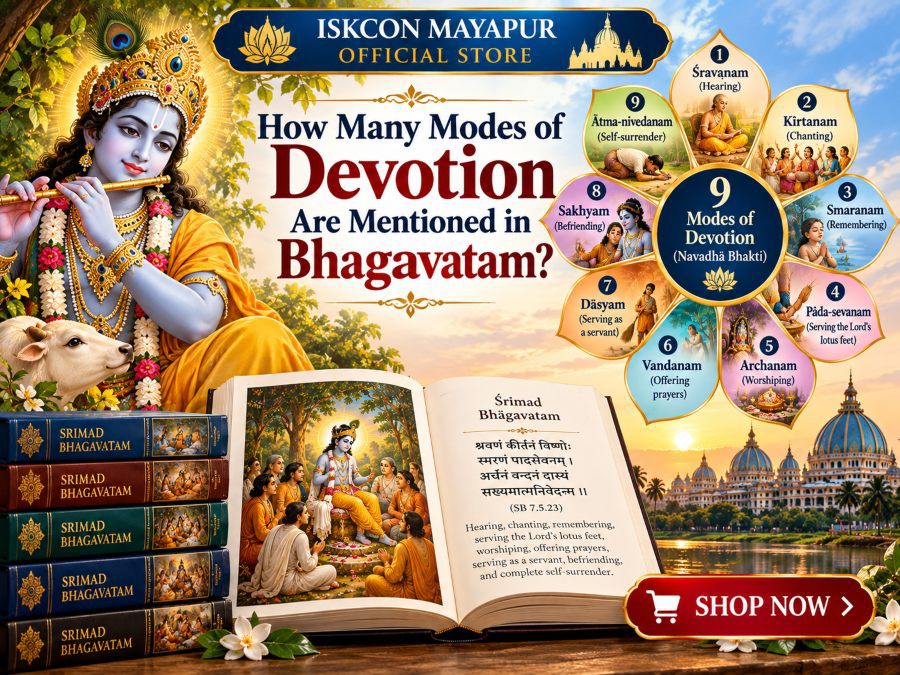 How Many Modes of Devotion Are Mentioned in Bhagavatam?Read more
A young boy named Prahlada listed nine ways to serve God, and the Bhagavatam keeps them as its answer. Learn what the...
-
 What Is Bhagavatam and Why Has It Been Read for 5,000 Years?Read more
A dying king asked one question, and the answer became the Bhagavatam. Learn what this Sanskrit scripture contains,...
-
 Who Is Lord Krishna? His Meaning, Teachings and Pastimes ExplainedRead more
Discover who Krishna is according to Srimad Bhagavatam, including His divine identity, childhood pastimes, teachings,...
-
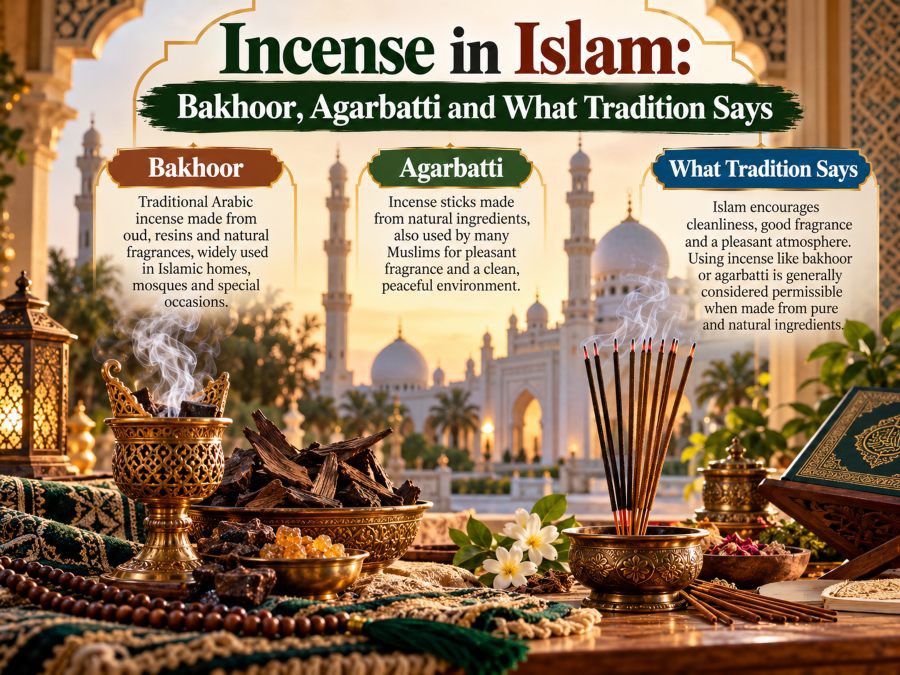 Incense in Islam: Bakhoor, Agarbatti and What Tradition SaysRead more
Is burning fragrance part of Muslim tradition? Explore incense in Islam, from the Prophetic practice of fumigating...
-
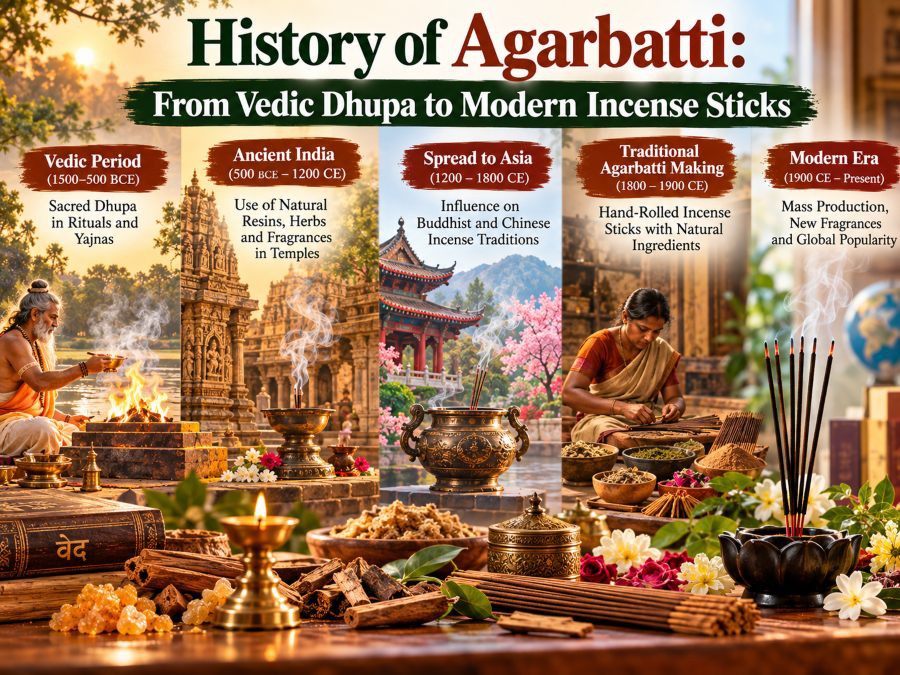 History of Agarbatti: From Vedic Dhupa to Modern Incense SticksRead more
Where did agarbatti really come from? Follow the history of agarbatti from Vedic fire rituals and temple dhupa to...
Blog categories
- Default category (0)
- MUSICAL INSTRUMENT (1)
- BOOK (5)
- DEVOTIONAL GIFT (0)
- Blog (30) click
- CHANDAN (12)
- Bhagavatam Wisdom Series (68)
- Krishna Consciousness (14)
- Mridangam Musical Instrument (6)
- Bhagavad Gita for Beginners (13)
- Bhagavad Gita As It Is (37) click
- Bhagavad Gita As It Is Telugu (0)
- Bhagavad Gita As It Is Marathi (0)
- Bhagavad Gita As It Is In Hindi (0)
- Bhagavad Gita As It Is In English (0)
- Bhagavad Gita As It Is In Bengali (8)
- Bhagavad Gita As It Is In Kannada (0)
- Bhagavad Gita As It Is In Gujarati (0)
- Bhagavad Gita As It Is In Panjabi (0)
- Bhagavad Gita As It Is In Tamil (0)
- Bhagavad Gita As It Is Odia (0)
- BHAGAVAD GITA As It Is GERMAN (0)
- Bhagavad Gita As It Is In French (0)
- Bhagavad Gita As It Is In Nepali (0)
- Bhagavad Gita As It Is In Assamese (0)
- Incense or Agarbatti (38)
- Lord Chaitanya Mahaprabhu (3)
- Vedic Temple Mayapur (14)
- kalki (15)
- Mahabharata – Dharma & Destiny (27)
- Vaishnava Scriptures (4)
- healthy product (4)
- chaitanya mahaprabhu (5)
- Tulsi Mala Guide (17)
Search in blog

Can Men Wear a Tulsi Mala? Yes, and Here's Why It's Nothing New
Can Men Wear a Tulsi Mala? Yes, and Here's Why It's Nothing New
Walk through any temple town in India and you'll see men of every age wearing a simple wooden garland around their neck, without a second thought about whether they're "allowed" to. Yet somehow, outside those circles, the question keeps popping up: can men wear a Tulsi Mala at all, or is it something else entirely — jewelry meant for women, or a symbol reserved for priests? Anyone who's browsed Tulsi Mala styles online and hesitated before buying one for themselves, specifically because they weren't sure it was "appropriate" for a man, needs a straight answer. So here it is: yes, men wear Tulsi Malas constantly, and they always have.
The confusion mostly comes from unfamiliarity, not from any actual restriction. Let's unpack where that unfamiliarity comes from, and why it doesn't hold up once you look at how the tradition actually works.

Why Does This Even Sound Like a Question?
In a lot of Western or urban contexts, neck jewelry gets coded as feminine by default. A string of beads reads, to some eyes, like a necklace — and necklaces get filed under "women's accessories" almost automatically. That cultural assumption gets carried, incorrectly, into devotional practice, where it simply doesn't apply.
Here's the disconnect: a Tulsi Mala isn't decorative jewelry in the way a fashion necklace is. It's a devotional tool, closer in function to a rosary than to a pendant. And rosaries, prayer beads, and mala-style chanting tools show up across nearly every major spiritual tradition worn by men without anyone questioning it. The gender confusion around Tulsi Mala specifically says more about unfamiliarity with its actual purpose than anything rooted in the tradition itself.
Who Actually Wears a Tulsi Mala? (Spoiler: Overwhelmingly Men, Historically)
If anything, the historical picture leans the opposite direction from what the question assumes.
Consider who's commonly pictured wearing one:
- Sadhus and monks, almost universally shown wearing Tulsi beads in classical and modern imagery alike
- Temple priests and pujaris, for whom the mala is often a daily, visible part of their role
- Male householders practicing bhakti, wearing a mala as part of ordinary family and devotional life, not as anything unusual
- Young boys, given their first mala by parents the same way girls are, with zero gendered distinction in the gesture
- Spiritual teachers and gurus, frequently pictured with a mala as a core part of their public identity
Historically, if there's ever been an imbalance in visibility, it tilted toward men, not away from them. The idea that a Tulsi Mala is somehow "not for men" doesn't match the historical or contemporary reality at all.
What the Tradition Actually Says About Gender and the Mala
Vaishnava philosophy treats the soul as fundamentally beyond gender — a point that comes up constantly in devotional teaching. The physical body is male or female, but the spiritual identity underneath, the part actually engaging in chanting and devotion, isn't categorized that way.
That single idea does a lot of work here. If the soul itself isn't gendered, then a devotional tool meant to support that soul's connection to the divine was never going to come with a "men only" or "women only" label attached. The mala addresses the practitioner at a level where gender simply isn't the relevant category.
What actually determines whether someone wears a Tulsi Mala:
- Genuine interest in chanting or devotional practice
- A connection, however early or developing, to bhakti tradition
- Personal choice to keep a devotional reminder physically present
- Family or community custom, where relevant
Notice that gender doesn't appear anywhere on that list, because it was never actually a qualifying factor in the first place.
Choosing a Mala Style That Fits a Man's Daily Routine
Once the "am I allowed" question is settled, the more useful conversation is practical: which mala style actually works for daily wear, especially for men who might be new to wearing anything around the neck regularly?
Comfort and subtlety both matter here. Some men, especially those newer to the practice, prefer something that sits close to the neck without feeling bulky or overly ornamental under a shirt collar. A Kanthi Mala 3 Round Small Disc-Shaped Beads style is a strong option for exactly this reason — the flatter, disc-shaped beads sit lower profile than rounder styles, making it easier to wear comfortably through a full workday, gym session, or anything else requiring a bit more movement, while three rounds still give it a substantial, traditional presence rather than looking like an afterthought.
There's no separate category of "masculine" versus "feminine" mala styles in the tradition itself. Bead shape and round count come down to comfort and personal taste, the same as they would for anyone.
Does Workplace or Social Setting Change Anything?
This is a genuinely practical concern for a lot of men, especially those working in office environments or social circles where visible religious items aren't the norm. It's worth addressing honestly rather than brushing past it.
There's no rule requiring a Tulsi Mala to be worn visibly at all times. Plenty of men tuck it under a collar during work hours, not out of embarrassment, but simply as a practical accommodation to a particular environment. Others wear it openly without a second thought, depending on their workplace culture and personal comfort. Neither approach is more "correct" than the other — the mala's spiritual function doesn't depend on public visibility.
Some men also choose to wear a mala only during dedicated chanting time at home, keeping it separate from their everyday public appearance entirely. That's equally valid. The practice adapts to a person's life circumstances; it was never designed to demand the opposite.
A Word on Fathers Passing This Down to Sons
There's a quiet but meaningful thread running through a lot of Vaishnava households: fathers introducing their sons to a Tulsi Mala early, often well before the child fully understands what it represents. It becomes less of an explained doctrine at that age and more of an inherited habit, absorbed the way a child absorbs any family custom.
That early exposure tends to matter more than people expect. Boys who grow up seeing their father wear a mala without any self-consciousness around it generally carry that same ease into adulthood, without ever needing to ask the question this article is answering. It's a useful reminder that a lot of hesitation men feel later in life comes from not having that early, normalized exposure — not from anything inherently uncertain about the practice itself.
If you're a father considering introducing this to a son, there's no formal age requirement or ceremony needed to begin. A simple, comfortable mala and an unforced explanation go a long way.
Common Myths That Deserve to Be Corrected
Myth 1: "A Tulsi Mala is technically jewelry, and jewelry is for women." This conflates two very different categories. A mala functions as a chanting and meditation tool first; any resemblance to jewelry is incidental, not definitional.
Myth 2: "Only monks or priests can wear one, not regular men with jobs and families." Householder practitioners have worn malas throughout devotional history. There's no requirement to renounce ordinary life or take on a formal religious role first.
Myth 3: "Wearing one will make a man look overly religious or draw unwanted attention." That's a social concern, not a spiritual restriction, and it varies enormously depending on context and community. It has nothing to do with whether the practice is actually appropriate for men.
Myth 4: "Men should wear a rudraksha instead, not Tulsi." Both have their own traditions and purposes, often used by the same practitioners for different aspects of practice. One doesn't cancel out or replace the other, and choosing Tulsi over rudraksha, or wearing both, comes down to personal devotional focus.
Myth 5: "A man wearing a Tulsi Mala must be extremely advanced in his practice." Beginners wear one just as often as long-term practitioners. There's no seniority requirement attached to picking one up and starting.
What Men New to This Practice Often Ask Next
Once the gender question is resolved, a handful of follow-up questions tend to come up almost immediately.
- "Do I need to chant a specific number of rounds?" Not at the start. Beginning with a small, manageable number and building consistency matters more than hitting a specific target right away.
- "What if I forget to wear it some days?" That's normal, especially early on. The habit strengthens with repetition, not with guilt over missed days.
- "Should I remove it during physical activity or work?" Many men do, purely for practical comfort, and put it back on afterward. That's a personal routine choice, not a rule violation.
- "Does it need to match anything I wear?" No — it's not a fashion accessory being coordinated with an outfit. Its role has nothing to do with aesthetics.
Why This Matters Beyond Just One Question
There's a broader point buried in this topic. Questioning whether men can wear a Tulsi Mala often comes from applying modern, culturally specific assumptions about jewelry and gender onto a much older devotional practice that was never built around those categories in the first place. Once you strip away that modern lens, the actual answer becomes obvious rather quickly.
Devotional tools like the Tulsi Mala were designed to serve a practice, not to signal gender. Men have used it, taught with it, and passed it down for generations, right alongside women doing exactly the same thing. The categories some people try to impose onto it — masculine, feminine, appropriate, inappropriate — simply don't originate from the tradition itself; they get layered on afterward by outside assumptions.
The Bottom Line
Men can absolutely wear a Tulsi Mala, and honestly, throughout most of devotional history, they've been among its most visible and consistent wearers. The lingering doubt around this question says more about unfamiliar cultural assumptions than anything rooted in actual tradition. If you've been holding off on picking one up because you weren't sure it was "meant for you," consider that hesitation cleared. It was always meant for anyone sincere enough to wear it.
Posted in: Tulsi Mala Guide
Related posts
-
 Where to Buy a Real Tulsi Mala Online Most tulsi malas sold online are fake, dyed, or mislabeled. Here's how to spot genuine tulsi wood, why traceability...Read more
 -
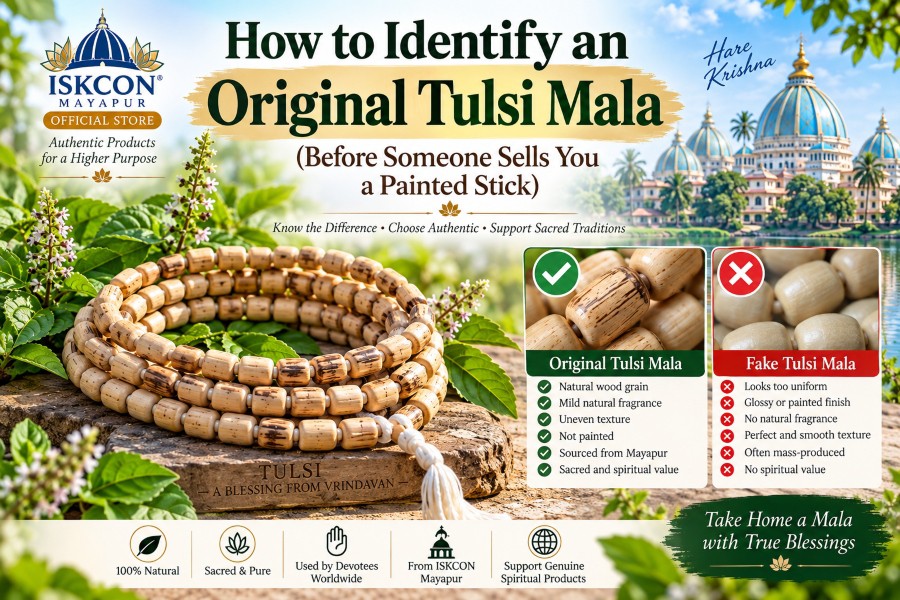 How to Identify an Original Tulsi Mala (Before Someone Sells You a Painted Stick)Most fake tulsi beads look convincing in a photo but fail the moment you hold them. Here are the weight, smell,...Read more
 -
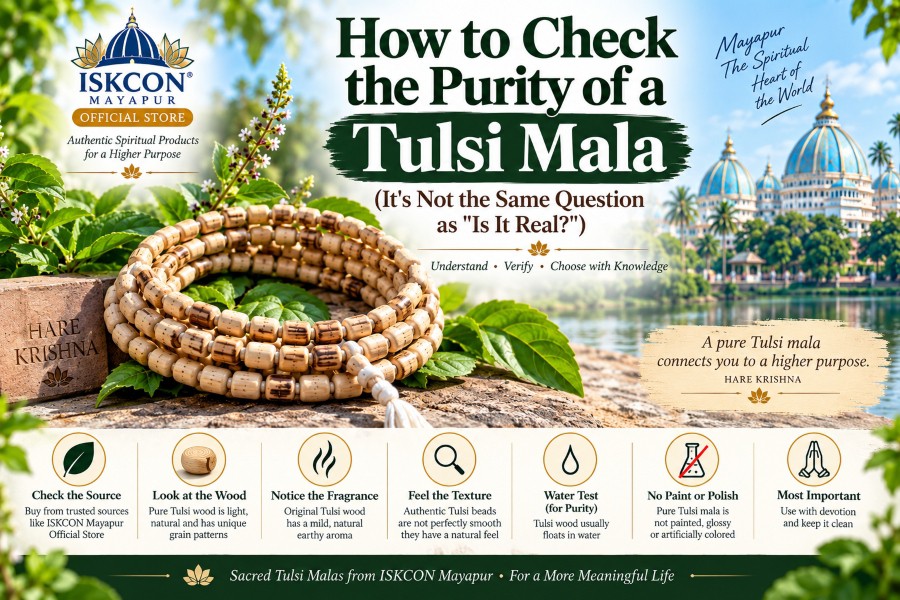 How to Check the Purity of a Tulsi Mala (It's Not the Same Question as "Is It Real?")Purity isn't the same as authenticity. Here's how to check both — whether the beads are genuinely tulsi wood, and...Read more
 -
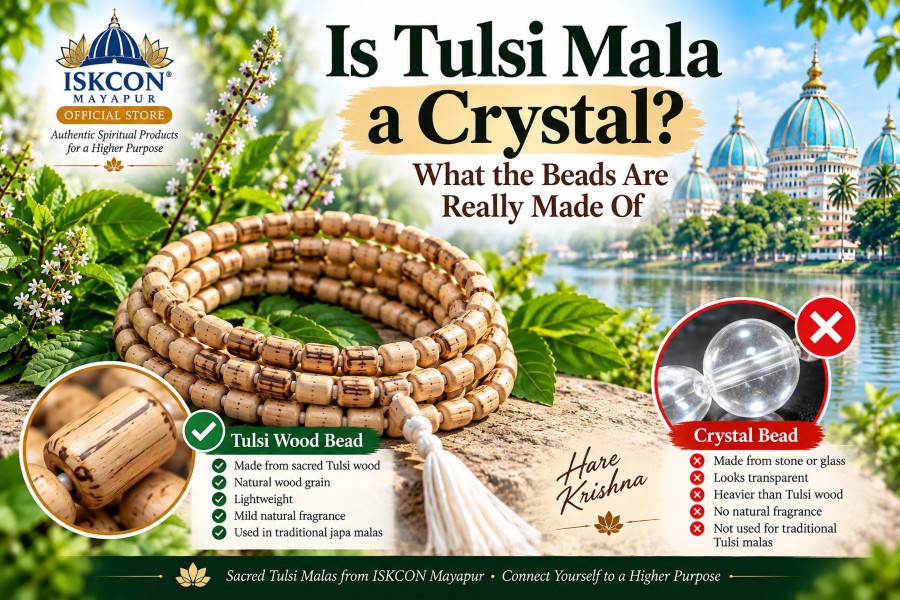 Is Tulsi Mala a Crystal? What the Beads Are Really Made OfTulsi malas often get mistaken for crystal jewellery online. Here's what tulsi beads are actually made of, why the...Read more
 -
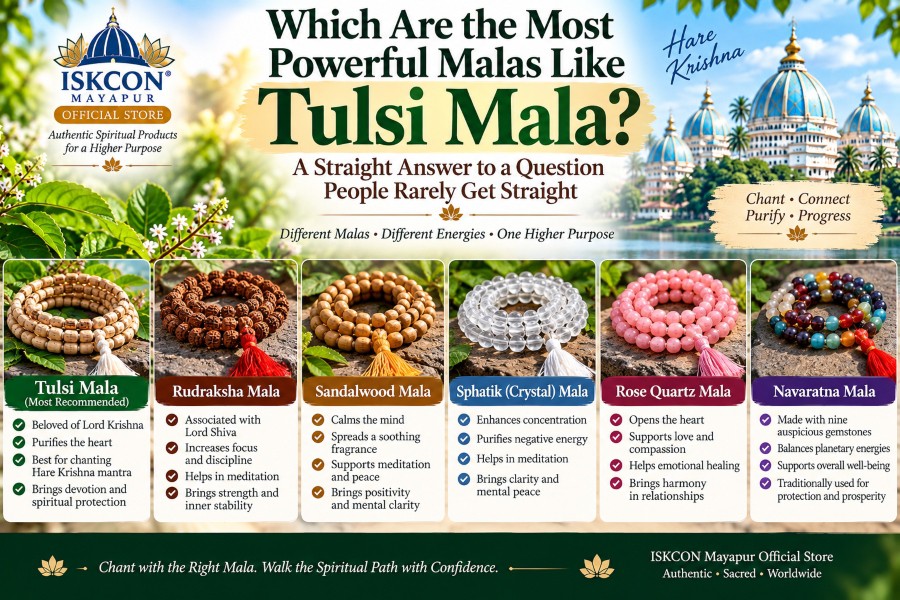 Which Are the Most Powerful Malas Like Tulsi Mala? A Straight Answer to a Question People Rarely Get StraightTulsi, rudraksha, sphatik, sandalwood, and navratna are all called "powerful" — but each belongs to a different...Read more
Leave a comment